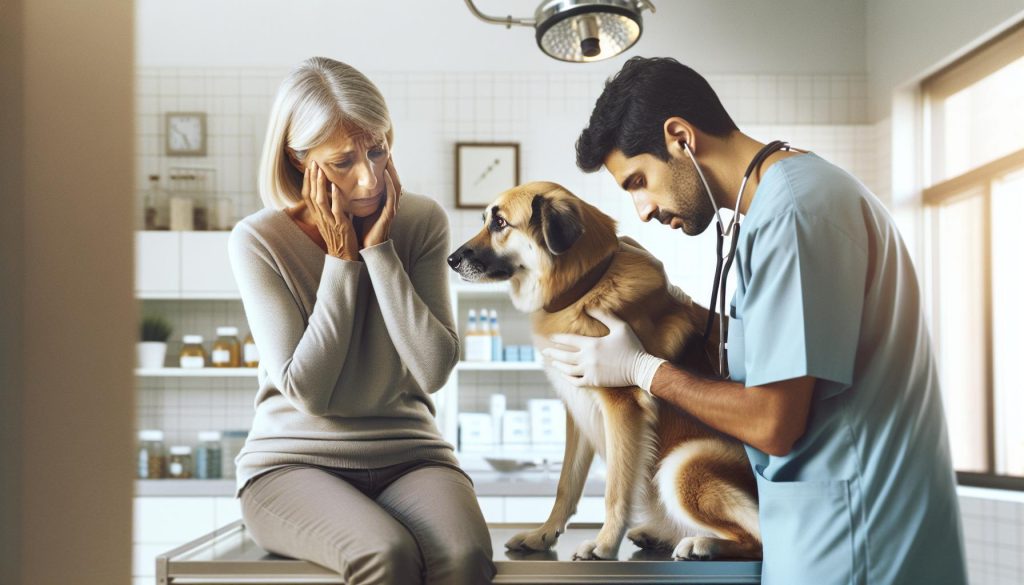
Did you know that bloat is one of the most serious health emergencies a dog can face? Water bloat, a specific form of this condition, occurs when a dog’s stomach fills with excess water, leading to dangerous swelling and potential complications. As devoted pet owners, it’s our responsibility to be alert to this critical issue, understanding its symptoms and what to do in an emergency. Your dog’s well-being is paramount, and knowing how to recognize the signs of water bloat can save their life. In this article, we’ll explore the symptoms of water bloat in dogs, the immediate steps to take if you suspect your furry friend is at risk, and important preventive measures to keep your pet healthy and happy. So, let’s dive in to ensure you’re prepared and knowledgeable about this urgent topic!
What is Water Bloat in Dogs: An Overview
Water bloat, also known as gastric dilation-volvulus (GDV), is a serious condition that affects dogs and poses a significant threat to their health. This condition occurs when a dog’s stomach fills with gas, food, or fluid and distends excessively, sometimes leading to a twisting of the stomach. This is not just discomfort; it can rapidly become life-threatening, as the bloated stomach can put pressure on vital organs, impede blood flow, and lead to shock. Recognizing the gravity of water bloat is crucial for any dog owner, as early intervention can be the difference between life and death.
A common trigger for water bloat is the consumption of excessive amounts of water in a short period, especially after vigorous exercise or during hot weather. Large, deep-chested breeds, such as Great Danes, Boxers, and Doberman Pinschers, are particularly susceptible due to their anatomical structure. However, any dog can experience this condition under the right (or rather, the wrong) circumstances. Understanding the risk factors and symptoms can empower dog owners to take proactive measures to prevent this worrying situation.
If your dog shows signs of discomfort, bloat, or restlessness after drinking water, it’s essential to remain vigilant. The typical signs include a visibly distended stomach, non-productive attempts to vomit, excessive drooling, and agitation. These symptoms can escalate quickly, so knowing what to look for can allow you to act promptly. Regular check-ups with a veterinarian and following their advice on hydration and feeding can help mitigate these risks and keep your furry friend healthy and happy.
Understanding the Causes of Water Bloat
Water bloat in dogs is a serious concern, and understanding its causes is essential for proactive care. One significant contributing factor is the rapid ingestion of water, particularly after intense exercise or during hot weather. Dogs, driven by thirst, can gulp large amounts of water in a short time, leading to excessive stomach distention. This is particularly common in breeds with deep chests, such as Great Danes, Boxers, and Doberman Pinschers, due to their anatomical structure, which makes them more vulnerable to this condition.
Moreover, certain behavioral patterns can heighten the risk. For instance, dogs that consume meals quickly without proper pacing may not only face issues with food bloat but can also overhydrate before or after mealtime. Feeding dogs in a raised bowl or offering slow-feed dishes and water dispenses helps mitigate this risk by encouraging slower consumption.
Stress and anxiety can also play a role in increasing the likelihood of water bloat, as a stressed dog may eat or drink much faster than usual. Creating a calm eating environment can help curb this tendency. Additionally, genetics can influence susceptibility; if a dog’s lineage has a history of bloat, they may be at higher risk. It’s important to communicate with breeders about these tendencies and monitor individual hydration habits closely.
In conclusion, recognizing the behavioral, environmental, and genetic factors behind water bloat allows dog owners to take precautionary steps. By providing a structured routine for feeding and drinking, along with ensuring a peaceful atmosphere during mealtimes, you can significantly lower your furry friend’s chances of experiencing this dangerous condition. Being aware and informed can make all the difference in maintaining your dog’s health and well-being.
Recognizing Key Symptoms in Dogs
Recognizing the signs of water bloat in dogs is crucial for ensuring their health and immediate action. This condition can escalate quickly and lead to serious complications, so being vigilant is key. The symptoms may not always be obvious, but understanding what to look for can make all the difference in preventing a dire situation.
One of the most telling symptoms of water bloat is abdominal distention. If you notice your dog’s belly appearing larger than normal or hard to the touch, it may be a sign of excessive fluid buildup. Alongside this physical change, your dog might exhibit restlessness or discomfort, such as pacing or panting. These behaviors indicate they are feeling uneasy, which could be due to the pressure in their stomach.
Additionally, keep an eye out for vomiting or attempts to vomit without bringing anything up, known as dry heaving. This occurs when the stomach is under so much pressure that it causes nausea. Another critical symptom is shortness of breath or rapid breathing, which stems from the compressed diaphragm due to an overstretched stomach. If your dog is displaying any combination of these signs, it’s essential to act quickly.
It’s also important to consider breed-specific vulnerabilities. For example, larger breeds or those with deep chests, such as Great Danes, Doberman Pinschers, and Boxers, are more predisposed to exhibiting these symptoms. Owners of such breeds should be especially alert following drinking bouts after exercise or during warm weather.
In summary, being proactive and observant can help you catch the symptoms of water bloat early. If you notice any signs like abdominal distention, restlessness, vomiting, or difficulty breathing, it’s crucial to contact your veterinarian immediately. By recognizing the signs early, you can potentially save your dog from a life-threatening situation.
Differentiating Water Bloat from Other Conditions
Water bloat in dogs, while serious, can sometimes be mistaken for other conditions, leading to confusion for pet owners. Distinguishing between water bloat and similar ailments is essential for prompt treatment. One of the most significant conditions that can be confused with water bloat is gastric dilatation-volvulus (GDV), commonly known as bloat. Although both conditions involve stomach distention, GDV is far more severe and occurs when the stomach twists, trapping air and causing tissue necrosis. In contrast, water bloat typically involves fluid accumulation without the stomach twisting, making early identification crucial.
Key symptoms that differentiate these two conditions include the nature of the distension and the dog’s behavior. In cases of GDV, the distension is often more pronounced, and dogs may exhibit extreme distress with signs such as excessive drooling, retching without producing anything, and even signs of shock like weakness or collapse. By contrast, with water bloat, the dog may still show some interest in food or water but will display discomfort, such as restlessness or pacing. Recognizing these subtle differences can be vital in managing your dog’s condition effectively.
Other gastrointestinal issues, such as intestinal obstruction or pancreatitis, may also mimic the symptoms of water bloat. An intestinal obstruction, often caused by swallowing foreign objects, features symptoms such as vomiting and severe abdominal pain. Dogs with pancreatitis may show signs of painful abdominal bloating as well, but they typically also exhibit other key indicators like jaundice, diarrhea, or lethargy. Understanding these variations can help dog owners make more informed decisions when seeking veterinary care.
To further assist in differentiation, consider keeping a pet health journal, noting your dog’s symptoms, behavior, and any potential incidents that could have led to their distress. This record can be invaluable in discussions with your veterinarian, enabling more accurate and timely diagnosis. By being observant and proactive, you enable a swift response, increasing the chances of a better outcome for your beloved pet.
Immediate Emergency Treatments for Water Bloat
If your furry friend is experiencing water bloat, acting quickly is essential. This condition can lead to serious complications if not addressed promptly. The immediate goal is to reduce the fluid accumulation in your dog’s stomach and relieve any discomfort they may feel.
First and foremost, stay calm; your dog can pick up on your stress. Instead of attempting to induce vomiting-which can worsen the situation-focus on getting them to a veterinarian as soon as possible. If you have a faithful friend or family member, ask them to drive you, or call a pet ambulance service for a safer transport if your dog seems critical. In route, try to keep your dog as calm as possible. You can also monitor their breathing and comfort level, reassuring them that help is on the way.
While waiting for veterinary care, check your dog for other potential emergency signs. Look for severe abdominal pain or tenderness, excessive drooling, or any signs of shock-like weakness or unresponsiveness. If your dog is still alert, you might offer them a small amount of water to sip; however, avoid giving large amounts at once, as this could exacerbate the problem.
Upon arrival at the veterinary clinic, the emergency vet will typically conduct a thorough examination. They may perform an ultrasound or X-ray to assess the extent of fluid buildup and ensure no other serious conditions, such as gastrointestinal obstruction or GDV, are present. In many cases, treatment will include the administration of diuretics to help remove excess fluid and relieve pressure on your dog’s stomach.
For pet owners, understanding that water bloat requires immediate attention can make a difference. It’s highly recommended to keep emergency contact information for your vet easily accessible and to familiarize yourself with the fastest routes to emergency veterinary clinics. Being prepared can save precious time in a crisis!
Veterinary Care: Diagnosis and Treatment Options
When a dog is suspected to be suffering from water bloat, swift and effective veterinary care is fundamental to ensuring their recovery. Time is of the essence, as water bloat can escalate rapidly into more severe complications, including stomach rupture. Upon arriving at the veterinary clinic, your trusted veterinarian will likely begin with a thorough examination, which includes both a physical assessment and diagnostics, such as an ultrasound or X-ray, to determine the extent of fluid buildup and rule out other serious conditions, like gastric dilatation-volvulus (GDV) or intestinal obstructions.
Once diagnosed, the treatment plan typically focuses on removing excess fluid and alleviating pressure on the digestive system. Your vet may administer diuretics, medications designed to promote urination and fluid elimination, helping to reduce the fluid in the stomach. In some cases, aspiration may be necessary, where a veterinarian uses a needle or catheter to withdraw fluid directly from the abdomen. This procedure can minimize discomfort for your dog and facilitate more effective breathing and movement.
It’s essential to monitor your dog closely during treatment. Some dogs may need hospitalization for continuous observation and additional treatments, especially if they exhibit severe symptoms or other underlying health issues. A veterinarian may also provide intravenous fluids to maintain hydration and electrolyte balance, which is critical during this recovery phase.
Throughout this process, open communication with your veterinary team is vital. Don’t hesitate to ask questions about the diagnosis, treatment options, and what you can expect in terms of recovery time. Your proactive engagement can help create a partnership with your veterinarian that enhances the care your pet receives. Remember, being well-informed and prepared can significantly impact your dog’s recovery journey.
Preventing Water Bloat: Tips for Dog Owners
Preventing water bloat in dogs requires a proactive approach and small adjustments to their daily routines. This condition can be quite serious, so being in the know enables you to safeguard your furry friend’s health effectively. For instance, did you know that feeding practices can significantly impact your dog’s risk of developing water bloat? By making informed choices about food and hydration, you can help reduce potential triggers.
To start, it’s important to establish a proper feeding schedule. Instead of allowing your dog to have free access to food throughout the day, opt for measured meals. This can prevent overeating, a common cause of water bloat. When serving meals, consider using bowls designed to slow down eating, which require your dog to take smaller bites and chew thoroughly. Additionally, avoid exercising your dog immediately before or after meals-waiting at least an hour before and after meals can minimize the risk of bloat.
Hydration, while essential, needs careful management to prevent water bloat as well. It’s vital to monitor how and when your dog drinks, especially after exercise. Encourage your dog to drink smaller amounts at a time rather than gulping down large quantities of water. You can also provide fresh water in smaller bowls throughout the day, which can discourage rapid drinking. Moreover, if your dog enjoys swimming, make sure to prevent them from drinking excessive amounts of pool or ocean water, as this can also contribute to bloating.
Breed-Specific Considerations
Certain breeds are more susceptible to water bloat due to their anatomical structure. Breeds like Great Danes, Boxers, and Doberman Pinschers are particularly at risk. If you own one of these breeds, pay extra attention to their eating habits and hydration practices. Implementing preventive measures early in their life can make a significant difference. For example, you might want to consult your vet about individual feeding plans and consider adding regular vet check-ups to monitor your dog’s health closely.
In conclusion, preventive measures against water bloat hinge on responsible feeding and hydration practices, particularly for breeds prone to this condition. Making conscious choices in these areas can help ensure your dog stays healthy and happy. Your dedication to their well-being not only enhances their life but also strengthens the bond you share, giving you both more joyful moments together.
Post-Treatment Care and Recovery Strategies
After a dog has experienced water bloat, their recovery is a crucial time that requires close attention and care. It’s comforting to know that with the right approach, most dogs can return to a happy and healthy life, but understanding what to do during the post-treatment phase is essential. First and foremost, providing a calm and stress-free environment for your furry friend can significantly aid their recovery. A soothing atmosphere will help them relax and heal, allowing you to monitor their progress more effectively.
When it comes to their diet post-treatment, you should transition slowly back to their normal food. Start with bland, easily digestible meals to avoid upsetting their stomach. Consider options like plain boiled chicken and rice for the initial few days, then gradually reintroducing their regular food in small portions. Keeping meals frequent but mini-sized can help prevent any recurrence of bloating. This approach is particularly important for breeds that have shown susceptibility to water bloat, such as Great Danes and Boxers-these dogs often benefit from smaller, more frequent meals given in a safe area free from distractions.
Hydration remains a critical factor during recovery. Once your vet gives the green light, encourage your dog to drink small amounts of water frequently rather than gulping down large amounts at once. You might find that using a water bowl with a slow-feeding design can help regulate their intake. Monitoring their hydration is especially vital for those breeds prone to water bloat, as they may need more cautious management.
Further support can include keeping a close eye on their behavior and any signs of distress or discomfort. If your dog seems unusually lethargic, shows signs of pain, or is refusing food or water, reach out to your veterinarian without delay. Having a clear line of communication with your vet can ensure that any complications or concerns are addressed promptly, providing peace of mind during recovery.
Remember, the post-treatment phase is also an opportunity to reinforce good habits. Use this time to establish a solid feeding routine that incorporates all the preventive measures discussed. Engaging with your dog through gentle activities can also help restore their energy levels and strengthen your bond.
By taking an active role in your dog’s recovery journey and maintaining open communication with your vet, you can help ensure a smooth transition back to their regular routine, allowing your furry friend to thrive.
Breed-Specific Vulnerabilities to Water Bloat
Certain breeds of dogs are particularly susceptible to water bloat, also known as gastric dilatation-volvulus (GDV). This serious condition can lead to life-threatening consequences if not addressed swiftly. Breeds that have deep chests and thin waists, like Great Danes, Boxers, and Doberman Pinschers, are more prone to developing GDV due to their anatomy. The deeper chest provides ample space for the stomach to expand, but this also increases the risk of it twisting, which can cut off blood supply and cause shock.
Here are some breed-specific vulnerabilities and practical tips for caring for these riskier breeds:
- Great Danes: These gentle giants not only have a high risk for GDV, but their large size complicates immediate response in emergencies. Ensure that they eat smaller, more frequent meals instead of one large meal, as this can help reduce stomach expansion. Provide a calm feeding environment to minimize excessive drinking or gulping.
- Boxers: Similarly, Boxers are prone to bloat due to their build. Keeping their water intake controlled-aim for small amounts frequently throughout the day rather than allowing them to guzzle large quantities at once-can help mitigate risk. Consider using a non-tip bowl or a slow-feeder to control their intake.
- Doberman Pinschers: For Dobies, exercise after meals should be restricted for at least an hour to prevent bloat, as physical activity increases the likelihood of stomach twisting. Make sure their meals are balanced and spaced throughout the day.
To further support these breeds, regular veterinary check-ups to monitor their overall health are essential. These visits are opportunities to discuss any changes in behavior or symptoms that might indicate the onset of bloat. Owners should also be vigilant about recognizing the early signs of water bloat, such as restlessness, pacing, or a distended abdomen. Gathering a comprehensive understanding of each dog’s unique needs allows responsible owners to take proactive steps toward prevention.
In your quest to keep your furry friends safe, create a checklist for effective feeding routines, hydration management, and behavioral monitoring. The care you provide can make a substantial difference in preventing water bloat and ensuring the longevity and happiness of your beloved canine companions.
When to Seek Emergency Veterinary Help
The situation can escalate quickly when it comes to water bloat in dogs, a condition that requires swift action. If you ever notice signs of distress in your furry friend, it’s critical to recognize when immediate veterinary assistance is necessary. Water bloat is not just a simple upset stomach – it can lead to life-threatening complications such as gastric dilatation and volvulus (GDV), where the stomach can twist upon itself, cutting off blood supply and leading to shock.
Be on high alert if you observe any combination of symptoms such as a swollen or distended abdomen, excessive drooling, restlessness, or signs of pain. Your dog might also attempt to vomit without producing any substance, which can be a red flag. Breeds like Great Danes, Boxers, and Doberman Pinschers are predisposed to these severe conditions, underscoring the need for vigilant monitoring after meals, especially after they consume large amounts of food or water too quickly.
If you suspect water bloat, don’t hesitate to take action. Contact your veterinarian immediately or head to the nearest animal emergency clinic. Time is of the essence; every minute counts in reducing the risks of severe complications. Consult your vet about the best ways to prepare your dog for a visit, such as bringing along any relevant medical history or details about recent eating and drinking habits.
In your pursuit of the highest level of care for your beloved companion, consider creating a checklist of warning signs that necessitate urgent attention. Regular veterinary check-ups, particularly for breeds known to be at risk, can also make a significant difference, allowing for early detection of potential problems before they reach a critical stage. Always trust your instincts as a dog owner; if something feels off, it’s better to be safe and seek professional help. The sooner you act, the better the chances of a favorable outcome for your furry family member.
Common Myths About Water Bloat in Dogs
When it comes to water bloat in dogs, misinformation abounds, leading to unnecessary panic or misguided beliefs. One prevalent myth is that only large breeds are susceptible to this condition. While it’s true that breeds such as Great Danes and Doberman Pinschers are at a higher risk, smaller dogs can also experience water bloat. It’s essential for all dog owners to understand that any dog, irrespective of size, can suffer from this serious condition, particularly if they drink an excessive amount of water quickly or eat their meals too fast.
Another common misconception is that water bloat solely refers to the stomach becoming distended with water. In reality, it involves not just excessive fluid accumulation but also the potential for gastric dilatation and volvulus (GDV), a life-threatening emergency where the stomach twists. This can occur even with food or air being trapped alongside water, making it vital for dog owners to recognize the full scope of the issue rather than trivializing it as a simple case of “just too much water.”
It’s also frequently assumed that water bloat is easy to identify, which can lead to dangerous delays in seeking veterinary assistance. While symptoms like a distended abdomen and restlessness are key indicators, some signs can be subtle or easily mistaken for other issues. For example, dogs may show signs of discomfort or attempt to vomit, but not produce anything. This can mislead owners into thinking their pet is merely having digestive troubles rather than facing a critical health crisis.
Lastly, many pet owners believe that water bloat can be treated at home, which can lead to devastating consequences. This condition requires immediate veterinary attention, and any myths suggesting that home remedies or waiting it out is acceptable can jeopardize their pet’s health. Understanding these myths can empower dog owners to act swiftly and appropriately, ensuring their furry companions receive the life-saving care they may need.
Key Takeaways
- All dogs are at risk: Don’t assume only large breeds can suffer from water bloat.
- Recognize the severity: It’s a serious condition that can lead to GDV.
- Stay vigilant: Symptoms can be subtle-don’t delay in seeking help.
- Immediate care is crucial: Home remedies are not a substitute for veterinary assistance.
Educating yourself about these myths not only safeguards your dog’s health but also fosters a deeper relationship with your pet, built on informed care and responsibility.
Resources for Dog Owners: Support and Information
Providing care and ensuring the health of our cherished dogs requires access to reliable information and support. Understanding the signs, symptoms, and urgent needs related to water bloat can feel overwhelming at times, but remember, you are not alone. Many dedicated resources exist to help you navigate these critical moments.
One of the best places to start is your local veterinary clinic. They can provide a wealth of information on water bloat and offer personalized care strategies based on your dog’s specific needs. Many veterinary practices also host educational workshops or informational sessions focused on common health concerns, including water-related issues. Don’t hesitate to reach out and ask about resources or literature they might have available.
In addition, there are numerous online resources designed specifically for dog owners. Websites like the American Kennel Club (AKC), the Pet MD, and the Veterinary Information Network (VIN) offer detailed articles on various health topics, including water bloat. These platforms not only provide symptom checklists and emergency plans but often have forums where you can connect with other pet owners facing similar concerns. Engaging in these communities can offer both emotional support and practical advice.
Moreover, consider joining local dog owner groups or online forums. These communities can be an excellent source of shared experiences and solutions. For example, a group focused on giant breeds may provide tailored tips about water intake management, while a community for small dogs can highlight their unique vulnerabilities.
Lastly, always keep a list of emergency contacts handy, which should include your vet, an emergency veterinary clinic, and a pet poison control hotline. Planning ahead can make a significant difference, ensuring you’re prepared to act swiftly if you suspect your dog is experiencing water bloat or any other emergency.
By seeking out these resources and staying informed, you empower yourself to better support your dog’s health and well-being, reinforcing the bond of trust and care that is at the heart of your relationship.
Faq
Q: What are the warning signs of water bloat in dogs?
A: Warning signs of water bloat in dogs include excessive drooling, restlessness, bloated abdomen, and signs of distress like pacing or whining. If your dog exhibits these symptoms, it’s critical to seek emergency veterinary attention immediately. Early intervention is crucial for a better outcome.
Q: How does water bloat differ from other conditions in dogs?
A: Water bloat is primarily characterized by excessive fluid accumulation in the abdomen, while conditions like GDV (gastric dilatation-volvulus) involve both gas and fluid. Unlike standard bloat, water bloat usually lacks severe abdominal pain but can still quickly escalate into life-threatening territory.
Q: What should I do if I suspect my dog has water bloat?
A: If you suspect water bloat, immediately take your dog to the veterinarian. Avoid giving your dog food or water until a professional evaluates them. Time is of the essence; prompt care can significantly impact recovery chances.
Q: Are certain dog breeds more prone to water bloat?
A: Yes, large and deep-chested breeds, such as Great Danes and German Shepherds, are more susceptible to water bloat. Their physical structure can predispose them to conditions that lead to excess fluid accumulation. Understanding breed-specific vulnerabilities can help in proactive care.
Q: Can water bloat in dogs be treated at home?
A: No, water bloat requires immediate veterinary intervention and cannot be treated at home. Attempting to manage symptoms without professional guidance can lead to severe complications. Always consult a veterinarian if you notice symptoms.
Q: What are the long-term effects of water bloat in dogs?
A: Long-term effects of water bloat can include persistent digestive issues, organ damage, or in severe cases, death. Early and effective treatment can minimize these risks, making it essential to seek veterinary care promptly.
Q: Can I prevent water bloat in my dog?
A: While you cannot completely prevent water bloat, you can reduce the risk by managing feeding practices, avoiding vigorous exercise within an hour after meals, and keeping fresh water available in moderation. For more preventive tips, see the “Preventing Water Bloat” section in our article.
Q: When is it necessary to seek emergency help for water bloat?
A: It’s necessary to seek emergency help whenever you notice signs of water bloat, like a distended abdomen, excessive drooling, or difficulty breathing. Delaying care in these situations can lead to severe health consequences. Always err on the side of caution.
Insights and Conclusions
Understanding water bloat in dogs is crucial for every pet owner, as early recognition and swift action can save your furry friend’s life. If you suspect your dog is experiencing symptoms, don’t wait-contact your veterinarian immediately for advice. While you’re here, broaden your knowledge by checking out our detailed guide on common dog health emergencies and our tips for maintaining canine hydration.
Don’t forget to subscribe to our newsletter for more valuable insights and expert advice on keeping your dog happy and healthy! Have questions or want to share your experiences? We’d love to hear from you in the comments below! Together, let’s ensure that our beloved pets lead long, joyful lives-full of wagging tails and playful moments. Your commitment to learning is the best first step in providing the care they deserve!