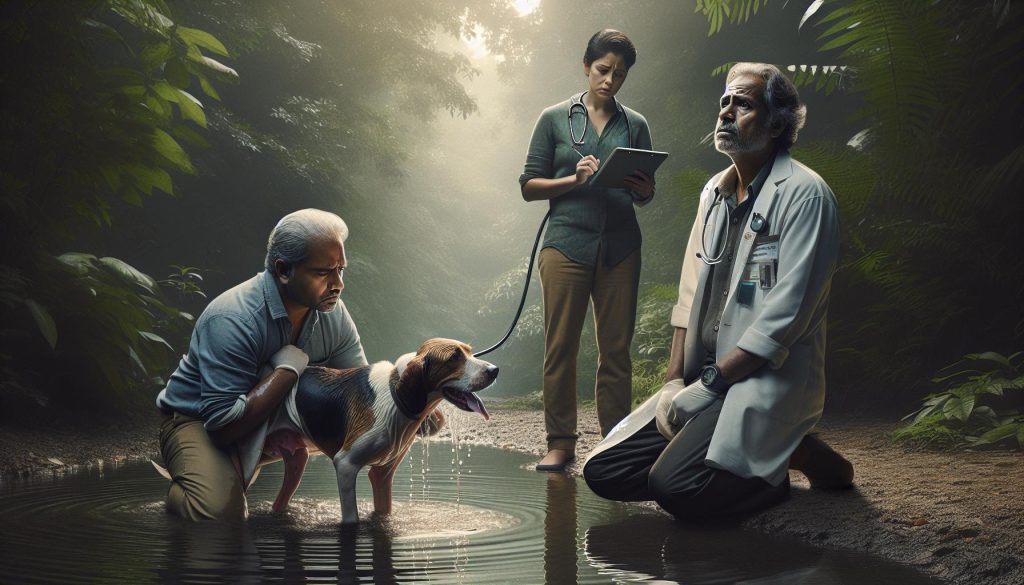
Did you know that while most dog owners are aware of the dangers of dehydration, many overlook the risks of water intoxication? This life-threatening condition occurs when a dog consumes excessive amounts of water in a short period, leading to dangerous electrolyte imbalances. For dog owners, understanding this issue is crucial-not just for safeguarding your furry friend’s health, but also for your peace of mind. Water intoxication can affect any dog, but certain breeds may be more susceptible, especially if they have a penchant for playing in water. By learning about the symptoms and prevention strategies, you can help keep your beloved pet safe and enjoy peace of mind while they frolic and play. Let’s dive deeper into this important topic to ensure your dog stays healthy and hydrated without crossing the line into danger.
Understanding Water Intoxication: Key Facts for Dog Owners
Water intoxication in dogs is a condition that can be easy to overlook but carries significant risks. It’s crucial for dog owners to understand that while dogs love to play in water, overconsumption can lead to severe health issues. This often occurs when dogs drink excessive amounts of water quickly, which can disturb their electrolyte balance, leading to a dangerous situation known as hyponatremia. This stark reality emphasizes the need for awareness among dog owners about the potential dangers associated with their pets’ playtime activities.
Understanding the underlying factors that contribute to water intoxication is essential. It’s not just about how much water a dog consumes; context matters, too. Situations such as high-energy play in water, particularly in hot weather, can tempt dogs to drink more than they should. Furthermore, certain breeds are more susceptible. For instance, breeds with a tendency to gulp or those that engage intensely with water are particularly at risk. By being informed about this condition, dog owners can take preventive measures and ensure that their beloved companions remain safe during their outdoor adventures.
The symptoms of water intoxication can be subtle initially, but they can escalate quickly. Common early signs include restlessness, confusion, and excessive drooling. As the condition progresses, more severe symptoms like nausea, vomiting, or even seizures may occur. Recognizing the early indicators is crucial for timely intervention. Dog owners should monitor their pets closely during and after playtime in water, looking out for any abnormalities in behavior or physical signs of distress.
In summary, fostering a safe environment for your dog around water involves vigilance and education. Keeping fresh water available and encouraging breaks during water play can help regulate your dog’s intake. Ultimately, being proactive can prevent the life-threatening repercussions of this largely misunderstood condition. Engaging with your dog in safe, structured water activities not only enhances their enjoyment but also reinforces your role as a responsible pet owner.
Symptoms of Water Intoxication in Dogs: Recognize the Signs
Recognizing the early signs of water intoxication in your dog can be a lifesaver, as prompt intervention is crucial in preventing severe health issues. While dogs naturally love playing in water, sometimes their enthusiasm can lead them to drink excessive amounts quickly, putting their well-being at risk. This condition can cause a dangerous drop in sodium levels in the body, leading to a range of alarming symptoms. Being aware of these signs can help ensure that your furry friend stays happy and healthy in watery environments.
The initial symptoms of water intoxication may be subtle but are essential to spot. Look for signs such as:
- Restlessness: Your dog may seem anxious or unable to settle down.
- Confusion: Affected dogs might appear disoriented or dazed.
- Excessive drooling: An increase in saliva production can be a reaction to nausea.
- Loss of coordination: Watch for wobbling or difficulty walking-these can be significant indicators of distress.
As water intoxication progresses, the symptoms can become much more severe. You may notice behaviors such as:
- Nausea and vomiting: Your dog may vomit or retch, which is often a sign that something is wrong.
- Weakness or lethargy: If your pet seems excessively tired or unwilling to play, it could be a red flag.
- Seizures: In the most critical cases, dogs can suffer seizures due to severe electrolyte imbalance.
- Vacant stare or unresponsiveness: If your dog is staring blankly or doesn’t respond to your calls, it’s time to seek help.
Being proactive during playtime is vital. Regularly check in with your dog, offering water breaks away from the fun to help manage intake. If you suspect your dog is showing any of these symptoms after a swimming session or a long day of play, don’t hesitate to consult a veterinarian immediately. Recognizing these signs early can make a significant difference in outcomes, helping you ensure that your dog continues to enjoy the water safely.
Causes of Water Intoxication: What Every Dog Parent Should Know
Playing in water is a beloved activity for many dogs, but excessive drinking during that play can lead to a serious condition known as water intoxication. This occurs when a dog consumes large amounts of water in a short period, diluting the sodium levels in their body and causing a dangerous electrolyte imbalance. As responsible dog owners, it’s essential to understand the causes of this condition to better protect our furry companions.
One of the primary causes of water intoxication is the excitement a dog experiences while swimming or playing fetch in water. This enthusiasm can lead to rapid gulping of water as they splash and swim, especially in breeds known for their love of water, like Labrador Retrievers and Golden Retrievers. In some cases, dogs may even become distracted by the fun, forgetting to take breaks and hydrate properly, resulting in overconsumption.
Additionally, certain environmental factors can contribute to the risk of water intoxication. Warm weather and high activity levels can increase a dog’s thirst, prompting them to drink more than usual. Owners should be particularly cautious during prolonged exposure to water, such as at the beach or a lake, where the dog might not have easy access to land and may inadvertently overindulge. It’s a good habit to monitor water intake, especially during extended outings, to ensure your dog doesn’t drink excessively.
By recognizing the scenarios leading to water intoxication, dog owners can implement preventive measures. For example, taking breaks during playtime to allow dogs to cool off and rehydrate with fresh water can help regulate their intake. Using a timer or setting designated play limits can provide structure to these enjoyable sessions while keeping health risks at bay. Remember, awareness and proactive strategies are key to ensuring your dog’s safety in and around water.
At-Risk Dog Breeds: Identifying Vulnerable Canines
Many dog owners may not realize that some breeds are particularly susceptible to water intoxication, a serious condition that can arise from excessive water intake. Breeds that are naturally drawn to swimming and water-related activities, such as Labradors, Golden Retrievers, and Newfoundlands, tend to be more vulnerable. Their enthusiasm in the water often leads to rapid drinking without the necessary breaks for safety.
Identifying Vulnerable Breeds
Understanding which breeds are at greater risk allows owners to take proactive measures. Here’s a look at some breeds that are often more prone to water intoxication:
- Labrador Retriever: Known for their love of water and retrieving, they can gulp water quickly during play.
- Golden Retriever: Similar to Labradors, their playful nature in water can cause them to overdrink.
- Newfoundland: Despite their swimming prowess, they can drink excessively due to their size and excitement.
- Irish Setter: This breed has a high activity level and may not pace themselves properly when in water.
- Cocker Spaniel: Their enthusiastic play can lead to rapid water consumption, especially during fetch games.
Tailoring Care to Specific Breeds
Each breed brings its own quirks, and understanding their behavior in water plays a critical role in preventing water intoxication. For instance, owners of Labradors should be vigilant during fetch sessions at the lake, encouraging breaks and offering fresh water periodically to reduce thirst and limit overconsumption. A simple method is to incorporate a timer, reminding yourself to call your dog back for a brief rest every 15-20 minutes.
Dog owners with breeds like Newfoundlands, known for their lifeguard instincts, should also consider their size and naturally high water intake when playing in aquatic environments. Sessions should be managed to avoid the high risk of gulping water, especially in fast-moving or deep waters where retrieving is most exciting.
Being aware of the predispositions of these breeds allows owners to create a safe and enjoyable environment for their pets. Engaging in water activities with a mindful approach can help mitigate risks while letting your canine companions enjoy their favorite pastime.
How Water Intoxication Develops in Dogs: The Science Explained
Being aware of how water intoxication develops in dogs is essential for every dog owner, especially those with breeds that have a natural affinity for water like Labradors and Newfoundlands. Water intoxication occurs when a dog consumes an excessive amount of water in a short period, leading to an electrolyte imbalance, particularly a dilution of sodium in the bloodstream. This imbalance can cause serious, life-threatening complications, including swelling of the brain (cerebral edema), which affects the dog’s functional ability.
When a dog drinks large quantities of water too quickly-often during intense play or after swimming-the excess water enters their bloodstream and disrupts the osmotic balance that regulates fluid levels. Sodium, an important electrolyte, is diluted to the point that it cannot function effectively, which can lead to neurological symptoms like lethargy, incoordination, and seizures. Understanding this process is critical for owners, especially those whose dogs enjoy water play.
To mitigate these risks, experts recommend closely monitoring your dog’s drinking habits during activities involving water. Here are some proactive steps you can implement:
- Scheduled Breaks: Introduce regular intervals for rest and water breaks during play sessions. This helps prevent excessive drinking during excitement.
- Encourage Caution: Teach your dog to pace itself when drinking by providing it with smaller amounts of water more frequently instead of allowing them to consume large gulps at once.
- Recognize Signs: Familiarize yourself with the signs of water intoxication, such as vomiting, bloating, loss of coordination, and changes in behavior, so you can act swiftly if needed.
By understanding the science behind water intoxication and adopting a cautious approach, you can create a safe and enjoyable water experience for your beloved canine companion.
Immediate Actions to Take If Your Dog Overdrinks
If your dog has overdrank water, staying calm and acting quickly is crucial. Water intoxication can escalate quickly, so your immediate response can significantly affect your dog’s health. First, assess your dog’s condition: if they exhibit any signs of distress, such as vomiting, bloating, unsteadiness, or lethargy, these are red flags indicating that you should take decisive action.
Begin by removing any access to additional water to prevent further drinking. Instead of panicking, keep your dog in a quiet, calm environment to help ease any anxiety they may be feeling. Gently encourage them to rest, and monitor their behavior closely. If your dog is showing any concerning symptoms, contact your veterinarian immediately for guidance. Describing your dog’s behavior over the phone can help veterinary staff prepare for your arrival.
Beyond immediate actions, you may consider offering small amounts of electrolytes, such as those found in sports drinks tailored for pets. This can help replenish lost electrolytes, but be sure to check with your vet before administering anything. If there’s uncertainty regarding their symptoms or if they worsen, prioritizing a vet visit is essential, as they can perform necessary evaluations and treatments.
Lastly, heartening stories from other dog owners can remind you that proactive care is key. For instance, one pet parent recounted how recognizing the signs of water intoxication while at the lake saved their dog from a serious situation. Their quick action and understanding of the issue allowed for timely treatment, demonstrating the importance of dog owners being well-informed. Keeping these insights in mind can empower you to take action effectively should you find yourself in a similar situation.
Veterinary Treatments for Water Intoxication: What to Expect
Responding quickly to water intoxication in dogs can be a game changer, as timely veterinary intervention can greatly influence outcomes. When you arrive at the veterinary clinic, expect a thorough assessment that may include a physical examination, temperature check, and monitoring of vital signs to gauge your dog’s condition. The veterinarian will assess any neurological symptoms, such as disorientation or seizures, which can indicate the severity of the condition.
Once diagnosed, treatment will likely be initiated immediately. Common interventions include intravenous (IV) fluids to help correct electrolyte imbalances and to ensure proper hydration without further overwhelming your dog’s system. Your vet may also monitor your dog for signs of pulmonary edema (fluid in the lungs), a serious complication of water intoxication. If that occurs, additional treatments such as medications to reduce fluid accumulation may be necessary.
Other supportive therapies might involve administering medications to manage specific symptoms, such as anti-seizure drugs if convulsions occur. Moreover, clinicians will conduct lab tests to monitor blood chemistry changes and to track your dog’s recovery progress closely. These steps are crucial, as they provide a clearer picture of how well your dog is responding to treatment and whether adjustments are needed.
It’s important to ask questions and seek clarification on any aspect of your dog’s care. Engaging in open discussions with your veterinarian can help you feel more at ease and informed about the path to recovery. Sharing personal anecdotes, such as how another pet parent faced a similar situation, can provide comfort and reinforce the necessity of seeking professional help when water intoxication arises. Remember, your proactive approach combined with veterinary expertise is vital to ensuring your dog’s health and safety.
Long-Term Effects of Water Intoxication: Health Implications
Understanding the long-term effects of water intoxication on dogs is crucial for all pet owners. While many dogs recover well after timely treatment, some may experience lingering health implications that could affect their quality of life. Water intoxication causes an imbalance of electrolytes in the body, leading to potentially severe complications that may persist long after the acute phase has passed.
One of the primary concerns following an episode of water intoxication is neurological damage. Swelling of the brain, known as cerebral edema, can occur due to excess water intake and low sodium levels, both of which can lead to heightened intracranial pressure. This pressure can cause lasting impairments, often about coordination and cognitive functions. Symptoms such as disorientation, difficulty walking, or changes in behavior may remain, necessitating ongoing veterinary care and monitoring.
Another significant concern is the impact on kidney function. The kidneys play a vital role in regulating fluid balance and electrolytes. An episode of water intoxication puts considerable stress on these organs, potentially resulting in acute kidney injury. This can manifest as increased thirst or urination, and long-term, can lead to chronic kidney disease, which requires careful management and dietary adjustments.
Regular veterinary check-ups after a water intoxication incident are essential. Here’s a practical checklist to follow:
- Monitor Behavior: Watch for any changes in your dog’s behavior, such as lethargy or difficulty concentrating.
- Hydration Awareness: Ensure your dog remains hydrated but avoid letting them over-drink.
- Frequent Vet Visits: Schedule follow-up appointments to check kidney function and overall health.
- Dietary Adjustments: Consult your vet about any necessary dietary changes that may support kidney health.
In conclusion, while immediate effects of water intoxication can be alarming and require swift intervention, the potential long-term health implications on your dog’s kidneys and neurological health must also be considered. Engaging with your veterinarian about ongoing observations and health management is a proactive way to support your dog’s recovery and overall well-being. Remember, vigilance and care can make all the difference in ensuring your furry friend leads a happy and healthy life after experiencing such a serious condition.
Preventing Water Intoxication: Tips for Safe Play
It’s essential to ensure that our dogs enjoy playtime in the water without the risks associated with overindulging. Water intoxication, though a serious condition, can often be prevented with simple strategies. Just like humans, dogs can overdrink, particularly when they’re excited or playing in a pool, lake, or beach. By implementing safety measures, we can make sure our furry friends have fun while staying safe.
To begin with, it’s important to monitor water play closely. Limit the amount of time your dog spends swimming or playing in water. Instead of letting them dive in for long durations, schedule short, engaging play sessions interspersed with breaks on dry land. This can help manage their excitement and keep their water intake in check. A good rule of thumb is to take a break every 10-15 minutes, allowing them to cool off and hydrate on land, rather than in the water.
When it comes to breed considerations, some dogs are more prone to water intoxication than others. Breeds like Labrador Retrievers and Golden Retrievers, known for their love of water play, may be at higher risk due to their enthusiastic personalities. For these breeds, consider using toys that float and encourage fetching rather than drinking-the act of retrieving can keep them engaged without them taking in too much water. Additionally, always supervise your dog around water. Even if you’re at a safe distance, keep an eye on their behavior and intervene if they start gulping water excessively.
Finally, it’s vital to provide fresh water in a designated area away from the play zone. This way, your dog can stay hydrated without being tempted to drink from the pool or ocean. Alongside these precautions, educate your family and friends about the signs of overdrinking, so everyone involved in your dog’s care is on the lookout.
In summary, while water play is an exhilarating experience for our dogs, we must take proactive steps to prevent water intoxication. By closely supervising their activities, setting playtime limits, and creating a safe environment, we can help our dogs have a blast while keeping their health intact. Remember, a well-informed and attentive owner is one of the best ways to ensure a happy and safe time for our beloved pets!
Myths vs. Facts: Debunking Water Intoxication Misconceptions
It’s surprising how many misconceptions surround water intoxication in dogs, a potentially life-threatening condition that can arise from seemingly harmless activities like playing in the water. Many dog owners might think that as long as their furry friends are having fun and are not visibly distressed, everything is fine. However, it’s important to separate fact from fiction to ensure our pets stay safe.
One popular myth is that only dogs who are swimming excessively can develop water intoxication. While it is true that prolonged or frenzied swimming increases the risk, even dogs that are simply playing by the water’s edge can overdrink due to excitement or curiosity. Dogs can easily gulp large amounts of water between retrieves or dips, so it’s vital to supervise all water play closely and recognize the signs of overdrinking.
Another misconception is that all breeds are equally susceptible to water intoxication. In reality, certain breeds are much more predisposed due to their love for water and energetic nature. For instance, Labradors and Golden Retrievers, known for their enthusiasm in water, can be at a higher risk. It’s essential for owners of these breeds to understand their dog’s swimming habits and implement structured play sessions that include breaks to reduce the likelihood of overdrinking.
Lastly, some might believe that water intoxication only happens in extreme cases and that dogs will naturally stop drinking before it becomes dangerous. Unfortunately, dogs can be unaware of their limits, especially when playful or stressed. That’s why it’s critical to provide fresh water in a separate area, encourage hydration during breaks, and monitor their water intake. Establishing a set routine not only prevents overdrinking but also creates a safe, enjoyable play environment for your four-legged family member.
By debunking these myths and understanding the true nature of water intoxication, dog owners can take actionable steps to ensure their pets enjoy water activities safely. Awareness and education are key components in safeguarding the health of our beloved dogs, allowing them to play joyfully while avoiding serious risks.
When to Seek Emergency Care for Your Dog
It’s startling how quickly enthusiasm for water play can turn into a dangerous situation for our furry friends. Water intoxication can escalate quickly, making it crucial for pet owners to remain vigilant. If you notice any of the following symptoms after your dog has been swimming or playing in water, it’s imperative to seek emergency care right away.
Signs That Require Immediate Attention
Some key signs of water intoxication include:
- Excessive drooling – While a little drooling is normal, a noticeable increase could be alarming.
- Vomiting – If your dog vomits more than once, especially after water play, it could signal that something is wrong.
- Behavioral changes – Look for signs of disorientation, lethargy, or unusual pacing.
- Seizures – This is a serious condition that requires immediate veterinary care.
- Difficulty breathing or coughing – Watch for any signs of respiratory distress.
The symptoms can escalate quickly; even mild signs can indicate that your dog might be in distress. Trust your instincts-if something seems off, don’t hesitate to contact your veterinarian or the nearest emergency animal hospital.
What to Do in an Emergency
If you suspect your dog is suffering from water intoxication, time is of the essence. When you contact your vet, provide as much information as possible, including:
- The amount of water your dog may have consumed
- The duration and intensity of their water play
- Any observed symptoms and their onset
While you wait for guidance or transport, keep your dog calm and still; avoid forcing them to drink water. Each moment counts, and rushing to the vet can significantly improve outcomes.
By being proactive and knowing the signs of distress, you can protect your energetic companion during their aquatic adventures. Your dog’s safety is paramount, and being prepared makes all the difference in ensuring they enjoy their time with water-safely!
Real Stories: Experiences from Dog Owners and Vets
It’s heart-wrenching to hear stories from dog owners who have faced the terrifying ordeal of water intoxication in their beloved pets. One owner, Lisa, shared her experience with her Labrador Retriever, Max. They were at a family gathering near a lake, and Max, with his boundless energy, couldn’t resist jumping into the water. After a few hours of splashing around, he suddenly started to act strangely, circling in place and appearing disoriented. Thankfully, Lisa had read about the dangers of water intoxication, and she quickly recognized the symptoms. She rushed Max to the vet just in time. His condition was serious, as he had consumed an alarming amount of water, but with prompt treatment, he was out of the woods after a tense few hours.
Veterinarian Dr. Johnson echoes the importance of awareness with his own story. He recalled a Golden Retriever, Bella, who had been brought in after a day at the beach. Bella displayed severe lethargy and excessive drooling, signs that Dr. Johnson learned to identify through practical experience. He emphasized that while many dog owners are aware of common issues like heatstroke or digestive problems, the real danger of water intoxication often goes unnoticed. He recommended that every pet owner should be educated about the risks, especially when their dogs are around water.
To help spread awareness and keep our furry friends safe, recognizing situations where water intoxication can occur is critical. Creating a watchful environment is essential-being attentive during playtime, knowing the signs to watch for, and implementing some safety measures can make a world of difference. Here are some actionable tips to consider:
- Limit water play: Set time limits for how long your dog can play in water.
- Take breaks: Regularly take breaks during play to prevent overdrinking.
- Monitor behavior: Keep an eye on your dog’s actions; if they seem overly excited or start gulping water, step in.
- Educate friends and family: Share information about water intoxication with anyone who will be around your dog.
Being equipped with knowledge from both personal and professional experiences can empower dog owners to act quickly and decisively. The bond you share with your dog is invaluable, and doing everything you can to ensure their safety during water adventures is a responsibility every pet parent should embrace.
Faq
Q: What are the early signs of water intoxication in dogs?
A: Early signs of water intoxication in dogs include restlessness, vomiting, and excessive drooling. If you notice these symptoms, monitor your dog closely for changes in behavior or health, as they can escalate quickly. Understanding the symptoms is crucial for timely intervention.
Q: How much water can lead to water intoxication in dogs?
A: The amount of water leading to intoxication varies by dog size and activity level. Generally, excessive consumption during play or swimming can be dangerous. Monitor your dog’s intake and always provide breaks to prevent overdrinking.
Q: Can water intoxication occur in all dog breeds?
A: Yes, water intoxication can occur in all dog breeds, but certain breeds, especially those that enjoy water-intensive activities like retrievers, may be more at risk due to their play behavior. Educating yourself on breed-specific tendencies can help in prevention.
Q: What should I do if I suspect my dog has water intoxication?
A: If you suspect water intoxication, immediately contact your veterinarian. Do not attempt to induce vomiting, as it can worsen the situation. Getting professional care quickly is vital for recovery.
Q: Are there any preventive measures for water intoxication in dogs?
A: To prevent water intoxication, limit your dog’s water intake during play, provide breaks, and supervise swimming activities. Teach your dog to take pauses when swimming to help manage their drinking.
Q: Is water intoxication the same as drowning in dogs?
A: No, water intoxication and drowning are different. Water intoxication occurs from excessive water intake, causing electrolyte imbalances, while drowning results from inability to breathe due to being submerged. Understanding this difference is crucial for appropriate response strategies.
Q: Can water intoxication lead to long-term health issues in dogs?
A: Yes, water intoxication can lead to long-term health issues, including brain damage and electrolyte imbalances if not treated promptly. It’s critical to seek veterinary attention to mitigate potential risks and ensure your dog’s health.
Q: Why is it essential to monitor a dog’s water intake during swimming?
A: Monitoring a dog’s water intake during swimming is essential to prevent water intoxication. Dogs can easily drink large amounts of water while splashing around, leading to serious health implications. Keeping an eye on their behavior can help keep them safe.
In Summary
Water intoxication in dogs can be a serious concern, but understanding its signs and prevention strategies is crucial for every dog owner. Ensure you keep your four-legged friend hydrated without overindulging and know the warning signs of this life-threatening condition. If you suspect your dog may be suffering from water intoxication, don’t hesitate to contact your veterinarian immediately.
To further support your pet care journey, explore our in-depth guides on dog hydration tips and emergency care procedures. If you haven’t yet, consider signing up for our newsletter for more valuable insights that will help keep your pet healthy and happy. Remember, your vigilance plays a vital role in your dog’s wellbeing-share your thoughts in the comments or explore our resources for breed-specific care techniques. Together, we can ensure that every dog leads a safe and joyful life!