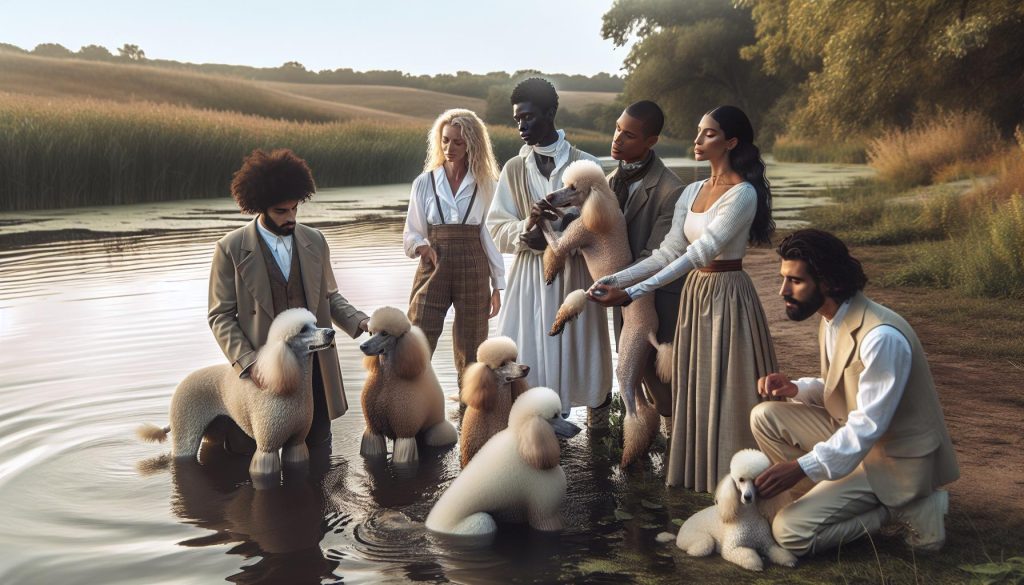
Did you know that beneath their glamorous, curly coats, Poodles were originally bred as skilled water retrievers? Their fascinating history traverses from German water dogs to the sophisticated companions we know today. Understanding what Poodles were bred for not only enhances our appreciation for these intelligent dogs but also informs potential owners about their needs and quirks. Whether you’re considering welcoming a Poodle into your home or simply want to learn more about this remarkable breed, exploring their origins will reveal insights into their intelligence, versatility, and character. Join us as we dive into the surprisingly rich history of Poodles, uncovering how their past influences their present and enhances the bond between them and their families.
What Were Poodles Originally Bred For?
The Poodle’s compelling history is deeply intertwined with its original purpose as a skilled water retriever. These intelligent and versatile dogs were bred not merely for companionship but for their exceptional abilities in retrieving game from the water. Their origins can be traced back to Germany, where the breed developed from hairy water dogs known for their aptitude in hunting and retrieving waterfowl, making them indispensable companions to hunters and fishers alike [2][3].
One captivating factor about Poodles is their distinctive coat, which serves a practical function beyond aesthetics. The iconic curly fur is not just a grooming choice but was originally designed to provide buoyancy and warmth, keeping the dogs’ vital organs protected during icy retrieves [1]. As users of their keen senses, Poodles displayed remarkable swimming skills, confidently diving into cold waters to fetch ducks and other game. This combination of intelligence, agility, and innate desire to please made them popular with elite hunters and later transitioned them into a beloved breed amongst the aristocracy.
The breed’s abilities extended beyond hunting; Poodles showcased a natural aptitude for various dog sports and circus acts, further elevating their status from hardworking retrievers to symbols of sophistication and style. Over time, their reputation as talented performers led them to become celebrated companions in high society, demonstrating their versatility across different roles while maintaining their unique skill set [2]. This evolution from labor to lifestyle epitomizes how Poodles have adapted while still clinging to the noble traits that defined their ancestry.
The Unexpected Origins of Poodles
The Poodle’s unexpected journey begins not in the lap of luxury but in the murky waters as essential companions to hunters. Originally developed in Germany, Poodles were bred from ancient water dogs, tasked with an important role: retrieving waterfowl for hunters. This background speaks not only to their agility and intelligence but also to their remarkable physical adaptations. The breed’s distinctive curly coat, far more than a fashion statement, serves practical purposes. The curls help to insulate the dog and prevent water from saturating the skin, ensuring warmth during chilly retrieves.
As these skilled retrievers carved out their niche in hunting culture, their execution and flair caught the eyes of nobility. The 18th century marked a transformation, during which Poodles became favored among the aristocracy, showcasing both their hunting prowess and their ability to perform in circuses and exhibitions. This duality – an industrious worker by day and an entertainer by night – captivated audiences, leading to the breed garnering acclaim beyond the hunting fields. While their origins highlight a working-class pedigree, Poodles swiftly transitioned to icons of elegance and sophistication, illustrating their depth of ability and adaptability.
The fascination with Poodles continues today, reflecting their long-standing relationship with humans and their adaptive prowess across various roles. As beloved companions, they inspire admiration with their cleverness and versatility, making them perfect for families, therapy work, and competitive sports alike. This rich history underlines the breed’s evolution and enduring appeal, showcasing not only what they were bred for but also the unexpected legacy they’ve built throughout the ages.
Poodle Varieties: Differences in Purpose
Poodles are a remarkable breed with a diverse range of varieties, each originally bred for specific purposes that highlight their unique skills and attributes. Understanding these differences not only enhances appreciation for the breed but also helps potential owners choose the best fit for their lifestyles. The three main varieties of Poodles-Standard, Miniature, and Toy-were developed to serve distinct roles while maintaining their core hunting abilities.
The Standard Poodle is the largest of the three varieties and was primarily bred as a water retriever. Known for their exceptional swimming capabilities and intelligence, Standard Poodles excelled at retrieving waterfowl for hunters, making them invaluable companions in the field. Their agility and strong build make them well-suited for a variety of sporting roles, including agility training and other competitive activities. With ample exercise and mental stimulation, Standard Poodles continue to thrive in active households, often serving as family pets who also enjoy sports.
The Miniature Poodle, developed from the Standard variety, retains many of the same traits but is designed for a slightly different role. While they also have a background in retrieving, Miniature Poodles became more popular for their companionship and performing abilities. Their smaller size makes them ideal for family life and apartments, while their intelligence allows them to learn tricks and perform in shows. Miniature Poodles can adapt to various lifestyles, from active families to individuals seeking a loyal companion.
The Toy Poodle, the smallest of the varieties, was intentionally bred as a companion dog. With their diminutive size, they are well-suited for indoor living and provide great companionship with minimal space requirements. Despite their small stature, Toy Poodles share the breed’s trademark intelligence and trainability. They excel in being affectionate family members and are frequently utilized in therapeutic settings due to their gentle nature and ability to bond closely with people.
In summary, each Poodle variety showcases distinct characteristics and capabilities tied to their historical breeding purposes. Understanding these differences is essential for potential owners to ensure they select the Poodle variety that aligns with their lifestyle and preferences. By appreciating the unique purposes behind each variety, you’re better equipped to nurture and engage with your Poodle, whether it’s through active sports, companionship, or shows.
Poodles and Their Unique Water Skills
Poodles are renowned for their exceptional swimming skills, a trait that harks back to their origins as water retrievers. This breed was expertly designed to excel in aquatic environments, boasting several physical attributes that make them natural swimmers. Their webbed feet act like paddles, providing increased propulsion, while their water-resistant coat helps keep them buoyant and warm in chilly waters. It’s no wonder that when many see a Poodle in the water, they are often reminded of their original purpose: retrieving waterfowl for hunters.
To ensure a Poodle continues to enjoy their natural love of water, gradually introducing them to swimming is vital. Start in shallow areas where they can feel comfortable and gradually allow them to explore deeper waters. Always prioritize safety by using a well-fitting life jacket during early swimming experiences, especially if the dog is hesitant. Additionally, make sure to rinse off any chlorine or saltwater after their swim, and dry their ears thoroughly to prevent infections. Poodles are intelligent and responsive; rewarding them with praise or treats after swimming can further enhance their confidence and enjoyment of water activities.
Training is a crucial aspect for fostering a Poodle’s affinity for swimming. Incorporate structured playtime in water as part of their routine. Games like fetch using water-safe toys can be especially beneficial, mimicking their historical role as hunters retrieving game. As a personal anecdote, one owner shared that their Standard Poodle quickly took to swimming after a few visits to the lake, demonstrating natural instincts by diving into the water to retrieve sticks. Such experiences not only solidify the bond between owner and dog but also maintain the Poodle’s physical fitness and mental stimulation.
In summary, embracing the Poodle’s unique water skills enhances their quality of life while honoring their heritage. Creating opportunities for them to swim and explore water environments aligns with their breeding as water retrievers, highlighting the joy and natural capability this breed possesses. By understanding and facilitating these traits, owners can celebrate the Poodle’s remarkable history and keep their beloved companions happy and healthy.
How Poodles Became Popular Companions
The Poodle’s rise to fame as a beloved companion is a captivating tale that weaves together elegance, intelligence, and a versatile background. Initially bred in Germany as water retrievers, Poodles demonstrated remarkable adaptability. This characteristic paved the way for their transformation into cherished household pets, especially during the 18th century when they captured the hearts of European aristocracy. Their impressive intelligence and trainability soon made them a favorite among the elite, who valued not only their beauty but also their ability to perform tricks and engage in various activities.
As Poodles gained popularity, their distinct varieties-Standard, Miniature, and Toy-emerged, each catering to different preferences and lifestyles. The Toy Poodle, in particular, became synonymous with luxury and companionship, often seen prancing alongside fashionable owners in Parisian cafes. Their fluffy coats and amiable nature were a perfect match for urban living, allowing them to thrive in cozy apartments while still requiring daily exercise and mental stimulation.
To ensure that your Poodle remains a happy and healthy companion, consider the following tips:
- Socialization: Regularly expose your Poodle to various environments, people, and other pets to build their confidence and friendliness.
- Training: Engage your Poodle in obedience training and mental games to harness their intelligence and deepen your bond.
- Exercise: Daily walks, play sessions, and active playtime such as fetch can cater to their energetic spirit, ensuring they are physically fit and mentally satisfied.
- Grooming: Maintain their iconic look with regular grooming sessions to prevent matting and maintain skin health.
Poodles are inherently social animals that thrive on interaction with their human companions, making them ideal family pets. Many owners share heartwarming stories of their Poodles providing comfort during tough times or entertaining the household with their clever antics. These bonds, coupled with their ability to adapt to different roles, position Poodles as not just pets but also as family members-a true testament to how a breed originally designed for work has seamlessly transitioned into the hearts and homes of many.
Understanding the Poodle’s Intelligent Nature
Poodles are often hailed for their remarkable intelligence, and it’s no wonder they rank among the smartest dog breeds in the world. Originally bred to retrieve waterfowl, their intelligence and keen ability to learn made them exceptional working dogs that could perform complex tasks in various conditions. This unique background not only highlights their adaptability but also underscores their potential for excelling in various activities, from competitive sports to service roles.
To tap into the full potential of a Poodle’s intelligent nature, owners should prioritize early training and socialization. Start with basic obedience commands such as “sit,” “stay,” and “come,” and gradually introduce more advanced tricks and tasks. Poodles thrive on mental stimulation, so consider incorporating interactive toys or puzzle games into their daily routine. Engaging their minds can help prevent boredom, which might lead to undesirable behaviors. Remember, a mentally stimulated Poodle is a happy Poodle!
Moreover, Poodles benefit greatly from positive reinforcement techniques. Rewarding them with treats or praise after successfully completing a task fosters a strong bond between you and your dog while encouraging further learning. For example, if your Poodle learns to retrieve a toy, celebrate this achievement with enthusiasm. These small victories build their confidence and eagerness to learn more.
Lastly, it’s essential for Poodle owners to recognize their dog’s social nature. Poodles are not just book-smart; they have emotional intelligence that allows them to connect with their human companions deeply. Training sessions can double as bonding time, so be sure to incorporate play and affection to keep the atmosphere light-hearted and enjoyable. This approach nurtures a well-adjusted, intelligent pet who not only learns quickly but also thrives on companionship and trust.
Training Tips for Your Poodle’s Heritage
Poodles were originally bred as water retrievers, a role that showcased their exceptional intelligence and adaptability. To harness these traits during training, it’s crucial to approach your Poodle’s education with an understanding of their heritage. Since they were developed to perform complex tasks in varied environments, engaging their minds through multifaceted training exercises is essential. Start with basic commands that form the foundation of obedience, such as “sit,” “stay,” and “come.” From there, gradually introduce more elaborate tricks or tasks that incorporate fetching and retrieving-mimicking their original purpose as waterfowl retrievers.
Incorporating water-related activities can also add fun to your Poodle’s training. If your Poodle enjoys playing in water, consider teaching them to retrieve toys from a pool or a safe body of water. This not only promotes physical exercise but also aligns with their historical function, enhancing their innate swimming abilities. Additionally, Poodles thrive on mental stimulation, so tools like interactive toys or puzzle games can be perfect for keeping them engaged. This mental exercise is pivotal in preventing boredom, which can lead to undesirable behaviors.
Another effective training approach is to utilize positive reinforcement techniques. Celebrate your Poodle’s successes with treats or enthusiastic praise whenever they complete a task correctly. For example, if they successfully retrieve a toy, acknowledge their effort with joy to reinforce the behavior. Such positive feedback not only enhances learning but also strengthens the bond between you and your Poodle.
Recognizing your Poodle’s emotional intelligence is equally important. They are not just quick learners but also require social interaction to thrive. Incorporate playtime into training sessions to maintain a light-hearted atmosphere, allowing for bonding that makes learning enjoyable. Engaging with your Poodle through gentle corrections, affectionate interactions, and playful reinforcement fosters well-rounded, intelligent dogs that are eager to participate in training while staying connected with their human companions.
Health Considerations for Poodles Throughout History
Poodles are not only celebrated for their intelligence and adaptability but have also been rugged companions with unique health considerations throughout their storied history. Originally bred as water retrievers, they were highly active dogs that required a certain level of physical fitness and proper nutrition to perform their roles effectively. As a result, understanding and addressing their health needs has always been crucial for any owner.
Throughout history, various Poodle sizes-the Standard, Miniature, and Toy-have faced unique health challenges. Standard Poodles, for instance, are prone to certain genetic disorders, including hip dysplasia, progressive retinal atrophy (PRA), and certain cancers. Miniature Poodles may also face dental health issues due to the small size of their mouths, leading to overcrowding and subsequent gum disease if dental care is neglected. Lastly, Toy Poodles can suffer from patellar luxation and can develop heart problems like mitral valve disease. Regular veterinary check-ups and proactive health screenings can help mitigate these risks.
Diet and Exercise are also essential elements in maintaining the health of Poodles throughout their lives. Proper nutrition suited to each Poodle’s size and activity level can prevent obesity-a common challenge for the breed. Moreover, engaging in regular exercise not only fulfills their hereditary need for activity but also supports both physical and mental well-being. Poodles thrive on varied activities; swimming, agility training, and obedience exercises can keep them fit and stimulate their intelligent minds.
In addition to physical health, it’s important to consider their mental well-being. Poodles are prone to anxiety and can exhibit behavioral issues if they are not properly socialized or stimulated. Creating an environment rich in socialization opportunities, interactive toys, and consistent training can help combat anxiety and ensure they grow into well-rounded companions. By providing adequate care and attention to their physical and mental health, Poodle owners can enjoy a loving and enriching relationship with their furry friends through the years.
Poodles in Modern Day: From Show Dogs to Family Pets
Poodles have transformed from their origins as skilled water retrievers to cherished family members and prestigious show dogs, a testament to their remarkable adaptability and charm. Today, whether you have a Standard, Miniature, or Toy Poodle, these dogs bring joy and sophistication to homes around the world. Their intelligence and versatility make them suitable for various roles, from active companions in households to stars in dog shows, captivating audiences with their agility and grace.
While initially bred for hunting and water retrieval, Poodles have found a special place as family pets, thanks to their gentle nature and keen willingness to please. They thrive on companionship and are exceptionally good with children, making them wonderful additions to families. It’s crucial for potential owners to understand that Poodles, regardless of size, require regular mental and physical stimulation. Engaging in activities such as obedience training, agility courses, or interactive games not only satisfies their exercise needs but also strengthens the bond between owner and dog.
Caring for a Poodle goes beyond just grooming and exercise. Regular socialization is essential, especially for young Poodles, to help them develop into well-adjusted adult dogs. It’s helpful to expose them to various environments, people, and other animals to bolster their confidence and reduce anxiety. While their hypoallergenic coat is a bonus for allergy sufferers, maintaining the signature curly look does require a dedicated grooming routine that includes regular brushing and trips to a professional groomer.
In modern society, Poodles also play significant roles in therapy and assistance work due to their intelligence and trainability. They are employed as service dogs, providing support for people with disabilities, and as therapy dogs in hospitals and schools, bringing comfort and joy to those in need. With their keen ability to sense human emotions and exceptional bonding capacity, they far exceed expectations as companions. Embracing a Poodle means welcoming a lifelong friend who embodies intelligence, loyalty, and a flair for the fabulous!
Grooming Needs: Maintaining the Poodle’s Signature Look
Maintaining the Poodle’s beautiful, signature coat is not just about aesthetics; it’s a crucial part of their overall health and happiness. Poodles, known for their elegant and voluminous curls, have a unique coat that requires regular grooming to ensure it remains in top form. Left unattended, their hair can become matted, leading to discomfort and skin issues. So, whether you’re a first-time Poodle owner or an experienced handler, here’s what you need to know to keep your Poodle looking fabulous and feeling great!
To start, establish a regular brushing routine. Brushing your Poodle at least 3 times a week is vital to remove loose hair and prevent matting. Use a slicker brush to detangle and a stainless steel comb to finish. For those tighter mats, a matt splitter can help break them apart without pulling on the skin. When brushing, pay special attention to areas prone to tangles, such as behind the ears, under the legs, and around the tail.
Bathing and Drying
Bathing your Poodle every 6 to 8 weeks with a high-quality dog shampoo is essential, especially if they engage in outdoor activities. After bathing, thoroughly dry their curls to avoid moisture getting trapped and causing skin issues. You might consider using a blow dryer on a low setting for this, along with a Zoom Groom to aid the drying process while removing dead hair.
Professional Grooming and Styles
While regular at-home grooming is important, scheduling visits to a professional groomer every 4 to 6 weeks can help maintain your Poodle’s coat in pristine condition and is a great way to introduce them to grooming tools and techniques. Many owners prefer specific styles-like the “Puppy Trim” for younger dogs or the classic “Continental” for shows. Discuss grooming styles with your groomer to find the best fit for your Poodle’s coat type and your lifestyle.
Grooming Checklist
To streamline your grooming routine, consider the following checklist:
- Brush 3 times a week
- Professional grooming every 4-6 weeks
- Bath every 6-8 weeks
- Regular nail trimming (monthly)
- Check ears weekly for cleanliness
- Teeth brushing 2-3 times a week
By following this comprehensive grooming guide, you will not only maintain your Poodle’s stunning look but also contribute to their overall health and well-being. Embrace the grooming process as a bonding experience-many Poodle owners find that these moments of care lead to deeper connections with their furry companions!
The Role of Poodles in Different Cultures
The Poodle’s journey through various cultures showcases its versatility and adaptability, making it a cherished companion in diverse environments. Originally bred as a water retriever in Germany, Poodles quickly gained popularity not just for their hunting skills but also for their distinct appearance and intelligence, which caught the attention of aristocrats and performers alike. This duality-their capabilities as working dogs and their elegant demeanor-allowed Poodles to thrive in both functional and fashionable roles throughout history.
In France, Poodles became symbols of high society. They were often associated with luxury and refinement, frequently seen supporting aristocratic families or entertaining at high-profile events. This trend spurred the emergence of the breed’s grooming styles that are iconic today. The distinctive cuts were not merely for aesthetic appeal; they provided protection against the cold water while retrieving game, highlighting the breed’s practical roots even amidst fashionable trends.
Poodles also have significant roles in various art forms and performances. Their intelligence and trainability made them popular in circuses, where they dazzled audiences with agility and tricks. This aspect of their culture led to a perception of Poodles as not just pets, but as entertainers. This has helped maintain their esteem well into modern-day, allowing them to seamlessly transition from performative acts to beloved family pets.
As a breed intertwined with various cultural threads, Poodles have made their mark globally. From being beloved pets to service dogs, their role has evolved yet maintained the core attributes of intelligence, loyalty, and adaptability. For those integrating a Poodle into their lives, understanding these cultural nuances can enhance the relationship you build-after all, you’re not just welcoming a pet, but a piece of a rich history!
Why Poodles are Considered Hypoallergenic Dogs
Poodles are often celebrated as hypoallergenic dogs, a status that can be a game-changer for allergy sufferers. Unlike many breeds that shed fur and dander, Poodles have a unique curly coat that traps hair and dander, preventing them from becoming airborne. This characteristic not only helps maintain a cleaner home environment but also reduces the likelihood of allergic reactions. As a result, Poodles have become a favored choice for families and individuals who are sensitive to pet allergens.
One interesting aspect of their hypoallergenic nature is that it stems from their old breeding purpose as water retrievers. With their dense and curly fur, Poodles were designed to withstand cold water while retrieving game, and this same coat provides a barrier against both moisture and allergens. Regular grooming is essential to maintain this benefit; owners should schedule frequent professional grooming and develop a routine of at-home brushing to keep their Poodles’ coat healthy and reduce any potential allergens.
When considering whether a Poodle is the right fit for your family, it’s helpful to assess your specific allergies. Not all allergies are the same, and while Poodles may produce less dander, individual reactions can vary. It’s advisable to spend time with the breed before making a decision. If you find yourself sneezing around other breeds but experience no such symptoms with a Poodle, this could be a positive indication that a Poodle companion could work well for you.
In addition to being hypoallergenic, Poodles are known for their intelligence and trainability, making them wonderful companions. They often excel in obedience training, which helps foster a strong bond between dog and owner. Before bringing a Poodle into your home, it might be beneficial to create an allergen-reduction strategy, such as using air purifiers, regularly cleaning your living space, and designating pet-free areas. This proactive approach can create a harmonious environment where both you and your Poodle can thrive.
FAQ
Q: What tasks did Poodles originally perform for their owners?
A: Poodles were originally bred as water retrievers, assisting hunters by fetching waterfowl and fish from lakes and rivers. Their strong swimming abilities and keen intelligence made them excellent companions for hunting trips, showcasing their versatile skills in various terrains and conditions.
Q: How did Poodles evolve into popular show dogs?
A: Poodles gained popularity as show dogs due to their impressive intelligence, elegance, and unique grooming styles. Their versatile nature allowed them to excel in various dog sports and competitions, leading to their recognition in dog shows as both beautiful and skilled performers.
Q: Why are Poodles considered hypoallergenic?
A: Poodles are often labeled as hypoallergenic due to their curly coats that trap dander and hair, preventing it from spreading in the environment. This feature makes them a popular choice for allergy sufferers, allowing for a companion without triggering allergic reactions.
Q: How do Poodles’ history and purpose influence their training needs?
A: Given their heritage as working dogs, Poodles require mental stimulation and training that challenges their intellect. Incorporating tasks like obedience, agility, and scent work can fulfill their innate abilities, ensuring a well-rounded and fulfilling training experience that respects their history.
Q: What is the significance of Poodle grooming in relation to their origins?
A: The elaborate grooming of Poodles, particularly the signature “lion cut,” originated from their history as water retrievers. The grooming style not only showcases their elegance but also serves functional purposes, such as protecting joints and aiding swimming, connecting them to their working past.
Q: How do the different Poodle sizes (Standard, Miniature, Toy) relate to their original functions?
A: The various Poodle sizes were developed to serve specific roles. While Standard Poodles excelled as water retrievers, Miniature and Toy Poodles became popular as companions and entertainers, reflecting a shift from labor to leisure roles while retaining the breed’s core characteristics of intelligence and beauty.
Q: What health considerations arose from Poodles being bred for specific tasks?
A: Health concerns in Poodles often stem from their selective breeding for specific tasks. For example, hip dysplasia and eye disorders may arise due to the physical demands placed on them historically. Regular veterinary check-ups and attention to breed-specific health issues can aid in maintaining their well-being.
Q: How are Poodles perceived in different cultures throughout history?
A: Poodles have been admired in various cultures for their intelligence, beauty, and versatility. They were favored by nobility, seen as symbols of status, and became commonly recognized companions across Europe and beyond, shaping their esteemed reputation as both working and companion animals.
Insights and Conclusions
Now that you’ve uncovered the intriguing history of poodles and their original purpose, it’s time to consider how this knowledge can enhance your experience as a dog owner. Understanding what poodles were bred for can help you appreciate their unique traits and ensure you provide them with the care they deserve. If you’re looking for more insights on poodle care, check out our detailed guide on poodle grooming best practices and explore our comparison of poodle sizes to find the perfect fit for your lifestyle.
As you delve deeper into the world of poodles, remember to subscribe to our newsletter for expert tips and resources delivered straight to your inbox. Don’t hesitate to share your own poodle stories or questions in the comments below-we love hearing from fellow dog enthusiasts! Armed with this newfound knowledge, you’re ready to embark on a fulfilling journey with your poodle companion. Explore more, engage with our community, and enhance your bond with your furry friend today!