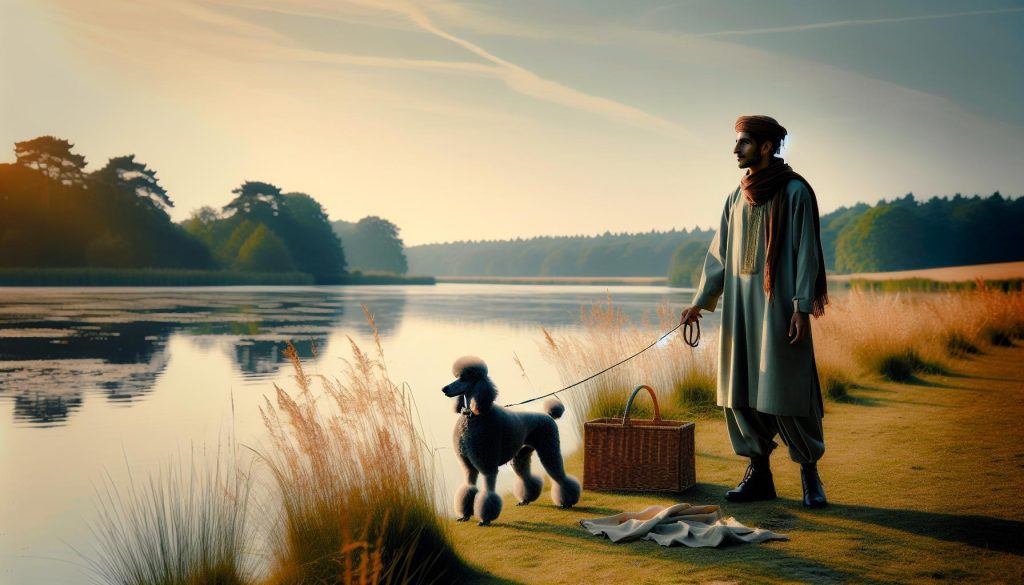
Did you know that the elegant Poodle, often associated with high society, was originally bred for a much different purpose? These highly intelligent and versatile dogs were developed in the 15th century primarily for retrieving waterfowl, showcasing their exceptional skills in marshes and lakes. Understanding the historical job of Poodles not only enriches our appreciation for this breed but also highlights their unique qualities that make them such cherished companions today. As we explore what Poodles were bred to do, you’ll discover how their origins influence their behavior, temperament, and needs, helping you build a deeper connection with this remarkable breed. Whether you’re a new owner or a seasoned enthusiast, diving into their history can provide valuable insights for effective training and care. Let’s embark on this journey through time and discover the fascinating roles Poodles played in our lives!
Historical Overview of Poodle Breeding Origins
The Poodle’s journey through history is as fascinating as its intelligence and elegance are recognizable. Originally bred in Germany as a water retriever, the Poodle swiftly transitioned into various roles that showcased its versatility and skills. Its name is derived from the German word “Pudel,” which means “to splash in water,” highlighting the breed’s early purpose in hunting and retrieving game from water sources. This aquatic affinity not only speaks to the Poodle’s ingenuity but also leads to the breed’s increased popularity across Europe, where it soon became a favorite among nobility and the upper class.
Breeding for specific traits began as people recognized the Poodle’s exceptional qualities, particularly its keen intelligence and trainability. The Standard Poodle was developed for larger tasks like hunting, while the smaller Toy and Miniature Poodles later emerged, each maintaining the breed’s delightful energy and cleverness. This strategic breeding resulted in dogs that could adapt to various lifestyles, from energetic hunting companions to loving family pets, meeting the needs of families and individuals alike.
Historically, Poodles were not just pets but essential working dogs, lauded for their impeccable memory and willingness to please. They became known for their participation in water retrieval tasks, where their natural swimming abilities were a great asset. The breed’s adaptability meant that Poodles were soon seen in diverse settings, excelling in roles such as performing in circuses and contributing to the dog show world, reflecting their evolution beyond a sole purpose into a multifaceted companion.
As the Poodle’s role continued to evolve, attention turned to its performance in dog shows and obedience competitions, showcasing its intelligence and talent. Its regal stature and distinctive coat made it a highlight in many competitions, further entrenching its status as a cherished breed in contemporary society. Today, understanding the Poodle’s origins enriches the appreciation of its capabilities, making it a perfect choice for those seeking a loyal and dynamic canine partner.
Primary Roles of Poodles in History
The Poodle’s journey through history showcases its remarkable adaptability and versatility. Initially bred as a water retriever in Germany, Poodles swiftly made their mark in various roles throughout human history, reflecting both their intelligence and trainability. As skilled hunters, they were utilized for retrieving waterfowl and game, earning a reputation that extended beyond their hunting prowess. Their intelligence was soon harnessed in other domains, demonstrating that these dogs were not only exceptional companions but also invaluable partners in numerous fields.
In addition to hunting, Poodles carved out a niche in performance arts, especially circuses, thanks to their keen ability to learn complex tricks and routines. Their striking appearance, agility, and willingness to perform endeared them to audiences, making them a staple in the showbiz world. Their innate charm and talent captured the hearts of many, transitioning Poodles into entertainers who dazzled crowds with their skills.
Moreover, Poodles played a crucial role in dog shows, where they showcased their elegance and demeanor as well as their working capabilities. Their impressive performance in obedience trials and conformation events highlighted their intelligence and versatility. The breed’s distinct aesthetic features, combined with their performance abilities, helped solidify their reputation as a cherished breed in dog enthusiasts’ circles.
As we appreciate the multifaceted roles Poodles have played throughout history, it becomes clear that the breed was not defined by a single purpose. From hunting partners to circus performers, Poodles have proven themselves as adaptable companions capable of thriving in diverse environments. For potential owners, understanding these historical roles can guide them in choosing the right Poodle type that suits their lifestyle, ensuring a fulfilling companionship rooted in the breed’s rich legacy.
The Poodle as a Hunting Companion
Poodles, initially bred for their exceptional swimming abilities and keen hunting instincts, have long been revered as outstanding companions in the field. Their history as skilled hunting partners is rooted in their origins as water retrievers in Germany, where their remarkable agility and intelligence made them ideal for gathering game. These dogs were not just excellent at retrieving; they forged a bond with hunters, enhancing the experience of the hunt itself. Their keen sense of smell and remarkable retrieval skills set a standard that many other breeds aspired to imitate.
The versatility of Poodles in hunting roles cannot be overstated. They were originally employed not only to retrieve waterfowl but also to assist in various types of game hunting. This adaptability was largely due to their trainability, which allowed them to perform a variety of tasks. Whether it was tracking down scent trails or flushing game from dense brush, Poodles proved to be resourceful and reliable partners in the field. Their dense, curly coat also served a practical purpose-providing protection from cold water during retrievals, making them invaluable in chilly climates while hunting waterfowl.
Today, the legacy of Poodles as hunting companions can still be seen in some of their modern roles. Many Poodle owners enjoy hunting with their dogs, taking advantage of their instinctual skills and eagerness to work. For those considering a Poodle as a hunting companion, it’s essential to provide early training and socialization. Engaging in activities like water retrieves or scent training not only hones their natural instincts but also strengthens the bond between dog and handler. As Poodles thrive on mental and physical stimulation, incorporating various hunting-related activities can keep them balanced and fulfilled.
In addition to their impressive skills, it’s worth noting that Poodles come in three sizes-Standard, Miniature, and Toy-which affects their suitability for different hunting contexts. The Standard Poodle is the most commonly chosen for serious hunting due to its size, agility, and endurance. However, Miniature Poodles can also be effective in specific settings, especially where space is limited or smaller game is sought. For potential owners, understanding these nuances is key to ensuring a successful partnership in the hunting field, allowing for a rewarding experience that honors the Poodle’s rich heritage as exceptional hunting companions.
Poodles in Water Retrieval Jobs
Poodles are known for their incredible swimming abilities, a trait that has been refined over centuries and remains a defining characteristic of the breed. Bred originally as water retrievers, these dogs excel in tasks that require both physical strength and mental agility. Their dense, curly coats not only provide warmth during chilly swims but also help them stay buoyant, making them ideally suited for water retrieval tasks. When tasked with fetching game from the water, Poodles’ natural enthusiasm and eagerness to please have made them outstanding companions for hunters across generations.
Training a Poodle for water retrieval can be a rewarding experience for both the owner and the dog. Early socialization and exposure to water play are crucial. Starting with simple games that introduce the excitement of splashing and swimming can set the stage for more advanced retrieval tasks. Consider incorporating toys that float, beginning with shallow water where your Poodle can gain confidence. Gradually, it’s beneficial to increase the complexity of the tasks, encouraging your Poodle to retrieve items not only from the water but also in various environments, which tap into their instinctual hunting skills.
To maximize a Poodle’s effectiveness in water retrieval roles, it’s essential to focus on training methods that leverage their intelligence and eagerness to learn. Reinforcement techniques, including praise and treats, can motivate them to succeed. As your Poodle develops their skills, it’s also important to maintain their physical fitness and mental stimulation; regular swimming sessions or retrieving exercises can enhance their endurance and hunting instincts.
For those who might consider participating in competitive water trials, the Standard Poodle is often the go-to choice due to its size and stamina. However, Miniature Poodles can also be effective for smaller tasks and environments. Ensuring you understand the unique qualities of each size can help you choose the right Poodle for your water retrieval endeavors. This breed has not only cemented its role as a hunting partner but also showcases remarkable versatility, adapting to modern canine sports and activities that honor its rich heritage as a water retriever.
The Poodle’s Evolution in Circus Performance
As one of the most intelligent and trainable dog breeds, Poodles have long mesmerized audiences with their grace and skills, particularly in circus performance. The breed’s high intelligence and eagerness to learn make them ideal candidates for the dynamic world of circus arts. Poodles are not just entertainers; engaging them in performance routines taps into their natural instincts, transforming their innate talents into captivating shows that showcase their agility, obedience, and delightful personality.
Historically, Poodles have been integral to circus acts since the mid-20th century. Their ability to perform complex tricks, such as jumping through hoops, balancing on balls, and dancing on command, has made them crowd favorites. The characteristic curly coat of a Poodle allows for dramatic styling, which can enhance their stage presence, with trained performers often utilizing colorful accessories to draw attention during acts. Audiences are captivated not only by the tricks themselves but also by the genuine bond of trust and understanding between the trainer and the dog.
To prepare a Poodle for circus performances, it’s essential to start with a solid foundation of obedience training. Basic commands such as “sit,” “stay,” and “come” form the backbone of more advanced tricks. Positive reinforcement techniques, such as treats and verbal praise, encourage your Poodle to practice and refine their skills. The use of clicker training can also be highly effective, offering a clear cue that the desired behavior has been accomplished and rewarding the dog immediately. As a handler, patience is key; turning training sessions into fun and interactive games can keep your Poodle engaged and excited to learn.
Moreover, maintaining physical fitness is crucial for Poodles in performance roles. Regular exercise, such as agility training or even simple playtime, helps build strength and endurance, both of which are vital for the energetic routines typical of circus acts. Practicing routines in controlled environments can help Poodles develop the confidence they need to perform in front of larger audiences. Always be attentive to your Poodle’s health and well-being during the training process, ensuring they enjoy their time in the spotlight while also honing their performance skills for a life of entertainment and joy.
Poodles as Service Dogs: A Unique Contribution
As one of the most versatile breeds, Poodles have found unique pathways as service dogs, showcasing their exceptional intelligence and trainability. These qualities make them valuable companions for individuals with disabilities or specific needs, proving their worth far beyond traditional roles. An inspiring aspect of Poodles as service dogs is their ability to adapt to various roles, from guide dogs for the visually impaired to therapy animals providing comfort and emotional support. Their keen ability to sense human emotions, coupled with their eagerness to please, creates a bond that enhances their effectiveness in these important roles.
Training and Preparation for Service Roles
To thrive as service dogs, Poodles undergo extensive training that is tailored to the needs of their handlers. This process often begins with socialization at a young age, exposing them to different environments, people, and situations to build confidence and reduce anxiety. Basic obedience commands are crucial, but the training can progress to more specialized tasks, such as alerting to medical conditions like seizures or guiding individuals through various environments. The use of positive reinforcement is key-providing treats, praise, or toys when they successfully perform a task strengthens their understanding and willingness to repeat the behavior.
Additionally, regular interaction with the handler enhances a Poodle’s responsiveness and overall effectiveness as a service dog. For example, consistency in commands and routines helps the Poodle develop an intrinsic understanding of their role, enabling them to react appropriately in various situations. Engaging training methods, such as clicker training or play-based activities, not only keep the Poodle enthusiastic about learning but also foster a positive handler-dog relationship, essential for any service role.
Characteristics That Suit Service Work
Poodles come in three sizes-standard, miniature, and toy-all of which have unique attributes that may suit different service needs. Standard Poodles, for instance, possess the strength and size necessary for carrying out more physically demanding tasks, while miniature Poodles may excel in more specialized therapy roles, particularly in environments like hospitals or schools. Regardless of their size, Poodles share fundamental traits that contribute to their success as service dogs:
- Intelligence: Poodles rank among the smartest dog breeds, making them quick learners capable of mastering complex tasks.
- Affectionate Nature: Their gentle disposition allows them to connect emotionally with their handlers, providing comfort and support.
- Energy Levels: Poodles are energetic dogs, requiring regular exercise which, when incorporated into their daily routine, ensures they remain healthy and focused.
In conclusion, the Poodle’s unique combination of intelligence, adaptability, and affectionate nature not only makes them exceptional companions but also vital partners in the service dog realm. Their ability to enhance the quality of life for individuals in need reflects their historical purpose of working alongside humans, continually evolving to meet new challenges and needs. New owners considering a Poodle for service work will find a dedicated and capable partner, ideally suited to thrive in this rewarding role.
The Role of Poodles in Dog Shows and Competitions
In the vibrant world of dog shows and competitions, Poodles shine bright, showcasing their remarkable versatility and charm. Known for their captivating appearance and sophisticated demeanor, these dogs bring a blend of elegance and intelligence to the ring. Their history as working dogs, initially bred for skills in hunting and retrieving, translates seamlessly into their performance in competitive settings. Poodles not only meet the high standards set by breed guidelines but also display a unique ability to engage and impress judges and audiences alike.
Competing in various categories, Poodles can be seen excelling in events like conformation, agility, obedience, and tricks. Their inherent eagerness to please and high trainability make them prime candidates for success in these diverse competitions. Regular grooming-not just for aesthetics but as a part of proper care-is essential for these events. Their coats must be maintained meticulously to highlight their distinctive characteristics, which further elevates their presence in the show ring. As any seasoned handler will tell you, a well-groomed Poodle is not just a joy to behold but a testament to the dedication of their owner.
Training for Competitions
Training a Poodle for shows and competitions involves a combination of exercises tailored to enhance their natural abilities. For instance, agility training focuses on developing speed and precision, where Poodles can exhibit their athleticism. Incorporating positive reinforcement helps motivate them and fosters a strong handler-dog bond, essential for success in competitive environments.
- Socialization: Early exposure to different environments, sounds, and people helps Poodles become adaptable and confident competitors.
- Basic Obedience: Competencies like sit, stay, and heel are the building blocks for all advanced training.
- Specialized Skills: Depending on the competition, unique skills can be cultivated-like weave poles for agility or precise moves for trick competitions.
Poodles have an edge in dog shows not just due to their physical characteristics but also because of their ability to warm the hearts of many. Their joyful nature and acute sensitivity to human emotions turn the competition into a delightful experience, making them revered both in competitive circles and as family pets. As you embark on your journey with a Poodle, consider what aspects of their training will best showcase their talents while fostering a loving relationship built on trust and respect.
Understanding the Different Poodle Types and Their Purposes
Poodles come in three distinct sizes-Standard, Miniature, and Toy-each bred for specific purposes, reflecting a remarkable adaptability that has contributed to their enduring popularity. The Standard Poodle, the largest of the three, was originally developed as a water retriever, skilled in fetching game from lakes and marshes. Their impressive size and athletic frame not only made them excellent swimmers but also gave them the strength needed for this demanding job. Standard Poodles are often seen in active roles, including therapy and service dogs, due to their intelligence and trainability.
Miniature Poodles emerged next, bred as companions and performers, maintaining the water retriever’s intelligence and agility but in a smaller package. These dogs excel in agility sports and obedience competitions, where their quick reflexes and eagerness to work shine through. They are particularly well-suited for families or individuals seeking a lively, manageable companion that still retains a penchant for learning and performing.
The Toy Poodle, the smallest variant, was bred primarily for companionship, fitting perfectly into the lap of a socialite in the salons of Europe. Despite their diminutive size, they share the same cleverness and trainability as their larger counterparts. Toy Poodles often participate in Tricks and Rally competitions, delighting audiences with their nimble performances. Their size makes them ideal for urban living and they adapt well to apartment life, provided they receive regular mental and physical stimulation.
Choosing the right Poodle type for your lifestyle involves considering not just size, but also energy levels and training commitment. Each type shares a core of intelligence and a love for human interaction, but their activity needs and abilities can differ significantly. For example, if you seek a workout companion or a dog for active sports, a Standard Poodle might be the best fit. On the other hand, if your aim is a lively pet that remains manageable in a smaller space, a Toy or Miniature Poodle could be perfect. Whatever your choice, seasoned Poodle owners emphasize the importance of early socialization and consistent training to help your Poodle thrive in their role, wether for work, play, or companionship.
Poodle Personalities: How They Fit Their Roles
Poodles are known for their remarkable adaptability and intelligence, qualities that stem from their historical roles as hunting companions and water retrievers. Their personalities reflect these traits, making them not only versatile workers but also cherished family pets. Each size of Poodle-Standard, Miniature, and Toy-exhibits unique personality characteristics that cater to various lifestyles and roles.
Standard Poodles are often seen as the most athletic of the trio, embodying a blend of strength and elegance. This breed’s natural intelligence and eagerness to please make them ideal for roles such as therapy and service dogs, as they excel at learning complex tasks and forming strong bonds with their human counterparts. Those who have had the pleasure of sharing their home with a Standard Poodle frequently describe them as loyal and perceptive, often instinctively knowing when their owner needs a comforting presence or a gentle nudge to get moving.
Meanwhile, Miniature Poodles thrive in environments that challenge their mental agility. Their quick reflexes and playful spirit make them standout competitors in agility and obedience sports. They also flourish as companions in households that value interaction and play. Their enthusiastic approach to life, combined with a sound level of independence, means that they can keep well-occupied while also seeking out affection from their families. Owners often find that Miniature Poodles are both entertaining and insightful, with a knack for learning new tricks and commands with minimal guidance.
Then there are the Toy Poodles, who are petite companions perfectly suited for urban living. Despite their small size, they carry the same remarkable intellect and sociability as their larger relatives. Their bold personalities often shine through during training sessions, where they show a penchant for learning and performing tricks. They fit seamlessly into the lives of those who may be less active, making them ideal for individuals or families looking for a loving pet that can adapt to smaller living spaces. Owners often express joy in witnessing their Toy Poodle’s spirited antics, which can bring laughter and warmth to any home.
When considering the right Poodle for your lifestyle, reflect on the role you envision for your canine companion. Whether you seek a vigorous workout partner, a lively performer for competitions, or a cuddly companion for home life, the Poodle’s diverse personalities undoubtedly provide a fitting match. Prioritizing traits such as trainability, energy levels, and the desire for interaction can guide you in choosing a Poodle that not only fits your home but also enriches your life.
Modern Poodle Uses: Beyond Traditional Jobs
Poodles are not only beloved companions but also incredibly versatile dogs that continue to evolve in their roles within modern society. Their historical background as water retrievers and hunting dogs laid a strong foundation for their adaptability, allowing them to transition into various contemporary roles that go beyond traditional jobs.
One of the most significant modern uses of Poodles is in the realm of therapy and assistance. Standard Poodles, known for their intelligence and trainability, are frequently selected as service dogs. They can be trained to assist individuals with disabilities, providing support in tasks such as mobility, alerting for medical conditions, and offering emotional companionship. Their gentle nature and strong instinct to form bonds make them excellent candidates for therapy work in settings like hospitals and schools, where they can bring comfort and joy to those in need.
Another noteworthy contribution of Poodles is in the performance world. Their agility and grace have made them stars in dog sports and entertainment. Miniature Poodles, in particular, thrive in agility competitions, showcasing their speed and ability to navigate obstacle courses. They are often seen in dog shows and training events that highlight their skills and athleticism. Additionally, their playful demeanor and eagerness to learn enable them to shine in performances, providing entertainment at fairs, theatrical productions, and even commercials.
In urban settings, Toy Poodles have carved out a unique niche as ideal companions for those with smaller living spaces. Their affectionate personalities and adaptability make them perfect for apartment living, while they still require mental stimulation and physical activity. Engaging in activities such as puzzle toys and obedience games can keep these little dogs happy and healthy, ensuring they remain an active part of family life.
The holistic well-being of Poodles is also celebrated through newer roles such as therapy animal visits and educational programs for children. Their compassionate nature makes them exceptional in engaging with kids, helping to foster empathy and responsibility. Many schools and community programs implement reading sessions where children read to Poodles, enhancing literacy skills and providing students with a non-judgmental audience, which can alleviate anxiety around reading aloud.
With their continuously evolving roles, Poodles have proven they are more than just a breed associated with elegance and beauty; they are practical, intelligent partners capable of enriching human lives in countless ways. Whether serving as companions, competitors in sports, or therapy animals, Poodles remain versatile allies, adapting to meet the needs of their owners and society at large.
Poodle Care for Specific Job Functions
Whether your Poodle is bounding through a field as a hunting companion or providing comfort as a therapy dog, understanding how to tailor their care to their specific job function can profoundly enhance their wellbeing and performance. Poodles are remarkably versatile, originally bred for tasks that require intelligence and agility, making them an ideal fit for various roles today.
When it comes to hunting and water retrieval, Poodles need regular exercise and mental stimulation to keep their skills sharp. This breed thrives on activities that engage their minds and bodies, such as fetching and swimming. Regularly taking your Poodle to a water source where they can practice retrieving can mimic their historical functions. Additionally, incorporating elements of obedience training into their routine ensures they respond well to commands in various situations, a crucial aspect for any working dog.
For Poodles serving as therapy animals, socialization and exposure to different environments are essential. These dogs must be comfortable in a variety of settings, from bustling hospitals to quiet classrooms. Integrate social outings and visits to new places into their routine, allowing them to experience various sounds, sights, and smells. Along with proper training, regular grooming and maintenance of their coat-especially for Standard and Miniature Poodles-ensures a clean and appealing appearance, which can make a significant difference in their comfort and effectiveness in therapy roles.
In settings like dog shows or agility competitions, where performance is paramount, focus on a balanced diet rich in nutrients to support their high energy levels. Regular practice in agility or obedience courses helps hone their skills and build muscle. Such structured activities help channel their energy constructively and foster a deeper bond between you and your Poodle.
Ultimately, understanding the unique roles your Poodle may undertake will guide you in creating a care regimen that respects their history while addressing their present needs. Take time to discover what activities they enjoy the most, adapting your approach as their interests and job functions evolve. This tailored care not only enhances their performance but enriches their quality of life, balancing work and play in a way that keeps your Poodle happy and healthy.
Choosing the Right Poodle for Your Lifestyle
is a decision that can greatly influence both your happiness and the wellbeing of your new furry friend. Known for their striking intelligence and adaptability, Poodles come in three sizes-Standard, Miniature, and Toy-each with its own energy levels, grooming needs, and suitability for various living situations. Understanding these differences is essential to ensuring a harmonious match.
If you’re an active individual or family who loves outdoor adventures, the Standard Poodle is an excellent choice. With their high energy and enthusiasm for physical exercise, they thrive in environments where they can run and play. Daily activities like fetch or swimming not only keep them engaged but also help maintain their health. Conversely, if you live in a smaller space or prefer a more relaxed lifestyle, a Miniature or Toy Poodle might be more appropriate. These smaller companions are just as intelligent but generally require less space to roam. They’ll happily curl up on your lap while still benefiting from daily walks and interactive play.
Consider also your grooming capabilities, as each Poodle type has a coat that requires regular maintenance. Standard and Miniature Poodles have thick, curly fur that needs consistent brushing to prevent matting, along with professional grooming every few months. Toy Poodles, while also requiring upkeep, may be easier to manage due to their size. Assessing how much time and effort you’re willing to dedicate to grooming can greatly affect your choice.
It’s also vital to reflect on your social environment. Poodles are generally very sociable dogs that enjoy interaction. A Toy Poodle might fit well into a family with young children, providing playful yet gentle companionship. In contrast, if you’re looking for a partner for dog sports or competitive showing, the Standard Poodle’s agile build and smart nature would shine on the agility course or in obedience settings.
Ultimately, the best Poodle for you will align with your lifestyle, preferences, and readiness for commitment. Engaging with a reputable breeder or rescue organization can provide you with insights specific to individual dogs, ensuring you find a match that suits both your home and your heart.
FAQ
Q: What is the primary purpose of poodles in history?
A: Poodles were originally bred as water retrieval dogs for hunters in Europe. Their name comes from the German word “Pudel,” meaning “to splash,” reflecting their role in retrieving game from water.
Q: How have poodles evolved in their job roles over time?
A: Over the years, poodles transitioned from skilled hunting companions to show dogs and performers in circuses, highlighting their intelligence and trainability. Today, they also serve as therapy and assistance dogs, demonstrating versatility beyond traditional roles.
Q: Why are poodles considered good service dogs?
A: Poodles are excellent service dogs due to their high intelligence, eagerness to please, and hypoallergenic coats. They can be trained for various tasks, making them suitable for individuals with disabilities or special needs, enhancing the quality of life for their owners.
Q: What roles do poodles play in dog shows and competitions?
A: In dog shows, poodles are celebrated for their graceful appearance and intelligence. They excel in obedience and agility competitions, showcasing their training and agility, which reflects their rich history as versatile working dogs.
Q: What specific skills do poodles have that make them effective hunting companions?
A: Poodles possess keen intelligence, strong scenting abilities, and excellent swimming skills, making them adept at locating and retrieving game. Their agility and enthusiasm for water work are particularly beneficial in hunting scenarios.
Q: Are there different types of poodles with distinct purposes?
A: Yes, poodles come in various sizes-Standard, Miniature, and Toy-each serving different purposes. Standard Poodles often excel in hunting and competition, while Toy and Miniature Poodles are popular as companions and in performing arts.
Q: What characteristics define a poodle’s personality for job functions?
A: Poodles are known for their intelligence, sociability, and trainability. These traits make them highly adaptable to various roles, from service dogs to family pets. Their eagerness to learn and bond with humans enhances their effectiveness in these jobs.
Q: How can I choose the right poodle for my lifestyle?
A: Consider your living situation, activity level, and whether you desire a companion or a working dog. Standard Poodles may suit active families looking for a versatile pet, while Miniature and Toy Poodles are better for smaller living spaces.
The Way Forward
Thank you for diving into the fascinating history of poodles and their original purposes! Remember, these intelligent and versatile dogs were once bred as skilled water retrievers, showcasing traits that go beyond their playful appearance. To maximize your poodle’s potential, consider exploring our related articles on poodle care, training tips, and breed comparisons to better understand how to nurture their unique traits.
Is your curiosity piqued? Join our newsletter for expert insights and exclusive content tailored for dog enthusiasts like you! If you’re ready to provide the best care for your poodle or have questions, don’t hesitate to check out our comprehensive care guides. Your journey with your poodle can be incredibly rewarding-let’s ensure you’re well-prepared every step of the way. Share your thoughts or experiences in the comments; we’d love to hear from you!