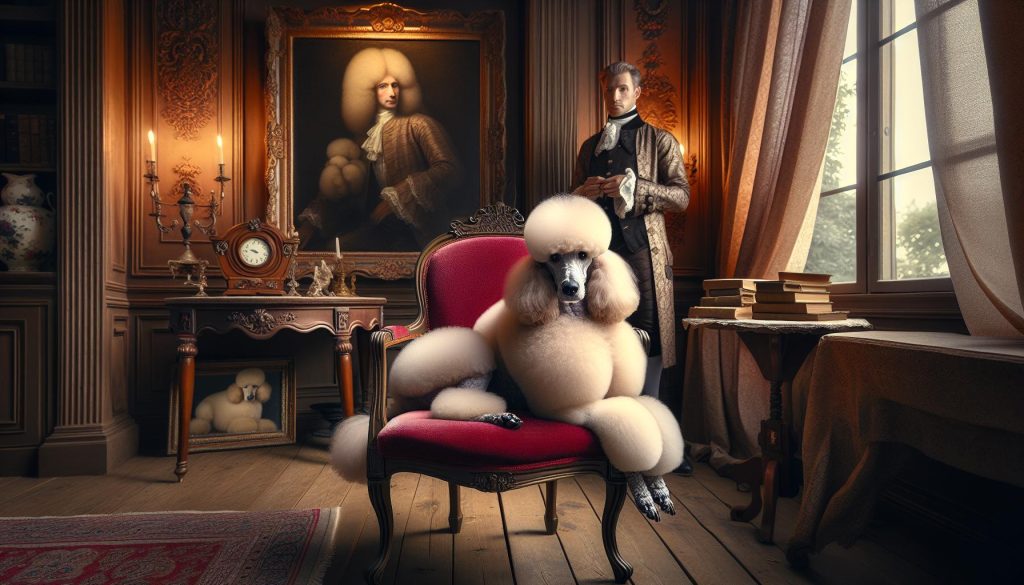
Did you know that the beloved Poodle, often associated with France, actually traces its roots back to Germany? Understanding the fascinating origin of the Poodle not only enriches your appreciation for this intelligent and versatile breed, but it also highlights the history of dog companionship and utility in human lives. Originally bred as a water retriever for hunters, Poodles exhibit remarkable skills that extend beyond their striking appearance. Whether you’re a new owner looking for guidance or a seasoned handler seeking to deepen your knowledge, exploring the Poodle’s legacy reveals valuable insights into their behavior, care needs, and the unique bond they foster with us. Join us as we dive into their intriguing history, uncovering the tales of these charming dogs that have captured hearts for centuries.
Origins of the Poodle Breed: A Historical Overview
Poodles may be one of the most recognizable dog breeds today, but their history is rich and varied, transcending borders and centuries. Originating from water dogs used for retrieving game, the breed’s lineage can be traced back to Germany, where it is believed to have been developed from a variety of working and water dogs, such as the Barbet. The term “poodle” itself is derived from the German word “Pudel,” which means “to splash in water,” aptly describing their initial purpose as aquatic companions for hunters [2].
As the Poodle made its way across Europe, particularly to France, it began to evolve not only in form but also in function. In France, the breed was perfected for both its fetching abilities and its elegance, becoming a favored companion among nobility and in the circus arts. Many historians assert that the Poodle’s status as a fashionable and beloved pet began in this era, further solidifying its place as a cultural icon [3].
Interestingly, the various sizes of Poodles-Standard, Miniature, and Toy-emerged as breeders sought to create dogs suited for different environments and roles. The Standard Poodle was used for hunting, while the Miniature and Toy Poodles became popular companions for families and individuals living in urban settings. This adaptability showcases the breed’s versatility and intelligence, allowing them to thrive in diverse roles, from hunting partners to cherished family pets [1].
Understanding the origins of the Poodle provides valuable insight into the breed’s intelligence, trainability, and sociable nature. Poodles were bred not only for their working abilities but also for their strong bonds with humans, making them excellent companions. Today’s Poodle owners can appreciate how these historical traits influence the breed’s behavior and compatibility with family life, reinforcing the idea that adopting a Poodle means bringing home a dog that embodies centuries of companionship and working spirit.
Poodles in Ancient Cultures: Their Early Roles

Poodles have a storied history that intertwines with various ancient cultures, showcasing their versatility and crucial roles from the very beginning. Known initially as water retrievers, these dogs were primarily bred to assist hunters in fetching game from both water and land. The Poodle’s connection to water activities is no accident; the breed’s name is derived from the German word “Pudel,” meaning “to splash in water.” This aquatic aptitude made them invaluable to European hunters, particularly as they pursued waterfowl across marshy landscapes.
In addition to their prowess in hunting, Poodles held significant positions in ancient societies, particularly in France, where they became highly regarded. The breed transitioned from its utilitarian roots to that of a companion, especially among the French nobility. This cultural shift appears to have contributed to the standardization of grooming styles that accentuated their elegance and intelligence. Artisans and performers began to integrate Poodles into circus acts, harnessing their trainability and charm to entertain audiences. Their agility and ability to perform tricks quickly earned them a reputation, further endearing them to humans.
The Poodle’s expanding roles reflect its innate adaptability. As smaller sizes emerged-Miniature and Toy Poodles-these dogs transitioned into cherished family pets in urban settings, demonstrating their capacity to thrive in various environments. Even in antiquity, this breed showcased traits that many dog lovers continue to value today: loyalty, intelligence, and an undeniable bond with humans. Thus, understanding the Poodle’s early roles provides crucial insight into their enduring popularity and their place in the hearts and homes of dog lovers worldwide.
Key Functions of Poodles in Ancient Societies
- Hunting Companions: Originally bred for retrieving game from water.
- Performers in Circus Arts: Renowned for their ability to learn tricks and entertain.
- Companions to Nobility: Became fashionable pets among the aristocracy, emphasizing elegance and charm.
Poodles weren’t merely pets; they were helpers in various walks of life, shaping much of their personality and behavior we appreciate in today’s companions. As you consider welcoming a Poodle into your home, remember that you are choosing a breed rich in culture and history-one that has been a trusted partner to humans for centuries.
The Evolution of Poodles Through Time

The Poodle’s journey through history is a fascinating tale of adaptability and evolution, marked by significant cultural transitions and changing roles. Originating in Germany, where they were initially used as water retrievers, Poodles quickly made their way into various European societies, particularly France. It was in France that the breed flourished, becoming synonymous with nobility and status. The refinement of grooming styles, such as the elaborate “lion cut,” emerged during this time, emphasizing the breed’s regal appearance and intelligence.
As Poodles gained popularity, they diversified into three main sizes: Standard, Miniature, and Toy. Each size catered to the evolving preferences of dog owners. The larger Standard Poodle continued to assist in hunting and retrieving, while the smaller varieties transitioned into beloved companion animals, fitting seamlessly into urban lifestyles. This evolution highlighted the Poodle’s innate ability to adapt to human needs, showcasing their intelligence and affectionate nature, which endeared them to families and individuals alike.
Moreover, Poodles have not only excelled in companionship but also maintained their status as working dogs. Their trainability and agility have allowed them to perform various tasks, from service dogs aiding individuals with disabilities to stars of the circus ring, captivating audiences with their tricks and stunts. This versatility has solidified their place in modern society as not just pets, but integral members of many households.
The journey of the Poodle is a testament to its rich heritage, shaped by centuries of companionship and service. Whether as a loyal family pet or a skilled working dog, these canines have evolved alongside humans, making them one of the most cherished breeds in the world today. Their captivating history continues to influence breeding practices, ensuring that future generations of Poodles will retain those cherished traits.
Understanding the Different Types of Poodles

Poodles are a fascinating breed not just for their intelligence and elegance, but also for their versatility, which is vividly displayed across their three distinct types. Whether you’re a prospective Poodle owner or simply a dog lover, understanding the differences among these types-Standard, Miniature, and Toy-can help clarify which might be the best fit for your lifestyle.
The Standard Poodle is the largest of the three, standing over 15 inches tall at the shoulder, and is known for its athleticism and strength. Originally bred for retrieving game from water, the Standard thrives on outdoor activities and requires regular exercise to maintain its physical health and mental agility. This size is also frequently involved in competitive dog sports like agility and obedience training, showcasing its intelligence and eagerness to work alongside humans.
Moving to the Miniature Poodle, these dogs are around 10 to 15 inches tall and balance the playfulness of the Toy with the athletic genes of the Standard. Miniatures often appeal to families and individuals looking for a lively companion that doesn’t require as much space as its larger counterpart. They retain the same friendly disposition and intelligence, making them excellent candidates for training and social activities. Owners of Miniature Poodles often note their agility in performing tricks, which not only entertains but also stimulates their minds.
Lastly, the Toy Poodle is the smallest of the trio, measuring under 10 inches tall. They are delightful companions-affectionate and easy to pamper. Ideal for smaller living spaces, like apartments, Toy Poodles maintain a lively spirit while needing less exercise. They still enjoy playtime and mental stimulation, so consider activities like puzzle toys or simple commands to keep their minds engaged.
- Standard Poodle: 15 inches and taller, excellent for active families, requires significant exercise.
- Miniature Poodle: 10-15 inches, great balance of size and activity, enjoys social engagement.
- Toy Poodle: Under 10 inches, perfect for small spaces, requires moderate exercise.
Regardless of the type, all Poodles share a common ancestry that highlights their adaptability and intelligence. This breed’s rich background in retrieving and companionship means owners can expect dogs that not only love to be around people but also thrive in environments where they can learn and participate actively. Embracing the unique traits of each type will enable prospective owners to choose the Poodle that best fits their lifestyle, ensuring a joyful and rewarding partnership.
Poodles and Their Connection to Water Activities

The connection between Poodles and water activities is deeply embedded in their historical lineage, tracing back to their origins as skilled water retrievers. Initially bred in Germany and later popularized in France, the Poodle was designed for a very practical purpose: retrieving game from the water. This inherent affinity for water is one reason why Poodles exhibit such excellent swimming skills and enjoy aquatic activities, making them stand out among different dog breeds.
Poodles’ unique coat, which is composed of dense, curly fur, is not only stylish but serves a functional purpose in water. The coat helps to keep them warm while swimming in chilly waters and is resistant to matting when wet. For pet owners looking to engage their Poodles in water activities, it’s essential to consider their grooming routine, as regular maintenance can help prevent matting caused by water exposure. After swimming, a quick rinse and thorough drying can keep their coat healthy and manageable.
Given their energetic nature and love for play, incorporating water activities into your Poodle’s routine can significantly enrich their lives. Poodles thrive on mental and physical stimulation, and swimming offers an excellent way to tire them out while providing a fun bonding experience. Whether you’re throwing a ball into a lake or engaging in supervised play at a local dog beach, these activities not only cater to their natural instincts but also contribute positively to their overall well-being. Always ensure that water environments are safe and that your Poodle is comfortable and confident in the water.
Moreover, many Poodle owners report that their dogs naturally gravitate towards water, making it important to introduce them to swimming early on. If you’re considering water activities, start in shallow areas where your Poodle can become accustomed to the feel of water without feeling overwhelmed. Providing positive reinforcement and gradually increasing the water depth can encourage a lifelong love of swimming and water play, perfect for keeping their spirits high and bonds strong.
Poodles as Working Dogs: Roles and Skills
Poodles are not just elegant companions; they have a rich history as versatile working dogs that have excelled in various roles throughout their existence. Often associated with water retrieval, their utility extends far beyond this trait. Historically, Poodles have been employed in various capacities, showcasing their intelligence, trainability, and physical abilities. These attributes have cemented their status not only as beloved pets but also as effective working partners in many fields.
In earlier centuries, Poodles were primarily utilized as waterfowl retrievers in Europe, particularly in Germany and France. Their unique, buoyant coat was specifically bred to provide warmth while swimming, and their keen sense of smell made them exceptional at locating and bringing back game from water bodies. However, these dogs were not limited to water tasks; they have also been employed in herding livestock, serving as circus performers due to their ability to learn tricks, and even acting as therapy animals, aiding those in need with their gentle demeanor and intelligence.
Roles Poodles Excel In
Poodles have demonstrated remarkable adaptability, making them suitable for a variety of working roles, including:
- Search and Rescue: Poodles are often trained for search and rescue operations due to their agility and keen sense of smell, enabling them to locate missing persons in diverse environments.
- Assistance Dogs: Their intelligence and temperament make them ideal therapy and assistance dogs, providing companionship and support to individuals with disabilities or mental health challenges.
- Competitive Sports: With their agility, Poodles shine in dog sports such as obedience, agility competitions, and even dock diving – all showcasing their athletic prowess and trainability.
- Circus Acts: Historically, Poodles have been popular in circus performances, showcasing tricks that highlight their intelligence and agility, often captivating audiences with their playful antics.
Their strong desire to please their owners, combined with their energy and enthusiasm, makes them highly trainable dogs. Positive reinforcement training methods work exceptionally well with Poodles as they respond positively to encouragement and rewards. New owners should consider engaging their Poodles in activities that encourage their natural instincts while also providing mental stimulation, whether through structured training sessions, interactive toys, or participation in dog sports.
Understanding the dual nature of Poodles-both as affectionate pets and skilled working dogs-allows owners to make the most of their Poodle’s abilities and playful spirit. Not only can these dogs serve specific roles, but they also thrive on the connection they build with their human companions through shared activities. For those considering welcoming a Poodle into their home, embracing their historical working traits can lead to a fulfilling partnership that combines work and play, ensuring a well-rounded and happy pet.
The Rise of Poodles as Popular Companion Animals
From regal show rings to cozy living rooms, Poodles have elegantly transitioned from esteemed working dogs to cherished companion animals. This transformation didn’t happen overnight. Historically revered for their roles in water retrieval and versatile working traits, they’ve captured the hearts of many as loyal pets. The breed’s natural intelligence and affectionate demeanor make them especially well-suited for companionship. Their playful nature, coupled with a strong desire to bond with humans, creates a profoundly rewarding relationship for owners.
One of the keys to the Poodle’s rise as a popular companion lies in their adaptability. They come in three sizes-Standard, Miniature, and Toy-allowing them to fit into various lifestyles and living situations. Whether it’s a bustling family with children or a quiet apartment dweller, there’s a Poodle to match. Families appreciate their playful antics and intelligence, often encouraging active participation in family activities. Poodles thrive on mental stimulation, making them perfect for training and socialization, which in turn enhances their role as delightful family members.
Owning a Poodle is not just about having a pet; it’s about embracing an active lifestyle. These dogs excel in obedience and agility, activities that not only provide physical exercise but also deepen the bond between pet and owner. Engaging in training or dog sports can be incredibly beneficial for new Poodle owners looking to channel their dog’s energy and intelligence positively. Additionally, due to their hypoallergenic coats, Poodles are often a favored choice for individuals with allergies, further broadening their appeal as companion animals.
As they became more intertwined with human lives, Poodles didn’t just lose their historical service roles; they gained a deeper emotional connection with their owners. This relationship is emphasized by the Poodle’s affectionate nature and their intrinsic ability to sense human emotions. Stories abound of Poodles assisting in therapy settings, providing emotional support and companionship for those in need. The breed’s evolution from working dog to beloved family member showcases not only their adaptability but also the profound joy they bring into many households.
Poodle Traits That Make Them Unique
Poodles boast a set of traits that not only highlight their versatility but also contribute to their appeal as beloved companions. One of the most striking features of Poodles is their exceptional intelligence. Renowned for being highly trainable, they excel in obedience and agility training, often ranking among the top breeds in canine intelligence tests. This innate cleverness means they thrive on puzzles and challenges that stimulate their minds. Engaging your Poodle in interactive play or training sessions not only keeps them happy but strengthens your bond.
Another distinctive characteristic is their hypoallergenic coat, which produces less dander compared to other breeds. This trait makes Poodles an excellent choice for families with allergies or sensitivities. Their coats come in various styles and colors, offering aesthetic appeal alongside practicality. Regular grooming is essential to maintain their fluffy fur and prevent matting; however, the time invested in care rewards owners with a beautiful and healthy dog.
Moreover, Poodles are notable for their adaptability. They come in three sizes-Standard, Miniature, and Toy-allowing them to fit seamlessly into different living situations, from small apartments to larger homes with yards. While their personalities can vary somewhat between sizes, all Poodles share a common zest for life and love for human companionship. Their playful nature and affectionate demeanor often make them a delightful presence in any household, fostering joy and laughter among family members.
Lastly, the emotional connection Poodles forge with their humans is profound. They have a unique ability to sense their owner’s moods, often providing comfort when needed most. This trait is particularly evident in therapy settings, where Poodles are often employed for their calming presence. By incorporating playtime, training, and mutual companionship, you unlock the full potential of your Poodle’s character, ensuring that your home is filled with love, energy, and loyalty.
Cultural Significance of Poodles Around the World
Poodles have carved out a significant cultural presence across the globe, celebrated not only for their striking appearance and intelligence but also for their roles in various societies throughout history. Originating in Europe, particularly as duck hunters in Germany and later as companions in France, Poodles have adapted to numerous cultural contexts, symbolizing elegance and sophistication. Their association with the aristocracy, especially during the 18th and 19th centuries, has helped them become a symbol of status among dog breeds.
Throughout their history, Poodles have also been depicted in various forms of art and media, showcasing their importance in human culture. From paintings adorning the walls of grand estates to appearances in films and television, Poodles have been shown as not just pets, but as integral components of a lifestyle characterized by elegance and charm. Their distinct grooming styles, particularly the showy ‘continental clip,’ have further entrenched them in the public eye, often fetching high prices in dog shows and adding to their refined image.
Global Influence and Adaptation
As Poodles transitioned from working dogs to beloved companions, they gained popularity in various regions, each integrating the breed into their own cultural fabric. In America, for example, they are frequently seen in dog shows, further establishing their reputation for intelligence and trainability. Poodles often take center stage in therapy and assistance roles due to their keen ability to understand human emotions, thereby bridging the gap between breeds typically bred for work and those bred for companionship. This duality enhances their cultural significance, allowing them to be more than pets; they become partners in the human experience.
Additionally, Poodles’ hypoallergenic fur has made them favorable among families with allergies, broadening their reach as companion animals. This characteristic aligns perfectly with contemporary societal trends, where inclusivity and well-being are paramount. As more individuals recognize the benefits of having a Poodle, the cultural significance of the breed continues to grow, paving the way for new traditions surrounding dog ownership and care.
In every corner of the world, Poodles have not only survived but thrived, adapting to the needs and preferences of their owners while maintaining the traits that endear them to countless families. Through their artistic portrayals, functional roles, and emotional connections, Poodles have established a legacy that truly reflects their status as one of the most cherished breeds across diverse cultures. Whether as show-stoppers, working companions, or beloved family members, their place in history and culture remains enduring and vibrant.
Myths and Misconceptions About Poodles
While Poodles are often associated with lavish grooming and showmanship, many misconceptions persist about their temperament, intelligence, and overall suitability as family pets. One of the most common myths is that Poodles are simply “fancy” dogs, too delicate to enjoy typical canine activities like fetching or running. In reality, Poodles are incredibly versatile dogs, known for their athleticism and agility. They originated as water retrievers and have a natural affinity for water, making them not just elegant companions, but also exceptional swimmers that thrive on physical activities.
Another widespread belief is that Poodles are hyperactive or overly high-maintenance animals. While they do require regular exercise and mental stimulation, this trait is also a hallmark of many intelligent breeds. Poodles excel in obedience training, agility sports, and even therapy work, showcasing their adaptability and eagerness to learn. With the right training, they can channel their energy into constructive activities. For potential owners, this means ensuring consistent exercise routines and engaging play sessions, which can significantly enhance the Poodle’s behavior and happiness.
People often assume that because of their distinctive coats, Poodles are inherently hypoallergenic. While it’s true that their curly, low-shedding fur can be a better option for allergy sufferers compared to breeds with loose hair, no dog is entirely hypoallergenic. Individual reactions can vary, so prospective owners with allergies should spend time around Poodles before making a decision. Regular grooming is essential not just for aesthetics but for the overall health of their skin and fur, as neglect can lead to matting and skin issues.
Finally, there is a belief that Poodles are exclusively high-society or posh pets. While their historical connection to royalty and the aristocracy certainly adds to their prestigious image, they are equally capable of being loving family dogs. With a gentle disposition and an innate ability to bond with humans, Poodles can be wonderful companions for families with children, seniors, or anyone needing a faithful friend. Adopting a Poodle can bring joy and companionship, regardless of social status, affirming that these dogs truly belong in homes of all kinds.
In summary, understanding the reality of Poodles fills in the gaps created by popular myths. By embracing their rich history, recognizing their intelligence, and properly maintaining their care, prospective owners can welcome a delightful and dynamic addition to their lives.
Poodle Ownership: What to Expect
Owning a Poodle can be one of the most rewarding experiences a dog lover can have. Known for their intelligence, versatility, and energetic nature, Poodles have a rich heritage that affects their behavior and needs as modern companions. Whether you’re considering adopting a Poodle or already have one, understanding what to expect will help you build a strong bond with your new furry friend.
Poodles thrive on companionship and mental stimulation, reflecting their historical roles as water retrievers and working dogs. With their keen intelligence, they require consistent training and socialization from a young age. Engaging them in obedience training, agility sports, or even fun tricks can keep their minds sharp and prevent boredom. It’s often recommended to incorporate training sessions into daily routines to ensure they remain mentally stimulated. Consider joining a Poodle training class, where you not only enhance their skills but also socialize them with other dogs.
When it comes to grooming, a Poodle’s curly coat necessitates regular maintenance. This low-shedding fur is often better for allergy sufferers; however, it requires frequent grooming to prevent matting and maintain its unique texture. Most Poodle owners find a grooming schedule of every four to six weeks beneficial, but brushing at least a couple of times a week at home integrated into your routine will help keep their coat healthy and beautiful. It’s also an excellent opportunity to bond with your Poodle while ensuring their skin stays healthy.
In terms of exercise, Poodles are highly active and require significant physical activity to burn off their energy. Daily walks, playtime at the park, or even a good romp in the backyard are essential. Ideally, a Poodle should have at least 30 to 60 minutes of exercise each day depending on its size and age. This not only promotes good physical health but also helps maintain their mental well-being.
Being part of a Poodle household means embracing the uniqueness of this breed. Their affectionate nature and loyalty make them incredible companions for families, singles, and seniors alike. Whether through exploring new parks, participating in dog sports, or just lounging at home, Poodles are adaptable and eager to be included in every aspect of your life. With patience and understanding, you’ll find that living with a Poodle is a fulfilling adventure that enriches your daily routine and creates lasting memories.
How Poodle Heritage Influences Modern Breeding Practices
Poodles are not just one of the most beloved dog breeds today; they are also steeped in a rich history that directly influences modern breeding practices. Originally bred for water retrieving, their adaptability and intelligence have made them highly sought after, both in working roles and as family companions. Understanding their heritage helps prospective owners and breeders appreciate the unique traits that have been preserved through generations, shaping contemporary breeding approaches.
Modern breeders often prioritize the qualities that have historically made Poodles exceptional. This includes traits such as intelligence, trainability, and athleticism-characteristics stemming from their origins as water dogs in Europe, particularly in Germany and France. Breeders today focus on maintaining these traits by engaging in selective breeding. For instance, Poodles are not only bred for their aesthetic qualities-like their distinctive, hypoallergenic coat-but also for their temperament and abilities, ensuring they remain the spirited and intelligent dogs we adore today.
Health and Diversity in Breeding
Another significant aspect of modern Poodle breeding is the emphasis on genetic health and diversity. Historically, the breed’s popularity led to certain genetic issues; however, responsible breeders now utilize health screening and genetic testing to minimize these risks. This shift towards healthier breeding practices is essential in producing Poodles that are not only beautiful and intelligent but also resilient and long-lived.
| Breeding Focus | Historical Significance | Modern Implications |
|---|---|---|
| Intelligence and Trainability | Originally bred for complex tasks in hunting | Consistent training leads to well-behaved family companions |
| Physical Health | Subject to various genetic issues due to popularity | Health screenings promote longer and healthier lives |
| Coat Quality | Low-shedding coat suitable for water retrieval | Maintains appeal for allergy sufferers with grooming needs |
Emphasizing a Poodle’s heritage not only shapes breeding practices but also informs potential owners about what to expect from their new family member. Those adopting a Poodle should be ready to embrace a breed known for its intelligence and energy, engaging them in activities that reflect their working lineage-be it through obedience training, agility sports, or stimulating playtime. By honoring their fascinating origins, we can enhance their well-being and ensure they thrive as cherished companions in modern homes.
Q&A
Q: What is the historical significance of the Poodle breed?
A: The Poodle has a rich historical background that dates back to ancient times, originally bred as a water retriever in Germany and later refined in France. Known for their intelligence and versatility, they have played various roles, from hunting companions to circus performers. Understanding their history helps appreciate their evolution as both working dogs and beloved pets.
Q: How did the Poodle become popular in France?
A: The Poodle gained popularity in France during the Renaissance when they were admired for their agility and intelligence. They became favored as companion animals among French nobility, leading to the association of the breed with aristocratic households, which helped solidify their status in French culture.
Q: Where did the name “Poodle” come from?
A: The name “Poodle” derives from the German word “Pudel,” meaning “to splash in water.” This reflects their origins as water retrievers, emphasizing their strong connection to aquatic environments and retrieving games from water, which was crucial for hunting.
Q: What role did Poodles play in ancient cultures?
A: In ancient cultures, particularly in Germany, Poodles served as hunting dogs, prized for their ability to fetch game from water. Their keen intelligence and trainability made them effective in various roles, facilitating their rise as multifunctional working companions throughout history.
Q: What are the different types of Poodles?
A: Poodles are categorized into three primary sizes: Standard, Miniature, and Toy. Each type shares common traits but varies in size and energy levels, catering to diverse lifestyles. These distinctions influence their roles and compatibility with different families, as discussed in the article’s section on understanding different types of Poodles.
Q: Why are Poodles celebrated for their intelligence?
A: Poodles are celebrated for their high intelligence, ranking among the most trainable dog breeds. Their ability to learn commands quickly and solve problems makes them standout companions and working dogs, a trait deeply rooted in their historical lineage as versatile and adaptable animals.
Q: How did Poodles transition from working dogs to companions?
A: The transition of Poodles from working dogs to companions occurred as their unique traits-intelligence and social nature-were recognized by families, especially in Europe. They adapted well to home environments, leading to their acceptance as cherished family pets, reflected in their cultural significance over the years.
Q: What are some common myths about Poodles?
A: Common myths about Poodles include the belief that they are only for show or that they shed excessively. In reality, they are highly active, intelligent dogs with a unique grooming requirement that minimizes shedding, making them suitable for various households, as debunked in the article on myths and misconceptions about Poodles.
Closing Remarks
Understanding the intriguing history of Poodles enhances our appreciation for these elegant companions. From their roots as skilled water retrievers to their present-day popularity, knowing where Poodles come from adds depth to the bond you share with your furry friend. If you’re eager to explore more about Poodle care, check out our articles on Poodle grooming tips or the best toys for your Poodle, which can enrich their life and keep them engaged.
Don’t miss out-subscribe to our newsletter for expert advice and keep discovering the fascinating world of dog breeds! If you have questions or experiences to share about your Poodle journey, drop a comment below. Let’s continue this conversation and deepen our love for these remarkable dogs together!