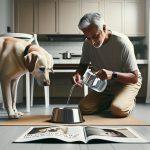
Many dog owners have experienced the unsettling moment when their furry friend suddenly chokes after drinking water. It’s more common than you might think and can stem from various serious causes that every pet parent should understand. Choking can indicate underlying health issues or simply be a reaction to how your dog drinks, especially in excited moments.
Caring for our canine companions involves more than just love; it requires awareness of their health and behaviors. If you’ve ever rushed to aid your pet after a drinking episode, you’re not alone. This article will explore the reasons behind this alarming behavior, the potential risks involved, and what you can do to help ensure your dog stays safe and healthy. Keep reading to discover valuable insights that can empower you as a responsible pet owner.
What Happens When Dogs Choke on Water?
When dogs drink water, it’s typically a simple and routine action, but sometimes it can lead to a troubling situation: choking. This occurs when a dog’s throat becomes obstructed, either partially or fully, preventing them from swallowing effectively or breathing freely. The sensation of choking can be frightening for both you and your furry friend. As water is ingested quickly, especially after activity or heat exposure, it can easily cause a brief gagging or choking reflex if swallowed incorrectly. Understanding what happens during these moments is crucial for dog owners, particularly when it comes to recognizing the signs and knowing how to react.
During a choking episode, the dog’s airway may become blocked by water inhaled into the trachea instead of the esophagus. This can lead to a range of symptoms, including coughing, gagging, or even urgent attempts to breathe. In severe cases, the dog may exhibit signs of distress such as pawing at their mouth, excessive drooling, or an inability to cry out. Each of these signals can intensify the panic, but it’s essential to remain calm and assess the situation quickly. Observing how long the choking lasts is important-you want to prevent prolonged discomfort or potential injury to your dog.
In diverse breeds, anatomical variations can also affect how choking manifests. For example, brachycephalic breeds like Pugs and Bulldogs, with their short snouts and compressed airways, are at greater risk for choking incidents due to their unique structure. They may find it particularly challenging to manage large amounts of water or food quickly. Understanding these breed-specific risks is key; it informs how you should supervise your dog during drink times and the types of water bowls or containers that may be safer for them. Always aim to encourage calm and slow drinking to reduce the likelihood of water-induced choking episodes, especially among breeds more prone to respiratory issues.
By recognizing the potential dangers of choking on water and being prepared with preventative measures and first-aid strategies, you can better safeguard your canine companion’s health.
Common Reasons Dogs Choke After Drinking
Dogs are playful creatures, and their excitement can sometimes lead to unintended mishaps, especially when it comes to drinking water. Choking can occur for a variety of reasons, and being aware of these can help you proactively keep your furry friend safe.
One of the primary reasons dogs choke after drinking is gulping their water too quickly. Just like humans, dogs can occasionally get too eager, especially after a vigorous play session or during warm weather. This fast consumption may lead to water going down the wrong way, obstructing their airway. It’s not uncommon for dogs to slosh water around enthusiastically, which can also increase the chances of them inhaling it instead of swallowing it properly.
Another factor to consider is the type of drinking bowl you use. Flat, shallow dishes can sometimes be difficult for certain breeds, especially those with shorter snouts, to navigate while drinking. Overly deep bowls may require the dog to tilt their head at an unnatural angle, increasing the risk of choking. It’s advisable to choose bowls that accommodate your dog’s anatomy, opting for non-slip options to help prevent spills that could lead to more frantic drinking.
Additionally, some dogs may have underlying health conditions that predispose them to choking. Issues such as respiratory illnesses, throat or esophageal abnormalities, or dental problems can affect their eating and drinking habits, making choking more likely. It’s essential to be observant of your dog’s behavior during mealtime or after they drink water, seeking veterinary advice if you notice any persistent issues.
To create a safer drinking environment, implementing strategies like providing fresh water more frequently, offering smaller amounts to drink at one time, and supervising their drinking habits can be incredibly effective. For instance, consider using a water fountain that encourages slower drinking while keeping them engaged. By being proactive, you can help your dog hydrate safely and enjoy their water time without fear of choking.
Understanding Canine Anatomy and Choking Risks
Understanding a dog’s anatomy is essential for grasping why choking after drinking water can occur. Dogs have a delicate and complex throat structure, with the esophagus and trachea positioned closely together. This anatomical setup is crucial for their feeding and breathing processes but can also make them susceptible to choking. For example, when a dog drinks quickly, the chance of water entering the trachea instead of the esophagus increases, leading to possible choking.
Certain breeds are even more vulnerable due to their physical characteristics. Brachycephalic breeds like Bulldogs and Pugs, with their shortened snouts and flat faces, often struggle with managing the angle at which they drink. This not only affects their ability to drink properly but may also lead to inhaling water rather than swallowing it. Long-snouted breeds, such as Greyhounds, might not face the same risks but can also choke if they are excessively eager or gulp their water down. Thus, understanding your dog’s breed-specific anatomy can guide you toward safer drinking practices.
Furthermore, a dog’s overall health can influence choking risks. Dogs with respiratory conditions or abnormalities in the throat may find it harder to drink without taking in water through their airways. It’s vital to be observant of any signs of distress when your dog is drinking. A sudden coughing fit, gagging, or unusual posturing while drinking should be immediate signals to pause and evaluate the situation. Recognizing these signs and understanding the factors at play can significantly reduce the risk of choking and enhance your dog’s drinking experience.
In summary, being mindful of your dog’s anatomy, breed tendencies, and health status helps in creating a safer hydration routine. Choosing appropriate drinking bowls, monitoring their drinking habits, and adjusting the environment can provide a much-needed layer of safety. By taking these factors into account, you can foster a happier and healthier drinking experience for your furry companion.
How Breed Can Affect Choking Incidents
Certain dog breeds face unique challenges when it comes to drinking water, which can increase their risk of choking. Understanding these breed-specific traits is essential for dog owners to help keep their pets safe and healthy during hydration. For example, brachycephalic breeds such as Bulldogs, Pugs, and Shih Tzus are particularly prone to choking incidents. Their shortened snouts and flat faces can make it challenging for them to properly orient themselves when drinking. If these dogs attempt to gulp down water too quickly, they may inadvertently inhale it, leading to choking or respiratory issues.
In contrast, long-snouted breeds like Greyhounds and Collies might seem less at risk due to their anatomy, but they can also choke if they drink too eagerly. These breeds, while generally better equipped to manage their drinking angle, can still experience choking episodes if they become too excited or overly impatient at the water bowl.
To promote safer drinking habits across various breeds, it’s crucial to consider the following recommendations:
- Choose the right bowl: Select a bowl that allows your dog to drink comfortably. For brachycephalic breeds, elevated bowls can help them drink at a better angle.
- Limit access to water during play: If your dog tends to gulp water post-activity, allow them to calm down before encouraging drinking.
- Monitor drinking habits: Keep an eye on your dog when they drink. Signs of discomfort, such as coughing or gagging, should prompt you to intervene.
Ultimately, understanding your dog’s breed-specific needs and being proactive about their drinking habits can significantly reduce the risk of choking incidents. By creating a supportive and safe drinking environment, you can ensure that your beloved pet remains hydrated without unnecessary risks.
Recognizing Signs of Choking in Dogs
Identifying when your dog is choking can be a nerve-wracking experience, but being able to recognize the signs is crucial for ensuring their safety. Dogs lack the ability to communicate discomfort in the same way humans do, so it’s essential for dog owners to be vigilant and observant. When a dog chokes, it often results from a physical obstruction in their throat or airway, and swift recognition of the symptoms can make a significant difference.
Watch for the following signs that may indicate your dog is choking:
- Coughing or gagging: These are often the first noticeable signs. Your dog may cough repeatedly or make gagging noises as they try to expel the obstruction.
- Difficulty breathing: Look for signs of labored breathing or stridor (a high-pitched wheezing sound). Your dog may appear to be panicking or in distress.
- Pawing at the mouth: If your dog is trying to remove an object stuck in their throat, they might paw at their mouth or throat excessively.
- Loss of consciousness: In severe cases, lack of oxygen can lead to fainting or unresponsiveness, which requires immediate emergency intervention.
- Excessive drooling: If your dog produces more saliva than usual, or if they are foaming at the mouth, it can be a sign of distress.
Being a proactive dog owner means learning to recognize these signs early. If you see any of these symptoms, especially in combination, don’t hesitate to act quickly. Stay calm, approach your dog gently, and try to assess the situation without startling them more. Remember, swift action can save your pet’s life. Ultimately, creating a safe drinking environment and monitoring their drinking habits will empower you as a responsible owner, ensuring your furry friend stays happy and healthy.
First Aid for Choking Dogs: Essential Steps
When a frantic howl pierces the calm of your home, alerting you to a choking dog, the instinctual rush of panic can overshadow your ability to think clearly. Understanding how to respond effectively can be the key to saving your furry friend’s life.
If your dog is choking, the first step is to stay calm and assess the situation. Approach your pet slowly to avoid startling them further. If the dog is still able to breathe with some distress, encourage them to cough by gently clasping their sides. Sometimes this alone stimulates their gag reflex, dislodging the obstruction. However, if they are struggling to breathe or lose consciousness, immediate action is required.
Steps for First Aid
- Check the Mouth: If it’s safe, look inside your dog’s mouth for any visible objects. Be careful, as they may bite in panic. If you can see an obstruction, and it’s safe to do so, you can try to remove it with your fingers.
- Perform the Heimlich Maneuver: For larger breeds, you can perform a modified Heimlich:
– Stand behind your dog, placing your arms around their waist.
– Make a fist and place it just above their navel, gripping it with your other hand.
– Pull in and up sharply to create enough pressure to expel the object.
- For Smaller Dogs: If your dog is small, you can hold them upside down by their hind legs, supported at the waist, and give a few gentle shakes. This inversion can help bring up a blockage.
- Dog CPR: If your dog becomes unresponsive, check for signs of breathing. If they aren’t breathing, you may need to perform CPR (cardiopulmonary resuscitation). Make sure to keep their airway open and administer breaths followed by chest compressions if trained to do so.
- Seek Veterinary Care: Even if you successfully dislodge the item, it’s vital to have a vet check your dog to ensure there are no remnants that might cause further issues.
Always remember, with each second that passes during a choking incident, the risk increases. Familiarizing yourself with these essential first-aid steps can instill confidence in your emergency response, providing you with the tools needed to act quickly and effectively. And while it’s natural to feel overwhelmed during such a heart-racing moment, knowing you have the knowledge to help can make all the difference for your beloved pet.
Preventing Choking: Safe Drinking Practices
When it comes to ensuring your dog drinks water safely, being proactive can significantly reduce the risk of choking incidents. While it might seem innocuous, drinking water can quickly become a hazard if not managed properly, especially for certain breeds with unique anatomical features. For instance, flat-faced breeds like Bulldogs or Pugs may struggle more than others, often gulping air alongside water, which can lead to choking or gagging. Understanding how to cultivate a safe drinking environment can keep your furry friend healthy and happy.
Setting up a designated drinking area can be the first step in promoting safe water consumption. A calm, quiet space minimizes distractions and allows your dog to drink without feeling rushed or anxious. Consider investing in a weighted water bowl, which can help prevent spills and encourage your dog to take their time while drinking. You might also observe how your dog approaches their hydration. Does your pooch tend to gulp water too quickly? If so, here are a few strategies to encourage slower drinking:
- Use a Slow-Feed Bowl: These specially designed bowls have obstacles in them that require your dog to navigate around, effectively slowing down their drinking pace.
- Add Ice Cubes: Some dogs enjoy crunching ice cubes or chilled water, which can also slow down their drinking as they focus on the cubes.
- Drink Breaks: If your dog is particularly playful or energetic, schedule regular breaks during playtime to allow them to drink without overexertion.
Paying attention to your dog’s physical condition can also play a crucial role in preventing choking incidents. Overweight dogs or those with respiratory issues should be monitored closely while drinking, as they may struggle more with hydration. For these dogs, using a larger, shallow bowl can be beneficial, as it encourages a more natural head position while drinking.
Lastly, establishing a routine also helps prevent hydration-related challenges. Regularly scheduled water breaks throughout the day-and particularly after exercise-can reduce the risk of sudden gulping patterns that may lead to choking. Engaging with your veterinarian about hydration habits can provide personalized recommendations based on your dog’s specific needs, ensuring you foster a safe and positive drinking experience.
By focusing on creating a mindful and safe drinking environment, you can help ensure your dog enjoys their water without the risk of choking. Adopting these practices not only promotes better hydration but can also nurture a stronger bond between you and your beloved pet, turning each drink into a moment of calm and care.
Is Your Dog Suffering from a Medical Condition?
Recognizing potential medical conditions in your dog is crucial, especially when you notice them choking after drinking water. Many owners may not realize that underlying health issues can contribute significantly to choking incidents. Issues such as respiratory problems, esophageal disorders, or even dental disease can increase the risk of choking or gagging while drinking. For example, if a dog has a collapsed trachea or is experiencing laryngeal paralysis, they may struggle to manage airflow while drinking, leading to distress.
Another oft-overlooked aspect is the role of breed-specific health predispositions. Breeds with shorter snouts, like Bulldogs, French Bulldogs, or Pugs, can be particularly susceptible due to their unique anatomy. They may not only gulp water but also air, creating a greater chance of choking. On the other hand, larger breeds, such as Great Danes, may face their own challenges, especially when drinking too quickly due to their size. An effective strategy for owners of these breeds is to monitor their drinking habits and promote slow, controlled drinking.
To assess whether your dog is facing a medical issue, observe their behavior closely. Look for signs such as excessive coughing, gagging, or difficulty breathing following drinking. If your dog seems lethargic or withdraws from typical activities, it might be time for a veterinary visit. Keeping a detailed log of these incidents can help your veterinarian diagnose any potential issues more effectively.
In addition, if choking is happening repeatedly despite taking basic safety measures-like using slow-feed bowls or creating a calm drinking environment-it’s essential to consult with a veterinarian. They can perform diagnostic tests, such as X-rays or endoscopy, to rule out anatomical problems or other medical conditions affecting your dog’s ability to drink safely. By being proactive in understanding and addressing potential medical conditions, you’re ensuring that your furry friend stays healthy and enjoys their hydration without fear.
When to Seek Veterinary Help for Choking
Knowing when to seek veterinary help can make all the difference in ensuring your dog’s health and safety. If your furry friend frequently chokes after drinking water, it’s essential to take this seriously and evaluate the situation carefully. Dogs may occasionally cough or gag while drinking, especially if they drink too quickly or playfully dunk their heads in their bowls. However, if these incidents become a pattern or are accompanied by other concerning signs, it may indicate an underlying issue that needs immediate attention.
Watch for specific symptoms that could signal an urgent need for veterinary care. If your dog displays persistent coughing or gagging, has difficulty breathing, shows signs of distress, or appears lethargic immediately after drinking, don’t hesitate to contact your veterinarian. These could be indicators of more serious conditions such as obstructions, respiratory issues, or esophageal disorders. Keeping a detailed record of these episodes, including their frequency and any associated symptoms, will provide valuable information for your vet.
When Immediate Action is Necessary
There are situations where every second counts. If your dog is unable to breathe, appears to be in pain, has bright red or blue gums, or collapses, these are emergencies that require immediate veterinary intervention. Remember that larger breeds like Great Danes can be particularly susceptible to complications due to their size, which makes it critical to remain vigilant regarding their drinking habits. On the other hand, brachycephalic (short-snouted) breeds such as Bulldogs and Pugs require careful monitoring due to their anatomical structure, which can complicate their breathing while drinking.
Conversely, if your dog occasionally chokes but there are no accompanying severe symptoms, you might consider adjustments at home first. Implementing strategies such as using slower feeding bowls or providing water in smaller, manageable portions can significantly reduce choking incidents. However, if these changes do not alleviate the problem, an appointment with your veterinarian is crucial to rule out any serious health issues. Your dog’s comfort and safety should always be your top priority, and your vet is your best ally in ensuring that your pet stays healthy and happy.
Exploring Alternative Hydration Solutions for Dogs
Keeping your dog hydrated is essential for their health, but if your furry friend often seems to struggle with drinking water, it may be time to explore some alternative hydration solutions that could prevent choking incidents. Many pet owners often overlook the impact that water delivery methods can have on their dog’s drinking experience. For instance, the design of a water bowl can significantly affect how a dog drinks. Instead of your standard bowl, consider using designs that promote slower drinking or minimize the chance of water being breathed in.
One popular option is a slow-feeding water bowl. These bowls are designed with obstacles or raised sections that encourage dogs to slow down as they drink, reducing the risk of inhalation. If you have a larger breed or a breed known for gulping its water, this can be a game-changer. Similarly, non-slip mats can also help keep the bowl stable, preventing spills that could lead to a messy and potentially hazardous drinking space.
Another alternative is utilizing pet water dispensers. These devices allow water to flow freely without the dog having to risk gulping down large amounts at once. Some dispensers have gravity triggers, creating a more controlled drinking process and helping to regulate how much water your dog consumes at any one time. For especially enthusiastic drinkers, a sipper bottle, commonly used for smaller animals, can provide a measured amount of water with each lick, making for a safer drinking experience.
Ultimately, knowing your dog and understanding their drinking habits is crucial. Observe how they interact with different types of water supplies and feel free to experiment with various options until you find the perfect fit for your pet’s needs. From creative bowl designs to controlled water flows, there are many strategies you can implement to ensure that your dog stays hydrated without the risk of choking. Encouraging good drinking habits from an early age can help avoid potential issues down the line, keeping your furry friend safe, healthy, and happy!
Real Stories: Dog Owners Share Their Experiences
Nothing is quite as alarming as watching your dog struggle to catch their breath after a drink of water. Many pet owners have experienced this moment of panic, wondering what could have gone wrong. From distressed yelps to rapid pacing, the signs of choking can manifest in various ways, leaving dog owners feeling helpless. Sharing experiences can reveal common patterns in canine choking incidents and how other dog lovers have learned to cope with and prevent such frightening moments.
One dog owner, Sarah, shared her experience with her energetic Labrador, Max. Every time Max came inside from playing, he would gulp down water as if he had never seen it before. On one particularly warm day, Sarah noted Max’s frantic slurping and then suddenly saw him pause, struggling to breathe. “I was terrified. I thought I was going to lose him,” she recalled. A quick intervention with the Heimlich maneuver for dogs, which she had learned from a pet first aid course, helped to re-establish Max’s breathing. After the incident, Sarah invested in a slow-feeding water bowl to encourage him to take smaller sips, significantly reducing the choking episodes.
Another insightful story comes from Mike, who owns a bulldog named Bella. Bulldogs are notorious for their shorter snouts, making it easier for them to inhale water. After an alarming choking incident, Mike took the time to research how to improve Bella’s drinking habits. He discovered pet water dispensers that allow for a more controlled flow of water. “I used to just refill her bowl, but swapping to a dispenser has made a huge difference,” Mike explains, noting that Bella now enjoys drinking without the fear of choking. He also encourages other owners to carefully observe their dog’s drinking habits. “Every dog is different. What works for one breed might be a disaster for another,” he wisely advises.
Interestingly, many dog owners advocate for creating dedicated drinking spots. Kayla, a Cocker Spaniel owner, reported that her dog, Daisy, would get overly excited during playtime and would rush to drink, leading to multiple choking worries. By establishing a quiet and calm designated area for drinking, alongside the use of stable, non-slip water bowls, Kayla was able to monitor Daisy more effectively. “Now, I just call her over and she takes her time,” she shared, emphasizing the importance of always watching for signs that a dog might be trying to drink too quickly.
Incorporating these stories into your strategy for managing your dog’s drinking habits can equip you with valuable insights. By keeping a vigilant eye on breed tendencies and environmental factors, you can find practical solutions that resonate with your beloved pet’s unique personality. Remember, your experiences can pave the way for other dog owners, building a supportive community around responsible pet care and safety!
Frequently Asked Questions
Q: Why does my dog choke after drinking water?
A: Dogs may choke on water due to gulping it too quickly, which can lead to swallowing air or causing a temporary blockage. To help prevent this, encourage slow drinking by using a larger bowl or placing a tennis ball in the water bowl to restrict access.
Q: Is choking after drinking water a sign of a serious health issue?
A: While occasional choking can be normal, repeated incidents may indicate underlying health problems, such as a collapsed trachea or esophagus issues. If choking happens frequently, consult your veterinarian for a thorough examination.
Q: How can I tell if my dog is choking?
A: Signs of choking include gagging, pawing at the mouth, distress, or difficulty breathing. If your dog shows these symptoms after drinking, it’s essential to act quickly and assess the situation. Refer to our section on recognizing signs of choking for more details.
Q: Can certain breeds be more prone to choking?
A: Yes, brachycephalic breeds (like Bulldogs and Pugs) are more susceptible to choking due to their short snouts and elongated soft palates. Understanding your breed’s specific risks can help you manage their drinking habits better.
Q: What should I do if my dog starts choking?
A: If your dog is choking, remain calm and assess the situation. If you can see the obstruction, attempt to carefully remove it. For detailed steps on handling choking emergencies, please refer to our section on first aid for choking dogs.
Q: Are there specific types of water bowls that can help prevent choking?
A: Yes, using heavy, wide, or specially designed slow-drinking bowls can help slow down drinking habits, reducing the risk of choking. Non-slip mats can also prevent tipping during enthusiastic drinking.
Q: When should I take my dog to the vet after choking?
A: If your dog continues to show signs of distress, has difficulty breathing, or experiences repeated choking incidents after drinking, seek veterinary care immediately. Early intervention can help address underlying health concerns.
Q: What preventative measures can I take to reduce choking risks?
A: To minimize choking, monitor your dog’s drinking habits, provide smaller portions of water more frequently, and supervise during drinking sessions. Additionally, consider exploring alternative hydration solutions, as highlighted in our article.
The Way Forward
Understanding why your dog chokes after drinking water is crucial for ensuring their health and safety. This concern can stem from several issues, ranging from simple to serious. If you’ve noticed your pet having difficulty, don’t wait-consider consulting a veterinarian for a professional evaluation. Your furry friend’s well-being is a priority, and taking action now can prevent more serious complications later.
For more tips on keeping your dog healthy, explore our articles on “Signs Your Dog Needs Immediate Care” and “Safe Hydration Tips for Dogs.” Don’t forget to sign up for our newsletter for expert advice delivered straight to your inbox. Share your experiences in the comments below-your insights may help other dog owners facing similar challenges! Staying informed and proactive is the best way to ensure your beloved companion thrives.