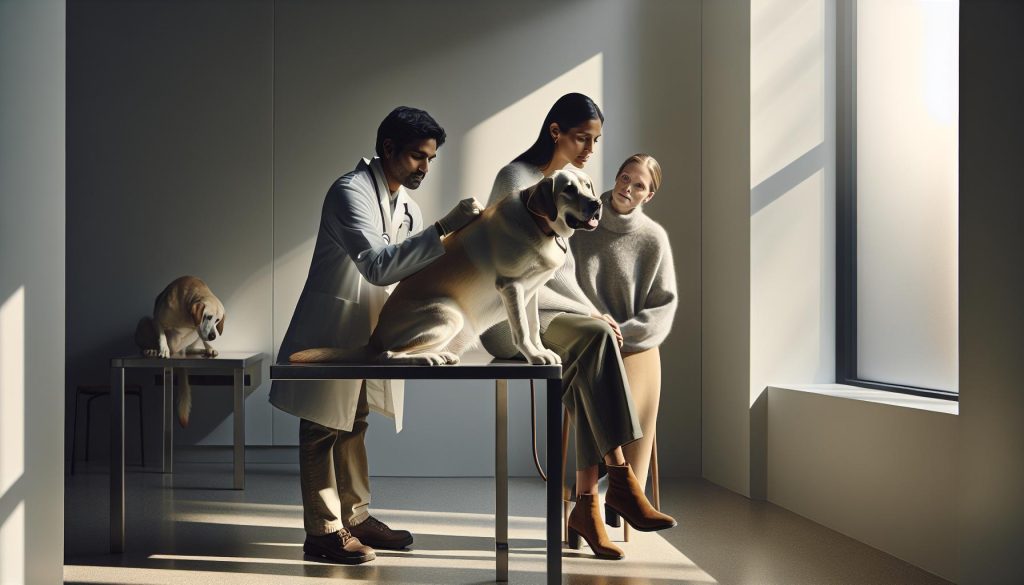
If you’ve found yourself puzzled and concerned every time your dog throws up water, you’re not alone. Many dog owners encounter this unsettling situation, often wondering if it’s a harmless quirk or a sign of something more serious. Understanding why dogs vomit water can uncover critical health issues, making it crucial for every pet parent to recognize potential causes. From simple overhydration to more urgent medical conditions, knowing what to look for can ensure your furry friend receives prompt care when needed. So, let’s dive into the most common reasons your dog might keep throwing up water, helping you keep them healthy and happy!
Urgent Causes of Vomiting Water in Dogs
Discovering that your dog is throwing up water can be alarming, especially for new pet owners. It’s essential to recognize that this behavior can sometimes signal urgent underlying health issues. Vomiting clear fluid could indicate various serious conditions, from gastrointestinal blockages to systemic health problems. Understanding the urgent causes will help you take swift action to safeguard your furry friend.
One common urgent cause for vomiting water is gastric dilation and volvulus (GDV), often referred to as “bloat.” This condition typically affects larger breeds like Great Danes and Doberman Pinschers. In GDV, the stomach fills with gas and twists, preventing proper circulation and leading to critical health risks. If your dog appears to have a distended abdomen, is excessively drooling, or is retching without producing anything, immediate veterinary attention is crucial.
Another serious concern is pancreatitis, an inflammation of the pancreas that can manifest with frequent vomiting, diarrhea, and lethargy. Breeds predisposed to this condition, such as Miniature Schnauzers and Yorkshire Terriers, may show signs of abdominal pain or discomfort. If your dog exhibits these symptoms along with vomiting water, it could be a signal to seek veterinary care right away.
Additional urgent causes may include kidney failure, liver disease, or electrolyte imbalances, all of which can manifest through vomiting clear fluids. Monitoring your dog’s overall behavior and any accompanying symptoms-such as changes in appetite, energy level, or urinary habits-can provide invaluable information to your vet.
Taking prompt action by observing these symptoms and understanding their implications will help you respond effectively when your dog is in distress. Keeping the channels of communication open with your veterinarian ensures that you can tackle more serious issues before they escalate.
Recognizing Symptoms: When to Worry
When a dog starts vomiting water, it can evoke feelings of confusion and worry for pet owners. This symptom, particularly when it occurs repeatedly, often suggests a more serious underlying issue that requires immediate attention. Understanding which signs indicate urgency can make a significant difference in your dog’s health and help you respond effectively.
One red flag is the frequency and volume of the vomiting episodes. If your dog is bringing up water multiple times a day or if the vomit looks like it’s mostly clear fluid, it could signal conditions such as gastrointestinal blockages or severe digestive distress. Pay close attention to accompanying symptoms such as lethargy, refusal to eat, and signs of pain like whining or guarding their abdomen. If your dog is drooling excessively or trying to vomit without producing anything (retching), it’s crucial to seek veterinary assistance rapidly.
Another important aspect to consider is your dog’s overall hydration. If your dog has had a recent episode of vomiting water but is still drinking, monitor their water intake and look for signs of dehydration. Symptoms such as dry gums, a sunken appearance around the eyes, or skin that doesn’t immediately return to normal when pinched are concerns that might necessitate a trip to the vet. Breeds known for certain health conditions, like the larger canine breeds susceptible to bloat, should be closely monitored if they exhibit these symptoms, as timely intervention is essential to preventing potentially fatal complications.
Lastly, behavioral changes can be a significant indicator. If your playful and active dog suddenly becomes withdrawn or less responsive, this shift could point to a more serious health issue. Using a simple checklist can help you keep track of behavior patterns:
- Number of vomiting episodes in the last 24 hours
- Changes in appetite or drinking habits
- Physical signs of discomfort (like whining, pacing, or hiding)
- Any changes in energy levels, such as increased lethargy
Keeping this information handy will not only help you assess the situation better but also provide your veterinarian with crucial details that can guide effective treatment. Remember, when in doubt, it’s always better to err on the side of caution and consult your vet for advice tailored to your dog’s specific needs.
Common Dietary Issues Leading to Vomiting
It’s crucial for dog owners to recognize how dietary factors can lead to vomiting, especially when their furry friend starts ejecting water. Many dogs may vomit after eating too quickly, which can force food or water back up along with stomach contents. This is common in breeds like Labrador Retrievers and Greyhounds, who are known for their rapid eating habits. A simple solution is to use a slow-feed bowl that encourages your dog to take their time with meals, helping to prevent this type of vomiting.
Another dietary issue to consider is food intolerance or allergies, which can result in gastrointestinal upset. Common allergens include ingredients like chicken, beef, dairy, and grains. If you notice your dog frequently vomits after meals, try switching to a limited-ingredient diet to identify trigger foods. Keeping a food diary can also be beneficial; note what foods your dog eats and any subsequent vomiting episodes. Consulting with your veterinarian about a suitable hypoallergenic diet can be particularly useful for breeds prone to allergies, such as Dachshunds and Bulldogs.
Additionally, sometimes the quality of the food itself may play a role. Spoiled or contaminated food can lead to severe digestive issues, so always ensure that you are feeding your dog fresh, high-quality food. Brands vary significantly in their ingredient integrity, so research or consult with a vet for recommendations that meet your dog’s specific nutritional needs. Incorporating a gradual transition when changing diets can also mitigate digestive distress.
Lastly, be mindful of treats and table scraps, as excessive or inappropriate treats can upset a dog’s stomach. Dogs are masters at gathering extra goodies, so ensure they are receiving balanced treats, and often, less is more. A good rule of thumb is that treats should not exceed 10% of their daily caloric intake. Simple, healthy treats like carrots or small pieces of apple can be great alternatives to processed treats. Keeping these dietary practices in check can often mean the difference between a happy, healthy dog and one that has frequent vomiting episodes.
Understanding Dog Hydration Needs
The importance of hydration for dogs cannot be overstated-adequate water intake is vital for their overall health and can even prevent instances of vomiting. Dogs, just like humans, experience dehydration, which can lead to serious health issues. In fact, a dog’s body is composed of about 60% water, and this fluid is essential for digestion, circulation, and temperature regulation. Understanding your dog’s hydration needs not only helps maintain their wellbeing but can also be crucial in addressing vomiting episodes, especially when they begin to expel water.
To ensure your dog is well-hydrated, it’s important to provide fresh water at all times. The general rule of thumb is that dogs should drink roughly one ounce of water per pound of body weight each day. This can vary based on factors like activity level, age, and the weather. For example, active breeds such as Border Collies or Labradors may require more water, especially after strenuous play, while smaller or less active breeds, like Bulldogs, might need less. Observing your dog’s drinking habits can provide valuable insights-if they seem to be drinking excessively or, conversely, not enough, it’s worth investigating further.
Another consideration is how water consumption impacts vomiting. Some dogs may gulp water quickly, especially after vigorous exercise or play, leading to vomiting due to stomach distension. Using a dog bowl designed to slow down drinking can help alleviate this issue, reducing the chances of water being expelled along with stomach contents. Furthermore, keep an eye on the color and consistency of your dog’s urine; clear, light-colored urine typically indicates proper hydration, while dark urine suggests dehydration.
Lastly, certain medical conditions influence hydration needs and behavior. For example, dogs with diabetes or kidney disease often require more water and may also exhibit increased thirst. Monitoring your dog’s intake and consulting with a veterinarian if you notice any sudden changes in drinking habits or vomiting episodes can be key to early intervention. Making hydration a priority in your dog’s daily routine will not only promote overall health but can also minimize the likelihood of vomiting, making for a happier, healthier companion.
How to Spot Gastrointestinal Problems
Spotting gastrointestinal problems in your dog can often feel like detective work, but being vigilant about their behavior is essential for their health. One of the most telling signs of gastrointestinal distress is sudden changes in their eating habits or appetite. If your pup has always been enthusiastic about mealtime but suddenly turns their nose up at food, or if they seem to be raiding the trash can more often, it could signal an underlying issue. Furthermore, pay close attention to the consistency and frequency of their stools; diarrhea or unusual firmness can indicate digestive upset.
It’s not just about what comes out; observing how your dog behaves before and after vomiting is equally crucial. For instance, if your dog seems lethargic, excessively salivates, or shows signs of discomfort-such as whining or pacing-these can be red flags. Dogs may not always vocalize their discomfort, so look for subtle signs like a tucked tail or hunched posture. Additionally, a bloated abdomen or excessive flatulence might be indicators of gastrointestinal trouble.
To help you keep track, consider keeping a daily log of your dog’s food intake, bowel movements, and any vomiting episodes. This information can be invaluable when discussing your dog’s health with your veterinarian and can help identify patterns that may point to specific dietary issues or stress-related problems.
For specific breeds, some may be more prone to gastrointestinal issues than others. For example, large breeds like Great Danes can suffer from bloat, while smaller dogs, such as Dachshunds, might experience more frequent digestive upsets. Being aware of these predispositions can help you stay alert to potential symptoms relevant to your dog’s breed, further enhancing your ability to spot gastrointestinal problems early.
By understanding and recognizing these signs, you can take proactive steps in managing your dog’s health and potentially prevent more severe issues down the line. Always remember that a watchful eye and a little detective work can lead to timely interventions that keep your furry friend happy and healthy.
The Role of Stress and Anxiety in Vomiting
Experiencing vomiting can be distressing for both dogs and their owners, and it’s important to realize that stress and anxiety can contribute to this troubling symptom. Many pet owners might not immediately connect their dog’s emotional state with physical issues like vomiting water, but behavioral changes can indeed trigger gastrointestinal upset. Just like humans, dogs can be affected by stressful situations such as loud noises, changes in their environment, or even a new pet or family member.
To better manage your dog’s anxiety, it’s essential to be mindful of stressful situations that could lead to vomiting. Common stressors can include thunderstorms, fireworks, trips to the vet, or being left alone for extended periods. If you notice that your dog often vomits during or after these events, it’s crucial to address the underlying anxiety. Simple techniques such as creating a safe space, using calming products (like anxiety wraps or soothing chews), or providing interactive toys can significantly reduce your dog’s stress levels. Supportive practices like desensitizing your dog to certain triggers gradually can also help them cope better over time.
Additionally, consider the importance of routine for your dog. Predictability in their schedule around feeding, walks, and playtime can significantly alleviate stress. When dogs know what to expect, they often feel more secure, which can help minimize anxiety-related vomiting. Plus, incorporating regular exercise into your dog’s daily routine not only benefits their overall health but also provides an outlet for pent-up energy and anxiety.
Monitoring your dog’s behavior in conjunction with their vomiting episodes is vital. Keeping a diary that notes the circumstances surrounding each episode-such as potential stressors, feeding schedules, and exercise patterns-can provide valuable insights. If vomiting persists despite your efforts to manage anxiety, or if it is accompanied by other concerning symptoms, such as lethargy or refusal to eat, it’s advisable to consult your veterinarian for a thorough assessment and further guidance. With a little patience and the right strategies, you can help your furry friend manage their stress and maintain a healthier, happier life.
Identifying Breed-Specific Sensitivities
Identifying the sensitivities of specific dog breeds can be a crucial step in understanding why your furry friend might be experiencing vomiting, particularly when it comes to throwing up water. Just as each breed has its unique personality traits and physical characteristics, they also have different predispositions to gastrointestinal issues. Understanding these breed-specific sensitivities can help you take proactive measures to prevent vomiting and keep your dog healthy.
For example, breeds like Bichon Frises, West Highland White Terriers, and Cairn Terriers are more prone to issues like pancreatitis and inflammatory bowel disease (IBD). These conditions can cause nausea and vomiting. If you own one of these breeds, it’s essential to pay close attention to their diet and any signs of distress. You might consider discussing a specialized diet with your veterinarian to help manage their digestive health.
Conversely, larger breeds such as Great Danes and Doberman Pinschers are at risk for bloat or gastric torsion, a life-threatening condition that can lead to vomiting. Recognizing the symptoms early, such as restlessness or a distended abdomen, can be crucial. For these breeds, serving smaller meals multiple times a day rather than one large meal can minimize the risk of bloat.
Common Breed-Specific Sensitivities
| Breed | Common Sensitivities | Preventative Measures |
|---|---|---|
| Bichon Frise | Pancreatitis, IBD | Specialized diet, regular vet check-ups |
| Great Dane | Bloat, gastric torsion | Smaller, frequent meals |
| German Shepherd | Food allergies, IBD | Elimination diet trials, high-quality food |
| Yorkshire Terrier | Liver shunt, food sensitivities | Regular vet care, monitor diet |
Moreover, keeping a close watch on any dietary changes or environmental factors that might provoke vomiting in your dog is vital. For instance, if you’re considering switching dog foods or introducing new treats, be aware that certain breeds may react poorly. It’s crucial to do this gradually and monitor your dog’s response closely.
By recognizing these breed-specific sensitivities and taking action to mitigate risks, you can forge a healthier relationship with your dog that not only minimizes episodes of vomiting but also enhances their overall well-being.
Home Remedies for Mild Vomiting
When your dog is experiencing mild vomiting, especially when they are throwing up water, there are several gentle home remedies you can try before seeking veterinary assistance. It’s often frightening to see your beloved pet in discomfort, but understanding and addressing their needs is crucial for their well-being. For many dogs, vomiting can be due to minor digestive upset from dietary indiscretions or sudden changes in routine. However, if your dog continues to vomit or shows additional concerning symptoms, seeking a veterinarian’s advice is essential.
One effective approach is to withhold food for a short period, typically 12 to 24 hours, allowing your dog’s stomach to settle. During this time, ensure that they have access to clean, fresh water to stay hydrated. After this fasting period, reintroduce food gradually with a bland diet. Good options include boiled chicken (without skin) and white rice, or plain pumpkin puree. These easily digestible foods can help soothe the stomach and restore normal digestion. It’s generally recommended to feed small amounts several times a day rather than larger meals.
Additionally, consider how your dog eats. If they tend to gulp down their food or water quickly, it might cause them to vomit. To counter this, try using a slow feeder bowl or placing a clean tennis ball in their bowl to slow their eating pace. This simple technique can dramatically reduce the chances of vomiting after eating.
Here are a few more home remedies you can consider for mild vomiting:
- Ginger: Known for its soothing properties, a small amount of ginger can help settle your dog’s stomach. You can offer a pea-sized amount of ginger paste or a ginger-flavored treat.
- Probiotics: Adding a probiotic supplement designed for dogs can help restore the natural balance of gut bacteria.
- Hydration solutions: If your dog is reluctant to drink water, you can offer an electrolyte solution designed for pets to help prevent dehydration.
Always keep an eye on your dog’s behavior and symptoms. If vomiting persists for more than 24 hours, or if accompanied by other signs such as lethargy, diarrhea, or blood in the vomit, don’t hesitate to contact your veterinarian. Their expertise will ensure that your furry friend receives the best care possible. Taking a proactive approach will allow you to address mild vomiting effectively while maintaining your dog’s health and happiness.
What to Expect During a Vet Visit
When you finally decide to take your dog to the vet for ongoing vomiting, especially if it’s related to water, it’s essential to be prepared for the visit. Knowing what to expect can help ease your anxiety and allow you to focus on supporting your furry friend. Your vet will begin by asking you a series of detailed questions about your dog’s health history, eating habits, and the specifics of the vomiting episodes. Take the time to note when the vomiting began, how often it occurs, the appearance of the vomit, and any other symptoms your dog might be showing, such as lethargy or diarrhea. This information is crucial for accurate diagnosis and treatment.
During the examination, the veterinarian will perform a physical check-up, paying close attention to your dog’s abdomen, hydration status, and overall demeanor. They may palpate the stomach to check for discomfort and assess the dog’s hydration levels through skin elasticity and gum moisture. In addition to this, the vet might recommend diagnostic tests such as blood work or imaging (like X-rays) to rule out any serious underlying conditions. Being open about your dog’s behavior and any recent changes in their routine can also provide valuable clues.
If your dog is a specific breed known for sensitivities-like Boxers, Bulldogs, or Dachshunds-they may be more prone to gastrointestinal issues. Discussing this with your vet can help tailor the examination and potential treatments to your dog’s unique needs. For example, certain breeds may require specific dietary adjustments or treatments that general recommendations might not cover.
Finally, don’t hesitate to ask questions. Whether it’s about treatment options, dietary adjustments, or home care strategies, a good vet will appreciate your engagement and be happy to provide you with clear, actionable guidance. Leaving the vet with a full understanding of your dog’s health status and a solid plan for management can significantly impact their recovery.
Preventative Measures for Dog Health
Ensuring the health and well-being of your furry friend goes beyond just reactive care; it’s essential to adopt preventative measures that can help minimize the risk of vomiting, particularly when it comes to water intake. Frequent vomiting can be distressing not only for your dog but also for you as an owner. By implementing a few proactive strategies, you can help enhance your dog’s digestive health and prevent potential issues before they arise.
Start by monitoring your dog’s diet closely. A balanced, high-quality diet is foundational to your dog’s overall health. Avoid sudden changes in food, as these can upset your dog’s stomach. If you need to transition to a new diet, do so gradually over a week or more to allow your dog’s digestive system to adjust. For breeds prone to gastrointestinal issues, such as Bulldogs and Labrador Retrievers, consult with your veterinarian about the most suitable dietary plan. It may include specialized dog foods or supplements that can aid digestion.
Hydration is equally important. Always provide fresh, clean water and encourage regular sipping throughout the day but be mindful of how quickly your dog drinks. Dogs that gulp water too fast can induce vomiting. To mitigate this, consider using a water bowl designed to slow down their drinking pace or offer water in smaller, more frequent sessions.
Stress and anxiety can also play a significant role in gastrointestinal upset. Understanding your dog’s triggers-like loud noises, other animals, or changes in routine-can help you manage their environment more effectively. Engaging them in calming activities, providing a safe space, and maintaining a routine can significantly help reduce stress. Familiar toys or blankets can serve as comfort items, creating a sense of security.
Regular veterinary check-ups are crucial as well. Routine visits allow for early detection of potential health issues before they escalate into serious problems. Discuss any specific breed sensitivities with your vet to tailor a health and wellness plan that fits your dog’s unique needs. Your vet can also provide vaccination updates, dental care tips, and recommendations for regular exercise-each of which contributes to your dog’s overall digestive health.
Lastly, establishing a solid grooming routine can aid in identifying any underlying health concerns quickly. Regular checks of your dog’s skin and coat, alongside monitoring their weight, can lead to a healthier and happier dog. Taking these preventative measures not only helps in avoiding the distress of vomiting but also strengthens the bond you share with your beloved companion, encouraging a long and joyful life together.
When to Seek Emergency Veterinary Care
Recognizing when your dog’s vomiting escalates from a mere nuisance to a serious health concern is crucial for their well-being. If your dog is repeatedly throwing up water, especially if it’s accompanied by other symptoms, it’s time to act swiftly. Vomiting can lead to dehydration, a condition that can quickly become life-threatening, particularly in dogs that are already suffering from other health issues or are very young or old.
When should you rush to the vet? Here are some signs that warrant immediate attention:
- Persistent vomiting: If your dog vomits several times within a few hours, especially if it’s water or has a concerning color (like brown or yellow), this indicates a problem that needs urgent evaluation.
- Signs of dehydration: Look for symptoms such as dry gums, excessive thirst, or decreased skin elasticity, which can be confirmed by gently pinching your dog’s skin. If it doesn’t snap back quickly, your dog may be dehydrated.
- Abdominal pain: If your dog is whining, lethargic, or especially sensitive to touch around the stomach area, this could signify serious gastrointestinal issues that require immediate veterinary care.
- Blood in vomit: If you notice any blood or unusual substances in your dog’s vomit, this is a clear red flag. Blood can indicate severe internal problems that need to be diagnosed right away.
- Changes in behavior: Excessive lethargy, confusion, pacing, or other sudden changes in demeanor can indicate distress. If your dog is acting unusually or exhibiting signs of pain, a veterinary visit is warranted.
- Accompanying symptoms: Diarrhea, excessive drooling, or loss of appetite alongside vomiting can indicate a broader systemic issue.
In terms of breed-specific considerations, some dogs may be inherently more susceptible to gastroenterological issues. For instance, breeds like Great Danes and Basset Hounds are prone to bloating, which can be exacerbated by excessive water intake. Always consider your dog’s individual health history and breed predispositions when assessing their symptoms.
Regular veterinary care is essential, even if your dog seems fine after a bout of vomiting. Regular check-ups can help identify potential health issues before they become critical. If you ever find yourself in doubt, err on the side of caution-your veterinarian is your best ally in ensuring your pet remains happy and healthy.
Long-Term Solutions for Persistent Issues
Taking a proactive approach to your dog’s health is key when dealing with persistent vomiting, especially if they are frequently throwing up water. Long-term solutions not only involve addressing immediate issues but also implementing strategic changes that foster overall well-being. One effective way to start is by re-evaluating your dog’s diet and hydration routine.
Nutrition and Feeding Practices
A diet tailored to your dog’s specific needs can significantly influence their gastrointestinal health. Consider transitioning to a high-quality dog food that is appropriate for their age, breed, and health conditions. Look for formulations that promote digestive health, such as those containing probiotics. Additionally, feeding smaller, more frequent meals rather than one or two large servings can help reduce the chance of vomiting caused by overeating or eating too quickly. For instance, if you own a breed prone to bloat, like a Great Dane, implementing a slow feeder bowl can help control their pace while eating.
Hydration Management
It’s crucial to monitor your dog’s water intake closely. If your dog tends to gulp large amounts of water at once, this could lead to vomiting. Offering smaller bowls of water multiple times throughout the day can encourage gradual hydration. You might also explore the use of pet water fountains, which can entice your dog to drink without the temptation to chug. If your dog is after-exercise thirsty, allow them to sip water gradually and take breaks to prevent them from drinking too much too quickly.
Routine Health Monitoring
Regular health check-ups with your veterinarian are essential for preventing persistent vomiting issues. During these visits, be sure to discuss your dog’s eating habits, any changes in behavior, and frequency of vomiting. You can create an easy checklist to track your dog’s symptoms and health statuses, including their response to different foods and changes in water consumption. This can be valuable information for your veterinarian.
Stress and Environmental Factors
Lastly, consider the role of stress and anxiety in your dog’s health. Dogs are sensitive creatures, and significant life changes, new environments, or even loud noises can trigger gastrointestinal issues. To mitigate these stressors, create a consistent routine that includes regular exercise, playtime, and relaxation. Establishing a calm, predictable environment helps your dog feel more secure, potentially reducing stress-related vomiting episodes.
Addressing persistent vomiting effectively requires a comprehensive strategy that includes monitoring diet, hydration, and stress levels, along with regular veterinary consultations. By taking these steps, you’ll not only help prevent further episodes but also promote a healthier, happier life for your furry companion.
Faq
Q: Why does my dog vomit water after drinking?
A: If your dog vomits water after drinking, it may be due to rapid drinking, leading to gulping air, or an underlying gastrointestinal issue. Observe for additional symptoms and consider adjusting their drinking habits. For persistent issues, consult your vet for advice detailed in the section on recognizing symptoms.
Q: What should I do if my dog throws up water frequently?
A: Frequent vomiting of water could indicate a problem like nausea, stomach irritation, or a more serious condition. Withhold food for a few hours, then provide small amounts of water. If the vomiting continues, seek veterinary care for a proper diagnosis as advised in the section on emergency care.
Q: Can changes in diet cause my dog to vomit water?
A: Yes, sudden changes in diet can upset your dog’s stomach and lead to vomiting water. Always transition to new foods gradually over several days. For more dietary tips, refer to our section on common dietary issues leading to vomiting.
Q: Is it normal for my dog to throw up water?
A: Occasional vomiting of water can be normal, especially if your dog drinks too quickly. However, frequent or severe vomiting may be a sign of health issues. Monitor your dog and consult a vet if symptoms persist, as highlighted in our guidance on spotting gastrointestinal problems.
Q: How can I tell if my dog’s vomiting is serious?
A: Look for symptoms like lethargy, diarrhea, or blood in vomit. If your dog shows any of these signs or has persistent vomiting, it’s essential to seek veterinary care immediately. More information can be found in our section on recognizing symptoms.
Q: What are common signs associated with vomiting in dogs?
A: Common signs include retching, lethargy, pacing, or a decreased appetite. Dogs may also show distress by whining or hiding. Understanding these symptoms can help determine the urgency of seeking care, particularly when gastrointestinal problems are suspected.
Q: Could stress cause my dog to vomit water?
A: Yes, stress and anxiety can lead to vomiting in dogs. If your dog is experiencing stressful situations, work on creating a calm environment and provide comfort. For strategies on managing stress, check our section discussing the role of stress and anxiety in vomiting.
Q: When should I take my dog to the vet for vomiting?
A: You should take your dog to the vet if vomiting is persistent, accompanied by blood, lethargy, or severe discomfort. Immediate care is advisable when a dog shows significant distress. Refer to our section on when to seek emergency care for more detailed guidelines.
Insights and Conclusions
If your dog has been throwing up water, it’s crucial to act quickly and consult your veterinarian to pinpoint the underlying causes. Remember, timely intervention can make all the difference in your pet’s health. For more insights into dog care, check out our article on “Common Health Issues in Dogs” and our guide, “How to Keep Your Dog Hydrated”. These resources will equip you with the information you need to ensure your furry friend stays healthy and happy.
Don’t hesitate to sign up for our newsletter for more tips on canine health, or explore our product recommendations that can enhance your dog’s well-being. Your engagement is valuable to us-share your thoughts or experiences in the comments below! Let’s keep the conversation going as we work together to give our pets the best lives possible. Remember, the journey to your dog’s health doesn’t end here; stay informed, stay connected!