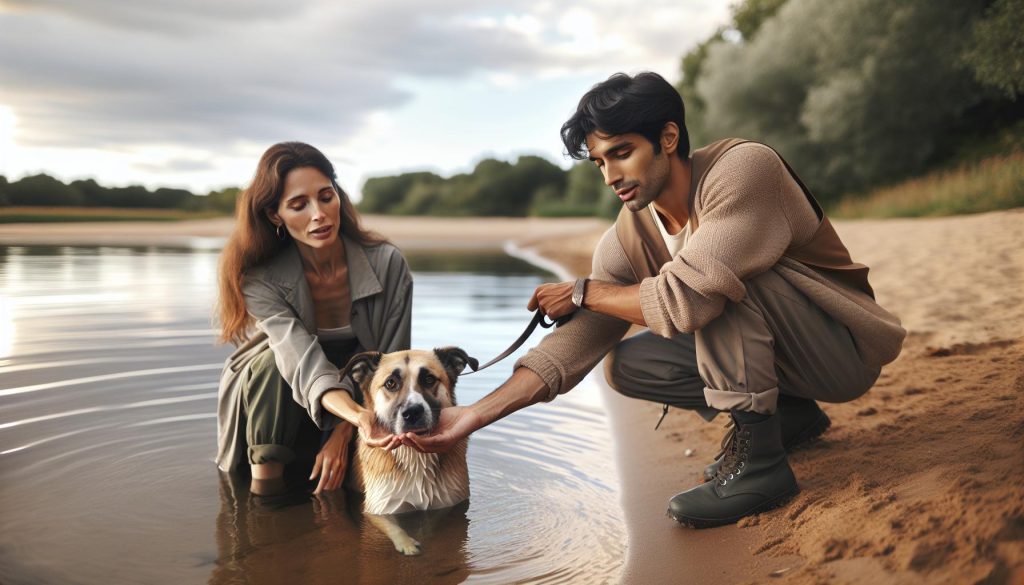
Many dogs have an aversion to water, which can be puzzling for pet owners who envision fun days at the beach or splashes in the pool. Understanding why your dog is afraid of water is crucial not only for their happiness but also for their safety. Factors like past trauma, genetics, or lack of exposure can all play a role in this fear. By addressing these concerns, you can help your furry friend build confidence and enjoy water-related activities. This guide will delve into the reasons behind water anxiety in dogs and provide practical tips to help you support them in overcoming their fears. Let’s embark on this journey together, transforming trepidation into tail-wagging joy!
Understanding Your Dog’s Fear of Water
Did you know that a significant number of dogs exhibit fear or anxiety around water? Understanding this fear is crucial for any dog owner wanting to help their furry friend enjoy water-related activities. Various factors can contribute to your dog’s aversion, including past traumatic experiences, unfamiliar sounds, or even a lack of exposure during their critical developmental stages. For some dogs, water may feel like an unpredictable and daunting environment, leading them to associate it with discomfort or fear.
A dog’s breed can also play a vital role in their relationship with water. While many breeds, such as retrievers and spaniels, have a natural affinity for water, others may be more hesitant or resistant to it. For instance, some dogs may have inherited traits that make them less inclined to enjoy swimming or playing in water, often due to their original purpose, whether it was herding, guarding, or hunting. Recognizing these breed-specific tendencies can help you tailor your approach to water training, ensuring that you meet your dog where they are comfort-wise.
Additionally, it’s important to observe your dog’s body language and reactions around water. Signs of anxiety can manifest in various ways, such as panting, whining, pacing, or attempting to escape the situation. By paying close attention to these signals, you can better understand your dog’s fears and determine the best strategies for helping them overcome their anxiety. Creating a safe, controlled environment for water introductions and gradually exposing them to water can significantly improve their comfort levels.
Common Reasons Dogs Fear Water

Dogs are fascinating creatures, yet many of them harbor an unexpected fear of water. Understanding the various reasons behind this can help pet owners devise practical strategies to alleviate their dog’s anxiety. One of the primary reasons dogs fear water stems from past traumatic experiences. For instance, a dog that has had a frightening encounter during a bath or while swimming may develop an association between water and fear, making them hesitant to engage with it in the future.
Environmental factors also play a significant role in shaping a dog’s perception of water. Sounds like rushing water, waves crashing, or even the noise of a shower can be overwhelming to some dogs, triggering their instinct to flee. Additionally, certain breeds are more sensitive to their surroundings, which may make them more prone to anxiety when faced with new or unfamiliar experiences. It’s crucial for owners to recognize that a dog’s previous exposure to water-or lack thereof-can significantly influence its comfort level. Puppies, in particular, should be gradually introduced to water in a safe and controlled manner to help prevent the development of water phobia later in life.
Another essential aspect to consider is the dog’s natural instincts. Some breeds, such as retrievers and spaniels, are genetically predisposed to enjoy swimming and water activities due to their historical roles in hunting. Conversely, herding or guarding breeds may not share this affinity, leading to an inherent wariness of water. Understanding these breed-specific behaviors can empower dog owners to tailor their training and exposure techniques in a way that aligns with their dog’s innate tendencies.
Ultimately, every dog is unique, and among the common reasons for fear of water-whether it’s past traumas, environmental noise, or breed limitations-it’s essential for owners to be patient and supportive. By recognizing these factors, you can create a nurturing environment that encourages your dog to explore water in a safe and enjoyable manner, paving the way for fun, shared experiences in the great outdoors.
Recognizing Signs of Water Anxiety in Dogs

Many dogs display subtle signs of anxiety when confronted with water, and being able to recognize these indicators is essential for helping them overcome their fears. Common behaviors can include excessive panting, pacing, or avoidance, such as backing away or refusing to enter water or even near it. These signals often hint at a deeper discomfort, which, if left unaddressed, could prevent your furry companion from enjoying what can be a fun and enriching activity.
One of the most telling signs of water anxiety is a dog’s body language. A dog that is fearful of water may tuck its tail between its legs, lower its body, or adopt a crouched posture, indicating submission or distress. They may also exhibit signs of stress through barking or whining, trying to communicate their unease. Additionally, some dogs may resort to destructive behavior, such as digging or chewing, when faced with water-related situations.
To better understand your dog’s specific reactions, closely observe their behavior during water encounters. For instance, does your dog show hesitation before jumping into a pool or running away when you bring out a hose? Identifying such patterns can help tailor your approach to their exposure to water. Keep a mental note of any changes in behavior, as these can provide insights into their feelings.
Here are a few specific signs to look for:
- Freezing or Stiffness: A sudden stop or rigid posture when near water.
- Mouthing or Nipping: Chewing or biting at you or objects, often as a coping mechanism.
- Excessive Grooming: Licking their paws or body can indicate stress.
- Refusal to Obey Commands: Ignoring your calls when water is involved.
Recognizing these signs is the first step in helping your dog overcome their fear of water. Integrating gradual introductions, positive reinforcement, and patience into your training routine can gradually build their confidence, transforming a fearful reaction into curiosity and enjoyment.
Breed-Specific Insights: Which Dogs Fear Water Most?
Understanding why certain breeds tend to have a fear of water can provide insight into how to approach their training. While any dog can develop a fear of water due to past experiences, certain breeds are more predisposed to being cautious or fearful. This anxiety often stems from their inherent traits or past encounters, particularly if they’ve experienced anything traumatic involving water.
Some breeds notorious for their wariness of water include:
- Chihuahuas: These small dogs can feel overwhelmed by water-related scenarios, as their lightweight frames make it challenging to find stability in liquid.
- Shih Tzus: With their long coats and sensitive personalities, they may find water unpleasant and may not enjoy getting wet at all.
- Bulldogs: Their physical structure makes swimming difficult, leading to reluctance in water-especially if they have not been exposed to it from a young age.
- Pekingese: Like the Shih Tzu, they are naturally cautious and may have a strong aversion to water, perceiving it as an uncomfortable or frightening element.
On the other hand, breeds that generally embrace water, such as Labrador Retrievers and Newfoundlands, can serve as positive role models for anxiety-ridden companions. Observing a confident dog enjoying water can sometimes encourage a nervous one to take the plunge.
When addressing water anxiety in breeds more prone to fear, it’s essential to proceed gently. For example, gradually introducing them to water while utilizing toys or treats can spark curiosity rather than fear. Always be patient and recognize that while some dogs may take to water quickly, others might require more time and reassurance to associate water with fun and safety. Different breeds react in diverse ways, and understanding these nuances can make all the difference in effectively supporting your pet through their fears.
Creating a Safe Water Environment for Your Dog
can transform their perception of water from a source of fear to one of enjoyment. Imagine a serene backyard pond or a gentle stream where your furry friend can splatter and play without worries. The first step towards achieving this is to carefully select your dog’s water introduction setting. Opt for shallow, calm water sources, like kiddie pools or quiet lakes, which can help to minimize their anxiety and allow them to acclimate at their own pace. Ensuring that these environments are free of any loud noises or fast-moving currents can significantly boost your dog’s comfort levels.
In addition to the location, consider the temperature of the water. Dogs can be sensitive to cold, which might further their reluctance to get in. Warm body temperatures and comfortable environments can encourage them to explore. It’s also crucial to maintain a safe perimeter; fencing off areas to prevent sudden escapes and using non-slip mats around water entry points can further ensure their safety.
When introducing your dog to water, begin with a gradual approach. Start with just a few inches of water and allow your dog to explore by simply dipping their paws in. You can make this a fun experience by using their favorite toys or treats to lure them closer. Positive reinforcement plays a vital role here; praise them excitedly for any interaction with water, no matter how small. This can help create positive associations in your dog’s mind, letting them know that water is a fun place to be.
Finally, never pressure your dog during this process. Each dog’s comfort level varies, and it’s essential to respect their pace. Some may take to water quickly, while others might need time to adjust. With patience and consistent positive experiences, you can foster an environment where your dog feels safe and happy around water, opening up a world of fun activities for both of you to enjoy.
Gradual Exposure Techniques to Overcome Fear
Starting with a gentle touch can work wonders when introducing your dog to water. The aim here is to take the experience step by step, allowing your furry friend to adjust at their own pace and feel secure as they explore this new element. Begin by selecting a calm and shallow water location, such as a kiddie pool or a tranquil, shallow lake. This setting can significantly reduce anxiety and create a positive first impression.
To initiate the gradual exposure, allow your dog to simply observe the water from a safe distance. Let them approach on their own terms, sniffing the water’s edge as they become comfortable. You can enhance this experience by bringing along their favorite toys or treats. Once they seem at ease, introduce a small amount of water, just a few inches deep, and encourage them to dip their paws in. Use enthusiastic praise and treats to reward any interaction with the water, reinforcing the idea that water can be a fun and enjoyable place.
It’s important to remain patient and avoid overwhelming them. If your dog shows signs of hesitation or fear, back off and give them space. This could mean stepping away from the water momentarily or reducing the depth further. Remember, fostering a positive relationship with water is about progress, not perfection. By consistently practicing this gradual exposure technique, you can help transform your dog’s fear into curiosity, paving the way for a more comfortable experience with water.
For dogs with more pronounced fears, consider breaking the exposure into micro-steps. This might involve starting with water play in a moist environment, like a damp lawn, before moving towards shallow water. Keep each session brief to avoid fatigue and keep the experience positive, ensuring that the time spent around water is filled with cheer and encouragement. With each successful step, your dog will likely build confidence and begin to see water as a place of joy rather than fear.
Using Positive Reinforcement for Water Training
A dog’s fear of water can often feel perplexing for pet owners, but understanding how to use positive reinforcement can turn that fear into fun. The cornerstone of this approach is building trust and creating a sense of security around water. Each positive interaction you create can help reshape your dog’s perception, leading them to associate water with enjoyable experiences rather than fear.
To effectively implement positive reinforcement, always keep treats on hand. Start by rewarding your dog for simply being near water, whether it’s a kiddie pool or a calm lake. Use a soft and cheerful tone to praise them and offer treats as soon as they show any interest in the water, such as dipping a paw or even just sniffing the edge. This creates a connection in their mind that interacting with water comes with rewards. Gradually, as they become more comfortable, you can increase the challenges-such as encouraging them to wade in or perhaps retrieve a toy from shallow depths. Always ensure that your dog feels in control during the process, as pushing them too quickly can backfire.
An effective strategy would be to add a bit of hands-on fun by involving their favorite toys. For instance, try tossing a toy just a few inches into the water, and when they go after it, shower them with praise and treats. This not only boosts their confidence but also transforms the water from a source of anxiety into a playground of excitement. Keep the sessions short and positive; even if it’s just a few moments of fun, celebrate those tiny victories.
Regularly check in on your dog’s body language. If they show any signs of distress, such as trying to turn away or whining, take a step back and allow them to reset. The goal is for your dog to see the water as a playful environment. With patience, encouragement, and those crunchy treats, you can help your furry friend leave behind their fears and embrace the splashes ahead!
Fun Activities to Encourage Water Enjoyment
There’s nothing quite like the joy dogs show when they discover something fun, and water can be a fantastic avenue for playful adventures, especially if your pup is a bit hesitant around it. Engaging your dog in stimulating and enjoyable water-related activities can help replace their fear with positive associations. Start by introducing safe water play scenarios that are both exciting and reassuring, allowing them to explore at their own pace.
One of the simplest and most effective activities is setting up a kiddie pool in your backyard. Fill it with a few inches of water and toss in some floating toys. Encourage your dog to interact with the toys by gently prompting them to retrieve them. Use enthusiastic praise and treats to reward any interaction. You might want to start this with a low-water level where your dog can simply dip their paws in without feeling overwhelmed. As they gain confidence, you can gradually increase the water depth and excitement.
Another fun option is to visit a dog-friendly beach or lake. Observing other dogs enjoying the water can motivate your pet to join in. You can bring along their favorite toys or even a happy companion dog to encourage playfulness. If your dog feels uncertain, begin by keeping them on the shore and let them get accustomed to the sounds and smells. Over time, they may feel brave enough to wade in. Consider using a toy that floats, so they can focus on the game rather than the water itself.
For a little extra fun, try a game of “Splash Tag” with your dog. You chase them around the shallow water and have them chase you back. This interaction turns water from a potential source of anxiety into a dynamic play environment. Make it a routine, such as every Saturday afternoon, so your dog starts to anticipate these positive water experiences with excitement.
Incorporating these enjoyable, low-pressure water activities will help your dog find joy in splashing and swimming. Remember, the key is patience and positivity-celebrate each little victory and maintain a playful atmosphere, so your dog learns to love water rather than fear it.
When to Seek Professional Help for Water Fear
When a dog displays an intense fear of water, it can be concerning for both the pet and their owner. While some canine anxiety can be managed with patience and positive reinforcement, there are specific instances when professional intervention becomes necessary. Recognizing these pivotal moments is crucial in ensuring your furry friend’s well-being and helping them navigate their fears effectively.
Firstly, if your dog exhibits severe signs of panic or distress around water, such as excessive barking, shaking, or attempts to escape, it’s important to consult a professional dog behaviorist or a trainer experienced in desensitization techniques. These behaviors often indicate a level of anxiety that can be harmful if left unchecked. Specialists can provide structured programs tailored to your dog’s specific fear, making the process less daunting and more effective.
Additionally, if your dog’s fear is impacting their daily life-preventing them from enjoying outings, play, or even regular bathing-seeking assistance is advisable. A professional can help identify underlying issues that may be contributing to this fear, such as past traumatic experiences or anxiety disorders. By addressing these root problems with a comprehensive approach, you can foster a healthier mindset for your dog.
Moreover, some breeds may be naturally more fearful of water than others, and understanding this breed-specific behavior can be beneficial. If your dog is among those breeds known to have such tendencies, like certain terriers or hounds, professional guidance can help tailor training methods that align with their specific needs and temperaments.
Lastly, if your own attempts at training are not yielding positive results after a reasonable period, don’t hesitate to reach out for expert help. Sometimes, fresh perspectives and specialized knowledge are the keys to unlocking a healthier, happier relationship with water for your beloved pet. Remember, facilitating a supportive environment while seeking professional assistance is a positive step toward improving your dog’s emotional health and relationship with water.
Managing Water Anxiety During Seasonal Changes
As the seasons change, so do the potential stressors and environmental factors that can intensify your dog’s fear of water. Whether it’s the hot summer sun at the beach, the sudden chill of fall, or the rain-soaked days of spring, each season presents unique challenges that can exacerbate water anxiety. Recognizing these factors and adapting your approach can make a significant difference in your dog’s comfort level.
During warmer months, many dogs are drawn to water, but for those with anxiety, the experience may be overwhelming. It’s crucial to introduce your furry friend to water gradually. Start with shallow, calm water sources, like a kiddie pool, where they can observe the water without the added pressure of waves or deep pools. Encourage them to step in by playing with toys or tossing treats just beyond the water’s edge. As they grow more comfortable, you can slowly increase the depth while always monitoring their comfort level.
The transition to colder weather can also impact your dog’s willingness to engage with water. Cold temperatures can lead to a heightened sense of vulnerability. To manage this, consider using protective gear such as a doggy wetsuit during winter swimming or hydrotherapy sessions. This added layer can provide both warmth and comfort, allowing your dog to feel safer when exposed to water in chilly conditions. Always ensure that any swimming or bathing activities are followed by a warm towel rubdown, reinforcing a positive end to the experience.
In rainy seasons, the noise and unpredictability of water can trigger anxiety. If your dog is particularly sensitive to storms or heavy rain, creating a peaceful environment during inclement weather is paramount. Offer them a safe space within your home equipped with their favorite toys and blankets where they can retreat. This area can help buffer the sounds and sights of rain, reducing overall anxiety.
Finally, keep in mind that consistency is key across all seasonal changes. Regularly practicing positive reinforcement, regardless of the season, can help build your dog’s confidence in water-related situations. Use treats, praise, and gentle encouragement to create a positive association with water activities, and remember to celebrate small victories in their progress. By being attentive to your dog’s needs and adapting your strategies based on the season, you can help them feel more secure, leading to a happier relationship with water.
Tips for Bathing and Grooming an Anxious Dog
Many dog owners face the challenge of bathing and grooming a dog that shows signs of anxiety when it comes to water. Understanding how to make these experiences more comfortable can have a profound impact on your dog’s wellbeing. Here are some practical tips to help ease the fear of water during bath time or grooming sessions.
Start by creating a calm and reassuring environment. Choose a quiet space away from loud noises and distractions. Consider using a non-slip mat in the bath or grooming area to help your dog feel secure. You can also play soft music or have a calming diffuser with pet-safe essential oils, like lavender, to help soothe your dog’s nerves. This gentle ambiance can set the stage for a positive experience.
When it’s time for the bath, approach it gradually. Before getting your dog wet, allow them to explore the bathing area at their own pace. You can introduce them to the tub and let them sniff around while you give them treats or toys. When you start the bathing process, use lukewarm water and a gentle showerhead or cup to avoid sudden splashes that can startle them. Keep the water flow low and steady, and always speak in a soft, encouraging voice. If your dog seems unsettled, try to distract them with toys, praise, or treats to create positive associations with the water.
Grooming presents another opportunity to help your anxious dog feel more comfortable around water. Brush your dog before bathing to help them relax and keep their coat healthy. Use grooming tools that are suitable for their breed to avoid discomfort. During the grooming process, reward your dog with treats and verbal praise, which can reinforce calm behavior. For breeds that are particularly sensitive, the grooming ritual can start as playtime with brushes or combs to familiarize them with the tools beforehand.
Lastly, consider the timing of baths and grooming sessions. For dogs that are particularly anxious, aim to bathe them during quieter times of the day or after a long walk when they’re naturally more relaxed. Ensure they are calm before initiating any grooming or bathing process to minimize anxiety. With patience, consistency, and love, you can turn what may initially feel like a daunting task into a pleasant bonding experience for you and your dog.
Real-Life Success Stories: Overcoming Water Fears
When it comes to helping dogs overcome their fears of water, real-life success stories can inspire hope and guide strategies for fellow dog owners facing similar challenges. Take the story of Bella, a Golden Retriever who absolutely adored her family but would panic at the sight of water. Her owner, Sarah, discovered Bella’s fear stemmed from a traumatic puppyhood experience with a sudden rainstorm that drenched her during a walk. Understanding this background, Sarah approached Bella’s fear with compassion and a plan.
Sarah started slowly, introducing Bella to water gradually. She set up a kiddie pool in their backyard and filled it with just a few inches of water. Rather than forcing Bella into the water, she played fetch nearby, encouraging her to come closer to the edge. Each time Bella stepped closer, she was rewarded with her favorite toys and treats. This strategic use of positive reinforcement helped Bella associate water with fun rather than fear. Over several weeks, Bella became more comfortable and eventually jumped into the pool for the first time, excitement overtaking her initial apprehension.
Another touching account involves Max, a Beagle mix who avoided baths at all costs. His owner, Tom, found that Max would tremble and hide at bath time, making the process stressful for both. Tom recognized the importance of a calm environment and began using a gentle approach. Instead of the regular bath, he introduced Max to the shower while it was off, allowing him to explore the space. He played safe games in the bathroom, integrating treats with the grooming routine, ensuring that positive experiences outweighed any anxiety.
To see real improvement, consistency is key. Tom gently introduced the warm water with soothing experiences and gradually moved on to washing Max while giving him treats and praises. Over time, Max transitioned from a troubled bath-time terror to a dog who joyfully splashed around when bath day came.
These stories highlight not only the importance of understanding the causes behind a dog’s fear of water but also the effectiveness of patience and positive training techniques. Every victory, no matter how small, reinforces the bond between dog and owner and paves the way for enjoyable water experiences in the future. Remember, your dog’s water journey can turn from anxiety into excitement with plenty of love, understanding, and the right methods in place. Each success story serves as a reminder that with the right approach, water fears can be overcome, leading to joyful summer splashes and happy bath times.
Q&A
Q: Why is my dog suddenly afraid of water?
A: Sudden fear of water in dogs can result from traumatic experiences such as slipping or being splashed unexpectedly. It’s important to identify the cause by observing the situation closely and offering supportive behavior. Gradual reintroduction to water can help rebuild their confidence.
Q: How can I tell if my dog is anxious about water?
A: Signs of water anxiety include excessive panting, shaking, cowering, refusal to enter water, and vocalizing in distress. If your dog displays these behaviors near water, it may indicate fear. Incorporating calming techniques can help ease their anxiety during exposure.
Q: Are some breeds more prone to fear of water than others?
A: Yes, certain breeds, like bulldogs and terriers, may be more prone to water fear due to their ancestral traits. Conversely, breeds like retrievers generally love water. Understanding your dog’s breed-specific tendencies can aid in your approach to overcoming their fears.
Q: What steps can I take to create a safe water environment for my dog?
A: To create a safe water environment, start by ensuring shallow and calm water areas. Use positive reinforcements, such as treats and toys, to encourage exploration. Make water sessions short and enjoyable, gradually increasing exposure time as your dog becomes more comfortable.
Q: Can using toys help my dog overcome their fear of water?
A: Yes, using toys can significantly help in overcoming water fears. Floating toys or water games can make the experience more enjoyable. Choose interactive toys that encourage play, ensuring your dog associates water with fun rather than fear.
Q: What are some tactics for gradually exposing my dog to water?
A: Start with gradual exposure by allowing your dog to approach water at their pace. Begin with wetting their paws, then progress to shallow areas, always rewarding calm behavior. Consistency is key-revisit these steps regularly to build their confidence gradually.
Q: When should I seek professional help for my dog’s water fear?
A: If your dog’s fear of water severely impacts their quality of life or everyday activities, it may be time to consult a professional dog trainer or behaviorist. They can assess situations and provide tailored strategies to help overcome these fears effectively.
Q: How can I manage my dog’s water anxiety during the rainy season?
A: To manage water anxiety during rainy seasons, create a calm indoor environment for your dog. Use comforting scents and sounds to alleviate stress. Gradually acclimatize your dog to rainy conditions, rewarding their bravery with treats, and keeping their experiences positive.
The Conclusion
Overcoming your dog’s fear of water can be a rewarding journey, leading to joyful splashes and bonding moments. Remember, patience is key! Start slow and celebrate small victories-each step forward builds your dog’s confidence. If you’re eager to dive deeper into dog behavior and training, check out our articles on “Understanding Canine Anxiety” and “Creating a Positive Reinforcement Training Plan.”
Don’t let your pup miss out on all the fun! Subscribe to our newsletter for expert tips delivered straight to your inbox, ensuring you never miss a moment of crucial advice. Have questions or personal experiences to share? We’d love to hear from you in the comments! Engaging with our community can provide additional insights and motivation for you and your furry friend. Let’s make water play an enjoyable experience for both of you!