If you’ve ever noticed your dog pooping water, you know how concerning and distressing it can be. Diarrhea in dogs isn’t just a messy inconvenience; it can signal underlying health issues that need attention. Understanding the causes of this condition is essential for any dog owner, as it can affect your pet’s comfort and well-being. From dietary changes to infections, there are numerous factors that may lead to watery stools. The good news is that many solutions can help restore your dog’s digestive health. Join us as we explore the common causes of diarrhea in dogs and provide practical tips to help you manage this issue effectively, ensuring your furry friend is back to their happy, playful self in no time.
Understanding Diarrhea in Dogs: Common Causes
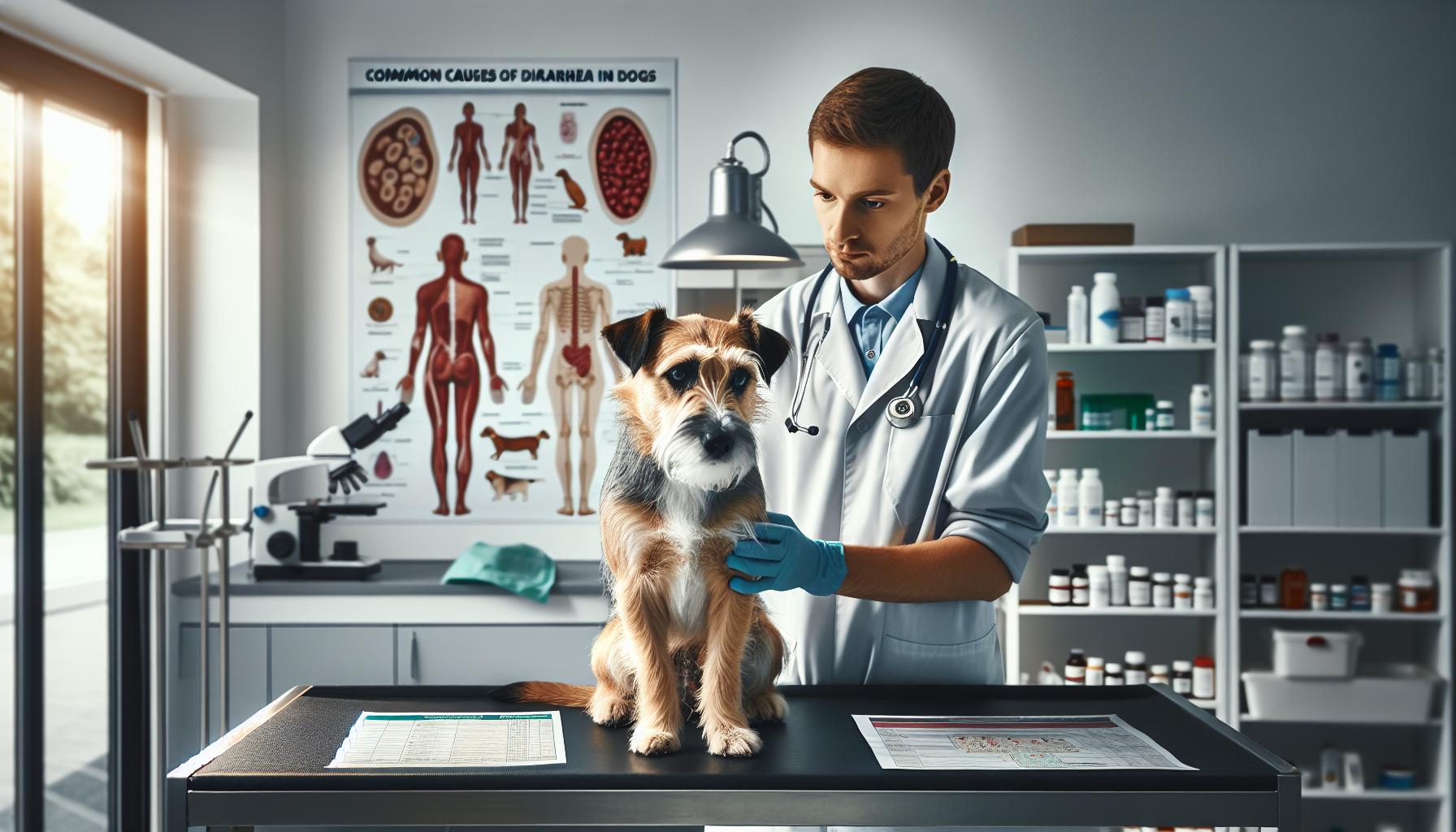
Understanding why your dog might be dealing with diarrhea is crucial for addressing the issue effectively. Diarrhea in dogs can arise from a variety of causes, each requiring different approaches for treatment and prevention. One of the most common culprits is a sudden change in diet. Whether you’ve switched brands, introduced new treats, or your dog has been scavenging while on walks, these dietary shifts can disrupt their digestive system.
Another significant factor to consider is food intolerances or allergies. Just like humans, dogs can develop sensitivities to certain ingredients. Common allergens include beef, chicken, dairy, and grains, which can lead to gastrointestinal upset. It’s vital to monitor what your dog eats closely to identify any potential triggers.
Infections can also be a major factor. Bacterial infections, viral illnesses, or parasitic infestations can cause significant digestive distress. For instance, parasites like Giardia or intestinal worms can lead to severe diarrhea, often accompanied by other symptoms like vomiting or weight loss. Regular vet check-ups and fecal examinations can help catch these issues early and keep your pup healthy.
Finally, environmental stressors shouldn’t be overlooked. Changes in routine, new family members, travel, or exposure to different environments can all create anxiety for dogs, impacting their digestive health. Understanding these various causes helps to ensure that you can quickly respond to your dog’s needs and get them back to their happy, wagging self.
It’s always wise to keep a close eye on your furry friend, as timely intervention can make all the difference. If you’re ever in doubt, consulting with your veterinarian is the best course of action to determine the underlying cause and appropriate treatment.
Signs Your Dog Has Diarrhea: What to Look For

Recognizing the signs of diarrhea in your dog is essential for prompt action and care. While a dog’s occasional bout of diarrhea may not signal an immediate emergency, being able to identify the symptoms can help you determine the best course of action to take. Usually, the first and most obvious indicator is a change in your dog’s stool consistency. If you notice unusually soft or watery stools, this is a strong sign that your dog is experiencing diarrhea.
Other signs to look for include increased frequency of bowel movements. If your dog is having to go out more frequently than normal, it may be a red flag. Additionally, keep an eye out for other symptoms that could accompany diarrhea, such as vomiting, lethargy, or a noticeable decrease in appetite. These can sometimes indicate a more serious underlying issue that may require veterinary attention.
The color and appearance of your dog’s poop can also provide important clues about their health. Healthy dog stool should be firm and brown in color. If you see mucus, blood, or an unusual color-such as yellow or green-it’s crucial to consult your veterinarian. Changes in behavior, like excessive whining or signs of discomfort, can also signal distress that might accompany gastrointestinal upset.
Monitoring your dog’s hydration is equally important during this time. Diarrhea can lead to dehydration, so look for signs such as dry gums, increased panting, or loss of skin elasticity. If you notice these symptoms, it’s vital to encourage your dog to drink water and consider reaching out to your vet for guidance. Keeping a detailed record of your dog’s symptoms, including the frequency and appearance of their stools, can be incredibly helpful when discussing the issue with your veterinarian. This proactive approach supports your dog’s health and helps ensure they receive the appropriate care when needed.
Dietary Factors: What Affects Your Dog’s Digestion?
Understanding your dog’s digestion is key to maintaining their overall health, and dietary choices play a pivotal role in this. The foods you feed your furry friend can significantly impact their digestive system, influencing everything from stool consistency to nutrient absorption. If you’re wondering why your dog might be experiencing diarrhea, it might well relate to what’s on their plate.
A sudden change in diet is a common culprit behind gastrointestinal upset. Dogs can be sensitive to new ingredients, which their stomachs may not handle as efficiently. Even seemingly healthy additions-like switching from dry kibble to a raw diet-can lead to digestive disturbances if introduced too quickly. To minimize risk, always transition between diets gradually, mixing in the new food with the old over several days. This approach allows your dog’s digestive system time to adapt.
Another essential factor to consider is the ingredients in your dog’s food. Ingredients like high-fat content, artificial preservatives, or grains can cause sensitivities in many dogs. For example, some breeds, like Dachshunds and Bulldogs, are particularly prone to gastrointestinal issues. If you suspect ingredient sensitivity, maintaining a simple, high-quality diet featuring easily digestible proteins-such as boiled chicken or turkey combined with brown rice-can aid in recovery and promote better digestion.
Additionally, keep an eye on fiber intake. A diet too low in fiber can lead to constipation, while too much can cause gas and diarrhea. Striking a balance is vital. A good rule of thumb is to ensure that your dog’s food contains an appropriate amount of soluble and insoluble fiber-usually around 2-5% in commercial pet food can help maintain digestive health.
Lastly, frequency and size of meals also impact digestion. Feeding smaller, more frequent meals may aid your dog’s system in processing their food more efficiently. This is especially crucial for breeds prone to bloat or those that tend to eat their meals quickly. Consider using slow feeders or puzzle toys to help manage their eating pace while keeping mealtime engaging.
By being mindful of what and how you feed your dog, you can dramatically improve their digestive health and happiness. If diarrhea persists despite dietary adjustments, consult your veterinarian for tailored advice and support.
Stress and Anxiety: How They Impact Your Dog’s Gut
It might surprise you to learn that just like humans, dogs can experience gastrointestinal symptoms due to stress and anxiety. Many pet owners notice their furry friends develop diarrhea during particularly stressful events, such as moving to a new home, visiting the vet, or even during thunderstorms or fireworks. This physical manifestation of stress isn’t just inconvenient-it’s a sign that your dog’s gut health is closely tied to their emotional well-being.
Stress can trigger an increase in cortisol-the stress hormone-which affects the digestive system, leading to inflammation and disruptions in gut flora. When dogs are anxious, the balance of their digestive system can be altered, causing symptoms such as diarrhea. Breeds known for their sensitive natures, like Chihuahuas and Greyhounds, may be more susceptible to these stress-induced gastrointestinal upsets. If you notice your pup has watery stools under stressful circumstances, it may be beneficial to create a calming environment. Techniques such as providing a safe, quiet space, using anxiety wraps, or incorporating soothing scents like lavender can help ease their stress levels and subsequently stabilize their digestion.
To manage a dog’s stress effectively, consider the following practical steps:
- Routine is Key: Keeping a consistent daily routine can help dogs feel more secure. Regular feeding times, play schedules, and walking routines create predictability.
- Training and Socialization: Gradual exposure to varied environments and training sessions can build your dog’s confidence and reduce anxiety. Classes focused on socialization can be particularly beneficial.
- Supplements: There are various calming supplements available, such as those containing L-theanine or colostrum, which may help alleviate anxiety in some dogs.
- Consulting a Professional: If anxiety is severe or persistent, working with a veterinarian or a certified behavioral expert can provide tailored strategies and recommendations.
By addressing your dog’s stress levels with these actionable strategies, you can not only support their emotional health but also help maintain their digestive stability. Remember, a happy dog often equals a healthy dog!
Infections and Parasites: When to Worry
When your dog starts having watery stools, the cause could often be more than just a fleeting upset stomach; infections and parasites might be at play. Understanding these underlying issues can be crucial in ensuring your furry friend gets the appropriate care they need. Infections, ranging from bacterial to viral, can trigger gastrointestinal symptoms, leading to symptoms like diarrhea. For example, parvovirus is a significant threat, especially to puppies who have not yet been fully vaccinated, causing severe gastrointestinal distress and requiring immediate veterinary attention.
Parasites are another leading cause of diarrhea in dogs, with common offenders like giardia and roundworms lurking in contaminated environments or ingested via infected food or water. Regular stool checks and preventive treatments can help protect your pooch from these unwelcome invaders. Notably, certain breeds may also show varying levels of susceptibility to these infections and parasites, necessitating breed-specific vigilance and care. A small breed like a Maltese may be more sensitive to dehydration from diarrhea than larger breeds.
If you notice additional signs accompanying the diarrhea, such as vomiting, lethargy, or a sudden change in appetite, it’s vital to consult your veterinarian without delay. These could be red flags indicating a more serious condition. As a responsible pet owner, keeping your dog’s vaccinations up-to-date and adhering to a regular deworming schedule can vastly reduce the risk of these issues. Maintaining a clean, healthy environment for your dog, such as avoiding contaminated water sources and proper hygiene practices when feeding, can also help mitigate infection risks.
In case of any suspicion that diarrhea might be due to infections or parasites, a stool sample may be needed for laboratory testing. This approach not only assists in identifying the exact cause but can pave the way for a targeted treatment strategy. Keeping track of your dog’s bowel movements and overall behavior can provide valuable insights to your vet, helping you define the right course of action to manage or treat any underlying issues. Your attentive care and proactive measures are essential in protecting your dog’s digestive health and overall wellbeing.
Breed-Specific Risks: Diarrhea Tendencies in Different Dogs
Certain dog breeds are more prone to digestive issues than others, which can lead to diarrhea. Understanding these breed-specific risks can help owners take proactive steps to protect their furry friends. For instance, small breeds like Chihuahuas and Yorkshire Terriers often have more sensitive digestive systems, making them more susceptible to gastrointestinal distress. Even minor dietary changes or stressors can lead to loose stools or diarrhea in these dogs.
Conversely, large breeds such as Great Danes and German Shepherds face unique challenges linked to their size and anatomy. They tend to eat larger quantities of food, which can lead to overeating and potential digestive upset. Moreover, rapid eating can result in gastrointestinal bloat, a serious condition that may manifest as diarrhea. Therefore, feeding strategies like using slow feeders can be beneficial for these breeds, reducing the risk of overconsumption.
In addition to breed size, age plays an essential role in diarrhea tendencies. Puppies are particularly vulnerable due to their developing immune systems and digestive tracts. Breeds like Cavalier King Charles Spaniels and Beagles are often more prone to common intestinal parasites, such as giardia, especially when they explore environments like parks or doggy daycare. Regular veterinary check-ups, stool tests, and appropriate vaccinations are crucial to maintaining their digestive health.
Ultimately, becoming familiar with your dog’s breed-specific tendencies allows for better care practices. Keeping a keen eye on their diet, nutrition, and stress factors can significantly impact their digestive health and reduce the likelihood of diarrhea. By acknowledging these risks and adapting care routines accordingly, you can help ensure your dog enjoys a comfortable and healthy life.
When to Consult a Veterinarian: Key Warning Signs
When it comes to your furry friend’s health, understanding the signs that indicate a need for veterinary attention is essential. While occasional bouts of diarrhea can happen to any dog, certain conditions warrant a swift visit to the vet. If your dog is experiencing diarrhea that persists for more than 24 hours, it’s time to pay attention. Prolonged diarrhea can lead to dehydration, which is particularly dangerous for smaller breeds like Chihuahuas and Yorkshire Terriers, who have less body mass and can lose fluids quickly.
Look out for additional symptoms accompanying the diarrhea. If your dog is vomiting, has a fever, seems lethargic, or shows any signs of pain (like whining or a stiff posture), these are clear red flags that require immediate veterinary consultation. Particularly concerning is the presence of blood in their stool or a change in the consistency-such as watery stools that may come and go in frequency. Also, keep an eye out for any behavioral changes; if your normally playful pup is suddenly withdrawn, it’s a signal that something might be seriously wrong.
For puppy owners, vigilance is even more critical. Young dogs are more susceptible to infections and parasites, which can cause not only diarrhea but also other serious health issues. If your puppy has diarrhea along with a lack of appetite or unusual lethargy, a quick trip to the vet can help catch potential problems early. Always maintain an up-to-date vaccination schedule and discuss any potential exposure to parasites, particularly if your puppy frequents parks or doggy daycare.
In summary, being proactive and attentive can make a significant difference in your dog’s health outcomes. A simple checklist to help you decide when to visit the vet includes:
- Diarrhea lasting more than 24 hours
- Presence of blood in stool or dark, tar-like stools
- Vomiting or signs of dehydration (like dry gums, excessive thirst)
- Changes in behavior (e.g., lethargy, pain)
- Unusual eating habits or appetite loss
By keeping an eye on these warning signs and acting promptly, you ensure that your four-legged companion receives the necessary care and comfort they need to recover swiftly. You know your dog best, and trusting your instincts will always guide you toward the best decisions for their health.
Home Remedies for Diarrhea: Quick Relief Tips
When your dog experiences diarrhea, it can be a taxing situation-both for you and your beloved pet. While it’s essential to consult a veterinarian for persistent or severe cases, there are several effective home remedies to help manage mild diarrhea and provide your furry friend with some relief. These quick fixes can ease your dog’s digestive distress while maintaining a healthy routine.
One of the most popular remedies for an upset stomach is a temporary fasting. Withhold food for about 12 to 24 hours to give your dog’s digestive system a chance to settle, but remember, always ensure they have plenty of fresh water to prevent dehydration. After the fasting period, introduce a bland diet gently. Foods like plain boiled chicken (no skin or bones) and white rice are gentle on the stomach and often well tolerated. You can gradually reintroduce their regular diet after their stools return to normal, but take it slow-mix in small amounts of their usual food over several days.
Incorporating probiotics can also be beneficial. Probiotics aid digestive health by promoting the growth of good bacteria. You may find probiotic powders specifically designed for dogs available at pet stores or through your veterinarian. Additionally, consider adding plain, unsweetened yogurt as a treat, as the live cultures can help restore gut balance. Be cautious with the quantity and introduce it gradually, especially if your dog has never had yogurt before.
Another alternative is pumpkin puree, which can be a powerful ally for soft stools. The fiber in pumpkin helps firm up loose stools while providing essential nutrients. Just a few tablespoons mixed into your dog’s food can make a significant difference and offer digestive support.
Lastly, always keep an eye on your dog’s hydration. When your dog is experiencing diarrhea, they may lose fluids rapidly. To encourage drinking, offer low-sodium chicken or beef broth as a flavorful treat. If your dog is refusing to drink water or is showing signs of dehydration (dry gums, lethargy), don’t hesitate to reach out to your vet.
These home remedies can provide quick relief and help you and your furry friend navigate through a bout of diarrhea. Always proceed with care and monitor your dog’s condition; if symptoms persist or worsen, a trip to the vet is essential. Taking these steps demonstrates your commitment to your dog’s health, ensuring they stay happy and comfortable.
Preventative Measures: Keeping Your Dog’s Digestive Health in Check
Maintaining your dog’s digestive health is not just about responding to issues when they arise; it’s about fostering a strong and resilient system that can handle life’s little stresses. A well-balanced diet tailored to your dog’s specific needs is a fantastic foundation. For instance, if you have a high-energy breed like a Border Collie or a very small breed like a Chihuahua, their dietary needs will vary significantly. Getting advice from your veterinarian about a dog food that fits your dog’s breed, age, and activity level can make a substantial difference. Remember, not all food labeled as suitable for “all breeds” will serve your dog’s unique requirements.
In addition to diet, regular feeding schedules can play a critical role in ensuring good digestive health. Dogs thrive on routine, and having set meal times helps regulate their gastrointestinal tract. Try splitting their daily food intake into two or three meals rather than one large meal. This approach not only aids digestion but can also help prevent overeating and the resultant upset stomach that some dogs experience.
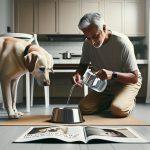
Another pivotal aspect of maintaining digestive health involves hydration. Dogs need constant access to fresh, clean water to keep their systems functioning optimally. A well-hydrated dog is less likely to experience constipation, which can lead to diarrhea. Additionally, if your dog is prone to digestive issues, consider integrating some wet food into their diet to help boost their fluid intake.
Stress management is equally important. Just like humans, dogs can suffer from anxiety, leading to stomach troubles. Create a calm environment for your pup, establish a safe space, and provide plenty of mental and physical stimulation through play and exercise. You might consider teaching them relaxation techniques or even providing toys that engage their minds. For particularly anxious dogs, consulting with a veterinarian about potential anxiety-reducing options, including natural supplements, may be beneficial.
Lastly, regular vet check-ups allow for the early detection of any potential health issues before they manifest into serious problems. Your vet can help you customize a preventive care plan that includes vaccinations, parasite control, and dietary adjustments tailored to your dog’s health history. With these proactive measures in place, you’ll be better prepared to keep your dog’s digestive system healthy and running smoothly, ensuring that it performs like a well-oiled machine, essential for their vitality and happiness.
Monitoring and Recovery: Tracking Your Dog’s Progress
Tracking your dog’s recovery during a bout of diarrhea is crucial for ensuring their health and well-being. Observing changes in their behavior and stool quality provides essential insights into their recovery progress. A well-monitored recovery can help identify any potential complications early and adjust care routines as needed. For instance, if your dog’s condition improves but then suddenly worsens, it could indicate an underlying issue that warrants a veterinarian’s attention.
One effective approach to monitoring recovery is to maintain a detailed log. This not only helps keep track of your dog’s eating and drinking habits but also provides valuable information on the frequency and consistency of their stools. Use a simple format such as daily entries, noting the following:
- Date: Record when you observe changes.
- Stool Quality: Classify the consistency (e.g., watery, soft, formed) to gauge improvements.
- Eating and Drinking: Note if your dog is eating normally and staying hydrated.
- Behavior Changes: Document any lethargy, vomiting, or signs of discomfort.
Regular assessments can reveal patterns that may indicate whether your dog is responding well to treatment. For example, if a normally energetic Labrador Retriever becomes lethargic and refuses to eat, that might signal the need for a visit to the vet.
Additionally, keeping in close communication with your veterinarian is vital during this process. Share your observations and any concerns; they can provide guidance based on your dog’s specific situation. If you notice that your dog is experiencing diarrhea lasting more than 48 hours or showing signs of dehydration, such as dry gums or excessive thirst, it’s imperative to consult with your vet promptly.
Transitioning back to regular food should be done cautiously. Start by introducing bland foods like boiled chicken or rice and gradually blend this with their regular diet as their condition improves. This staged reinforcement not only aids in digestion but also helps your dog’s gut flora recover gradually, fostering a smoother return to normalcy.
Monitoring your dog’s progress closely fosters a collaborative approach to their care. It empowers you as an owner while ensuring your furry friend receives the best attention during their recovery journey.
Understanding Veterinary Treatments: What to Expect
When your dog is experiencing diarrhea, understanding what to expect from veterinary treatments can significantly alleviate your worries. Your veterinarian will first conduct a thorough examination, which often includes taking your dog’s medical history and performing diagnostic tests, such as fecal exams or blood tests, to identify the underlying cause. This systematic approach helps in tailoring a treatment plan specific to your dog’s condition.
Common Treatments
Veterinary interventions may include various treatments depending on the diagnosis. Here are some common options:
- Medication to Control Diarrhea: Your vet may prescribe medications such as metronidazole or probiotic supplements to restore gut flora and reduce diarrhea.
- Dietary Changes: A bland diet might be recommended. In some cases, your vet could suggest a veterinary-prescribed diet that is easier on the digestive system.
- Fluid Therapy: If dehydration is a concern, especially in severe cases, your veterinarian may administer fluids intravenously or subcutaneously.
- Treating Underlying Conditions: If infections, parasites, or other medical issues are identified, targeted treatments will be initiated.
What to Observe
Throughout the treatment, it’s crucial to monitor your dog’s response. Note any changes in their stool consistency, energy levels, and appetite. If your dog is prescribed medication, ensure you follow the dosage instructions closely and complete the entire course, as discontinuing early could lead to recurring issues.
Ultimately, your veterinarian’s expertise is invaluable in guiding the recovery process. For example, if your Golden Retriever has a sudden bout of diarrhea after a change in diet, your vet might provide insights on safely reintroducing their regular food or suggest specific dietary adjustments. Always feel comfortable communicating any concerns you have during this time, as early intervention can significantly improve outcomes.
With careful monitoring and adherence to veterinary advice, many dogs recover fully from diarrhea, returning to their playful selves in no time!
Frequently Asked Questions
Q: What should I do if my dog has diarrhea for more than a day?
A: If your dog has diarrhea for more than a day, it’s crucial to consult a veterinarian. Prolonged diarrhea can lead to dehydration and may indicate a serious health issue. Keep your dog hydrated and monitor for additional symptoms, as mentioned in your article sections on when to consult a veterinarian.
Q: Can stress cause my dog to have diarrhea?
A: Yes, stress can cause diarrhea in dogs. Changes in their environment, like moving, new pets, or loud noises, may disrupt their gastrointestinal system. If you suspect stress is the issue, consider implementing calming techniques and reviewing your article’s section on how stress impacts digestion.
Q: How can I tell if my dog’s diarrhea is serious?
A: Signs of serious diarrhea in dogs include blood in the stool, lethargy, vomiting, or signs of pain. If you notice any of these symptoms, seek veterinary help immediately. More details can be found in your article on key warning signs.
Q: Are there specific foods that can cause diarrhea in dogs?
A: Yes, certain foods like dairy, fatty treats, or sudden diet changes can upset your dog’s stomach and cause diarrhea. Refer to your article on dietary factors for more insights on what affects digestion and how to manage dietary transitions.
Q: How can home remedies help with my dog’s diarrhea?
A: Home remedies like fasting for 12-24 hours or offering bland diets (like boiled chicken and rice) can help soothe your dog’s stomach. Always check your article on home remedies for diarrhea for safe and effective tips before trying any remedies.
Q: Is it normal for puppies to have diarrhea after vaccination?
A: Some puppies may experience mild diarrhea after vaccinations, but it should resolve within a day or two. Monitor your pup closely, and if diarrhea persists or worsens, consult your veterinarian as discussed in your article on when to seek veterinary advice.
Q: How can I prevent diarrhea in my dog?
A: To prevent diarrhea, maintain a consistent diet, ensure clean drinking water, and manage stress. Regular check-ups with your veterinarian can also help catch potential issues early. Explore your article’s section on preventative measures for additional strategies.
Q: When should I consider a fecal test for my dog?
A: A fecal test is advisable if your dog has persistent diarrhea, especially if accompanied by weight loss or changes in appetite. Regular testing can help identify parasites or infections as elaborated in your article’s section on infections and parasites.
Future Outlook
If your dog is experiencing diarrhea, it’s crucial to act quickly to ensure their health and comfort. Remember, identifying the underlying cause-whether it’s dietary changes, infections, or stress-is vital for effective treatment. For tailored advice on your specific breed, check our guides on common canine issues and nutritional needs. Don’t hesitate to consult with your veterinarian to explore the best solutions moving forward.
Now that you’re equipped with insights into why your dog might be pooping water, why not dive deeper? Explore our articles on maintaining a healthy diet for your dog and tips for preventing diarrhea in the future. Your furry friend’s well-being is our priority, so consider signing up for our newsletter for ongoing tips and updates. Share your experiences or questions in the comments; your community awaits! Together, let’s keep your dog happy and healthy-one paw at a time.