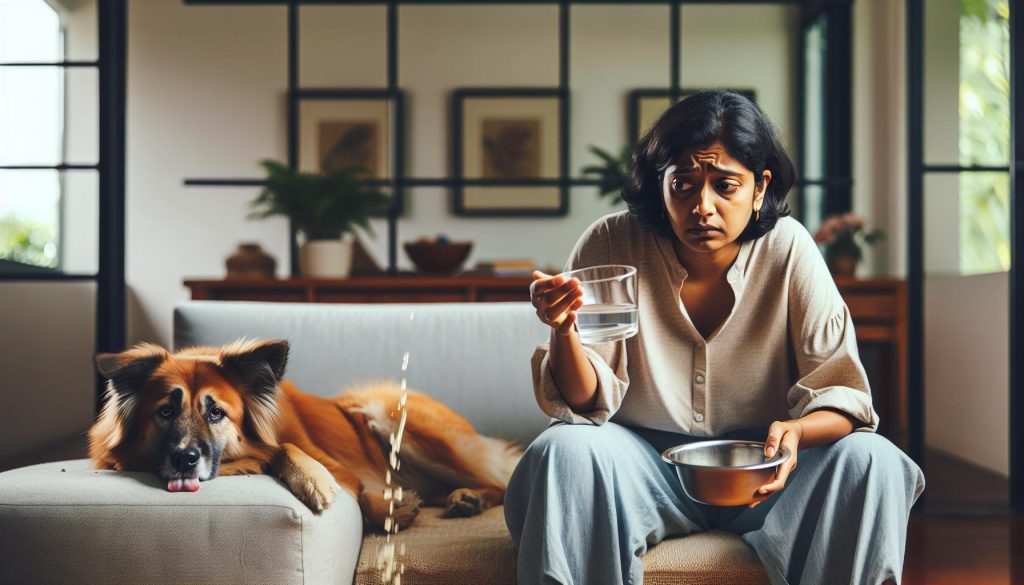
As a loving dog owner, it can be alarming to see your furry friend vomit after drinking water. Did you know that this issue can often be linked to underlying digestive causes? Understanding why this happens is crucial for your dog’s health and well-being. Vomiting can signal anything from simple hydration issues to more serious gastrointestinal concerns. By exploring the reasons behind this behavior, you can take informed action to keep your canine companion comfortable and safe. Join us as we delve into the common digestive causes behind your dog’s post-drinking vomiting, empowering you with the knowledge to care for your pet effectively. Your dog’s happiness and health are worth the investigation!
Understanding Digestive Issues in Dogs

Digestive issues in dogs can be puzzling and concerning for pet owners, especially when they involve something as routine as drinking water. It’s important to understand that a dog’s digestive system is complex and can be influenced by various factors, including breed, age, and overall health. One fascinating aspect of digestion in dogs is that their stomachs can be quite sensitive; even minor changes in their routine or diet can lead to discomfort and symptoms like vomiting. For instance, many dogs may gulp their water too quickly, a habit that can exacerbate digestive distress.
When a dog vomits after drinking water, it may indicate underlying problems such as gastritis, where the stomach lining becomes inflamed, or food sensitivities that make the digestive tract react poorly to certain substances. Additionally, some breeds are predisposed to digestive issues due to their unique anatomical features. For example, brachycephalic breeds like Bulldogs and Pugs often struggle with swallowing and may ingest air with their water, leading to a higher chance of vomiting. Understanding these dynamics can help you monitor your dog’s habits more closely.
To help your dog maintain a healthy digestive system, consider making some adjustments to how you provide water. Offering smaller amounts of water more frequently can reduce the likelihood of gulping. You could also try a slow feeder bowl designed for water, which allows your pet to take sips without rushing. Always watch for additional signs of distress, such as lethargy or changes in appetite, as these can escalate into more serious issues.
In summary, by observing your dog’s drinking habits and understanding their unique digestive needs, you can take proactive steps to prevent vomiting after drinking water. A little knowledge and preventive care can go a long way in ensuring your furry friend enjoys a happy, healthy life.
Common Reasons Dogs Vomit After Drinking Water
Dogs are incredibly energetic and curious creatures, but sometimes their enthusiasm can lead to uncomfortable digestive issues. One common, but often concerning behavior is vomiting after drinking water. Understanding the reasons behind this can be the key to keeping your furry friend healthy and happy.
One of the primary causes of vomiting in dogs after they drink water is simply gulping it too quickly. Many dogs, especially those who are overly excited or thirsty after playtime, might inhale their water, which can lead to excessive air intake. This can result in a distended stomach and discomfort, triggering a vomit reflex. It’s important to identify your dog’s drinking habits; for some, slow down and savor might be the mode of operation!
Another significant factor can be gastritis, an inflammation of the stomach lining, which might not only be a result of ingested substances but also stress or sudden diet changes. Food sensitivities can also play a part, as certain dogs may react poorly to specific ingredients in their diet, causing their stomach to retaliate even after drinking plain water. It’s essential to keep a keen eye on your dog’s food and water routine, as well as their overall health, to help pinpoint potential distress signals.
For certain breeds, anatomical considerations can complicate matters. For example, brachycephalic breeds like Bulldogs and Pugs often have unique respiratory and digestive structures, making them more prone to swallowing air and experiencing vomiting after hydration. If you notice these breeds exhibiting this behavior, consider using a specially designed water bowl that allows for more controlled drinking.
Implementing practical strategies can make a world of difference. Here are a few tips to help reduce the likelihood of your dog vomiting after drinking water:
- Offer small amounts of water frequently instead of letting them drink large amounts at once.
- Try using “slow feeder” water bowls that encourage more leisurely sipping.
- Monitor your dog’s excitement level around drinking time; a calm environment can reduce gulping.
- Keep track of dietary changes and any potential allergens that might irritate your dog’s stomach.
By understanding the potential reasons behind your dog’s vomiting after drinking water, you can begin to take proactive measures to support their digestive health. Observing, adjusting, and caring for your canine companion with careful attention will go a long way toward ensuring their comfort and well-being.
Signs Your Dog’s Vomiting Is Serious

It can be alarming to see your dog vomit, especially if it happens frequently after drinking water. While occasional vomiting can be a normal response to a dog’s excitement, there are serious symptoms to watch out for that may indicate an underlying health issue. Recognizing these signs early can be crucial for your pet’s health.
One of the first signs to be vigilant about is the frequency of vomiting. If your dog vomits more than once or twice within a short period, it may signal a more serious problem, like gastric torsion or a severe gastrointestinal issue. Additionally, observe the appearance of the vomit. If you notice blood, bile (a yellowish-green fluid), or an unusual consistency, it’s important to seek veterinary help immediately. Watch for other symptoms that accompany vomiting, such as lethargy, diarrhea, or refusal to eat. These can indicate dehydration or an infection that may require urgent treatment.
Another critical point to consider is your dog’s behavior before and after vomiting. If your dog seems unusually restless, fearful, or in pain, or if they are salivating excessively, this could indicate a serious condition like pancreatitis or obstruction. It’s also vital to assess any changes in their drinking or eating habits. For example, if your dog is suddenly less interested in their food or water after episodes of vomiting, this could indicate a serious issue that requires immediate veterinary attention.
For specific breeds, recognition of unique symptoms is equally important. Brachycephalic breeds, like Bulldogs and Pugs, might have difficulty breathing or notable changes in respiratory patterns after vomiting, suggesting a need for immediate assessment. By staying alert to these signs, you can effectively monitor your dog’s health and react swiftly when necessary, ensuring they get the care they need as quickly as possible.
When to Seek Veterinary Help for Vomiting

It’s a startling sight when your dog suddenly vomits, especially after drinking water. While occasional vomiting can be a benign reaction-perhaps linked to excitement or a quick drink that’s too much-there are critical moments when veterinary intervention is necessary. Knowing when to reach out for professional help can mean the difference between a routine setback and a serious health crisis for your furry friend.
If your dog vomits more than once or twice in a short period, do not delay in seeking professional advice. This could signal an underlying gastrointestinal issue, such as gastritis or even a life-threatening condition like gastric torsion. The appearance of the vomit is equally important. If you notice blood or bile, this is a strong indicator to consult a veterinarian immediately. Additionally, consider any accompanying symptoms such as lethargy, persistent diarrhea, or a refusal to eat. These signs could suggest dehydration or an infection, thereby requiring prompt attention to avoid further complications.
Changes in your dog’s behavior before and after vomiting can also provide valuable context. For instance, if your dog exhibits signs of distress, such as pacing, whining, or excessive drooling, this could suggest they are experiencing pain or discomfort, possibly linked to pancreatitis or an obstruction. Immediate veterinary attention is warranted here too. Each breed has its unique health risks; for example, brachycephalic breeds may struggle more with complications related to vomiting due to their anatomical structure. Recognizing these breed-specific tendencies can help you act decisively when you notice something isn’t right.
In summary, while mild vomiting can sometimes occur without cause for concern, vigilant observation of your dog’s behavior and symptoms is essential. When in doubt, err on the side of caution: the peace of mind that comes from a quick check-up can save you and your pet a great deal of stress and heartache. Your dog relies on you to advocate for their health, so stay informed and proactive!
Dietary Factors That Impact Dog Digestion

Dogs have unique digestive systems that can be sensitive to changes in their diet, and understanding the dietary factors that impact digestion can help prevent issues like vomiting, especially after drinking water. One key aspect is the quality of the food your dog consumes. High-quality dog food, rich in proteins, fats, and essential vitamins, supports overall digestive health and helps maintain a stable stomach. Conversely, low-quality foods with fillers, artificial additives, and excessive grains can lead to digestive upset and increased vomiting.
Another important factor is the feeding schedule and portion control. Many dogs might gulp their food or water too quickly, which can lead to nausea and vomiting. Consider dividing their meals into smaller portions throughout the day, and encourage them to take their time eating by using slow-feeder bowls. A consistent feeding schedule can also help regulate digestive rhythms, reducing the likelihood of an upset stomach.
Breed-Specific Considerations
Different breeds may have varying dietary needs and sensitivities that can affect digestion. For example, brachycephalic breeds like Bulldogs and Pugs often struggle with rapid consumption of food or water, leading to potential vomiting. For these breeds, mushy, easily digestible foods or specially formulated diets that promote slower eating can be beneficial. On the other hand, larger breeds like Great Danes are prone to bloat and should have their meals spaced out to mitigate the risk of gastric torsion.
Practical Tips to Improve Digestion
Here are some actionable steps you can take to enhance your dog’s digestive health:
- Choose High-Quality Food: Opt for dog foods with high protein content and minimal fillers.
- Maintain Regular Feeding Times: Feed your dog at the same times each day to establish a routine.
- Use Slow Feed Bowls: These bowls can help prevent your dog from eating too quickly.
- Monitor Water Intake: Ensure they don’t drink too much water too fast after eating.
- Consult a Vet: If vomiting occurs frequently, it’s wise to seek professional advice for dietary recommendations.
By making informed choices about your dog’s diet and addressing their specific needs, you can significantly improve their digestive health and reduce occurrences of vomiting. Remember, each dog is unique, so being attentive to changes in their health or behavior is vital for ensuring their well-being.
How Dehydration Affects Your Dog’s Stomach
When a dog is dehydrated, its gastrointestinal system can be significantly affected, potentially leading to digestive problems such as vomiting. Dogs, like humans, rely on water for optimal bodily functions, including digestion. Without sufficient hydration, the body may struggle to process food properly, causing discomfort and gastrointestinal distress. A dehydrated dog’s stomach may not produce enough gastric fluids, which can lead to issues with food breakdown and absorption, ultimately resulting in vomiting.
Dehydration can also lead to an imbalance in electrolytes, which are crucial for muscle and nerve function. When the stomach muscles are affected due to low hydration levels, they can become sluggish or overly reactive. This instability can cause nausea and lead to vomiting, especially when a dehydrated dog drinks water quickly after a period of not having enough. Their stomach, not being able to handle the rapid intake, may react with an urge to expel the contents, resulting in vomiting.
To maintain your dog’s hydration, it’s essential to ensure they have constant access to fresh, clean water throughout the day. Monitoring your dog’s water intake is just as crucial as keeping an eye on their food. If you notice your dog is drinking less than usual, it may be a sign of dehydration. To assess hydration levels, gently pinch the skin at the back of the neck; if it doesn’t quickly return to its normal position, your dog may be dehydrated. Additionally, with certain breeds that are predisposed to rapid drinking-like Labradors and Retrievers-it’s wise to provide a slow-feeding bowl or a specially designed water bowl that limits the amount they can take in at once.
Keep an eye on signs of dehydration or discomfort, especially after your dog drinks water. Symptoms may include lethargy, dry gums, increased panting, or a loss of skin elasticity. If your dog exhibits these signs or if vomiting persists, consulting a veterinarian is critical to safeguard their health and address any underlying issues. By staying attentive and proactive about your dog’s hydration and overall well-being, you can help prevent digestive disturbances and ensure they maintain a happy, healthy lifestyle.
Breed-Specific Considerations for Vomiting
When it comes to vomiting in dogs, understanding breed-specific tendencies can be crucial in pinpointing the causes and determining the best course of action. Certain breeds may have genetic predispositions that affect their digestive systems and how they react to drinking water. For example, large breeds like Great Danes and Labradors often have a condition known as gastric dilatation volvulus (GDV), commonly referred to as bloat. This condition can lead to serious complications and can cause these dogs to vomit, especially if they drink water rapidly after vigorous activity. To mitigate the risk, it’s important for owners of these breeds to encourage a slow, steady drinking pace. Using specialized bowls designed to slow down drinking can be beneficial.
In contrast, small breeds such as Dachshunds and Chihuahuas may be more prone to vomiting due to dietary indiscretions or stress-related issues. These dogs often have sensitive stomachs and can overreact to changes in diet or environment. Pet owners should monitor their intake and introduce new foods gradually to avoid gastrointestinal upset.
For brachycephalic breeds like Bulldogs and Pugs, who may experience respiratory issues, vomiting can also occur if they swallow too much air while drinking. To help manage this, provide smaller, more frequent amounts of water instead of allowing these dogs to gulp down large quantities at once.
Lastly, it’s important to recognize that every dog is unique. Keeping a record of your dog’s eating and drinking habits can help identify patterns over time. Should your dog continue to experience vomiting after drinking water, it’s wise to consult your veterinarian for a tailored assessment based on their breed, health history, and lifestyle.
Overall, being aware of these breed-specific considerations can empower you as a dog owner to make informed decisions about your pet’s hydration and digestive health, ensuring a happier and healthier life for your furry friend.
Effective Home Remedies for Vomiting Dogs
In moments when your pup is feeling a little under the weather, particularly if they’ve been vomiting after drinking water, there are several effective home remedies you can implement to help soothe their stomach. It’s important to keep in mind that while these remedies can provide relief, they should never replace professional veterinary advice, especially if vomiting persists.
One of the most common home remedies is to adjust their water intake. Instead of allowing your dog to gulp large amounts of water quickly, encourage them to take smaller, more frequent sips. You can use a slow-feeder bowl, which can help prevent them from taking in too much air alongside the water. Additionally, you may want to offer ice chips or a few cubes of ice to lick, as this can help hydrate them without overwhelming their system.
Another feasible approach is to modify their diet temporarily. You might try feeding their staples such as boiled rice or plain, boiled chicken. These bland foods are gentle on the digestive system and can help stabilize their stomach. Gradually reintroduce their regular dog food once they start showing signs of improvement. However, remember to monitor your dog’s reaction, because some breeds, such as those with sensitive stomachs like Bulldogs and Dachshunds, may need a longer adjustment period or a specific type of food designed for digestive issues.
Incorporating herbal remedies can also play a role in alleviating stomach discomfort. Ginger, for instance, is known for its anti-nausea properties. You can offer your dog small amounts of ginger tea or sprinkle ginger powder on their food after consulting your vet for the appropriate dosage. Additionally, peppermint can help soothe an upset stomach and act as a natural bracing agent, though it should only be given in moderation.
Most importantly, keep track of your dog’s hydration and overall behavior. Encourage rest and provide a comfortable space for them while they recover. If your dog experiences severe, frequent vomiting, or exhibits other concerning symptoms like lethargy, diarrhea, or a bloated abdomen, it’s essential to consult your veterinarian for a proper diagnostics and treatment plan. Acting promptly ensures your furry friend stays healthy and happy.
Preventative Measures to Reduce Vomiting
To help ensure your furry friend stays happy and healthy, implementing preventative measures is essential in reducing the risk of vomiting after drinking water. One of the most effective strategies is to modify your dog’s drinking habits. Instead of allowing your pup to gulp down large amounts of water at once-especially after playtime or exercise-consider teaching them to drink smaller, more frequent sips. This approach not only helps minimize the risk of vomiting but also promotes better hydration.
You can equip your home with special bowls designed to slow down fast drinkers. Slow feeder bowls can help, as they create small obstacles that encourage dogs to drink more slowly and deliberately. If your dog thrives on routine, introduce a structured drinking schedule by offering water at regular intervals throughout the day. This can be particularly beneficial for large breeds prone to bloat, which can lead to vomiting.
Dietary Adjustments
Another crucial aspect of preventing vomiting involves dietary choices. Some dogs may have sensitive stomachs or may be prone to digestive issues based on their breed. For instance, brachycephalic breeds like Bulldogs and Pugs often struggle with swallowing and can benefit from softer, moist foods that are easier to digest. Additionally, ensure a consistent diet that avoids abrupt changes, as sudden shifts in food can upset your dog’s stomach. If you’re considering switching brands or food types, do so gradually over a week to allow their digestive system to adjust.
Maintaining a balanced diet made up of high-quality dog food can also contribute significantly to your dog’s digestive health. Look for foods high in fiber and low in fillers to help maintain overall gastrointestinal function. Some breeds, like Dachshunds and Greyhounds, may have specific nutritional requirements due to their unique digestive systems. Consulting with your veterinarian about the best food choices tailored to your dog’s breed and lifestyle can provide invaluable guidance.
Hydration Awareness
Hydration plays a profound role in your dog’s digestive health. Ensure your dog has constant access to clean, fresh water, but also observe how they drink. Dogs with a tendency to become overly anxious may drink quickly, making it more likely they will vomit afterward. Employing calming techniques, such as providing a tranquil drinking environment away from distractions, can help ease their anxiety and promote slower drinking. Moreover, when introducing new water sources, such as pet water fountains, ensure your dog is comfortable with the change to minimize stress.
By taking these proactive steps, you can help reduce the chances of your dog experiencing vomiting after drinking water. Remember, while these measures can significantly improve their comfort and health, it’s always advisable to consult your veterinarian if you notice persistent issues, ensuring your furry friend receives the best care possible.
The Role of Hydration in Dog Health
Hydration is a cornerstone of your dog’s overall health, greatly impacting their digestive system and functioning. Dogs, much like humans, are susceptible to the effects of dehydration, which can lead to a range of health issues, including gastrointestinal disturbances. When your dog is dehydrated, their body struggles to adequately process food and fluids, which can result in vomiting-especially after they’ve gulped down water. Maintaining consistent hydration helps ensure that their digestive system operates smoothly, reducing the risk of such uncomfortable episodes.
To promote optimal hydration, it’s vital to keep fresh, clean water accessible at all times. Dogs may drink more or less depending on various factors, including activity level, weather, and age. For instance, highly active breeds like Border Collies may require significantly more water than a less active breed such as a Bulldog. It’s also important to monitor your dog’s drinking habits; some may gulp water in excitement, particularly after exercise, which can increase the likelihood of regurgitating. Consider providing a quieter, stress-free environment during drinking times, and use slow-feed water bowls to encourage deliberate sips.
Consulting with your veterinarian can provide tailored advice based on your dog’s specific needs, including adjusting water intake during hot weather or after physical activity. Encourage proper hydration by watching for signs of dehydration, such as dry gums, lethargy, or decreased skin elasticity. Your proactive approach can help keep your dog comfortable and healthy, minimizing the risk of vomiting and other digestive issues.
In addition to offering fresh water, consider adding moisture to their diet-wet dog food can be an excellent way to increase hydration while providing essential nutrients. Additionally, introducing hydrating treats, such as watermelon or cucumber, can enhance their water intake while also delivering enjoyable snacks. By taking these simple steps, you can significantly improve your dog’s hydration levels and overall digestive health, ensuring they can enjoy all the playful adventures life has to offer.
Understanding Other Symptoms Alongside Vomiting
Recognizing that your dog is vomiting can be distressing, especially when it happens right after they drink water. But it’s essential to be aware of other symptoms that might accompany vomiting, as they can provide valuable clues about your dog’s health. Sometimes, vomiting isn’t just a standalone issue; it can be part of a broader set of digestive or systemic problems that your dog may be facing.
When a dog vomits, they may also exhibit additional signs such as lethargy, diarrhea, or abdominal pain. For instance, if your pup is unusually tired or reluctant to engage in their regular activities, it might indicate that something more serious is at play. Diarrhea accompanying vomiting can suggest gastrointestinal distress or even infections, while signs of pain-such as whining when touched or a hunched posture-are signals that you should seek veterinary care. Understanding these symptoms can help you determine the severity of the situation.
Furthermore, observing changes in appetite or behavior can also be telling. If your dog suddenly rejects food they usually love or appears to be excessively thirsty (perhaps even drinking more than normal), these can be indicators of dehydration or distress within the digestive system. Monitoring these behaviors consistently will not only aid you in spotting potential health issues early but also assist your veterinarian in making an accurate diagnosis.
When it comes to breed-specific considerations, certain breeds are more prone to gastrointestinal issues. For example, large dogs such as Great Danes or Boxers can be more susceptible to bloat, which may present with vomiting, restlessness, and a swollen abdomen. Small breeds, on the other hand, may throw up more due to their tendency to gulp food or water quickly. Being aware of these breed traits can help you take proactive measures tailored to your dog’s needs.
In conclusion, being vigilant about the symptoms that accompany vomiting will empower you to act quickly and decisively. Keeping a record of these signs can be highly beneficial, enabling you to provide your veterinarian with essential information if your dog needs a visit. Whether it’s adjusting their feeding habits or seeking professional help, a proactive approach can make all the difference in maintaining your dog’s health and happiness.
Maintaining a Balanced Diet for Your Dog’s Well-being
Maintaining a healthy diet is essential for your dog’s overall well-being, especially when addressing issues like vomiting after drinking water. A balanced diet plays a crucial role in ensuring that your dog’s digestive system functions optimally, helping to prevent discomfort and symptoms that may indicate underlying health problems. Consider this: just as humans feel better and perform better with nutritious food, our furry friends thrive on the right mix of nutrients, which can significantly impact their digestive health.
To start, make sure your dog is receiving high-quality, appropriately formulated food tailored to their age, size, and any specific health needs. Most commercial dog foods provide the necessary nutrients, but it’s important to choose brands that meet the standards set by the Association of American Feed Control Officials (AAFCO). This ensures that the food contains adequate protein, fats, vitamins, and minerals necessary for maintaining a healthy digestive system. For breeds prone to digestive issues, like Bulldogs or Dachshunds, a diet high in fiber can help regulate intestinal health and reduce the risk of vomiting.
Feeding Strategies
To further support your dog’s digestive health and mitigate issues like vomiting, consider the following feeding strategies:
- Frequent, smaller meals: Instead of one or two large meals a day, feed your dog smaller portions multiple times throughout the day. This can help prevent them from gulping down food and water too quickly, which can lead to vomiting.
- Slow feeders: Using slow feeder bowls or puzzle toys can encourage your dog to eat more slowly, reducing the chances of digestive upset.
- Monitoring hydration: Ensure your dog stays hydrated, but also be mindful of how quickly they drink. If your dog drinks water too fast, consider providing ice cubes or adding water to their dry food to slow down their drinking pace.
Homemade Diets and Supplements
If you’re considering a homemade diet, consult with a veterinarian to ensure it’s balanced and safe. Additionally, some dogs may benefit from probiotics or digestive enzymes, which can enhance gut health and improve the digestive process.
Regularly observing your dog’s reactions to their diet is key. If they’re consistently vomiting after meals or water, it might be worth reevaluating their food or feeding routine with your veterinarian. For instance, some sensitive breeds may require grain-free or specially formulated diets designed for easy digestion.
Creating a tailored diet for your furry companion is an ongoing process that requires a commitment to monitoring and adapting as your dog ages and their health needs evolve. With a little extra attention and care in maintaining a balanced diet, you can help ensure your dog’s digestive system remains in peak condition, allowing them to live a happy, healthy life.
FAQ
Q: What should I do if my dog vomits after drinking water?
A: If your dog vomits after drinking water, observe their behavior for additional symptoms like lethargy or diarrhea. Give them small amounts of water at intervals and refrain from feeding for a few hours. If vomiting persists, consult a veterinarian to rule out any serious conditions.
Q: Can drinking too fast cause my dog to vomit?
A: Yes, dogs that drink water too quickly can experience vomiting. This is due to their stomach not being able to handle the volume at once. To mitigate this, consider using a slow feeder bowl or providing smaller, frequent servings of water instead of a full bowl.
Q: How does my dog’s diet affect vomiting after drinking water?
A: A poor diet or sudden changes in food can disrupt your dog’s digestive system, leading to vomiting. Ensure a balanced diet and gradual transitions when changing food. Consult your veterinarian for dietary recommendations tailored to your dog’s needs to prevent digestive issues.
Q: What are the signs that my dog’s vomiting is serious?
A: Serious signs include persistent vomiting, blood in vomit, extreme lethargy, significant changes in appetite, or abdominal pain. If you notice any of these symptoms alongside your dog vomiting after drinking water, seek immediate veterinary assistance.
Q: Can anxiety cause my dog to vomit after drinking water?
A: Yes, stress and anxiety can trigger vomiting in dogs. If your dog vomits after drinking water during stressful events (like thunderstorms or changes in environment), consider implementing calming techniques or talking to your vet about anxiety management solutions.
Q: What breeds are more prone to gastrointestinal issues leading to vomiting?
A: Breeds like German Shepherds, Boxers, and Doberman Pinschers are known for a higher risk of gastrointestinal issues. If you have one of these breeds and they vomit frequently after drinking, consult your veterinarian for tailored dietary recommendations and care strategies.
Q: Why does my dog drink excessive water before vomiting?
A: Excessive water intake before vomiting can indicate dehydration or conditions like pancreatitis. It’s vital to monitor your dog’s water consumption and any associated symptoms. If your dog shows consistent abnormal drinking behavior, seek veterinary evaluation for underlying issues.
Q: How can I prevent my dog from vomiting after drinking water?
A: To prevent vomiting, ensure your dog drinks water slowly, maintain a consistent diet, and monitor for any dietary intolerances. Regular vet check-ups also help catch any potential health issues early. Consider discussing preventive strategies with your veterinarian for tailored advice.
Final Thoughts
Understanding why your dog is vomiting after drinking water can feel overwhelming, but taking action is crucial. By identifying potential digestive issues early, you can help ensure your furry friend stays healthy and comfortable. If you haven’t already, consider revisiting our article on common digestive problems in dogs to uncover actionable insights that could make a difference.
For more personalized advice, don’t hesitate to consult with your veterinarian or explore our resources on maintaining a balanced diet and proper hydration for your dog. Your pet’s well-being is our top priority! Engage with us by sharing your experiences in the comments below and let us know how your pup is doing. Remember, a happy, healthy dog is just a few steps away! Don’t forget to subscribe to our newsletter for ongoing tips and support; your dog will thank you!