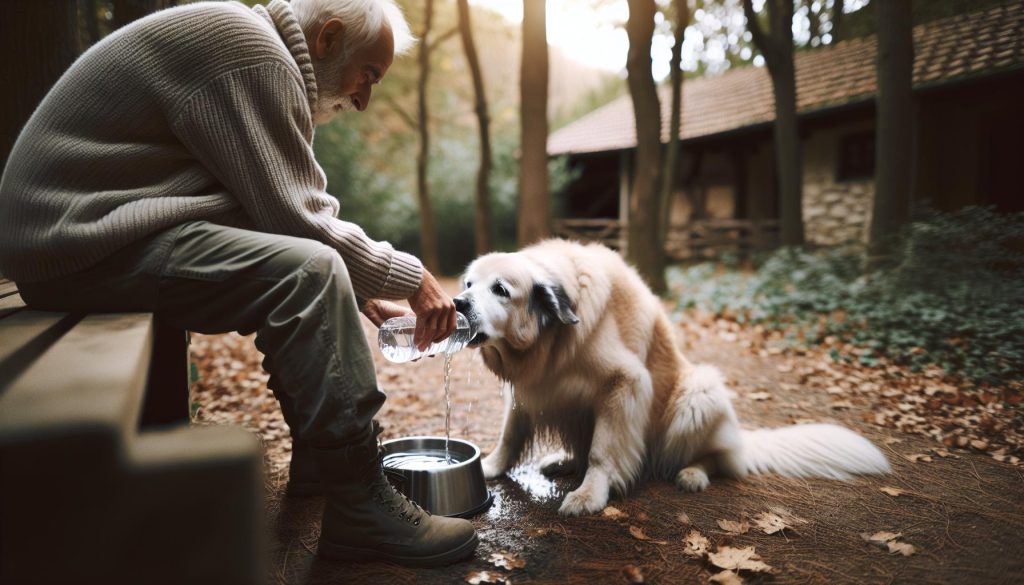
As our furry friends age, many pet owners notice changes in their habits, particularly when it comes to drinking water. Have you found yourself asking, “Why is my old dog drinking so much water?” This behavior can be concerning, as it may signal underlying health issues that need attention. Understanding the reasons for increased thirst in senior dogs is crucial for ensuring their well-being. From potential medical conditions like diabetes or kidney disease to the simple effects of aging, knowing what to look for can empower you to take proactive steps. In this article, we’ll explore the common causes of excessive drinking in older dogs and provide essential guidance on how to best support your beloved pet during their golden years. Let’s dive into the insights that can help you keep your furry companion happy and healthy!
Understanding Increased Thirst in Older Dogs
As dogs age, many owners notice a significant increase in their furry friends’ thirst. This behavior can be perplexing but understanding it is key to ensuring their well-being. Increased thirst, or polydipsia, is not just a nuisance; it often signals underlying health issues that need attention. For instance, some senior dogs may develop conditions that alter their body’s ability to regulate water, which could relate to their kidney function or hormonal balance. This makes it essential for pet owners to observe their dogs and note any changes in drinking habits, which can be an early indicator of health troubles.
One common health issue that can lead to excessive drinking in older dogs is kidney dysfunction. The kidneys play a critical role in maintaining hydration levels, and as they age, their efficiency can decline, causing your dog to drink more water to compensate. If your dog seems to be drinking significantly more than usual, it may be worthwhile to keep a log of their daily water intake. This information can be extremely helpful during visits to the veterinarian.
Another significant factor contributing to increased thirst in senior dogs is diabetes mellitus. This chronic condition can cause elevated blood sugar levels, leading to excessive urination and, consequently, increased thirst. Symptoms may include excessive drinking, weight loss despite a good appetite, and lethargy. If you notice these signs, it’s vital to consult with your veterinarian promptly for potential tests.
If you’re unsure whether your dog’s drinking habits warrant concern, consider evaluating their overall behavior and health. Look for changes such as weight fluctuations, variations in appetite, or signs of lethargy. Engaging your veterinarian not only helps in diagnosing any health issues but also allows you to establish a tailored care plan for your aging dog, ensuring they remain happy and hydrated. Remember, keeping an eye on these aspects of your senior dog’s health can make all the difference in maintaining their quality of life.
Common Health Issues Leading to Excessive Drinking
As dogs gracefully age, many loving pet owners begin to notice their furry companions drinking significantly more water than they used to. This increase in thirst, known as polydipsia, is often a perplexing change that deserves attention. While it might seem like a simple nuisance, it’s essential to recognize that excessive drinking can be a symptom of underlying health conditions. Understanding these issues not only helps you take proactive measures but also ensures your dog’s comfort and longevity.
One of the most common health challenges leading to increased thirst in older dogs is kidney disease. As dogs age, their kidneys may struggle to filter waste effectively, resulting in a decline in their ability to concentrate urine. This inefficiency prompts dogs to drink more water to compensate for the increased volume of urine being produced. If your canine companion seems to be drinking more than usual, it’s wise to keep a daily log of their water intake and any noticeable changes in urination patterns. Sharing this information with your veterinarian can aid in diagnosing potential kidney issues early.
Another significant health concern linked to elevated thirst is diabetes mellitus. This condition often arises in senior dogs and leads to high blood sugar levels, which in turn causes frequent urination and, thus, increased thirst. Indicators of diabetes include not only excessive drinking but also weight loss despite a healthy appetite, and a distinct lack of energy. If you notice any of these signs, consulting with your veterinarian is critical. A simple blood test can confirm a diabetes diagnosis, allowing for timely management and treatment.
Aside from kidney problems and diabetes, other potential factors for heightened thirst include Cushing’s disease and certain medications. Cushing’s disease arises from overproduction of cortisol, leading to symptoms similar to those associated with diabetes. Moreover, drugs like corticosteroids may also cause increased thirst as a side effect. Regular veterinary check-ups and open communication about any changes in your senior dog’s behavior are vital for identifying these issues early.
By staying attuned to your dog’s drinking habits and seeking veterinary advice when needed, you can play an active role in maintaining their health and happiness. Remember, knowledge is power; the more you understand about the potential issues that could affect your older dog, the better equipped you will be to provide the care they deserve.
The Role of Kidneys in Senior Dog Hydration
As your dog matures into its senior years, understanding its hydration needs takes on a new level of importance, particularly regarding the role of the kidneys. Just like in humans, the kidneys play a crucial part in maintaining overall health, especially in older dogs. These remarkable organs are responsible for filtering waste from the blood, regulating electrolyte levels, and controlling fluid balance. When kidney function begins to decline-a common occurrence in older dogs-it can lead to increased thirst and urination, signaling that your furry friend may need extra attention.
The kidneys concentrate urine by filtering water back into the bloodstream while excreting waste. However, as dogs age, their kidneys often lose some of this ability. This means that even though your dog may be drinking water as usual, the kidneys cannot effectively manage the fluid intake, resulting in diluted urine. Consequently, your dog may feel the need to drink more to compensate for this inefficiency. To help monitor your dog’s hydration, consider implementing a few strategies:
- Daily Water Log: Keep a daily record of how much water your dog consumes, observing any noticeable changes over time.
- Watch for Symptoms: Be aware of symptoms such as lethargy, reduced appetite, or any changes in urination patterns, which may signify kidney issues.
- Regular Check-ups: Schedule routine veterinary visits for blood and urine tests, which can help detect early signs of kidney dysfunction.
A common concern associated with declining kidney function is chronic kidney disease (CKD), a condition that affects many older dogs. Dogs with CKD may experience symptoms such as increased thirst, frequent urination, and weight loss. Early detection is vital for managing CKD, and adjustments in diet or treatment can significantly improve your dog’s quality of life. For instance, switching to a prescription renal diet can support kidney function and alleviate some of the workload on these vital organs.
By recognizing the impact of kidney health on your senior dog’s hydration needs, you can make informed choices about their care. Your attentiveness not only enhances their well-being but also promotes a longer, healthier life for your beloved companion. Ensuring proper hydration, making dietary adjustments, and consulting with your veterinarian can make a substantial difference in your dog’s overall health as they age gracefully.
Diabetes and Its Connection to Thirsty Dogs
When it comes to our senior dogs, understanding the changes they experience is crucial, especially as they relate to hydration. Diabetes mellitus is a condition that can lead to excessive drinking, or polydipsia, which is often alarming for pet owners. Dogs with diabetes struggle with insulin regulation, which impacts how their bodies process glucose. Instead of being absorbed for energy, excess glucose spills into the urine, drawing water with it. This process can lead to increased thirst, making it essential for dog owners to monitor their pets closely.
Signs of Diabetes in Dogs
It’s not always easy to spot diabetes early, but there are key signs to look for that can help you catch it before it becomes more serious. Aside from increased thirst, you may notice:
- Frequent urination: If your dog seems to need to go outside more often, it could be a sign that glucose is affecting their kidneys.
- Increased hunger: Despite eating more, diabetic dogs may still lose weight as their bodies struggle to use nutrients effectively.
- Low energy: A noticeable decrease in your dog’s activity level can indicate that their body is not getting the fuel it needs.
- Poor coat condition: Look out for dullness or excessive shedding, which can be a sign of metabolic issues.
If you observe any of these symptoms, it’s crucial to consult your veterinarian for proper diagnostic tests, which may include blood glucose tests and urinalysis.
Managing Diabetes-Related Thirst
For those whose dogs have been diagnosed with diabetes, managing hydration becomes vital. Ensure your senior dog always has access to fresh water and encourage them to drink consistently throughout the day. Here are some practical tips to help:
- Create a Routine: Establish a schedule for meals and medications to help regulate blood sugar levels, which can help manage thirst.
- Monitor Intake: Keep a water log to track how much your dog is drinking daily. An increase might signify poor blood sugar control.
- Dietary Adjustments: A proper diet is pivotal in managing diabetes. Consult with your vet about suitable food that is low in simple carbohydrates and high in fiber.
Being proactive about your dog’s health can dramatically improve their quality of life. Regular vet visits and glucose monitoring will help keep your furry friend on the right track. With the right care and attention, many dogs with diabetes can lead happy, healthy lives, even into their senior years.
Signs of Potential Dehydration in Senior Dogs
As our beloved dogs age, their bodies can change in surprising ways, and recognizing the signs of dehydration becomes essential in ensuring their health and happiness. Many pet owners may not realize that just like humans, dogs can experience increased thirst and subsequent dehydration, especially as they grow older. In fact, senior dogs may be more susceptible to dehydration due to underlying health issues, medication side effects, or simply because they may not drink enough water on their own.
One of the first visible signs of dehydration to watch for is dry or sticky gums. When you gently lift your dog’s lip, the gums should be moist. If they appear dry or tacky, it’s crucial to take action. Another common indicator is skin elasticity; you can test this by gently pulling up on the skin at the back of your dog’s neck. If the skin does not quickly return to its normal position, this could indicate dehydration. Additionally, pay attention to your dog’s energy levels. Lethargy or unusual weakness can be significant red flags, signaling that your dog may not be getting enough fluids.
Monitoring your senior dog’s body weight is also a helpful practice. A sudden loss of weight could indicate that your dog is not properly hydrated, especially if accompanied by increased thirst or urination. Keep a diary of your dog’s water intake; sometimes, owners are surprised at how little their pets actually drink. When it comes to urine concentration, if you notice that the urine looks darker than usual, this could point to dehydration as well.
As a caring pet parent, observing these signs will empower you to act quickly if you suspect dehydration in your senior dog. Amendments to their hydration routine, such as providing fresh, filtered water and investing in pet-friendly water fountains, can entice them to drink more often. Furthermore, consult your veterinarian about the best practices for keeping your dog well-hydrated and how to manage any oral or systemic health issues that could contribute to their dehydration. Being proactive not only enhances their quality of life but ensures that you can enjoy many happy moments together in their golden years.
Dietary Factors: How Food Affects Water Intake
Many pet owners are surprised to learn that their dog’s diet plays a significant role in their hydration levels. The moisture content of the food you provide can directly influence how much water your senior dog needs to drink. For instance, a dog that eats primarily dry kibble may need to drink more water compared to one that consumes wet food, which typically contains up to 80% moisture. This can be particularly vital for older dogs, whose thirst drive may decrease due to age or health issues.
When considering how food affects water intake, it’s essential to recognize the ingredients in your dog’s diet. Foods high in salt or certain preservatives can increase thirst as they encourage urination to balance sodium levels in the body. On the other hand, a diet rich in fresh fruits and vegetables can boost hydration. Items like watermelon, cucumber, and blueberries not only provide moisture but are often low in calories and rich in vitamins, making them excellent treats for senior dogs. Additionally, the protein source in the food also matters; high-protein diets may lead to increased thirst and urination as the body works to process the excess protein.
<_h3>Understanding Food Types
To clarify how different types of food affect hydration, consider the following comparisons:
| Food Type | Moisture Content | Recommended Daily Water Intake |
|---|---|---|
| Dry Kibble | 10% moisture | 1 oz of water per 1 lb of body weight |
| Canned/Wet Food | 70-80% moisture | 0.5 oz of water per 1 lb of body weight |
| Fresh Fruits/Vegetables | Up to 90% moisture | Varies with diet |
Incorporating wet food or moisture-rich treats can be a fantastic way to encourage hydration in your dog without them needing to rely solely on drinking water. Additionally, if your dog is experiencing increased thirst, consider consulting with your veterinarian about their diet and whether adjustments are necessary to address their hydration needs.
Pro Tip: Always transition your dog to new foods gradually to avoid digestive upset. Balancing their moisture intake from food sources alongside fresh water helps ensure they stay hydrated and healthy as they navigate their senior years.
Recognizing Behavioral Changes in Aging Dogs
As dogs age, it’s not just their physical health that may change; their behavior can also shift significantly. Many pet owners notice variations in their aging dog’s actions and habits, which can be subtle yet meaningful indicators of their overall well-being. For instance, if your dog suddenly seems more restless or anxious, it could be a sign of discomfort or confusion, often linked to cognitive decline similar to what we see in humans. This can manifest as increased vocalization, pacing, or even changes in sleep patterns. Paying attention to these types of changes in behavior is crucial, as they may point to underlying health issues that require attention.
Another key behavior to monitor is how your dog interacts with their environment and the people around them. Increased thirst may go hand in hand with other behavioral changes, such as increased sensitivity to noise or changes in food preferences. An older dog might be less interested in their favorite toys or games they once loved. This can stem from discomfort associated with conditions like arthritis or other age-related pain, prompting them to seek more comfort rather than engaging in play. If you notice these cues, consider providing a cozy space for them to rest, coupled with gentle encouragement to stay active within their comfort limits.
In addition to these behavioral shifts, you might observe changes in your dog’s social interactions. An older dog may become more withdrawn, preferring quiet time alone over participating in family activities. This change can be subtle; they might still follow you from room to room but refrain from engaging with other pets or people. As a dedicated caregiver, fostering a comforting environment that respects their need for personal space while still encouraging social interaction can be beneficial. Always remember to assess the context of their behavior; a bloated stomach or sudden withdrawal can also be warning signs requiring veterinary attention.
To support your senior dog effectively, keep a diary of any unusual behaviors or changes you observe. This record can be invaluable when discussing their health with your veterinarian. Consider marking down not only their drinking habits but also their energy levels, appetite, and any adjustments in urination patterns. Adopting a proactive approach ensures that you are prepared to address any potential health concerns, making your senior dog’s twilight years as comfortable and joyful as possible.
When to Be Concerned About Your Dog’s Drinking Habits
As a dog owner, noticing your senior dog drinking more water than usual can raise immediate concerns. While increased thirst, medically known as polydipsia, can sometimes be harmless, it can also signal underlying health issues. It’s essential to discern when these drinking habits may warrant further investigation. For instance, if you find your senior pup gulping water long after their walks or meals, or if they often appear restless, it might be time to dig deeper.
There are specific indicators that should prompt you to consult a veterinarian. Key signs include:
- Rapid Increase in Water Consumption: If your dog suddenly starts drinking significantly more water than usual (more than 1 ounce per pound of body weight), it’s worth addressing.
- Changes in Urination Patterns: Increased thirst often leads to increased urination. If your dog is having accidents in the house or asking to go outside more frequently, this is a red flag.
- Accompanying Symptoms: Look for other concerning signs such as lethargy, vomiting, diarrhea, unexplainable weight loss or gain, increased appetite, or noticeable changes in their energy level.
- Behavioral Changes: As mentioned earlier, increased fussiness, withdrawal from family activities, or unusual restlessness can be a cause for concern.
Dogs can develop various health issues as they age that may contribute to increased thirst. Conditions such as diabetes mellitus, kidney disease, cushing’s disease, and even certain medications can lead to excessive drinking and urination. It’s critical to monitor and keep a record of your dog’s drinking habits paired with any behavioral or physical changes, as this information will be invaluable when you visit the vet.
To address and mitigate such health issues early on, engage in open dialogue with your veterinarian. They might recommend diagnostic tests, such as blood work or urinalysis, to determine the root cause. The sooner a problem is identified, the more effective the treatment plan can be, ensuring your lovable companion maintains a comfortable and happy lifestyle. Remember, being observant can make all the difference, giving your senior dog the care they need in their golden years.
Effective Strategies to Monitor Your Senior Dog’s Water Intake
Tracking your senior dog’s water intake can be a simple yet effective way to monitor their health. As our furry companions age, they may develop various health conditions that lead to increased thirst, making vigilance essential. Adopting a proactive approach to monitoring can help ensure your dog’s well-being and potentially catch any underlying issues early. Here are some practical strategies to keep in mind.
Establish a Routine
Creating a consistent routine for your dog’s water intake is crucial. By filling their water bowl at the same times each day, you can better track how much they’re drinking. Consider measuring the amount of water you put in their bowl to give you a concrete sense of their consumption over time. For instance, if you refill a quart of water in the morning and find it’s empty by the afternoon, this could indicate excessive drinking.
Keep a Daily Log
Maintaining a log of your dog’s water intake can provide invaluable insights. Record measurements of their water consumption daily along with any noticeable behavioral changes. Use a simple chart that includes the date, quantity of water consumed, and any observed symptoms such as changes in appetite or energy levels. This log can serve as a vital tool to discuss with your veterinarian during checkups or consultations.
Utilize Monitoring Tools
Consider investing in pet-specific water bowls that track drinking patterns. Some bowls or water dispensers have built-in measurement markers, allowing you to see exactly how much water your dog consumes throughout the day. These high-tech solutions may ease your monitoring efforts, especially if you have multiple pets or a busy schedule.
Pay Attention to Environmental Factors
Keep in mind that environmental factors also influence a senior dog’s hydration. If the weather is particularly warm or dry, your dog might need more water than usual. Conversely, shifts in their diet, such as transitioning from dry food to wet food, can alter their water intake, requiring adjustments in how you monitor their consumption. Always be attentive to these external cues and adjust your tracking methods accordingly.
By making these monitoring strategies a regular part of your routine, you’ll be better equipped to understand your senior dog’s hydration needs. This proactive approach not only strengthens your relationship with your pet but also helps you respond swiftly to potential health issues, ensuring they have a happy and healthy life as they age.
Veterinary Tests for Diagnosing Health Issues
When it comes to understanding why your senior dog is drinking more water than usual, a thorough veterinary assessment is integral to pinpointing any underlying health issues. Frequent urination and excessive thirst can be signs of various conditions that require medical attention, making it essential to address your concerns with your veterinarian.
A common starting point for diagnosing health problems is a comprehensive blood panel. This test evaluates organ function and can highlight issues such as kidney disease, liver dysfunction, or diabetes mellitus-all of which are prevalent in older dogs. Another important test is a urinalysis, which helps assess your dog’s hydration status, detects urinary tract infections, and measures glucose levels that can indicate diabetes. Together, these tests provide a clear picture of your dog’s overall health.
Additionally, your veterinarian may recommend radiographs (X-rays) or ultrasounds to visualize internal organs. These imaging techniques can reveal abnormalities such as tumors, obstructions, or structural changes in the kidneys or bladder that could be contributing to increased thirst. Each of these tests plays a crucial role in establishing a diagnosis and guiding treatment options tailored to your dog’s specific needs.
Lastly, never underestimate the power of a thorough physical examination. During this check-up, your vet will assess your dog’s hydration level, examine their body condition, and look for any signs of health changes. The information gathered from these tests, paired with your notes on your dog’s drinking habits, will enable your veterinarian to devise an effective treatment plan. By staying proactive and engaged with your senior dog’s health, you’re not just ensuring they remain hydrated; you’re also helping them enjoy a better quality of life as they age.
Preventative Care for Maintaining Senior Dog Health
As our beloved dogs age, their health requires proactive management to ensure they continue to live vibrant, happy lives. One crucial aspect of senior dog care is understanding how to maintain their overall health, particularly because conditions such as increased thirst can signal underlying issues. Regular check-ups and preventative care can make a significant difference in a senior dog’s quality of life.
Maintaining your senior dog’s health begins with scheduling regular veterinary visits. Aim for at least bi-annual check-ups, where the vet can conduct comprehensive exams tailored for aging pets. These evaluations typically include blood work and urinalysis to monitor kidney function, liver health, and glucose levels. Regular assessments help catch potential health issues early, allowing for timely intervention. Additionally, vaccines and parasite prevention treatments should remain current, adapting as your dog’s health status changes over time.
A balanced diet becomes increasingly important as dogs age. Consider transitioning to a senior-specific dog food that caters to their unique nutritional needs-lower in calories but rich in fiber and essential nutrients. Incorporating fresh vegetables or wet food can improve hydration and palatability, encouraging your senior dog to drink more water naturally. Always consult your vet for personalized dietary recommendations based on your dog’s health status, weight, and activity level.
Exercise remains essential, but it should be adjusted to fit your dog’s capabilities. Gentle walks, moderate playtime, and mental stimulation through puzzle toys can help maintain mobility and mental sharpness. Keep an eye on their hydration, especially during exercise; ensure fresh water is always available. Lastly, watch for behavioral changes, such as increased thirst or lethargy, and don’t hesitate to consult your veterinarian if you notice any troubling signs. The key to supporting your senior dog is a balance of preventative care and timely veterinary intervention-together, you can ensure they enjoy their golden years to the fullest.
Supporting Your Senior Dog Through Health Changes
As our cherished canine companions advance in age, they inevitably face various health changes that can lead to increased thirst. This can be startling for pet owners, but understanding how to support your senior dog through these transitions is essential for their comfort and well-being. Providing a nurturing environment that addresses their specific needs can significantly enhance their quality of life, even as they navigate the challenges of aging.
Extra water consumption may be indicative of underlying health concerns, such as kidney disease or diabetes. Observing your dog’s drinking habits closely is important; if the increase is sudden or accompanied by other symptoms, consult your veterinarian promptly. They can perform relevant tests to determine the root cause and offer tailored treatment options. In the meantime, ensure that their water bowl is always filled with fresh, clean water. Consider using a pet water fountain, which can encourage hydration by providing a continuous flow that many dogs find appealing, often resulting in increased water intake.
Diet also plays a crucial role in managing health changes in older dogs. Transitioning to a diet that includes higher moisture content, like wet food, can help aid hydration and boost their overall water intake. Including fresh fruits and vegetables that are safe for dogs, such as cucumbers or watermelon, can be a hydrating treat that your senior dog will love. Additionally, watch their weight and adjust portions to maintain a healthy balance; overweight dogs can encounter a host of health issues, including joint stress, that may further complicate their overall hydration needs.
Finally, the emotional aspect of caring for an aging dog cannot be overstated. They may experience anxiety or cognitive changes that manifest as increased thirst. Providing a calm, familiar environment and maintaining routines can help reduce stress. Consider incorporating interactive play, gentle exercise, and plenty of affection to keep your senior dog engaged and happy. With your attentive care and supportive measures, you can help ensure that their golden years are filled with comfort, love, and continued vitality.
Q&A
Q: Why is my old dog suddenly drinking a lot more water?
A: An increase in water intake in older dogs can indicate health issues such as kidney disease or diabetes. It’s essential to monitor their drinking habits and consult your veterinarian for a thorough evaluation to rule out any serious conditions.
Q: What are the signs my senior dog might be dehydrated?
A: Signs of dehydration in senior dogs include dry gums, lethargy, decreased skin elasticity, and persistent thirst. If you notice these symptoms, it’s crucial to consult your vet immediately for assessment and guidance on ensuring proper hydration.
Q: How does a dog’s diet influence its water consumption as it ages?
A: A dog’s diet significantly affects its water intake. Wet or high-moisture food can reduce their need for drinking water, while dry kibble may increase thirst. Transitioning to a balanced diet suitable for seniors can help manage hydration needs effectively.
Q: When should I be concerned about my dog’s drinking habits?
A: You should be concerned if your dog’s water consumption increases dramatically over a short period, especially if accompanied by other symptoms like weight loss, increased urination, or behavioral changes. Consulting your veterinarian is advisable for such changes.
Q: Can behavioral changes in my senior dog affect its thirst?
A: Yes, behavioral issues, such as anxiety or stress, can lead to increased water consumption as coping mechanisms. Monitoring your dog’s behavior and discussing these changes with your vet can help identify the cause and appropriate interventions.
Q: What tests can diagnose health issues related to excessive drinking in dogs?
A: Common diagnostic tests for unexplained increased thirst in dogs include blood tests for kidney function, glucose levels, and urinalysis to detect diabetes. These tests help determine the underlying health problems needing treatment.
Q: How can I monitor my senior dog’s water intake effectively?
A: You can monitor your senior dog’s water intake by measuring how much water you give them daily and checking the bowl frequently for changes. Keeping a daily log can help your veterinarian assess any concerning trends during check-ups.
Q: What role do kidneys play in my dog’s hydration needs as they age?
A: As dogs age, kidney function may decline, impacting their ability to concentrate urine and retain water. This can lead to increased thirst and urination. Regular veterinary check-ups can help monitor kidney health and adjust care accordingly.
Final Thoughts
As you reflect on your senior dog’s increased thirst, remember that understanding the underlying health issues is crucial for their well-being. Monitoring their hydration habits and seeking veterinary advice can lead to timely interventions and improve their quality of life. Don’t hesitate to explore more about senior dog care and common health concerns by visiting our detailed guides on senior dog nutrition and pet hydration tips to stay informed and proactive.
If you’re feeling uncertain or have more questions, consider signing up for our newsletter for expert tips and community support, or browse our product recommendations that cater specifically to older dogs to aid their health and comfort. Your furry friend deserves the best care, and we’re here to help! Share your thoughts or experiences in the comments below-we love hearing from fellow dog owners! Together, let’s ensure our beloved pets live their golden years to the fullest.