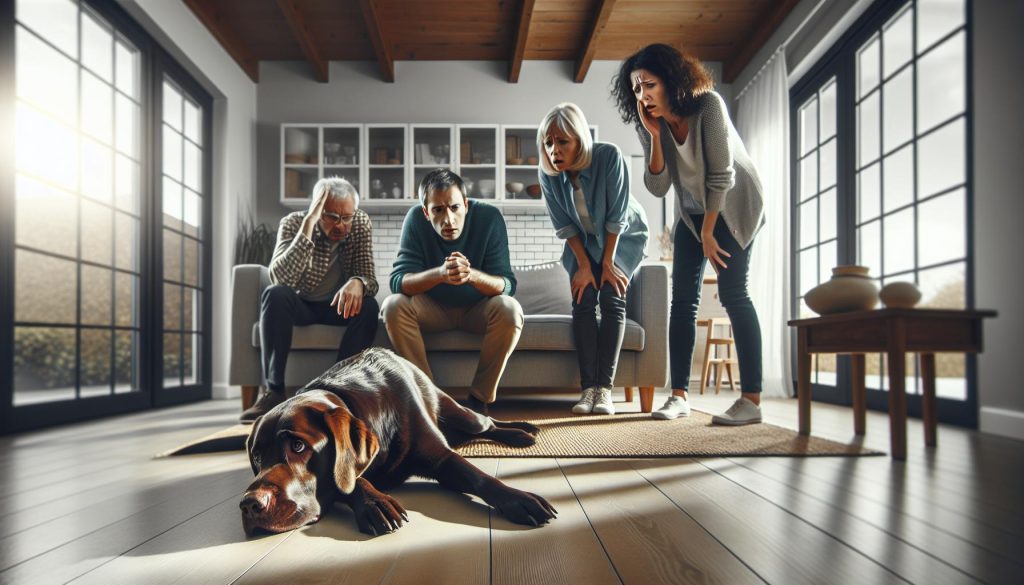
Did you know that bloat, also known as gastric torsion or twisted stomach, can be a life-threatening condition for dogs? It’s a critical emergency where a dog’s stomach fills with gas and can twist, cutting off blood supply. As a dog owner, being able to recognize the signs of bloat and understanding what to do-like whether your dog can safely drink water-could be the difference between life and death. In this article, we’ll explore the immediate concerns when dealing with a dog displaying symptoms of bloat. By empowering yourself with knowledge about this urgent health issue, you’ll be better equipped to act swiftly and ensure the best outcome for your beloved furry friend. Let’s dive into the vital signs to watch for and what steps to take if you suspect your dog is affected.
Understanding Bloat in Dogs: What Owners Must Know

There’s a crucial aspect of dog health that every pet owner must understand: bloat, particularly gastric dilation-volvulus (GDV), can emerge as a life-threatening condition with little warning. When a dog’s stomach fills with gas and twists, it can lead to severe complications and, without immediate veterinary intervention, even death. Recognizing the signs early and understanding how this condition develops is essential for every dog owner.
Bloat commonly manifests in signal symptoms like a distended abdomen, excessive drooling, restlessness, and attempts to vomit without success. It’s often accompanied by signs of distress, and the dog may exhibit rapid shallow breathing. For those less familiar with bloat, it’s critical to understand that this condition can affect any dog, but certain breeds-especially those with deep chests like Great Danes, German Shepherds, and Boxers-are more predisposed.
It’s vital for dog owners to stay informed about how their dog’s habits and breed characteristics can influence the risk of bloat. Being aware of feeding practices, including avoiding large meals that can exacerbate gastrointestinal distress, is just as necessary as recognizing the key symptoms. Keeping an eye on your dog while they eat, ensuring that they don’t gulp their food, and spacing meals can help mitigate the risk of bloat.
Proactive measures include monitoring your dog’s weight, exercise routines, and overall digestive health. Engaging in regular vet check-ups and discussing specific breed risks with your veterinarian can provide tailored strategies to keep your furry friend safe. In conclusion, familiarity with bloat, its signs, and risk factors empowers you to act swiftly-perhaps this knowledge could save your beloved dog’s life.
Signs of Bloat: Recognizing Critical Symptoms

Recognizing the symptoms of bloat in dogs can be the difference between life and death, as this condition can escalate rapidly. Pet owners should be vigilant and aware of seemingly subtle changes in their dog’s behavior. For instance, a dog that suddenly appears restless, pacing back and forth, or repeatedly attempting to vomit without success may be showing classic signs of bloat. An unusually distended abdomen is another critical sign-if your dog’s belly looks swollen or tense, it’s essential to act quickly.
Other signs of distress can include excessive drooling, rapid shallow breathing, and a hunched posture, where the dog adopts a stance that suggests discomfort. Some dogs may also exhibit signs of anxiety, like whining or excessive panting. Keep in mind that while bloat can affect any breed, large and deep-chested dogs such as Great Danes, Doberman Pinschers, and Boxers are particularly susceptible. Being aware of your specific dog’s breed and its vulnerabilities can help in recognizing these critical symptoms early.
If your pup refuses water or food, it can indicate a significant issue, especially in concert with the other symptoms. Many dog owners mistakenly believe that a dog with bloat should hydrate, but water intake can risk further stomach distension until a veterinarian evaluates the situation. As always, when faced with these symptoms, immediate consultation with a veterinarian is crucial. Early intervention can save your dog’s life, as the first hours can be critical in preventing more serious complications from bloat. Stay alert and prioritize your furry friend’s health!
Can Dogs With Bloat Drink Water? The Risks Explained
A common misconception among dog owners is that hydration is always beneficial, even in critical situations like bloat. This belief can lead to dangerous consequences, as giving water to a dog exhibiting signs of bloat can exacerbate the condition. When a dog’s stomach is already distended, introducing any liquid can increase the volume and pressure inside, potentially worsening the situation. The dog’s body is unable to chronologically process the water, and this can lead to further discomfort and complications.
If your dog is presenting symptoms such as restlessness, attempts to vomit, or a visibly swollen abdomen, it’s essential to refrain from offering water. Instead, your best course of action is to prioritize a trip to the veterinarian. They can assess the situation more thoroughly and determine the safest way to manage your dog’s hydration needs, typically intravenously if necessary. Keeping a close watch on your dog’s condition during this time can provide vital information to the vet about how long the symptoms have persisted and any additional signs that may help in diagnosis.
While it’s natural to want to comfort your pet by offering a drink, remember that being proactive about their health means sometimes making tough decisions for their well-being. Familiarizing yourself with the risks associated with bloat-especially regarding fluids-can empower you as a responsible pet owner. Always consult your vet if there’s any doubt about your dog’s care, as quick access to professional help is crucial in emergencies like bloat.
Immediate Actions to Take If You Suspect Bloat

Recognizing the potential danger of bloat in dogs can be a life-saving skill for any pet owner. When bloat occurs, time is of the essence. It’s crucial to act swiftly and decisively. Start by observing your dog closely. Look for signs such as a swollen abdomen, pacing, excessive drooling, restlessness, or attempts to vomit without producing anything. If you see any of these signs, it’s important to remain calm but to act immediately. Never give your dog food or water, as this can worsen the condition.
The next step is to contact your veterinarian or an emergency animal clinic without delay. Make sure to explain the symptoms you’ve observed clearly and concisely, as they will determine the urgency of the situation based on that information. If possible, prepare to transport your dog to the clinic as soon as you can. Keep your dog as calm as possible during this time; loud environments and unnecessary movement can increase stress, which might aggravate the condition.
While you wait for help, monitor the situation closely. Take note of any further symptoms or changes in behavior. This information can be invaluable to the veterinarians. If you’re in a multi-pet household, consider isolating the affected dog from others, as additional activity can increase stress and potentially worsen their condition.
In summary, awareness, prompt action, and clear communication with veterinary professionals are essential. If you suspect bloat, prioritize getting veterinary help immediately. Understanding these steps can make a significant difference and potentially save your dog’s life. Remember, quick intervention is crucial in these critical moments.
Veterinary Treatments for Bloat: What to Expect
Understanding how veterinarians treat bloat is crucial for any dog owner. When a dog is diagnosed with bloat, the first steps taken by the veterinary team are often life-saving. The initial treatment typically involves stabilizing the dog. This may include intravenous fluids to address dehydration and shock, as well as medications to alleviate pain and discomfort. Bloat can overwhelm a dog’s body rapidly, so timely intervention is of the essence.
Once the dog is stable, the veterinarian will usually perform radiographs (X-rays) to confirm the diagnosis and assess the situation in the stomach. If the stomach has twisted-an emergency condition known as Gastric Dilatation-Volvulus (GDV)-surgery is often necessary. The surgical procedure, known as gastropexy, involves untwisting the stomach and then tacking it to the abdominal wall to prevent recurrence. This is particularly important for breeds prone to bloat, such as Great Danes and Doberman Pinschers.
Post-surgery, your dog will require close monitoring and supportive care. Expect the veterinary team to check vitals frequently and provide medications to manage pain and prevent infection. Once your dog is stable and recovering, you will receive guidance on home care. This may include a special diet that is low in fat and high in digestible nutrients, which can help reduce the risk of bloat in the future. Incorporating a gradual reintroduction to regular feeding and activity can also support healing.
While the thought of bloat can be scary, familiarity with the treatment process can help ease concerns. Being proactive in recognizing symptoms and knowing what to expect during veterinary visits can make a significant difference in your dog’s outcome. Always remember, if you suspect bloat, it’s critical to seek veterinary assistance immediately-time truly matters.
Preventing Bloat in Your Dog: Expert Tips
Understanding how to prevent bloat in dogs is vital for all dog owners, especially those with breeds that are predisposed to this serious condition. Taking proactive measures can significantly reduce the risk of bloat, ensuring your furry friend stays happy and healthy. Bloat, or gastric dilatation-volvulus (GDV), can be life-threatening, but with a few expert tips, you can help safeguard your pup.
A few simple practices can help mitigate the risks of bloat:
- Feed Smaller Meals: Instead of one or two large meals, offer your dog several small portions throughout the day. This can help prevent the stomach from stretching too much and reduce the chances of gas buildup.
- Avoid Exercise Immediately After Eating: Wait at least an hour after meals before engaging in strenuous activities. If your dog is the playful type, consider scheduled playtimes that don’t coincide with feeding.
- Choose High-Quality, Easily Digestible Food: Focus on food that is lower in fat and high in quality protein. Some dog owners have found that grain-free diets promote better digestive health, although this may vary per individual dog.
- Limit Water Intake Around Meal Times: Encourage your dog to drink water at times that are not near meal times to help reduce the risk of bloat caused by excessive water intake. Allowing them to hydrate, but not immediately post-eating, can be beneficial.
- Implement a Slow Feeder: If your dog tends to gobble down food, consider using a slow feeder dish. These bowls are designed to slow down the eating process, helping prevent gulping air, which can contribute to bloat.
Breed-Specific Considerations:
Certain breeds, particularly large and deep-chested dogs, are at greater risk for bloat. Breeds such as Great Danes, Doberman Pinschers, and Standard Poodles require extra care. Consult with your veterinarian about preventive measures, which may include regular check-ups or even surgical interventions like gastropexy for high-risk breeds.
By implementing these strategies, you not only safeguard your dog from bloat but also enhance their overall long-term health. Remember, understanding your dog’s unique dietary needs and behavior patterns contributes significantly to their well-being. Always stay informed and prepared, and don’t hesitate to reach out to your vet with any concerns or questions about your dog’s health.
Breed-Specific Bloat Risks: What You Should Know
Understanding the risks of bloat in specific dog breeds is critical for responsible pet ownership. Bloat, or gastric dilatation-volvulus (GDV), poses a more significant threat to certain breeds, particularly those with deep chests. This condition can lead to a twisted stomach filled with gas, potentially resulting in life-threatening consequences. Knowing the breeds that are more susceptible helps owners prepare and take preventive measures.
Large breeds such as Great Danes, Doberman Pinschers, Standard Poodles, Boxers, and Saint Bernards are at elevated risk for bloat. A fascinating fact is that Great Danes are particularly known for their susceptibility; studies suggest they are five to six times more likely to experience bloat than other breeds. This risk is compounded by their anatomy-deep-chested dogs can have more room within the abdomen for the stomach to twist.
To mitigate the risk of bloat in these breeds, owners should consider implementing several practical strategies:
- Regular Feeding Schedule: Divide daily food into smaller, more frequent meals to minimize gas buildup.
- Controlled Water Intake: Encourage hydration but limit excessive drinking immediately before and after meals; this can help prevent the stomach from stretching too much.
- Monitor Activity: Restrict vigorous exercise for at least one hour post-feeding to reduce the likelihood of bloat-related activity that could cause stomach twisting.
- Recognize Symptoms: Be vigilant for signs of bloat, such as a distended abdomen, excessive drooling, or signs of pain. Early intervention can save your dog’s life.
In addition, consult with your veterinarian about preventive measures tailored to your dog’s specific breed, including discussions about a potential prophylactic gastropexy-a surgical procedure that tacks the stomach in place to prevent it from twisting. With proactive care and awareness of these risk factors, you can help ensure your beloved furry companion remains safe and healthy. Knowledge, combined with the right precautions, can make a significant difference in avoiding the dangers of bloat.
Long-Term Care for Dogs Post-Bloat Treatment
After a dog has experienced bloat, also known as gastric dilatation-volvulus (GDV), the road to recovery and long-term care is crucial to ensure their well-being and prevent future occurrences. A common sentiment among dog owners is the overwhelming relief when their pet comes through the crisis, but it’s essential to remember that the recovery period requires dedicated attention and care. Understanding how to support your furry companion during this time can promote not only healing but also a healthier lifestyle going forward.
Veterinary follow-up is imperative after treatment. Most dogs will require a medical check-up within a few days to monitor their recovery process, both for any post-surgical complications if gastropexy was performed and to assess their general health. It’s vital to adhere to your veterinarian’s feeding guidelines, which may involve transitioning your dog back to solid foods gradually. Start with easy-to-digest meals in small amounts spread throughout the day, as this helps avoid overwhelming their stomach and allows for proper digestion without excess gas buildup.
Moreover, it’s beneficial to keep an eye on your dog’s activity level during recovery. Limit strenuous exercises or jumping for a few weeks to prevent any undue stress on their recovering stomach. Instead, opt for short, gentle walks to keep them active without compromising their healing process. This is also a good time to incorporate mental stimulation through interactive toys or training exercises to keep them engaged without requiring physical exertion.
Lastly, consistent hydration is key, but beware of overwhelming your dog with water after bloat. Allowing your dog to drink small amounts regularly rather than letting them gulp large quantities at once can reduce pressure on their stomach. Mixing veterinarian-approved hydration strategies, such as offering ice cubes or ice chips, can also be helpful. Remember, every dog is unique, and tailoring these recommendations based on your pet’s specific breed and health needs is beneficial.
Cancerous prevention and being knowledgeable about potential symptoms of future bloat is also essential. Monitoring your dog’s behavior and body language can provide early indicators that something might be off. Signs such as excessive drooling, a distended abdomen, or signs of discomfort should prompt an immediate consultation with your vet. With patience, dedication, and love, you can guide your dog toward a full recovery and a future filled with health and happiness.
Emergency vs. Non-Emergency Situations: A Quick Guide
It’s crucial for dog owners to recognize when a situation is truly urgent and when it’s manageable, especially regarding bloat. Understanding the difference can potentially save your dog’s life or help you provide the right level of care without escalating the situation unnecessarily. Bloat can be a silent but deadly condition, often manifesting suddenly; hence, being vigilant about any changes in your dog’s behavior is essential.
In an emergency scenario, you might notice severe symptoms such as a swollen belly, signs of distress or pain, excessive drooling, or attempts to vomit without success. If your dog exhibits these symptoms, immediate veterinary intervention is necessary. Bloat can rapidly lead to gastric torsion, a life-threatening condition requiring urgent surgical treatment. In contrast, if your dog is experiencing mild symptoms like occasional bloating or discomfort after eating, it’s important to monitor their behavior closely but may not require an immediate trip to the vet. Keep a diary of their eating habits, activity level, and any changes in stool or behavior, and consult your veterinarian if issues persist.
When to Seek Emergency Care
- Distended abdomen that feels tight or hard.
- Repeated attempts to vomit without producing anything.
- Restlessness or signs of anxiety, such as pacing.
- Excessive drooling or a rapid heartbeat.
- Collapse or weakness.
On the other hand, non-emergency situations may present symptoms like mild gas, slightly increased girth after a meal, or slight lethargy that resolves after some rest or gentle walking. These cases should still be taken seriously; keeping an eye on your dog and understanding their normal behaviors can provide valuable context for your veterinarian later.
As responsible pet owners, being prepared and educated about your dog’s specific breed can also help. Some breeds, like Great Danes, Doberman Pinschers, and Boxers, are more prone to bloat and may exhibit changes that require swift action. Always consult with your vet about particular risks and symptoms pertinent to your dog’s breed. By distinguishing between emergency and non-emergency situations effectively, you can ensure your canine companion receives timely care, enhancing their chances for a healthy future.
The Importance of Hydration: Myths vs. Facts
Ensuring your dog stays hydrated is paramount to their overall health, but when dealing with bloat, the importance of this issue can become muddled by misconceptions. One myth you might encounter is that dogs suffering from bloat should be encouraged to drink lots of water to alleviate their symptoms. However, this notion can be misleading. In fact, if your dog is showing signs of bloat, such as a swollen abdomen or attempts to vomit without success, drinking water could exacerbate the situation. It can lead to excessive stomach distension, increasing the risk of gastric torsion, a life-threatening condition requiring immediate medical attention.
It’s essential to understand that while hydration is crucial for all dogs, it becomes a delicate balancing act for those at risk of or experiencing bloat. Instead, focus on understanding your dog’s needs based on the situation. If your dog is in distress, it’s best to withhold water and food until they’ve been evaluated by a veterinarian. Once your dog is stabilized, your veterinarian will provide guidance on how to safely reintroduce water and food. This often includes offering small amounts of water frequently to ensure they remain hydrated without overwhelming their system.
Beyond immediate concerns, it’s vital for dog owners to engage in preventative measures regarding hydration and diet. Providing your dog with access to fresh water at all times is important for preventing dehydration. Moreover, consider the timing and quantity of meals. Feeding your dog smaller portions several times a day instead of one or two large meals can help minimize the risk of bloat while ensuring they stay well-hydrated. Always remember to consult your veterinarian for personalized advice based on your dog’s specific breed and health needs, as some breeds are predisposed to bloat and may require additional precautions.
In summary, while hydration is a critical aspect of canine health, the approach must be cautious when dealing with bloat. Be informed, observe your dog closely, and don’t hesitate to seek veterinary advice when in doubt. Prioritizing your dog’s health and well-being is the best way to ensure they live a happy, active life.
How Diet Influences Bloat in Dogs
It’s astonishing how the right diet can have a significant impact on your dog’s health, particularly in preventing conditions like bloat. Bloat, or gastric dilatation-volvulus (GDV), is a serious condition that can arise from various dietary factors. Feeding your dog a high-quality, appropriate diet tailored to their specific needs can be an essential step in bloat prevention.
One major factor in diet that influences the likelihood of bloat is the type and size of food. Dogs that consume dry kibble-especially those containing a high proportion of grains-are at a greater risk for bloat. This is because larger kibble can expand significantly in the stomach when mixed with water. Moreover, the practice of feeding one or two large meals a day can increase the risk, as it promotes rapid eating, which can cause air ingestion along with the food. Instead, consider switching to smaller, more frequent meals using specially designed slow feeder bowls to help moderate their eating pace.
Feeding Considerations to Reduce Bloat Risks
When developing a dietary plan, consider the following:
- Meal Timing: Provide 3-4 smaller meals throughout the day instead of one or two large ones.
- Kibble Size: Choose smaller, easily digestible kibble to minimize the risk of bloating.
- Wet Food Options: Incorporating wet food can help in hydration and is generally easier to digest.
- High-Energy Foods: Make sure to avoid high-fat foods that can sit heavily in the stomach.
Moreover, pay attention to specific breed tendencies. Breeds such as Great Danes, Boxers, and Standard Poodles are recognized as high-risk for bloat primarily due to their conformation. If you have one of these breeds, it’s critical to implement strict dietary measures and consider consulting with a veterinarian about a tailored eating plan.
Maintaining a consistent routine that includes careful monitoring of your dog’s eating habits can also aid in minimizing bloat risks. Engage with your veterinarian for customized dietary recommendations and to discuss any changes in behavior or health that might signal potential troubles. By being proactive and mindful of your dog’s diet, you’ll not only help reduce the risk of bloat but also promote overall well-being and longevity.
Supporting Your Dog’s Recovery: Emotional Care Tips
It’s essential to remember that the emotional state of your dog can greatly influence their recovery from a distressing episode like bloat. After a veterinary emergency, your dog may feel anxious or unsettled as they grapple with discomfort and the changes in their routine. Understanding how to provide emotional support during this critical time can make a world of difference in your pet’s recovery journey.
Establishing a calm and reassuring environment is crucial. Create a cozy resting space equipped with their favorite blankets and toys, ensuring they feel secure. Spend quality time with your dog, offering gentle petting and a soothing voice. This kind of interaction can help alleviate their anxiety. Additionally, maintaining a consistent daily routine can provide dogs with a sense of stability and predictability, which is particularly comforting during recovery.
Practical Tips to Support Your Dog Emotionally
Here are some effective strategies to help your dog feel more comfortable and supported during recovery:
- Gentle Exercise: While rest is essential, short, gentle walks can help your dog feel more normal and promote mental stimulation, as long as your veterinarian approves it.
- Engaging Activities: Use puzzle toys or treat-dispensing toys to encourage mental engagement without overexerting them physically. This can distract them from discomfort and keep their minds active.
- Hydration Awareness: Monitor water intake carefully, as too much too soon can lead to complications. Offer small amounts of water regularly, and watch for signs of excessive thirst or discomfort.
- Positive Reinforcement: After a vet visit or during recovery, reward your dog with treats or praise to create positive associations and encourage a sense of well-being.
Always consult with your veterinarian regarding specific care strategies tailored to your dog’s unique needs, especially considering their breed. Remember, breeds like Great Danes and Boxers, which may have different stress responses, might require additional support. Your dedication to their emotional well-being is not only vital for their recovery but will also strengthen the bond between you and your furry companion as they navigate this challenging time.
Q&A
Q: What are the first signs of bloat in dogs?
A: The first signs of bloat can include restlessness, pacing, excessive drooling, and unsuccessful attempts to vomit. If you notice these symptoms, it’s crucial to seek veterinary help immediately, as bloat can rapidly become a life-threatening condition. For more details, check the “Signs of Bloat” section in the article.
Q: Why can’t dogs with bloat drink water?
A: Dogs with bloat often cannot drink water because their stomachs are distended, which can cause pain and prevent them from swallowing. Additionally, drinking water can exacerbate the condition, leading to further complications. Always consult a veterinarian if you suspect bloat in your dog.
Q: How quickly does bloat progress in dogs?
A: Bloat can progress very rapidly, often within hours. If untreated, it may lead to severe complications such as gastric torsion, which can be fatal. It’s essential to recognize the signs early and act promptly to ensure your pet’s safety.
Q: What to do if my dog shows signs of bloat?
A: If your dog shows signs of bloat, you should immediately take them to a veterinarian. Avoid giving them food or water until evaluated. Fast action can be the difference between life and death for dogs with bloat. Refer to the “Immediate Actions to Take” section for detailed guidance.
Q: What breeds are more susceptible to bloat?
A: Certain breeds, such as Great Danes, Doberman Pinschers, and Boxers, are more prone to bloat. Understanding breed-specific risks can help you take preventive measures. Always monitor your dog’s eating habits and consult your vet for personalized advice.
Q: Can bloat occur after eating or drinking?
A: Yes, bloat can occur after eating or drinking, especially if a dog consumes large amounts of food or water in a short period. It’s important to feed smaller, more frequent meals and monitor their activity post-meal to reduce the risk of bloat.
Q: What are the long-term effects of bloat in dogs?
A: Long-term effects of bloat can include damage to the stomach lining, shock, and compromised blood flow. Some dogs may require surgical intervention, and ongoing monitoring and care will be necessary post-treatment to ensure recovery. See the “Long-Term Care for Dogs Post-Bloat Treatment” section for more information.
Q: Is bloat preventable in dogs?
A: While not entirely preventable, you can reduce the risk of bloat by ensuring your dog eats smaller portions, stays calm during and after meals, and has a stable diet. Refer to the “Preventing Bloat in Your Dog” section for detailed tips and strategies.
To Conclude
Understanding whether a dog with bloat will drink water is crucial for any pet owner facing this emergency. If you suspect your pup is showing signs of bloat, acting quickly can be life-saving. Remember, prompt veterinary attention is essential-don’t wait to seek help. For more insights on canine health, check out our articles on recognizing dog emergencies and preventive care strategies.
Your dog’s well-being is our top priority, so we encourage you to explore related topics that will empower you as a pet owner, like “Recognizing Signs of Discomfort in Dogs” and “Emergency Preparedness for Pet Owners.” Join our community by signing up for our newsletter, where you can receive expert tips, discuss concerns, and connect with fellow dog lovers. Don’t hesitate to share your stories or ask questions in the comments below-your voice matters! Together, we can ensure our furry friends lead happy, healthy lives.