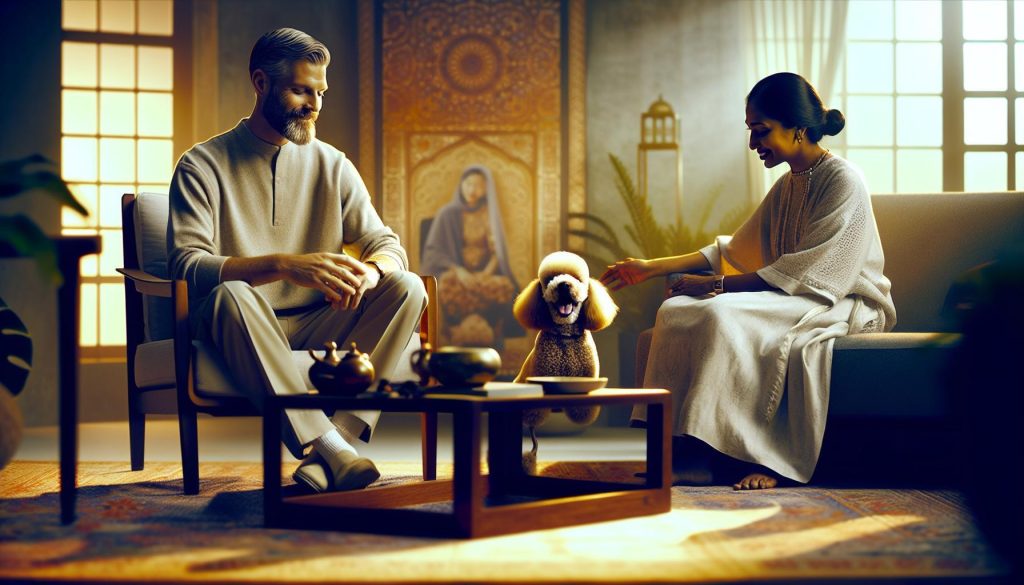
Did you know that Poodles are not just known for their intelligence and elegance, but also for their affectionate nature? If you’re considering bringing a Poodle into your home or already have one, you might wonder about their snuggle ability and bonding traits. This breed is often described as adaptable and loving, making them excellent companions, whether you’re lounging on the couch or enjoying a walk in the park. Understanding whether Poodles have a cuddly temperament is essential for potential dog owners and helps enhance the bond between you and your furry friend. In this article, we’ll uncover what makes Poodles such snuggly pets, explore their personality traits, and provide tips on fostering a deeper connection with your Poodle. Let’s dive into the world of cuddly Poodles and discover how they can enrich your life!
Understanding Poodle Temperament and Cuddly Nature
From their playful antics to their affectionate nature, Poodles have a unique temperament that endears them to families and individuals alike. Known for their intelligence and sensitivity, these dogs thrive on human interaction and emotional connection. A fascinating aspect of Poodles is their capacity for forming strong bonds with their owners, making them excellent companions for those who seek an engaging and loving pet. Every Poodle, regardless of its size-Standard, Miniature, or Toy-embodies traits that contribute to their cuddly nature, showcasing a versatility that fits a variety of lifestyles and household environments.
Poodles are not just intelligent; they are also keenly aware of human emotions and can intuitively respond to the feelings of their owners. This sensitivity translates into an affectionate demeanor, as they often snuggle close to provide comfort and companionship. Their gentle disposition combined with a desire to please makes them especially cuddly when they feel secure and loved in their environment. Many Poodle owners describe it as an almost instinctual need in their pets to be close, curling up in laps or nestling beside them during quiet moments.
One notable aspect of Poodle temperament is their adaptability, which contributes to their cuddly nature. These dogs are equally content in a bustling family home or a quiet apartment, adjusting their behavior to fit the social dynamics around them. Emphasizing early socialization can enhance this trait, allowing them to engage positively with a variety of people and other animals, which further enriches their ability to bond. It’s essential for owners to embrace the cuddly nature of their Poodles and encourage this affectionate behavior, as it fosters a sense of security and strengthens the emotional link between pet and owner.
Ultimately, Poodles exhibit cuddly behavior not just through their physical closeness but also through their playful attitudes and responsive nature. These wonderful companions thrive on interaction and engagement, making every snuggle a shared experience filled with love and loyalty. By nurturing these traits through love, proper socialization, and positive reinforcement, owners can cultivate a rewarding and affectionate relationship that truly embodies the essence of owning a Poodle.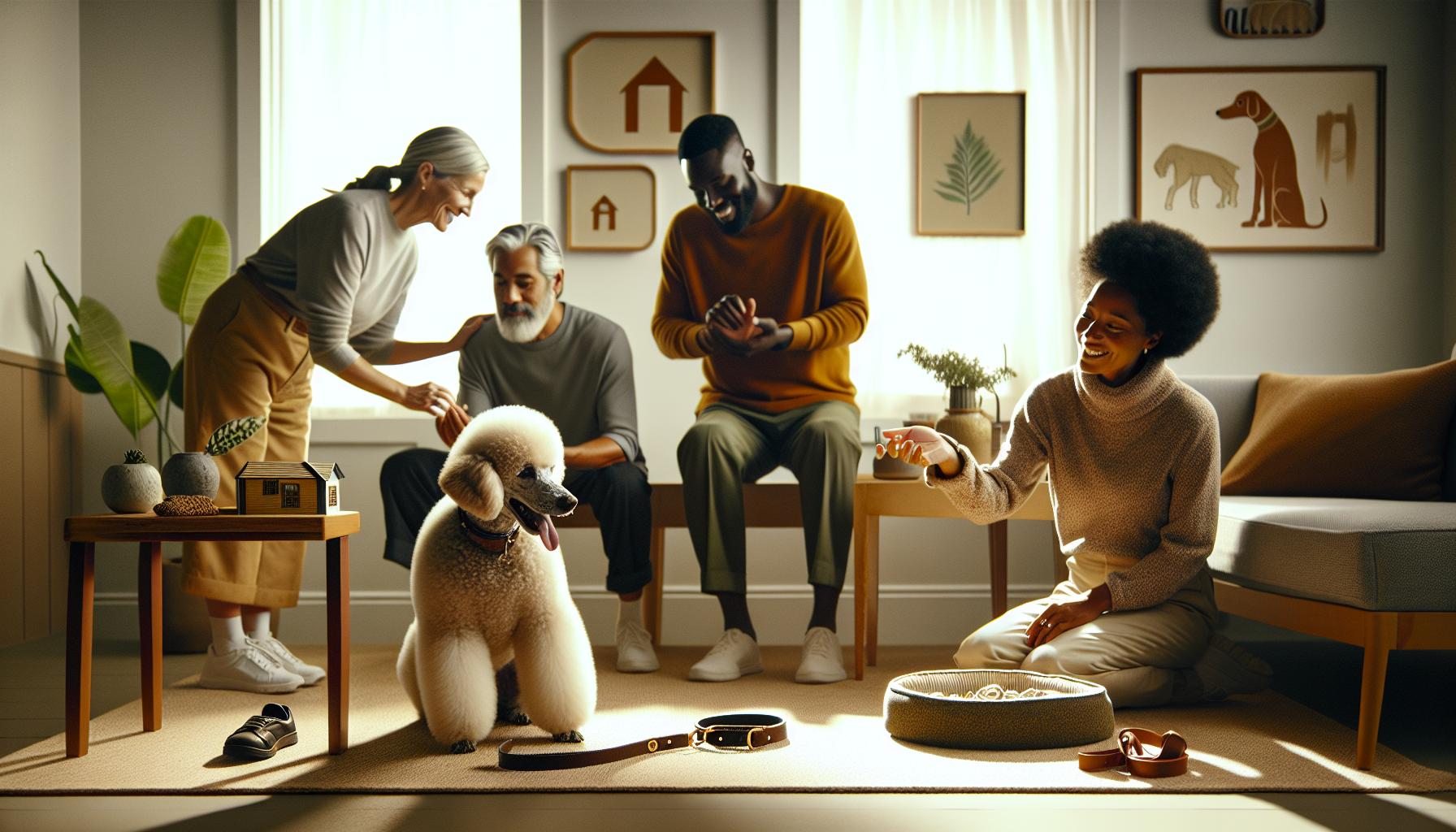
Unique Bonding Traits of Poodles
Poodles are often described as the quintessential family dog, not just for their intelligence and playfulness, but also for their remarkable ability to forge deep emotional connections with their human companions. These dogs possess a unique affinity for forming bonds that go beyond the usual pet-owner dynamic. Their keen sensitivity to emotions allows them to respond to their owners’ feelings with an almost uncanny intuition, making them true emotional partners in both joyful and challenging times.
One of the most distinct bonding traits of Poodles is their inherent desire to be involved in family life. They thrive on interaction and are happiest when included in daily activities, from lounging on the couch during movie nights to participating in spirited family games. This strong desire to be part of the family unit enhances their cuddly nature; it’s not uncommon to see a Poodle snuggling right next to their owner or following them from room to room, seeking closeness and companionship.
Building a Connection through Play
Poodles are highly intelligent and playful, which facilitates bonding through interactive play. Engaging in games like fetch or agility exercises not only exercises their physical energy but also strengthens the emotional connection between dog and owner. This playful spirit can manifest in their unique behaviors, such as bringing toys to their owners or playfully nudging them as if to say, “Let’s have some fun together!” This playful interaction is crucial as it reinforces trust and affection, allowing Poodles to think of their owners as partners in both play and companionship.
Understanding Their Cuddly Signals
Recognizing and responding to a Poodle’s cuddly signals is key to enhancing this bond. Poodles may display their affection through leaning against you, staring with soft eyes, or even offering their paw as a gesture of connection. These actions, simple yet profound, indicate their desire for intimacy and trust. Being attentive to these signals and reciprocating with affection creates a nurturing environment that fosters a strong, lifelong bond.
Caring for a Poodle goes beyond physical needs; it’s about acknowledging these unique emotional traits and honoring the relationship that develops through shared experiences. By actively engaging with your Poodle on both playful and intimate levels, you not only cultivate an affectionate companion but also enrich your own life, creating memories full of joy and warmth.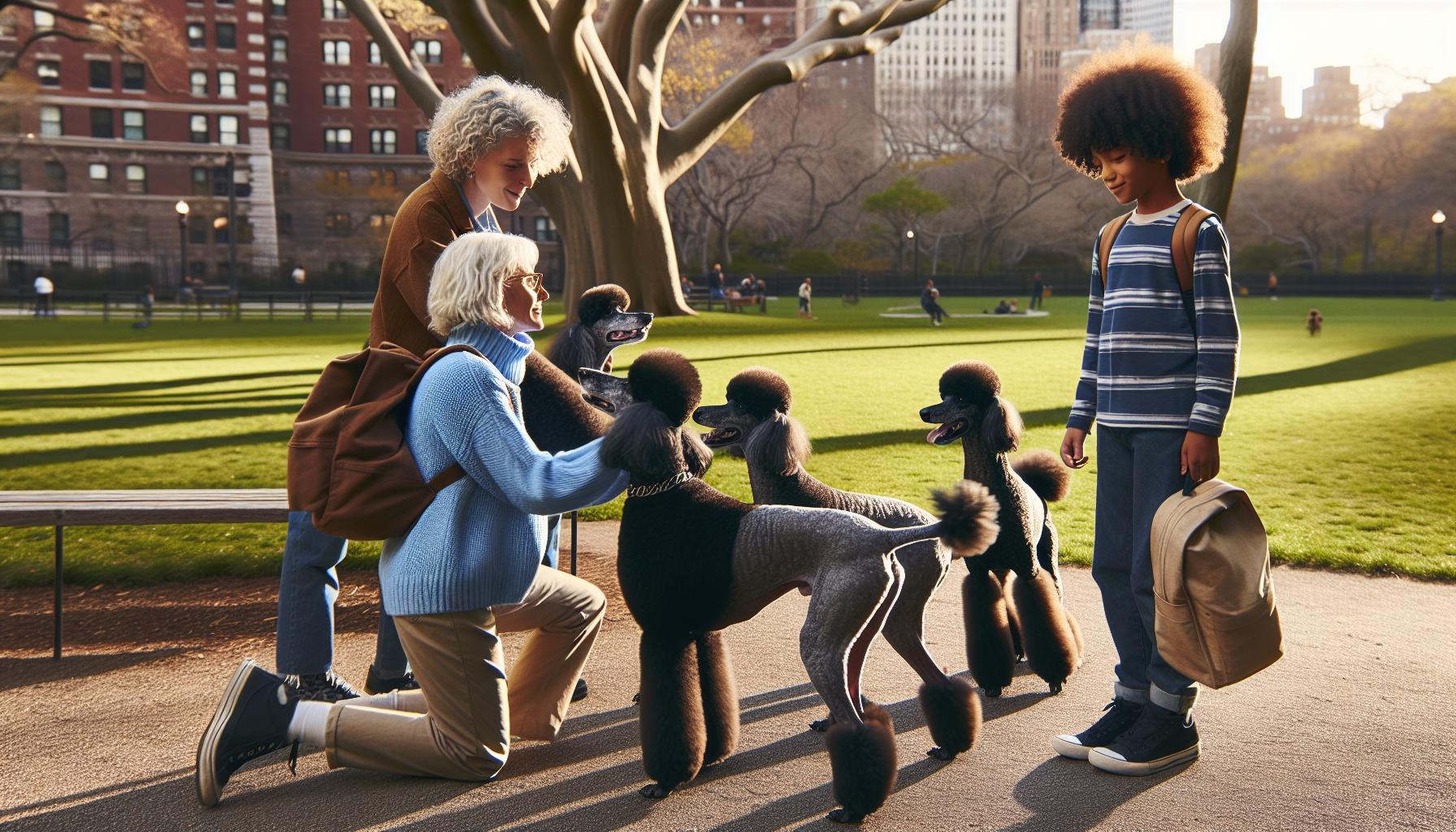
How Poodles Show Affection
Poodles are often considered masters of affection, and their unique ways of expressing love can enchant any dog owner. These intelligent and sensitive canines display their fondness through a variety of gestures that range from playful antics to soothing moments of closeness. Whether it’s through cuddling, gentle nudges, or playful interactions, Poodles have a remarkable ability to communicate their love and bond with their human companions. Understanding these affectionate behaviors not only deepens the connection you share but also enriches your daily interactions with them.
One of the most common ways Poodles show affection is through physical closeness. They thrive on being near their owners and often seek out intimate moments on the couch or bed. You might find your Poodle leaning against you or even burrowing under a cozy blanket, which are clear signs of their desire for warmth and companionship. They also exhibit affection through the famous “Poodle stare,” where they gaze at you with their big, soulful eyes, conveying a feeling of trust and connection. This eye contact can be incredibly reassuring for both the dog and their owner, strengthening the emotional bond.
Playfulness also plays a significant role in how Poodles express their love. Engaging in games like fetch, hide and seek, or even agility training can lead to joyful interactions that reinforce the bond you share. When a Poodle brings you their favorite toy, they’re not just asking to play; they’re inviting you into their world and sharing something special with you. Their energetic leaps and bounces during playtime are not just for exercise-they’re a celebration of the time they get to spend with you, marking moments of joy that are cherished deeply.
Moreover, Poodles are known to comfort their owners in times of distress. They have a knack for sensing when you’re feeling down or anxious, often responding by curling up next to you or resting their head on your lap. This instinctive behavior speaks volumes about their empathetic nature and their commitment to being not just a pet, but a partner through life’s ups and downs. This mutual exchange of affection enhances the bond and transforms the relationship into a profound emotional commitment.
By recognizing and appreciating these affectionate traits, you can cultivate an even deeper connection with your Poodle. Engaging in routine interactions that promote togetherness, whether through play or relaxation, will help solidify your bond. Remember, the love a Poodle gives is unconditional, and in return, nurturing their affectionate side will yield a lifetime of loyalty and joy.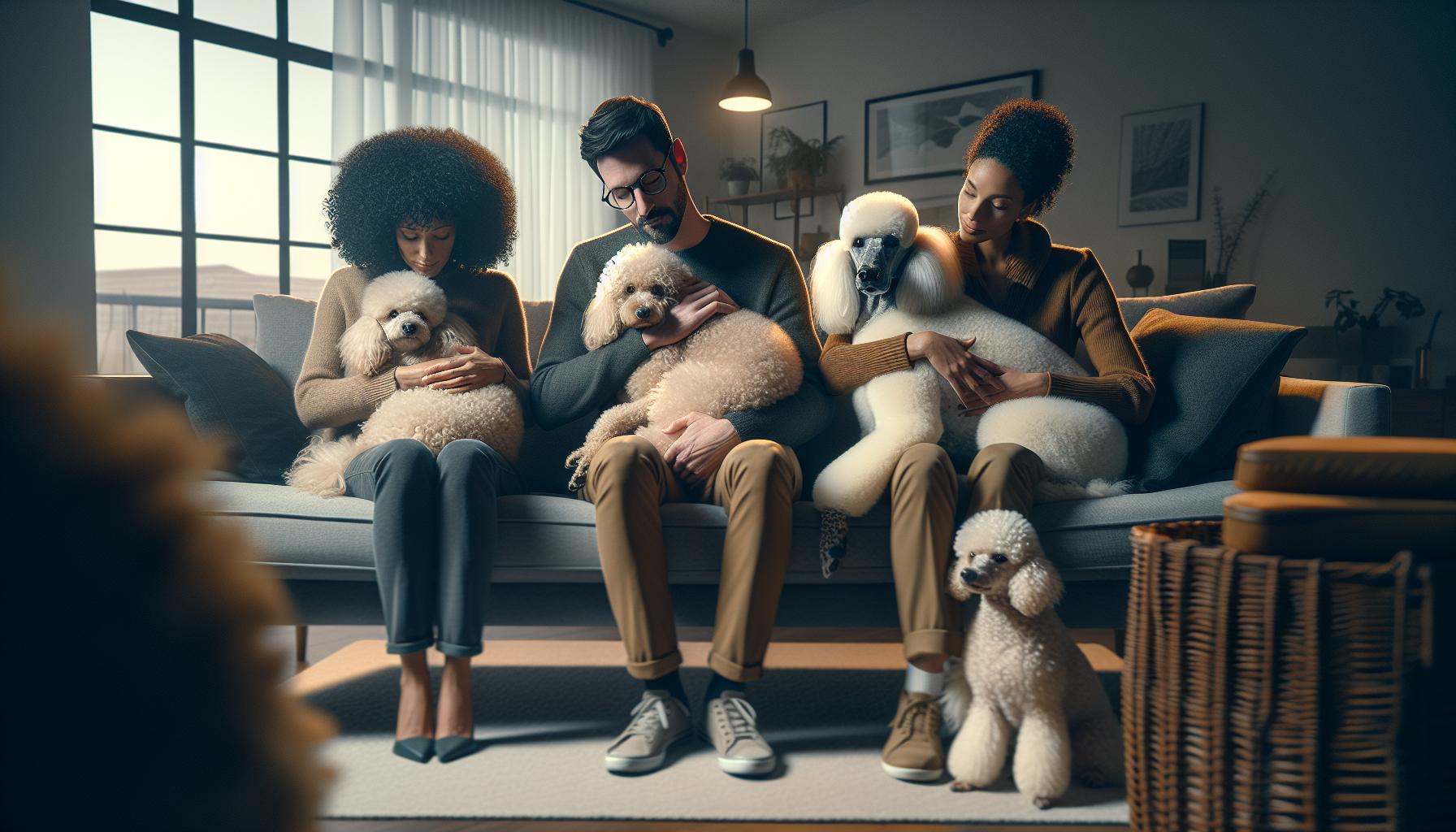
Differences in Cuddly Behavior: Standard vs. Miniature vs. Toy Poodles
Poodles come in three distinct sizes-Standard, Miniature, and Toy-and this diversity not only affects their physical characteristics but also influences their cuddly behavior and bonding traits. Understanding these differences can help prospective and current owners appreciate the unique personalities of each size, leading to a more enriching relationship.
Standard Poodles, the largest of the three, are known for their gentle and laid-back demeanor. They often exhibit a calm and affectionate nature, making them excellent cuddling partners for families and individuals alike. Their size allows them to comfortably share space on the couch or bed, while their intelligence contributes to their ability to pick up on human emotions, often snuggling closer during moments of stress or sadness. When given adequate exercise, Standard Poodles thrive on companionship and relish in tender moments, whether it’s a lazy afternoon or a cozy movie night.
The Miniature Poodle, while smaller, shares many of the affectionate traits of its larger counterpart but often exhibits a more playful and lively spirit. This breed loves to be the center of attention, often seeking out cuddles to engage and bond with their owners. Miniatures tend to initiate affection by jumping into your lap or snuggling up beside you, almost as if they’re reminding you to take a break and enjoy the moment. Their playful antics can lead to spontaneous cuddly moments, where they might rest their head on your shoulder or nuzzle close during playtime.
Toy Poodles, the tiniest of the trio, are often seen as the quintessential lap dogs. Their small size makes them easy to transport and cuddle with, which means they naturally gravitate towards being close to their owners. Toy Poodles are incredibly affectionate and often develop a deep attachment to their humans, displaying a strong desire for physical closeness. They thrive in intimate settings and are known for their ability to sense when their owner needs comfort. Their personality might lead them to burrow under blankets or curl up close to you during downtime, becoming a true companion in both play and relaxation.
In summary, while all Poodles are cuddly, their size and personality influence how they seek affection and bonding. Understanding these unique traits not only enhances your interactions but also helps tailor your approach to nurturing that bond. Whether you’re welcoming a Standard, Miniature, or Toy Poodle into your home, embracing their individual cuddly behaviors will undoubtedly lead to a fulfilling and joyful companionship.
Socialization Tips for Building a Strong Bond
Building a strong bond with your Poodle is essential not only for fostering affection but also for ensuring a well-adjusted and happy companion. Socialization is key in this process, enabling your Poodle to gain confidence and learn to interact positively with people and other animals. From a young age, exposing your Poodle to various environments, sounds, and experiences helps shape their personality and enhances their ability to form bonds.
Start your Poodle’s socialization journey by introducing them to new places, people, and other pets. Take them on walks in diverse neighborhoods or to pet-friendly parks. Each outing presents the opportunity for positive interactions. When you encounter new challenges or distractions, like loud noises or bustling crowds, reward your Poodle with treats and praise for calm behavior. This builds their confidence and reinforces the notion that the world is a safe place.
Engage your Poodle in playdates with other friendly dogs. Choose companions that are well-socialized and confident, as this can teach your Poodle proper dog-to-dog communication. Observe how they interact, and step in to mediate if necessary. Playtime strengthens bonds not just among pups but also between you and your Poodle as you cheer them on and participate in their fun.
Creating a routine can also enhance social bonds. Regular training sessions, using positive reinforcement techniques, develop trust and communication between you and your Poodle. Incorporate short, fun training exercises that challenge their intelligence while involving physical touch, such as sitting on your lap for a “stay” command or practicing tricks in close proximity. Use every opportunity to reward your Poodle with cuddles and affection, reinforcing that good behavior brings your love and attention.
Lastly, remember that the emotional environment you cultivate at home matters deeply. Allow your Poodle to have quiet time snuggling with you on the couch after exercise, which strengthens your bond through relaxation and reassurance. As they grow and explore the world, your consistent love and positive experiences will build a strong, cuddly companion for years to come.
The Role of Training in Enhancing Snuggle Time
Building a deep connection with your Poodle isn’t just about shared moments; it’s about nurturing a relationship that enhances both their cuddly nature and your mutual affection. Training plays a pivotal role in this bonding process, transforming your Poodle into a more confident and well-adjusted companion. By incorporating regular training into your routine, you establish a communication channel that fosters trust and understanding. Not only does this make your Poodle feel secure, but it also sets the stage for those cherished cuddle sessions.
When training your Poodle, consider using positive reinforcement methods, which are effective and joyous for both of you. Each time your Poodle follows a command or shows desired behavior-whether it’s sitting calmly beside you or performing a trick-reward them with praise, treats, or some affectionate cuddles. For instance, you can teach commands such as “come,” “stay,” or “lay down” in your lap, making these activities feel like a cozy bonding experience rather than just learning tasks. This connection between good behavior and affection reinforces their desire to snuggle with you when the training is over.
Interactive Training Activities
Enhancing cuddle time can be as simple as turning training into a game. Here are a few interactive activities that not only stimulate your Poodle mentally but also promote snuggle time:
- Fetch with a Twist: Instead of just throwing a toy, throw it and ask your Poodle to “sit” before they can retrieve it. Once they bring the toy back, invite them to jump into your lap for a cuddle break.
- Hide and Seek: Have someone hold your Poodle while you hide. Once they find you, shower them with affection, letting them know they did a fantastic job.
- Obstacle Course: Set up simple obstacles in your home or yard and lead your Poodle through them. Each successful run can end in a joyful hug or cuddle as a reward.
Integrating training and snuggle time will not only boost your Poodle’s confidence but also create a loving atmosphere where they feel valued and cherished. The more they engage with you in learning, the stronger the desire for physical affection will become. As they master their commands and tricks alongside your warm encouragement, cuddle moments will become a natural extension of your bond, making every snuggle session even more fulfilling.
Creating a Cuddly Environment for Your Poodle
Creating a cozy and loving environment for your Poodle is essential to bring out their naturally affectionate nature. Poodles thrive on companionship and appreciate a space that feels safe and inviting. One of the simplest ways to foster this nurturing atmosphere is by designating specific cuddle zones in your home. Soft blankets, plush dog beds, and your favorite couch corner can become their go-to spots for relaxation and intimacy. Ensure these areas are away from household chaos-peaceful places where your Poodle can unwind and enjoy quality time with you.
In addition to physical comfort, consider incorporating your Poodle’s personal belongings into their environment. Their toys, blankets, and even clothing with your scent can help create a sense of security. This individualized setup not only comforts them but also reassures them that they belong within your family unit. Regular cuddling sessions on the couch while watching TV or reading can significantly strengthen that bond, making them feel loved and cherished.
It’s also beneficial to maintain a consistent routine to help your Poodle feel secure in their space. Regular feeding times, playdates, and cuddle hours create an environment of stability. For example, a morning cuddle session paired with their favorite breakfast can set a positive tone for the day, reinforcing the affectionate bond you share.
Lastly, be mindful of their body language. Recognizing and responding to your Poodle’s signals-such as leaning against you or nuzzling into your side-can enhance your connection. These moments of interaction can solidify trust, making cuddle time even more special. By taking these steps to create a comfortable and inviting environment, you ensure that your Poodle knows they are truly part of the family, leading to countless snuggles and heartwarming moments.
Recognizing Poodle Body Language and Cuddling Signals
Understanding your Poodle’s body language is essential for nurturing a cozy and affectionate relationship. Poodles, known for their intelligence and emotional sensitivity, communicate in nuanced ways that convey their feelings and desires. Developing an awareness of these signals can transform your interactions, making cuddle sessions even more fulfilling and meaningful for both you and your furry friend.
One of the most telling signs of affection in Poodles is leaning against you or resting their head on your lap. This behavior indicates trust and a desire for closeness. When they initiate these gestures, they’re not just seeking physical contact; they are expressing their bond with you. In contrast, if a Poodle turns away from you, it might be a sign that they need some space, even if just momentarily. It’s essential to respect their cues and allow them to initiate contact when they’re ready, fostering a sense of security.
Poodles also exhibit specific postures and movements that signify their comfort and contentment. For instance, a wagging tail combined with a slightly relaxed body position often indicates happiness. A Poodle that approaches you with a wiggly body and playful bow (front legs lowered while the back remains up) is signaling that they are ready for some fun or affection. Conversely, signs of distress, such as a tucked tail or avoidance behaviors, suggest that your dog may be anxious or uncomfortable, prompting a check-in to ensure they are feeling safe.
To enhance your understanding of your Poodle’s communicative signals, pay attention to their responses during cuddling. If they nuzzle closer into your side or curl up tightly next to you, they’re likely in a relaxed state, enjoying your company. Engaging with these signs effectively-through gentle petting, soothing tones, and inviting gestures-can deepen your bond and encourage more snuggle opportunities. By tuning in to your Poodle’s body language, you can create a more intimate, trusting relationship that invites endless love and warmth into your home.
Poodle Grooming: A Guide to Comfort and Care
Grooming your Poodle is not just a necessity for keeping their coat looking beautiful; it is also an opportunity to bond and reinforce that cuddle-friendly nature Poodles are known for. Regular grooming sessions can be more than just a chore; they can be moments of intimacy that foster the affection you share with your furry companion. By making grooming a gentle, positive experience, you build trust and familiarity, making your Poodle more receptive to snuggling.
To start, it’s essential to establish a grooming routine that meets the unique needs of your Poodle, whether they’re a Standard, Miniature, or Toy. Poodles have a distinctive curly coat that requires frequent brushing to prevent matting and to keep their skin healthy. It’s recommended to brush your Poodle at least two to three times a week. During this time, it’s beneficial to use a slicker brush or a comb specifically designed for Poodles. As you groom, gently massaging your Poodle will not only remove loose hair but also create a soothing and enjoyable experience that can lead to some very cuddly moments.
Grooming Checklist for Poodles
- Brush Regularly: Aim for 2-3 times a week to prevent mats.
- Bathing: Bathe your Poodle every 4-6 weeks or as needed, using a dog-specific shampoo to maintain coat health.
- Trim Fur: Regular trimming every 4-6 weeks helps maintain their coat shape and keeps them comfortable.
- Check Ears: Clean ears weekly to avoid infections.
- Dental Care: Brush teeth several times a week to promote oral health.
In addition to brushing and bathing, consider using grooming time as an opportunity to check for any changes in your Poodle’s skin or coat. Look for any unusual bumps, redness, or irritations. This holistic approach keeps them healthy and shows you care about their well-being, which strengthens your bond even more. You may also want to incorporate treats or breaks during grooming sessions to keep your Poodle engaged and comfortable.
Creating a cozy and inviting grooming environment contributes to your Poodle’s comfort. Choose a quiet spot where your Poodle feels safe and relaxed, and ensure you have all your grooming tools at hand. Use calm, encouraging words and soft touches to reassure them throughout the process. By treating grooming as a cherished bonding activity rather than a mere obligation, you enhance your Poodle’s snuggly disposition while ensuring their grooming needs are met, creating a well-cared-for, cuddly companion ready to snuggle up to you after their spa day!
Interactive Activities to Strengthen Your Connection
Creating meaningful interactions with your Poodle can deepen your bond and enhance that characteristic cuddly nature. Engaging activities not only provide mental stimulation for your furry friend but also foster trust and affection between the two of you. Regular playtime, training sessions, and even simple everyday tasks can become wonderful bonding experiences that encourage snuggling and closeness.
One of the most effective ways to strengthen your connection is through interactive play. Activities such as fetch or tug-of-war are not only fun but also allow your Poodle to show off their agility and intelligence. These games release pent-up energy, keeping them healthy and happy, while the shared excitement promotes snuggling afterward. Additionally, consider using puzzle toys or treat-dispensing games that challenge their mind and make treats feel even more rewarding. Engaging your Poodle in these mental exercises will create a sense of accomplishment, making them more inclined to seek your companionship.
Training sessions also present a fantastic opportunity for bonding. Poodles are known for their intelligence, and they thrive on learning new commands or tricks. Incorporating training into playtime makes it fun, and using positive reinforcement techniques, such as treats or praise, can build their confidence and strengthen your relationship. For example, teaching them complex commands like “roll over” or “play dead” can lead to prideful moments that naturally result in snuggles and closeness once they’ve successfully performed their tricks.
Socialization and exploration are equally important. Take your Poodle on different adventures, whether to the park, on hikes, or just on a walk around the neighborhood. Exposing them to new environments and other dogs allows them to learn and grow, creating shared memories. Each outing, packed with sights, sounds, and smells, creates a richer tapestry of experiences that you both can enjoy, often resulting in bonding moments when you return home, tired and ready to snuggle.
To maximize the cuddly experience, also be mindful of your Poodle’s need for comfort and security. Providing a cozy space for post-play cuddles-complete with their favorite blanket or toy-can make all the difference. Using these moments after your activities to reinforce your love and affection will encourage your Poodle to become increasingly affectionate during downtime. By blending physical activities, training, and comfort, you create a nurturing environment where your Poodle feels loved and secure, enhancing their natural desire to cuddle with you.
Managing Alone Time: Separation Anxiety in Poodles
When left alone, Poodles can exhibit signs of separation anxiety, a common concern for this affectionate breed. Known for their strong attachment to their owners, Poodles thrive on companionship and can become distressed when they sense their humans are unavailable. This emotional challenge not only affects their mental wellbeing but can also lead to destructive behaviors or incessant barking. Understanding how to manage their alone time is crucial for fostering a happier, healthier pet.
To ease separation anxiety, start by gradually training your Poodle to feel comfortable spending time alone. Begin with short absences-just a few minutes at first-and slowly increase the duration as they adjust. During these initial attempts, offer them a special toy or puzzle that engages their mind while you are away. This distraction can help shift their focus from your absence to an enjoyable activity, making the time apart less stressful. Remember to maintain a calm demeanor during departures and arrivals; an excited farewell or dramatic reunion can heighten their anxiety.
Creating a Safe Space
Creating a cozy, safe environment for your Poodle can also help mitigate feelings of loneliness. Designate a specific area in your home where they can retreat when you leave. This space should be comfortable, complete with their favorite blanket and toys to provide comfort. Additionally, consider leaving on calming music or a pet-friendly TV channel, as the background noise can provide companionship and alleviate feelings of isolation.
Incorporating Daily Routine and Exercise
Regular exercise and a consistent routine can make a significant difference in managing separation anxiety. A well-exercised Poodle is typically a happier one, as physical activity helps burn off excess energy and reduces restlessness. Aim for at least 30-60 minutes of exercise daily, which can be split into multiple walks and playtime sessions. By enriching their daily routine, you foster a sense of stability and predictability that can ease their anxiety.
In summary, managing separation anxiety in Poodles requires a blend of gradual training, a nurturing environment, and consistent routines. By taking these steps, you can help your furry friend feel secure even when you’re not by their side, ultimately enhancing the bond between you while still honoring their need for comfort and companionship.
Comparing Cuddly Breeds: Poodles vs. Other Popular Dogs
Poodles are often lauded for their affection and cuddly nature, but how do they stack up against other popular dog breeds regarding that snuggle-worthy charm? Whether you’re a first-time dog owner or an experienced handler, understanding the cuddly personalities of Poodles compared to breeds like Golden Retrievers, French Bulldogs, and Labrador Retrievers can help you determine which breed is the perfect fit for your lifestyle.
Poodles, across all sizes-from Standard to Miniature and Toy-tend to have a warm, social disposition, preferring to spend time close to their human companions. Their intelligence plays a crucial role; Poodles not only thrive on companionship, but they also enjoy interactive engagement, making them eager cuddle buddies after a fun training session or playtime. In contrast, breeds like the French Bulldog also exhibit a strong desire for closeness but may not match the same level of dynamic interaction. They are typically more laid-back and enjoy lounging, making them perfect for owners who appreciate a calm, cuddly dog that requires less rigorous exercise.
When we compare Poodles with the friendly Golden Retriever, it’s a heartwarming matchup. Both breeds share an instinctive affection towards people. Golden Retrievers are known for being exceptionally friendly and nurturing, often seeking out their owner’s attention for affection as much as Poodles do. However, while Goldens tend to be more straightforward in their affection, Poodles bring a unique flair of intelligence and playfulness that gives their bonding experience a bit more depth. They can be slightly more discerning about physical affection, choosing moments where they’re in the mood for snuggles.
For those leaning towards larger breeds, the Labrador Retriever presents another interesting comparison. Labs have a goofy, lovable demeanor and boast a comfort-seeking nature similar to Poodles. However, Labs may show affection more through exuberant playfulness than the refined cuddling style typical of Poodles. This means that a Poodle is more likely to curl up in your lap after a walk, while a Labrador might be content with a game of fetch or a good romp around the yard before settling down.
Ultimately, the decision between Poodles and other cuddly breeds lies in your expectations for a pet’s personality and how much interaction you desire in your day-to-day life. If you’re looking for a dog that thrives on companionship, enjoys a good snuggle session after training, and can keep things lively with their intelligence, a Poodle might just be your perfect match!
Frequently Asked Questions
Q: Are Poodles affectionate dogs?
A: Yes, Poodles are known for their affectionate nature. They thrive on human interaction and often seek physical closeness with their owners. Engaging in regular cuddle sessions can strengthen your bond and enhance their happiness. Explore how Poodles show affection in your article.
Q: How do I encourage my Poodle to be more cuddly?
A: To encourage your Poodle to be more cuddly, create a warm and inviting space where they feel safe. Use positive reinforcement by rewarding them with treats and praise when they approach you for snuggles. Consider adding soft blankets in their favorite resting areas to enhance comfort.
Q: Do different types of Poodles have different cuddly behaviors?
A: Yes, the cuddly behaviors may vary among Standard, Miniature, and Toy Poodles due to their size and temperament. Typically, smaller Poodles may enjoy being held more, while Standard Poodles might prefer to lie beside you. For detailed comparisons, refer to the section on differences in cuddly behavior.
Q: Why do Poodles need regular affection?
A: Poodles thrive on attention and affection as it reinforces their emotional well-being. Regular interaction helps them feel secure and loved, which can reduce anxiety and behavioral issues. Implementing daily cuddle time can be beneficial for both you and your Poodle.
Q: How can I read my Poodle’s body language when cuddling?
A: Understanding your Poodle’s body language is crucial. Signs like relaxed ears, soft eyes, and leaning against you indicate comfort and a desire to cuddle. Refer to the section on recognizing Poodle body language for more insights into their cuddling signals.
Q: Can grooming improve my Poodle’s cuddly nature?
A: Yes, regular grooming helps enhance a Poodle’s comfort and trust in you. It can also be a bonding activity, allowing your Poodle to associate grooming with positive experiences. For grooming tips, check the specific section on Poodle grooming in your article.
Q: How much exercise do Poodles need before snuggle time?
A: Poodles generally require moderate exercise to expend energy. After a good play session or walk, they are often more willing to settle down for cuddling. Ensure a balance between play and relaxation to maintain their affectionate behavior.
Q: Do Poodles get separation anxiety if not cuddled enough?
A: Yes, Poodles can experience separation anxiety if they lack sufficient cuddling and interaction. It’s essential to create a routine that includes quality time together. Try engaging in interactive activities before leaving them alone to help ease anxiety.
Feel free to explore each question for further discussions and considerations on Poodles’ cuddly personalities!
Final Thoughts
As we’ve discovered, Poodles are not just intelligent and playful; their cuddly nature makes them exceptional companions. If you’re considering inviting a Poodle into your home, remember that their need for affection and bonding can significantly enrich your life. Don’t wait too long-take the next step towards creating a loving relationship! For more insights, check out our articles on “Poodle Training Tips” and “Best Poodle Grooming Practices” to ensure you’re well-prepared for this journey.
Still have questions? Join our vibrant community at the Poodle Forum, where you can share experiences and gather advice from fellow Poodle enthusiasts. Whether it’s choosing the right food or mastering grooming techniques, you’re not alone! Dive deeper into your Poodle’s needs, and don’t forget to subscribe to our newsletter for the latest updates and exclusive tips tailored just for Poodle lovers. Your furry friend is waiting for those cozy snuggles-let’s make it happen!