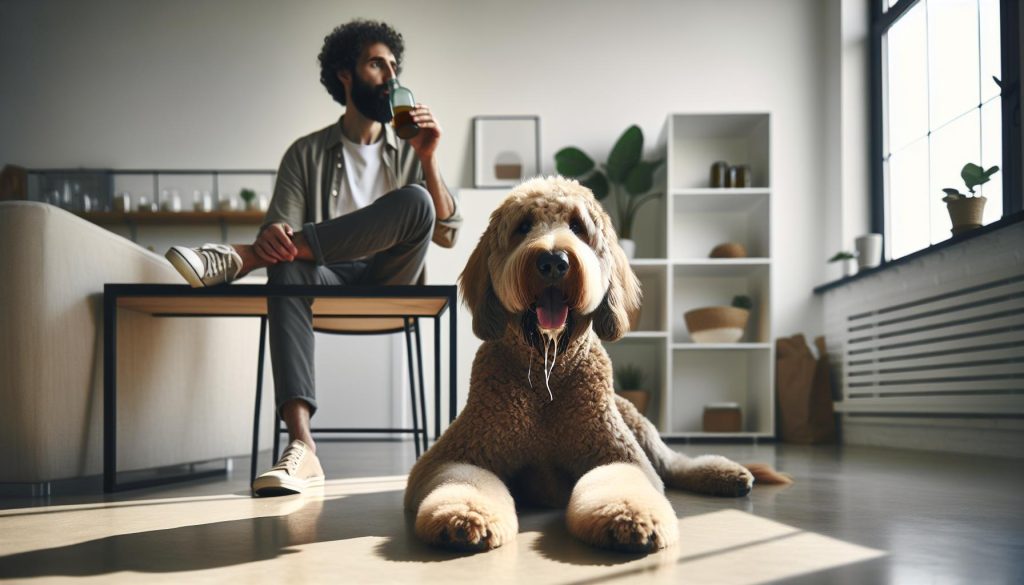
Labradoodles are known for their playful nature and friendly disposition, but as potential owners, you might wonder: do they drool? Understanding the slobber levels of Labradoodles is crucial for anyone considering adding this beloved breed to their family. While not typically heavy droolers, factors like genetics, environment, and individual health can influence this trait. As you embark on the rewarding journey of owning a Labradoodle, it’s essential to weigh these details to ensure a comfortable living situation for both you and your furry friend. Read on to discover key insights and practical tips that will empower you to manage drooling effectively, ensuring a harmonious home environment.
Do Labradoodles Typically Drool?
Labradoodles are generally not known for excessive drooling, which is a significant advantage for many potential dog owners. Unlike some breeds that are notorious for slobbering, Labradoodles usually have a well-defined, tightly formed mouth that helps minimize drool. Their genetic background, being a mix of Labrador Retrievers and Poodles, contributes to a calmer drooling profile, making them a popular choice among families and individuals alike.
However, a few factors can influence the drooling levels in Labradoodles. For instance, excitement or anxiety can lead to increased salivation, particularly during playtime or when they see food. Additionally, environmental conditions, such as heat and humidity, may also contribute to temporary changes in drool levels. While the average Labradoodle may not produce drool as a standard characteristic, being mindful of their emotions and surroundings can help mitigate unexpected slobber.
To keep your home as drool-free as possible, regular grooming can be beneficial. Maintaining a clean, well-groomed coat not only enhances the appearance of your Labradoodle but also prevents any drool from sticking to their fur. Routine dental check-ups are also essential as oral health directly impacts salivation. A healthy mouth, free from issues like gum disease, can further reduce drooling.
In summary, while Labradoodles are typically low droolers, understanding their needs and behaviors can ensure you and your pup enjoy slobber-free interactions. Regular care and attention can help maintain this pleasant trait, allowing you to focus on the joy and companionship your adorable Labradoodle brings to your life.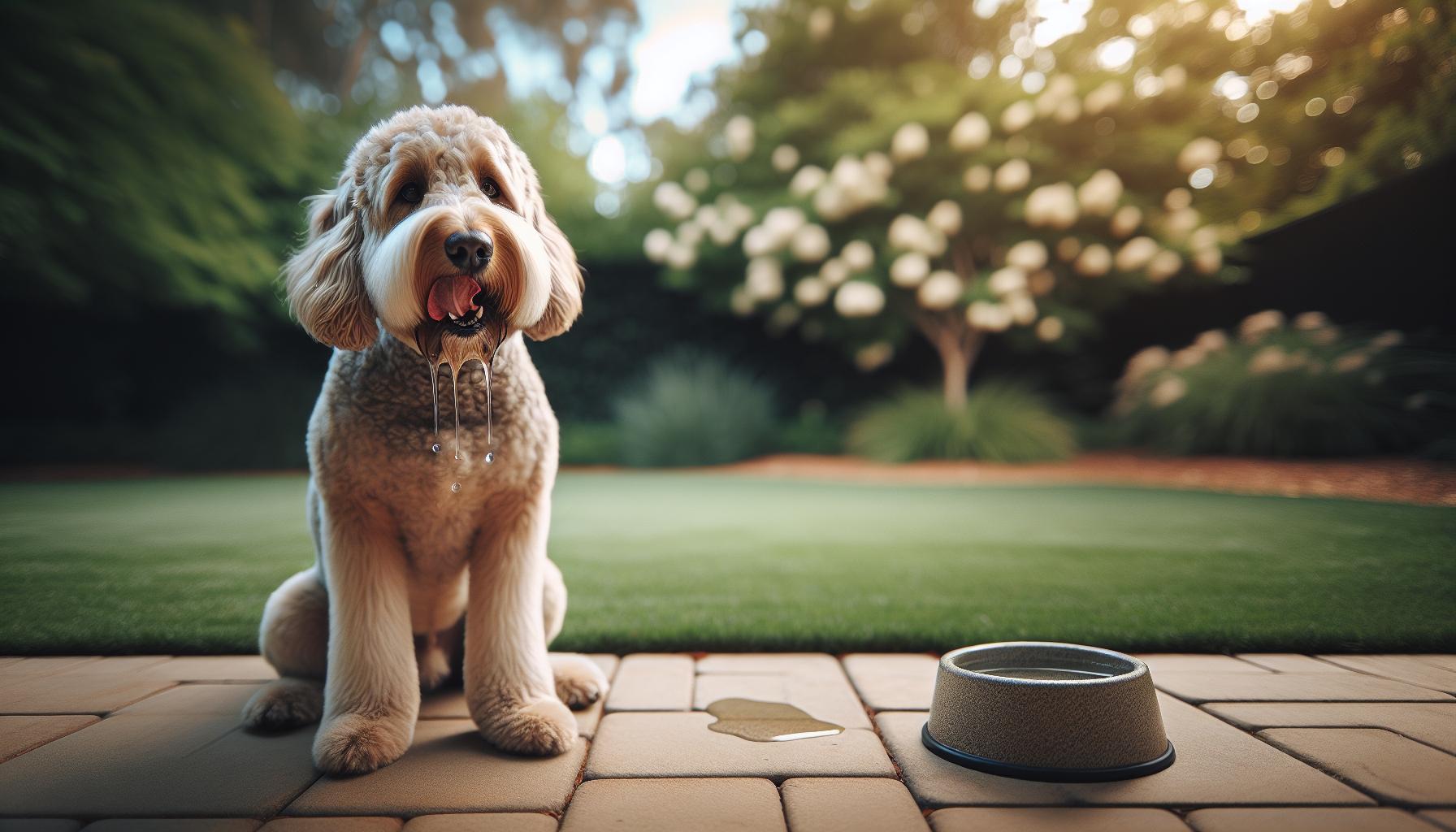
Understanding the Drool Factor in Labradoodles
Labradoodles are often a favored choice among dog lovers, not just for their playful disposition but also for their relatively low drool factor. Unlike breeds that are infamous for slobbering, such as Saint Bernards or Bulldogs, Labradoodles generally feature a tight-lipped conformation that minimizes drool production. This appealing trait is rooted in their genetic make-up-a cross between a Labrador Retriever and a Poodle-which contributes to their more manageable drooling profile.
That said, several factors can influence the drool levels in these affectionate companions. Stress or excitement can spur on salivation, particularly during high-energy activities like playtime or meal prep. It’s not uncommon for owners to witness their Labradoodles drooling when they’re eagerly anticipating food or during a trip to the dog park. Additionally, specific environmental conditions such as heat and humidity can also affect drooling, leading to occasional wetness around the mouth. Understanding that Labradoodles aren’t notorious droolers, but can drool under certain circumstances, is key for potential owners aiming for a tidy household.
To keep drool at bay and your home pristine, regular grooming and dental care are essential. A well-groomed coat not only helps minimize the stickiness of any stray slobber but also promotes overall health. Routine dental check-ups are crucial since oral health issues can contribute to increased drooling. Keeping an eye on their mouth can help ensure they maintain optimal health, which ultimately affects salivation levels.
For those who are concerned about managing dog drool, it’s important to approach ownership with a clear understanding of what to expect. With a Labradoodle, you’ll mainly enjoy a company that brings delight without the frequent need for a mop! Emphasizing routine care and monitoring their emotional well-being will ensure less slobber during your adventures together.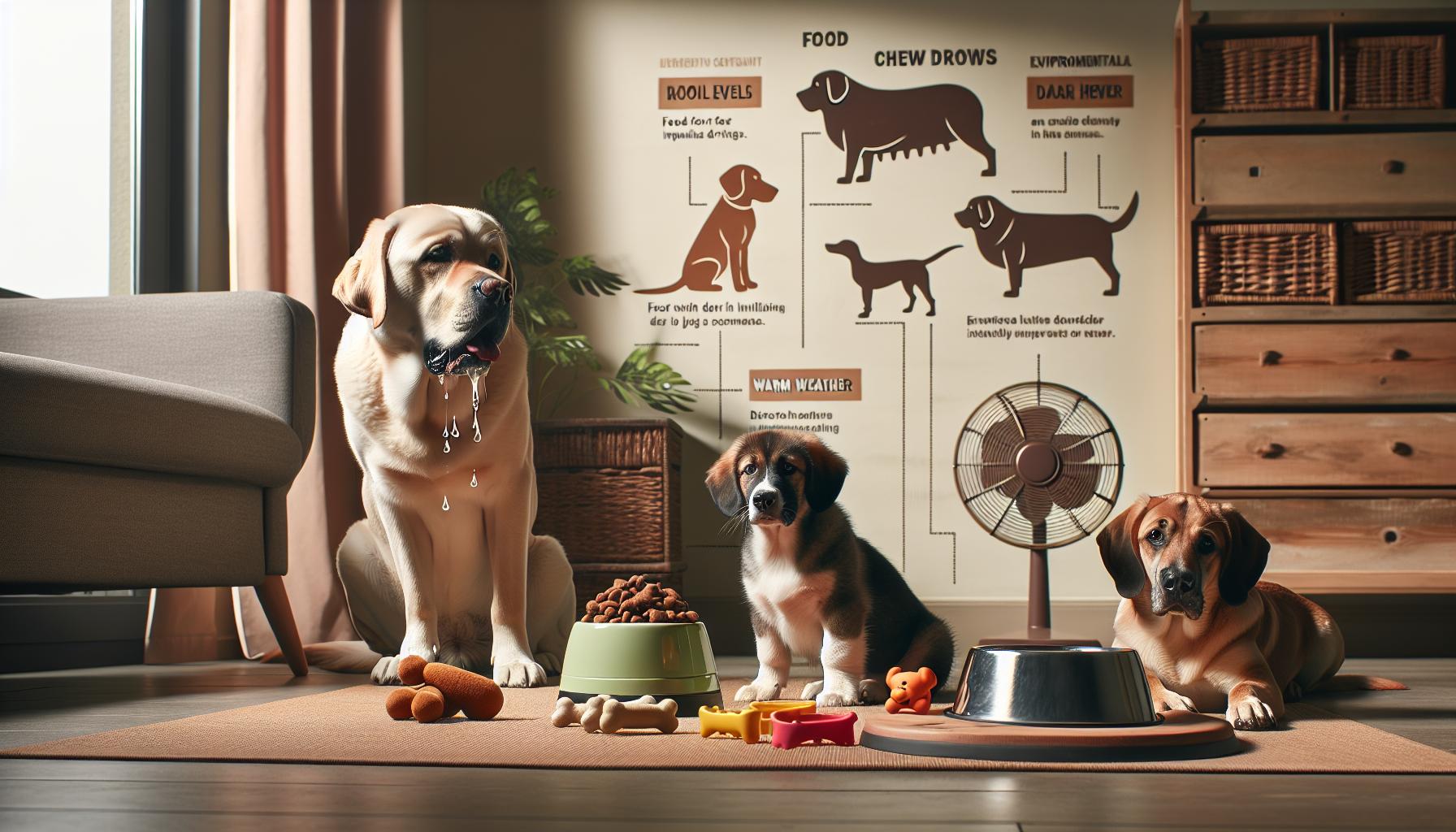
Factors Influencing Drool Levels in Dogs
When it comes to slobber levels in dogs, not all breeds are created equal. Understanding what influences drooling can empower you as a potential dog owner, especially if you’re considering a Labradoodle. Although these playful pups have a generally low tendency to drool, various factors can still affect salivation, leading to different experiences among individual dogs.
Physical Health and Breed Traits
Genetic factors play a crucial role in determining drool levels. Labradoodles, being a mix of Labrador Retrievers and Poodles, generally possess tighter lips, which helps reduce slobber when compared to droopier-mouthed breeds like the Bulldog. However, health conditions such as oral infections, dental issues, or other medical problems can increase drooling. Regular dental care and routine vet check-ups are essential to keep their mouth healthy and minimize slobber.
Environmental Influences
Environmental conditions can also impact how much a Labradoodle may drool. High temperatures or humidity can cause them to salivate more in an effort to cool down, especially during active play sessions. Paying attention to the weather and keeping your pet in a comfortable environment can help manage drooling. For instance, if you notice your pup drooling more during summer outings, consider enhancing hydration with fresh water breaks to see if that helps.
Emotional Triggers
Dogs are incredibly perceptive creatures, and their emotional state significantly influences their drooling. Stress, excitement, or anxiety can lead to increased salivation. If your Labradoodle appears particularly drooly when anticipating a meal or during car rides, it might be worth evaluating their emotional responses. Providing a stable routine, positive reinforcements during stressful situations, and regular exercise can help alleviate some of these triggers.
In summary, while Labradoodles are not typically known to drool much, individual factors such as health, environment, and emotional triggers can influence drooling behavior. Regular care and attention to these factors can keep your home slobber-free while ensuring your beloved companion remains happy and healthy.
Labradoodle Grooming: Reducing Excessive Slobber
Maintaining your Labradoodle’s grooming routine can greatly influence their slobber levels and overall hygiene. While these dogs aren’t typically high droolers, regular grooming can help ensure that any drool is minimal and easy to manage. An essential part of grooming is keeping their faces clean, particularly around the mouth, which can trap food residues and other moisture that may contribute to drooling. By establishing a regular grooming schedule, you set your furry friend up for a comfortable, slobber-free existence.
Focus on Facial Grooming
A significant factor in drooling is the accumulation of moisture and residue around your Labradoodle’s mouth. Make it a habit to gently wipe your dog’s face after meals with a damp cloth or specially designed pet wipes. This simple practice not only aids in keeping their mouth area clean but also helps prevent bacteria growth, which can lead to dental issues-another potential cause of increased drool.
Regular Dental Care
A healthy mouth is essential for a drool-free dog. Schedule regular dental check-ups with your vet to assess your Labradoodle’s oral health. Daily brushing can significantly impact drooling by preventing dental diseases that lead to excess salivation. Invest in quality dog toothpaste and a brush designed for their specific needs. By forming good dental hygiene habits early on, you’ll ensure their gum health contributes to overall salivary control.
Hydration and Diet Monitoring
Monitor your Labradoodle’s hydration and diet, as these factors can significantly affect drooling. Ensure fresh water is always available, as dehydration can lead to an increase in salivation. Pay attention to food choices; some dog foods may be more palatable and result in less slobber. Opting for kibble instead of wet food might help, as dry diets are less likely to lead to drooling incidents due to excess moisture.
Behavioral Understanding
Lastly, consider your Labradoodle’s temperament and behavior. If they display excitement or anxiety during certain activities, such as feeding or car rides, you may notice an increase in drooling. Identifying these triggers can help you create a more relaxing environment. Training them to remain calm through consistent exposure and positive reinforcement can reduce drooling linked to stress or excitement.
By incorporating these grooming practices into your routine, you can minimize slobber while strengthening your bond with your Labradoodle. Consistent grooming not only keeps them looking great but also plays a crucial role in their overall health and comfort.
Comparing Drool Levels: Labradoodles vs. Other Breeds
When it comes to drool levels, Labradoodles often fall into the moderate category, especially when compared to other breeds that can lead to significant slobber issues. Their Poodle lineage helps contribute to a less drooly disposition. In fact, many Labradoodle owners report that their pets only drool occasionally, particularly during exciting moments like mealtime or when they’re eager to play. This is a stark contrast to breeds like the Saint Bernard or Bloodhound, known for their excessive drooling due to loose lips and jowls that can trap saliva and allow it to escape freely.
One of the key factors that can differentiate drool levels among breeds is the structure of their mouths. Labradoodles have a tighter lip structure, which generally means less drool escapes. In contrast, breeds with more pronounced jowls can produce a higher volume of slobber. For instance, a simple side-by-side comparison reveals that while a Labradoodle may leave a few drops on the floor after eating, a Saint Bernard might leave a puddle. It’s essential for potential Labradoodle owners to understand these differences, especially if they are concerned about keeping their homes clean.
To further understand how Labradoodles fare against other commonly drooly breeds, here’s a quick comparison of drool tendencies based on breed:
| Breed | Typical Drool Level | Reasons for Drooling |
|---|---|---|
| Labradoodle | Low to Moderate | Excitement, mealtime |
| Saint Bernard | High | Loose skin, jowls |
| Bloodhound | High | Jowl structure |
| Poodle | Low | Typically minimal |
| Boxer | Moderate | Excitement, heat |
To summarize, if you’re considering adopting a Labradoodle and are worried about slobber messes, you can rest easy knowing they are generally easy on the drool scale. Regular grooming and proper care routines will keep their mouths clean and further reduce any drool issues. With the right attention to their hygiene and behavior, your fear of excessive slobbering can be effectively managed, allowing you to enjoy all the love and happiness that comes with having a Labradoodle in your life.
Signs of a Healthy Mouth: What to Look For
Spotting signs of a healthy mouth in your Labradoodle is crucial for pet owners who want to ensure their furry friends are in tip-top condition. A dog’s mouth can reveal a lot about its overall health, and noticing changes can help you catch potential issues early. For Labradoodles, typically known for their moderate drool levels, it’s essential to maintain good oral hygiene to prevent any underlying problems often associated with poor dental care.
You should regularly inspect your Labradoodle’s mouth for a few key indicators of oral health. First, gums should be pink and firm; any redness, swelling, or bleeding indicates some form of dental disease or discomfort. The teeth should be mostly free of tartar buildup; a light film is normal, but excessive tartar is a sign you might need to adjust their dental care routine. Additionally, the breath should be fresh. While all dogs have a certain “doggy” smell, particularly foul breath can indicate dental problems like periodontal disease.
To foster good oral health in your Labradoodle, implement a routine that includes:
- Daily brushing: Aim for daily dental care with a toothbrush and toothpaste designed specifically for dogs.
- Dental chews: Incorporate vet-approved dental chews into their diet, helping to reduce plaque and freshen breath.
- Regular vet check-ups: Ensure your vet examines their mouth during annual check-ups, as professional cleanings are often beneficial.
- Avoid table scraps: Limit giving your dog human food that might contribute to dental decay, focusing instead on high-quality dog food.
A comparison of general oral health signs across dog breeds shows that Labradoodles typically maintain better dental hygiene compared to drool-heavy breeds like Bloodhounds or Saint Bernards, which often suffer from dental issues due to excess moisture in their mouths. Keeping your Labradoodle’s mouth healthy not only reduces drooling but also enhances their overall quality of life, ensuring they remain happy and vibrant companions for years to come.
Effective Care Tips for a Drool-Free Home
Creating a home that stays slobber-free while sharing it with a Labradoodle can be quite achievable with some thoughtful strategies and everyday habits. Despite their moderate drooling tendencies, it’s possible to manage and minimize slobber around your living space, ensuring that you and your furry friend can enjoy lifestyle harmony.
One essential approach is to establish a dedicated feeding area that’s easy to clean. Consider using a high-quality, waterproof mat under their food and water bowls to catch any spills. This not only helps contain drool but also makes cleanup straightforward. Regularly washing this mat, along with your dog’s bowls, will keep odors at bay and prevent any build-up of slobber-related messes.
Another effective tactic involves maintaining a structured grooming routine. Labradoodles, with their wavy coats, are prone to drool accumulation in their fur. Regular grooming helps to minimize this issue. Commit to brushing your dog at least once a week, or more often if they’re particularly active or after meals. This not only removes excess moisture but also keeps their coat healthy and reduces the chances of odors developing.
You might also want to integrate specific chew toys that are designed to promote oral hygiene. These toys are not just amusing for your dog; they can also help in reducing drool by promoting healthy chewing habits and oral care. Look for dental-friendly options that encourage your Labradoodle to chew, which can assist in minimizing slobber while keeping their teeth clean.
It’s also wise to train your Labradoodle to practice some basic manners around food. Teaching commands like “leave it” or “wait” can reduce the excitement around meal times, potentially decreasing drooling. Alongside training, try to establish a consistent feeding schedule to foster good behavior, which can significantly aid in managing any excess slobber when mealtime comes around.
By merging these practices into your daily routine, you can create an environment that not only minimizes drool but also supports your Labradoodle’s overall health and happiness. A clean home and a happy, healthy pet make for the perfect combination!
How Diet Affects Drool in Labradoodles
Diet plays a crucial role in influencing the drool levels in Labradoodles, affecting not only their overall health but also their salivation tendencies. Surprisingly, the type of food you provide can either exacerbate or mitigate the slobber challenge. For instance, a high-quality, well-balanced diet rich in protein can help improve a Labradoodle’s digestion, possibly leading to less drooling as their bodies become better at processing their meals. On the contrary, low-quality foods that are filled with fillers and artificial ingredients can lead to digestive upset, increasing the likelihood of drooling due to nausea or mouth discomfort.
Choosing the Right Food
When selecting food for your Labradoodle, consider options that are specifically designed for moderate droolers. Look for dry kibble as it tends to produce less saliva compared to wet foods. Here’s a quick list of dietary choices that might help keep drool levels in check:
- High-protein kibble: Choose a formula with real meat as the primary ingredient.
- Limited ingredients: Foods that contain fewer, high-quality ingredients are generally easier on their digestive systems.
- Grain-free options: If your Labradoodle has grain sensitivities, grain-free kibble may help minimize drool due to digestive discomfort.
- Hydration: Ensure fresh water is always available, as dehydration can also lead to increased drooling.
Also, it’s essential to incorporate regular feeding schedules. An erratic feeding routine can encourage excitement and anxiety during meal times, leading to excessive salivation. By providing meals at consistent times each day, you help your Labradoodle develop a more relaxed attitude towards eating, potentially reducing drooling.
Addressing Food Sensitivities
Some Labradoodles may also experience food sensitivities or allergies, which can manifest as drooling. If you notice an increase in drool coinciding with a new diet, it may be worth consulting with your veterinarian to explore potential food allergies or intolerances. Switching to hypoallergenic dog food might be necessary to see if it alleviates the drooling.
Overall, the right dietary choices not only enhance your Labradoodle’s well-being but can contribute significantly to controlling drool levels. By focusing on nutritious food and understanding the impacts of diet on drooling behavior, you can create a more enjoyable environment for both you and your furry friend.
Behavioral Factors: Stress and Salivation in Dogs
Understanding how stress affects drooling in Labradoodles can be crucial for owners wanting to keep slobber levels in check. Dogs, just like humans, experience emotional stress, which can lead to increased salivation. For Labradoodles, a breed known for its friendly and sociable disposition, stress may arise during situational changes, such as moving homes, meeting new people or pets, or from loud noises like thunderstorms or fireworks. These stressors can trigger an increase in drool as your dog’s body responds to anxiety and nervousness.
Labradoodles often express their emotions through their bodies. When placed in stressful scenarios, their hormone levels can shift, leading to heightened salivation. This might not only be uncomfortable for your furry friend but also messy for your home. So, it’s essential to identify potential triggers that may cause stress and work on minimizing those situations. Creating a calming environment can significantly help. For instance, providing a safe space in the home where your dog can retreat to reduce stress can mitigate excessive drooling. Interactive toys and puzzles can also keep your Labradoodle engaged and distract them from whatever is causing stress.
Recognizing Signs of Stress
Understanding your Labradoodle’s body language can be a valuable tool in managing their stress levels. Look for signs like pacing, whining, tucked tails, or excessive yawning. Recognizing these indicators early can help you intervene before drooling becomes excessive. Furthermore, establishing a consistent routine can provide a sense of security for your Labradoodle, helping alleviate stress. Daily walks, consistent feeding times, and regular play sessions can enhance their overall well-being and sense of stability.
If you notice an unusual increase in drooling alongside signs of anxiety, consider working with a veterinarian or a certified dog trainer. They can provide guidance on behavior modification techniques or recommend calming products, such as anxiety wraps or pheromone diffusers, that work wonders for many pups in distress. Incorporating these approaches can help create a more tranquil environment, reducing stress and, consequently, drooling in your beloved Labradoodle.
When to Consult a Vet About Drooling
If you’re a Labradoodle owner, you may find yourself wondering what’s normal when it comes to drooling. While some drool can be expected, especially after meals or during particularly exciting moments, there are times when a trip to the vet is warranted. If your Labradoodle is suddenly drooling more than usual, it can be a sign of underlying health issues that need attention.
There are several important indicators that suggest a vet visit is on the horizon. If your dog’s drooling is accompanied by other symptoms such as vomiting, lethargy, difficulty eating, or signs of pain (like whining or sensitivity in the mouth area), it’s crucial to consult with a veterinarian. These could point to dental issues, such as gum disease, or even more severe conditions like infections or foreign objects stuck in the mouth. Additionally, persistent drooling without an obvious trigger-like heat or the taste of a favorite treat-warrants a professional examination.
Signs That Require a Vet Visit
Be vigilant about your dog’s drooling patterns. Here are specific situations when you should consider taking your Labradoodle to the vet:
- Sudden Increase in Drooling: If there’s a noticeable and sudden escalation in drool production, especially if it’s excessive compared to their normal behavior.
- Presence of Other Symptoms: Look for vomiting, lethargy, or a reduced appetite alongside drooling.
- Mouth Sensitivity: If your dog exhibits signs of pain when you attempt to inspect their mouth or teeth.
- Persistent Bad Breath: Foul odors can indicate dental disease or other health issues.
It can be helpful to track your Labradoodle’s drooling habits and any correlating factors, such as diet changes or new activities, to provide your vet with detailed information during your visit. Sometimes, the simplest changes can lead to drooling, whether it’s a new chew toy that doesn’t agree with them or an anxiety-triggering event.
In summary, while some drooling is completely normal when it comes to Labradoodles, certain signs can indicate that a serious issue may be at play. Don’t hesitate to reach out to your vet if you have concerns; they are your best resource for ensuring your furry friend stays healthy and happy. A proactive approach can help catch potential health problems early, keeping your Labradoodle in the best shape possible.
Real Owners Share Their Drool Experiences
For many Labradoodle owners, drooling is part of the package, but the experiences vary widely. One owner shared that their Labradoodle, Max, only drools after a vigorous play session or when he catches a whiff of dinner cooking. “I know it’s time for feeding when he starts making those adorable drooling noises in the kitchen!” they laughed. This excitement is a typical response for these energetic pups, showcasing their vibrant personalities.
However, others have had different experiences. A couple who adopted a rescue Labradoodle named Bella noted, “We were surprised by how little she drooled, except around mealtimes. She’s a Poodle hybrid, so I expected more slobber! It’s really just a few dribbles, which makes clean-up easy.” Their experience exemplifies that while some Labradoodles can be more prone to drooling, individual behavior can vary dramatically based on factors like diet, health, and personality.
It’s important for current and potential Labradoodle owners to connect with fellow dog lovers. Sharing drool-related stories on online forums and social media is a great way to understand common behaviors. One owner mentioned vet advice that sanitation and regular grooming can drastically reduce the mess associated with drool. “After we started wiping his face downs after meals with a wet cloth, it made a world of difference,” they noted. Simple practices like these not only maintain cleanliness but also help owners keep track of their dogs’ health and well-being.
In summary, perspectives on drooling among Labradoodle owners reveal a blend of amusing anecdotes and practical tips. Encouragement and advice from fellow pet parents can make navigating these quirks a lot more enjoyable. Embracing your Labradoodle’s unique drool habits while implementing easy care strategies can ensure that you both have a happy, slobber-free life together!
Frequently asked questions
Q: Do Labradoodles drool more than other dog breeds?
A: Labradoodles generally drool less than many larger breeds, but drooling can still occur due to excitement or weather conditions. Their Poodle lineage tends to produce less slobber. For a direct comparison, consult the section on comparing drool levels in the main article.
Q: What causes excessive drooling in Labradoodles?
A: Excessive drooling in Labradoodles can be caused by factors like dental issues, heat, or anxiety. Monitoring their health and environment is important. Regular vet check-ups can help identify any underlying health issues contributing to excessive drooling.
Q: How can I reduce my Labradoodle’s drooling?
A: To reduce drooling in Labradoodles, maintain good oral hygiene through regular dental care, provide a calm environment to minimize anxiety, and ensure they are hydrated but not overheated. Grooming your Labradoodle regularly can also help manage drool.
Q: Are Labradoodles prone to any drooling-related health issues?
A: Labradoodles can face drooling-related health issues if excessive drooling is a symptom of dental problems or gastrointestinal distress. Look for consistent drooling paired with other symptoms like loss of appetite, which warrants a vet visit.
Q: Do Labradoodles drool when they’re hot?
A: Yes, Labradoodles tend to drool more in hot conditions as they pant to cool down. Providing plenty of water and shade can help manage their drool levels during warmer weather conditions.
Q: Can diet affect my Labradoodle’s drooling?
A: Yes, diet plays a crucial role in saliva production. If a Labradoodle is eating a high-salt or low-quality diet, it may lead to increased drooling. Opting for well-balanced, high-quality dog food can help regulate drool levels.
Q: Is drooling in Labradoodles normal during play?
A: Yes, it is normal for Labradoodles to drool during play, especially if they are excited or rapidly panting. This is a natural response to increased activity. Monitoring their hydration is essential during vigorous play sessions.
Q: When should I be concerned about my Labradoodle’s drooling?
A: You should be concerned if your Labradoodle’s drooling increases suddenly or is accompanied by other symptoms such as vomiting, lethargy, or unusual behavior. Such changes might indicate a health issue requiring veterinary attention.
For more detailed insights on managing drool and ensuring a comfortable environment for your Labradoodle, check out the related sections in the main article.
The Conclusion
Thank you for exploring the fascinating world of Labradoodles with us! Now that you know the truth about whether these adorable pups drool, you can confidently share this knowledge with fellow dog lovers. Remember, understanding your furry friend’s needs and quirks is crucial for fostering a happy, healthy relationship. If you’re eager to learn more about Labradoodle care, check out our in-depth articles on grooming tips and health considerations.
Don’t forget to subscribe to our newsletter for more valuable insights and updates tailored to your dog’s needs! Have any lingering questions or experiences to share? We invite you to leave a comment below-your thoughts could help another dog owner on their journey. Plus, if you’re curious about other breeds, our breed comparison guides offer loads of information to keep you informed and engaged.
Explore, learn, and enjoy your time with your lovable Labradoodle and remember, they may not slobber much, but their love for you is boundless!