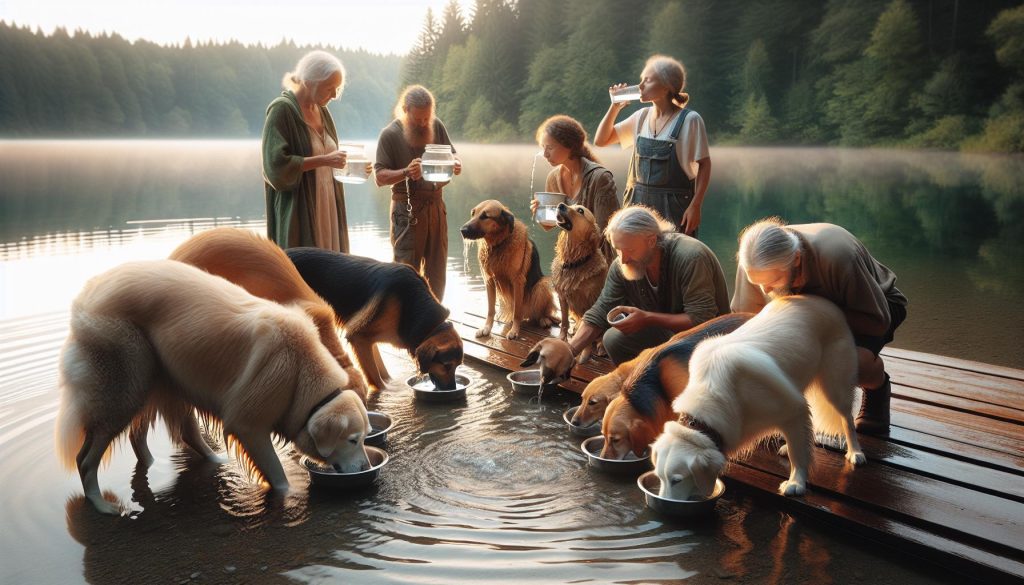
Did you know that dogs can actually taste water? Unlike our common belief that water is tasteless, research shows that dogs possess taste receptors on their tongues specifically designed to recognize different flavors, including the distinction in types of water. Understanding how dogs perceive this essential resource is not just a quirky fact; it connects to their overall health and well-being. As a dog owner, you might wonder why your pet seems so particular about their drinking water-whether it’s fresh from the tap or the bowl. This insight into canine sensory perception can enhance the way we care for our furry friends and ensure they stay hydrated effectively. Join us as we explore the fascinating world of how dogs experience water, what flavors they might prefer, and how this understanding can help improve their hydration and nutrition. Your dog’s hydration health is vital, and unlocking the mysteries of their taste can lead to better choices in their daily care.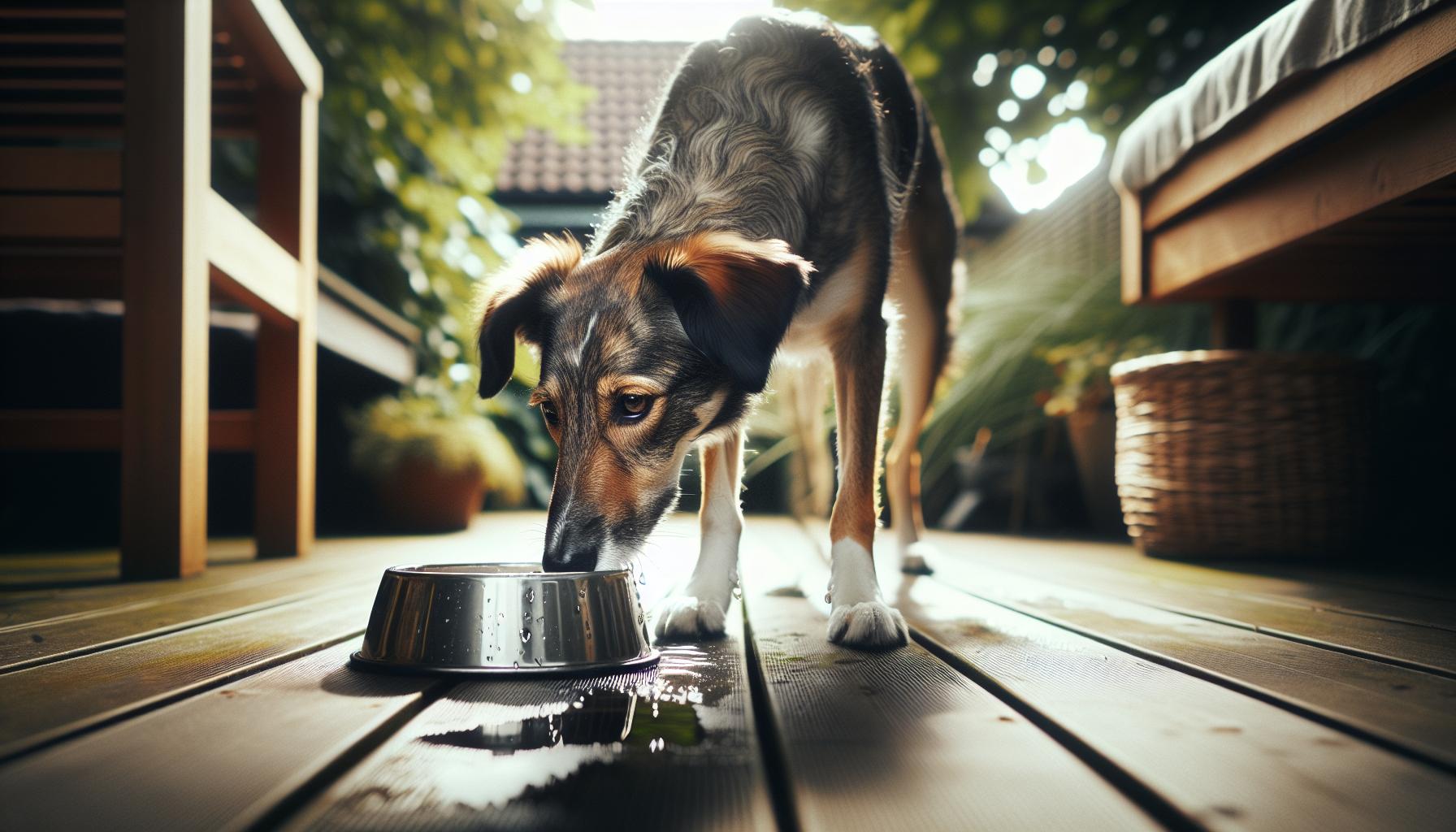
Can Dogs Truly Taste Water? Understanding the Basics
Dogs are often thought of as creatures with unique sensory abilities, and their relationship with water is no different. Surprisingly, studies reveal that dogs can indeed taste water, which is a fascinating trait that sets them apart from many other animals. Unlike humans, who might perceive water as tasteless, dogs have specialized taste buds that allow them to detect certain characteristics in water. These taste receptors primarily lie at the tip of their tongues and are specifically tuned to recognize the freshness of water, which can influence their hydration habits and preferences.
Understanding that dogs can taste water opens up new avenues for responsible pet ownership. For instance, dogs may show a preference for fresh, clean water over stale or contaminated options, not just due to smell but because they can actually perceive differences in taste. This means that regularly changing their water and ensuring clean drinking conditions is essential for their well-being. If you notice your dog turning away from their bowl, it might be time to refresh it with some clean water or even try out a water fountain, which many dogs find more appealing due to the movement and freshness.
In essence, the ability of dogs to taste water means that their hydration needs are tied to more than just availability-it’s also about quality. As a dog owner, it’s crucial to create an enjoyable drinking environment. Using clean bowls, ensuring there’s always fresh water available, and observing your dog’s drinking habits can enhance their hydration experience. By fostering a positive relationship with water, you set the stage for a healthier, more hydrated pup who is better equipped to thrive in their daily life.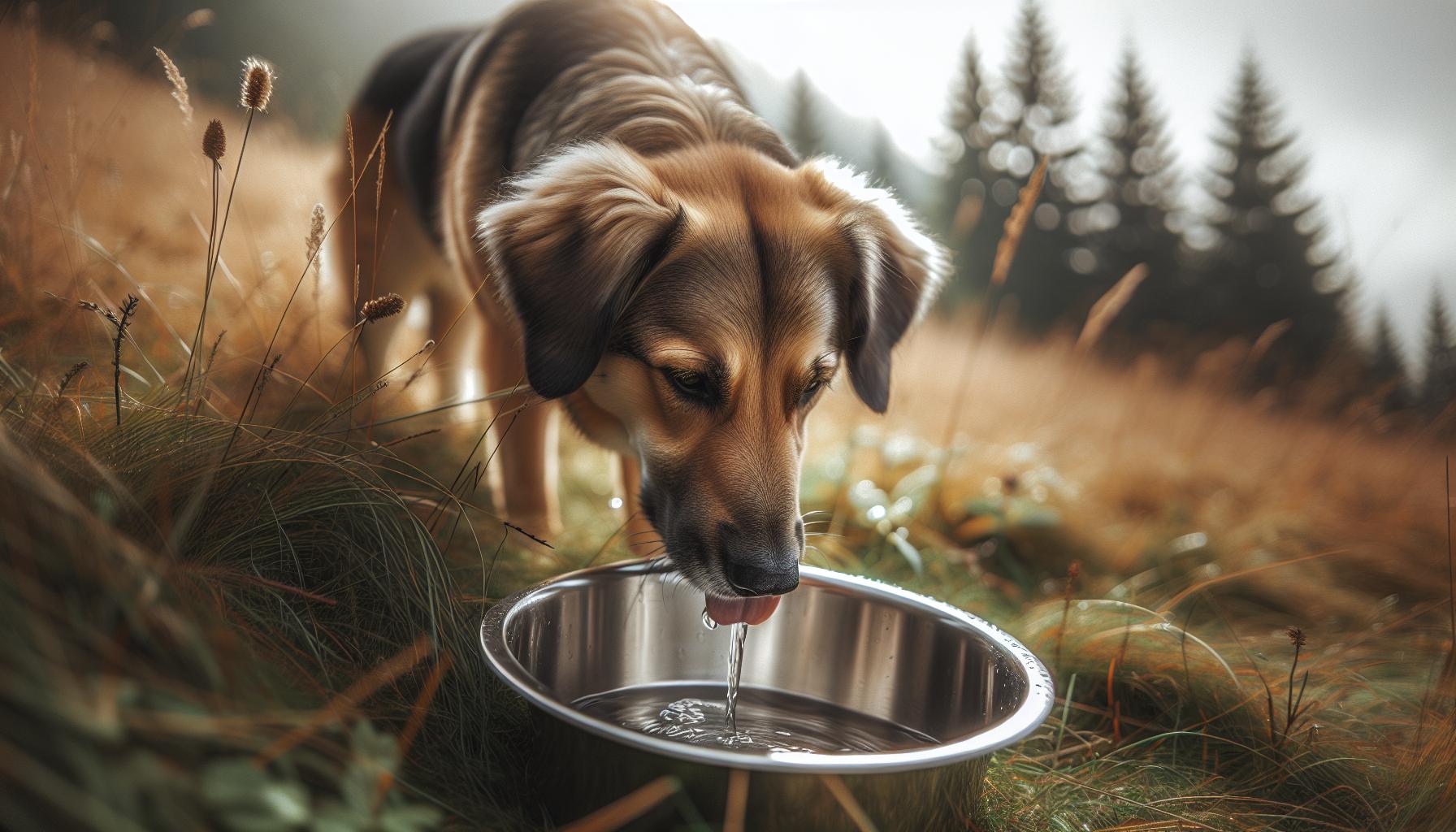
The Science of Dog Taste Buds: What Do They Perceive?
Dogs have an incredible sense of taste that goes beyond the basics, allowing them to perceive the world in ways we might not expect. While they only have about 1,700 taste buds compared to the 9,000 that humans have, dogs possess specialized receptors that help them detect a range of flavors, including sweet, salty, bitter, and sour. This sensory repertoire plays a significant role in their hydration habits, particularly when it comes to their perception of water and its quality.
One of the fascinating aspects of dog taste buds is their heightened sensitivity to certain tastes, especially water’s freshness due to its role in survival. Dogs can differentiate between various water sources, preferring clean, fresh water over stale or contaminated supplies. This preference is not solely based on smell-research indicates that dogs can actually taste the differences. The specialized taste receptors primarily located at the tip of their tongues allow them to assess the quality of water before drinking. This means that as a responsible pet owner, keeping your dog’s water bowl clean and frequently replenished can significantly influence their hydration habits.
In addition to their tasting abilities, dogs also show unique perceptions when it comes to the texture and temperature of water. For example, many dogs are attracted to running water, often considered more appealing than stagnant water in a bowl. This can be attributed to both taste and the instinctual inclination to seek fresh sources of hydration, resembling running streams that are less likely to harbor harmful bacteria. To enhance your dog’s drinking experience, consider investing in a pet water fountain which mimics this natural movement, keeping the water fresher and potentially more enticing for your furry friend.
Understanding the limitations and capabilities of your dog’s taste buds provides deeper insight into their preferences and behaviors surrounding water. By creating a pleasant and hygienic drinking environment, you’re not just promoting better hydration-you’re also enhancing your dog’s quality of life. Remember, their taste perception plays a crucial role in their health, making it essential to pay attention to their water choices and ensuring they’re always well-hydrated.
How Dogs Hydrate: The Importance of Water Intake
Ensuring your dog stays properly hydrated is crucial for their overall health and well-being. Water is the most vital nutrient for dogs, comprising approximately 60-70% of their body weight. Insufficient water intake can lead to serious health problems, including kidney issues, urinary tract infections, and even life-threatening conditions. It’s essential to create an environment that encourages good hydration habits, especially considering that dogs may not always drink as much water as they need.
One fun fact to consider: dogs can lose up to 50% of their body weight in water before it becomes life-threatening, which underscores the importance of continuous access to fresh water. Different factors influence how much water a dog needs, including their size, age, diet, activity level, and the climate in which they live. For example, active breeds like Border Collies or Labrador Retrievers require more frequent hydration than less active dogs, such as Bulldogs or Basset Hounds. A general rule of thumb is to provide about one ounce of water per pound of body weight. This means a 50-pound dog should drink approximately 50 ounces, or about six cups, of water per day.
To make it easier for your dog to stay hydrated, consider the following tips:
- Keep Water Fresh: Regularly change your dog’s water to ensure it’s clean and inviting.
- Utilize Water Bowls: Use wide, shallow bowls to prevent whisker fatigue, making it easier for them to drink.
- Provide Multiple Sources: Place several bowls around the house and yard to encourage drinking.
- Monitor Outdoor Water Sources: Be cautious about letting your dog drink from rivers or lakes, as these may contain harmful bacteria.
- Consider a Pet Fountain: Many dogs are attracted to running water, which can motivate them to drink more.
In addition to these strategies, it’s beneficial to know how to encourage your dog to drink more. Adding wet dog food to their diet or incorporating ice cubes can entice them – many dogs find chewing on ice cubes refreshing! Always make sure to consult with your veterinarian if you notice any changes in your dog’s drinking habits, as it could indicate underlying health issues.
With a little effort and dedication, you can help ensure your furry friend stays well-hydrated and healthy, improving their quality of life. Remember, your dog’s hydration is not just linked to their thirst-it’s a daily commitment and responsibility that leads to a happier, healthier pet!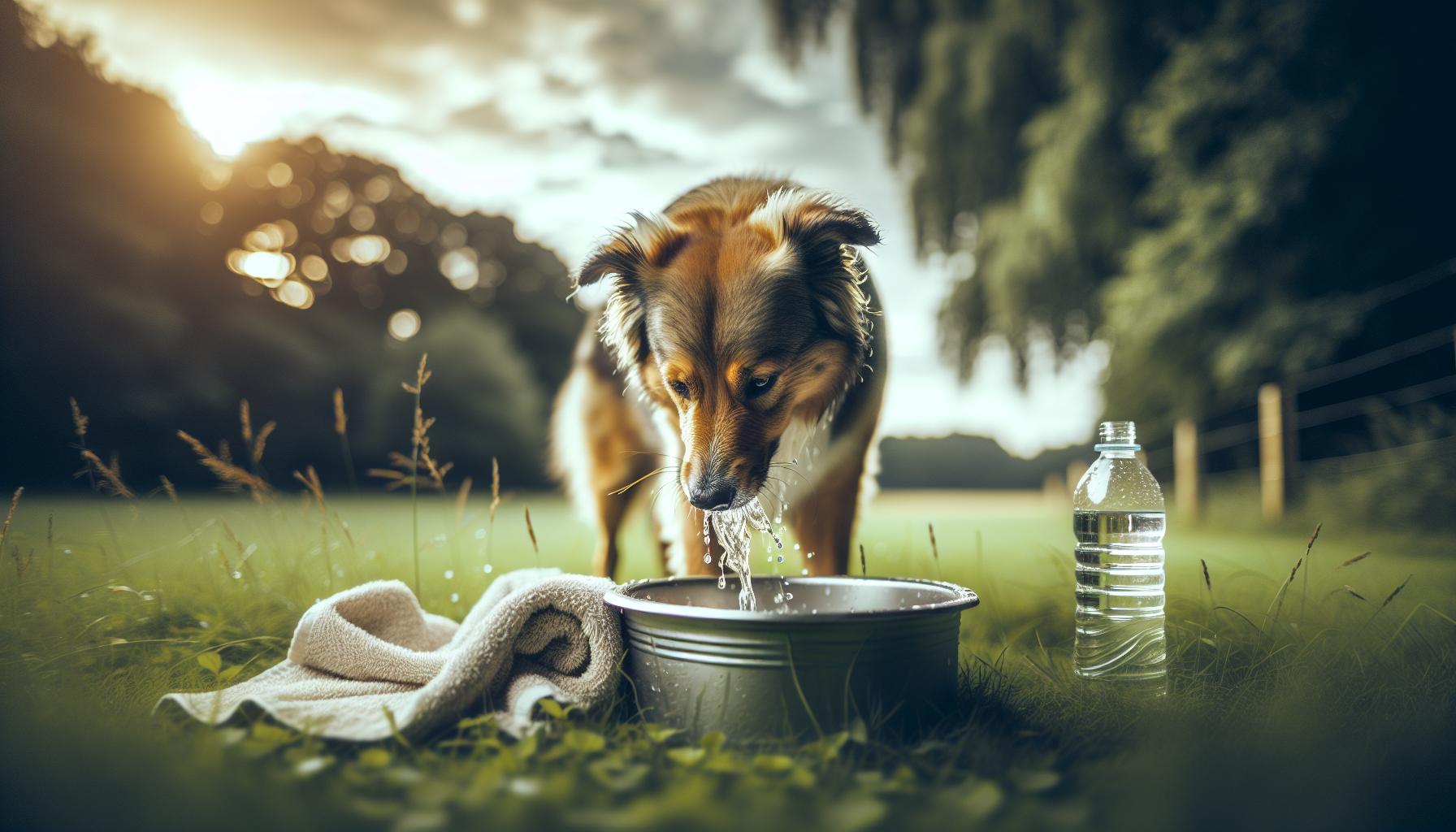
Do Dogs Have a Preference for Fresh vs. Stale Water?
Dogs, much like humans, have preferences that can influence their drinking habits, particularly when it comes to the freshness of their water. It’s important to recognize that dogs are more likely to drink water that is fresh and clean rather than stale or dirty. Stagnant water can accumulate bacteria and algae, which can deter dogs from drinking it and potentially lead to health issues.
Research indicates that dogs possess a strong sense of smell, which plays a significant role in their perception of water quality. Fresh water smells inviting and is generally more appealing, while stale water may have odors that can repel them. For instance, a dog might show more enthusiasm towards a bowl filled with freshly changed water versus one that has been sitting for a while. This preference can vary among breeds; some dogs, like Labradors, who are enthusiastic water lovers, may be more inclined to drink often, whereas others, such as Shih Tzus, might be more selective.
To support your dog’s hydration needs, regular maintenance of their water bowls is crucial. Here are some practical tips to ensure your pup enjoys their hydration experiences:
- Change Water Regularly: Aim to refresh their water at least once or twice a day, keeping it clean and appealing.
- Be Mindful of Temperature: Some dogs prefer cool water, so consider using ice cubes during warmer months. It can entice them to drink more.
- Utilize Multiple Bowls: Place more than one water source around your home to make it easier for your dog to find fresh water.
- Use a Pet Fountain: Many dogs are attracted to running water, which can encourage drinking more frequently.
Creating an optimal hydration experience is about understanding and catering to these preferences. No matter the breed, recognizing their needs and ensuring access to fresh, clean water can significantly enhance their overall health and happiness. Consistent hydration is a fundamental aspect of pet care, and as a devoted owner, it’s wonderful to see how small changes can make big differences in your dog’s well-being.
Unique Differences Between Dog and Human Water Perception
While humans might find their hydration choices to hinge on flavor or temperature, dogs have a remarkably different perception of water-shaped significantly by their acute senses and instincts. One primary distinction lies in how dogs rely heavily on their sense of smell to determine whether water is fresh and safe to drink. Unlike humans, whose taste buds are sensitive to a variety of flavors, dogs primarily perceive what is around them through scent, and they can often detect impurities or contaminants that are undetectable to human noses. This keen olfactory ability means dogs might shy away from stagnant water that smells off, preferring the refreshing scent of water that has just been changed or filled.
Interestingly, while dogs do have taste buds that allow them to experience basic tastes-sweet, sour, salty, and bitter-their taste perception tends to be less complex than ours. Dogs are not particularly inclined to savor the taste of water itself; for them, the pleasure of drinking may come from the experience itself-whether it’s refreshing coldness or the act of slurping it up with that curious, spoon-like tongue action. This behavior not only helps them hydrate but also may provide a satisfying tactile sensation that humans may not fully appreciate.
To illustrate the differences further, consider how various breeds exhibit their unique drinking habits. Breeds like Labradors, known for their love of water, often approach drinking with a sense of joy and enthusiasm, perhaps influenced by their natural instincts as retrievers. In contrast, a breed like the Shih Tzu may take a more cautious approach, showing selectivity in their water-sipping habits. Understanding these breed-specific behaviors can help owners tailor their approach, ensuring that the hydration experience is appealing to each unique animal.
In practical terms, pet owners should recognize that creating a hydration-friendly environment means adjusting for these differences. Keeping water bowls clean and placed in high-traffic areas can encourage more frequent drinking, while offering a variety of water sources may appeal to a dog’s instincts. Providing different temperatures or using pet fountains can also spark their interest, supporting owner’s commitment to their dog’s hydration needs. By acknowledging and accommodating for these unique differences, dog owners can ensure their pets remain healthy and happy.
Important Factors Influencing Dogs’ Attraction to Water
Dogs have an incredible capacity to connect with water, much of which stems from their instincts and natural behavior. While we might think of hydration primarily in terms of taste, for dogs, the attraction to water is influenced by various factors, including their profound sense of smell and their instincts honed over generations. Understanding what drives your dog toward water can help ensure they stay well-hydrated and healthy.
One significant factor is a dog’s olfactory perception. Dogs possess about 300 million scent receptors compared to humans’ 5 million. This means they can detect scents in water that we can’t even smell, making the freshness or cleanliness of the water a crucial aspect. For instance, if a dog’s water bowl is not cleaned regularly, they may avoid it altogether, preferring to seek out fresh sources that pique their interest. This is particularly important for breeds like the Labrador Retriever, known for their affinity for water, which may be more selective about the water they choose based on its smell.
Additionally, dogs are attracted to running water, which they perceive as fresher than stagnant sources. The movement creates a natural curiosity and instinctive attraction, reminiscent of their ancestral behaviors. To cater to this, pet owners can invest in pet water fountains that circulate the water, keeping it fresh and flavorful, thereby encouraging hydration. These fountains can replicate conditions dogs find appealing, potentially increasing their water intake significantly.
Another factor to consider is ambient temperature. Just as we prefer cold, refreshing water, dogs may also show a preference for cooler water, especially in warmer months. Some breeds, like Huskies, might prefer slightly cooler temperatures due to their thick fur, while those with shorter coats may not have the same preference. Observing your dog’s drinking habits can offer insights into what they enjoy. If you notice your dog excitedly drinking from a cooler source, consider offering more chilled options.
To enhance your dog’s connection to water, ensure their bowl is clean, refresh it frequently, and consider various temperature options. Taking these steps will help create an environment that naturally encourages your furry friend to quench their thirst with joy and enthusiasm. By understanding and addressing these intrinsic factors, you can foster healthy hydration habits in your dog, ensuring they thrive happily and healthily.
Can Dogs Detect Flavors in Water: The Research
While dogs may not taste water in the same way humans do, research suggests they have the ability to perceive and react to the chemicals and minerals present in it. Unlike water, which is primarily tasteless, dogs can detect certain flavors that might emerge from the environment. For instance, if a dog drinks from a stream or a puddle, subtle elements like algae or even contaminants could influence their reaction to that water. This capacity for flavor detection is rooted in their advanced olfactory system, which plays a significant role in how they experience and assess their surroundings.
Research indicates that dogs have about 1,700 taste buds, significantly fewer than the human average of 9,000. However, what they lack in quantity, they make up for in quality, particularly when it comes to detecting the nuances of their environment through scent. Dogs are especially sensitive to sodium, which is why many will eagerly seek out salty water sources in nature, and they might prefer fresh water with fewer impurities. Although dogs’ taste experiences differ from our own, they still inform their preferences when it comes to hydration.
To help ensure your dog stays hydrated with water they find delightful, consider monitoring their drinking habits closely. For instance, if you observe that your dog consistently gravitates towards a particular water source, try to mimic those conditions. This could involve cleaning their water bowl frequently to avoid any off-putting tastes or odors, or offering them ice cubes on warm days to see if they enjoy chilled water better.
Another fascinating aspect worth considering is how some dogs may develop preferences based on their breed. For example, sporting breeds like Labradors or Golden Retrievers, known for their love of water, might show a greater willingness to experiment with different drinking options compared to more reserved breeds. Paying attention to and understanding your dog’s unique hydration needs and preferences can help promote a more enjoyable drinking experience, fostering healthy hydration habits for a happier, healthier pup.
Exploring the Role of Scent in Dogs’ Water Behavior
Did you know that a dog’s sense of smell is astonishingly powerful, estimated to be 10,000 to 100,000 times more sensitive than that of humans? This remarkable olfactory ability not only helps dogs detect scents in their environment but also plays a vital role in their water behavior. When dogs approach a body of water, they don’t just use their eyes; they engage their noses to identify the quality and even the safety of the water they’re about to drink.
Dogs utilize their exceptional olfactory receptors to explore the scents that are present in water. For instance, they can detect various minerals, chemicals, and even organic matter, which influence their perception of it. Many dogs gravitate toward fresh sources like streams and ponds, where the scents of natural elements, such as algae or nearby flora, may signal cleanliness and freshness, ultimately making the water more appealing. On the other hand, stagnant water may emit unpleasant odors due to bacterial growth or debris, deterring your furry friend from drinking it.
Understanding the role of scent can help dog owners provide better hydration options for their pets. Ensure that your dog’s water bowl is washed regularly to avoid any off-putting smells. You might also find that your dog prefers water that has been filtered or treated, as it often lacks the flavors and odors of tap water. Additionally, experimenting with different water sources can help you identify your dog’s preferences; for instance, some dogs might enjoy the taste of cool water combined with subtle flavors introduced by ice cubes. Paying close attention to how your dog reacts to various scents can empower you to create a hydration-friendly environment that caters to their unique needs.
Moreover, different breeds may display distinct water behaviors influenced by their inherent traits. Breeds like Labradors and Golden Retrievers, known for their water-loving nature, often dive into streams or lakes without hesitation, driven by both instinctual behavior and scent cues. Conversely, more reserved breeds might be more discerning, preferring to sniff and evaluate before drinking. Understanding these nuances can enhance your approach to hydration, ensuring your dog remains happy and well-hydrated.
Training Tips: Encouraging Your Dog to Drink More Water
Encouraging your dog to drink more water is essential for their overall health and well-being. Given that dogs often rely on their sense of smell to engage with their environment, creating a positive water-drinking experience can be as simple as enhancing the sensory appeal of water itself. Did you know that refreshing their drinking routine can actually entice your pup to hydrate more effectively?
One fun way to spice things up is by experimenting with water temperature. Some dogs may show a preference for cool water, especially on hot days. Try adding a few ice cubes to their bowl; as the ice melts, it can provide a gradual change in water temperature that keeps them interested. Also, consider using elevated bowls, as they can make drinking more comfortable for larger breeds. Adding flavored water, such as low-sodium chicken broth, can also be a game-changer. Start by mixing a small amount to their water to create a flavorful surprise, making the drinking experience not just a necessity, but a treat.
Incorporating training techniques can further assist in establishing a healthy drinking habit. For instance, you can create a routine where your dog gets a drink after they complete a specific command, like ‘sit’ or ‘down.’ This not only encourages them to hydrate but also reinforces positive behavior through rewards. Remember to lead by example; dogs often imitate their owners. When you hydrate, do so in front of them or engage in a little splash play with water toys.
Lastly, make sure to place multiple water bowls around the house. Dogs are instinctively drawn to fresh water sources, so if they can access several, they’re more likely to drink consistently throughout the day. Regularly changing the water and cleaning the bowls will help keep it fresh-dogs can be particular about the smells of their drinking spots. With patience and creativity, you can easily encourage your dog to drink more water while making it an enjoyable part of their daily routine.
Understanding Flavor Preferences in Different Dog Breeds
When it comes to flavor preferences in dogs, it’s fascinating to realize that not all breeds are created equal in terms of taste perceptions and preferences. For instance, some breeds like Beagles and Labradors have known food-oriented tendencies, which can extend to how they perceive and enjoy drinking water. Since dogs possess specialized taste buds that detect water and can also identify sweet, sour, salty, and bitter flavors, understanding these distinctions can help in providing a better drinking experience suited to your dog’s preferences.
Breed-Specific Preferences
Different breeds demonstrate varying levels of hydration habits influenced by their taste perceptions. For example, retrievers, known for their love of water, might be more inclined to drink from fresher sources, such as a clean bowl or even a garden hose, compared to more finicky breeds like Shih Tzus, who may prefer cooler, treated water. Here are some insights into how specific breeds show their preferences:
- Labrador Retrievers: Highly enthusiastic about water, these dogs often enjoy drinking while playing. Flavor enhancements like low-sodium broth can make water more appealing.
- Beagles: Naturally curious and food-oriented, Beagles may enjoy flavored water and are more likely to hydrate if their water has enticing scents.
- Bulldogs: They may prefer room temperature water as extremes can sometimes bother their sensitive systems. Providing consistent, clean water will inspire regular drinking.
- Poodles: Being intelligent and adaptable, they may enjoy a variety of flavors in their water and are quick to adapt to changes like broth-infused options.
Including diverse options in your dog’s hydration routine based on their breed characteristics can encourage a more consistent drinking habit.
Creating a Tailored Hydration Experience
Understanding these preferences can help you create a customized hydration experience for your dog. For instance, if your Beagle enjoys a hint of flavor, try adding a small amount of chicken broth or green juice to their water bowl. For a breed like the Shar Pei that might be less enthusiastic about water, ensure the bowl is always clean and fresh, perhaps even switching the water multiple times a day to entice them.
It’s also essential to monitor your dog’s hydration status, as some breeds can be more susceptible to dehydration than others. Observing how different dogs in your household react to various watering strategies will enable you to refine their drinking habits. Using these nuanced approaches helps meet their preferences and aids in maintaining their hydration, ultimately supporting their overall health and well-being.
Hydration Myths: Debunking Common Misconceptions
While many people assume that dogs are indifferent to the flavors of water, the truth is quite different. Dogs do possess taste buds that can detect flavors, including sweet, sour, salty, and bitter. However, a common myth is that dogs can only drink water unseasoned or plain. In reality, many dogs can benefit from flavored water to stay hydrated. Adding a small amount of low-sodium broth or a splash of juice can make drinking more appealing, particularly for picky eaters or breeds that are less enthusiastic about hydration.
Another misconception is that dogs don’t require as much water as humans due to their smaller body size. However, hydration needs can differ widely among breeds and individual dogs. Larger breeds, active dogs, or those that eat dry kibble may require significantly more water. It’s vital to monitor your dog’s drinking habits and adjust their access to water accordingly. Providing constant access to fresh water is essential, as this encourages regular hydration.
Moreover, some owners believe that their dogs will not prefer cold water, while in fact, many dogs enjoy it, especially on warm days. Experimenting with different temperatures can help you discover your dog’s preference. Conversely, the idea that dogs naturally know when to drink enough water is flawed; many dogs, especially older ones or those with health conditions, may need prompting to drink regularly.
Ultimately, understanding your dog’s specific needs and preferences can help foster healthy hydration habits. Regularly refreshing their water bowl and offering tasty alternatives can make a significant difference in your dog’s water intake, enhancing their overall health and well-being.
How to Create a Hydration-Friendly Environment for Dogs
Creating an environment that encourages your dog to stay hydrated is essential, especially as hydration plays a key role in their overall health. A well-hydrated dog can enjoy better digestion, improved energy levels, and healthier skin. To optimize your dog’s hydration at home, consider various strategies that cater to their tastes and needs.
Start by ensuring your dog has constant access to fresh, clean water. Dogs can be particular about their water source, so place multiple water bowls in different areas of your home. This accessibility can significantly increase their water intake. You might be surprised to learn that many dogs prefer water that is cool or slightly chilled on warmer days; some might even enjoy it with a hint of flavor. Adding low-sodium chicken or beef broth can entice them to drink more, particularly for those finicky pups who might shy away from plain water.
Another element to consider is the type of water bowl you’re using. Dogs often prefer wider bowls as they prevent their whiskers from touching the sides, which can be uncomfortable. Non-slip mats under the bowls can prevent spills, encouraging your dog to drink without hesitation. Experimenting with pet water fountains can also be beneficial, as many dogs are attracted to running water, mimicking the fresh streams they might encounter in nature. This mechanism not only makes drinking more exciting for them but also helps keep the water oxygenated and cold.
Lastly, it’s crucial to monitor your dog’s hydration levels. Being alert to signs of dehydration-such as dry gums, lethargy, or decreased urination-can help you address the issue quickly. For breeds that are more prone to dehydration, like the greyhound, maintaining a hydration checklist can be particularly useful. Make hydration enjoyable and routine; incorporate water in their playtime or training sessions. By actively engaging with your dog’s hydration habits, you’re ensuring their health and happiness.
Frequently Asked Questions
Q: Can dogs distinguish between different types of water?
A: Yes, dogs can distinguish between different types of water, such as fresh, stagnant, or chlorinated water. Their sense of smell greatly influences their preference, which can result in a preference for clean water. You can encourage drinking by providing fresh, filtered water regularly.
Q: How do dogs perceive water temperature?
A: Dogs can perceive water temperature through their sensitive tongues and mouths. They may prefer cooler water, especially in hot weather. Providing room temperature or slightly chilled water can encourage them to drink more, especially if they’re hesitant about warm or stale water.
Q: Why are dogs attracted to moving water?
A: Dogs are often attracted to moving water due to their instinctual hunting behaviors. The movement can signal freshness, enticing them to drink. To cater to this interest, consider using pet water fountains to encourage hydration and simulate natural flow.
Q: Do dogs prefer water with added flavor?
A: Some dogs may show a preference for water with added flavors, such as low-sodium broth. This can be particularly useful for encouraging hydration in picky drinkers. However, be sure to monitor their overall intake to avoid excess sodium.
Q: What role do smell and taste play in a dog’s water drinking behavior?
A: Smell plays a crucial role in how dogs perceive water. Dogs rely on their keen sense of smell, which can influence their drinking habits. Offering fresh water regularly can enhance both the scent and taste, encouraging more frequent drinking.
Q: Can dogs identify and remember water sources?
A: Dogs can remember various water sources and their quality. They tend to return to familiar locations they have previously deemed safe or appealing. Establishing consistent, clean water sources in your home can foster good hydration habits.
Q: How does hydration affect a dog’s overall health?
A: Adequate hydration is vital for a dog’s overall health, impacting digestion, energy levels, and mental clarity. Ensure your dog always has access to fresh water and monitor their intake to prevent dehydration, especially during hot weather.
Q: What are the risks of dogs drinking contaminated water?
A: Drinking contaminated water can pose serious health risks to dogs, including gastrointestinal issues, parasites, and infections. Always ensure they have access to clean, filtered water and avoid letting them drink from unknown or potentially polluted water sources.
Feel free to explore more details in the article sections, such as “How Dogs Hydrate: The Importance of Water Intake,” for in-depth insights on hydration needs!
Closing Remarks
As we’ve explored the fascinating ways dogs perceive water, you may be eager to transform your pet’s hydration habits. Understanding that dogs have unique sensory experiences can empower you to enhance their drinking routines. If you’re curious about choosing the right water bowl for your furry friend or how to encourage them to drink more, check out our tips on Best Water Bowls for Dogs and Hydration Tips for Your Pup.
Don’t miss out on more insightful content tailored for dog lovers! Sign up for our newsletter to receive expert advice straight to your inbox, or dive into other articles about canine senses and care. Have questions or thoughts? We love to hear from you, so leave a comment below and share your experiences! Let’s keep the conversation rolling as you discover more ways to support your dog’s health and happiness. Remember, every sip counts in keeping them hydrated!