
When welcoming a Labradoodle into your home, understanding their longevity is essential for planning a fulfilling life together. These charming companions, a delightful mix of Labrador Retriever and Poodle, typically live between 12 to 14 years, which is relatively long for a medium to large breed. This lifespan is not just a number; it reflects your pup’s health, care, and lifestyle. As a dog owner, knowing what influences their longevity empowers you to make choices that promote a healthier, happier life for your furry friend. From nutrition and exercise to regular vet visits, each factor plays a crucial role. Join us as we explore how to maximize your Labradoodle’s years with you and ensure every moment is filled with joy and companionship.
Understanding the Lifespan of Labradoodles
The average lifespan of a Labradoodle typically ranges between 12 to 14 years, a heartening range that reflects their generally robust health and affectionate nature. As a hybrid breed that results from crossing a Labrador Retriever and a Poodle, Labradoodles often inherit a blend of positive traits from both parent breeds, contributing to both their lifespan and liveliness. Understanding the nuances behind their longevity not only helps prospective owners gauge the commitment they are taking on but also provides existing owners with insights to enhance their furry companion’s quality of life.
Numerous factors can influence how long a Labradoodle will live. Genetics undeniably plays a significant role; dogs with a family history of health problems may be at greater risk themselves. Other critical aspects include their diet, exercise levels, and overall lifestyle. For instance, Labradoodles require a balanced diet rich in essential nutrients to maintain their health and energy levels. Regular exercise not only keeps them physically fit but also stimulates mental agility, which can help ward off certain age-related issues like cognitive decline.
Furthermore, preventive healthcare is vital in extending a Labradoodle’s life. Regular veterinary check-ups can lead to early diagnoses of potential health problems, allowing for more effective treatment. Incorporating things like proper grooming and dental care can also have a substantial impact on their health. All these elements together create a framework for ensuring a happier, longer life for your Labradoodle, where each day is as joyful and vibrant as the dog itself.
Factors Influencing Labradoodle Longevity
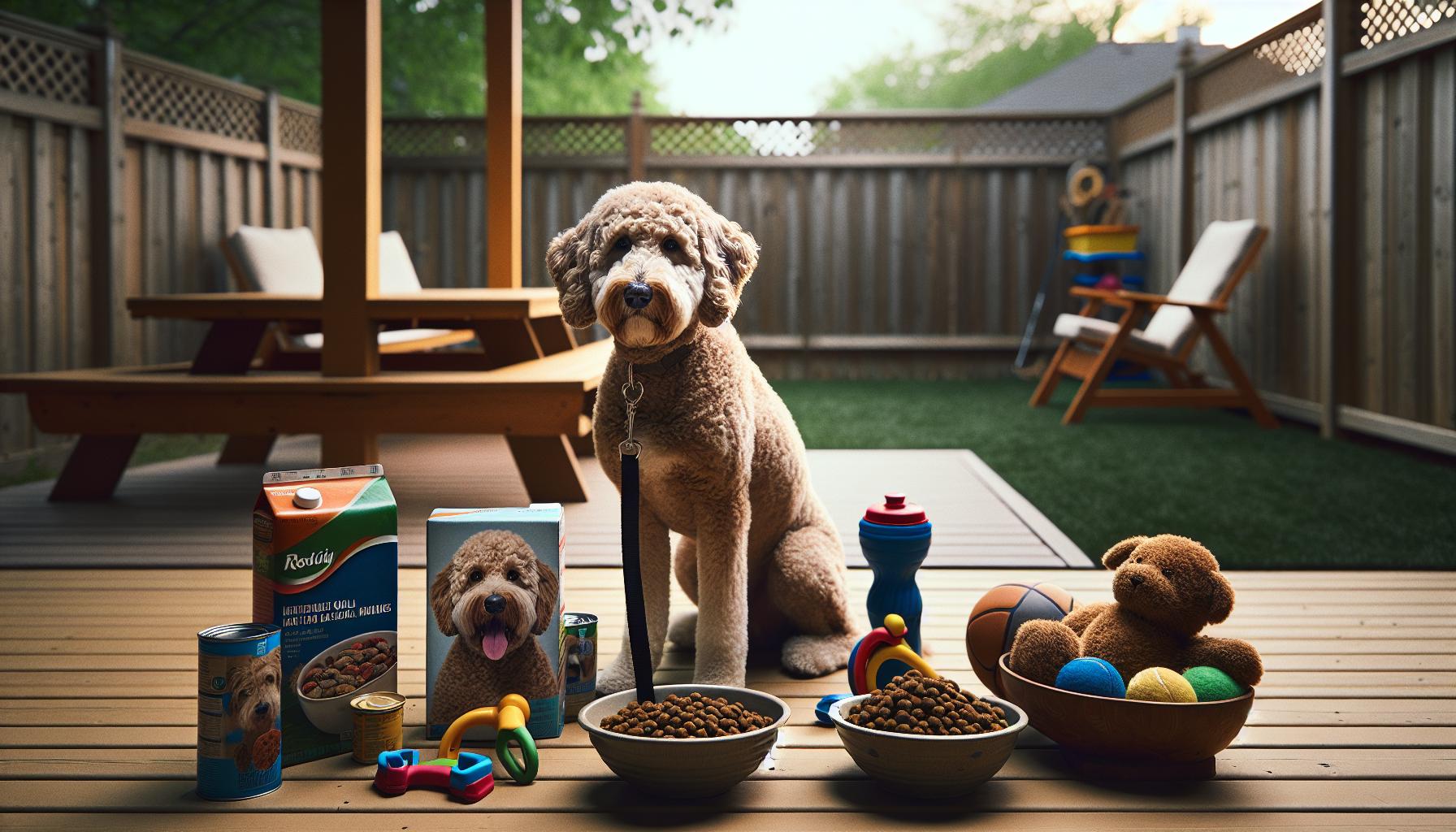
The lifespan of a Labradoodle is greatly influenced by a mix of factors that not only contribute to their longevity but also enhance their quality of life. One of the primary aspects is genetics; just like us, Labradoodles inherit traits from their parent breeds-the reliable Labrador Retriever and the intelligent Poodle. This blend not only provides a generally robust health profile but also introduces specific breed-related predispositions that can affect their lifespan. Dogs from reputable breeders who focus on health testing and breed standards tend to have fewer inherited health problems, impacting their longevity positively.
Nutrition plays a critical role in promoting longevity. Labradoodles thrive on a balanced diet that includes essential nutrients tailored to their age, size, and activity level. High-quality dog food-one that lists meat as the first ingredient and is free from fillers-can greatly influence their weight and energy levels. Maintaining a healthy weight helps reduce the risk of obesity-related issues, which are common in both Labradors and Poodles. Furthermore, incorporating fresh fruits and vegetables into their diet can provide additional nutrients and antioxidants that support overall health.
Exercise and Mental Stimulation
Regular exercise is essential for a Labradoodle’s well-being. These dogs are energetic and intelligent, requiring daily physical activity to stay happy and healthy. Engaging in activities like fetching, running, or participating in dog sports not only builds physical strength but also improves mental agility. A mentally stimulated dog is less likely to engage in undesirable behaviors due to boredom, making exercise a dual-benefit approach for your furry friend.
In addition to diet and exercise, preventive care is vital in extending a Labradoodle’s life. Routine veterinary check-ups can help catch potential health issues early, ensuring timely treatment. Regular vaccinations, parasite prevention, and dental care are paramount. Grooming also plays a key role-regular brushing and bathing not only keep their coat looking beautiful but also allow for skin checks where any unusual lumps or irritations can be identified early, contributing to a longer, healthier life.
Providing a loving, stimulating environment and monitoring your Labradoodle’s health, diet, and exercise can significantly enhance not just their lifespan but their happiness and quality of life throughout the years.
Common Health Issues in Labradoodles
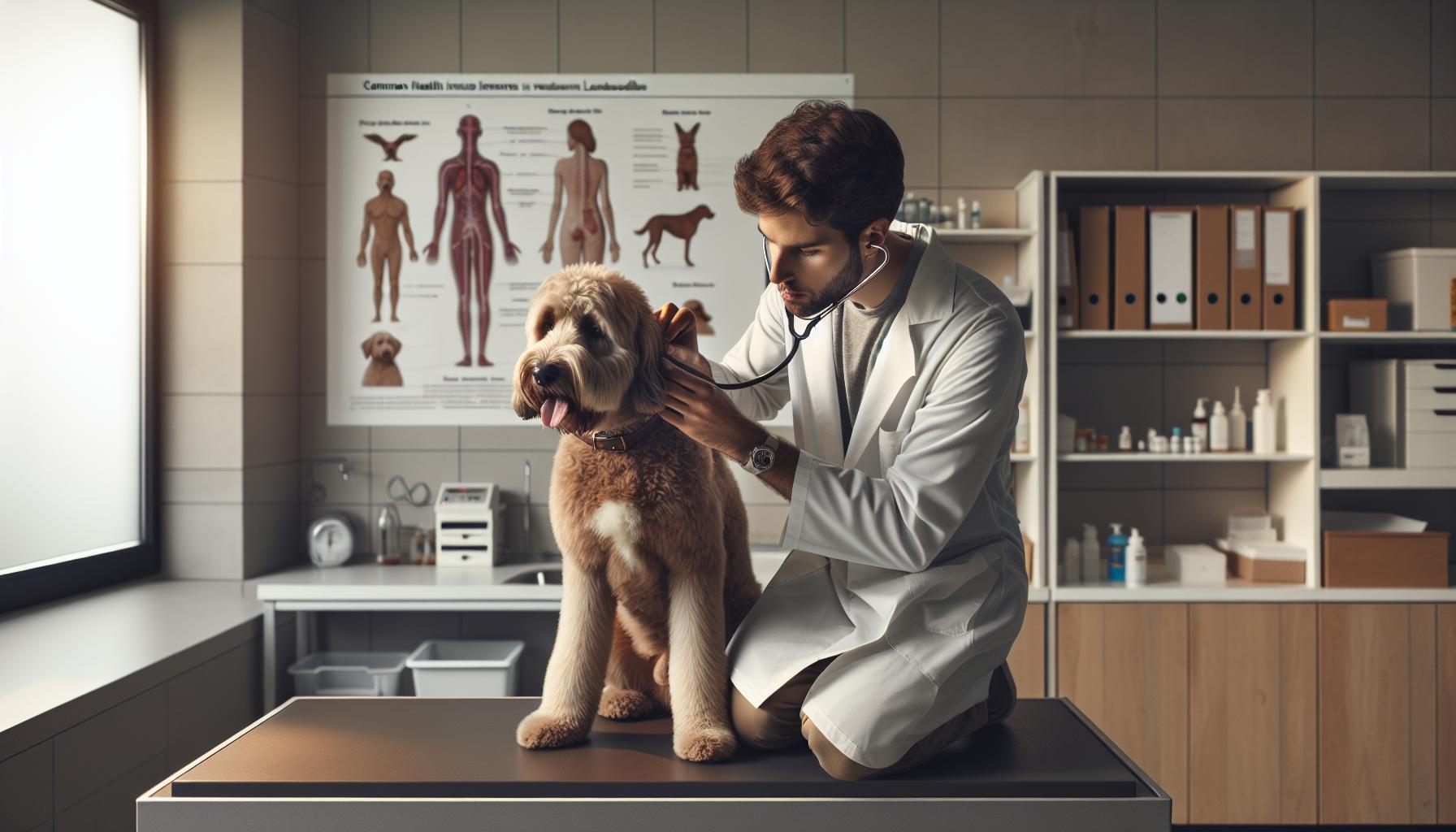
Labradoodles, renowned for their friendly demeanor and hypoallergenic coats, are generally vibrant and healthy dogs, but like any breed, they are not immune to health issues. Understanding the common health problems that can affect Labradoodles is crucial for current and prospective owners who wish to enhance their furry companions’ lifespan and quality of life. By staying informed, you can proactively monitor your dog’s health and seek veterinary assistance when necessary.
Some prevalent health concerns in Labradoodles stem from their parent breeds-the Labrador Retriever and the Poodle. The most significant issues include hip and elbow dysplasia, which are common orthopedic problems leading to arthritis and discomfort. Regular check-ups and offering joint supplements may help mitigate these risks. Additionally, Labradoodles can inherit eye disorders such as progressive retinal atrophy, which can lead to vision loss. Keeping an eye on any changes in your dog’s eyesight and scheduling routine eye exams can be beneficial.
Another important concern is the potential for skin conditions and allergies. Labradoodles often require grooming due to their wavy coats, which, if not maintained, can lead to matting and skin irritation. Regular grooming should include checking for skin lumps or irritations, and using a high-quality shampoo designed for sensitive skin can prevent common dermatological issues. Lastly, be aware of conditions like von Willebrand disease, a blood clotting disorder, and Addison’s disease, affecting the adrenal glands. Regular wellness checks with your veterinarian can help catch these issues early, ensuring your Labradoodle remains healthy and enjoys a long, fulfilling life.
By understanding these health issues and incorporating preventive care, you empower yourself as a responsible pet owner, helping your Labradoodle live a happy, healthy life.
Nutrition’s Role in Extending Lifespan

Providing your Labradoodle with a balanced diet is one of the most effective ways to ensure a long, healthy life. Good nutrition is not just about what fills their bowl; it’s about fueling their bodies to support their activity levels, maintain a healthy weight, and prevent diseases. Labradoodles, being a mix of Labrador Retrievers and Poodles, inherit unique dietary needs from both breeds, making it essential to tailor their nutrition accordingly.
To enhance your Labradoodle’s longevity, consider the following aspects of their diet:
- Quality Ingredients: Choose high-quality dog food that lists meat as the first ingredient. Labradoodles can be prone to allergies and sensitivities, so look for formulas free from fillers like corn and soy.
- Balanced Nutrition: Ensure their diet is balanced with proteins, carbohydrates, fats, vitamins, and minerals. A mix of macronutrients supports energy levels and promotes overall health.
- Portion Control: Monitor their caloric intake to prevent obesity, which can lead to joint issues and other health problems. Consult your veterinarian for appropriate portion sizes based on your dog’s size, age, and activity level.
- Regular Meal Schedule: Establish a routine with set meal times rather than free-feeding. This can help with digestion and prevent overeating.
- Treats and Extras: While treats are great for training and bonding, they should only make up about 10% of your Labradoodle’s daily caloric intake. Opt for healthy options like carrots or green beans instead of more fatty snacks.
In addition to choosing appropriate food, it’s beneficial to be aware of any specific dietary needs your Labradoodle might have as they age. For instance, senior Labradoodles may require diets formulated for joint health or those with lower calories to maintain a healthy weight. Regular consultations with your veterinarian can help tailor a diet plan that evolves with your dog’s life stages.
Remember that hydration is just as crucial as nutrition. Always provide fresh, clean water to keep your Labradoodle well-hydrated, especially if they are active or live in warmer climates. This simple yet vital practice supports their kidney function and overall health.
By prioritizing your Labradoodle’s nutritional needs, you can significantly contribute to their overall wellbeing, encouraging not just a longer lifespan, but a happier one too. Every small change in their diet can lead to noticeable improvements in their energy and vitality, allowing them to live life to the fullest.
Exercise Needs for a Healthy Labradoodle

Labradoodles, with their playful spirit and high energy levels, thrive on regular exercise, which is not only crucial for their physical health but also significantly impacts their longevity. Engaging in daily activities keeps their hearts strong, maintains a healthy weight, and combats the risk of obesity-related conditions that can shorten their lives. These dogs are typically friendly and social, thriving on interaction, which makes playtime and walks not just beneficial but essential for their emotional wellbeing too.
To ensure your Labradoodle remains fit and happy, aim for at least 60 minutes of exercise each day. This can include walks, runs, fetch games, and mental stimulation through puzzle toys that challenge their intelligence. Labradoodles are both retrievers and poodles, meaning they enjoy water play and can be enthusiastic swimmers. Therefore, a trip to a dog-friendly beach can be a delightful way to exhaust their energy while reinforcing their love for human companionship.
Here are some effective ways to fulfill their exercise needs:
- Daily Walks: Set aside time each day for long walks or jogs. Increasing the variety of routes keeps things interesting for both you and your dog.
- Playdates: Social interactions with other dogs encourage natural play and exercise. Consider organizing playdates or visiting dog parks where they can run freely and interact with their peers.
- Agiity Training: Enroll in agility classes, which not only provide exercise but also strengthen the bond between you and your Labradoodle through teamwork and focus.
- Interactive Toys: Invest in interactive toys that challenge their problem-solving abilities and keep them mentally stimulated, especially during days when outdoor exercise may be limited due to weather.
Remember that each Labradoodle is unique, so tailor your activity plans to their age and energy levels. Puppies may need more frequent, shorter bursts of activity, while older Labradoodles might benefit from gentler, more controlled exercises. Regular exercise not only enhances their physical health but also boosts their mood and overall quality of life, helping them live longer, happier lives. By prioritizing this vital aspect of care, you lay the foundation for a vibrant, enduring companionship with your Labradoodle.
Preventive Care for Lifelong Wellbeing
Preventive care is the cornerstone of ensuring that your Labradoodle enjoys a long, healthy life. Regular check-ups, vaccinations, and safeguarding against parasites can help catch potential health issues before they become serious concerns. A proactive approach to your dog’s health can significantly influence their longevity and quality of life. For instance, routine vet visits are essential not only for vaccinations but also for early screenings of hereditary conditions common in Labradoodles, such as hip dysplasia and certain eye diseases.
Like people, dogs can experience a range of health problems that may arise as they age. That’s why providing preventive care is critical. Regular dental care is particularly important in maintaining your Labradoodle’s health, as dental disease can lead to serious health issues like heart and kidney problems. Establishing a dental care routine that includes regular brushing and professional cleanings can have significant long-term benefits. Moreover, monitoring your Labradoodle’s weight and body condition will help you identify any changes early, allowing for timely interventions.
Incorporate preventive measures into your daily life with your Labradoodle. Routine grooming not only keeps their coat healthy but also provides you an opportunity to inspect for any unusual lumps, bumps, or skin irritations. Additionally, consider investing in a high-quality parasite prevention program that includes treatments for fleas, ticks, and heartworms, especially if you often spend time outdoors together.
Lastly, maintaining an enriching environment is crucial for your Labradoodle’s emotional health. Mental stimulation through training, puzzles, and socialization helps keep their minds sharp and reduces stress, which is beneficial for their overall wellbeing. Engage your Labradoodle in various activities, and regularly assess their interests and abilities to keep their lives vibrant and fulfilling. By focusing on these preventive care measures, you’re not just helping to extend your Labradoodle’s lifespan; you’re enhancing the quality of the time you have together.
The Importance of Regular Vet Check-Ups
Regular veterinary check-ups are vital for ensuring that your Labradoodle enjoys a long, vibrant life, and it’s often said that preventative care is worth its weight in gold. Just like how routine health screenings can catch early signs of potential issues in humans, these visits play a crucial role in identifying health concerns in dogs before they escalate. Labradoodles, being a mix of two active breeds, are prone to certain hereditary conditions, such as hip dysplasia, ear infections, and skin allergies. Regular vet visits can help surveil for these issues, allowing for early interventions that can lead to more favorable outcomes.
During a typical check-up, you and your veterinarian can discuss tailored care strategies that accommodate your Labradoodle’s unique needs based on their age, lifestyle, and health status. These consultations are an opportunity to assess weight management, which is increasingly important as obesity can lead to a myriad of health issues, including joint problems and diabetes. Your vet can suggest a suitable diet and exercise plan tailored just for your dog. In addition, veterinarians can provide crucial vaccines and parasite preventatives that guard against diseases which, while preventable, can be particularly dangerous to your pet’s health.
Don’t underestimate the power of routine dental care during these visits! Dental health often impacts overall wellbeing, and Labradoodles can have a tendency toward dental issues. Regular cleanings not only prevent bad breath but can also help avoid serious complications, such as systemic infections and heart disease. Establishing a comprehensive dental care routine, including professional cleanings and at-home care, should be viewed as an essential part of your Labradoodle’s health maintenance.
Furthermore, these check-ups are a fantastic time to discuss behavioral health and emotional wellbeing with your vet. Just as humans can exhibit changes in mood and behavior due to health concerns, your Labradoodle can too. If you’re noticing signs of anxiety or changes in behavior, your veterinarian can help evaluate any underlying health issues that may be influencing your dog’s emotional state. By taking advantage of regular vet check-ups, you not only enhance your Labradoodle’s lifespan but also improve their overall quality of life.
Grooming Tips to Promote Health
Keeping your Labradoodle’s coat clean and healthy is not just about aesthetics; it’s essential for their overall wellbeing and longevity. Regular grooming helps prevent matting, reduces the risk of skin infections, and allows you to keep a close eye on your dog’s skin and body condition. Labradoodles, with their curly or wavy fur inherited from their Poodle lineage, require a grooming routine that caters to their unique coat type.
To start with, brushing your Labradoodle at least once a week is highly advisable. This helps to remove loose hair and dirt while minimizing the chances of mats forming, which can lead to discomfort and skin irritation. If your Labradoodle has a more curly coat, consider using a slicker brush or a comb specifically designed for curly hair. This will help detangle their fur without causing discomfort. For those who may be new to grooming, starting with short sessions can help your dog get accustomed to the process. Many dogs find grooming to be relaxing, especially if you use it as a bonding time that includes gentle petting and treats as rewards.
Hygiene is another key aspect of your Labradoodle’s grooming routine. Regularly check and clean their ears, as Labradoodles can be prone to ear infections due to their floppy ears. A simple check for wax buildup and a gentle cleaning with vet-recommended solutions can work wonders. Additionally, don’t forget about their teeth! Establishing a dental care regimen that includes brushing their teeth a few times a week can greatly benefit their health, preventing periodontal disease, which is linked to heart problems.
Lastly, keeping your Labradoodle’s nails trimmed is crucial. Overgrown nails can cause pain and lead to joint issues over time as your dog compensates for the discomfort. Aim to trim their nails every 3 to 4 weeks or as needed. If you’re unsure about how short to cut, remember that the nails should not touch the ground when your dog is standing. If you’re hesitant about nail trimming, a professional groomer can help guide you.
By incorporating these grooming habits into your Labradoodle’s care routine, you’re not only enhancing their appearance but also promoting their health and happiness, allowing them to live a longer, more comfortable life.
The Impact of Genetics on Lifespan
Genetics play a critical role in determining the lifespan and overall health of Labradoodles, much like any other breed. As hybrids, Labradoodles combine the genetic characteristics of both their parent breeds: the Labrador Retriever and the Poodle. This mixing of genes can often result in what’s known as “hybrid vigor,” which may help to reduce the risk of certain inherited health problems common to purebred dogs. Nevertheless, understanding the genetic predispositions of both parent breeds is essential for managing the health and longevity of your Labradoodle.
One of the most significant factors influencing the lifespan of Labradoodles is their size. Miniature Labradoodles generally live longer than their standard-sized counterparts due to differences in growth rates and metabolic rates. In general, smaller dog breeds tend to have longer lifespans than larger breeds. For instance, while Labradoodles typically live between 12 to 14 years, a mini Labradoodle may reach up to 16 years or more with proper care. This is a direct reflection of their genetic background, as Poodles, particularly, are known for their longevity among dog breeds.
Additionally, conscientious breeding practices can greatly impact a Labradoodle’s health and lifespan. Responsible breeders conduct health screenings on parent dogs for conditions such as hip dysplasia, eye disorders, and other genetic issues that can be inherited. By selecting breeding pairs with favorable health histories, quality breeders help minimize the risk of passing on hereditary conditions to pups. As a Labradoodle owner, it is crucial to source your dog from a reputable breeder who prioritizes genetic health and demonstrates transparency regarding health testing results.
Moreover, genetics also influence not only physical traits but behavioral tendencies that can impact overall wellbeing. Labradoodles are known for their intelligence, adaptability, and friendly demeanor, traits inherited from both Poodles and Labradors. Encouraging mental and emotional enrichment through training and socialization can capitalize on these genetic strengths, fostering a happier, more well-adjusted dog. Happy and mentally stimulated dogs often have lower stress levels, contributing to better overall health and potentially longer lifespans.
By understanding the genetic factors at play, you can take proactive steps to enhance your Labradoodle’s quality of life, thus encouraging a longer, healthier companionship. Whether it’s selecting a responsible breeder, engaging in preventive care, or simply providing a loving environment, every effort counts in ensuring your Labradoodle lives its fullest life.
Emotional Wellbeing and Longevity
A happy Labradoodle is often a healthy Labradoodle! Emotional wellbeing plays a pivotal role in the overall longevity and quality of life of these beloved dogs. Evidence suggests that dogs who enjoy robust emotional health tend to live longer and exhibit fewer health issues. In fact, the bond between a dog and its owner can significantly influence the dog’s happiness and overall outlook on life. Labradoodles, known for their friendly and social nature, thrive on interactions with their families, making emotional enrichment an essential aspect of their care.
To foster emotional wellbeing in your Labradoodle, consider implementing a variety of enriching activities that engage their minds and bodies. Here are some effective strategies:
- Consistent Training: Use positive reinforcement techniques to teach commands and tricks. This not only mentally stimulates your dog but also strengthens your bond.
- Socialization: Expose your Labradoodle to different environments, people, and other dogs. Regular playdates and trips to the dog park can greatly enhance their social skills and reduce anxiety.
- Quality Time: Dedicate time each day for one-on-one interactions. Whether it’s a cuddle session on the couch or an adventurous walk, these moments reinforce trust and affection.
- Interactive Toys: Invest in puzzle toys or treat-dispensing devices that challenge your dog mentally while providing entertainment and satisfaction.
Incorporating these activities not only enriches your dog’s emotional landscape but also contributes to a balanced and full life. The impact of emotional wellbeing can be profound; a Labradoodle that feels loved, secure, and mentally engaged is more likely to exhibit behaviors like resilience and adaptability. These traits, in turn, may lead to lower stress levels and a longer lifespan.
Additionally, it’s crucial to be attentive to signs of emotional distress or anxiety in your Labradoodle. Changes in behavior, such as excessive barking, destructive chewing, or reluctance to engage, may signal emotional issues. Providing consistent routine and addressing any environmental stressors is vital for helping your dog feel secure. Remember, fostering an emotionally healthy environment for your Labradoodle not only strengthens your bond but also enhances their longevity, making every precious moment together even more meaningful.
How to Enhance Your Labradoodle’s Quality of Life
Enhancing the quality of life for your Labradoodle not only contributes to their happiness but can also significantly impact longevity. These dogs thrive on companionship and activity, so fostering a nurturing environment is essential. Start by incorporating daily routines that keep them physically and mentally stimulated. Engaging in activities such as fetch in the backyard or any interactive games can be both enjoyable and beneficial. The bond you create through these shared experiences strengthens trust and can elevate their overall wellbeing.
To keep your Labradoodle in top shape, a balanced diet tailored to their specific health needs is crucial. Invest in high-quality dog food appropriate for their age, size, and activity level. Consulting with your veterinarian about dietary choices ensures that you are addressing their nutritional needs effectively. Keep an eye on their weight, as obesity can lead to various health issues, reducing their lifespan. Adding some variety to their diet with healthy treats, such as carrots or green beans, can foster excitement during mealtime and provide essential nutrients.
Regular exercise is non-negotiable for Labradoodles; they require a minimum of 30 to 60 minutes of activity daily. Incorporating activities like hiking, swimming, or even agility training not only burns off energy but also sharpens their mental acuity. Consider scheduling playdates with other dogs to provide socialization opportunities, which can enhance their happiness and reduce anxiety. Remember, a well-exercised Labradoodle is not just a happier dog; they are also healthier and less prone to behavioral issues stemming from boredom or frustration.
Lastly, ensure that you prioritize preventive care through regular vet check-ups and vaccinations. This proactive approach allows for early detection of potential health problems and can lead to more effective management. Early intervention often results in better health outcomes, which can ultimately lead to a longer, happier life for your beloved Labradoodle. By focusing on nutrition, exercise, and preventive care, you are creating a holistic plan that can dramatically enhance your dog’s quality of life and longevity.
Labradoodles: Lifespan Compared to Other Breeds
Labradoodles typically enjoy a lifespan that ranges between 12 to 14 years, placing them in a favorable category compared to many other breeds. This remarkable longevity can be attributed to their mixed lineage, combining the robust health traits of both Labrador Retrievers and Poodles. Understanding how Labradoodles compare to other breeds can help prospective and current owners appreciate the factors contributing to their longevity and enhance their care strategies.
When evaluating Labradoodles against other popular breeds, such as Golden Retrievers and Bulldogs, it’s interesting to note the differences in average lifespans. Golden Retrievers usually live around 10 to 12 years, while Bulldogs often only reach about 8 to 10 years due to their predisposition to various health complications. This comparison highlights the overall resilience of Labradoodles, making them an appealing choice for families seeking a long-term canine companion.
In addition to their genetic background, several factors that influence a Labradoodle’s lifespan include nutrition, exercise, regular veterinary care, and environmental conditions. Adopting proactive measures such as providing a balanced diet rich in essential nutrients, ensuring adequate daily exercise, and scheduling regular vet check-ups can significantly extend their lifespan beyond average expectations.
Here’s a brief comparison table showcasing the average lifespans of Labradoodles and other breeds:
| Dog Breed | Average Lifespan (Years) |
|---|---|
| Labradoodle | 12-14 |
| Golden Retriever | 10-12 |
| Bulldog | 8-10 |
| Beagle | 12-15 |
| Poodle (Standard) | 12-15 |
By understanding these comparisons, owners can better appreciate the unique attributes of Labradoodles and the steps necessary to ensure a long, healthy life. Ultimately, the joy of sharing many years with these remarkable dogs lies in their health-supporting that through dedicated care fosters the bond that makes them such wonderful companions.
Q&A
Q: How long do Labradoodles typically live?
A: Labradoodles generally live between 12 to 14 years. Their lifespan can vary based on several factors, including genetics, health care, and lifestyle. Consistent veterinary check-ups can help monitor and enhance your Labradoodle’s longevity.
Q: What factors can affect the lifespan of a Labradoodle?
A: The lifespan of a Labradoodle can be influenced by genetics, diet, exercise, and overall health care. Regular vet visits and a balanced diet tailored to their needs also play crucial roles in extending their life expectancy.
Q: Are Labradoodles prone to specific health issues that impact longevity?
A: Yes, Labradoodles can inherit certain health problems, including hip dysplasia and progressive retinal atrophy. Being aware of these potential issues allows for proactive health care, which can enhance their lifespan. For more on health issues, explore our section on Common Health Issues in Labradoodles.
Q: Can nutrition improve a Labradoodle’s lifespan?
A: Absolutely! Proper nutrition can significantly impact a Labradoodle’s health and lifespan. A diet rich in high-quality proteins, vitamins, and minerals supports their immune system and helps prevent obesity, which is linked to various health problems.
Q: What exercise routine is best for a Labradoodle to ensure a long life?
A: Labradoodles require regular exercise to maintain a healthy weight and support heart health. Daily walks, playtime, and mental stimulation through activities like agility or obedience training are excellent ways to keep them active and engaged.
Q: How often should I take my Labradoodle for vet check-ups?
A: Routine veterinary check-ups should occur at least once a year for adult Labradoodles; however, older dogs may require more frequent visits. Regular health screenings can detect potential health issues early, aiding in proactive care and longevity.
Q: Is grooming important for a Labradoodle’s health and lifespan?
A: Yes! Regular grooming helps keep your Labradoodle’s coat healthy and reduces the risk of skin problems and infections. Proper grooming practices, like brushing and bathing, contribute to overall health and comfort, enhancing their quality of life.
Q: What role does emotional wellbeing play in a Labradoodle’s lifespan?
A: Emotional wellbeing is crucial for a Labradoodle’s health. A well-adjusted dog enjoys a better quality of life, which can lead to a longer lifespan. Ensuring they have companionship, regular mental stimulation, and a safe environment supports their emotional health.
The Conclusion
As you consider the longevity of Labradoodles, remember that with proper care, their lifespan can be maximized. Regular vet check-ups, a balanced diet, and ample exercise are vital to ensuring your furry companion lives a long, joyful life. If you’re curious about breed-specific care tips or how to address potential health issues, check out our articles on Labradoodle health and wellness and what to expect when adopting a Labradoodle.
Don’t let uncertainty hold you back! If you’re ready to enrich your Labradoodle’s life, explore our resources to find nutrition guides, training tips, and more. Join our community by signing up for our newsletter to receive expert advice and stay connected with fellow dog lovers. Your Labradoodle’s happiness and health begin with informed choices – take action today to ensure they thrive for years to come!