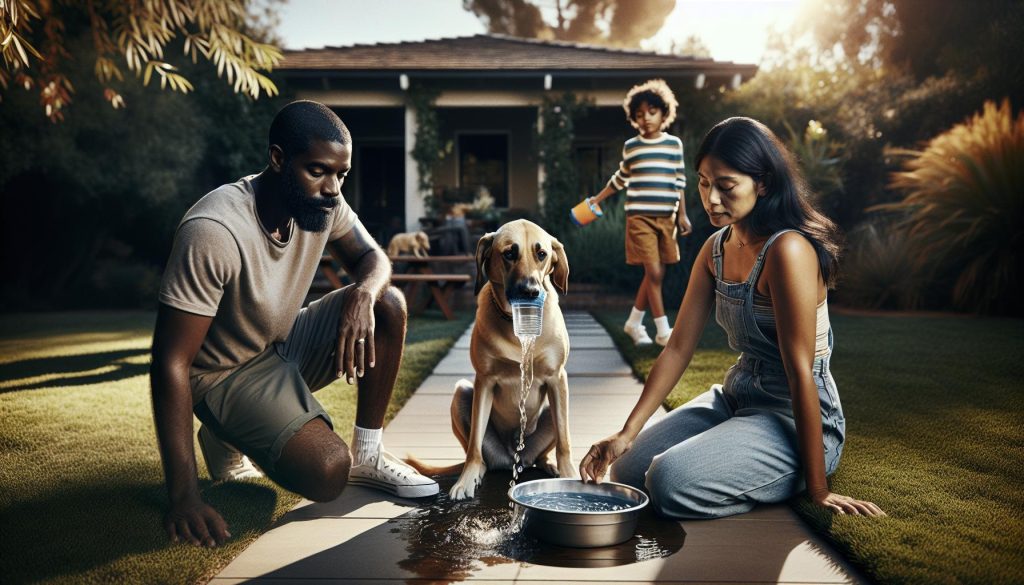
Did you know that dogs can be at risk for a condition known as water intoxication when they drink too fast? While we often focus on keeping our furry friends hydrated, it’s crucial to understand that gulping water too quickly can lead to serious health issues and, in rare cases, even death. As a responsible dog owner, ensuring your pet’s safety during hydration is just as important as the water itself. This article will guide you through the potential dangers of rapid drinking, help you recognize warning signs, and provide practical strategies to prevent such tragedies. By learning how to manage your dog’s drinking habits, you can keep them healthy, happy, and safe. Let’s dive into this important topic so you can protect your beloved companion and promote their well-being.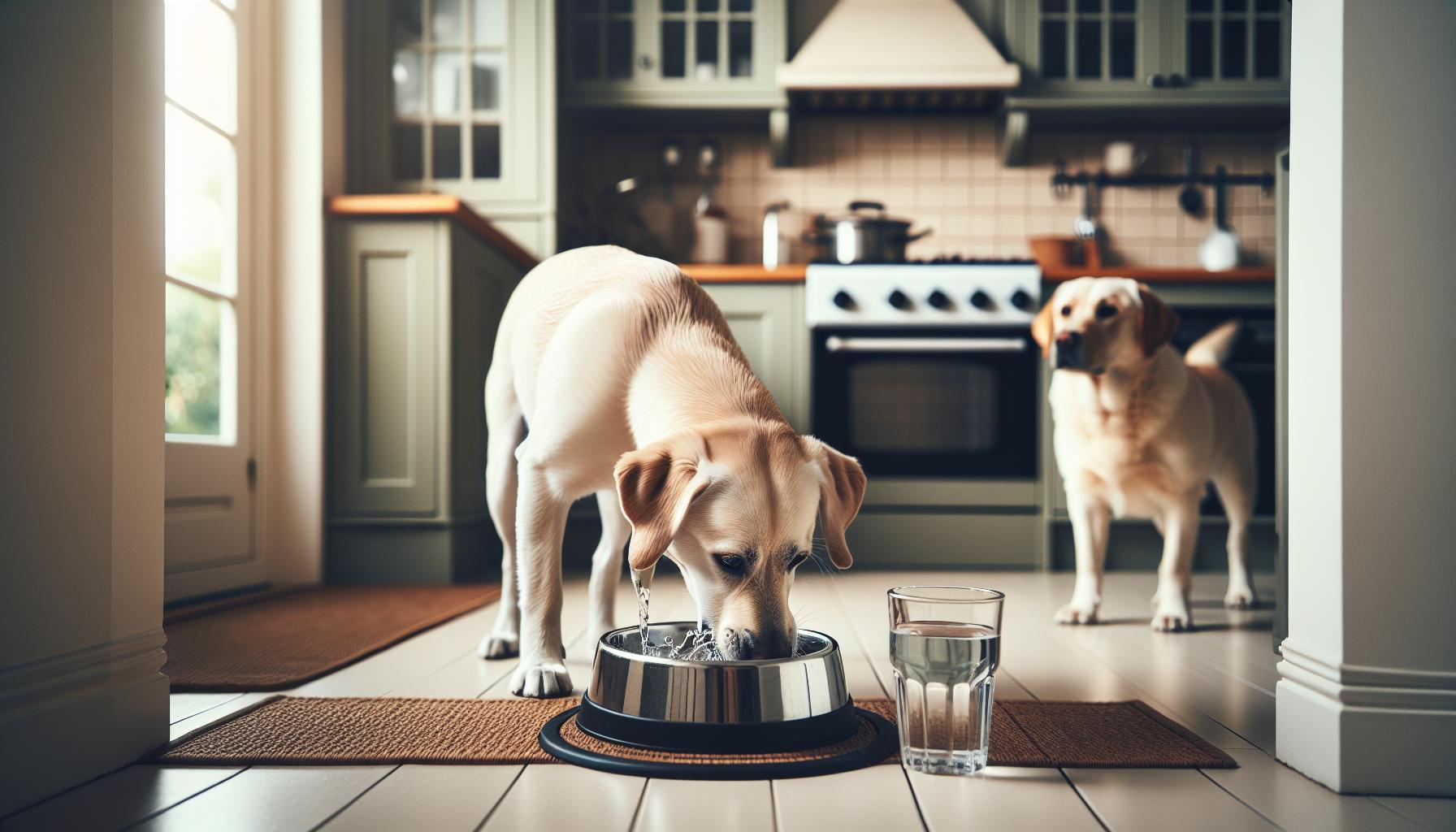
Understanding the Risks of Fast Drinking in Dogs
Dogs can be enthusiastic drinkers, but sudden and excessive water consumption can pose serious health risks, a fact many new dog owners may overlook. Rapid drinking can lead to a condition known as water intoxication, which is not just uncomfortable, but potentially life-threatening. When dogs drink too quickly, they can ingest an overwhelming amount of water, disrupting the balance of electrolytes in their system. This can lead to symptoms such as confusion, seizures, or even coma in severe cases. Understanding the mechanics behind this behavior can help prevent tragic outcomes.
The risk is particularly heightened in certain scenarios. For example, high-energy dogs that engage in vigorous play or exercise may gulp water down after a strenuous session without letting their body catch up with the sudden influx. Additionally, certain breeds, especially those predisposed to gulping food or water, like Bulldogs or Labrador Retrievers, are more likely to encounter problems. These breeds may struggle with the physical volume of water in their stomachs, leading to bloating or other gastrointestinal distress. Owners should be more vigilant and proactive in monitoring these dogs during and after exercise, ensuring that their hydration habits are both safe and gradual.
Implementing safe drinking habits is key to mitigating these risks. Consider using slower feeder bowls designed to encourage a more moderated intake of water. Spread out drinking sessions through the day rather than allowing your dog access to large bowls of water all at once. Regularly assess how your dog drinks, looking for signs of distress or unusual behavior, and consult with your veterinarian about establishing a healthy hydration routine. By being proactive, you can help ensure that your canine companion stays safe and healthy, enjoying their water without risk to their wellbeing.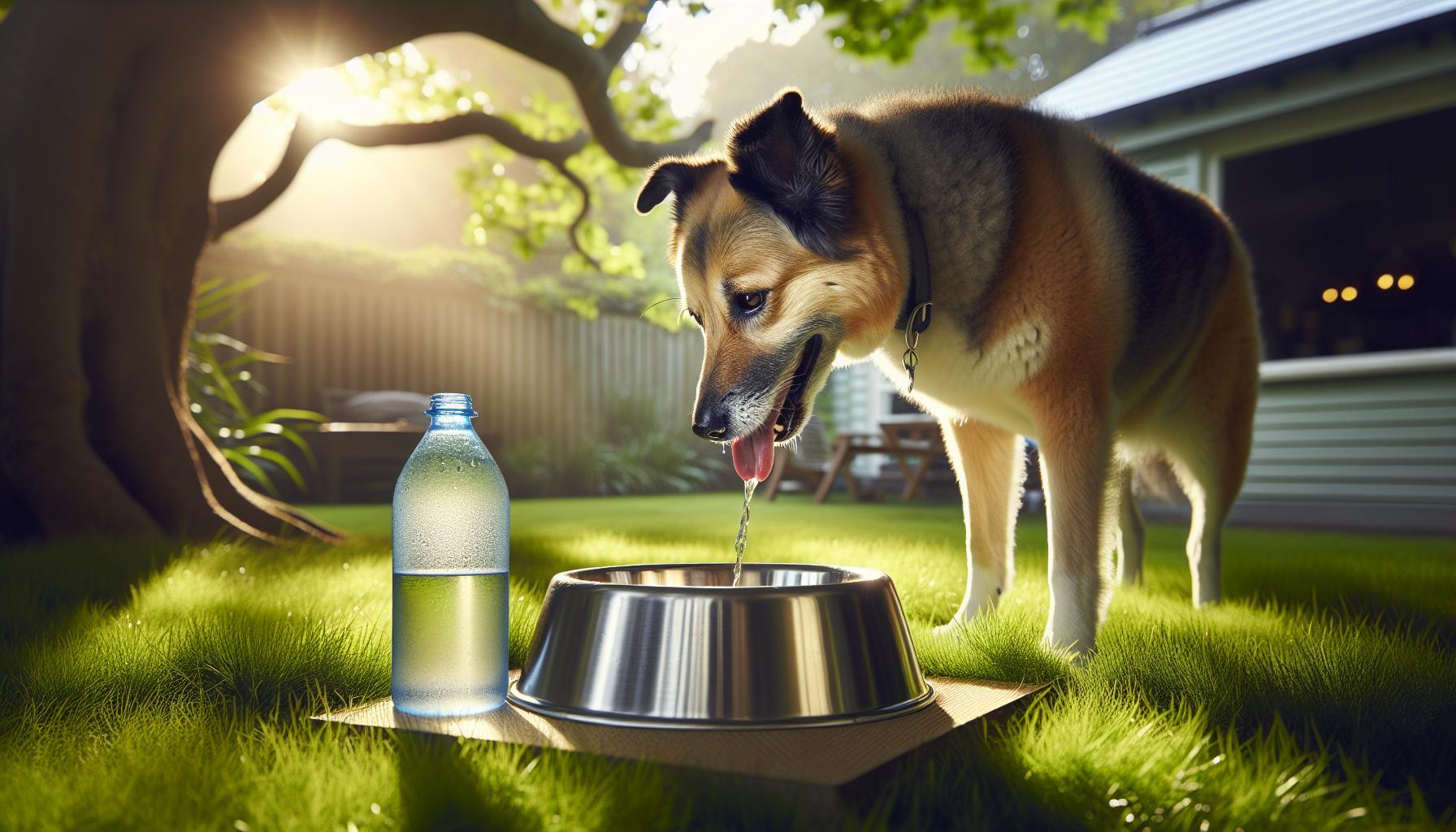
How Water Intake Affects Dog Health
Enthusiastic tail wags and playful barks can often be accompanied by eager slurps of water. However, what many dog owners might not realize is that the amount and speed at which their dogs consume water can significantly influence their health. Water is essential for dogs, just as it is for all living beings, but too much of it in a short period can lead to severe consequences. When dogs drink excessively and quickly, they risk developing a condition known as water intoxication or hyponatremia, which can disrupt the balance of electrolytes in their bodies, potentially leading to swelling of the brain, seizures, or even death.
Water intake has direct implications for various critical bodily functions in dogs. It aids in digestion, regulates body temperature, and supports joint lubrication. However, the ideal amount of water varies based on factors like size, activity level, and environmental conditions. For instance, a small dog like a Chihuahua will need markedly less water than a large breed such as a Great Dane. When a dog drinks too quickly, it can lead to gastrointestinal distress since their stomachs may not have time to process the influx, leading to symptoms like vomiting or bloating.
To safeguard your furry friends against complications from rapid drinking, consider how you manage their hydration throughout the day. Introducing a routine for water breaks, particularly after exercise, can make all the difference. Rather than placing a large bowl of water at their disposal continuously, try offering smaller amounts more frequently. This strategy not only helps monitor their intake but also encourages a calmer drinking pace. For breeds known for gulping, like Labradors or Bulldogs, supplemental tools such as slow-feed water bowls can be particularly beneficial. These bowls are designed to help slow their drinking and reduce the risk of associated health issues.
Moreover, watching for signs of discomfort or distress when your dog drinks can provide valuable insights into their hydration habits. If your dog appears to be gulping or shows signs of anxiety when drinking, it may be time to reassess how you approach their water intake. Consulting with a veterinarian will also be invaluable in creating a tailored hydration plan that meets your dog’s specific needs. By fostering a healthy relationship with water, you can help ensure that your loyal companion remains vibrant and happy.
Signs Your Dog is Drinking Too Quickly
Observing your dog’s drinking habits is crucial for maintaining their health and well-being. Many pet owners may not realize the dangers posed by rapid drinking, which can lead to serious health issues, including water intoxication. Recognizing the signs that your dog is guzzling water too quickly can help you implement preventative measures before a serious situation arises.
One of the first indicators that your dog is drinking too fast is the manner in which they approach their water bowl. If you notice your furry friend eagerly gulping down water, often without taking breaks for air, this behavior can lead to discomfort. Dogs that drink quickly may also exhibit signs of distress, such as gagging or coughing after drinking, which can be alarming. Additionally, look for symptoms that occur after drinking, such as excessive drooling, vomiting, or bloating. These signs suggest that their stomachs are struggling to cope with the rapid influx of liquid, placing them at risk for more serious health complications.
Breeds such as Labradors, Bulldogs, and Boxers are often known for their enthusiastic drinking habits due to their high levels of energy. If you own a breed prone to fast drinking, consider monitoring their intake more closely. Give them smaller amounts of water more frequently instead of a full bowl, which can encourage calmer drinking behavior. Using a slow-feed water bowl can also help your dog pace themselves, allowing their stomach time to adjust and minimizing the risk of gastrointestinal distress.
In summary, keep an eye out for those subtle signs and be proactive in managing your dog’s drinking habits. If you suspect your dog is drinking too quickly or shows any signs of distress, consult your veterinarian for tailored advice and strategies to help your pet maintain a safe and healthy hydration routine. With a little observation and adjustment, you can help your canine companion drink safely and joyfully.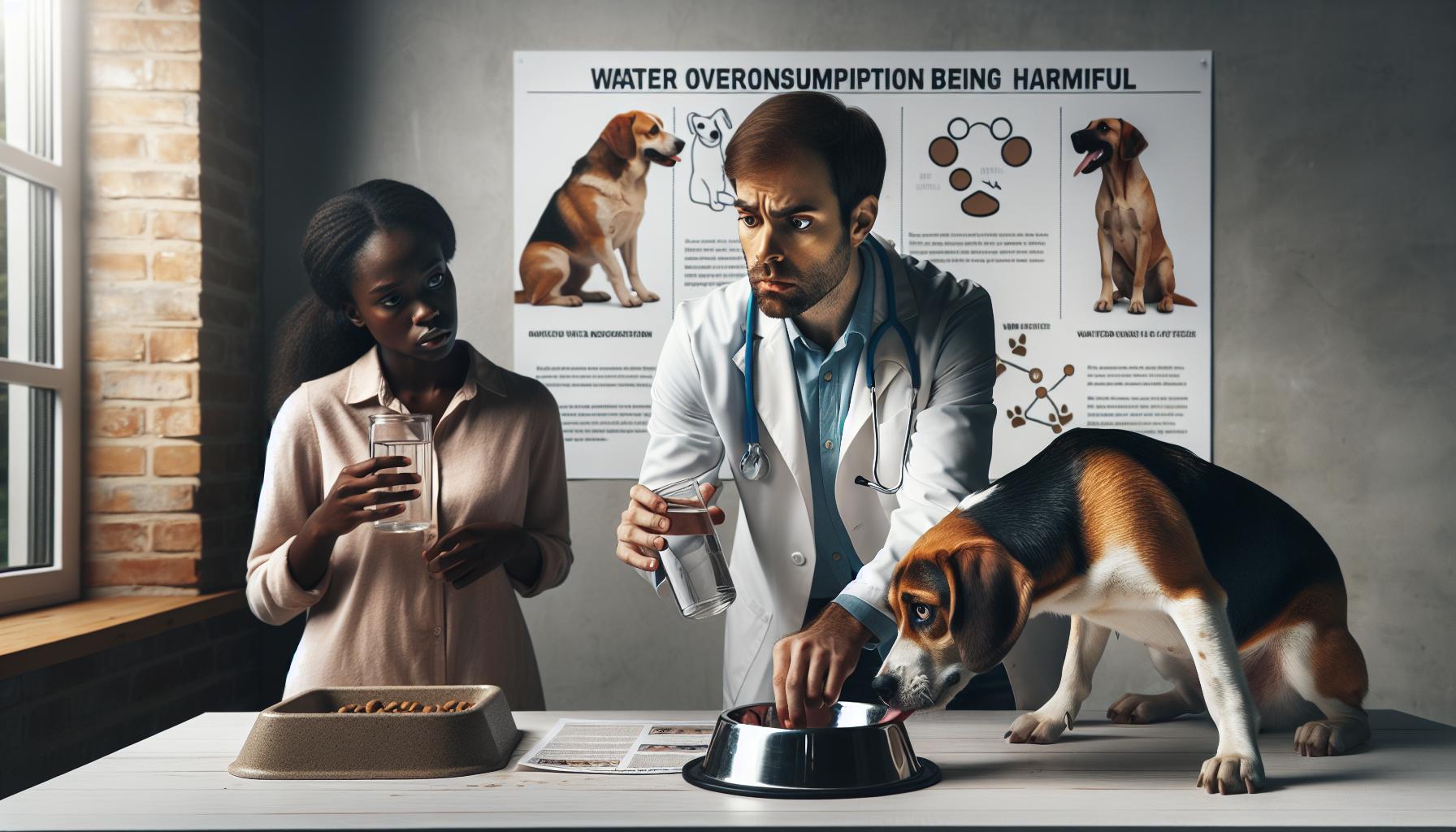
Can Dogs Really Die from Water Consumption?
While it may seem surprising, dogs can indeed face serious health risks from drinking water too quickly, and in extreme cases, this can even be fatal. The phenomenon, known as water intoxication or hyponatremia, occurs when a dog consumes excessive amounts of water in a short period of time. This rapid influx can dilute sodium levels in the bloodstream, disrupting the balance of electrolytes that are crucial for normal cellular function.
In practical terms, the risk heightens especially if a dog drinks a large volume of water after intense exercise or during playtime. Breeds prone to enthusiastic behavior, such as Labrador Retrievers or Boxers, may be particularly vulnerable. For instance, a dog could gulp down a bowl of water after a vigorous game of fetch without taking breaks, leading to potential water intoxication. Signs to watch for include lethargy, bloating, disorientation, and even seizures, which should prompt immediate veterinary attention.
To help prevent such tragic outcomes, it’s essential for dog owners to take proactive measures. Consider implementing a hydration routine that incorporates smaller, more frequent water breaks throughout the day. Additionally, tools like slow-feed water bowls can encourage more controlled drinking behavior, allowing dogs to pace themselves and reducing the likelihood of gulping. Always be attentive to specific needs based on your dog’s breed and activity level; after all, our dogs depend on us not only for love and companionship but also for their health and safety.
By being mindful and observant, you can significantly decrease the risks associated with fast drinking and ensure your canine companion stays healthy and happy.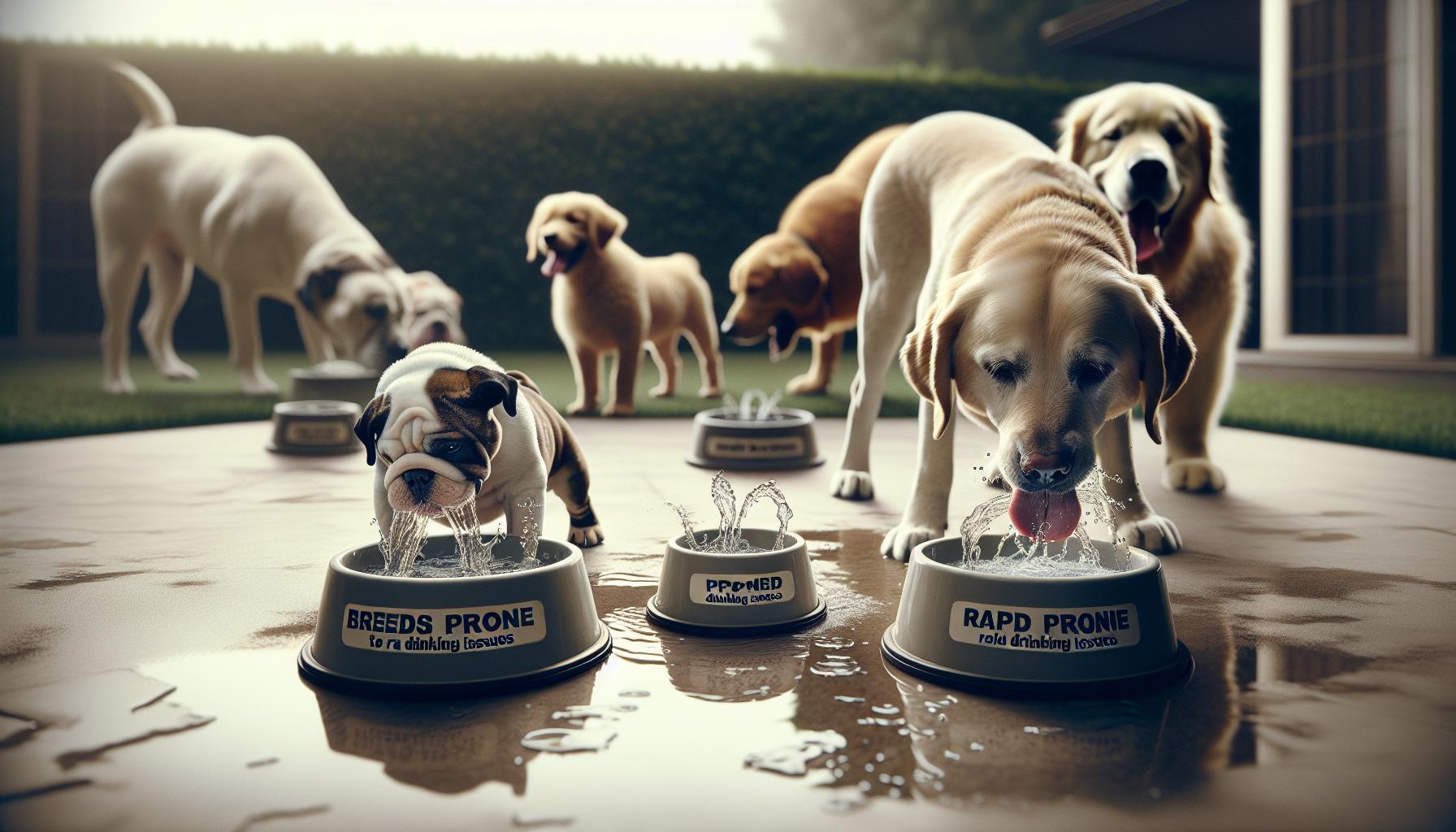
Breeds Prone to Rapid Drinking Issues
Certain dog breeds are more inclined to drink water rapidly, which can sometimes lead to serious health complications. Understanding the specific predispositions of these breeds allows owners to implement more effective preventative measures. For instance, breeds known for their enthusiastic personalities or competitive natures, such as Labrador Retrievers, Golden Retrievers, and Boxers, tend to gulp water as if it were a race rather than taking their time. Their natural exuberance makes them more likely to dive headfirst into a water bowl, especially after an exciting game of fetch or a vigorous run.
Another group of breeds that may exhibit rapid drinking habits includes those with high energy levels, like Border Collies and Belgian Malinois. These dogs are often involved in intense physical activities, leading to increased thirst. When they finally do get a chance to hydrate, it can turn into a binge-drinking session. As a responsible owner, it’s crucial to monitor their water intake closely and be proactive about their drinking habits.
To better equip yourself, consider a few essential strategies tailored to these high-energy breeds. Start by introducing a slow-feed water bowl which can make it difficult for dogs to gulp their water down and encourage them to take smaller sips. Another effective technique is to provide water breaks during playtime. You can set a timer to remind yourself to pause games every 15 to 20 minutes, allowing your dog to hydrate in a controlled manner. Offering ice cubes or frozen treats can be a fun and engaging way to keep them hydrated while slowing down their drinking pace.
In terms of care, it’s beneficial to maintain a detailed hydration schedule. Include measurement points (e.g., “Refill water bowl after 30 minutes of play”) to establish healthier drinking patterns. This proactive approach can significantly reduce the risk of potential health issues like water intoxication, helping ensure your beloved companion remains happy and healthy.
Implementing Safe Drinking Habits for Your Dog
is crucial not only for their immediate hydration needs but also for their long-term health. Many dog owners might not realize the risks associated with rapid drinking, which can lead to life-threatening conditions like water intoxication. This risk often becomes apparent after an energetic play session, especially among certain breeds that are prone to drinking quickly, such as the exuberant Labrador Retriever or the enthusiastic Boxer. Thankfully, there are several actionable strategies you can adopt to help manage your dog’s drinking habits.
One effective method is to utilize a slow-feed water bowl. These specially designed bowls slow down the rate at which dogs can drink, reducing the risk of gulping down too much water too quickly. You can also consider smaller, more frequent water breaks during active play. Setting a timer for every 15 to 20 minutes allows you to pause playtime, take a moment to cool down, and offer your dog a drink in a controlled manner, encouraging them to take sips rather than gulps. Providing ice cubes or frozen treats can be another engaging way to ensure they’re not only hydrated but also enjoying their drinking experience; dogs usually enjoy chewing on ice, which can slow their drinking while also helping keep them cool.
Here are some additional tips to consider:
- Monitor Water Intake: Keep an eye on how much and how often your dog drinks to spot any rapid changes in behavior.
- Hydration Schedule: Create a schedule to establish healthy drinking habits, such as refilling the water bowl after specific activities.
- Offer Water in Different Locations: If your dog has a tendency to gulp, try placing water bowls in various areas so they take breaks and drink smaller amounts more frequently.
Ultimately, your goal should be to foster a healthy relationship between your dog and water. Being mindful of their drinking habits is a simple yet impactful way to enhance their wellbeing and prevent potential health issues. Getting into this routine not only helps your dog stay safely hydrated but also keeps your peace of mind intact as a responsible pet owner.
Emergency Actions for Water-Related Incidents
When a dog gulps down water too quickly, it can lead to severe consequences, including water intoxication, which, in extreme cases, can be fatal. If you suspect your dog has consumed a dangerously large amount of water rapidly, it’s essential to act swiftly and calmly to mitigate the situation. Firstly, observe your dog closely for signs of distress such as excessive drooling, vomiting, lethargy, loss of coordination, or bloating. These symptoms may indicate that medical attention is necessary.
If your dog shows these symptoms, do not hesitate to contact your veterinarian or an emergency animal clinic immediately. While you wait for professional help, keep your dog calm and quiet. Monitor their breathing and heart rate, as these vital signs can help you provide critical information to the vet. If your dog is conscious and alert enough, you may try to prevent further water intake by removing their access to water until you’ve received guidance from a veterinarian.
It’s also wise to educate yourself on canine basic first aid, specifically regarding water-related incidents. Being prepared means knowing the emergency numbers for local vet clinics or poison control centers. Have a pet first aid kit ready at home, including necessary supplies such as gauze, antiseptics, and, most importantly, the contact information of your vet. Understanding the risks involved with your dog’s drinking habits will empower you to act quickly in an emergency.
In general, prevention is the best strategy. Teach your dog to drink in moderation by offering water in smaller amounts and using slow-feed bowls if they tend to gulp. This proactive approach can help minimize the risks associated with rapid water consumption, allowing your furry friend to enjoy their hydration safely. Remember, while water is essential for your dog’s health, being vigilant about their drinking habits can prevent tragic situations from occurring. Always err on the side of caution; if something feels off, don’t hesitate to reach out to your vet. Your awareness and preparedness can make all the difference.
Long-Term Health Effects of Fast Water Consumption
Drinking water too quickly can pose risks that extend beyond immediate symptoms, leading to long-term health problems for your furry friend. While water is essential to a dog’s health, consuming it in large quantities rapidly can disrupt the delicate balance of electrolytes in their body, particularly causing water intoxication or hyponatremia. This condition occurs when sodium levels in the bloodstream drop to dangerously low levels, leading not only to acute responses but also potential lasting impacts on your dog’s overall health.
Over time, frequent episodes of rapid drinking can strain your dog’s kidneys as they work to process and expel excess water. This ongoing stress can lead to conditions such as chronic kidney disease, which often manifests gradually, making early detection difficult. Signs of kidney issues can include increased thirst, frequent urination, and weight loss. Moreover, if a dog develops a habit of drinking excess water quickly, they may be more prone to gastrointestinal problems, such as bloating and gas, due to the high volume of air swallowed alongside water.
To help mitigate these risks, it’s vital to instill healthy drinking habits early on. Consider implementing a hydration schedule that encourages regular, smaller amounts of water intake throughout the day rather than allowing free access to large quantities at once. Using slow-feed bowls or specially designed watering devices can also promote mindful drinking. These tools not only help control the flow of water but also turn hydration into an engaging activity for your dog, reducing the likelihood of rapid consumption.
Additionally, monitor your dog’s drinking behavior closely. If you notice consistent patterns of fast drinking, consult with your veterinarian. They can provide tailored advice suited to your dog’s specific breed and health history, ensuring your canine companion maintains a healthy lifestyle. Being proactive about your dog’s water intake can significantly reduce the risk of both immediate and long-term health consequences, keeping your beloved pet safe and sound.
Expert Vet Tips to Prevent Fast Drinking
When it comes to keeping our furry friends safe and healthy, a surprising detail often overlooked is how quickly they drink water. Understanding the risks associated with fast drinking is crucial to preventing potential tragedies. Here are some expert tips to help you create a safer drinking environment for your dog.
Firstly, consider the type of bowl you’re using. Traditional water bowls can encourage rapid drinking, especially in larger or more enthusiastic breeds. Opt for slow-feed water bowls designed with barriers that force your dog to take smaller sips. This not only slows down their intake but also provides mental stimulation. You could also experiment with elevated bowls, as they may promote more natural drinking posture, thus reducing the likelihood of gulping.
Another effective strategy is to implement a scheduled hydration plan. Instead of leaving the water bowl full all day, offer fresh water at timed intervals. This encourages your dog to drink in a controlled manner. Observe their responsiveness-most dogs will adapt nicely to this routine. Furthermore, if your dog seems to gulp down water too quickly, try providing ice cubes or frozen treats. This not only makes drinking more engaging but also moderates their water intake.
Monitoring your dog’s behavior is crucial. Pay attention to any changes in water consumption patterns and note any signs of distress or discomfort after drinking. Some breeds, such as Labradors and Golden Retrievers, may be more prone to drinking quickly due to their enthusiastic nature, while others might be more cautious. Tailoring your approach based on breed-specific behavior can make a significant difference. If you notice your dog frequently drinking excessively fast, it’s wise to consult your veterinarian for personalized guidance and to rule out any underlying health issues.
Finally, always combine these tips with an engaging environment and regular exercise. Dogs that are physically and mentally stimulated are less likely to engage in hasty drinking behaviors. Create a fun routine that includes playtime and regular walks, ensuring your dog stays hydrated but also learns to appreciate slow and steady sips when they get back home. By fostering these habits, you’ll help your beloved pet avoid the dangers of fast drinking while strengthening your bond through shared activities.
Creating a Hydration Schedule for Your Dog
Creating a proper hydration schedule is essential for ensuring your dog stays healthy and avoids the dangers of drinking too quickly. Did you know that dogs can gulp down water faster than you might expect, leading to potential health risks? By establishing a structured routine, you can help your furry friend drink at a safe pace while still fulfilling their hydration needs.
To set up an effective hydration schedule, start with observing your dog’s existing drinking habits. Take note of when they seem most thirsty-often after playtime or walks. Aim to provide water after these activities but do so in controlled intervals to prevent gulping. A good practice is to have a designated “drink time” after exercise, during which you can supervise and encourage them to take small sips rather than large gulps.
It’s also beneficial to use a measuring cup or a specific water bottle for your dog’s intake to keep track of how much they drink each day. Aim for about 1 ounce of water per pound of body weight, but adjust this based on their activity level and environmental conditions. If you’re unsure, consult your veterinarian for personalized recommendations. Sticking to regular times-like first thing in the morning, after meals, and after play-can guide you in maintaining this schedule.
Incorporating water-rich foods into their diet can also aid hydration. For example, adding some wet food or incorporating fruits like watermelon or cucumbers (in moderation) can provide additional moisture. Always ensure fresh, clean water is accessible, and consider interactive toys that encourage your dog to engage more leisurely with their water source.
By implementing this hydration schedule, not only do you promote healthier drinking habits, but you also enhance your dog’s overall wellness and enjoyment of water. It’s an excellent way to ensure they stay hydrated without the risk of rapid drinking, helping to create a happy and safe environment for your beloved companion.
Hydration and Exercise: Finding the Right Balance
Keeping your dog well-hydrated while balancing their exercise routine is crucial to their overall well-being. Imagine this: after an energetic romp at the park, your beloved pup races to the water bowl and drinks almost all at once. It’s a common scene, but it can pose serious risks if they gulp down water too quickly, potentially leading to serious health issues such as bloat or even drowning in their own body fluids. Therefore, understanding the intricate relationship between hydration and exercise can help ensure your furry friend remains healthy and safe.
When engaging in physical activities, dogs naturally produce more thirst signals, which can lead them to drink large amounts of water right after exercise. The key to preventing rapid drinking lies in managing how and when water is provided. After a vigorous play session or a long walk, consider pausing for breaks rather than allowing instant access to a full bowl of water. Encourage them to sip slowly by offering smaller, controlled amounts of water. This approach not only helps them hydrate more safely but also provides time for their bodies to adjust after exercise.
Additionally, you can create a balance between hydration and exercise by timing water breaks. For instance, monitor your dog’s activity levels and plan to offer water every 15-20 minutes during play. For avid runners or high-energy breeds like Border Collies or Labradors, ensure you have a portable water container with you during outings. This practice allows you to hydrate your dog gradually, diminishing the urge to gulp quickly when they finally have access to water.
Here are a few quick tips for maintaining this balance:
- Observe and Adapt: Pay attention to your dog’s hydration needs based on their activity and adjust water availability accordingly.
- Frequent Water Breaks: Offer small amounts periodically during breaks-these create a habit of slow sipping.
- Use Puzzle Bowls: These encourage dogs to engage with their water instead of gulping it down.
- Cool Down: After intense exercise, allow time for your dog to cool down before offering water to prevent throat constriction.
By ensuring that your dog’s hydration habits are as carefully considered as their exercise routine, you can contribute significantly to their health and joy. A cautious and respectful approach will not only help you avoid the risks associated with fast drinking but will also foster a healthy relationship between exercise and hydration that keeps your pet happier and safe.
Debunking Myths About Dogs and Water Consumption
When it comes to our furry companions, ensuring their health and safety is paramount. Unfortunately, many misconceptions surround dogs and their water consumption habits. One common belief is that all dogs can safely drink as much water as they want, regardless of how quickly they do so. In reality, excessive fast drinking can lead not only to discomfort but also to severe health risks, including bloating and hyponatremia, a condition that can be fatal.
One prevalent myth suggests that only certain breeds are at risk for drinking water too quickly. While it is true that large, deep-chested breeds like Great Danes and Boxers may be more susceptible to conditions such as bloat, any dog, regardless of size or breed, can face complications from rapid consumption of water. It’s essential for all dog owners to understand that rapid drinking is a potential risk for every dog, particularly after strenuous exercise or play.
Another misconception is that providing dogs with unlimited access to water, especially after they have been active, is the best way to keep them hydrated. Instead, owners should consider managing their dog’s hydration more thoughtfully. For example, using elevated bowls can slow down the drinking process, and implementing controlled water breaks during playtime allows for a more gradual consumption. By breaking down water access into smaller portions, you can help prevent your dog from gulping down excessive amounts of water too quickly.
Lastly, many believe that dogs won’t still drink water if they need it, ignoring the signs of thirst. Dogs, particularly those who are highly active, may not always regulate their drinking effectively. As responsible pet owners, it’s crucial to stay vigilant about how much water your dog consumes. Look for signs of distress, such as pacing or a bloated abdomen, and never hesitate to consult a veterinarian if you’re concerned. By dispelling these myths and implementing safe drinking habits, you can help ensure that your canine friend remains happy and healthy for years to come.
Q&A
Q: How fast can a dog drink water before it becomes dangerous?
A: A dog can be at risk of drinking water too fast if it gulps down water in large quantities quickly. This can lead to vomiting or even a serious condition known as bloat. To prevent this, offer smaller amounts of water more frequently, especially after exercise.
Q: What are the symptoms of dogs drinking too much water too quickly?
A: Symptoms include excessive drooling, gagging, vomiting, and signs of distress like pacing or whining. If you notice these signs, encourage your dog to slow down by using a puzzle water bowl or restricting access to water for a short period.
Q: Should I worry about my dog gulping water after exercise?
A: Yes, dogs often gulp down water rapidly after exercise, which can be harmful. To mitigate risks, allow your dog to rest before offering them water, serving it in small amounts instead of letting them binge drink all at once.
Q: Can certain dog breeds be more prone to water-related health problems?
A: Yes, breeds with deep chests like Great Danes and Boxers are more susceptible to bloat and water intoxication. It’s advisable to be extra cautious and monitor their drinking habits closely, providing water in controlled portions.
Q: What are some effective ways to slow down my dog’s drinking?
A: To slow down your dog’s drinking, use a slow-feed dog bowl, mix in some ice cubes or provide water in smaller, frequent servings. These methods encourage mindful drinking behavior and help prevent rapid ingestion.
Q: Is it possible for a dog to get water intoxication from drinking too fast?
A: Yes, water intoxication can occur if a dog drinks excessive amounts of water in a short time. This can lead to serious symptoms like lethargy, seizures, or even coma. Always monitor your dog’s water intake, especially in hot weather or after play.
Q: When should I contact a vet if my dog drank water too quickly?
A: Contact a vet if your dog shows signs of distress, lethargy, vomiting, or bloating after drinking water too quickly. Early intervention can prevent more serious health issues. Be sure to monitor their drinking habits closely.
Q: What is the best way to hydrate my dog effectively?
A: The best way to hydrate your dog is to provide filtered, fresh water and allow them to drink it in small amounts throughout the day. Additionally, create a hydration schedule to ensure consistent intake and adjust it based on exercise levels and weather conditions.
For further information, be sure to check out our sections on emergency responses to water-related incidents and creating a hydration schedule for your dog.
In Retrospect
Ensuring our furry friends stay safe while hydrating is crucial. Remember, dogs can face serious risks if they drink water too quickly, but with the right precautions, you can prevent potential tragedies. If you found this information helpful, check out our articles on how to manage your dog’s hydration and symptoms of canine bloat to stay informed.
Act now and prioritize your dog’s health by adopting these tips during playtime or meals. Have questions or thoughts about your dog’s drinking habits? We invite you to share in the comments below! For more expert advice tailored to your dog’s breed, explore our full guide to dog care essentials. Your proactive approach can make all the difference, ensuring your beloved companion remains happy and healthy. Stay connected with us for the latest insights and advice on keeping your pup in tip-top shape!