
When you think about finding the perfect canine companion, affection and bonding traits often top the list of priorities. Labradoodles, known for their playful and loving nature, make ideal family pets, combining the best qualities of their Labrador and Poodle ancestry. Their affectionate demeanor not only forms deep connections with their human families but also creates a joyful, lively atmosphere at home.
If you’re wondering whether a Labradoodle is the right fit for you, you’re not alone. Many potential dog owners seek out breeds that are not only intelligent and trainable but also capable of providing unconditional love and companionship. In this article, we’ll explore the affectionate traits and bonding characteristics of Labradoodles, helping you understand their unique personalities and how they can enrich your life. As we dive deeper, you’ll discover tips on fostering that special bond, making your journey with a Labradoodle even more fulfilling.
Understanding Labradoodle Temperament and Affection

Labradoodles are renowned for their affectionate nature, making them one of the most sought-after companion breeds. This hybrid dog, resulting from a cross between a Labrador Retriever and a Poodle, possesses a unique temperament that combines the intelligence of the Poodle with the friendliness of the Labrador. This blend creates a breed that is not only loving but also highly adaptable, eager to bond with their families.
One of the key traits that make Labradoodles particularly affectionate is their desire for companionship. They thrive on social interactions and are known to form strong attachments to their owners. This natural inclination towards affection manifests in various behaviors, from snuggling on the couch to following their humans from room to room. These loyal dogs often express their love through playful antics, wagging tails, and even gentle nudges for attention. Encouraging this affectionate behavior can reinforce the bond between you and your Labradoodle, resulting in a deeper connection.
To build a strong relationship with your Labradoodle, it’s essential to invest quality time together. Engaging in activities that stimulate both their minds and bodies, such as obedience training, agility courses, or even simple walks, helps strengthen your bond. Positive reinforcement techniques, including treats and praise, can encourage loving behaviors, making learning a fun and rewarding experience for your dog. Remember, socialization is key. Introducing your Labradoodle to various environments, people, and other animals will help nurture their affectionate nature, resulting in a well-rounded pet that is comfortable in different situations.
Incorporating these practices not only fosters affection but also enhances your Labradoodle’s emotional well-being. Puppies, in particular, benefit from structured interactions that teach them to express love and trust. Regular training sessions not only stimulate their intelligence but also establish clear communication between you and your dog, reinforcing their affectionate behavior over time. As Labradoodles are known to thrive in loving environments, creating spaces filled with warmth, patience, and joy will significantly enrich their lives and yours. So, whether it’s a cuddle session after a long day or a game of fetch in the backyard, nurturing these moments of connection will ensure that both you and your Labradoodle enjoy a fulfilling companionship.
Key Traits that Make Labradoodles Affectionate
Labradoodles are often celebrated for their affectionate nature, and it’s not hard to see why. These delightful pups embody the perfect blend of intelligence from their Poodle ancestry and the friendly, sociable temperament of their Labrador roots. This mix results in a breed that not only craves companionship but also thrives in family environments, making them exceptional family dogs. One of the primary traits that contribute to their affectionate demeanor is their innate desire to bond with humans. Labradoodles are known to follow their owners around the house, eager to be part of all activities, whether that means playing, snuggling on the couch, or simply being nearby.
Another key characteristic that enhances their affectionate behavior is their playful nature. Labradoodles express their love through various fun antics and engaging play. They have an undeniable zest for life, often making their humans smile with goofy hops or carefully timed puppy kisses. This playful energy, when channeled into interactive games or exercises, strengthens the bond between dog and owner significantly. Moreover, their responsive behavior to human emotions makes them incredibly empathetic. When you’re sad, a Labradoodle will often sense it and offer comfort by leaning against you or resting their head on your lap, making them perfect emotional companions.
To nurture these affectionate traits, consistent training and positive reinforcement are essential. Encouraging on-demand affection through commands for “sit” or “paw” during cuddle sessions not only teaches your dog obedience but also solidifies your bond. Incorporating training into playtime keeps them mentally stimulated while reinforcing your connection. It’s vital, however, to remember that each Labradoodle is an individual. While many share common affectionate traits, allowing your dog to express their unique personality helps in cultivating a deeper and more genuine relationship.
In summary, the affectionate nature of Labradoodles is rooted in their social personalities, playful spirits, and innate desire to connect with humans. By embracing their tendencies to bond and interact, you create an enriching environment that fosters love and loyalty, resulting in a deeply rewarding companionship for both you and your furry friend.
How to Build a Strong Bond with Your Labradoodle

Building a strong bond with your Labradoodle can be one of the most rewarding aspects of pet ownership. These dogs thrive on companionship and affection, and nurturing that connection not only enhances your mutual understanding but also promotes a happy and fulfilling life together. One effective way to strengthen your relationship is through consistent routine. Labradoodles flourish on predictability; incorporating regular feeding, walking, and playtimes creates a sense of security that can deepen your bond.
Engaging in interactive play is another fantastic method, as it showcases your attentiveness and desire to have fun together. Activities like fetch, agility courses, or puzzle games not only stimulate their minds but also reinforce that you’re a partner in their adventures. It’s easy to see the joy in their eyes when they succeed, making them feel valued and loved. Moreover, training sessions can be a valuable bonding experience. Teaching new tricks or commands with positive reinforcement-praise, treats, or gentle petting-strengthens your connection while providing them with mental stimulation.
Quality Time
Spending quality time with your Labradoodle is crucial. Whether it’s taking leisurely walks in the park or simply lounging on the couch together, these moments allow you both to relax in each other’s company. Your dog’s affectionate nature shines through during quiet moments, when they lean against you or rest their head on your lap, seeking comfort and closeness. These gestures are clear indicators that your Labradoodle cherishes your presence.
Furthermore, consider incorporating tailored activities that align with your dog’s personality. For instance, if your Labradoodle enjoys water, scheduling trips to a lake or dog-friendly beach can provide vibrant experiences that they will remember fondly. Travel or new experiences can invigorate your bond, making each journey a shared adventure that fosters connection.
Ultimately, the path to a strong relationship with your Labradoodle stems from mutual respect, love, and understanding. Embrace their affectionate nature by responding to their needs and showing them that their love is reciprocated. In time, you will cultivate a bond that reflects not just companionship, but a deep partnership filled with joy, loyalty, and unconditional love.
The Role of Socialization in Labradoodles’ Affection
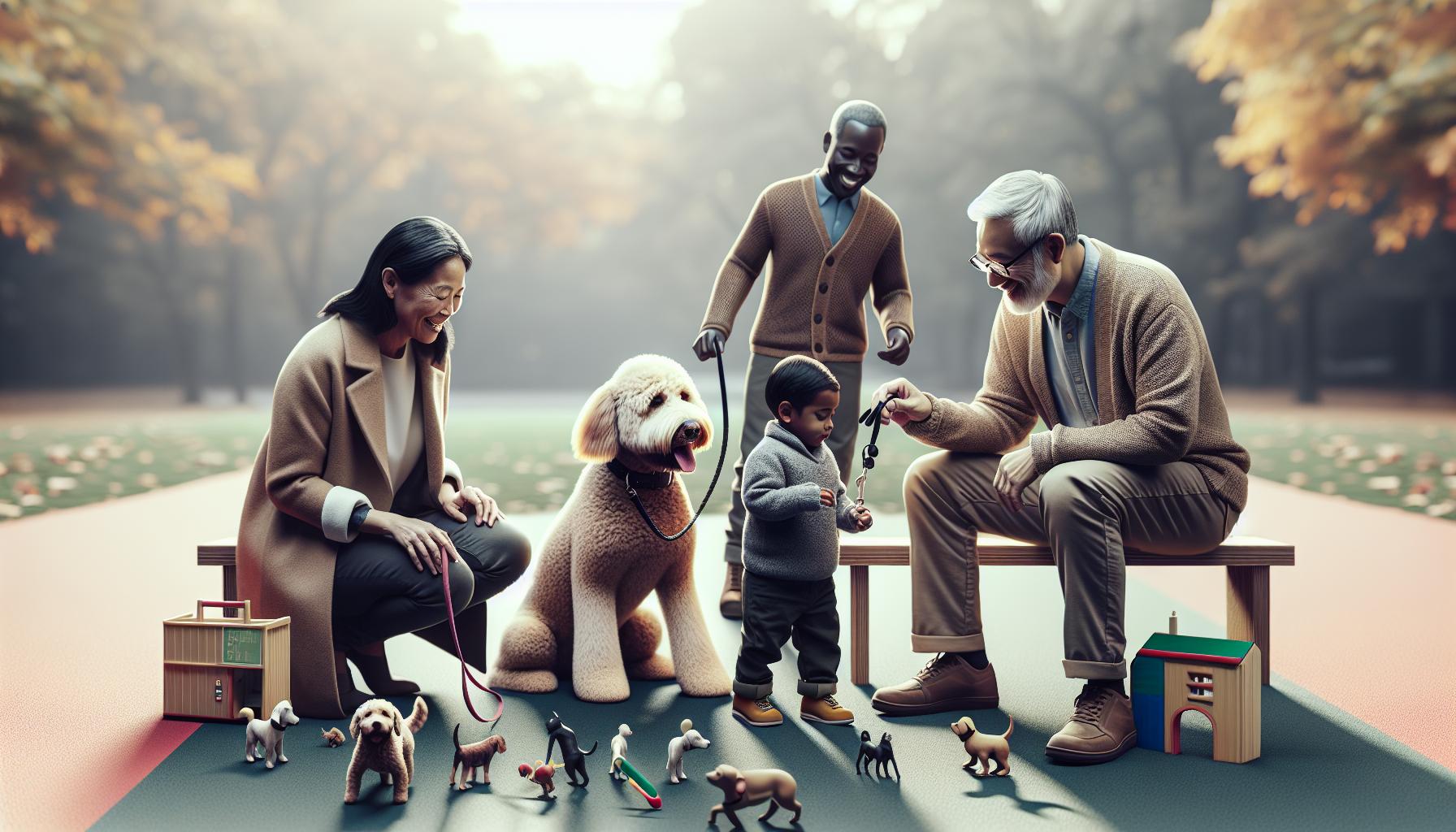
Building a solid foundation of affection with your Labradoodle starts with socialization. From puppyhood, exposing your dog to a variety of environments, people, and other animals can significantly impact their ability to connect with you and others throughout their life. Socialization not only helps reduce anxiety in unfamiliar situations but also fosters a confident dog who is more likely to show affection and playfulness. Well-socialized Labradoodles are typically more relaxed and eager to engage with family members and friends, further enhancing their affectionate nature.
To effectively socialize your Labradoodle, begin by introducing them to new experiences gradually. Arrange playdates with other friendly dogs, visit dog parks, or take trips to pet-friendly locations. It’s crucial to ensure these meetings are positive and not overwhelming. Reward your Labradoodle with treats and praise during social interactions, reinforcing the notion that new experiences are enjoyable. This strategy helps your dog form positive associations with various social situations, making them more likely to seek affection and companionship.
Socialization plays an equally important role in managing a Labradoodle’s energy and behavior. When they are accustomed to diverse environments and people, they tend to burn off excess energy more effectively, leading to calmer, more affectionate behavior at home. Conversely, a poorly socialized dog may feel fearful or anxious, which can inhibit their ability to bond. As a result, ensuring your Labradoodle gets adequate socialization is foundational not just for their behavior but also for their emotional well-being.
Consider enrolling your Labradoodle in obedience classes where successful training occurs in a social atmosphere. Not only will your dog learn crucial commands, but they will also interact with other dogs and people, enhancing their social skills. In turn, this exposure cultivates a loving personality that is eager to express affection towards their owners and other pets. Ultimately, the effort invested in socializing your Labradoodle pays off significantly-with a well-adjusted pet, you will find a profound increase in cuddles, companionship, and playful moments filled with joy.
Comparing Affection Levels: Labradoodle vs. Other Breeds

Labradoodles are often hailed as one of the most affectionate dog breeds, and this distinction is not merely anecdotal-it’s rooted in their temperamental makeup and upbringing. However, how do they stack up against other popular breeds, particularly when it comes to expressing love and forming bonds? The comparison reveals some compelling insights that potential dog owners should understand.
One key factor that elevates Labradoodles in the affection stakes is their parent breeds. Combining the friendly and sociable Labrador Retriever with the intelligent and often quirky Poodle results in a dog that is not only playful but also eager to please. This combination fosters an affectionate demeanor, making Labradoodles exceptionally warm companions. In contrast, breeds such as Bulldogs and Shih Tzus may also be loving, but their temperamental differences can influence how they express affection. Bulldogs, for instance, are known for their calm, laid-back nature, which can translate to a more subdued expression of love, while Shih Tzus might demonstrate affection in short bursts of energy rather than the sustained companionship that Labradoodles typically offer.
Additionally, the way Labradoodles thrive in family settings contributes to their affection levels. They are inherently social creatures, often becoming the center of family activities. Their high energy and playful nature encourage interaction, whether it’s participating in family games or enjoying a cuddle session on the couch. In contrast, more independent breeds like Basenjis may not actively seek companionship as readily, leading to a less overt expression of affection. For families with children or those who enjoy an active lifestyle, Labradoodles tend to create deeper emotional bonds through playful responsiveness, which enhances their loving nature.
To further illustrate these points, here’s a comparison of affection levels among selected breeds:
| Breed | Affection Level | Social Nature | Playfulness |
|---|---|---|---|
| Labradoodle | High | Highly social, enjoys company | Very playful, loves interactive games |
| Bulldog | Moderate | Calm, prefers close company | Low to moderate, enjoys relaxed activities |
| Shih Tzu | Moderate to High | Social but can be independent | High bursts, enjoys short games |
| Basenji | Low | Independent, less reliant on companionship | Low, prefers solitary play |
In conclusion, while many breeds can be loving companions, Labradoodles often stand out for their affectionate nature, sociability, and high energy levels. Their unique blend of loyalty and playfulness not only enriches their interactions with families but also solidifies their role as one of the premier affectionate breeds in the canine world. If you’re considering welcoming a dog into your home, understanding these nuances in affection can greatly help in making the right choice for your lifestyle and emotional needs.
Common Behaviors that Show Labradoodles’ Love
Labradoodles are renowned for their affectionate nature, and their actions speak volumes about their love for their human companions. One of the most recognizable behaviors that showcases their affection is their tendency to follow you around the house. Whether you’re moving from room to room or just stepping outside, a Labradoodle’s desire to be near you highlights their strong bond and need for companionship. Their inquisitive nature means they often want to be involved in everything you do, making them feel like a true family member.
Another endearing way Labradoodles express love is through their enthusiastic greetings. When you return home, expect to be met with a joyful chorus of barks, tail wags, and a joyful pounce. This exuberant welcome is more than just excitement; it’s their way of showing you how much they missed you and that they consider you the center of their universe. When they jump up for a playful embrace, it’s not just to say hello; it’s a loving acknowledgment of your presence.
Gentle Affection Through Cuddling and Kisses
Affectionate behaviors also include gentle cuddles and kisses. Labradoodles are known for their “leaning” behavior, where they lean against you for comfort and security. This subtle act is a clear invitation for closeness, providing warmth and a sense of safety. During these moments, don’t be surprised if they turn to you for a few slobbery kisses; it’s their way of demonstrating love and loyalty. Establishing these cuddle sessions can create a comforting routine that enhances your relationship, providing both you and your Labradoodle with emotional fulfillment.
Playful Engagement As an Expression of Love
Moreover, playtime is a quintessential way Labradoodles show their affection. They often bring toys to you, initiating games of fetch or tug-of-war, which not only stimulates their playful spirit but also fosters a deeper connection. Engaging in interactive games that stimulate both their mind and body can strengthen your bond. Remember, their exuberance during playtime reflects their joy in being close to you-it’s both a physical activity and a display of their affectionate nature.
In summary, recognizing these common behaviors can deepen your appreciation for your Labradoodle’s loving personality. By cherishing these moments of connection-whether through following you around, greeting you with excitement, cuddling, or inviting you to play-you’ll foster an even richer bond filled with love and companionship.
Understanding Your Labradoodle’s Love Language
Understanding how your Labradoodle expresses love can significantly enhance your relationship with them. These dogs are not only known for their affectionate nature, but they also have unique ways of communicating their feelings. Just like humans, Labradoodles have their own love languages-ways of expressing their affection that can vary from one dog to another. Recognizing these can deepen your bond and create a more fulfilling companionship.
To identify your Labradoodle’s love language, pay attention to their behavior in different scenarios. Some Labradoodles might demonstrate their affection through physical touch, such as leaning against you during quiet moments, seeking cuddles, or even a gentle paw placed on your lap. If your dog frequently nudges you with their nose or rolls onto their back for belly rubs, it’s a telltale sign they crave closeness and physical affection. On the other hand, another Labradoodle might express love through playful interactions. If your dog enjoys initiating fetch or tug-of-war and seems happiest when engaging with you, this playfulness is their way of bonding.
Another crucial aspect of a Labradoodle’s love language is their response to vocalizations. They tend to be very responsive to the tone of your voice. Use positive, cheerful tones to praise them, and notice how they react; eager tail wags and excited barks can indicate they’re picking up on your happiness. Conversely, a softer, soothing voice can calm their anxiety, showing that they associate your vocal cues with comfort and security.
Finally, consider the importance of everyday routines, as Labradoodles are known for their loyalty to their humans. Engaging in daily activities together, like walks or training sessions, can significantly enhance your bond. Establishing routines allows them to feel secure and connected to you.
In summary, not only celebrates their affectionate nature but also helps in meeting their emotional needs effectively. By recognizing how they show love-be it through cuddling, playful antics, or responding to your voice-you can foster a deeper relationship that benefits both of you. Embrace these expressions of love, as they are fundamental in creating a nurturing environment where your Labradoodle can thrive and flourish.
Tips for Strengthening Your Labradoodle’s Emotional Well-Being
Strengthening your Labradoodle’s emotional well-being is essential for fostering a deep and affectionate bond. These lovable dogs thrive on connection and companionship, so ensuring they feel secure and loved can greatly enhance their happiness. A great starting point is to create a predictable environment. Dogs flourish on routine, so consider establishing a daily schedule for meals, walks, and playtime. This can help your Labradoodle feel more secure and less anxious, as they will know what to expect throughout their day.
Engaging in interactive play is another excellent way to boost your Labradoodle’s emotional health. Activities like fetch, agility training, or even hide-and-seek can stimulate them mentally and physically, while also strengthening your bond. Labradoodles are intelligent and eager to please, making them responsive to engaging tasks. Consider using puzzle toys or training sessions that challenge their minds and reward them with praise or treats. This kind of interaction not only encourages their playful nature but also reinforces the trust and love between you.
Socialization plays a pivotal role in the emotional well-being of your Labradoodle. Exposing them to diverse environments, people, and other animals helps to build their confidence and reduce anxiety. Organizing playdates or trips to dog parks can enhance their social skills and provide outlets for positive interactions. Even simple activities like visiting a pet-friendly café or taking them on family outings can enrich their social experience and reinforce their sense of belonging.
Lastly, never underestimate the power of affection. Regularly engaging in affection through cuddling, petting, or just spending quiet time together communicates safety and love. Each Labradoodle has its unique preferences – some may enjoy a good belly rub, while others might prefer to simply sit next to you. Be attentive to their needs, and don’t hesitate to shower them with love; these moments are crucial for their emotional fulfillment. By investing time and effort into these areas, you’ll not only strengthen your Labradoodle’s emotional well-being but also ensure a rich, loving relationship for years to come.
The Impact of Training on Affectionate Behavior
Training significantly influences the affectionate behavior of Labradoodles, enhancing their ability to bond closely with their owners. These dogs are known for their intelligence and eagerness to please, making the training process not only beneficial for establishing good behavior but also for deepening emotional connections. Positive reinforcement, which involves rewarding desired behaviors with treats, praise, and affection, can transform moments of learning into opportunities for love and trust. For instance, teaching commands such as “sit” or “stay” allows your Labradoodle to respond positively to your cues, fostering a sense of teamwork that solidifies your relationship.
Routine training sessions can also create a safe and predictable environment for your Labradoodle, which is crucial for their emotional well-being. Consistency in training helps your dog to understand boundaries and expectations, contributing to a feeling of security. A well-trained Labradoodle is more likely to exhibit confident and affectionate behaviors, as they feel reassured in their social dynamics. Engaging them in activities that stimulate both their minds and bodies-like agility courses or obedience training-can further enhance emotional interactions, making their hearts swell with affection for you as their leader and companion.
Moreover, integrated training strategies that incorporate socialization can amplify your Labradoodle’s affectionate nature. By gradually exposing your dog to various environments, people, and other dogs during training, you can cultivate a well-rounded and confident pet. Socialized Labradoodles typically become more adaptable and open-hearted, which, in turn, translates to gentle and loving interactions with their owners and others. They thrive in settings where they feel comfortable and accepted, so take the time to introduce them positively to new experiences.
Ultimately, the affectionate bond between you and your Labradoodle is a two-way street. While you teach them essential skills and commands, your dog reciprocates with loyalty and love. Investing time in training not only reinforces good behavior but also strengthens your emotional bond. Remember, every moment spent working together is an opportunity to reinforce trust and affection. Celebrate the small victories during training sessions, and you’ll witness the depth of your Labradoodle’s love grow as they feel more secure and cherished in their role as a beloved family member.
Recognizing Signs of Stress in Affectionate Labradoodles
Understanding when your Labradoodle is feeling stressed is crucial for maintaining their affectionate and loving nature. Since these dogs thrive on positive interactions and emotional connections, stress can disrupt that bond, affecting their behavior and overall well-being. Recognizing signs of stress early allows you to address any issues before they escalate, helping your Labradoodle feel secure and cherished.
One common sign of stress in Labradoodles is a marked change in their energy levels. An affectionate Labradoodle may suddenly become withdrawn or less interested in playtime, opting instead for solitude. Additionally, you might notice physical manifestations, such as excessive panting, pacing, or avoiding eye contact. These behaviors can indicate discomfort and a need for reassurance. Owners should also pay attention to their dog’s body language; if your Labradoodle’s ears are pinned back, tail is tucked, or hackles are raised, these can be strong indicators of anxiety or fear.
It’s also worth noting that Labradoodles, known for their sociable personalities, may exhibit stress when faced with unfamiliar environments or overwhelming crowds. For instance, if your dog usually greets visitors enthusiastically but suddenly retreats to a corner or hides, they may feel endangered or stressed. Establishing a “safe space” in your home where they can retreat during overwhelming moments can be beneficial. Ensure it’s a quiet spot stocked with their favorite toys or blankets, allowing them to decompress and reignite their affectionate side when they’re ready.
Being proactive about your Labradoodle’s stress management is key. Establishing a consistent routine can provide a sense of predictability that comforts them. Additionally, engaging in regular training and socialization activities can help build their confidence, making them less prone to stress in new situations. Always monitor your dog’s reactions closely and consult with a veterinarian or a professional dog trainer if stress-related behaviors persist. With awareness and care, you can support your Labradoodle’s emotional well-being and maintain the warm bond that makes these dogs such delightful companions.
How Age and Life Stage Affect Labradoodles’ Affection
As Labradoodles progress through various stages of life, their capacity for affection can evolve significantly, influenced by their experiences, socialization, and overall health. Puppies, for instance, are often little bundles of energy and joy, eager for love and attention. Their inquisitive nature leads them to form bonds quickly, but as they grow into adults, they may refine how they express their affection. Understanding these nuances can help owners foster a deeper bond with their Labradoodles through each phase of life.
During the puppy stage, Labradoodles are typically highly affectionate and social. They thrive on human interaction, often mimicking the emotional cues of their owners. Engaging in playtime, training, and socialization with other pets and people is crucial at this stage. It builds not only confidence but also a robust foundation of affection and loyalty. Regular handling and positive reinforcement during this formative stage can cultivate a deep emotional connection that lasts throughout their lives.
As Labradoodles transition into adolescence-a period marked by unpredictable behavior and energy bursts-their affectionate expressions may vary. They might be less physically affectionate and more rambunctious, often channeling their energy into play or exploration rather than snuggling. This is also a time to reinforce training and socialization; consistent positive interactions will help maintain their affectionate nature even as they navigate the challenges of growing up.
In adulthood, Labradoodles often settle into their personalities and may become more expressive of their love. Health and innate temperament play significant roles; dogs with regular physical exercise, mental stimulation, and a loving environment tend to exhibit higher affectionate behaviors. Mature Labradoodles may become particularly attuned to their owners’ moods and emotions, offering comfort in times of stress or anxiety. This period highlights the importance of nurturing their emotional well-being through regular routines and affection.
As Labradoodles enter their senior years, their affection may manifest in gentler, quieter ways. An older dog might prefer calm companionship, enjoying leisurely walks and cozy evenings over high-energy play. Maintaining a supportive, loving environment during this stage is essential, as these dogs may require more care and comfort. Understanding that their needs change with age-and that their expressions of love may also adjust-helps owners remain connected and responsive to their Labradoodle’s emotional landscape, ensuring a mutually affectionate bond for years to come.
Creating a Loving Environment for Your Labradoodle
Creating a nurturing space for your Labradoodle is essential for fostering their natural affection and strong bond with you. These dogs are incredibly attuned to their human companions’ emotions, so a loving environment can make a significant difference in their overall behavior and happiness. One captivating fact about Labradoodles is that their affectionate nature often thrives in a setting where they feel safe and secure. By providing an environment that meets their physical and emotional needs, you’ll unlock countless opportunities for bonding and deep connection.
To start, ensure that your home is a haven of comfort. Labradoodles love to be a part of the family, so create cozy spaces where they can relax and feel included. This might mean a comfortable dog bed in the living room or an inviting spot near you during family activities. Additionally, these dogs thrive on positive interactions, so make it a routine to have dedicated playtime and cuddle sessions. Engaging in fun activities together, like fetch in the backyard or gentle training exercises, can reinforce their playful side and strengthen your bond.
Another key aspect of a loving environment is socialization. Labradoodles are social beings that benefit greatly from interactions with other dogs and people. Consider arranging playdates or taking them to dog parks where they can meet fellow canines and engage in friendly interactions. This not only helps them feel happy and fulfilled but also teaches them how to express affection toward others. A well-socialized dog is typically more confident and loving, traits that will enrich their bond with you and your family.
Finally, never underestimate the importance of routine and stability. Labradoodles, like many dogs, thrive on predictability, which helps them feel secure and relaxed. Regular feeding times, walks, and play sessions create a framework they can rely on, allowing them to express their love more freely. Incorporating positive reinforcement training methods will also enhance their emotional well-being, turning training sessions into enjoyable bonding experiences. Remember, your Labradoodle’s happiness is reflected in their affectionate behaviors-so the more love you give, the more they will return.
Q&A
Q: Are Labradoodles known for their affectionate nature?
A: Yes, Labradoodles are known for being very affectionate. They often form deep bonds with their owners and thrive on companionship, making them great family pets. Their playful and loving demeanor ensures they enjoy spending time snuggling and playing with loved ones.
Q: What makes Labradoodles so loving compared to other breeds?
A: Labradoodles combine the friendly nature of Labrador Retrievers with the intelligence of Poodles. This mix often results in a dog that is highly social, intuitive, and eager to please, enhancing their affectionate traits compared to many other breeds.
Q: How can I tell if my Labradoodle is feeling affectionate?
A: Indicators of affection in Labradoodles include seeking physical closeness, wagging their tail, leaning against you, and following you around. These behaviors show they enjoy your company and feel secure in your presence.
Q: What Activities Promote Bonding with My Labradoodle?
A: Engaging in training, regular playtime, and outdoor activities like walks or fetch can strengthen your bond with your Labradoodle. Consistently spending quality time together builds trust and deepens affection.
Q: How can I improve my Labradoodle’s affectionate behavior?
A: To enhance your Labradoodle’s affectionate behavior, focus on socialization, positive reinforcement training, and creating a nurturing environment. Regular exercise and interactive play can also help them express their love more freely.
Q: Do Labradoodles have a specific way of showing love?
A: Labradoodles may express their love through various behaviors, like bringing you toys, cuddling, or displaying excitement when you return home. Understanding your dog’s unique gestures helps nurture your bond further.
Q: What role does training play in a Labradoodle’s affection?
A: Positive reinforcement training enhances a Labradoodle’s affectionate behavior. It builds confidence and communication between you and your dog, allowing them to feel secure and loved, which can increase their overall affection.
Q: Can a Labradoodle’s age affect their affectionate traits?
A: Yes, a Labradoodle’s age can influence their affectionate behavior. Puppies are typically more energetic and playful, while older dogs may show affection through calm companionship and gentler interactions. Understanding these changes can help you respond appropriately to their needs.
Key Takeaways
If you’re considering welcoming a Labradoodle into your home, you’re in for a treat! These affectionate companions thrive on love and bonding, ensuring they’ll be a delightful addition to your family. Remember, their affectionate nature is complemented by their intelligence, making training and socialization enjoyable experiences. If you’re looking to deepen this connection, check out our resources on training tips for Labradoodles and how to create enriching environments for them.
Before you go, make sure to explore our articles on Labradoodle care and common health concerns to remain well-informed as a responsible owner. Your journey with your new furry friend is just beginning, and understanding their unique needs will help you forge an unbreakable bond. Don’t hesitate to leave your comments or share your own experiences with Labradoodles below-community stories can be a powerful source of inspiration. Embrace the adventure, and remember, your devoted Labradoodle will always be ready to shower you with love!