
Have you ever wondered if a breed known for its friendly nature can also serve as a reliable guard dog? The Barbet, a unique and affectionate French water dog, combines loyalty with a gentle demeanor, which makes it an intriguing option for those considering home protection. While they are celebrated for their sociable personality, many potential owners are curious about whether this charming dog can also safeguard their family and property. As we delve into the capabilities of the Barbet as a guard dog, we’ll explore their temperament, trainability, and protective instincts, helping you make an informed decision about this remarkable breed. Join us as we uncover the traits that could make the Barbet both your family’s companion and a vigilant protector!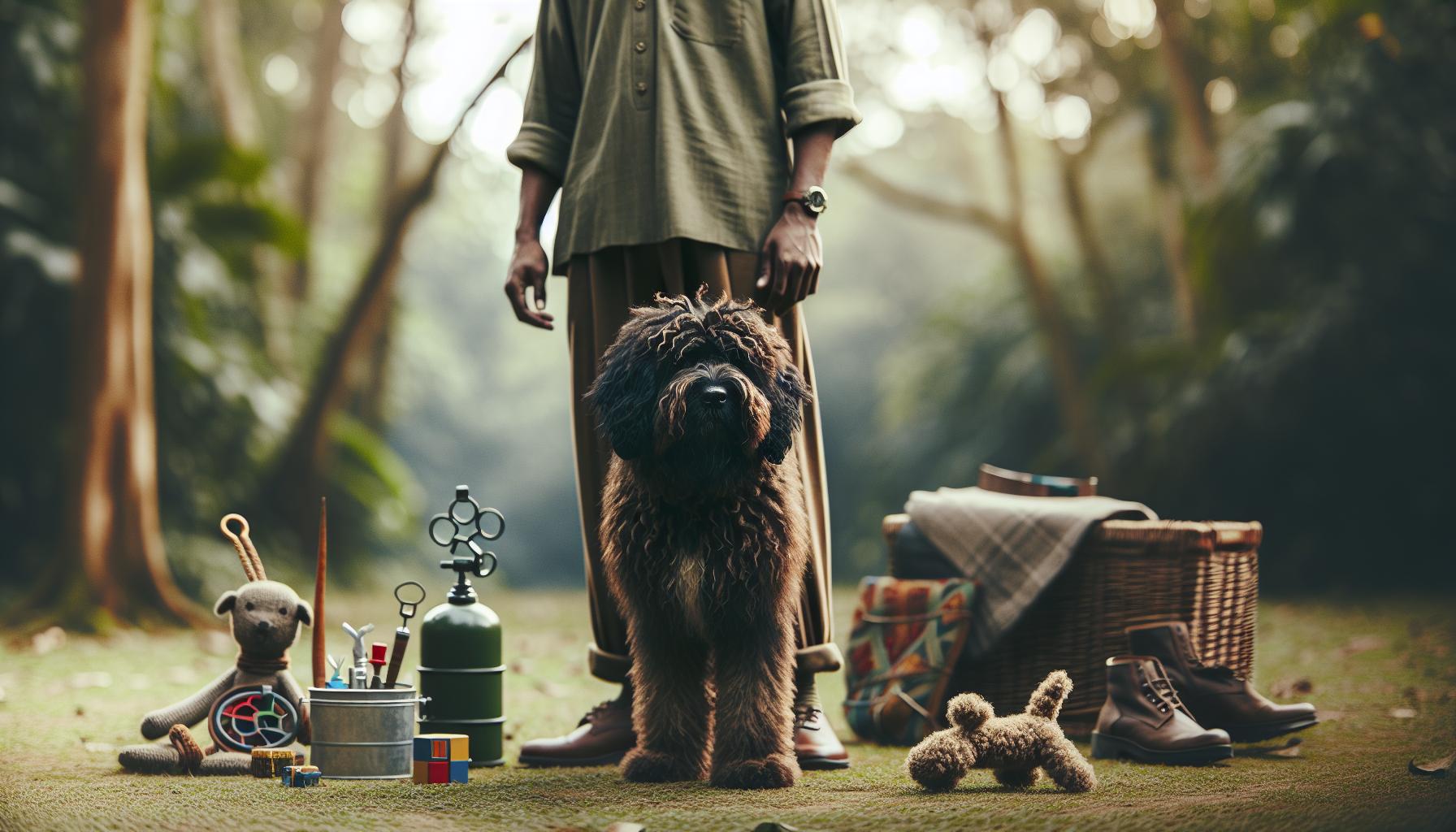
Barbet Guard Dog Characteristics: What Makes Them Unique?
The Barbet is an intriguing blend of characteristics that sets it apart from typical guard dogs. While their friendly and affectionate demeanor makes them excellent family companions, they also possess several traits that can contribute to their effectiveness in protective roles. One defining feature of the Barbet is their strong bond with their family, which motivates them to safeguard their home and loved ones. This loyalty means they can exhibit protective behaviors when they sense a threat, yet they tend to balance this instinct with a friendly nature, making them less aggressive than traditional guard breeds.
A remarkable aspect of the Barbet’s uniqueness lies in its intelligence and trainability. Barbets are known to be quick learners, which can be a significant advantage when teaching them protection commands. They’re more than capable of grasping complex tasks, as long as training is approached with consistency, patience, and positive reinforcement. Their playful and energetic disposition provides an engaging training atmosphere, which can enhance their responsiveness to commands that might be crucial in alerting to intruders or handling potentially dangerous situations.
Lastly, the Barbet’s physical attributes contribute to its guarding capabilities. Their water-resistant coat and sturdy build allow for agility and endurance, assisting them in active surveillance of their territory. While they might not intimidate through size like some larger breeds, their keen senses-especially sight and hearing-make them alert watchdogs. They are known to bark to communicate changes in their environment, offering an audible alert that keeps owners informed of potential disturbances.
Given these characteristics, it’s clear that while Barbets are often associated with their roles as loyal companions or hunting aids, they can indeed be useful in providing protection, balancing their innate temperament with the training and socialization necessary for a guard dog role.
Understanding the Barbet: History and Temperament
The Barbet is more than just an endearing companion; this breed has a rich history that enhances its unique temperament. Originating in France, the Barbet has been admired since the Middle Ages for its ability as a water retriever, particularly for hunting ducks and other waterfowl. With roots in various breeds, including the Poodle and the Spanish Water Dog, Barbets possess qualities that make them not only versatile hunters but also affectionate family pets. Their historical role as a hunting dog endows them with a keen sense of alertness, making them observant and engaged with their surroundings.
In terms of temperament, the Barbet is known for its friendly and sociable nature. They are typically very loyal to their families and form strong bonds with their human companions. This affectionate disposition often translates into a protective instinct; a Barbet will naturally want to safeguard those it loves. Their patience and gentleness make them great with children and other pets, providing an ideal environment for a balanced family life. However, it’s important to remember that this breed’s protectiveness stems from their bond with their family rather than from an inherently aggressive nature, which can be a refreshing change from more traditional guard dog breeds.
For potential owners considering a Barbet for protection, understanding their background and temperament is essential. Their intelligence and eagerness to please, combined with their quick learning abilities, allow for effective training in protection commands. The playful energy of a Barbet can make training sessions enjoyable and productive, ensuring that they remain responsive and attentive during essential training exercises. As with any breed, early socialization is vital; exposing your Barbet to various scenarios will help them distinguish between safe and threatening situations.
Incorporating regular training that highlights their protective instincts and builds confidence can lead to a well-rounded Barbet that knows how to balance their friendly nature with the responsibilities of guarding their home. This unique blend of history, loyalty, and intelligence makes the Barbet a fascinating choice for those looking for a loving pet that can also provide a level of protection.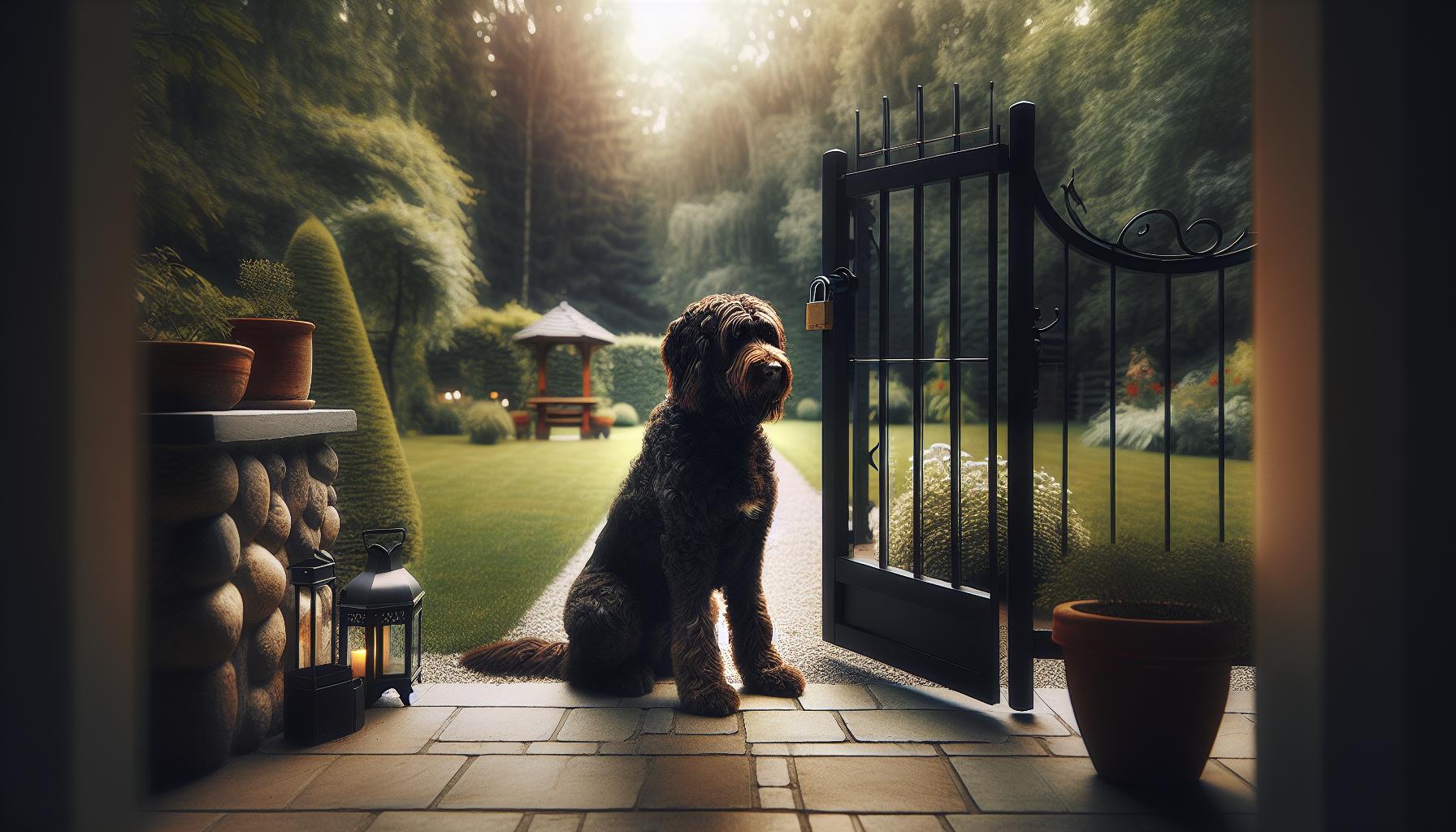
Can Barbets Be Effective Guard Dogs?
While the Barbet might not fit the traditional mold of a guard dog, this lovable and intelligent breed can indeed bring a level of protection to your home. Their unique combination of loyalty, alertness, and quick adaptability makes them not only charming companions but also capable of fulfilling protective roles when properly trained. A Barbet’s natural instinct to safeguard its family goes hand in hand with its gentle disposition, making it a delightful, yet vigilant presence in your household.
Barbets are known for their remarkable ability to assess situations. Their keen observational skills developed during their time as water retrievers equip them to notice unusual sounds or movements. When evaluating their effectiveness as guard dogs, consider that their protective instinct typically emerges in connection with their family. They are more likely to respond to a perceived threat with alertness and barking rather than aggression. This makes them excellent watchdogs, as they can effectively deter intruders with their bark while remaining friendly and approachable to familiar faces.
In practice, some Barbets serve as excellent protectors simply by being present. Their innate curiosity and sociability mean that they often engage with visitors, and a well-socialized Barbet may be more likely to recognize and react to suspicious individuals. Ensuring that your Barbet is exposed to various environments and experiences can sharpen its judgment, assisting it in distinguishing between friends and potential threats. As you’ve likely gathered, a Barbet can be effective in a guarding role, but it requires guidance, training, and positive reinforcement to build confidence and enhance its natural protective attributes.
For those considering a Barbet as a guard dog, remember that their success largely hinges on early socialization and consistent training. Engaging them in activities that reinforce their protective instincts not only strengthens their skills but also deepens the bond between you and your pet. So, while they may not be the fiercest guard dogs, Barbets offer a unique blend of protection laced with affection, making them not just guardians but beloved family members.
Training Your Barbet for Protection Duties
Training a Barbet for protection duties can be a rewarding yet nuanced endeavor. These friendly yet observant dogs possess a natural instinct to protect their family, making them excellent candidates for a non-aggressive guard dog. With their keen awareness and loyalty, Barbets can be trained to respond appropriately to perceived threats while maintaining their friendly demeanor.
To begin, positive reinforcement is essential. Use treats and praise to encourage desired behaviors during training sessions. Start with basic commands such as “sit,” “stay,” and “come.” These fundamental cues lay the groundwork for more complex tasks later. Gradually introduce commands related to guarding roles, such as “alert” or “watch,” making sure to reward them when they respond correctly. Consistency is crucial; practice regularly to instill confidence and reinforce their learning.
Incorporating real-world scenarios during training can also be beneficial. Set up simulations where unusual noises or movements occur. Encourage your Barbet to bark or alert you when they notice something out of the ordinary. This not only supports their protective instincts but also helps them learn to differentiate between normal occurrences and potential threats. Be sure to teach them to calm down after the alert, reinforcing that guarding doesn’t equate to being aggressive.
Socialization plays a pivotal role in a Barbet’s effectiveness as a guard dog. Introduce your puppy to a variety of people, environments, and experiences. The more they understand social dynamics, the better they can assess threats. Regular visits to parks or dog-friendly events can help foster this understanding. As they grow more comfortable around diverse situations, they’ll develop a stronger ability to identify friend from foe, ensuring that their protective behaviors are triggered appropriately.
Remember, training a Barbet as a guard dog focuses on creating a balance between vigilance and approachability. By fostering the right instincts, reinforcing commands, and ensuring positive social experiences, you can nurture a Barbet that serves as a loyal protector without losing its gentle charm. With time, patience, and love, your Barbet can become a warm, watchful guardian for your home.
Socialization for a Balanced Barbet Guard Dog
To ensure your Barbet develops into a well-rounded guardian, socialization is an essential part of the process. These dogs have a natural curiosity and friendliness that makes them excellent family companions, but properly acclimating them to different environments, people, and other animals will shape their ability to protect your home. An early and continuous exposure to varied social settings helps them build confidence and assess situations accurately.
It’s important to start socializing your Barbet from a young age. Puppies benefit immensely from positive experiences with other dogs, strangers, and various environments. Take your Barbet to parks, pet-friendly events, and even everyday places like stores or cafés. Each of these outings provides opportunities for your dog to observe and interact with the world, allowing them to gauge what constitutes a normal situation versus a potential threat. Creating positive associations-using treats and praise when they respond calmly in new situations-reinforces their adaptability and helps inhibit unnecessary barking or aggressive reactions when they sense something amiss.
As your Barbet matures, it’s equally important to maintain this socialization routine. Regularly exposing them to different sights, sounds, and smells helps them remain confident and unafraid of new experiences. Consider organizing playdates with other dogs of varied sizes and temperaments, ensuring your Barbet learns to distinguish between friends and strangers. This foundational social understanding will aid them in making judgments in protective scenarios, where they may need to determine if an individual is a threat or a welcomed visitor.
Finally, ongoing socialization also promotes a balanced temperament that is crucial for a guard dog. A Barbet that is well-socialized can be playful and friendly with family and friends while still being vigilant. Instead of causing unnecessary alarm, they will learn appropriate behaviors when faced with new stimuli, effectively channeling their protective instincts without losing their gentle demeanor. Remember, socialization is not a one-time effort-it’s a lifelong journey that can significantly contribute to the effectiveness of your Barbet as a loving protector of your home.
Pros and Cons of Having a Barbet as a Guard Dog
Having a Barbet as a guard dog is a unique consideration that blends their friendly demeanor with potential protective instincts. Known for their affectionate nature and intelligence, Barbets can surprise many with their ability to approach guarding tasks, albeit with some trade-offs. Understanding both the benefits and challenges is essential for prospective owners.
On the positive side, Barbets are incredibly social and tend to form strong bonds with their families. This loyalty can translate into a protective instinct, as they will be naturally inclined to protect their loved ones. Their keen observation skills allow them to notice changes in their environment, potentially alerting owners to unusual activities or intruders. Additionally, their friendly disposition makes them approachable and less likely to exhibit aggressive behavior without cause, making them less intimidating than traditional guard dogs. This characteristic can be particularly beneficial in a family setting, where you want a dog that can discern between a friend at the door and a more serious threat.
However, there are some downsides to consider. Barbets have a gentler temperament, which may result in less aggression compared to other breeds known for their guarding capabilities. While they may bark to alert you of a visitor, they are less likely to deter an intruder through sheer physical presence or aggression, such as a Rottweiler or German Shepherd might do. Additionally, training a Barbet for protection duties requires commitment; consistent training and reinforcement are essential to develop their guarding skills. Owners must also be prepared for the grooming needs of a Barbet, as their curly coat can become matted without proper care, potentially impacting their ability to respond quickly.
Ultimately, deciding on a Barbet as a guard dog involves weighing these pros and cons with your lifestyle and security needs. If you’re looking for a companion that offers some level of protection while remaining a family-friendly pet, a Barbet can be an excellent choice-just be ready to invest time in training and socialization to ensure they can fulfill that role effectively.
Barbet vs. Other Guard Breeds: A Comparative Analysis
When considering the Barbet as a guard dog, it’s essential to compare this breed to more traditional guard dogs, such as the Rottweiler or German Shepherd. While Barbets are known for their friendly demeanor and loving temperament, let’s explore how they stack up against their more aggressive counterparts in terms of guarding capabilities and suitability for home protection.
One of the most striking differences is the Barbet’s temperament. These dogs are generally gentle, affectionate, and eager to please, making them fantastic family pets. However, this same gentle nature means they are less likely to display the assertive guarding instincts seen in breeds specifically developed for protection. Traditional guard dogs have been bred for centuries to exhibit traits like unwavering loyalty, territorial behavior, and a willingness to confront threats head-on. In contrast, the Barbet’s protective behavior may manifest more as alertness rather than aggression; they are more likely to bark to signal an intrusion than to physically confront the intruder.
Strengths and Weaknesses of Different Breeds
| Feature | Barbet | Rottweiler | German Shepherd |
|---|---|---|---|
| Temperament | Gentle, Affectionate | Confident, Loyal | Intelligent, Alert |
| Protective Instinct | Moderate | High | High |
| Barking Alert | Yes | Moderate | Yes |
| Size | Medium | Large | Large |
| Training Ease | Moderate | Moderate | High |
While Barbets can recognize changes in their environment and alert their owners, they lack the intimidating presence that larger breeds have. Their size and gentle approach may make them ineffective in warding off intruders simply through physicality. If deterrence is a primary goal, Rottweilers and German Shepherds are often preferred due to their imposing stature and instincts that compel them to guard.
That said, owning a Barbet can still offer security in a different way. Their friendly nature and rapport with families make them less likely to provoke confrontations, and their loyalty means they are highly attuned to their owners. By investing time in consistent training, socialization, and establishing boundaries, Barbets can still develop a sense of vigilance around their homes. Ultimately, the choice between a Barbet and a more traditional guard dog depends on your unique situation-if you’re looking for an affectionate companion that can provide some level of protection without being overly aggressive, the Barbet might just be your perfect match.
Health and Care Considerations for Your Barbet
When considering the health and care of a Barbet, it’s important to understand that this breed thrives on a combination of physical well-being, mental stimulation, and social interaction. These energetic and friendly dogs are generally robust, but like all breeds, they can be prone to specific health issues that require proactive management. Ensuring your Barbet remains healthy will not only enhance their quality of life but also support their potential as a dependable companion and home protector.
Regular veterinary check-ups are essential in tracking the overall health of your Barbet. It’s advisable to keep an eye out for common health problems such as hip dysplasia, ear infections (due to their long, floppy ears), and skin conditions, particularly in their dense, curly fur. Implementing a routine that includes proper vaccinations, flea and tick control, and dental care will contribute to their longevity and happiness. Moreover, maintaining a healthy diet tailored to their life stage-puppy, adult, or senior-is crucial. Always consult your veterinarian for dietary recommendations that suit your Barbet’s unique needs.
Physical activity is equally important for keeping your Barbet fit and agile. These dogs require ample exercise, such as daily walks and playtime, to channel their energy positively. Engaging them in interactive play like fetch or agility training not only helps with their physical health but also stimulates their mind. Given their intelligence, Barbets thrive on mental challenges, so consider incorporating puzzle toys or training sessions that can enhance both their obedience and confidence.
To foster a strong bond and ensure your Barbet is well-adjusted, socialization is key. Introduce your dog to various environments, people, and other pets from a young age. This exposure will help them develop important social skills and reduce anxieties that can arise from unfamiliar situations. By providing a balanced routine that encompasses health care, exercise, mental stimulation, and socialization, your Barbet will not only remain healthy but also flourish in their role as a loving family member and vigilant companion.
Practical Tips for Enhancing Your Barbet’s Guard Skills
To enhance your Barbet’s innate abilities as a guard dog, it’s essential to focus on training techniques that leverage their intelligence, friendliness, and loyalty. Barbets are naturally alert and can be trained to recognize potential threats while remaining calm and composed. One effective strategy involves establishing a clear commands system that they can readily understand. Use consistency with verbal and hand signals, rewarding them with treats or praise when they respond appropriately. This reinforces positive behavior and helps build a stronger bond between you and your dog.
Engaging in Obedience Training
Regular obedience training is fundamental for any dog, especially for a Barbet who may need to manage their enthusiasm while learning to protect. Beginning with basic commands such as “sit,” “stay,” and “come” will establish a foundation of control. Once your Barbet is reliable with these commands, gradually introduce more advanced commands like “leave it” or “guard.” Practicing these commands in various settings will enhance their adaptability and ensure they remain focused on their duties outside the home environment.
Introducing Guarding Scenarios
To prepare your Barbet for protection duties, simulate real-life guarding scenarios. Use a variety of environments, such as your home, backyard, and public spaces. Train your Barbet to assess situations-perhaps using a friend as an “intruder.” Reward them for alerting you or responding appropriately. This scenario training not only develops their guarding instincts but also helps them distinguish between normal activity and potential threats. Remember, patience is key; always ensure these exercises are fun and constructive to keep your Barbet engaged.
Building Confidence through Socialization
Socialization is a critical aspect of training that can greatly influence your Barbet’s effectiveness as a guard dog. Exposure to different people, pets, and environments helps reduce anxiety and fear. Aim for a variety of experiences: bring your Barbet to the dog park, introduce them to visitors in your home, and take them on outings. The more your dog is comfortable with various situations, the more confident and dependable they will be when it matters. As they become more accustomed to new experiences, they will learn to assess situations accurately and react in a measured way.
By combining obedience training, practical guarding scenarios, and consistent socialization techniques, you can significantly enhance your Barbet’s guarding skills, allowing them to protect your home effectively while remaining the friendly companion you cherish.
Grooming Essentials for Your Barbet Guard Dog
A well-groomed Barbet is not only a happy dog but also one that can perform its duties more effectively, including its role as a guard dog. This breed is known for its curly, water-repellent coat, which requires regular maintenance to keep it in top condition. Understanding the grooming essentials will ensure your Barbet remains healthy, comfortable, and ready to protect your home when needed.
To maintain the Barbet’s distinctive coat, establish a grooming routine that includes the following key tasks:
- Brushing: Aim to brush your Barbet at least 2-3 times a week to prevent matting and to distribute natural oils throughout their fur. A slicker brush or a grooming glove works wonders for this breed.
- Bathing: Bathe your Barbet every 4-6 weeks, using a gentle dog shampoo that won’t strip the coat of its natural oils. Regular baths not only keep your dog smelling fresh but also help in identifying any skin issues early on.
- Ear Care: Barbets have floppy ears that can trap moisture and debris, making them prone to infections. Regularly check their ears for dirt and wax buildup and clean them gently with a vet-approved solution.
- Nail Trimming: Keep your Barbet’s nails trimmed to prevent discomfort and to enable better traction while they perform their guard duties. Aim to trim nails once a month, or as needed.
Additionally, consider the following grooming tips for overall health:
Diet and Skin Health
A well-balanced diet plays a crucial role in maintaining your Barbet’s coat quality. Incorporate high-quality dog food rich in omega fatty acids to support skin and coat health. Always consult your veterinarian for specific dietary recommendations that cater to your dog’s age, health needs, and activity level.
Regular Vet Visits
Regular veterinary check-ups are essential not just for vaccinations but also for discussing grooming and coat health. Your vet can provide insights into skin care, joint health, and any breed-specific concerns you might need to monitor as your Barbet ages.
By committing to a consistent grooming regimen, you will not only enhance your Barbet’s appearance but also foster a strong bond of trust and care. This sense of well-being will reflect in their readiness to serve as a loving companion and a vigilant protector of your home. Remember, grooming should be a positive experience that you can enjoy together-turn bath time into playtime, and never be afraid to shower them with praise while you work!
Creating a Safe Environment for Your Barbet
is crucial not only for their well-being but also for their effectiveness as a guard dog. This breed, known for its friendly demeanor and intelligence, can also serve as a protective companion when conditions are right. To ensure that your Barbet feels secure and is prepared to guard your home, consider these practical steps and best practices.
Start by establishing a designated safe space where your Barbet can retreat and relax. This space should be quiet and comfortable, outfitted with their bed, toys, and fresh water. A calm environment will reduce anxiety and build confidence, which is essential for their readiness to protect. If your Barbet is anxious, you may need to introduce calming aids like a cozy blanket or a familiar toy to enhance their comfort.
Secure Your Home
Implementing physical security measures is key. Make sure to secure windows and doors with reliable locks and consider installing a security system that includes cameras. Barbets are attentive and responsive, so they will likely alert you of any unusual sounds outside. For added protection, use Baby Gates or pet doors that only allow your Barbet access to certain areas, preventing them from wandering into unsafe spots in or around the home.
In addition to physical security, creating boundaries in outdoor spaces can keep your Barbet safe while they enjoy the outdoors. A well-fenced yard is ideal, preventing any potential escape or unwanted encounters with strangers. Even for those who live in apartments, leash walks and secure outdoor time are vital to ensure your Barbet encounters the world safely.
Training for Awareness
Training plays a significant role in a Barbet’s protective nature. Regular exposure to various situations, sounds, and people can help your dog learn to discern between normal and suspicious activity. Incorporate basic commands like “sit,” “stay,” and “watch” to develop their alertness and responsiveness. Consider enrolling in obedience classes or seeking out a professional trainer experienced in guard dog training, as they can provide tailored advice specific to your Barbet’s personality and strengths.
Creating a safe and secure environment goes hand-in-hand with fostering a strong bond with your Barbet. With time, you will notice their instincts kicking in, making them not just a loving companion but a reliable guard dog as well. A well-prepared Barbet will be more than happy to protect their home and family, showing off their natural instincts while also remaining the jovial and friendly dog they were bred to be.
Testimonials: Real Experiences with Barbets as Guard Dogs
Many Barbet owners have delightful stories to share about their dogs stepping up as surprisingly effective guard companions. One owner, Mia, recounts how her Barbet, Coco, managed to alert her to a potential intruder simply by barking at the unusual sounds outside their home. “Coco has always been a friendly dog, but that night, he behaved differently,” she explains. His deep bark communicated a sense of urgency, prompting Mia to check the windows and confirm that everything was secure. This experience taught her that even the most affable breeds could effectively fulfill protective instincts when the situation called for it.
Another owner, Thomas, highlighted the balance that Barbets strike between being loving companions and vigilant protectors. He shares, “While walking in the park, my Barbet, Ollie, demonstrated his protective side when a stranger approached us too quickly. Ollie stood between me and the stranger, barked a few times, and stayed alert until I signaled him to relax.” This kind of instinctive behavior illustrates not only the Barbet’s capability to guard but also the strong bond they share with their owners, as their protective instincts often stem from a deep-seated desire to ensure their family’s safety.
To maximize the guard potential of your Barbet, consider the experiences of these owners as a guide. Many emphasize the importance of early socialization and training, which significantly contribute to a Barbet’s effectiveness as a watchdog. Training sessions that incorporate commands like “watch” or responses to unusual sounds can enhance their natural inclinations. Regularly exposing your Barbet to different environments and people will bolster their confidence, allowing their protective nature to shine in appropriate scenarios.
By fostering a strong relationship and providing consistent training, you’ll find that your Barbet not only meets your needs as a loyal friend but also rises to the occasion when it comes to home protection. Their innate intelligence and adaptability make them uniquely suited for these responsibilities, ensuring that they remain the joyful and loving companions they are while also stepping up as reliable guardians when it matters most.
Q&A
Q: Can a Barbet serve as a guard dog?
A: Yes, a Barbet can serve as a guard dog. While they are friendly and social, their protective instincts can be developed through training. They will alert you to strangers and can deter potential intruders with their bark. For effective guarding, consistent training and socialization are essential.
Q: What characteristics of Barbets make them suitable for guarding homes?
A: Barbets are alert and loyal dogs, qualities that enhance their suitability for guarding. They have a calm demeanor, making them adept at assessing situations without unnecessary aggression. Their affectionate nature also helps them form strong bonds with their owners, further motivating them to protect.
Q: How can I train my Barbet for guarding?
A: Start by teaching basic obedience commands and gradually introduce guard-specific tasks like barking on command. Positive reinforcement methods work well with Barbets, rewarding them for appropriate behavior. Incorporate socialization with various people and environments to ensure balanced behavior when guarding your home.
Q: Are Barbets known for being aggressive guard dogs?
A: No, Barbets are not known for being aggressive. They are generally gentle and friendly, which is not typical of traditional guard dogs. However, they can be trained to be protective without aggression, making them effective watchdogs who bark to alert their owners rather than attacking.
Q: What are the pros and cons of having a Barbet as a guard dog?
A: Pros include their alertness, loyalty, and trainability, making them good watchdogs. Cons involve their friendly nature, which may not deter intruders the way more aggressive breeds do. They require dedicated training to develop strong protective instincts, which may take time and patience.
Q: How do Barbets compare to traditional guard breeds?
A: Barbets differ from traditional guard breeds like Rottweilers or German Shepherds in temperament. While traditional guard breeds are typically more aggressive and protective, Barbets are friendly and social. They can offer a more balanced approach to guarding, alerting rather than attacking, which may suit some households better.
Q: What is the best environment for a Barbet guard dog?
A: A Barbet guard dog thrives in a spacious environment where they have room to roam and play. Creating a safe area for them to patrol and ensuring they have regular interactions with family members and guests will help them effectively take on their guarding role while remaining well-socialized.
Q: How much exercise does a Barbet need to be an effective guard dog?
A: Barbets require regular exercise, ideally about an hour daily, to stay healthy and mentally stimulated. Regular physical activity not only supports their overall well-being but also enhances their ability to guard by improving focus and energy levels during training sessions. For tips on exercise routines, check out the section on practical training methods.
Wrapping Up
As you consider the Barbet as a potential guard dog, remember that this friendly and intelligent breed not only excels in companionship but can also be trained for protective roles. While they may not be the first breed that comes to mind for home defense, their alert nature and loyalty can make them effective guardians. Don’t leave your home’s safety to chance-explore the unique traits of the Barbet and see how they can fit into your lifestyle.
For more insights, check out our articles on “General Dog Training Tips” and “Choosing the Right Guard Dog Breeds” to enhance your knowledge and preparedness. If you’re ready to embark on your journey with a Barbet, consider signing up for our newsletter for expert tips and exclusive resources that ensure a rewarding relationship. Your ideal furry protector awaits-take the first step towards a safer home today! We’d love to hear your thoughts or experiences, so feel free to share in the comments below.