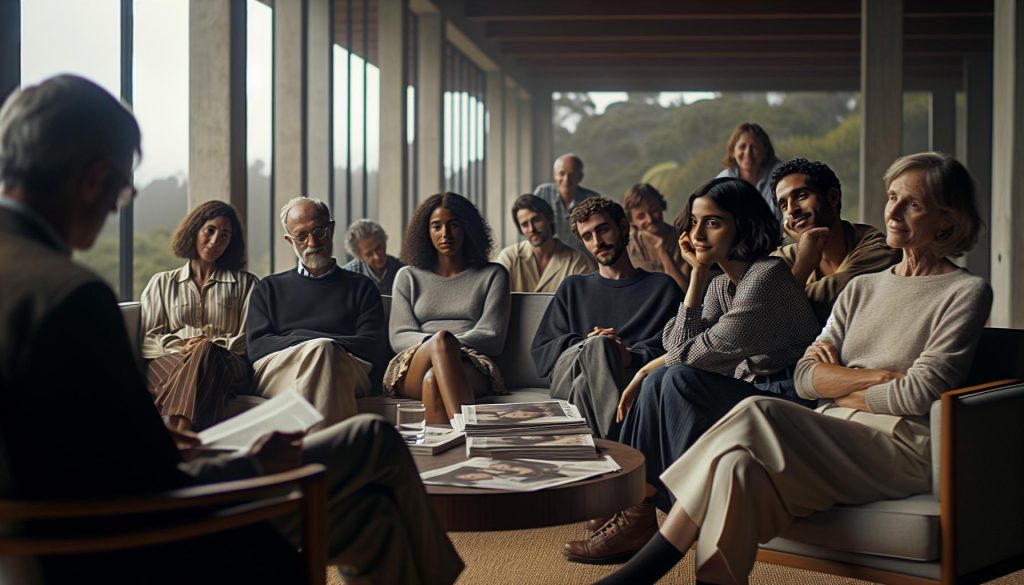
In the world of cinema, Barbet Schroeder’s “A Dama Do Prazer” stands as a unique exploration of desire, power dynamics, and the complexities of human relationships. This film not only captivates with its provocative narrative but also invites deeper reflection on societal norms surrounding intimacy and pleasure. As we delve into the intricacies of this cinematic piece, we will uncover how Schroeder challenges viewers to confront their perceptions and assumptions.
Whether you’re a film enthusiast seeking to enrich your understanding or someone curious about the layers beneath its surface, this analysis aims to illuminate why “A Dama Do Prazer” deserves your attention. Through a careful examination of its themes, characters, and cinematic techniques, you will gain insights that resonate with both personal experiences and broader social contexts. Join me on this journey to discover the film’s profound significance and what it can teach us about human connection and vulnerability.
Thematic Exploration of “A Dama Do Prazer” and Its Context
In “A Dama Do Prazer,” Barbet Schroeder intricately weaves themes of power, desire, and human connection, creating a narrative that explores the complexities of relationships in a nuanced and sometimes provocative manner. Set against the backdrop of the vibrant yet complicated world of Rio de Janeiro, the film invites viewers to consider how societal structures influence personal connections and emotional experiences. This thematic exploration is not only a reflection of individual choices but also a commentary on the broader cultural context that shapes those choices.
The protagonists navigate a landscape fraught with ethical ambiguities and moral dilemmas, wherein their desires often conflict with the societal expectations imposed upon them. The film delves deeply into the notion of eroticism and its intersection with power dynamics, highlighting how desire can manifest as both a liberating force and a tool of manipulation. This duality creates a rich tapestry of interpersonal relationships that compel the audience to examine their own understandings of love and manipulation.
Moreover, “A Dama Do Prazer” poignantly illustrates the subtleties of intimacy and emotional detachment. As characters pursue their desires, the film raises critical questions about the nature of connection in a world where authenticity is often overshadowed by self-interest. This exploration is emphasized through the contrast of individual arcs, where moments of genuine connection clash with instances of betrayal and disillusionment, effectively mirroring the complexities of human relationships and the societal frameworks that define them. Through this lens, the film serves not just as a narrative about desire but as a broader commentary on the human condition, making it a significant piece of cinematic art worthy of exploration and reflection.
Barbet Schroeder: A Director’s Unique Vision
Barbet Schroeder’s directorial style is marked by a profound ability to explore the intricacies of human relationships, and “A Dama Do Prazer” serves as a quintessential example of his distinctive vision. Known for blending levity with gravity, Schroeder navigates the complexities of desire and power dynamics, presenting them in a way that feels both organic and unsettling. He approaches his characters with a sense of empathy, allowing the audience to understand their motivations while simultaneously questioning their moral choices. This duality is a hallmark of Schroeder’s filmmaking, creating space for viewers to engage with the emotional and ethical ambiguities that define the human experience.
A striking aspect of Schroeder’s work is his focus on authenticity. Throughout “A Dama Do Prazer,” he emphasizes the raw emotions of his characters, capturing their vulnerabilities amidst their struggles for connection. The film’s setting in the vibrant yet sharply contrasting world of Rio de Janeiro plays a crucial role in this exploration. The juxtaposition of beauty and chaos enhances the tension within the narrative, reflecting the protagonist’s inner turmoil. Schroeder’s keen eye for location and atmosphere imbues the film with a sense of realism that transcends typical cinematic storytelling. He effectively uses the backdrop of the city not just as a setting, but as a character in its own right, shaping the personal narratives of the protagonists.
Moreover, Schroeder’s adept use of visual storytelling elevates the emotional weight of “A Dama Do Prazer.” His commitment to framing scenes thoughtfully contributes to the film’s exploration of intimacy and detachment. The deliberate slow pacing allows viewers to linger in moments of connection or conflict, amplifying the emotional stakes. By utilizing close-ups and carefully composed shots, Schroeder invites the audience to witness the subtle exchanges between characters, fostering a deeper understanding of their interpersonal dynamics. This visual language, coupled with a nuanced script, culminates in a film that resonates on multiple levels, encouraging reflection on the nature of desire, betrayal, and the complexity of human relationships.
Schroeder’s unique vision not only captures the intricacies of desire but also challenges viewers to confront their preconceived notions about love and manipulation. His films often serve as mirrors to society, reflecting the ebb and flow of personal connections within broader cultural contexts. “A Dama Do Prazer” encapsulates this approach, offering a compelling narrative that lingers in the minds of its audience long after the credits roll, making it a significant contribution to contemporary cinema.
Themes of Desire and Relationships in the Film

In “A Dama Do Prazer,” the exploration of desire and relationships is intricately woven into the fabric of the narrative, inviting viewers to reflect on the moral complexities that accompany human connection. At its core, the film portrays how desire can be both a driving force and a destructive element, showcasing relationships that oscillate between passion, manipulation, and the quest for fulfillment. The characters navigate a landscape where their wants and needs often clash, resulting in emotional turmoil and ethical dilemmas that challenge the audience’s understanding of intimacy.
One of the film’s most compelling aspects is how it articulates the intricacies of power dynamics inherent in relationships. The protagonist’s entanglements are marked by an ongoing struggle for control, revealing how desire can foster vulnerability as well as strength. As the characters engage in a delicate dance of attraction and repulsion, the film encourages viewers to ponder questions of agency and consent. This exploration is nuanced; relationships are not simplistically portrayed as either good or bad but rather as complex interactions shaped by circumstance, desire, and individual choices.
Moreover, the film’s setting in Rio de Janeiro serves as a vibrant backdrop to these explorations, amplifying the emotional stakes. The city itself becomes a character that mirrors the protagonists’ desires-its beauty offers allure while its chaos reflects the uncertainties of love and affiliation. The landscapes, filled with both spirited energy and stark contrasts, serve as a metaphor for the characters’ internal struggles. The film encapsulates how the environment influences human relationships, lacing the narrative with an authenticity that resonates deeply with viewers.
Through its rich narrative and character-driven storytelling, “A Dama Do Prazer” challenges audiences to confront their own perceptions of desire and relationship dynamics. It prompts an insightful dialogue about the nature of love-how it can inspire desire but also lead to betrayal and heartache. By examining these themes, the film not only tells a story of human connections but also invites a broader reflection on the ways in which desire shapes our interactions and influences our moral compass in the intricate tapestry of life.
Character Analysis: Unpacking Motivations and Arcs

The characters in “A Dama Do Prazer” are not merely conduits for the film’s themes but become rich narratives in their own right, each navigating a labyrinth of motivations that reflect deeper human desires and struggles. The protagonist, for instance, embodies the duality of desire, showcasing both vulnerability and manipulation. As she entangles herself with various partners, her motivations shift from seeking genuine connection to wielding power over others, revealing how desire can corrupt even the purest intentions. This evolution is crucial as it underscores a central theme: the profound impact of human relationships on individual identity.
Moreover, secondary characters play pivotal roles in illustrating contrasting motivations and moral compasses. The love interests, friends, and adversaries serve not only as foils to the protagonist but also as embodiments of the different facets of love and desire. For instance, one character may represent the ideal of unconditional love, while another embodies the risks of obsession. This interplay creates a rich tapestry of relationships where each character’s arc contributes to the larger narrative, prompting viewers to reflect on the complexities of their own interpersonal connections.
Exploring Character Arcs
- The Protagonist – Initially portrayed as a figure eager for love, her journey takes a darker turn as she grapples with choices that lead to manipulation and betrayal. This shift highlights a critical message about the fragility of love and the ethical dilemmas inherent in personal desires.
- Supporting Characters – The diverse motivations of other individuals in her life illustrate the multiple dimensions of relationships. Characters who initially appear as simple adversaries or allies often reveal deeper motivations tied to their own desires, enriching the narrative further.
- Redemption and Regret – Many characters experience moments of introspection that lead to either redemption or further entanglement in their vices. These arcs reflect real-life struggles with regret and the quest for forgiveness, making them relatable and profoundly human.
Through their complex motivations and arcs, the characters of “A Dama Do Prazer” provide a captivating exploration of desire’s multifaceted nature. By engaging with their journeys, the audience is invited to dissect their own perceptions of love, control, and vulnerability in the intricate dance of human relationships. The film’s blend of personal stories with universal themes invites viewers to consider: at what cost do we pursue our desires?
Cinematic Techniques: Visual Style and Storytelling

The visual storytelling in “A Dama Do Prazer” captivates audiences not merely through the plot but through a thoughtful interplay of cinematography, lighting, and color palette that elevate the emotional resonance of the narrative. Barbet Schroeder employs various cinematic techniques that enhance the film’s exploration of desire, vulnerability, and the complexities of human relationships. The camera often serves as an intimate observer, embracing close-ups that capture the nuanced expressions of the characters, making their emotional journeys more palpable to the viewers.
One striking aspect of the film’s visual style is its use of contrasting lighting to signify the duality of the protagonist’s experiences. In moments of genuine connection or hope, the lighting is soft and warm, creating a sense of intimacy and safety. Conversely, as the protagonist’s motivations shift towards manipulation and betrayal, sharper, harsher lighting illuminates her surroundings, amplifying feelings of tension and unease. This meticulous attention to lighting not only reflects the emotional landscapes of the characters but also invites viewers to engage more deeply with the unfolding drama.
The choice of settings plays a crucial role in reinforcing the themes of the film. The environments are often symbolic; intimate spaces foster closeness, while wider, more open settings imply isolation or emotional distance. Schroeder’s ability to choose locations that mirror the characters’ psychological states adds an additional layer of storytelling. For instance, scenes set in bustling public spaces juxtaposed with serene, isolated moments serve to underline the discrepancies between public facades and private realities, emphasizing the film’s exploration of desire and connection.
The utilization of color in “A Dama Do Prazer” also deserves attention. Rich, saturated tones often portray passion and energy, while muted palettes might signify despair or conflict. This deliberate color coding not only visually pulls the audience into the emotional core of the story but also shapes their reactions to the characters and events. Each color choice becomes a visual cue that guides viewers’ perceptions, enriching their understanding of the complex relationships depicted on screen.
Incorporating these cinematic techniques, “A Dama Do Prazer” presents a rich tapestry of visual storytelling that aligns with its thematic explorations. The film ultimately becomes a compelling reflection on desire, identity, and the intricacies of human connection, leaving audiences to ponder the even deeper implications of their own emotional experiences.
Soundtrack and Audio: Enhancing Emotional Impact

The powerful emotional resonance of “A Dama Do Prazer” is significantly enhanced by its meticulously crafted soundtrack and audio design. Music plays a vital role, guiding viewers through the complex emotional landscapes of the characters while amplifying the film’s themes of desire and vulnerability. From haunting melodies to exhilarating crescendos, the score complements the narrative, drawing audiences deeper into the protagonist’s experiences and emotional turmoil.
Soundtrack as a Narrative Device
The film’s soundtrack serves not just as background ambiance but as an active narrative device that mirrors the characters’ inner lives. For instance, when moments of intimacy arise, soft, melodic chords fill the space, enveloping viewers in a comforting embrace that reflects the warmth of connection. Conversely, during scenes of tension or betrayal, the music shifts to dissonant notes and abrupt rhythms, heightening the sense of anxiety and uncertainty. This thoughtful musical interplay elevates the storyline, allowing the audience to feel the weight of each emotional shift profoundly.
Audio Design and Atmosphere
Beyond the musical score, the strategic use of sound effects further enriches the storytelling. Subtle background noises, like the distant chatter in a café or the rustling of leaves on a tranquil street, immerse audiences in the film’s settings, making them feel as though they are part of the characters’ world. This layering of sound not only creates a believable atmosphere but also serves to underline pivotal emotional moments. For example, the inclusion of silence at critical junctures can evoke a palpable tension, forcing viewers to confront the gravity of the characters’ choices and their consequences.
In conclusion, the soundtrack and audio elements of “A Dama Do Prazer” are vital to its storytelling excellence. By carefully aligning music and sound design with the film’s emotional arcs, Barbet Schroeder crafts a sensory experience that resonates deeply with viewers, making the film not just a visual feast but an auditory journey that explores the intricacies of human relationships and desire.
Cultural Impact: Reception and Legacy of the Film
The impact of “A Dama Do Prazer” extends far beyond its initial release, resonating with audiences and critics alike in ways that have influenced conversations surrounding film, sexuality, and power dynamics. Upon its debut, the film stirred mixed reactions, leading to fervent discussions about its bold portrayal of desire, vulnerability, and emotional complexity. Barbet Schroeder’s unique vision manifested as an evocative exploration of relationships that challenged societal norms regarding intimacy and attraction, resulting in a cultural dialogue that persists today.
As viewers have revisited the film over the years, it has garnered a reputation not only for its aesthetics but also for its thematic depth. Critics and scholars often highlight how its exploration of eroticism and emotional connection paved the way for subsequent works that examine similar subjects. The representation of gender dynamics and the complexities of love and desire have inspired modern filmmakers to approach storytelling with renewed sensitivity and nuance. This legacy is particularly evident in the works of creators who continue to address these themes, echoing the film’s impact on narrative styles and character development.
In addition to influencing filmmakers, “A Dama Do Prazer” has also been acknowledged in academic circles, often studied for its fearless engagement with sexuality and human emotion. Discussions in film studies frame the movie as a pivotal piece that has prompted broader societal reflections on the nature of desire-sparking interest in how films explore the intricacies of connection in a contemporary context. Its artistic bravery has not only solidified its place in cinema history but also encouraged a more open conversation about how love, pleasure, and pain intersect in our lives.
Through its continuous reception and reassessment, “A Dama Do Prazer” demonstrates the power of film not just as entertainment but as a medium that can provoke thought, inspire dialogue, and foster understanding around intimate human experiences. It stands as a testament to Barbet Schroeder’s ability to craft cinema that transcends its time, finding relevance in an ever-evolving cultural landscape.
Comparative Film Analysis: Similar Works and Influences
Exploring the cinematic landscape surrounding “A Dama Do Prazer” reveals that it is not merely an isolated work but rather a significant piece within a broader tapestry of films that address themes of intimacy, desire, and emotional complexity. Barbet Schroeder’s deft handling of these subjects aligns well with other films that also delve into the intricate nature of human relationships.
One such film is “Blue is the Warmest Color”, directed by Abdellatif Kechiche. Like Schroeder’s work, this film presents an unfiltered exploration of love and sexual awakening, particularly focusing on the emotional and physical connections that escalate between the two leading characters. The raw honesty with which both films approach their subject matter allows for profound exploration of identity and passion, making them essential viewing for those interested in the dynamics of desire.
Another relevant comparison can be made with “Secretary,” directed by Steven Shainberg. This film presents a different angle on relationship dynamics, exploring themes of power and submission through a more unconventional lens. Schroeder’s film and “Secretary” both showcase how intimacy can be found in the complexities of relationships that challenge societal norms. They invite the audience to reconsider their preconceived notions of what constitutes a healthy relationship, highlighting the spectrum of desire and connection.
h3>Shared Influences and Styles
The use of visual storytelling is a common thread that ties these films together. For instance, both “A Dama Do Prazer” and “Blue is the Warmest Color” make significant use of color and framing to evoke emotional responses and highlight the nuances of the characters’ experiences.
Moreover, self-reflexivity in modern cinema is another important connection. Works like “The Dreamers,” directed by Bernardo Bertolucci, also engage in a provocative exploration of desire and the impact of societal contexts on personal relationships. They emphasize the complexities of love in a politically and culturally charged environment, inviting viewers to engage critically with both the narrative and its larger societal implications.
h3>Conclusion
To fully appreciate “A Dama Do Prazer,” it is essential to recognize its position within a lineage of films that not only reflect the intricacies of human connection but also challenge societal norms surrounding sexuality. Through these comparisons, viewers gain a deeper understanding of how themes of desire and emotional vulnerability resonate across diverse cinematic narratives, making Schroeder’s film a vital piece in this ongoing dialogue among filmmakers.
Viewer Reactions: Critical Responses and Audience Interpretation
The film has sparked a range of reactions, drawing both admiration and criticism from audiences and critics alike. Some viewers have praised “A Dama Do Prazer” for its boldness in tackling complex and often taboo themes surrounding desire and intimacy, applauding Barbet Schroeder for creating a narrative that is unapologetically raw and sincere. These audience members often cite the film’s ability to provoke thought and discussion about the nature of relationships as a significant strength, appreciating how it challenges conventional portrayals of love and connection in cinema.
Conversely, others have expressed discomfort with specific elements of the film, particularly regarding its depiction of sexuality and the romanticization of certain dynamics. Critics have argued that the film’s approach to intimacy can sometimes border on exploitative, raising essential questions about the representation of women and consent. This polarizing reaction is indicative of the broader cultural conversations surrounding gender and power dynamics in film, further showcasing how the movie resonates differently with diverse audience segments.
Key Themes in Viewer Responses
Among the most consistent themes in audience reactions include:
- Emotional resonance: Many viewers find that the film’s portrayal of personal struggle and emotional vulnerability resonates deeply, often recalling their own experiences with love and desire.
- Cinematic bravery: The willingness to explore controversial subjects has led some film buffs to regard it as a necessary entry in modern cinema, lauding its artistic courage.
- Debate over morality: Discussions often arise around the morality of the film’s choices, leading to varied interpretations of the characters’ motivations and the ethical implications of their relationships.
These varied reactions underline the film’s effectiveness in prompting conversations about its content. “A Dama Do Prazer” serves as a critical lens through which audiences can examine their own beliefs and biases regarding desire, relationships, and the societal norms surrounding them. The film’s ability to evoke such strong feelings and discussions speaks to its impact, encouraging multiple interpretations and a deeper engagement with its themes.
Behind-the-Scenes: Production Insights and Anecdotes
The making of “A Dama Do Prazer” is as compelling as the film itself, revealing the intricate dynamics of creativity and collaboration in cinema. Directed by Barbet Schroeder, known for his fearless storytelling, the production journey was marked by a commitment to authenticity and emotional depth. One noteworthy aspect was Schroeder’s decision to work closely with his actors, fostering an environment where improvisation could flourish. This allowed the cast to bring a genuine layer of vulnerability and realism to their performances, elevating the film’s exploration of desire and relationships.
The cinematography in “A Dama Do Prazer,” handled by renowned director of photography, serves as a testament to the visual narrative Schroeder wanted to create. The use of natural light and intimate close-ups enables viewers to engage more profoundly with the characters’ internal struggles, making every moment feel palpable. Behind the scenes, the crew faced the unique challenge of balancing artistic vision with the sensitive nature of the film’s topics. This required constant discussions around the depiction of intimate scenes to ensure that the portrayals remained respectful and not exploitative, especially in light of contemporary conversations about consent and representation in film.
Moreover, the production saw the integration of diverse cultural influences, reflecting the film’s themes of desire and intimacy in a global context. Schroeder’s background, along with his collaborators from various cultural heritages, informed the film’s authentic portrayal of complex emotional landscapes. Their collaborative spirit was pivotal, allowing for a blend of perspectives that enriched the storytelling. Anecdotes from the set reveal that many scenes were shot in locations that were not just visually stunning but also loaded with personal significance for the actors, further enhancing the emotional weight of their performances.
As the film navigated through its production hurdles, the cast and crew’s dedication to their craft became evident. The conversations around each scene often led to unexpected revelations, underscoring the collaborative nature of filmmaking. These behind-the-scenes insights highlight a true labor of love, as every element – from performance to cinematography – worked in harmony to deliver a film that challenges conventions and invites viewers into a profound journey of self-exploration and reflection.
Exploring Controversies: Themes and Criticisms
The exploration of themes and criticisms in Barbet Schroeder’s film invites a nuanced conversation about its audacious choices and the reactions they engendered. “A Dama Do Prazer” boldly dives into the complex interplay of desire and power dynamics, reflecting not only personal relationships but also broader societal constructs. This engagement with intricate themes has stirred both praise and criticism from varied audiences and critics alike, highlighting the film’s provocative nature.
One key point of contention revolves around the portrayal of female agency within the narrative. Although the film aims to present an intimate look at the protagonist’s desires, some critics argue that the depiction may inadvertently reinforce stereotypes rather than subvert them. The tension between sexual liberation and potential objectification raises questions about the film’s alignment with contemporary feminist discourse. Viewers may find themselves grappling with how these themes resonate with modern perspectives on consent and representation.
Additionally, the film’s unflinching portrayal of intimacy often leads to discussions about moral boundaries in cinema. While many applaud its raw authenticity, detractors voice concerns that certain scenes might veer into exploitative territory. This dichotomy underscores the challenge filmmakers face in balancing artistic expression with ethical responsibility. It peppers the discussion with a complexity that echoes through current debates about the representation of sexuality in film.
Impacts on Cultural Conversations
The film’s controversies do not end there; they extend into broader cultural dialogues about sexual identity and the social implications of desire. As it navigates these themes, “A Dama Do Prazer” positions itself within a larger historical context, prompting necessary conversations about how similar films have been received through the lens of shifting social norms. The scrutiny it receives reflects not only its content but also the ongoing evolution of societal attitudes toward gender and sexuality.
Ultimately, viewers and critics alike may find that engaging with these controversies invites a deeper understanding of both the film itself and the cultural milieu in which it exists. By fostering debates over its themes and implications, “A Dama Do Prazer” solidifies its place within a rich tapestry of cinematic works that challenge and enlighten our perceptions of human relationships.
Faq
Q: What is the main theme of “A Dama Do Prazer”?
A: The main theme of “A Dama Do Prazer” revolves around desire and complex relationships. It explores how personal motivations can shape interactions and the consequences that arise from such entanglements. For a deeper look into these themes, check out the article section on thematic exploration.
Q: How does Barbet Schroeder’s direction influence the film?
A: Barbet Schroeder’s direction is pivotal in “A Dama Do Prazer,” marked by his unique vision that blends visual storytelling with deep character studies. His style enhances the narrative, providing an immersive experience. For more on this, refer to the section discussing Schroeder’s directorial approach.
Q: What cinematic techniques are used in “A Dama Do Prazer”?
A: The film employs various cinematic techniques, including innovative camera angles and lighting to evoke emotions and accentuate storytelling. These methods are crucial in creating the film’s atmospheric tension. Explore the section on cinematic techniques for a comprehensive analysis.
Q: What is the critical reception of “A Dama Do Prazer”?
A: “A Dama Do Prazer” received mixed reviews, with critics praising its exploration of desire but noting its controversial themes. Audience interpretations varied widely, contributing to its cultural impact. Detailed reactions can be found in the viewer reactions section of the article.
Q: Are there any controversies associated with “A Dama Do Prazer”?
A: Yes, “A Dama Do Prazer” sparked discussions around its provocative themes and portrayal of relationships, leading to various criticisms and audiences’ polarized views. For a deeper dive into these controversies, refer to the section that explores the film’s criticisms.
Q: How does the soundtrack influence the film’s emotional depth?
A: The soundtrack in “A Dama Do Prazer” plays a crucial role in enhancing the emotional undertones, amplifying scenes of tension and intimacy. This auditory landscape supports the narrative and acts as a character in its own right. See the soundtrack section for more insights.
Q: What makes “A Dama Do Prazer” a significant film in its genre?
A: “A Dama Do Prazer” stands out for its bold narrative choices and complex character portrayals within the relationship drama genre. Its exploration of societal norms and personal desires makes it a significant film worth analyzing. For comparative analysis, check the relevant section in the article.
Q: How does “A Dama Do Prazer” compare to other films by Barbet Schroeder?
A: “A Dama Do Prazer” shares thematic similarities with other works by Barbet Schroeder, particularly in its focus on human relationships and existential themes. An examination of these comparisons can be found in the comparative film analysis section of the article.
The Way Forward
As we wrap up our exploration of “A Dama Do Prazer” by Barbet Schroeder, we hope you gained a deeper appreciation for its complex themes and cinematic choices that shape the viewing experience. This film is more than just a narrative; it invites us to reflect on desire, power, and the human condition. If you found this analysis valuable, don’t miss our guides on film interpretation and genre exploration, which will further enhance your analytical skills.
Join our community of film enthusiasts by signing up for our newsletter, where you’ll receive updates on the latest reviews and exclusive content. If you have any thoughts or questions, share them in the comments below-we love hearing from you! Dive deeper with us and continue to explore the fascinating world of film analysis; your next great insight is just a click away!