
Labradoodles, known for their friendly demeanor and hypoallergenic coats, have become a beloved choice for families and individuals alike. However, as with any breed, understanding their health profile is crucial. Are Labradoodles truly a healthy breed, or do they come with hidden medical challenges? This overview explores the specific health concerns associated with Labradoodles, arming you with the knowledge you need to make informed decisions about their care. Whether you’re a seasoned dog owner or new to the world of Labradoodles, learning about their health journey can enhance your experience and ensure a happy, healthy life for your furry friend. Join us as we delve into the medical aspects that every Labradoodle owner should be aware of!
– Understanding the Labradoodle’s Health Profile
Understanding the health profile of a Labradoodle is essential for any potential or current owner, as it sets the stage for making informed decisions about care and maintenance. Labradoodles, known for their friendly demeanor and intelligence, are a crossbreed resulting from the mix of Labrador Retrievers and Poodles. This hybrid vigor often contributes to a generally healthier breed compared to some purebreds, but like all dogs, they are still susceptible to various health issues.
One of the primary advantages of Labradoodles is their genetic diversity, which can reduce the likelihood of inherited diseases. However, this does not make them immune to health problems. Common concerns include hip dysplasia, elbow dysplasia, and certain skin conditions like allergies or hot spots, stemming from their thick, wavy coats. Regular check-ups can help catch these issues early and provide timely interventions.
To optimize your Labradoodle’s health, it’s crucial to focus on several key areas: nutrition, exercise , and grooming. A balanced diet tailored to their specific life stage can promote overall health and prevent obesity, a common issue in the breed. Adequate exercise is equally important; Labradoodles are energetic dogs that thrive on daily activities and mental stimulation to keep them happy and healthy. Furthermore, grooming not only keeps their coat looking beautiful but also helps prevent skin issues and maintains hygiene.
Overall, by understanding and actively managing your Labradoodle’s health profile, you can enhance their quality of life and ensure they remain a happy, integral part of your family for years to come.
– Common Health Issues in Labradoodles
Health issues can be a common concern for anyone considering welcoming a Labradoodle into their home. While these lovable dogs are often celebrated for their friendly nature and intelligence, they also face specific health challenges that any owner should be aware of. Knowledge about these potential problems can empower you to take proactive steps in your Labradoodle’s care, ultimately enhancing their quality of life.
One prevalent concern among Labradoodles is hip dysplasia, a genetic condition that can result in arthritis and pain in the hip joints. Early symptoms may include difficulty getting up or reluctance to climb stairs. Regular vet check-ups are crucial for early detection, as managing this condition early can significantly improve a dog’s comfort and mobility. Similarly, elbow dysplasia affects their front legs, causing care responsibilities that may include weight management and controlled exercise to limit strain on the joints.
Another commonly observed issue is skin allergies, often triggered by environmental factors or food sensitivities. Labradoodles, with their dense and wavy coats, may develop skin conditions such as hot spots, itching, or rashes. Keeping an eye on your dog’s skin health and maintaining a consistent grooming routine can help mitigate these issues. If you notice excessive scratching or skin irritations, consulting a veterinarian promptly can lead to effective treatment options.
Additionally, obesity is an issue that many Labradoodles face due to their love for food and play. An overweight dog is at risk for various health complications, including diabetes and heart disease. Owners should be vigilant about portion control and ensure adequate exercise, as Labradoodles thrive on activity. Engaging them in daily walks, playtime, and mental games can keep their weight in check while also satisfying their energetic nature.
In summary, while Labradoodles can experience health challenges, an informed and attentive owner can make all the difference. By recognizing common health issues and adopting preventative measures, you can foster a long, healthy, and happy life for your furry companion.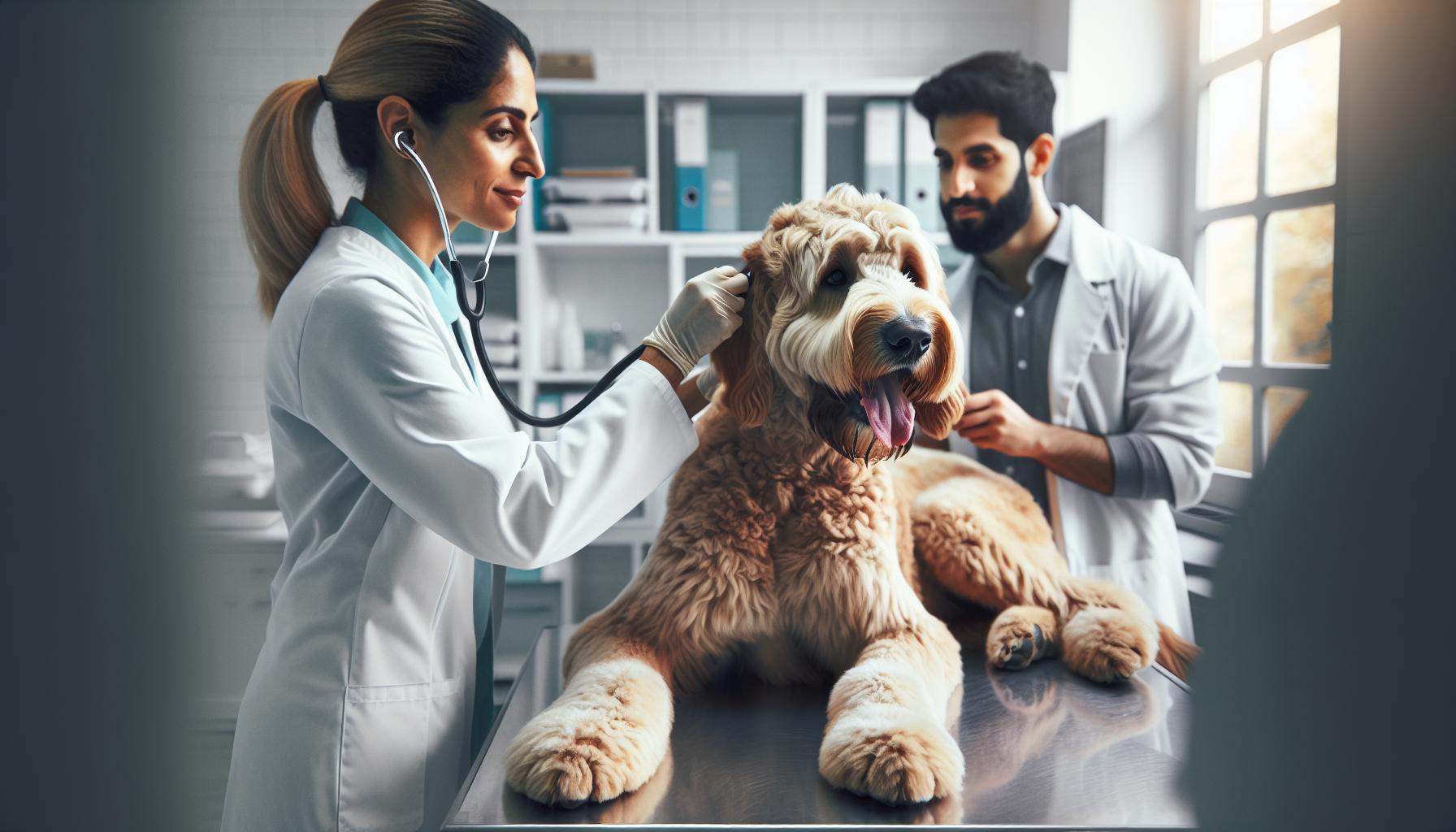
– Genetics and Their Impact on Health
Genetics play a pivotal role in determining the health and well-being of Labradoodles, influencing everything from physical traits to predispositions for certain health conditions. Understanding the genetic makeup of this charming breed can empower you to make informed decisions as a potential owner or current caregiver. The Labradoodle is a cross between the Labrador Retriever and the Poodle, and while this mix can lead to a wonderful temperament and personality, it can also introduce genetic vulnerabilities inherited from either parent.
Inherited Health Concerns
Labradoodles are generally healthy, yet they can inherit genetic health issues common in both Labradors and Poodles. Conditions such as hip and elbow dysplasia are notable concerns-these skeletal disorders can lead to arthritic pain and mobility issues later in life. Additionally, skin allergies are prevalent, particularly because of their Poodle lineage, which is prone to allergy-related conditions. It’s crucial to monitor your Labradoodle for early signs of these issues, such as limping, excessive scratching, or skin irritations, as early intervention can lead to better management and outcomes.
Genetic Testing and Responsible Breeding
If you’re considering adding a Labradoodle to your family, seek out reputable breeders who conduct genetic health testing on their breeding dogs. This testing can reveal potential genetic issues, allowing breeders to make informed choices and reduce the likelihood of passing on these conditions. A responsible breeder will provide you with health clearances for both parent breeds, ensuring you have a clear picture of what your future puppy may inherit. Remember, genetics is not destiny; with proper care, many of these issues can be effectively managed or avoided altogether.
Active Lifestyle and Environment
Another crucial aspect to consider is that a Labradoodle’s genetic background will affect their energy levels and temperament. Both Labradors and Poodles are active breeds, so Labradoodles require a stimulating environment with ample exercise to thrive. Regular activity not only helps maintain a healthy weight, avoiding obesity-a genetic predisposition for both breeds-but it also supports mental well-being. Engage your dog in daily walks, runs, or even agility training to fulfill their exercise needs. The right environment will not only keep your Labradoodle physically fit but also mentally stimulated and emotionally healthy.
In summary, while genetics significantly impact a Labradoodle’s health profile, proactive management through responsible breeding, regular veterinary care, and an active lifestyle can mitigate many genetic health issues. Embrace your journey as a Labradoodle owner with the knowledge that your time and dedication will ultimately lead to a happy and healthy life for your furry friend.
– Nutrition Tips for a Healthy Labradoodle
To keep your Labradoodle healthy and happy, nutrition plays a vital role that shouldn’t be overlooked. Did you know that what you feed your dog can significantly influence their overall health, energy levels, and even their disposition? Proper nutrition not only helps in maintaining a healthy weight but also prevents many common health issues that can affect Labradoodles. These lovable hybrids, with their roots from both Labradors and Poodles, require a balanced diet tailored to their unique needs.
A high-quality dog food designed for large breeds is often recommended for Labradoodles, especially if they are on the larger side. Look for products that contain real meat as the first ingredient, avoiding fillers such as corn or wheat. These ingredients contribute little to your dog’s health and may cause allergic reactions in sensitive individuals. Additionally, consider the protein and fat content. An ideal diet should have a protein percentage between 18% to 30% and healthy fats at around 8% to 15%. This balance supports their active lifestyle, promoting muscle development and energy.
When thinking about servings, it’s essential to tailor the amount according to your Labradoodle’s age, weight, and activity level. Feeding adult Labradoodles may typically require about 2 to 3 cups of high-quality dry food per day, divided into two meals. However, if your dog is particularly active or a little overweight, these amounts should be adjusted accordingly. Take note of their body condition score, a simple guideline you can use to assess their ideal weight. Always ensure fresh water is available, as hydration is just as crucial as a balanced diet.
Treats are a wonderful way to bond with your Labradoodle, but moderation is key. Opt for healthy snacks such as carrot sticks or commercial treats specifically formulated for dogs. This helps avoid unnecessary calories that could lead to obesity, a significant concern with Labradoodles. Incorporating fruits and vegetables can be beneficial too, but always verify which ones are safe for your furry friend. Consulting with your veterinarian can provide personalized insights and recommendations that suit your Labradoodle’s specific health needs.
In essence, providing your Labradoodle with a well-rounded diet packed with the right nutrients is fundamental for their health. This commitment not only enhances their physical condition but also enhances their quality of life, allowing them to thrive as energetic companions. By making informed and thoughtful choices regarding their nutrition, you’re paving the way for a long, fulfilling life together.
– Importance of Regular Veterinary Check-ups
Regular veterinary check-ups are the cornerstone of ensuring your Labradoodle lives a long, healthy life. Just like humans, dogs benefit enormously from preventive health care. Routine visits can catch potential issues before they become serious and costly. Did you know that early diagnosis of common health issues can significantly improve the prognosis? For Labradoodles, who are prone to certain genetic conditions, maintaining a schedule of vet visits can make all the difference.
You should aim to take your Labradoodle for an annual check-up, or biannual for older dogs. During these check-ups, the vet will perform a comprehensive examination that includes checking your dog’s weight, dental health, and overall physical condition. They might also suggest lab work, such as blood tests or urinalysis, to identify underlying conditions that aren’t immediately visible. This proactive approach not only helps monitor your dog’s health but also builds a trusting relationship between you, your Labradoodle, and your veterinarian.
Why Preventive Care Matters
Preventive care, which includes vaccinations and parasite control, is crucial for safeguarding your dog’s health. Making sure your Labradoodle is up to date on vaccines can prevent diseases that could significantly affect their quality of life. Regular deworming and flea control are also essential, especially in regions where these concerns are prevalent. For example, heartworm prevention is critical in many areas due to mosquitoes, which can transmit this dangerous parasite. Your veterinarian can provide personalized schedules for vaccinations and preventive treatments that cater to your Labradoodle’s specific needs.
Recognizing Health Changes
One of the subtle yet important aspects of regular check-ups is recognizing health changes that might be overlooked at home. Labradoodles are known for their playful and energetic nature, but any shift in behavior-such as increased lethargy or changes in appetite-should be noted and discussed with your vet. These changes can be signs of stress, anxiety, or underlying health issues. Your veterinarian can offer strategies and treatments tailored to address specific concerns while also monitoring any potential shifts in your Labradoodle’s health status over time.
By prioritizing these regular veterinary visits, you’re not only taking a proactive role in your Labradoodle’s health but also ensuring that your furry friend continues to bring joy and companionship into your life for many years to come.
– Exercise Requirements for Optimal Health
Labradoodles are not just adorable; they are also highly active dogs that thrive on regular exercise to maintain optimal health. Did you know that daily physical activity can help reduce the risks of obesity, anxiety, and common diseases? With a blend of Labrador Retriever and Poodle genetics, these designer dogs come with a high energy level and a playful spirit, making structured exercise essential for their well-being.
To keep your Labradoodle happy and healthy, aim for at least 60 minutes of exercise each day. This can be broken down into multiple sessions, allowing for both physical and mental stimulation. Activities could include brisk walks, energetic games of fetch, hiking, or even swimming-Labradoodles usually love water! Incorporating agility training or obedience classes can also be beneficial, combining fun with an opportunity for mental engagement.
Regular exercise not only helps with building muscle and endurance; it also promotes emotional balance. Labradoodles are social animals and thrive on companionship, so consider organizing playdates with other dogs. This not only fulfills their need for exercise but also enhances their social skills. Here’s a quick checklist of engaging activities to keep your Labradoodle active:
- Long walks or jogs in the park
- Interactive play sessions (fetch, tug-of-war)
- Swimming or water play (great for joint health)
- Agility courses or obstacle games
- Socialization with other dogs or in dog parks
Every Labradoodle is unique, and some may require more or less activity based on their age, health status, and individual temperament. For instance, younger Labradoodles are likely to have boundless energy, full of enthusiasm for physical challenges, whereas older dogs may benefit from gentler exercises that still keep them moving. Monitoring your dog’s response to exercise can help tailor a fitness routine that meets their needs while ensuring they remain fit and sprightly well into their golden years. By making exercise a fun routine, you not only improve their physical health but also strengthen the bond you share with your furry companion, leading to a happier, healthier life together.
– Preventative Care: Vaccinations and Parasite Control
Ensuring your Labradoodle’s health goes beyond regular exercise and a balanced diet; preventative care is a cornerstone of good health management. While Labradoodles are generally robust, they can be susceptible to certain diseases and parasites. Vaccinations play a pivotal role in protecting them against various infections, from parvovirus to rabies. Regular vaccination not only safeguards your pup but also contributes to community health by curbing the spread of canine diseases.
It’s essential to establish a vaccination schedule alongside your veterinarian. Typically, puppies require a series of vaccinations between six to sixteen weeks of age, followed by boosters during their first year. Keeping abreast of these appointments ensures your Labradoodle is protected at each life stage. For adult dogs, maintaining a routine of booster shots-often annually or every three years depending on the vaccine type-is vital.
In addition to vaccinations, no discussion of preventative care is complete without addressing parasite control. Labradoodles, especially those who enjoy outdoor adventures, can be at risk for parasites such as fleas, ticks, and worms. Flea and tick prevention is crucial not only for your dog’s comfort but also to prevent diseases they may carry. Worming treatments should be regularly administered, as intestinal parasites can impact your dog’s health significantly. Consulting with your veterinarian about a comprehensive parasite control program tailored to your Labradoodle’s lifestyle is a proactive step to ensuring their wellbeing.
Lastly, consider complementing these preventative measures with regular health screenings and dental care. Routine check-ups can help catch any early signs of health issues, and maintaining dental hygiene through brushing or professional cleanings can prevent dental disease, which is common in dogs. This holistic approach to your Labradoodle’s health fosters a long, happy life filled with wagging tails and playful moments. By making these commitments not only for the beginning stages of your dog’s life but as a continuous journey, you ensure that your Labradoodle remains a healthy, vibrant companion.
– Grooming and Its Role in Health Maintenance
Keeping a Labradoodle’s coat in tip-top shape often feels like an art form, but this grooming ritual goes beyond aesthetics-it’s a vital part of ensuring their overall health! Labradoodles are known for their beautiful, wavy fur, a unique blend inherited from their Poodle and Labrador Retriever lineage. This coat can be prone to matting, which can trap dirt, moisture, and even pests close to the skin if not maintained properly. Regular grooming is essential not only to keep your Labradoodle looking fabulous but also to promote skin health and comfort.
Routine Grooming Practices
A consistent grooming schedule-ideally every 4 to 6 weeks-will help manage shedding and prevent matting. Here are some key grooming components to include in your routine:
- Brushing: Aim to brush your Labradoodle at least once a week, using a slicker brush and a comb to get through both the top and undercoat. This helps remove loose hair and prevents tangles, especially around sensitive areas like behind the ears and under the arms.
- Bathing: Bathe your Labradoodle every 1 to 3 months, depending on their activity level. Use a gentle dog shampoo that is pH balanced, as human shampoos can irritate their skin.
- Nail Trimming: Keep an eye on their nails; if you hear clicking sounds when they walk on hard surfaces, it’s time for a trim! Regular nail care helps prevent painful overgrowth and issues with walking.
- Ear Cleaning: Labradoodles’ floppy ears can trap moisture, fostering conditions that lead to ear infections. Regular inspection and cleaning with a vet-recommended solution keep their ears healthy.
Impact of Grooming on Health
The health benefits of grooming extend well beyond keeping your Labradoodle’s coat shiny and tangle-free. Regular grooming can help identify skin issues, lumps, or irritations that might otherwise go unnoticed until they become serious. For instance, while brushing your dog, you might notice a sore spot or a lump that warrants a veterinary visit. Additionally, brushing stimulates blood flow to the skin, promoting a healthy coat and skin.
Happily, grooming also serves an emotional and psychological purpose. It’s an opportunity for bonding between you and your Labradoodle, a time when they can relax and enjoy your attention. For many dogs, grooming is a calming ritual that helps reduce anxiety.
Balancing these grooming responsibilities with ample playtime can lead to a well-rounded and healthy lifestyle for your Labradoodle. Not only is a well-groomed dog more likely to feel good physically, but they are also less likely to develop behavioral issues stemming from discomfort or anxiety. By treating grooming as a shared experience of care and affection, you and your Labradoodle will both reap the rewards!
– Aging Labradoodles: Health Considerations
As Labradoodles age, their needs and health considerations evolve significantly, making it essential for owners to adapt their care strategies. Like all dogs, Labradoodles can experience changes in their bodies and minds as they reach their senior years, typically recognized as starting around the age of 7. During this stage, being attentive to their health and ensuring a comfortable lifestyle can greatly enhance their quality of life and longevity.
Aging Labradoodles may face various health challenges, including arthritis, dental issues, and changes in vision or hearing. Regular veterinary check-ups become crucial at this stage for early detection and intervention. During these visits, your vet may recommend more frequent wellness exams and relevant screenings to catch potential issues before they progress. Monitoring your Labradoodle’s weight is also vital, as obesity can exacerbate joint problems and lead to other serious health concerns.
Diet and Nutrition Adjustments
Adjustments in your Labradoodle’s diet can significantly improve their health as they age. Senior dog foods are formulated to meet the specific needs of older pets, often containing fewer calories and more fiber to support digestion and maintain a healthy weight. Consider incorporating supplements such as glucosamine and omega fatty acids to support joint health and skin condition. Always consult with your veterinarian before making changes to ensure your Labradoodle receives the balanced nutrition they require.
Exercise and Mental Stimulation
While exercise remains crucial, it may need to be tailored for aging Labradoodles. Shorter, more frequent walks can substitute for long, strenuous outings. Include activities that promote mental stimulation, such as puzzle toys or training sessions that reinforce commands. These practices keep their mind sharp and help stave off anxiety or boredom, which can lead to behavioral issues.
In conclusion, caring for an aging Labradoodle requires a keen eye and a proactive approach. By remaining vigilant and responsive to their changing needs, you can help ensure that your beloved companion enjoys their golden years with comfort, happiness, and vitality. Embrace this special time together by cherishing those quiet cuddles and joyful moments-you’ll create cherished memories that last a lifetime!
– Emotional Well-being: Mental Health in Labradoodles
Maintaining the emotional well-being of your Labradoodle is just as crucial as ensuring their physical health. These intelligent, social dogs thrive on interaction, engagement, and affection. Recent studies have shown that a dog’s emotional state can significantly impact their overall health and longevity, making it essential for owners to prioritize mental enrichment alongside physical care.
Labradoodles, being a mix of Labrador Retrievers and Poodles, often inherit an affectionate and friendly disposition. This means they usually do well in family settings, but it’s essential to remember that their social nature also means they can experience loneliness and anxiety if left alone for long periods. To help promote emotional stability, it’s beneficial to implement routines that include both socializing with other pets and people, as well as dedicated playtime. Regular interactions can help mitigate feelings of isolation and ensure your Labradoodle feels secure and loved.
Practical Tips for Mental Health
To enhance your Labradoodle’s emotional well-being, consider incorporating the following activities into their daily routine:
- Engaging Toys: Use puzzle toys that challenge their problem-solving skills. These can keep your dog entertained and mentally stimulated, preventing boredom-related behaviors.
- Training Sessions: Regular training not only reinforces good behavior but also builds your bond. Teaching new tricks or commands can be a fun way to engage their mind.
- Socialization: Arrange playdates with other friendly dogs or visit dog parks to allow your Labradoodle to interact and socialize. These experiences are vital for their emotional health.
- Quality Time: Schedule regular cuddle sessions and quiet time with your Labradoodle. Physical affection can help reinforce feelings of security and happiness.
- Outdoor Exploration: Take your Labradoodle on new adventures-different walking paths or dog-friendly places stimulate their senses and provide new experiences.
In addition to these tactics, keep a watchful eye for signs of stress or anxiety, such as excessive barking, aggression, or hiding. If you notice these behaviors, consult a veterinary behaviorist or a trainer specializing in positive reinforcement techniques. Early intervention can prevent more serious issues and help your Labradoodle lead a happier, healthier life.
By focusing on your Labradoodle’s emotional needs and providing a fulfilling environment, you’ll be contributing to their overall health. This balanced approach ensures a joyful life for your furry friend, allowing you to create cherished memories for years to come.
– Comparing Labradoodles: Health vs. Other Breeds
Understanding the health profile of Labradoodles in comparison to other breeds can be quite illuminating for prospective dog owners. Labradoodles, a delightful mix of Labrador Retrievers and Poodles, tend to bear a unique combination of traits that can impact their health positively. Generally, mixed breeds like Labradoodles exhibit what’s known as “hybrid vigor,” which often translates to a lower incidence of hereditary health issues compared to purebred dogs. For example, purebreds are known to have a higher incidence of certain genetic disorders due to a more limited gene pool, while Labradoodles benefit from the diverse genetics of both parent breeds.
Nevertheless, while Labradoodles may enjoy this genetic advantage, they are not immune to health concerns. Issues such as hip dysplasia, progressive retinal atrophy, and certain allergy predispositions can still affect them, similar to the conditions seen in their parent breeds. In contrast, breeds like Bulldogs often face a higher array of health challenges due to their brachycephalic (short-nosed) structure, which can lead to breathing difficulties and other related problems. Comparatively, Labradoodles’ longer snouts generally facilitate better respiration and stamina.
When evaluating health metrics, nutrition plays a critical role, especially as Labradoodles come in various sizes due to the size variation in Poodles (Standard, Miniature, and Toy). Tailoring their diet specifically to their size and activity level is essential. Unlike breeds that require standardized diets across the board, Labradoodles benefit from personalized nutrition plans that consider growth stages and energy output.
In conclusion, while Labradoodles enjoy a relatively favorable health profile compared to many purebred and other designer breeds, consistent attention to breeding practices, regular veterinary care, and proper nutrition can enhance their well-being and longevity. Owners should continue to be proactive about health screenings and lifestyle management, embracing both the joys and responsibilities of raising a Labradoodle to foster a long, healthy life together.
– Owner Experiences: Personal Health Journeys with Labradoodles
Many Labradoodle owners often find their journey filled with joy and surprises, alongside genuine discoveries about their beloved pets’ health needs. One common thread among these shared experiences is the importance of fostering a strong bond through understanding and adapting to their unique health profiles. Owners frequently emphasize the necessity of regular vet check-ups, not just for vaccinations but also for early detection of potential issues like hip dysplasia and skin allergies, which can be prevalent in this breed.
A wonderful example comes from Sarah, a dedicated Labradoodle owner, who has navigated various health conditions with her furry friend, Max. After noticing Max’s decreased energy and a slight limp, she learned that Labradoodles can be prone to hip dysplasia, something common in both Poodles and Labradors. With the vet’s guidance, Sarah started a strict regimen of low-impact exercise combined with joint supplements. Today, Max enjoys his daily walks without discomfort, reminding us that proactive health management can make a significant difference in a dog’s quality of life.
Nutrition is another cornerstone of maintaining a Labradoodle’s health. Considering their varying sizes, it’s crucial for owners to tailor their dog’s diet based on their weight and energy levels. For instance, John had to switch his Labradoodle, Bella, from standard kibble to a specialized formula that supports her active lifestyle. He realized that high-quality, grain-free food improved her coat health and energy levels significantly, showcasing how personal experiences can guide dietary choices.
Understanding emotional wellbeing is equally vital. Many owners, like Jessica, have found that mental stimulation through training exercises or puzzle toys is instrumental in keeping their Labradoodles mentally healthy. Jessica recounts how incorporating daily training sessions not only helped her dog, Charlie, learn new tricks but also relieved his anxiety, providing him with a structured outlet for his energy.
Overall, the shared experiences of Labradoodle owners reveal valuable insights: it’s a journey that encompasses vigilance in health monitoring, dedication to nutrition, and understanding emotional needs. By tapping into these personal health journeys, new and prospective owners can feel equipped to embrace the joys-and obligations-of raising a Labradoodle, ensuring their furry companions thrive both physically and emotionally.
Q&A
Q: Are Labradoodles prone to any specific health issues?
A: Yes, Labradoodles can be prone to specific health issues such as hip dysplasia, progressive retinal atrophy, and allergies. Regular veterinary checkups and a healthy lifestyle can help in managing these risks. For more on common health concerns, check the section on “Common Health Issues in Labradoodles.”
Q: What is the lifespan of a Labradoodle?
A: The average lifespan of a Labradoodle ranges from 12 to 14 years. To ensure your Labradoodle lives a long and healthy life, focus on proper nutrition, regular exercise, and routine veterinary care.
Q: How often should I take my Labradoodle to the vet?
A: It’s recommended to take your Labradoodle for annual veterinary check-ups, and biannual visits for older dogs or those with existing health conditions. Regular vet visits help monitor their health and prevent potential issues. See the “Importance of Regular Veterinary Check-ups” section for more details.
Q: What is the best diet for a healthy Labradoodle?
A: A balanced diet featuring high-quality dog food tailored to your Labradoodle’s age, size, and activity level is ideal. Incorporating proteins, healthy fats, and fiber is crucial for their overall health. For detailed nutrition tips, refer to the “Nutrition Tips for a Healthy Labradoodle” section.
Q: How can exercise impact my Labradoodle’s health?
A: Regular exercise is essential for maintaining a Labradoodle’s physical and mental health. Activities like daily walks, playtime, and agility training can prevent obesity and behavioral issues. Explore exercises in the “Exercise Requirements for Optimal Health” portion for more guidance.
Q: Are Labradoodles good with children and other pets?
A: Labradoodles are generally friendly and sociable, making them great companions for children and other pets. Early socialization and consistent training enhance their behavior and adaptability. Check the “Emotional Well-being: Mental Health in Labradoodles” section for more tips on socialization.
Q: How can grooming affect my Labradoodle’s health?
A: Regular grooming helps prevent matting, reduces skin issues, and allows for the early detection of health problems like lumps or infections. Maintaining a grooming routine can significantly contribute to your Labradoodle’s overall health. Learn more in the “Grooming and Its Role in Health Maintenance” section.
Q: What preventative measures should I take for my Labradoodle?
A: Essential preventative measures for your Labradoodle include vaccinations, regular parasite control, dental care, and spaying or neutering. These steps can help prevent severe health issues. For comprehensive preventive care, see the “Preventative Care: Vaccinations and Parasite Control” section.
Feel free to explore more about your Labradoodle’s health by navigating our article for extensive care tips and information tailored specifically for this loving breed!
To Conclude
In conclusion, understanding the health aspects of Labradoodles is essential for potential owners, and being proactive can lead to a happy, thriving pet. With their mix of Labrador Retriever and Poodle genetics, Labradoodles can enjoy a robust disposition, but like any breed, they’re susceptible to specific health issues. Don’t wait to ensure the best for your furry friend-consider regular vet check-ups and a balanced diet tailored to their needs. For more insights, check out our articles on Labradoodle Care Essentials and the Pros and Cons of Labradoodles.
Ready to learn more? Explore our resources on grooming tips and training techniques to give your Labradoodle the best life possible. Have questions or experiences to share? We encourage you to leave a comment below and connect with our community of dog lovers. Your next adventure with your Labradoodle starts now-let’s embark together!