
Are you wondering if Labradoodles are as cuddly as they seem? Known for their affectionate nature, these lovable dogs are often characterized by their strong bonds with families and their eagerness to snuggle. Understanding their specific affection levels can not only help you nurture the bond with your furry friend but also guide new and prospective owners in finding the right match for their lifestyle. In this guide, we’ll explore the unmistakable signs that your Labradoodle adores you, while providing valuable insights into their delightful personality traits, so you can fully embrace the joys of dog ownership. Dive in to discover how cuddly these amazing companions can truly be!
Understanding Labradoodle Temperament and Affection Levels
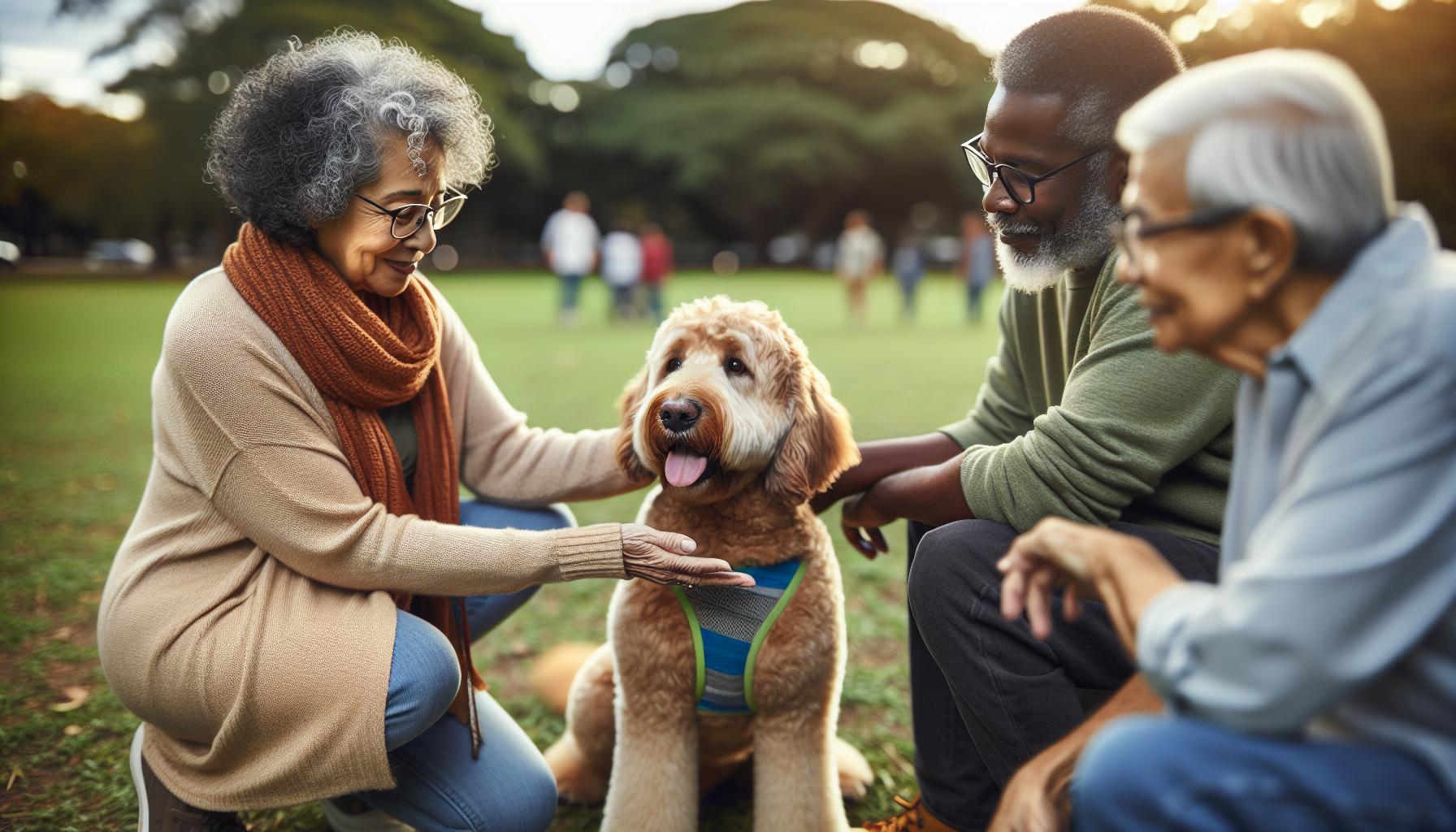
Labradoodles are renowned for their affectionate and gentle nature, which makes them a favorite among dog lovers. These hybrid dogs, a mix between Labrador Retrievers and Poodles, combine the intelligence and eagerness to please of both breeds, resulting in a temperament that is both friendly and cuddly. Their affinity for human companionship often leads them to seek out snuggles and closeness, making them excellent family pets who thrive on interaction and emotional connections.
Understanding what drives the affectionate behavior of Labradoodles involves examining both genetic predisposition and socialization experiences. Labradoodles generally possess a strong inclination towards social engagement, derived from the sociable nature of Labradors, paired with the playful intelligence of Poodles. Early socialization plays a crucial role in shaping a Labradoodle’s affectionate tendencies. Dogs exposed to varied environments, people, and other pets from a young age typically develop into well-adjusted adults that are more confident and comfortable showing affection.
To gauge your Labradoodle’s cuddly nature, observe their body language and behavior during different interactions. A relaxed posture, wagging tail, and approaches for close contact are good indicators of an affectionate temperament. Additionally, a Labradoodle’s response to positive reinforcement through petting and praise can help assess their comfort and enjoyment in close quarters. Engaging in activities that promote bonding, like playtime or even quiet relaxing moments, can strengthen this affectionate connection.
It’s essential to remember that each Labradoodle is an individual; just as some may be more inclined to shower their owners with affection, others might have distinct preferences for personal space. Therefore, nurturing their natural tendencies while respecting their unique personalities ensures a fulfilling relationship marked by love and joy. By providing a supportive environment that encourages affection, you can foster a deep bond that embodies the true spirit of this lovable breed.
What Makes Labradoodles So Cuddly?
Labradoodles are often described as the quintessential cuddle bugs of the dog world, and there’s a delightful blend of traits that contribute to their renowned cuddliness. One of the most compelling reasons these hybrid dogs seek physical affection is their foundational lineage; combining the sociability of Labrador Retrievers with the intelligence and playful nature of Poodles creates a breed that naturally thrives on human interaction. This endearing mix results in a dog that’s not only eager to please but also deeply connected to their families.
Genetic Influences on Affection
The inherent temperamental traits of Labradoodles play a vital role in their cuddly appeal. Labradors are known for their friendly and outgoing nature, frequently forming strong bonds with their human companions. Poodles, on the other hand, inject a level of intelligence and adaptability into the mix, making Labradoodles not just loving but also receptive to their owners’ emotions and cues. When you consider these characteristics together, it’s clear why Labradoodles have a strong tendency to cozy up to their humans. This combo makes them instinctively aware of your needs-whether it’s curling up for a movie night or providing a cheerful welcome at the door.
- Need for Companionship: Labradoodles thrive on companionship and can often feel lonely if left alone for extended periods. This drives them to seek out and enjoy close physical contact.
- Positive Reinforcement: Their eagerness to please means they respond exceptionally well to affection, which reinforces their cuddly behaviors. Simply put, when you show them love, they’re likely to return it tenfold!
The Role of Early Socialization
From puppyhood, socialization plays a critical role in developing a Labradoodle’s affectionate nature. Puppies introduced to varied environments and exposed to different people often become more adaptable and better at expressing affection as adults. Regular positive interactions-like playdates with other dogs or bonding moments with family members-can help pave the way for a lifelong dependency on cuddles and companionship. When Labradoodles grow up in a loving and stimulating environment, they are more likely to display that same warmth and affection toward their owners.
By understanding the intrinsic qualities and social needs of Labradoodles, you’ll be better equipped to foster a cuddly relationship with your dog. Nurturing their affectionate tendencies means more than just allowing them close; it actively involves providing the love and attention they crave, ensuring a fulfilling relationship that brings joy to both you and your furry friend.
Key Factors Influencing Labradoodle Affection
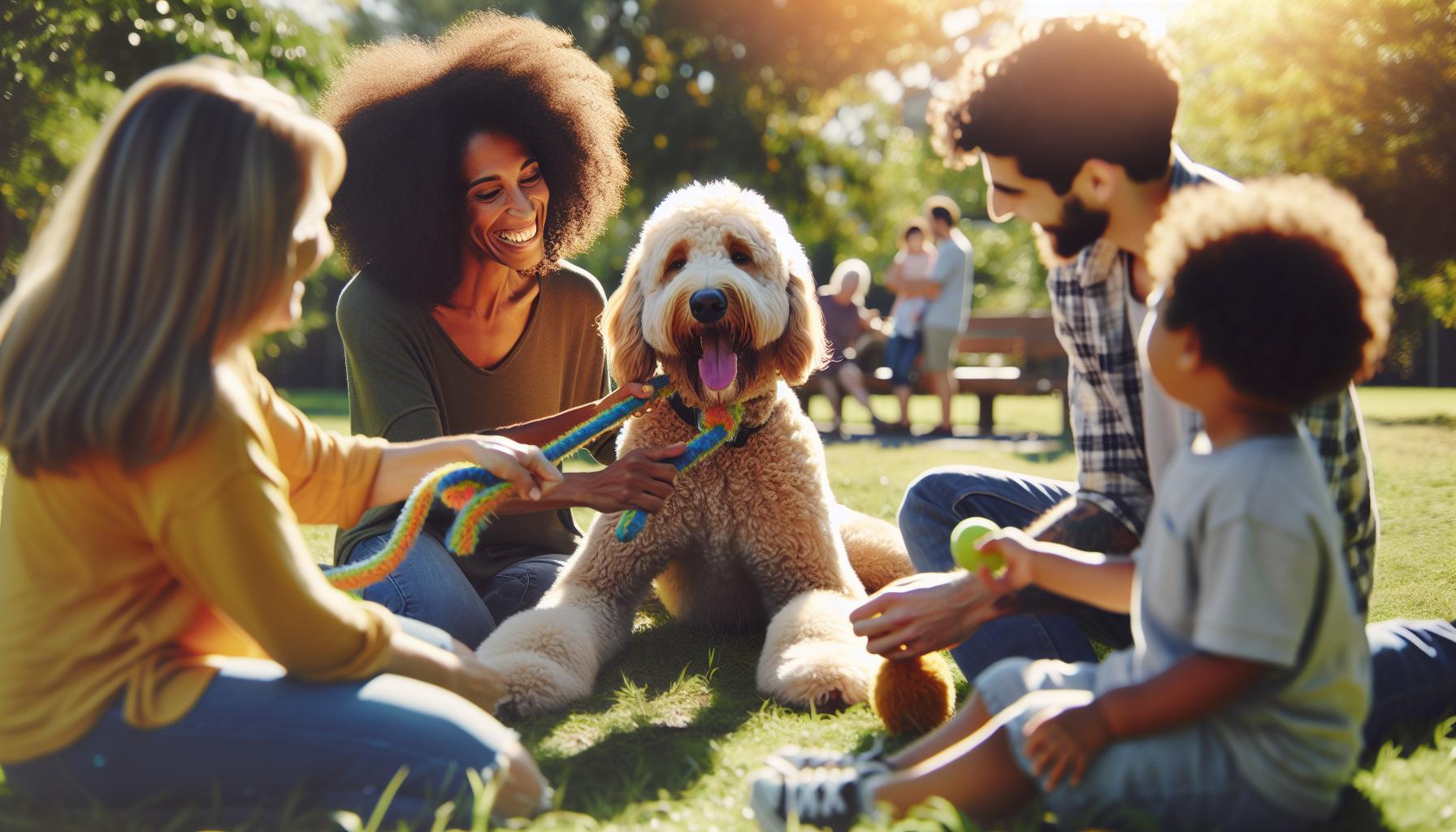
The affectionate nature of Labradoodles is undeniably one of their most charming traits, making them the ultimate cuddle companions. A blend of loving lineage from both Labrador Retrievers and Poodles creates dogs that are not only eager to connect but also skillful at reading social cues from their human family members. This combination of traits leads to profound, meaningful relationships between Labradoodles and their owners, where physical affection plays a central role.
Genetic Factors
The genetic background of Labradoodles significantly influences their affection levels. Labradors, known for their outgoing and friendly demeanor, naturally form strong bonds with people. Their affectionate nature is complemented by the intelligence and sensitivity of Poodles, which helps Labradoodles attune to their owners’ emotions. Together, these breeds create a dog that is not just eager for affection but is also able to sense and respond to your needs, whether it’s after a long day or during moments of joy.
Environmental Influences
Early socialization and environmental experiences are crucial in shaping how affectionate a Labradoodle can be. Engaging with various people and environments during their puppy stages enhances their adaptability and helps them express affection more freely as adults. Regular positive interactions, such as playdates with other dogs or family bonding moments, foster their love for companionship. The more they grow in a stimulating and loving environment, the more likely they are to shower their owners with love and cuddles later on.
- Need for Companionship: Labradoodles thrive on close contact with their human companions. They can experience loneliness when left alone for extended periods, which drives them to seek physical affection.
- Response to Love: Labradoodles are highly motivated by affection and positive reinforcement. When you express your love, they are likely to reciprocate with abundant cuddles, making the bond stronger.
Understanding these key factors allows you to create a nurturing environment that encourages and enhances your Labradoodle’s affectionate nature, ensuring a rewarding companionship filled with warmth and joy.
How to Assess Your Labradoodle’s Cuddly Nature
Evaluating your Labradoodle’s cuddly nature can be a rewarding experience, revealing just how deeply connected your furry friend feels towards you. Labradoodles, known for their affectionate temperament, often display their emotional states through various behaviors. To effectively assess how cuddly your Labradoodle is, observe their actions in different environments and situations, as well as their interactions with you and others.
First, pay attention to your dog’s willingness to initiate contact. Does your Labradoodle often nuzzle into you or seek out your lap? This kind of behavior is a clear sign of affection. Some Labradoodles may be more inclined to snuggle up during quieter moments, such as when lounging on the couch or during a movie night. They may also follow you from room to room, indicating their desire for companionship and closeness.
Furthermore, consider how your dog responds to affection. When you pet or cuddle them, do they lean in closer, wag their tail, or give you soft kisses? Positive reactions like these are strong indicators of your Labradoodle’s cuddly nature. You might also notice that when they are feeling anxious or unsure, they seek you out for comfort, showing their trust in your presence. Engaging them in playful activities or training sessions can also help you understand their affectionate tendencies. After a fun training session, for instance, many Labradoodles enjoy a cuddle session as a way to bond.
In addition to observing individual behaviors, it’s helpful to create an affectionate environment that allows for frequent cuddling. Make specific cuddle times a part of your daily routine, whether after walks, during playtime, or while winding down in the evenings. This reinforces the bond between you and your Labradoodle, encouraging them to express their affection more openly. Remember, because Labradoodles are highly sensitive to their human companions’ emotions, your own demeanor can significantly influence how cuddly your dog feels. Creating a warm, inviting atmosphere will likely elicit even more affectionate responses from your furry friend.
Comparing Labradoodles to Other Breeds in Affection
The affectionate nature of Labradoodles sets them apart from many other breeds, making them an excellent choice for families and individuals seeking a cuddly companion. Known for their intelligence and friendly disposition, Labradoodles often display love and affection through their physical presence and interactive behaviors. When comparing them to other breeds, you will notice a spectrum of affectionate tendencies depending on the dog’s genetics, upbringing, and specific breed traits.
For instance, Golden Retrievers and Labrador Retrievers, the two breeds that contribute to the Labradoodle’s lineage, are both renowned for their sweetness and loyalty. They typically enjoy being near their families, engaging in play, and participating in cuddling during downtime. On the other hand, breeds like the Shiba Inu or Chow Chow, while beloved pets, tend to be more independent and may not exhibit the same level of overt affection. This difference highlights Labradoodles’ unique blend of traits that encourage strong bonding through cuddling and companionship.
In practical terms, if you’re considering bringing a Labradoodle into your home, it’s worth assessing how their affectionate nature aligns with your lifestyle. Labradoodles benefit tremendously from socialization and family engagement, requiring regular interaction to thrive emotionally. Unlike some breeds that might only seek attention when desired, Labradoodles often initiate affectionate contact, whether by curling up beside you during a movie or playfully nudging you for a pet. Investing time in their socialization can amplify their loving nature, allowing you to fully experience the joy of having a loyal and cuddly companion.
Lastly, it’s essential to remember that every dog is an individual. Factors such as environment, training, and personal experiences can significantly influence a dog’s affinity for cuddling. So, even within the Labradoodle breed, you’ll find variations in behavior and affection levels. Observing your Labradoodle’s reactions to affection and adjusting your interaction style can foster a deep, loving bond, setting the stage for countless cuddly moments.
Training Your Labradoodle for More Affection
Creating a strong bond with your Labradoodle can significantly enhance their affectionate nature, making your cuddly companion even more loving. These dogs are naturally inclined to express affection, but training can amplify this tendency. The key to fostering a more affectionate relationship lies in positive reinforcement and understanding your dog’s unique personality and preferences.
To start training your Labradoodle to be more affectionate, engage them with regular play sessions that involve interactive toys. Activities such as fetch or tug-of-war not only boost their physical energy but also strengthen your emotional connection. When you see your Labradoodle seeking closeness, reward this behavior with praise or treats; this reinforces their desire to be near you. Additionally, incorporating consistent cuddle times into your routine can help your Labradoodle learn that being close is not only okay but encouraged.
Developing a command such as “cuddle” can be a fun way to encourage affectionate behavior. Whenever your Labradoodle approaches you for a snuggle, accompany it with the command and reward them immediately. This not only teaches them the command but also makes cuddling a positive experience they associate with rewards. Moreover, building a cozy space where your Labradoodle can snuggle with you while you relax will turn those moments into cherished rituals.
Creating opportunities for affectionate bonding can also be seamless in daily routines. Whether you’re watching TV or working at a desk, make it a habit to invite your Labradoodle to sit with you. A simple gesture such as tapping the spot next to you can signal that it’s cuddle time. Consistency and patience are crucial; the more they experience love and affection from you, the more they will, in turn, display their cuddle-loving side. As you embark on this training journey, keep the atmosphere light and fun, as a stress-free environment encourages an affectionate connection.
Remember, every Labradoodle is unique, and affection levels may vary depending on individual personality and previous experiences. Celebrate small victories along the way to build a lasting bond filled with cuddles and unconditional love.
Caring for a Cuddly Labradoodle: Tips and Tricks
Creating an affectionate atmosphere for your Labradoodle can significantly enhance their natural cuddly behavior. These lovable dogs thrive on companionship and intimate interactions, making it essential to establish routines that encourage snuggling and closeness. Here are some tips and tricks to nurture a warm bond and keep your Labradoodle happy and loving.
First, designate cuddle times in your daily routine. Whether it’s during a cozy movie night or while reading a book, consistently inviting your Labradoodle to join you on the couch can reinforce their affectionate habits. A simple pat on the seat next to you can signal it’s cuddle time. Additionally, making their own comfortable spot close to you, such as a dog bed or blanket, primes them for those intimate moments. This will not only make your pup feel secure but also help them associate being close to you with positive and comforting experiences.
Regular grooming sessions can also enhance your cuddly connection. Labradoodles have curly or wavy coats that require brushing and maintenance, providing an excellent opportunity to bond. As you groom your dog, offer gentle praise and cuddles to make the experience enjoyable. Many dogs find the sensation of being brushed soothing, while it also helps in strengthening your emotional tie. Plus, it keeps their coat healthy and tangle-free!
Another vital aspect to consider is positive reinforcement. Reward your Labradoodle with treats or affection when they approach you for cuddles. This creates a clear understanding that closeness and affection are desirable behaviors. Establishing commands such as “snuggle” or “cuddle” can help in training them to come over for a hug when you call them. Making these commands part of your interaction not only encourages cuddling but can also make it a fun game for both of you.
Lastly, never underestimate the power of playtime. Engaging in interactive play, like fetch or tug-of-war, can help your Labradoodle burn off energy and create moments of shared joy. This also encourages them to seek you out more often post-play for snuggles and relaxation. Remember, a tired dog is often a cuddly dog!
By incorporating these practices into your daily life, you will foster a loving environment that supports your Labradoodle’s affectionate tendencies, allowing your bond to flourish. Embrace the cuddles and enjoy the unique personality your Labradoodle brings into your home!
The Role of Socialization in Labradoodle Affection
Socialization plays a pivotal role in shaping your Labradoodle’s affectionate nature. A well-socialized dog is typically more confident, friendly, and open to expressing love and companionship. Early socialization-exposing your puppy to various people, environments, and experiences-helps them develop healthy interactions with both humans and other animals. This positive exposure nurtures their sociable instincts, encouraging them to seek out comforting and playful connections, which are essential for a cuddly temperament.
When socialized effectively, Labradoodles learn to build trust within their households and beyond. This trust translates into affectionate behaviors such as snuggling, leaning, and seeking physical closeness. Engaging in playdates with other dogs or participating in puppy classes not only teaches your Labradoodle important social cues but also reinforces their desire for companionship through shared experiences. The more they interact in supportive environments, the smoother their affectionate tendencies will become.
To promote robust socialization, consider creating a variety of experiences for your Labradoodle. Take them to parks, pet-friendly cafes, or social events where they can meet new people and pets. Arrange playdates with other friendly dogs and introduce them to various environments, from bustling streets to calm nature paths. Allowing them to experience different settings fosters adaptability and self-assurance, making them more likely to approach others-and you-with affection rather than apprehension.
Finally, remember that ongoing socialization is just as crucial as the early stages. Establishing a routine that includes regular social interactions will keep your Labradoodle engaged and close. As they encounter new situations and build confidence, their moments of seeking closeness and affection will flourish, turning your dog into the ultimate cuddly companion. Embracing these social opportunities will not only strengthen your Labradoodle’s bond with you but also amplify their love for sharing cuddles and affection throughout their life.
Signs Your Labradoodle Loves to Cuddle
There’s something undeniably heartwarming about a Labradoodle curling up next to you, and recognizing when your furry friend is ready for cuddles can enhance the bond you share. Labradoodles are known for their affectionate nature, and they often communicate their desire for closeness through various behaviors. By observing these signs, you can better understand when your Labradoodle is feeling extra cuddly and in need of some quality time together.
One of the most telling signs that your Labradoodle loves to cuddle is when they seek out your presence, often by positioning themselves close to you or even following you around the house. If your dog nudges against you or lays their head on your lap, it’s a clear indication that they’re looking for warmth and connection. They might also lean into you while sitting or standing, which is a physical manifestation of trust and affection.
Additionally, pay attention to their body language. A relaxed wagging tail, soft eyes, and an open mouth (often appearing as if they are smiling) denote a comfortable state, indicating their eagerness for closeness. If they roll over, exposing their belly, they’re signaling that they feel safe with you and would likely enjoy some tummy rubs and cuddles in return.
Moreover, vocalizations can also signal a cuddly mood. If your Labradoodle makes soft whining sounds or gentle barks, this can be an invitation for you to engage with them. You might notice them getting comfortable by circling a specific spot before settling in, often right next to you, which showcases their desire for companionship. Engaging in some gentle petting or scratching during these moments can deepen your connection and encourage more affectionate displays.
Being attuned to these cues not only enriches your relationship but recognizes the genuine affection that Labradoodles inherently offer. Embracing their cuddly nature with love and responsiveness strengthens your bond, making your home a more nurturing environment for both of you.
Common Misconceptions About Labradoodle Affection
While many people adore Labradoodles for their cuddly nature, a few misconceptions surround their affectionate temperament. One common belief is that all Labradoodles are inherently hyper-affectionate. In reality, like humans, dogs have individual personalities, meaning some Labradoodles may be more reserved than their exuberantly cuddly counterparts. Understanding that each dog may have a unique comfort level with affection can help new owners avoid disappointment when their pup doesn’t immediately seek snuggles.
Another misconception revolves around the idea that Labradoodles don’t require training to be affectionate. While these dogs often display endearing behaviors naturally, fostering strong bonds through training is essential. Engaging in positive reinforcement and socialization from a young age promotes trust and connection. For instance, training sessions can serve as an opportunity to teach your Labradoodle that affection is a two-way street, building a relationship where they feel comfortable showing their love.
Some owners might also think that a Labradoodle’s cuddliness is solely dependent on their physical appearance-namely, their soft fur. Although their coat does indeed invite snuggles, it’s the emotional and psychological aspect of their interactions that determines how cuddly they become. A Labradoodle that feels secure in their environment and connected with their human will naturally seek out closeness, regardless of their coat. Thus, creating a loving, stable home environment is crucial in promoting their affectionate tendencies.
In conclusion, while Labradoodles are widely recognized for their lovable nature, it’s important to acknowledge the nuances in their affectionate behaviors. Understanding that each dog is unique, recognizing the significance of training and socialization, and fostering a safe emotional space will help develop a truly cuddly companion. By addressing these misconceptions, you can build a deeper bond with your Labradoodle, ensuring that their affectionate side shines through.
Building a Strong Bond with Your Labradoodle
Building a strong relationship with your Labradoodle is essential for nurturing their affectionate nature and ensuring they feel secure and loved. Did you know that the bond you create can significantly enhance your Labradoodle’s behavior, emotional well-being, and even their overall happiness? By investing time and effort into your connection, you can cultivate a loyal companion who is eager to show their love, whether through cuddles, playful antics, or simple companionship.
One effective way to bond with your Labradoodle is through shared activities. Regularly engaging in exercises like walks, fetch, or agility training not only promotes their physical health but also stimulates their mental abilities. Labradoodles are highly intelligent, and they thrive on interaction and challenge. Incorporating training sessions that involve commands or tricks can also deepen your bond while nurturing their affection. Positive reinforcement, such as treats or praise, encourages your pup to associate these activities with love and approval, enhancing their willingness to be close and affectionate.
Moreover, creating a comforting home environment can significantly influence your Labradoodle’s desire for closeness. Ensure they have a dedicated space with comfortable bedding and favorite toys where they can retreat and feel safe. Equally important is the routine you establish. Consistency in feeding times, exercise, and quiet time helps your Labradoodle know what to expect, further enhancing their sense of security. When they feel safe and loved, they are much more likely to seek out affection and cuddle time, contributing to a deeper emotional bond.
In addition to activities and environment, socialization plays a crucial role in fostering a strong bond. Exposing your Labradoodle to new experiences, people, and other pets will teach them to trust you as their guide. As they become more confident and comfortable in their surroundings, they will naturally gravitate towards you for comfort and affection. Remember to take things at their pace; allowing them to explore while providing reassurance can work wonders for developing trust and affection. Emphasizing these aspects can transform your Labradoodle into a snuggly companion who thrives on your love and attention.
Labradoodle Personality: What to Expect
With their friendly demeanor and playful spirit, Labradoodles are often regarded as one of the most lovable dog breeds. Their personality traits make them exceptional companions, fostering a bond that can be both deep and affectionate. Labradoodles tend to be social, intelligent, and eager to please, characteristics that align closely with their mixed lineage of Labrador Retrievers and Poodles. This combination contributes to their reputation as cuddly, engaging pets that thrive in family settings.
One of the defining traits of a Labradoodle is their sociability. They often form strong attachments to their human families and enjoy being involved in all household activities. This breed is typically very intuitive, often sensing the emotional states of their owners and responding with empathy. For instance, if you’re feeling down, a Labradoodle may nuzzle close to you or offer a comforting paw, showcasing their affectionate nature. Their ability to read human emotions not only enhances their cuddliness but also reinforces the bond between you and your furry friend.
Affectionate Interactions
Aside from their attentiveness, Labradoodles are known for their playful and energetic spirits. Regular playtime fosters a sense of closeness and can turn into a natural source of affection. Training sessions can also be a rewarding way to connect, as Labradoodles love learning new tricks and challenges while enjoying praise and treats from their owners. This eagerness to bond over shared activities not only nurtures their affectionate disposition but also encourages positive behaviors that make them even more lovable.
Ultimately, if you’re welcoming a Labradoodle into your home, expect to find a devoted companion who will not only seek out cuddles and affection but also enrich your life with their playful and endearing personality. By understanding their needs for social interaction and mental stimulation, you can cultivate a nurturing environment that encourages this friendly breed to thrive. This fusion of affection and energy is what makes Labradoodles such beloved family members, ready to share their cuddly nature with you at every opportunity.
Frequently asked questions
Q: Are Labradoodles naturally affectionate dogs?
A: Yes, Labradoodles are known for their affectionate nature. Their social disposition makes them love being around people and engaging in cuddling. Regular interaction and bond-building activities can enhance this trait even further, encouraging a loving companionship.
Q: How can I tell if my Labradoodle wants to cuddle?
A: Signs that your Labradoodle wants to cuddle include nuzzling, leaning against you, or following you around the house. If they initiate close contact or playfully paw at you, it often indicates a desire for affection and cuddling.
Q: What factors affect how cuddly my Labradoodle will be?
A: Several factors influence a Labradoodle’s cuddly nature, including genetics, socialization, and training. Dogs raised in positive environments that encourage affection develop stronger bonds. Regular handling and affectionate interactions will help your Labradoodle become more cuddly over time.
Q: How do I encourage my Labradoodle to be more cuddly?
A: To encourage your Labradoodle to be more cuddly, create a comfortable environment for snuggling, use positive reinforcement when they seek closeness, and set aside time each day for bonding activities. Training them to enjoy quiet times with you can foster their affectionate side.
Q: Do Labradoodles like to cuddle with children?
A: Yes, Labradoodles typically enjoy cuddling with children. Their friendly and playful nature makes them great companions for kids, promoting affectionate interactions. Always supervise playtime to ensure safe and positive experiences for both the child and the dog.
Q: Can you compare Labradoodles’ affection levels to other breeds?
A: Labradoodles often rank high in affection compared to many breeds due to their sociable and gentle temperament. Unlike some more independent breeds, Labradoodles thrive on human interaction and are eager to cuddle and please their owners, making them more expressive in their affection.
Q: What are common misconceptions about Labradoodle affection?
A: A common misconception is that Labradoodles are overly energetic and less affectionate. While they do have bursts of energy, they also value cuddle time and affection. Understanding their balance of playfulness and calm can promote deeper connections with them.
Q: When do Labradoodles typically show their most affectionate behaviors?
A: Labradoodles often show heightened affectionate behaviors during quiet times, like after play or during family gatherings. Evening relaxation periods tend to be when they most seek closeness, as they enjoy winding down with their loved ones.
For more insights on understanding your Labradoodle’s affectionate nature, check our sections on Assessing Your Labradoodle’s Cuddly Nature and Building a Strong Bond with Your Labradoodle!
Wrapping Up
In conclusion, Labradoodles are not just cuddly companions; they thrive on affection and companionship, making them ideal for families and individuals alike. Whether you’re a new owner or an experienced handler, their loving nature and playful spirit bring joy and connection. Don’t miss out on exploring how to best nurture your Labradoodle’s affection needs-check out our articles on “Labradoodle Training Tips” and “Understanding Labradoodle Temperament” for more valuable insights.
Ready to deepen your bond with your furry friend? Sign up for our newsletter to receive expert tips straight to your inbox, or visit our recommended products page to find all the essentials for your Labradoodle’s care. If you have questions or personal experiences to share, we would love to hear from you in the comments section below! Let’s keep the conversation going and ensure your Labradoodle feels loved and cherished every day.