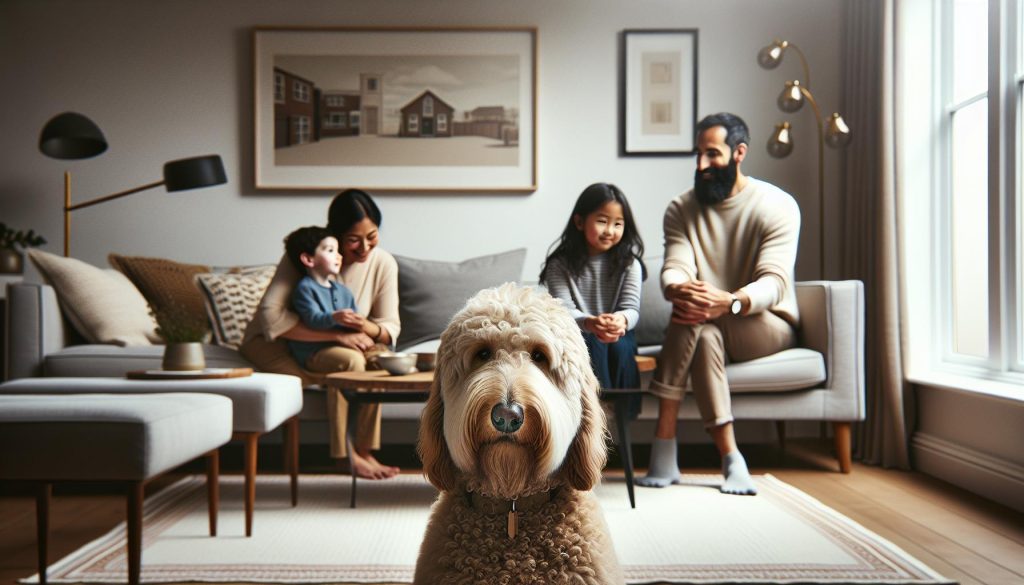
Labradoodles have gained immense popularity as family pets and companions, but are they really the right choice for you? Known for their friendly disposition and hypoallergenic traits, these delightful dogs combine the best qualities of their Labrador Retriever and Poodle parents. Many potential owners dream of a loyal, intelligent pet that can adapt to various lifestyles, yet understanding the true nature of Labradoodles is essential before making that commitment. In this article, we’ll explore the honest truth about Labradoodles-from their temperament and grooming needs to their suitability for different households. Whether you’re a first-time dog owner or an experienced handler, our insights will help you determine if this lovable mix is the perfect match for your family. Join us as we delve into the world of Labradoodles and uncover what makes them unique companions!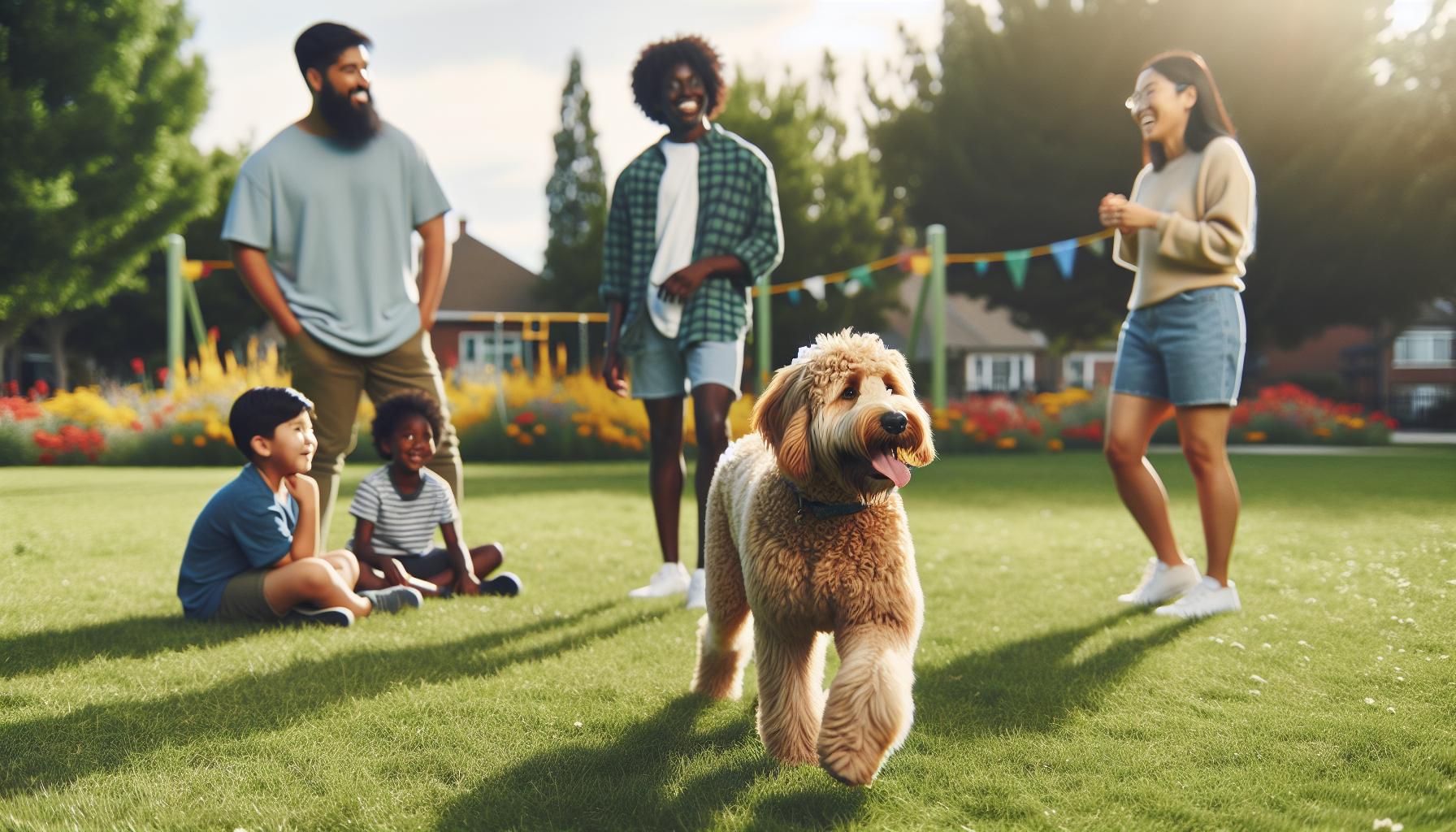
Are Labradoodles Friendly and Social?
There’s a reason why Labradoodles have won the hearts of many dog lovers around the world: their friendly and social nature! These delightful hybrids, a mix between a Labrador Retriever and a Poodle, tend to embody the best traits of both breeds. You’ll often find them bouncing through life with a wagging tail and an eagerness to make friends, whether they’re meeting new people or playing with fellow dogs at the park.
Labradoodles are known for their outgoing personalities, which make them excellent companions. They thrive on social interaction-be it with their human families or other pets. This sociable demeanor is rooted in their Labrador heritage, known for being friendly and approachable. When properly socialized, Labradoodles can adapt to various environments and situations, easily fitting into family gatherings, dog parks, and even busy city streets. Here’s a quick look at some qualities that make Labradoodles stand out:
- Affectionate: Labradoodles love to snuggle and will often seek out companionship from their humans.
- Playful: They have loads of energy and enjoy playtime, making them great partners for kids and active families.
- Friendly: Typically, Labradoodles are welcoming towards strangers, making them less likely to be aggressive.
- Adaptable: Their social skills allow them to comfortably adjust to new situations, which is ideal for family life.
To nurture these friendly traits, early socialization is key. Exposing your Labradoodle to a variety of people, places, and experiences helps them grow into well-rounded adults. Consider enrolling them in puppy classes or arranging playdates with other dogs to enhance their confidence and social skills. Remember, while Labradoodles are generally sociable, each dog is an individual, and their temperament can vary based on genetics and experiences. With the right training and socialization, you’ll cultivate a loyal and loving companion who truly embodies the spirit of friendship.
The Pros and Cons of Labradoodles
Labradoodles have captured the affection of many with their charming personalities and intelligence. However, like any breed, they come with their own set of advantages and challenges. Understanding the pros and cons of owning a Labradoodle can help potential owners make informed decisions that suit their lifestyles and preferences.
One of the most significant advantages of Labradoodles is their friendly and social nature. They are typically very affectionate, thriving on interaction with humans and other pets. This gentle demeanor makes them excellent family pets, particularly in homes with children. Their playful spirit means they enjoy active playtime, whether it’s fetching a ball or swimming, contributing to a lively household. Furthermore, these dogs are often seen as hypoallergenic due to the Poodle’s curly coat, which may reduce dander, appealing to those with allergies.
However, potential owners should also be aware of the downsides. Labradoodles require regular grooming to maintain their coat, which can be both time-consuming and costly. Their energetic nature means they need ample exercise and mental stimulation to prevent boredom, leading to destructive behaviors if neglected. Additionally, not all Labradoodles will inherit the same traits from their parents; some may be more energetic or stubborn, requiring consistent training and socialization to ensure good behavior.
Pros and Cons Overview
| Pros | Cons |
|---|---|
| Friendly and social, great for families | Require regular grooming |
| Intelligent and trainable | High energy needs; require daily exercise |
| Generally hypoallergenic coat | Individual temperaments may vary |
With proper training, consistent grooming, and plenty of exercise, Labradoodles can thrive and become beloved family members. They bring joy and companionship, but it’s essential to balance their needs with your lifestyle to ensure a happy and harmonious relationship.
Understanding Labradoodle Temperament
Labradoodles are often celebrated for their captivating blend of intelligence and warmth, making them exceptional companions for a wide range of households. Their temperament is generally characterized by a friendly and playful nature, which can significantly enrich your home life. These dogs thrive on social interaction; they actively seek the company of their humans and often exhibit a gentle, affectionate demeanor that endears them to families, particularly those with children. This eagerness to engage can manifest in various ways, like wanting to join in on family games or simply curling up for cuddles on the couch.
One aspect of Labradoodle temperament that stands out is their willingness to please. This trait, inherited from both parent breeds-the Labrador and the Poodle-makes them highly trainable. They tend to learn commands quickly and enjoy participating in a wide variety of activities, ranging from agility training to obedience classes. However, it’s important to remember that their intelligence also means they require regular mental stimulation. Without this, they may exhibit boredom-related behaviors, such as digging or chewing. Providing toys that challenge their minds or engaging them in regular training sessions can help keep their spirits high.
Moreover, Labradoodles tend to be sociable not just with their families but with other dogs and pets as well. Early socialization is crucial to developing their personality, ensuring that they remain well-adjusted and comfortable in diverse environments. Introducing them to various people, pets, and settings as puppies can foster their natural friendliness and prevent shyness or anxiety in unfamiliar situations.
In terms of potential challenges, it is important to recognize that not all Labradoodles will display the same temperament. Variations can arise due to genetics and early life experiences. Some may be more energetic, while others might lean towards a calmer demeanor. This variability underscores the importance of observing each individual dog and adjusting your training and socialization efforts accordingly. Consistency, patience, and positive reinforcement are essential strategies that can help nurture the best qualities of your Labradoodle, ensuring a harmonious relationship between you and your furry friend.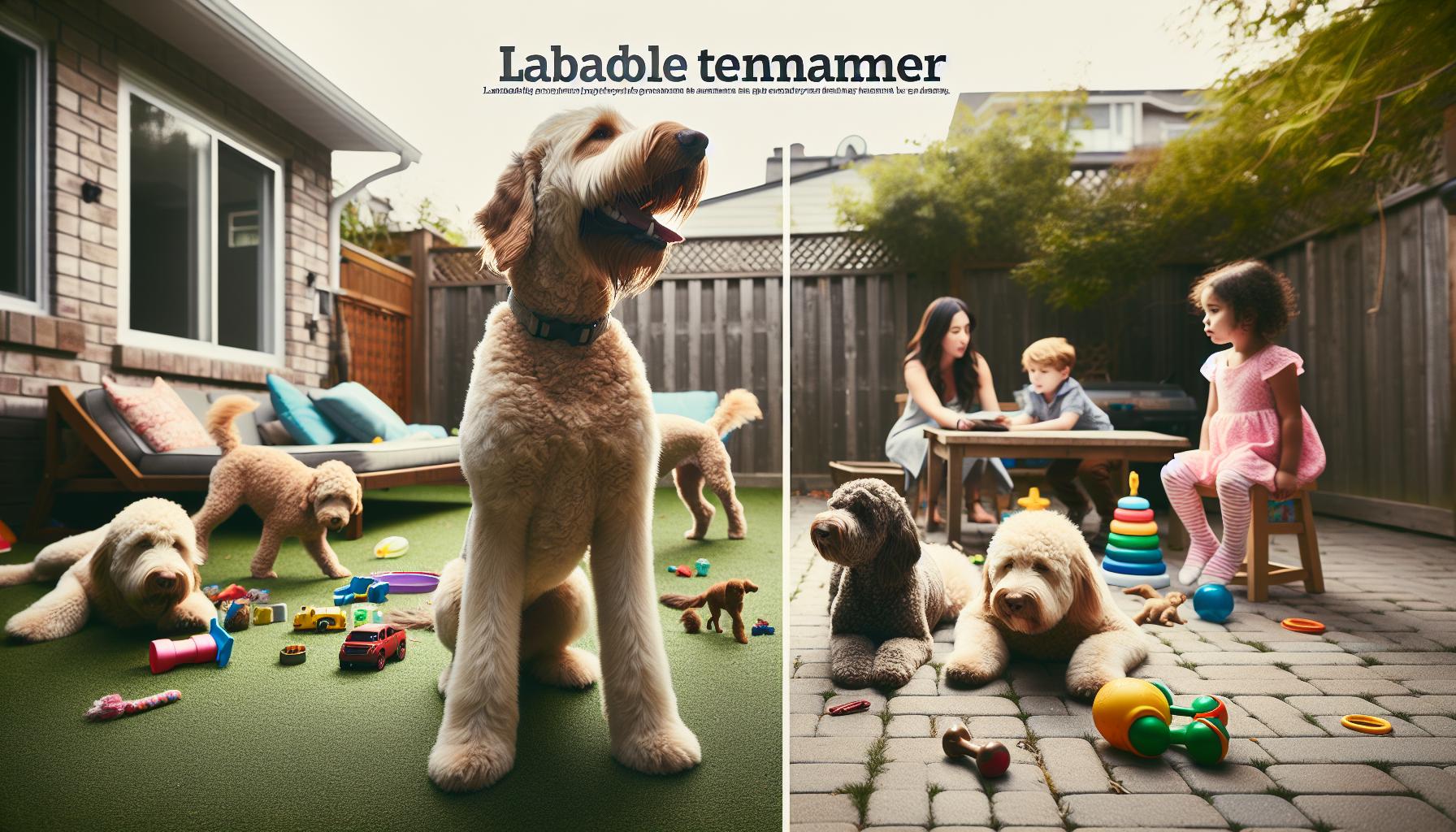
Training Tips for Your Labradoodle
Training your Labradoodle can be a rewarding journey, filled with discovery and laughter. These dogs are not just cute faces; their intelligence and eagerness to please make them some of the most trainable breeds out there. As a blend of Labrador and Poodle, they inherit traits from both parent breeds that contribute to their desire for engagement and affection from their human companions.
To ensure your Labradoodle thrives, start with positive reinforcement techniques. This approach emphasizes rewarding good behavior rather than punishing mistakes, which is essential for a breed that naturally seeks approval. You might use treats, praise, or playtime as rewards. This encourages your dog to associate training with positive experiences, making them more likely to repeat desired behaviors. For example, if your Labradoodle performs a command successfully, celebrate their achievement with an enthusiastic “good boy!” and a tasty treat.
Establish a Routine
Consistency is key in training. Establish a daily routine that includes specific times for training sessions, exercise, and mental stimulation. Short, frequent training sessions-about 5 to 10 minutes-can keep your Labradoodle’s attention and enthusiasm. Incorporate a variety of commands and tricks to keep things fresh. Examples might include:
- Basic commands like sit, stay, and come.
- Fun tricks such as roll over, play dead, or fetch.
- Agility training to channel their energy in a focused manner.
Incorporating games into your training, like hide and seek with a toy, can also work wonders for challenging their minds. This method teaches them to use their problem-solving skills while keeping the training process fun and engaging.
Socialization and Exposure
Early socialization is crucial for a well-adjusted Labradoodle. Expose your puppy to different environments, people, and other animals from a young age. This exposure helps mitigate any future anxiety or fearfulness, fostering a friendly and confident disposition. Schedule playdates with other dogs or invite friends over, ensuring your Labradoodle enjoys plenty of positive interactions. Remember, a well-socialized dog is usually a happy and well-behaved one!
In summary, training your Labradoodle is not just about teaching commands; it’s about building a solid bond through engagement and trust. Embrace their intelligence with consistent, positive training practices, and consider their socialization needs as an essential part of this wonderful journey. With patience and love, you’ll raise a well-behaved, happy member of your family who embodies the very best traits of their delightful breed.
Labradoodle Exercise Needs and Activities
Labradoodles are bundles of energy, and their exercise needs are as vibrant as their personalities! This playful breed thrives on regular physical activity, which is essential not only for their physical well-being but also for their mental stimulation. A well-exercised Labradoodle is less likely to exhibit behavioral issues, making adequate exercise a key component of responsible pet ownership.
To keep your Labradoodle happy and healthy, aim for at least 60 minutes of exercise each day. This can include a mix of brisk walks, play sessions, and interactive activities that engage their minds as much as their bodies. Here are some great options to consider:
- Daily Walks: Regular walks provide great exercise and an opportunity for socialization. Incorporate different routes to keep things exciting.
- Fetch and Retrieve: Labradoodles often inherit the love for fetching from their Labrador side. Playing fetch in an open area not only burns energy but also strengthens your bond.
- Agility Training: Set up an agility course in your backyard or join a local class. It’s a fun way to challenge them physically and mentally, perfect for utilizing their intelligence.
- Swimming: Many Labradoodles are natural swimmers and enjoy the water. Swimming is an excellent, low-impact exercise that helps keep them cool in warm weather.
Social Playdates and Activities
Labradoodles, with their friendly nature, love being around people and other dogs. Organizing regular playdates can provide socialization opportunities while allowing them to expend energy. Group dog activities or local dog parks are excellent places for them to interact with their peers and play games. This not only fulfills their exercise needs but also helps with their social development, reinforcing their naturally friendly disposition.
Incorporating mental stimulation into their exercise routine is just as important as physical activity. Puzzle toys, scent games, or teaching new tricks can keep your Labradoodle’s mind sharp and engaged. Consider rotating toys to maintain their interest and keep their play sessions dynamic and fun.
By prioritizing regular exercise and varied activities, you’ll not only foster a healthy Labradoodle but also a well-adjusted family member who brings joy and positivity to your home!
Grooming and Care Requirements for Labradoodles
Maintaining the coat and overall hygiene of your Labradoodle is integral to their health and well-being. Given their unique lineage, Labradoodles often exhibit a wavy or curly coat that can be both a blessing and a challenge. Their fur is typically less prone to shedding, making them a popular choice for allergy sufferers. However, this also means they require regular grooming to prevent matting and to keep their coat in optimal condition.
To ensure your Labradoodle stays looking their best, a grooming regimen should include:
- Frequency of Brushing: Aim to brush your Labradoodle at least 2-3 times a week, or daily if they have a longer coat. This helps to remove loose hair, prevent tangles, and distribute natural oils throughout their fur.
- Bathing: Bathe your Labradoodle every 4-6 weeks, or as needed if they get particularly dirty or smelly. Use a gentle dog shampoo to keep their skin healthy; over-bathing can lead to dry skin and irritation.
- Ear Care: Labradoodles can be prone to ear infections if moisture is allowed to accumulate. Regularly check and clean their ears using a veterinarian-approved cleaner, especially after baths or swimming.
- Nail Trimming: Keep their nails trimmed every 3-4 weeks to prevent discomfort or issues with walking. If you can hear their nails clicking on hard surfaces, it’s time for a trim!
- Professional Grooming: Depending on your Labradoodle’s coat type, consider visiting a professional groomer every few months. They can provide a thorough grooming, including trimming and styling that suits your dog’s individual coat.
A well-groomed Labradoodle not only looks beautiful but also enjoys better health overall. Regular grooming serves as a wonderful bonding time and can help you spot any skin issues early on. Taking care of your Labradoodle’s grooming needs may seem daunting initially, but it becomes a rewarding part of your routine that strengthens the relationship you share. By establishing a consistent grooming schedule and using the right tools, you’ll keep your furry friend happy, healthy, and looking their finest!
Health Concerns Common in Labradoodles
Labradoodles, renowned for their friendly disposition and playful personality, can also face certain health issues common to their breed. Understanding these potential concerns is essential for any prospective owner, as it enables you to provide the best care possible for your furry friend. Labradoodles are generally healthy, but being aware of their predisposition to particular health problems can help you catch issues early and seek appropriate veterinary care.
### Common Health Issues
Labradoodles can inherit health problems from either of their parent breeds, the Labrador Retriever and the Poodle. Here are some common health concerns to keep in mind:
- Hip and Elbow Dysplasia: This is a genetic condition where the bones do not fit snugly into the hip or elbow joint, leading to arthritis and pain. Regular vet check-ups and maintaining a healthy weight can help manage this condition.
- Ear Infections: Thanks to their floppy ears, Labradoodles can be prone to ear infections. It’s crucial to keep their ears clean and dry. Regularly checking their ears and consulting your vet with any signs of infection-like redness or odor-can help prevent serious issues.
- Allergies: Labradoodles can suffer from environmental and food allergies. Symptoms might include itching, redness, or digestive upset. Identifying and eliminating allergens, sometimes with the help of a vet, can greatly improve their quality of life.
- Progressive Retinal Atrophy (PRA): This genetic eye disorder can lead to blindness and is a condition that affects both Poodles and Labradors. Regular eye exams by a veterinarian can help track eye health and catch any issues early.
### Preventative Care
Implementing a proactive healthcare routine can make a significant difference in your Labradoodle’s well-being. Here are some essential practices:
- Regular Vet Visits: Annual check-ups are crucial for monitoring your dog’s health, receiving vaccinations, and discussing any concerns.
- Healthy Diet: A balanced diet suited to their age, size, and activity level can prevent obesity and related health issues.
- Exercise: Regular physical activity helps maintain a healthy weight and prevents arthritis-related issues.
- Grooming: Regular grooming is not just for aesthetics-it also helps detect skin issues or lumps that could signal health problems.
Being aware of and actively managing these health concerns can significantly enhance your Labradoodle’s longevity and life quality. With love, attention, and responsible care, you can ensure your furry companion enjoys a healthy, happy life.
How to Choose a Labradoodle Puppy
When considering bringing a Labradoodle puppy into your home, it’s essential to arm yourself with the right information to ensure a good match for your lifestyle and family. Labradoodles are not only known for their friendly and sociable nature, but they also come with unique needs and traits that prospective owners should be prepared for. By taking an informed approach, you can secure a healthy pup that fits seamlessly into your life.
Firstly, it’s important to choose a reputable breeder who prioritizes the health and temperament of their puppies. A responsible breeder will conduct health screenings for common genetic issues in both parent breeds-Labrador Retrievers and Poodles. Make sure to ask about health certificates, and don’t hesitate to meet the puppy’s parents to gauge their temperament. A well-bred Labradoodle typically displays the happy, balanced personality that makes this breed so beloved. Sat down with a breeder who can provide insights into the individual puppies’ personalities and which may best suit your family’s dynamics.
Consider your lifestyle and environment before selecting a puppy. Labradoodles are highly social dogs that thrive on interaction. If you have a busy household or are frequently away, opting for a more independent pup may be wise-watch how each puppy interacts with its littermates and people. Additionally, evaluate your living situation. Labradoodles come in various sizes depending on their Poodle parent (Standard, Miniature, or Toy), so consider which size would be a good fit for your living space and activity level.
Once you’ve chosen a puppy, prepare your home to welcome them. Ensure you have essential supplies like a comfortable bed, toys, proper food, and a safe, secure area for them to explore. Establishing a routine early on, including regular feeding times, potty breaks, and playtime, will help your Labradoodle adjust more quickly. Remember, training and socialization are crucial for this breed, setting the groundwork for a well-adjusted adult dog.
As you embark on bringing a Labradoodle into your life, be ready for years of companionship filled with laughter and love. By choosing wisely and preparing your home and heart, you’re sure to find that these affectionate dogs are indeed wonderful family members.
Labradoodles and Families: A Perfect Match?
Labradoodles are celebrated for their vibrant personalities and affectionate nature, making them one of the most family-friendly dog breeds out there. Known for their sociability, these dogs naturally thrive in environments where interaction and companionship are abundant. This affectionate disposition often leads many families to consider welcoming a Labradoodle into their home. It’s crucial to understand, however, that while Labradoodles can be a perfect match for families, they do come with their own set of requirements and characteristics.
When thinking about adding a Labradoodle to your family, it’s essential to evaluate your household’s dynamics and lifestyle. These dogs are highly social and flourish when included in family activities. They love to partake in playtime with kids and are known to be gentle and kind, making them trustworthy companions for young children. If your family enjoys outdoor adventures, Labradoodles can be the ideal partner-they’re energetic and love to run, swim, and explore. Regular exercise and engagement are vital, as a bored Labradoodle can become anxious or develop behavioral issues.
Why Labradoodles Are Suitable for Families
Here are a few reasons why Labradoodles make great family pets:
- Affectionate Nature: Labradoodles are known for their loving disposition, making them great companions for children and adults alike.
- Intelligent and Trainable: They are highly intelligent, which not only makes training easier but also means they can learn a variety of commands and tricks that enhance bonding.
- Low Allergy Potential: Given that Labradoodles inherit the Poodle’s hypoallergenic coat, they may be suitable for families with allergies, offering a great option for sensitive family members.
- Adaptable Temperament: Labradoodles can be incredibly versatile, fitting into various living situations-from apartments to homes with large backyards-if their exercise needs are met.
Supporting families with practical advice, it’s essential to involve children in the daily care for the Labradoodle. This not only helps children learn responsibility but also strengthens the bond between the dog and the whole family. Introducing your Labradoodle gradually to new family members-be it human or pet-can help ensure a smooth transition into the household, promoting positive interactions from the start.
Ultimately, bringing a Labradoodle into your family can result in years of companionship filled with joy and laughter. By fully understanding the breed’s needs and actively engaging in their care, you’ll find that these dogs not only enrich your lives but also become integral members of your family.
Caring for a Senior Labradoodle
As Labradoodles enter their senior years, their care requires special attention to ensure they remain comfortable, healthy, and happy. Just like humans, senior dogs face unique challenges, and understanding these changes can make a significant difference in their quality of life. Older Labradoodles may slow down physically, with decreased energy levels and potential health issues. This is your opportunity to show them how much they’ve enriched your life by providing them with the best care possible.
Routine veterinary check-ups become increasingly important as your Labradoodle ages. Regular examinations can help catch common age-related issues, such as arthritis or dental disease, early on. It’s advisable to discuss a more tailored senior diet with your veterinarian, as older dogs often require fewer calories while still needing high-quality nutrition to maintain muscle mass and overall health. Look for food that supports joint health, cognitive function, and skin and coat condition.
Maintaining a reasonable exercise routine is crucial. While your senior Labradoodle may not be as energetic as they once were, consistent mild activity-like leisurely walks and gentle play sessions-can help them stay mobile and avoid obesity. You may also want to monitor their joints for signs of discomfort during physical activity. If your Labradoodle shows hesitation to move or stiffness in their legs, they may need lighter exercise or even some mobility assistance like ramps or padded beds.
Grooming is another vital aspect of senior care. Although Labradoodles are low-shedding, their coat will still require regular brushing to prevent mats and tangles. Older dogs can also become more sensitive to heat, so consider the frequency of grooming and bathing based on their comfort. Regularly check their ears, teeth, and nails too; dental care is particularly crucial at this stage, as many senior dogs are prone to dental diseases.
Creating a soothing environment goes a long way in caring for aging Labradoodles. Provide them with a comfortable sleeping area, and minimize stairs or obstacles in your home. Keep an eye on how they adapt to the changes in their environment and be patient as they may become a little slower, or possibly even forgetful.
Ultimately, is about balance: maintaining their health, adapting their routines, and ensuring that their golden years are spent in comfort and happiness. With your love and understanding, your Labradoodle can continue to be a cherished family member even as they age.
Real Owner Experiences with Labradoodles
There’s a special camaraderie felt by owners who welcome Labradoodles into their homes, as this hybrid breed tends to bring a unique blend of qualities that many find irresistible. From their friendly demeanor to their playful spirit, real-life experiences with Labradoodles often highlight just how adaptable and loving they can be. Many owners describe their Labradoodles as “best friends” who bring both joy and energy to their lives. One owner shared how their Labradoodle, Benny, could cheer anyone up with just a wag of his tail and a goofy grin, transforming even the saddest days into moments of laughter and love.
Labradoodles are not only praised for their affectionate nature but also their intelligence, which can make training a rewarding experience. Many owners find that their Labradoodles quickly learn commands and tricks, often enjoying the challenge of learning new things alongside their favorite humans. An engaging story comes from a family that started agility training with their Labradoodle, Daisy. They found that not only did she excel in navigating obstacles, but she also loved the bonding time spent with them-turning training sessions into quality family moments. This aligns with their reputation for being eager to please, making them suitable companions for both active families and individuals.
However, every wonderful experience comes with its challenges. New owners often stress the importance of not only physical exercise but also mental stimulation for their Labradoodles. Regular walks and play sessions are crucial, but many might overlook the benefits of puzzle toys or training games that keep their pups engaged. A seasoned owner shared how incorporating daily brain games helped curb their dog’s restless energy, showing that this breed benefits from a well-rounded routine. According to them, maintaining that balance helps prevent behavioral issues and reinforces the bond between dog and owner.
Lastly, it’s essential to recognize that owning a Labradoodle is a long-term commitment. Several owners have shared the importance of proper grooming, noting the unique coat care required for their furry friends. Regular brushing not only helps keep tangles at bay but also minimizes shedding-beneficial for those with allergies. A veteran Labradoodle owner recommended an insightful routine: brushing a few times a week along with monthly professional grooming to keep their coat healthy and manageable. Their experiences emphasize that loving care and solid routines can make a world of difference in enjoying a fulfilling life with a Labradoodle.
Comparing Labradoodles with Other Doodle Breeds
When it comes to choosing a Doodle breed, Labradoodles often stand out, but they are certainly not the only option. Each Doodle hybrid brings its own unique blend of characteristics, temperament, and care needs. For instance, Goldendoodles, which mix Golden Retrievers with Poodles, also share a friendly disposition similar to Labradoodles. However, they may vary in their grooming needs and energy levels, often requiring more exercise due to their high-energy parentage. A lively Goldendoodle can be an ideal match for active families, while an easier-going Labradoodle might suit those looking for a more relaxed companion.
Similarly, Sheepadoodles, a mix of Old English Sheepdogs and Poodles, are known for their gentle and friendly nature. They tend to have a more laid-back attitude, making them excellent therapy dogs. In contrast, Labradoodles may exhibit a slightly more playful and energetic demeanor. Sheepadoodles generally require more grooming due to their thicker coats, which can be a consideration for potential owners. Whether one’s lifestyle leans more towards active engagement or relaxed companionship will help determine which hybrid Doodle breed is the best fit.
Comparative Overview of Doodle Breeds
| Breed | Temperament | Grooming Needs | Exercise Requirements |
|---|---|---|---|
| Labradoodle | Friendly, Social, Adventurous | Moderate | Moderate |
| Goldendoodle | Affectionate, Playful | Moderate to High | High |
| Sheepadoodle | Gentle, Calm | High | Moderate |
| Bernedoodle | Affectionate, Loyal | High | Moderate |
Moreover, Bernedoodles, which pair Bernese Mountain Dogs with Poodles, are another appealing option. Known for their loyalty and loving nature, they often make excellent family pets. However, they tend to have a much higher grooming need due to their long, thick fur. They also thrive on companionship and can be prone to separation anxiety if left alone for long periods. Their energy levels can vary greatly, depending on whether they inherit more from the Poodle or Bernese parentage.
Ultimately, understanding the unique traits of each Doodle breed allows potential owners to choose the best match for their lifestyle and preferences. Whether the playful charm of a Labradoodle or the gentle nature of a Sheepadoodle appeals to you, knowing what to expect can make the journey of Doodle ownership even more fulfilling. Prioritize your family’s activity level, grooming preferences, and temperament desires to find that perfect furry friend.
FAQ
Q: Are Labradoodles easy to train?
A: Yes, Labradoodles are generally easy to train due to their intelligence and eagerness to please. Consistent, positive reinforcement methods work best. For effective training tips, refer to the “Training Tips for Your Labradoodle” section in the article.
Q: What is the lifespan of a Labradoodle?
A: Labradoodles typically have a lifespan between 12 to 14 years, depending on genetics and health care. Regular veterinary check-ups and a balanced diet can help ensure a long, healthy life. For more on health concerns, see the “Health Concerns Common in Labradoodles” section.
Q: Do Labradoodles bark a lot?
A: Labradoodles have moderate barking tendencies, often barking to communicate or alert their owners. Early socialization and training can help manage excessive barking. To understand more about their temperament, explore the “Understanding Labradoodle Temperament” section.
Q: Can Labradoodles be left alone?
A: Labradoodles do not like being left alone for long periods, as they are social dogs and can develop separation anxiety. If you must leave them alone, consider engaging toys or a companion pet. Learn more about their social needs in the “Are Labradoodles Friendly and Social?” section.
Q: How much exercise does a Labradoodle need daily?
A: Labradoodles require at least 60 minutes of exercise daily to stay healthy and happy. Activities can include walks, playtime, or swimming. For a deeper look into exercise needs, check out the “Labradoodle Exercise Needs and Activities” section.
Q: Are Labradoodles hypoallergenic?
A: While Labradoodles are often considered hypoallergenic, this can vary based on the individual dog’s coat type. Regular grooming helps reduce allergens. More information can be found in the “Grooming and Care Requirements for Labradoodles” section.
Q: What are common health issues in Labradoodles?
A: Labradoodles can be prone to certain health issues, such as hip dysplasia and allergies. Regular health screenings and a proper diet can mitigate risks. For additional health insights, refer to the “Health Concerns Common in Labradoodles” section.
Q: How do Labradoodles get along with children?
A: Labradoodles typically get along well with children, making them great family pets. They are playful and gentle but always supervise interactions to ensure safety. For more on family dynamics, read the “Labradoodles and Families: A Perfect Match?” section.
In Retrospect
As we’ve explored, Labradoodles are not just adorable companions; they offer a blend of intelligence, affection, and hypoallergenic qualities that make them exceptional pets. If you’re considering welcoming a Labradoodle into your home, now is the perfect time to take the next step in your journey. Don’t forget to check out our guides on “Labradoodle Care Tips” and “Understanding Labradoodle Behavior” for more insights on how to make the most of your dog’s unique traits.
Your engagement is vital! Share your thoughts or experiences in the comments below, and subscribe to our newsletter for additional resources tailored for dog lovers. Remember, choosing the right pet is not just about finding a great dog; it’s about enhancing your life with a loyal friend. Explore our site for more valuable information and let’s ensure your Labradoodle gets the love and care they deserve!