
When considering adding a Labradoodle to your family, you might wonder, “Are they purebred?” This question taps into the hearts of many dog lovers curious about genetics and the uniqueness of mixed breeds. Labradoodles, a delightful cross between a Labrador Retriever and a Poodle, have gained immense popularity for their friendly disposition and hypoallergenic coats. However, understanding whether they are purebred can influence your decision and expectations regarding temperament, health, and care. In this article, we will unravel the genetics behind Labradoodles, address common misconceptions, and help you navigate the important factors to consider before bringing one into your home. Whether you’re a first-time dog owner or an experienced handler, this guide will provide valuable insights to make an informed choice, ensuring that your journey with a Labradoodle is a joyful and fulfilling experience. Curious to learn more? Let’s dive in!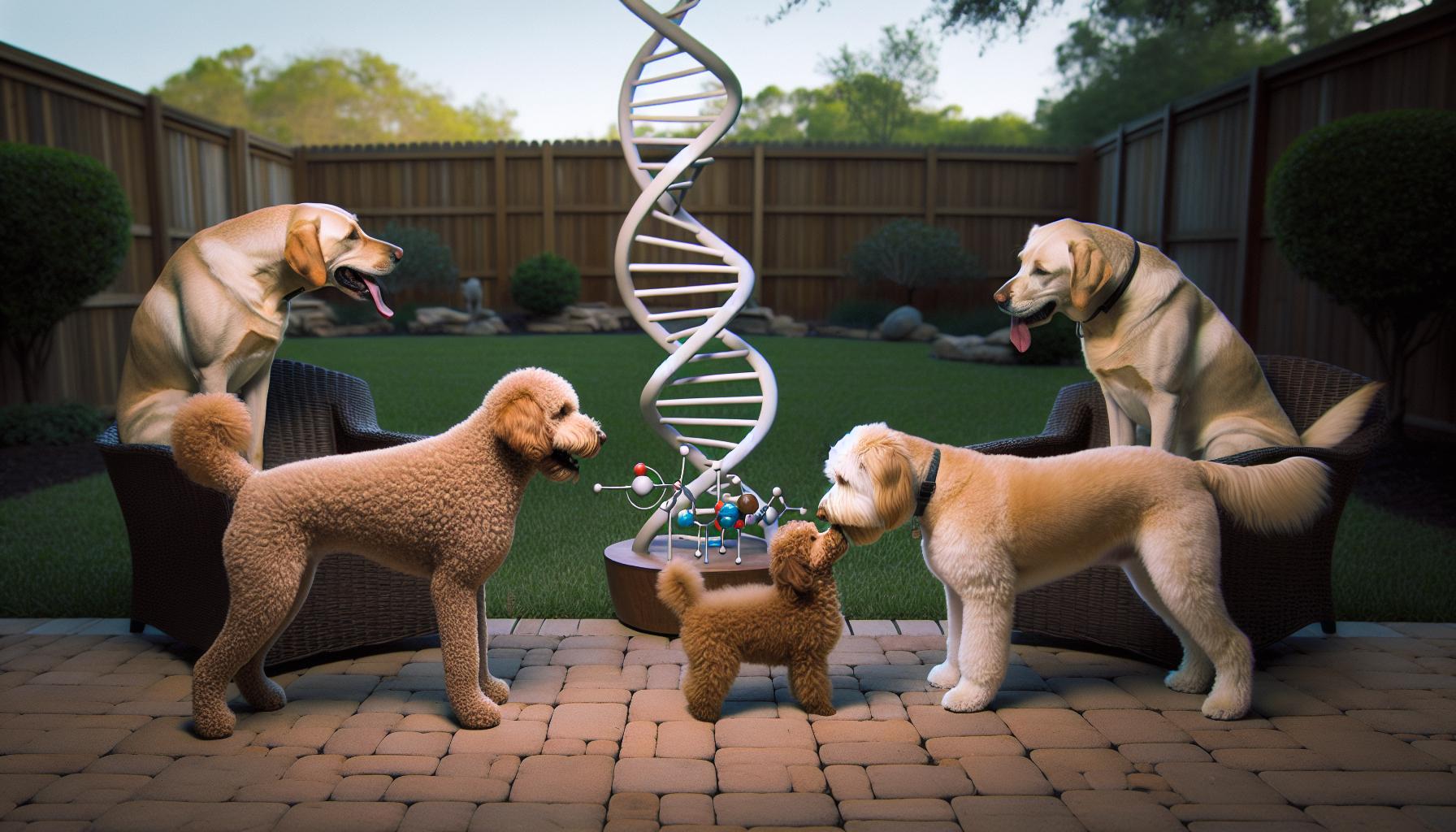
Are Labradoodles a Mix or Purebred Dog?
Labradoodles are not a purebred dog but rather a hybrid or crossbreed created by mixing a Labrador Retriever with a Poodle. This intentional breeding was first developed in Australia during the 1980s, aiming to create a service dog suitable for allergy sufferers due to the Poodle’s low-shedding coat. As a result of this crossbreeding, Labradoodles can exhibit a range of characteristics, including size, coat type, and temperament, which can vary significantly depending on the traits inherited from their parents.
One of the most captivating aspects of Labradoodles is their versatility. Depending on how they are bred, they can be classified into different categories such as F1 (first generation), F1B (first generation backcross), and F2 (second generation). Each variation can possess differing traits; for instance, F1 Labradoodles are a 50/50 mix of Labrador and Poodle, while F1B Labradoodles tend to have a higher percentage of Poodle, which can lead to curlier fur and less shedding. These classifications can greatly influence potential owners’ choice, particularly for those with specific preferences or concerns like allergic reactions.
When considering adding a Labradoodle to your family, understanding their hybrid nature is crucial. Unlike purebred dogs, Labradoodles may inherit a combination of traits from both breeds-some may be more energetic like the Labrador, while others could be more reserved like the Poodle. This variability can lead to delightful surprises in temperament and appearance. However, it’s essential for prospective owners to remember that regardless of their mixed status, Labradoodles require proper training, socialization, and care to thrive as happy, well-adjusted family members. Ultimately, whether you’re drawn in by their charming looks or friendly demeanor, they are undeniably a unique blend of both worlds.
Understanding the Labradoodle’s Ancestry
Labradoodles have a fascinating ancestry that reflects the best traits of their parent breeds, the Labrador Retriever and the Poodle. Developed in Australia in the late 1980s, this hybrid was initially bred to create a guide dog that could also be suitable for individuals with allergies due to the Poodle’s low-shedding coat. This makes Labradoodles not just a mix, but a purposeful combination aimed at enhancing human companionship while addressing specific needs such as hypoallergenic qualities.
Understanding the genetic makeup of Labradoodles can help potential owners anticipate the variety of traits that their new furry family member may inherit. These dogs can come in diverse sizes, ranging from standard to mini, depending on whether the Poodle parent is a standard or miniature version. Moreover, their coats can vary widely as well; some Labradoodles might sport a wavy or curly coat while others have straight hair, reflecting the unique blend of genes from both their parents.
H3: Hybrid Vigor and Variability
One of the appealing aspects of owning a Labradoodle is the concept of hybrid vigor. This means that Labradoodles often benefit from a broader gene pool, which can lead to a decrease in the likelihood of certain inherited health issues common in purebreds. Yet, the variability in appearance and temperament can be both a joy and a challenge. Whether a Labradoodle is more reminiscent of the energetic Labrador or the more reserved Poodle can depend on the specific puppy’s genetic makeup, creating a delightful surprise for owners. It’s essential for potential adopters to embrace this variability, as it means forming unique bonds with each dog based on their individual personality quirks and needs.
As you ponder bringing a Labradoodle into your life, remember that no matter their genetic predispositions, all dogs thrive with consistent training, socialization, and love. Taking the time to understand their ancestry not only enriches your knowledge but also prepares you for the joys and responsibilities of nurturing a hybrid dog that embodies the best of both its parent breeds.
The Genetics of Labradoodles Explained
Understanding the genetic complexities of Labradoodles is essential for anyone considering welcoming this unique breed into their home. Unlike purebred dogs, Labradoodles are a hybrid mix created from two distinct breeds: the Labrador Retriever and the Poodle. Their genetic foundation allows them to inherit traits from both parent breeds, resulting in a vibrant spectrum of characteristics that can vary significantly from one dog to another.
Labradoodles come in various sizes, influenced by whether the Poodle parent is standard or miniature. This size variability is complemented by the diverse types of coats they can have, ranging from wavy to curly, or even straight fur. Some might be more reminiscent of the retriever’s smooth coat, while others may showcase the Poodle’s luxurious curls. It’s this unpredictability that makes each Labradoodle unique, presenting a delightful blend of physical attributes and temperamental traits, which can include the Labrador’s playful energy and the Poodle’s intelligence and independence.
Hybrid vigor is another fascinating aspect of Labradoodle genetics. This principle suggests that hybrids-like Labradoodles-often benefit from a larger gene pool, potentially leading to improved health and vitality compared to purebred dogs. This means that Labradoodles may be less susceptible to certain hereditary health issues commonly seen in their parent breeds. However, prospective owners should remain mindful of the genetic variability. Each puppy’s characteristics are not guaranteed, making it crucial for potential adopters to be adaptable and prepared for individuality in their new companions.
When choosing a Labradoodle, understanding their genetics also allows new owners to tailor their care approach effectively. For instance, knowing whether a puppy leans more towards Labrador traits can inform training methods. Labradoodles thrive with consistent training and socialization opportunities, as these practices help channel their energy and intelligence positively. Thus, recognizing the genetic mix of your Labradoodle not only enhances the bond you form with them but also empowers you to provide a nurturing and fulfilling environment suited to their unique blend of traits.
Common Misconceptions About Labradoodles
While Labradoodles are beloved for their charming personalities and striking appearances, several misconceptions about this breed can lead to confusion for potential owners. One prominent belief is that Labradoodles are hypoallergenic due to their Poodle lineage. While it’s true that Poodles generally shed less fur and dander than many other breeds, there is no guarantee that all Labradoodles will inherit this trait. Allergies can still be triggered by any dog, so it’s important for individuals with allergies to spend time with a Labradoodle before making a final decision.
Another common myth is that all Labradoodles are created equal when it comes to temperament and behavior. Because Labradoodles are a hybrid of two distinct breeds, their temperament can vary widely based on which traits they inherit from their Labrador or Poodle parent. Some may be more active and playful, while others might lean toward a more cerebral or reserved personality. This genetic diversity means that prospective owners need to be prepared for a range of possible behaviors and energy levels depending on the specific dog they choose.
Furthermore, many people assume that Labradoodles are a new breed, but they have been around since the late 1980s. Originally bred in Australia as service dogs, their purpose was to combine the low-shedding coat of the Poodle with the friendly nature of the Labrador. This original intent often gets overlooked in discussions about their popularity as family pets today.
Lastly, some individuals mistakenly believe that Labradoodles do not require much grooming. While it’s true that their hair can be easier to manage than that of other breeds, Labradoodles do need regular grooming to maintain their coat and prevent matting, especially for those with curlier fur. Establishing a grooming routine is essential not only for the dog’s appearance but also for its overall health and comfort.
Understanding these misconceptions helps potential pet owners better prepare for the realities of welcoming a Labradoodle into their home, ensuring they can provide the right environment and care that this wonderful hybrid deserves.
What Does “Designer Dog” Mean?
The term “designer dog” often sparks curiosity and conversation among dog lovers and prospective owners alike. Intriguingly, designer dogs are not just a passing trend; they represent a deliberate attempt to combine the best traits of two different breeds into one unique companion. Labradoodles, for instance, were crafted by crossing a Labrador Retriever with a Poodle, aiming to create a dog that offers both the intelligence and low-shedding coat of the Poodle along with the friendly disposition of the Labrador. This intentional breeding is what differentiates designer dogs from simply being mixed breeds, as it typically involves thoughtful selection of parent breeds to enhance specific desirable traits.
When considering a designer dog like the Labradoodle, potential owners should be aware of their genetic background. Though they are a hybrid, which can sometimes lead to unpredictability in appearance and temperament, many Labradoodles consistently exhibit traits from their parent breeds. This includes a range of coat types and personalities, influenced by whether they inherit more from the Poodle or the Labrador. To navigate this variability, it’s vital to ask breeders about the lineage and traits of the puppies available. This ensures that you are choosing a dog that fits your family’s lifestyle and preferences.
Key Characteristics of Designer Dogs:
- Intention in Breeding: Unlike random mixes, designer dogs are bred with specific goals in mind, such as temperament, size, and coat type.
- Hybrid Vigor: Many designer dogs benefit from hybrid vigor, which can result in fewer genetic health issues compared to purebreds.
- Varied Traits: Due to genetic diversity, characteristics like coat color, shedding level, and even energy levels can vary widely among littermates.
- Popularity: Designer dogs like Labradoodles have become increasingly popular for their appealing blend of traits that often suit family environments.
While the label “designer dog” often conveys a sense of novelty and exclusivity, it’s essential for potential owners to approach these breeds with an awareness of the responsibilities that come with dog ownership. Engaging with a reputable breeder, understanding the unique needs and care requirements of Labradoodles, and committing to socialization and training can pave the way for a fulfilling and rewarding relationship with your new furry friend.
The Role of Breeding in Labradoodle Traits
When we delve into the world of Labradoodles, it’s essential to understand that their traits are not just a result of chance but the outcome of careful, intentional breeding practices. Breeders aim to combine the best characteristics of both the Labrador Retriever and the Poodle, resulting in a dog that often possesses a friendly demeanor, intelligence, and a low-shedding coat. This thoughtful approach sets the Labradoodle apart from random mixes, showcasing how breeding plays a vital role in the overall temperament and health of these beloved hybrids.
Understanding the genetic makeup of Labradoodles is crucial for prospective owners. Breeding methods vary widely; for instance, an F1 Labradoodle results from a purebred Labrador bred with a purebred Poodle. This first-generation cross may exhibit diverse traits in terms of coat type and behavior, drawing from both parent breeds. In contrast, an F1B Labradoodle, which is a backcross between an F1 and a purebred Poodle, typically has a more predictable coat quality, often leaning towards the curly, hypoallergenic traits of the Poodle. Engaging with knowledgeable breeders can help you select a Labradoodle that aligns with your specific needs and lifestyle.
Additionally, responsible breeding practices not only aim for desirable traits but also focus on minimizing genetic health issues common in purebred dogs. Many breeders screen for hereditary health conditions specific to both the Labrador and the Poodle, such as hip dysplasia and certain eye disorders. This proactive approach can enhance the chances of healthier puppies, allowing families to enjoy their companions for years to come.
When considering the purchase or adoption of a Labradoodle, it’s essential to understand the impact of genetics on their character and health. Engaging with a reputable breeder who prioritizes health testing and breeds for temperament can lead you to a happy, well-adjusted pet. For those interested in adopting, probing the background of the dog’s lineage can also provide valuable insights into what to expect as your new family member grows.
Health Concerns Linked to Hybrid Breeds
When considering a Labradoodle as your new family member, it’s vital to be aware of the health challenges that can arise in hybrid breeds. While these crossbreeds often benefit from hybrid vigor, which can lead to a lower incidence of certain genetic disorders, they are not immune to health concerns. Understanding these issues can help you make informed decisions and ensure a healthy, happy life for your furry friend.
Hybrid breeds like the Labradoodle may inherit health problems from either parent breed, which means awareness of the potential issues associated with both Labradors and Poodles is key. Common health concerns for Labradoodles include:
- Hip Dysplasia: A condition where the hip joint doesn’t fit snugly into the hip socket, leading to arthritis and pain.
- Elbow Dysplasia: Similar to hip dysplasia, this affects the elbow joint and can cause lameness.
- Eye Disorders: Conditions such as progressive retinal atrophy (PRA) and cataracts that can lead to vision impairment.
- Skin Allergies: Labradoodles can be prone to skin sensitivities, especially if they inherit the Poodle’s tendency toward allergies.
While a Labradoodle’s lower shedding propensity makes them attractive for allergy sufferers, it doesn’t completely negate the risk of developing allergies. Regular veterinary check-ups can help monitor these potential issues early on.
Health Screening and Breeding Practices
Choosing a reputable breeder is crucial in minimizing these health risks. Breeders should be proactive in screening for hereditary health conditions in both Labradors and Poodles. They often conduct health tests to ensure their breeding dogs are free from genetic issues, which increases the chances of healthier puppies. Always ask to see health clearances for both parents, which can include tests for hip and elbow dysplasia, eye certifications, and other breed-specific concerns.
Ultimately, while Labradoodles can have health challenges that stem from their genetics, being well-informed and engaged with responsible breeders can help mitigate these risks. Regular veterinary visits, a healthy diet, and adequate exercise will contribute greatly to the general health and well-being of your Labradoodle, ensuring many joyful years ahead with your loyal companion.
How to Choose a Reputable Labradoodle Breeder
Finding the right breeder for your Labradoodle is crucial not just for your future pet’s health and temperament, but also for the overall experience of bringing a new puppy into your home. A reputable breeder will prioritize responsible breeding practices which can significantly reduce the risk of genetic health issues and ensure a well-socialized dog. Before you rush in to adopt, consider some key factors that will guide you in this important decision.
Start by researching potential breeders online and looking for customer reviews and testimonials. A strong reputation among previous puppy owners is a good indication that the breeder adheres to ethical practices. You might also want to visit local breed-specific clubs or online forums to gather recommendations from fellow Labradoodle enthusiasts. Once you have a list of potential breeders, arrange visits to their facilities. This firsthand observation can reveal a lot about their breeding practices. Look for clean, well-kept environments where puppies are raised in the home, not in kennels, and where parent dogs are treated well.
In addition, it’s important to ask the right questions. Inquire about health clearances for both parent breeds concerning common issues like hip and elbow dysplasia, eye conditions, and skin allergies. A responsible breeder should be transparent about the health testing they conduct and should provide documentation. Moreover, observe how the breeders interact with their dogs. A genuine love for the breed and a commitment to responsible breeding will reflect in the demeanor and health of the parent dogs and their pups.
Lastly, considering the genetic background of your Labradoodle can help you understand what to expect in terms of temperament and health. A reputable breeder will explain the different generations-F1 (first generation), F1B (a cross between an F1 and a purebred), and so on-and how these factors impact shedding, personality traits, and overall health. They should be capable of guiding you in choosing the right puppy for your lifestyle based on these distinctions. By taking the time to choose wisely, you’ll not only find a beautiful Labradoodle but also ensure a healthier companion for years to come.
Labradoodle Variations: F1, F1B, F2 Explained
When considering adding a Labradoodle to your family, it’s essential to understand the different variations within this endearing hybrid breed. Labradoodles are classified based on their generational lineage, which influences their size, coat type, and temperament. The three most common variations you’ll encounter are the F1, F1B, and F2 Labradoodles, each with unique traits that may align better with your lifestyle.
Understanding the Generations
- F1 Labradoodles: These are first-generation dogs, the direct cross between a purebred Labrador Retriever and a purebred Standard Poodle. F1 Labradoodles typically inherit a blend of characteristics from both parents and often have a wavy or curly coat that sheds less, making them a popular choice for allergy sufferers. They tend to be friendly, social, and intelligent, displaying the best traits from both breeds.
- F1B Labradoodles: An F1B is produced by breeding an F1 Labradoodle back to a purebred Poodle. This generation often has a more consistent coat, usually curlier than the F1, which can result in even less shedding. F1B Labradoodles are excellent for families looking for a hypoallergenic dog, and they often inherit the Poodle’s trainability and intelligence, making them highly amenable to obedience training.
- F2 Labradoodles: These dogs come from two F1 Labradoodles being bred together. F2 Labradoodles can show more variability in coat type and temperament, which can be both exciting and challenging for potential owners. While they may inherit great qualities from both parents, predicting their coat characteristics and shedding can be less straightforward compared to F1s and F1Bs.
It’s crucial for new owners to recognize that while the generation can influence certain traits, individual variation plays a big role. Interactions with the puppy’s parents, early socialization, and training will significantly affect their development and behavior. Understanding these distinctions can help in your decision-making process, ensuring you choose a Labradoodle with the right traits that fit your family’s needs and lifestyle.
By considering these Labradoodle variations, you equip yourself with valuable knowledge, leading to a more informed decision and paving the way for a fulfilling relationship with your new furry friend.
Caring for Your Labradoodle: Breed-Specific Tips
Caring for a Labradoodle goes beyond basic pet ownership; it’s nurturing a hybrid that thrives on companionship, activity, and mental engagement. A great characteristic of Labradoodles is their adaptability, which makes them suitable for various living situations-be it in a bustling household or a serene apartment. However, there are specific breed traits and needs to keep in mind to ensure your Labradoodle lives a happy, healthy life.
First and foremost, regular grooming is vital. Labradoodles are known for their lovely coats, which can range from wavy to curly, depending on their genetics. To prevent mats and tangles, especially in the F1B variant with curlier fur, brushing at least 2-3 times a week is recommended. Using a slicker brush can help manage their coat effectively. Additionally, consider scheduling professional grooming sessions every couple of months, which not only keeps their fur in top shape but also gives them a chance to socialize with other dogs.
Next, physical and mental stimulation is essential. Labradoodles are active dogs that require daily exercise to maintain their health and happiness. Aim for at least 60 minutes of exercise each day, which can include walks, runs, or play sessions with toys. Engaging your Labradoodle in interactive games, such as fetch or tug-of-war, can also be beneficial. Furthermore, consider toys that challenge their minds, like puzzle feeders or treat-dispensing toys, as Labradoodles are intelligent creatures that thrive when mentally stimulated.
A balanced diet tailored to your Labradoodle’s specific needs cannot be overlooked. Depending on whether you have an F1, F1B, or F2 Labradoodle, their energy levels and dietary requirements may vary. Consult with your veterinarian for optimal feeding schedules and quality food that meets their nutritional demands. Keep a close eye on their weight, as Labradoodles can be prone to obesity if overindulged or not exercised adequately.
Lastly, training remains a cornerstone of a healthy and happy relationship with your Labradoodle. These pups respond excellently to positive reinforcement, making obeying simple commands an enjoyable activity for both of you. Early socialization is essential to cultivate their friendly demeanor, so expose them to various people, environments, and situations while they are young. This well-rounded approach will help curb any potential behavioral issues as they grow, ensuring they remain the friendly, cheerful companions they are known to be.
By focusing on grooming, exercise, nutrition, and training, you’re not just caring for your Labradoodle-you’re fostering a robust bond built on trust, love, and shared experiences. This holistic approach to care will lead to a fulfilling relationship with your furry friend, benefiting both you and your Labradoodle for many years.
Training Tips for First-Time Labradoodle Owners
Building a strong training foundation for a Labradoodle can be an incredibly rewarding experience, especially for first-time dog owners. These charming hybrids, a blend of Labrador Retrievers and Poodles, are known for their intelligence and eagerness to please, making them excellent candidates for training. However, it’s essential to approach their education with a mix of patience, consistency, and fun to create a positive environment that fosters learning.
Utilize Positive Reinforcement
One of the most effective training methods for Labradoodles is positive reinforcement. This technique involves rewarding your dog for desired behaviors rather than punishing them for mistakes. Rewards can include tasty treats, verbal praise, or playtime. For example, when your Labrador-Poodle mix successfully sits on command, immediately follow up with a small treat and enthusiastic praise to encourage that behavior. Over time, your Labradoodle will learn to associate good behaviors with pleasant outcomes, enhancing their motivation to learn.
Consistent Commands and Structure
Consistency is key when training any dog, and Labradoodles are no exception. Establish a set of commands and stick to them; for example, always use “sit” instead of alternating between “sit down” or “sit please.” This clarity will help your dog understand your expectations better. To create a reliable routine, incorporate training sessions into daily activities. Short training bursts of 5-10 minutes are often more effective than lengthy sessions, as they keep your pup engaged without overwhelming them.
- Morning Routine: Include a quick training session right after breakfast.
- Evening Playtime: Use fetch to reinforce “come” and “drop it” commands.
- Socialization: Engage your Labradoodle in various environments to build their confidence.
Socialization for a Well-Rounded Dog
Early socialization is vital for Labradoodles to develop into well-adjusted adults. Expose your puppy to different people, environments, and situations from an early age. This exposure not only helps them become used to new experiences but also minimizes the chances of developing fear-based behaviors as they grow. Puppy classes and play sessions with other dogs are excellent opportunities for socialization. Remember, the more diverse their experiences, the more confident and friendly they’ll become.
By embracing these training strategies, you’ll not only facilitate smooth learning for your Labradoodle but also deepen the bond you share. Training is an ongoing journey, filled with chances to reinforce love and trust. As you navigate the ups and downs of dog ownership, remember to celebrate small victories along the way and enjoy the unique personality that your Labradoodle brings into your life.
Labradoodle FAQs: Your Most Pressing Questions
When considering a Labradoodle, many potential owners have questions about their status as a purebred or a mix. Labradoodles are indeed classified as a mixed breed, specifically a cross between a Labrador Retriever and a Poodle. This hybrid design was initially intended to create a dog that was hypoallergenic while still retaining the friendly and intelligent traits associated with both parent breeds. Understanding this mix is key to appreciating the unique qualities of Labradoodles and how they might fit into your family.
One common misconception is that Labradoodles can be regarded as purebreds simply because they have established breeds in their lineage. However, true purebred dogs must come from a recognized breed line and maintain specific breed standards over generations. Since Labradoodles are a crossbreed, they do not meet this requirement. Instead, they are often categorized as “designer dogs,” a term used to describe intentionally bred hybrids that combine desirable traits from both parent breeds. This crossover allows for a range of physical characteristics, temperaments, and health traits, which can vary significantly even within the same litter.
Owners often wonder about the genetics of Labradoodles, particularly regarding the traits they will inherit from their parents. The genetic makeup can influence not just appearance but also temperament, health concerns, and grooming needs. Generally, Labradoodles are known for being friendly, sociable, and highly trainable, traits inherited from their Labrador lineage, while the Poodle side often contributes to their intelligence and lower shedding, which can benefit allergy sufferers. However, it’s essential to remember that each individual dog may inherit different traits from each parent, leading to variations in size, coat type, and personality.
Ultimately, whether you choose a Labradoodle for their adorable looks, fetching personality, or the smaller chance of allergies, understanding their mixed heritage can help guide your expectations as a responsible pet owner. Adapting to their unique needs and characteristics will allow you to build a rewarding relationship with your new furry friend.
Frequently Asked Questions
Q: Are Labradoodles considered hybrid dogs?
A: Yes, Labradoodles are considered hybrid dogs because they are a crossbreed between a Labrador Retriever and a Poodle. This mix results in a dog with unique traits derived from both parent breeds, leading to various sizes and coat types.
Q: What are the benefits of owning a Labradoodle?
A: Labradoodles are known for their friendly temperament, intelligence, and hypoallergenic coats. They often make excellent family pets, are great for allergy sufferers, and can be trained easily due to their high intelligence. For tips on raising a Labradoodle, see the section on care.
Q: How does the breeding process affect Labradoodle traits?
A: The breeding process significantly influences the traits of Labradoodles, including size, coat type, and temperament. Responsible breeding practices aim to enhance desirable traits while minimizing genetic health issues. Learn more about breeding’s role in the traits in our article.
Q: Can Labradoodles be purebred?
A: No, Labradoodles cannot be purebred as they are a mixed breed. However, there are multigenerational Labradoodles, such as F1B or F2, which are bred from Labradoodles themselves, but they still retain their hybrid nature.
Q: What health concerns are specific to Labradoodles?
A: Labradoodles may inherit health issues from their parent breeds, such as hip dysplasia and certain genetic conditions. It’s essential to choose a reputable breeder who screens for these health issues. See the health concerns section for more information.
Q: What should I consider when choosing a Labradoodle breeder?
A: When choosing a Labradoodle breeder, consider their reputation, health testing practices for breeding dogs, and their commitment to ethical breeding standards. Meeting the puppies’ parents and assessing the living conditions can also be beneficial.
Q: Are all Labradoodles the same size?
A: No, Labradoodles can vary significantly in size, depending on whether the Poodle parent is standard, miniature, or toy. The size of a Labradoodle will generally reflect the size of its Poodle parent. Refer to the size variations in our Labradoodle sections.
Q: How do I groom my Labradoodle properly?
A: Grooming a Labradoodle involves regular brushing to prevent matting, especially if they have Poodle-like coats. Professional grooming every few months is recommended to maintain coat health and cleanliness. Our caring tips section provides detailed guidance on grooming.
The Conclusion
Understanding the unique genetics of Labradoodles helps demystify this beloved breed and reinforces their value as family companions. While they’re not purebreds, their hybrid vigor may contribute to their cheerful disposition and low-shedding coats. If you’re considering welcoming a Labradoodle into your home, remember that their intelligence and sociability make them a perfect fit for active families.
For more in-depth insights, check out our articles on Labradoodle care and training tips to ensure your new friend thrives. Don’t hesitate to explore our dog breed comparison tools to see how a Labradoodle stacks up against other breeds. Join our community of dog lovers, share your thoughts in the comments, and don’t forget to sign up for our newsletter to stay updated on all things canine! Your journey with a Labradoodle can be incredibly rewarding-take the next step today!