Did you know that Miniature Poodles are often ranked among the smartest dog breeds? Their impressive intelligence makes them not only delightful companions but also highly trainable pets. Understanding the unique learning abilities and cognitive traits of Miniature Poodles is essential for both potential owners and seasoned handlers alike. By exploring their intelligence, you can effectively harness their potential for training and socialization, ensuring a happy, well-adjusted dog. Whether you’re considering welcoming a Miniature Poodle into your family or looking for ways to engage and challenge your furry friend, this exploration into their smarts will provide valuable insights. Get ready to discover how to unlock the full potential of your Miniature Poodle’s intelligence!
Understanding Miniature Poodle Intelligence
Miniature Poodles are often celebrated not just for their charming looks but also for their impressive intelligence. This breed consistently ranks among the top in terms of canine intelligence, showcasing exceptional problem-solving skills and an eagerness to learn. Their keen minds make them highly responsive to training, allowing them to pick up commands and tricks much faster than many other breeds. If you’re considering adopting a Miniature Poodle or already have one, understanding their cognitive abilities can enrich your bond and training experiences.
What sets Miniature Poodles apart in the realm of smart dogs is their adaptability and curiosity. They thrive on mental stimulation, which is essential for keeping them happy and well-adjusted. Engaging your Poodle in activities that challenge their minds, such as puzzle toys or agility courses, not only helps them develop their skills but also mitigates potential behavioral issues stemming from boredom. In fact, many Miniature Poodle owners find that their pets will eagerly participate in learning new tricks or tasks simply for the joy of engaging with their human companions.
Socialization plays a crucial role in shaping the intelligence of Miniature Poodles. Introducing them to various environments, people, and other animals enhances their ability to learn and adapt. These experiences provide mental stimulation that is vital for their growth, ensuring that they remain well-rounded, confident, and socially adept. Regular interactions can prevent negative behaviors that often arise from anxiety or lack of exposure to different stimuli. Therefore, prioritizing socialization can contribute significantly to your Poodle’s cognitive development and overall well-being.
Recognizing your Miniature Poodle’s individual learning style is vital to maximizing their intelligence. Some Poodles may respond better to visual cues, while others might thrive on verbal commands or hands-on demonstrations. Tailoring your training approach can lead to more effective learning sessions. Incorporating consistent routines and positive reinforcement will not only foster an environment that encourages growth but also strengthen the bond between you and your Poodle, making training both enjoyable and rewarding.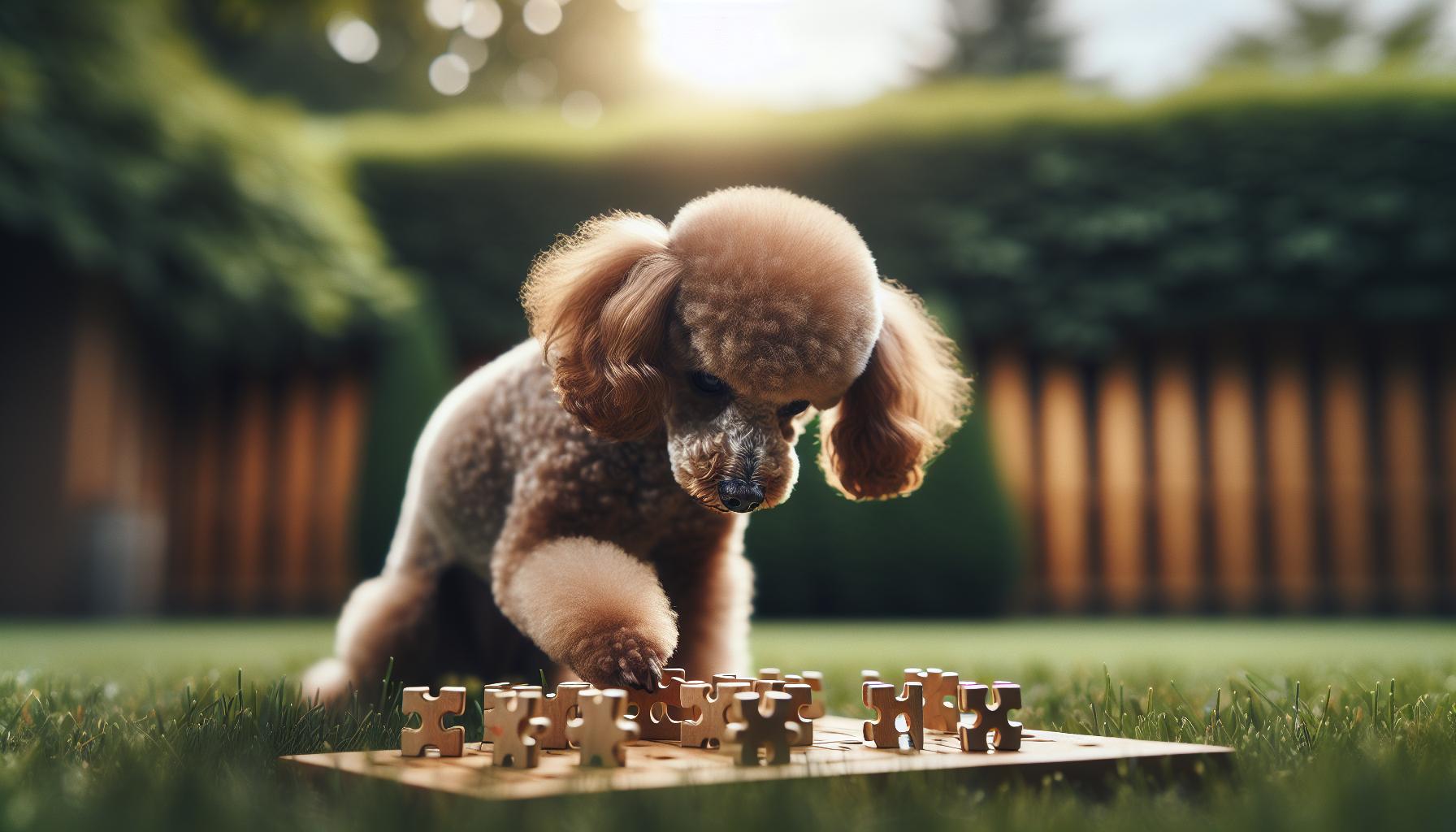
Key Traits of Miniature Poodle Intelligence
Miniature Poodles are not only adorable companions but also boast a remarkable level of intelligence that sets them apart in the canine world. Recognized as one of the most intelligent dog breeds, they excel in problem-solving, adaptability, and a willingness to learn. Their sharp minds allow them to grasp new commands and tricks quickly, often surprising their owners with their abilities to understand complex tasks. This breed’s intellect is characterized not just by their capacity to learn commands but also by their emotional intelligence, which helps them pick up on human emotions and respond accordingly.
One of the standout traits of Miniature Poodles is their strong curiosity. This fascination with their surroundings drives their desire to explore and engage with different environments and stimuli, making them excellent candidates for interactive training. Socialization plays a vital role in this aspect; the more diverse experiences your Poodle has, the more skilled they become at understanding and reacting to various situations. Regular interactions with people, other dogs, and different settings can enhance their cognitive skills significantly. This engagement ensures they are not just book-smart but also street-smart, able to adapt to new challenges that come their way.
Moreover, their problem-solving abilities are notable. Miniature Poodles are adept at thinking through challenges, which can be harnessed during training sessions. For instance, incorporating puzzle toys can stimulate their minds and keep them entertained. This inclination for mental activities is not just a playground for their intellect; it helps prevent behavioral issues that may arise from boredom. Owners often find that Miniature Poodles thrive on activities that challenge them-whether it’s agility training, trick performances, or engaging games that reward their natural instincts.
In conclusion, the intelligence of a Miniature Poodle is multi-faceted, encompassing emotional awareness, adaptive capabilities, and an affinity for learning. By understanding and nurturing these key traits-curiosity, problem-solving skills, and socialization-you can create a fulfilling and stimulating environment that supports their cognitive development and strengthens the bond you share.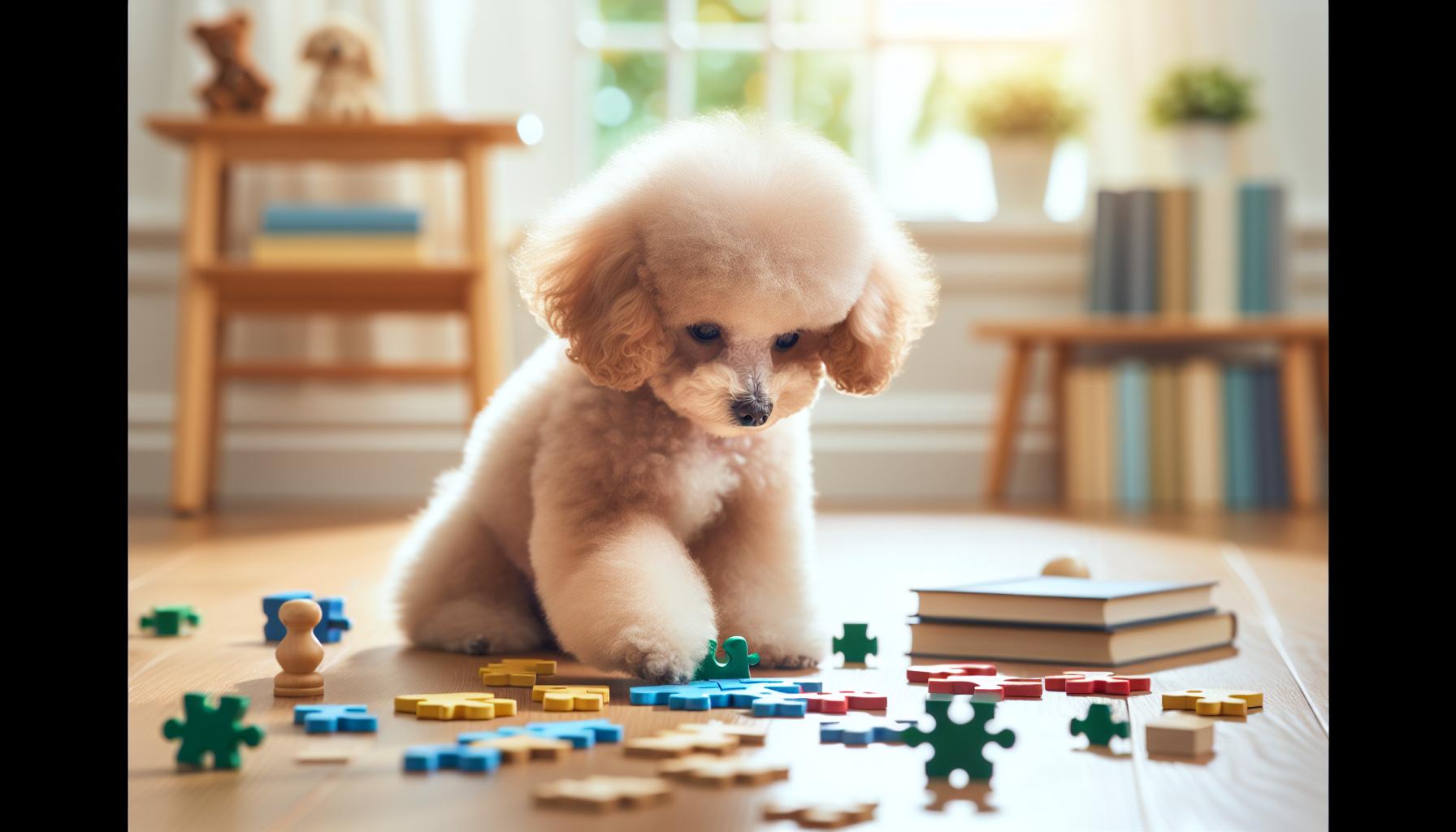
How Miniature Poodles Learn Best
Miniature Poodles are renowned for their intelligence, but understanding how they learn can enhance the training experience immensely. One of the most effective ways to facilitate learning in these keen-minded dogs is through positive reinforcement. This approach involves rewarding your Poodle with treats, praise, or playtime whenever they successfully perform a desired behavior or command. This method not only reinforces the correct actions but also makes learning enjoyable for your pup. The joy of a successful interaction encourages them to seek out similar opportunities, turning training sessions into fun-filled adventures.
Additionally, Miniature Poodles thrive in environments that stimulate their natural curiosity and intelligence. Incorporating interactive toys and puzzle games can greatly enhance their cognitive development. For example, toys that require problem-solving-like treat-dispensing puzzles-can keep them engaged and mentally stimulated. This kind of play not only helps in learning new tricks but also serves as a productive outlet for their energy. It’s important to rotate these toys regularly to keep their interest piqued, ensuring that boredom doesn’t set in.
Creating a structured yet flexible training routine is also key to effective learning. Miniature Poodles respond well to consistency but can become bored with repetitive sessions. Aim for short, engaging training intervals-around 5 to 10 minutes at a time-spaced throughout the day. This strategy helps maintain their focus while preventing them from becoming overwhelmed. Always remember to celebrate their progress, no matter how small. Frequent, positive feedback builds their confidence and strengthens your bond, making each training session a rewarding experience for you both.
Lastly, socialization is crucial for learning. Being exposed to different environments, people, and other animals can significantly enhance a Miniature Poodle’s adaptability and intelligence. Make socialization a part of your routine by introducing your Poodle to various settings and situations. This diverse exposure not only fosters their confidence but also equips them with the skills needed to respond to new challenges effectively. As these pint-sized pups learn best in dynamic environments, ensuring they have plenty of varied experiences will enrich their growth and harness their impressive intellectual capacities.
Training Techniques for Miniature Poodles
When it comes to training Miniature Poodles, understanding their unique quirks and learning styles can transform each session into a rewarding experience for both you and your dog. These dogs are not just adorable companions; they are also highly intelligent and eager to learn, making them excellent candidates for training. One key technique that resonates well with this breed is positive reinforcement. By rewarding your Miniature Poodle with treats, praise, or affection for completing commands or tricks, you not only motivate them to repeat those behaviors but also strengthen the bond you share.
Consistency is another vital aspect of training. Establishing a routine helps Miniature Poodles thrive, allowing them to anticipate what comes next while removing uncertainties that can lead to anxiety. Short training sessions of around 5 to 10 minutes are perfect for their attention spans. To keep engagement high and boredom at bay, it’s important to mix up the commands you practice. For instance, you might alternate between basic commands like “sit” or “stay” and fun tricks like “roll over” or “play dead.” Incorporating variety will keep your Poodle excited about training, fostering a joyful learning atmosphere.
Incorporating Interactive Learning
Utilize interactive toys and games to supplement your training sessions. Puzzle toys that dispense treats as your dog solves them can be a creative and stimulating way to challenge your Miniature Poodle intellectually. These activities not only provide a fun outlet for physical energy but also encourage problem-solving skills, allowing them to learn while they play. Rotate these toys regularly to keep your Poodle engaged; a new challenge can spark their interest and motivation.
Socialization plays a crucial role in effective training, too. By exposing your Miniature Poodle to different environments, people, and other animals, you enhance their adaptability and intelligence. Take them on outings to parks or dog-friendly events where they can meet new friends and experience varied situations. This not only builds confidence but also helps them learn to respond appropriately to diverse challenges. The more experiences they have, the better equipped they become to tackle life’s surprises, making training more effective and enjoyable in the long run.
By blending positive reinforcement, consistency, interactive play, and socialization, you can create a rich training environment that allows your Miniature Poodle to shine. Remember, each small success is a building block toward achieving more complex tasks, fostering a sense of accomplishment for both of you.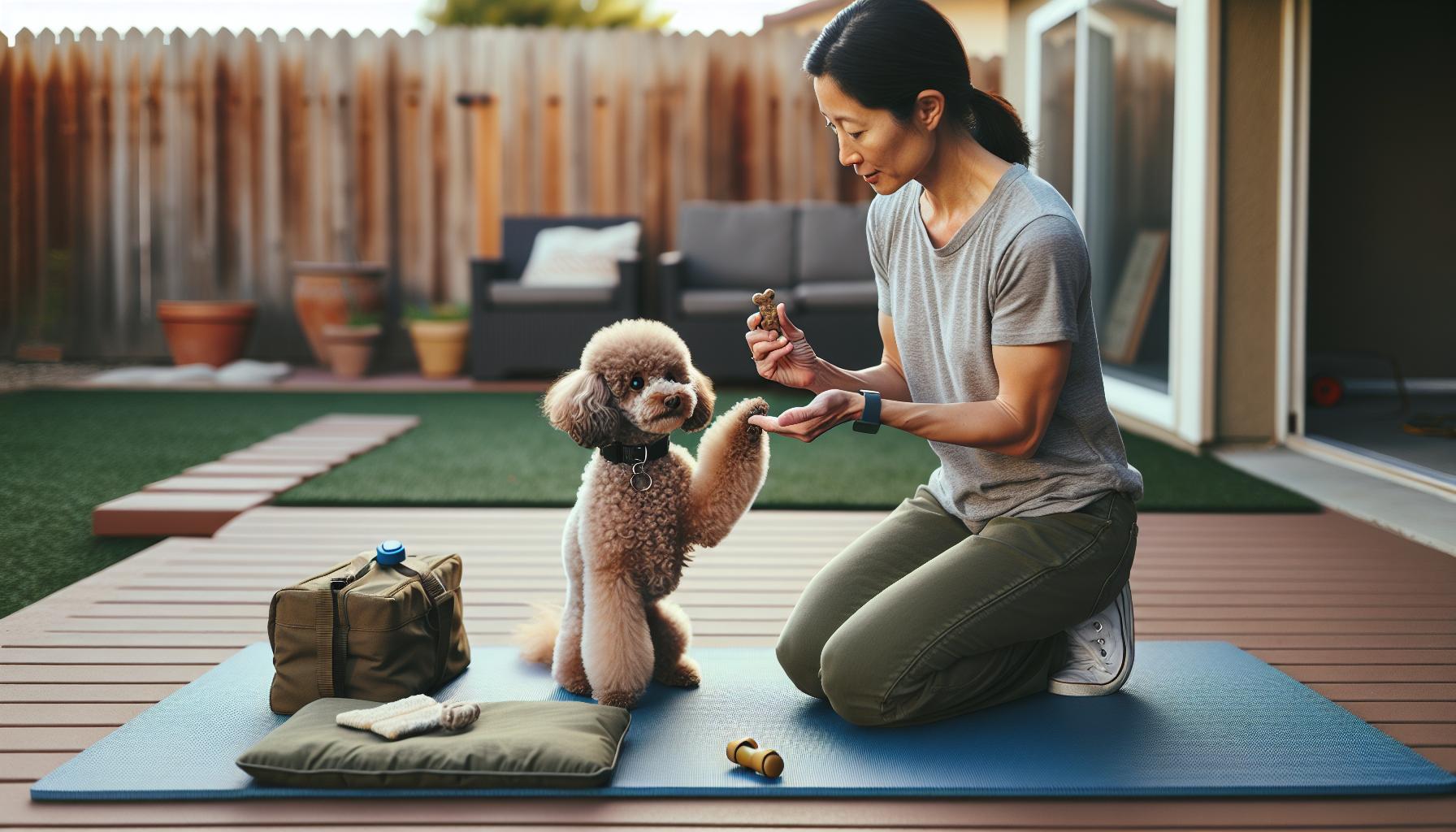
Common Behaviors of Smart Miniature Poodles
Miniature Poodles are not just charming companions; their intelligence shines through in various behaviors that make them delightful and engaging pets. One standout characteristic is their extraordinary problem-solving ability. Whether it’s figuring out how to get their favorite toy out from under the couch or navigating a simple obstacle course, Miniature Poodles often approach challenges with a mix of curiosity and persistence. Owners frequently report moments where their Poodles showcase unexpected ingenuity, a reminder that their brains are as agile as their bodies.
Another telling behavior is their capacity for emotional understanding. Miniature Poodles are remarkably attuned to their owners’ moods. They can sense when you’re feeling down; often, they’ll offer comfort by snuggling up beside you or performing tricks they know make you smile. This empathetic nature aids in their training, as they respond better when they perceive their owners’ positive emotions. It’s fascinating to witness this bond, reinforcing the idea that training is not just about commands but about creating a connection.
In addition to their emotional intelligence, these dogs exhibit strong communication skills. Miniature Poodles will often use various barks, whines, and body language to express their needs or desires. For example, if they need to go outside or want to play, they’ll convey this effectively, making it easier for you to understand their wants. Owners often find themselves developing a unique language with their Poodle, understanding cues that signal specific needs-further showcasing their adaptability and intelligence.
Moreover, social interaction is another area where Miniature Poodles excel. Their friendly demeanor makes them natural participants in group settings, whether at dog parks or playdates with other pets. They tend to learn not just from you but from their peers. Watch as they imitate the behaviors of other dogs, picking up new skills and tricks with impressive speed. This social learning dramatically enriches their intelligence, highlighting their willingness to engage and adapt to their surroundings, making them a joy for any dog owner.
Comparative Intelligence: Miniature Poodles vs. Other Breeds
Miniature Poodles are often celebrated for their impressive intelligence, ranking them among the most trainable and quick-learning dog breeds. When compared to other breeds, Miniature Poodles hold their own in several aspects of cognitive ability and adaptability. To fully appreciate their intellectual prowess, it’s helpful to consider how they measure up alongside some other popular breeds, such as Border Collies, German Shepherds, and Golden Retrievers, known for their intelligence and learnability.
One remarkable trait of Miniature Poodles is their curiosity and problem-solving skills. While breeds like the Border Collie may excel in herding tasks and complex agility courses, Miniature Poodles frequently impress their owners with creative solutions to everyday challenges. For instance, they can adeptly navigate puzzles and find hidden treats, showcasing a keen ability to think critically. Their history as working dogs means they have long been selected for traits that enhance their intelligence, making them responsive and eager learners.
In terms of communicative skills, Miniature Poodles are known for their eagerness to interact with their human companions, often displaying a diverse range of vocalizations to express their needs. Compared to breeds like the Shih Tzu, which are more laid-back, Miniature Poodles actively seek engagement and are quick to pick up on training cues. This makes them incredibly adaptable in various environments, whether they are in a home, a busy park, or a competitive training class.
Intelligence Comparison Table
| Breed | Intelligence Rank | Learning Ability | Problem-Solving Skills | Social Learning |
|---|---|---|---|---|
| Miniature Poodle | 2nd | High | Excellent | Strong |
| Border Collie | 1st | Exceptional | Outstanding | Moderate |
| German Shepherd | 3rd | Very High | Good | Moderate |
| Golden Retriever | 4th | High | Good | Moderate |
| Shih Tzu | 20th | Moderate | Fair | Low |
Through their learning experiences, Miniature Poodles often exhibit excellent retention of commands and tasks, enabling them to perform well in obedience training and canine sports. Their friendly disposition encourages a strong bond with their owners, facilitating a rewarding environment for training methods that rely on positive reinforcement. In contrast, while Labrador Retrievers share a similar intelligence level, their more relaxed demeanor might not be as engaged as the spirited approach of a Miniature Poodle.
Ultimately, the perspective of intelligence can vary based on the tasks and activities a breed is involved in. Miniature Poodles might not be the top contenders in every category, but their versatility and ability to adapt their skills to a variety of situations make them exceptional companions. With a blend of emotional connection and cognitive engagement, they prove time and again that their intelligence and learning capacity are truly remarkable in the canine world.
Socialization Needs for Intelligent Poodles
Understanding the socialization needs of Miniature Poodles is key to helping them thrive as intellectually stimulating and well-adjusted companions. These pups are not only quick learners but also highly social animals that benefit immensely from regular interaction with a variety of people, dogs, and environments. Effective socialization is vital, especially during their formative months, as it lays the foundation for their behavior and responsiveness to new experiences throughout their lives.
Regular socialization helps Miniature Poodles cultivate self-confidence and adaptability. A well-socialized Poodle is less likely to develop anxiety in unfamiliar situations and will generally exhibit better behavior, whether at the dog park, the vet, or during family gatherings. To foster healthy socialization, consider the following actionable strategies:
- Introduce Them Early: Start socializing your Miniature Poodle by exposing them to different environments, sounds, and people as early as eight weeks. This can include quiet places, bustling parks, and various social settings.
- Positive Reinforcement: Use treats and praise to reward your Miniature Poodle for calm behavior during new experiences. Positive interactions will enhance their eagerness to explore and learn.
- Arrange Playdates: Set up playdates with other friendly, vaccinated dogs. This will help your Poodle learn proper canine etiquette while improving their comfort around other dogs.
- Dog Training Classes: Enroll your Poodle in training classes where they can interact with other dogs and receive structured guidance. This not only strengthens their obedience skills but also boosts their confidence.
Poodles are naturally alert and curious, allowing them to pick up on social cues and learn from interactions. Their intelligence means they thrive with mental stimulation, which can be achieved through varied social experiences. Additionally, a poorly socialized Poodle may become fearful or aggressive if they perceive new people or situations as threats. Thus, making social interaction a priority will not only enrich their lives but also reinforce their natural talents for learning and communication.
Ultimately, investing time in their socialization will pay off in the long run. A well-socialized Miniature Poodle is not just a joy to have around; they are also a source of pride as they navigate the world with confidence and charm. By ensuring your Poodle experiences a broad spectrum of social engagements, you’ll be contributing to their overall well-being and intelligence, making them one of the brightest stars in the canine community.
Cognitive Games and Activities for Miniature Poodles
Engaging your Miniature Poodle in cognitive games and activities is an excellent way to harness their sharp intellect and keep their minds stimulated. Unlike some breeds that may be more inclined to physical play, Miniature Poodles thrive on mental challenges that encourage their natural curiosity and problem-solving abilities. Not only do these activities provide essential mental stimulation, but they also strengthen the bond between you and your furry companion.
One popular activity is interactive puzzle toys, which can vary from treat-dispensing balls to more complex puzzles that require your pup to perform specific actions to uncover a reward. These toys can keep your Poodle entertained for hours while promoting critical thinking skills. Make sure to introduce these toys gradually, allowing your dog to explore and learn the mechanics without frustration. Additionally, you can create DIY puzzles at home using cardboard boxes, hiding treats inside for your Poodle to find.
Another fun way to promote cognitive development is through training sessions that incorporate fun tricks and commands. Miniature Poodles are highly trainable and often enjoy learning new commands such as “spin,” “roll over,” or “play dead.” Incorporating agility training can also be incredibly beneficial. Simple obstacle courses made of everyday household items can challenge your Poodle’s agility while stimulating their mind. Remember to celebrate their successes with treats and praise, reinforcing positive behavior and making the learning process enjoyable.
Moreover, consider organizing regular “scavenger hunts” at home or in your yard. Hide treats or favorite toys, encouraging your Poodle to use their keen sense of smell and problem-solving skills to locate them. This stimulates both their minds and bodies, combining play with the satisfaction of achieving a goal. Include a variety of hiding spots and increase the difficulty levels as your Poodle becomes more adept at the game.
Incorporating these cognitive games and activities ensures your Miniature Poodle stays engaged and happy, ultimately fostering their intelligence and adaptability. By creating a stimulating environment where they can explore, learn, and play, you set the stage for a joyful life filled with adventures and discoveries. Remember, the time you invest in these enriching activities will enhance your Miniature Poodle’s well-being and strengthen the bond that makes life with your furry friend so special.
Understanding the Learning Curve of Miniature Poodles
Understanding the nuances of your Miniature Poodle’s learning curve can make a significant difference in your training experience and deepen the bond between you and your furry companion. Generally regarded as one of the more intelligent dog breeds, Miniature Poodles possess a unique ability to absorb and understand commands swiftly, but every dog has its own rhythm when it comes to learning. This variance means that patience, consistency, and positive reinforcement are vital components of their training regimen.
Miniature Poodles typically thrive in an environment that is intellectually stimulating. Their sharp minds and curious natures mean they often require challenges that go beyond basic obedience training. For instance, introducing new commands or changing up training routines can keep them engaged and eager to learn. Here’s how to effectively navigate their learning curve:
Key Factors Influencing Learning
- Age and Maturity: Younger Poodles may have unlimited energy but shortened attention spans. Tailoring your training sessions to be short and focused can help maintain their interest.
- Previous Experiences: Often, past training experiences can influence how quickly a Miniature Poodle picks up new commands. If they’ve had negative experiences, they may hesitate to engage.
- Individual Personality: Each Poodle is unique. Some may be more eager to please than others, impacting how they respond to commands.
Encouraging your Miniature Poodle to learn at its own pace can yield better results than rushing through training. Regular practice that incorporates fun can further cement their knowledge. Simple practices like teaching them to fetch or instructing them on how to navigate through obstacle courses can be both enjoyable and educational. Over time, as they master new skills, you’ll notice a growing self-confidence in their abilities, which contributes positively to their overall behavior.
It’s worth noting that distractions can heavily influence a Miniature Poodle’s learning capability. Training in a quiet environment with minimal disturbances is often helpful, especially when introducing new concepts. As they become more confident, gradually increasing challenges, like practicing in busier environments, can enhance their adaptability and focus.
In summary, understanding and respecting your Miniature Poodle’s learning curve is essential. By providing a balanced mix of challenges and support, you’ll not only cultivate their intelligence but also forge a stronger bond. Remember, consistency and patience are the keys to unlocking the full potential of your intelligent companion.
Challenges in Training Miniature Poodles
Training a Miniature Poodle can be a rewarding yet challenging experience. Despite their reputation as one of the most intelligent dog breeds, these little furballs can still present unique hurdles. Their sharp minds may make them quick learners, but they can also engender a fair share of stubbornness and distraction. Understanding and addressing these challenges is essential for new owners and seasoned handlers alike.
One common issue is the Miniature Poodle’s tendency to get easily distracted. With their naturally curious nature, they are prone to losing focus during training sessions, especially in environments filled with potential distractions. To counter this, it’s beneficial to begin training sessions in a quiet, familiar space before gradually introducing them to busier settings, allowing the Poodle to adapt slowly. Keeping sessions short and fun can also help maintain their attention, turning training into a game rather than a chore.
Another challenge is their sensitivity to negative reinforcement. Miniature Poodles thrive on positive reinforcement and can become anxious or uncooperative if they feel pressured. Using treats, praise, and playful engagement will yield much better results than harsh corrections. For instance, if a Poodle refuses to follow a command, it’s often more effective to redirect them with a toy or treat rather than showing frustration. This positive approach fosters a trusting relationship, which is crucial for effective training.
Additionally, patience is key when dealing with the individual personalities within this breed. Some Miniature Poodles may be eager to please and quickly learn new commands, while others may take a more laid-back approach. Understanding that each dog has its own learning pace can improve training success. Implementing a routine, where new tricks are introduced gradually and revisited regularly, can help cater to these differences in temperament and ensure that every Miniature Poodle feels successful in their learning journey.
In summary, while training a Miniature Poodle can come with its own set of challenges, recognizing these behavioral traits and adjusting your approach can lead to a fulfilling experience. With the right strategies in place-including creating a distraction-free environment, utilizing positive reinforcement, and being mindful of individual learning differences-you’ll find a pathway to effectively engage with and train your intelligent companion.
The Role of Environment in Learning Ability
Creating the right environment for your Miniature Poodle can dramatically influence their learning ability and overall intelligence development. Dogs, particularly intelligent breeds like Miniature Poodles, are deeply affected by their surroundings. A tailored environment can enhance their focus, encourage exploration, and optimize their learning potential. For instance, establishing a consistent training space at home, free from distractions, allows your Poodle to concentrate better and absorb new information more effectively.
To create an ideal learning environment, consider the following practical tips:
- Calm and Quiet Space: Start training sessions in a low-stimulation area. This might be a quiet room or a yard where fewer distractions are present. Minimizing noise and movement helps your Miniature Poodle focus completely on the task.
- Consistent Routine: Dogs thrive on routine, so try to train at the same times each day. This consistency helps them anticipate learning sessions and prepares their minds for training.
- Positive Reinforcement Area: Designate a spot where your Poodle receives treats and praise. This could be a specific mat or bed where they feel safe and rewarded, enhancing their positive association with learning.
- Gradual Exposure: Once your Poodle is comfortable with training in a quiet area, gradually introduce them to more stimulating environments. For example, practice in the living room with family activities happening in the background, then progress to outdoor environments with other dogs or people.
Social interactions are also critical for enhancing intelligence. Miniature Poodles are naturally social pets that thrive on companionship. Regular interaction with other dogs and people helps to develop their social skills and aids in cognitive development. Engaging them in playdates at the park or group training classes not only reinforces learning but also exposes them to new experiences that challenge their minds.
It’s equally important to recognize that the environment must cater to your Miniature Poodle’s unique personality traits. Some may be eager to learn in lively settings, while others could feel overwhelmed. Tailoring your approach based on their responsiveness will lead to more effective training sessions. By fostering a conducive learning environment, you will not just help them absorb commands better; you’ll also create a cherished bonding experience through shared moments of discovery and achievement.
Tips for Enhancing Your Miniature Poodle’s Intelligence
Captivating to many dog lovers, Miniature Poodles are known for their intelligence and adaptability. To harness and enhance this breed’s remarkable cognitive abilities, it’s essential to engage them with thoughtfully designed activities and training methods. Lucky for you, there are a variety of ways to tap into your Miniature Poodle’s potential, ensuring not just a smart pup but also a happy and well-adjusted companion.
One effective method to bolster their intelligence involves incorporating cognitive games into your routine. These can range from simple puzzle toys that dispense treats to more interactive challenges like hide-and-seek. A classic game involves hiding a favorite toy and encouraging your Poodle to locate it. This not only stimulates their mind but also strengthens your bond as you partake in the activity together. Consider rotating toys or changing the hiding spots regularly to keep their interest piqued!
Training sessions, when conducted with firmness and positivity, can also significantly enhance your Miniature Poodle’s intelligence. Utilizing positive reinforcement methods-like offering treats, praise, or playtime when they correctly perform a task or command-creates a positive association with learning. Before starting training, keep sessions short and focused (about 5-10 minutes), as their attention span can vary. To make it even more effective, vary the commands and tricks you teach. For example, in addition to basic commands like “sit” and “stay,” include more advanced tricks like “roll over” or “play dead.” This diverse training not only challenges their brain but also keeps them interested and eager to learn.
Lastly, the power of socialization cannot be overlooked. Regular interaction with other dogs, people, and new environments can significantly boost your Miniature Poodle’s cognitive abilities. Taking them to dog parks, enrolling in training classes, or simply arranging playdates provides opportunities for them to learn and adapt to different social cues. During these interactions, they are likely to exhibit clever behaviors such as learning how to share or communicate with their peers.
By making learning a fun and integral part of your Miniature Poodle’s daily life, you’re not just enhancing their intelligence-you’re also enriching their overall quality of life. Embrace these tips and watch as your Poodle flourishes into the clever companion you always desired!
FAQ
Q: How intelligent are Miniature Poodles compared to other dog breeds?
A: Miniature Poodles are considered one of the most intelligent dog breeds. They excel in learning commands and problem-solving, often ranking within the top ten breeds for obedience and adaptability, making them highly trainable pets. Their intelligence allows them to perform various tasks and participate in dog sports effectively.
Q: What factors influence the intelligence of Miniature Poodles?
A: The intelligence of Miniature Poodles is influenced by genetics, early socialization, training methods, and the environment. Engaging training sessions and varied activities can enhance their cognitive abilities, ensuring they remain mentally stimulated and responsive to commands.
Q: Can Miniature Poodles learn tricks easily?
A: Yes, Miniature Poodles can learn tricks easily due to their high intelligence and eagerness to please. Consistent training sessions with positive reinforcement can lead to successful trick learning. Start with simple tricks and progress to more complex ones as they master each skill.
Q: What are the best training methods for Miniature Poodles?
A: Positive reinforcement techniques, such as clicker training and using treats, are most effective for Miniature Poodles. They respond well to praise and reward-based strategies, making training sessions enjoyable and productive. Consider incorporating puzzle toys to challenge their minds as well.
Q: How do Miniature Poodles show their intelligence?
A: Miniature Poodles show their intelligence through problem-solving, quick learning, and adaptive behaviors. They can navigate new environments skillfully, remember commands with minimal repetition, and impress their owners with various tricks and behaviors that demonstrate their understanding.
Q: What common challenges do owners face when training Miniature Poodles?
A: Owners may face challenges such as stubbornness and distraction due to the Miniature Poodle’s curious nature. Consistency in training is key, and distractions can be minimized by practicing in a quiet environment before gradually introducing more stimulating settings.
Q: How do environmental factors affect Miniature Poodle intelligence?
A: Environmental factors play a crucial role in the development of Miniature Poodle intelligence. A stimulating environment with interactive toys, regular socialization, and exposure to new experiences enhances their cognitive abilities. A lack of mental and physical stimulation can impede their learning potential.
Q: How can I enhance my Miniature Poodle’s intelligence?
A: You can enhance your Miniature Poodle’s intelligence by engaging them in regular training sessions, introducing new commands, using puzzle toys, and participating in games that stimulate their mind. Consistent socialization with other dogs and experiences will also contribute to their overall cognitive development.
For more insights on enriching your Miniature Poodle’s learning experience, check our sections on training techniques and cognitive games.
In Retrospect
In conclusion, Miniature Poodles are not just adorable companions; their intelligence and quick learning abilities make them exceptional pets for both novice and experienced owners alike. With proper training and socialization, these clever dogs can excel in various activities, from agility to therapy work. If you’re considering welcoming a Miniature Poodle into your family, remember that their mental stimulation and engagement are key to a happy, balanced life. Don’t hesitate to dive into our comprehensive guides on training tips and canine care essentials.
Curious about how Miniature Poodles compare to other breeds? Check out our insights on “The Best Dog Breeds for Families” or explore the unique traits in “Choosing the Right Dog for Your Lifestyle.” Join our community of dog lovers by signing up for our newsletter, where we share exclusive tips and resources tailored to enhance your pet ownership experience. Your journey with a Miniature Poodle is just beginning-let’s make it a fulfilling one together!