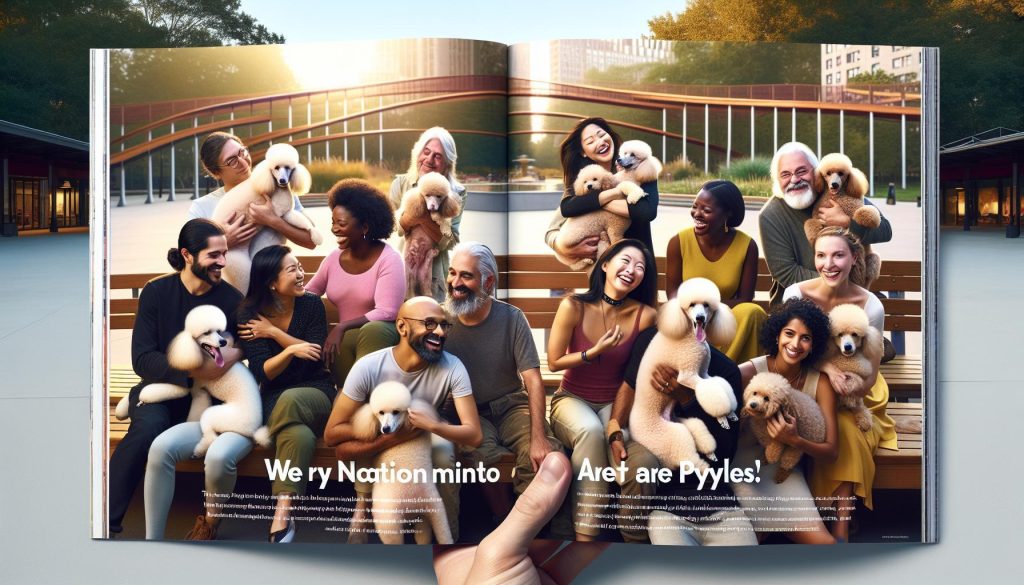
When you think of Poodles, the image of elegant, well-groomed dogs often accompanied by the culture of France comes to mind. However, Poodles are much more than just a French icon; their fascinating history and origin challenge common perceptions. This article dives into the roots of the Poodle breed, exploring how they evolved beyond borders and why understanding their true background matters for dog lovers today. Knowing the real story can help you appreciate their unique traits, care needs, and the role they play in our lives-whether you’re considering bringing one into your home or simply want to deepen your canine knowledge. Join us as we unravel the myths surrounding Poodles and discover what really makes them special!
Are Poodles French? The Surprising Origin of Poodles
The Poodle is often shrouded in a cloud of French sophistication and elegance, leading many to believe that this breed hails from France. However, the roots of the Poodle run deeper into German soil. Initially developed as a duck-hunting dog in the medieval period, the Poodle’s name is derived from the German word pudelin, meaning “to splash.” This reflects its original purpose-retrieving waterfowl from marshes and lakes, showcasing its remarkable swimming ability and agility in the water [1] [3].
While Poodles are now synonymous with French culture, particularly as they became popular in French salons and high society during the Renaissance, their early history traces back to Germany. It was in this country where the breed’s skills were first honed, utilized for not only hunting but also as skilled performers in circuses due to their intelligence and trainability [2].
Misconceptions about the Poodle’s nationality persist, often overshadowing its diverse heritage. As a breed, Poodles can be found all over the world today, celebrated not just for their good looks but also for their versatility. They have adapted and thrived in various environments, serving as companions, therapy dogs, and even service animals-something that speaks to their extraordinary adaptability irrespective of their geographic origins.
In summary, while Poodles might strut their stuff on the streets of Paris and dazzle in French culture, their heartfelt origins remind us of an industrious lineage rooted in German hunting traditions. Recognizing this background enriches our appreciation of the Poodle, reinforcing the notion that the best of noble breeds often come with intriguing and complex histories.
Exploring the History of the Poodle Breed
The Poodle’s journey through history is as intricate as its distinctive curls. Often mistaken for a breed that exclusively embodies French elegance, the Poodle actually hails from Germany, where it was originally developed as a water retriever. The name itself is derived from the German word “pudelin,” which reflects its function of splashing through water to retrieve game, particularly waterfowl. This practical origin story not only showcases the breed’s incredible swimming abilities but also highlights its early role as a trusted companion for hunters in the medieval period.
Poodles began to gain prominence during the Renaissance in France, where their charm and intelligence captivated the hearts of nobility and artists alike. As they transitioned into the salons of Paris, they became symbols of sophistication, sporting various grooming styles that emphasized their grace and beauty. This shift in cultural perception allowed the Poodle to flourish, earning its position as one of the most recognizable dog breeds today. It’s fascinating to consider how a breed with such practical beginnings evolved into a fashion icon of canine culture.
As Poodles spread beyond Germany and France, they showcased their adaptability and versatility. They have excelled not only in hunting and performing arts but also in roles as therapy and service dogs today. Their intelligence makes them highly trainable, a trait that owners have capitalized on in obedience training and agility competitions. The adaptability of Poodles means they can thrive in a variety of environments, from busy urban settings to quiet rural homes, making them the perfect companion for diverse lifestyles.
In understanding the Poodle’s rich history, one can appreciate the depth of this breed beyond its glamorous exterior. By recognizing its roots in German hunting traditions, we celebrate the Poodle for its incredible journey, fostering a connection that transcends nationality. This appreciation enriches the experience of being a Poodle owner, inviting us to engage with their unique personality traits, care needs, and the joy they bring to our lives.
Common Misconceptions About Poodle Nationality
Though many people envision Poodles as quintessentially French, this stereotype often overshadows an equally fascinating German heritage. Surprisingly, the Poodle’s name is derived from the German word “pudelin,” which means to splash in water. Originally bred in Germany as a water retriever, Poodles were highly valued for their exceptional swimming capabilities and intelligence. This common misconception about their nationality elegantly showcases how breed perceptions can shift over time as a result of cultural influences and the Poodle’s charm.
Another widespread belief is that all Poodles, regardless of their variant, hail from France. In reality, while the breed gained immense popularity in France, especially during the Renaissance, it is essential to acknowledge its German origins. The French did play a pivotal role in refining the Poodle’s appearance and promoting its status as a fashionable pet in elite circles. This transformation led to the Poodle being forever associated with French aristocracy, contributing to the misleading notion that Poodles are exclusively French dogs.
Despite their strong ties to both Germany and France, Poodles have become a truly global breed. They are adored and recognized worldwide for their versatility and intelligence. Regardless of where a Poodle owner resides-be it in the bustling streets of Tokyo or a cozy cottage in the English countryside-their Poodles can embody a blend of attributes from both cultures. This global perspective demonstrates how the Poodle transcends its roots and has become a beloved companion across continents.
As you embark on your journey with this remarkable breed, remember that understanding their dual heritage can enrich your experience as a Poodle owner. Embrace both the practical origins of the breed alongside its sophisticated reputation, ensuring that you appreciate all dimensions of your furry friend’s rich history.
Poodles Around the World: A Global Perspective
Poodles have successfully transcended their European origins, endearing themselves to dog lovers across the globe. It’s remarkable to see how this breed has adapted and thrived in diverse cultures, showcasing not just their intelligence and charm but also their versatility as companions. From the crowded streets of metropolises like New York and Tokyo to serene countryside settings in England and beyond, Poodles represent a unique blend of attributes that resonate universally.
In various countries, Poodles are not just pets; they often hold roles that reflect the cultural values and activities of their environments. For instance, in Japan, Poodles have become fashionable companions, often seen in pet-friendly cafes and boutiques, highlighting the country’s love for aesthetically pleasing and pampered pets. Meanwhile, in the United States, Poodles are popularly known for their participation in dog sports like agility and obedience competitions, showcasing their intelligence and ability to learn quickly. The adaptability of Poodles to different lifestyles makes them a favored choice among various dog owners worldwide.
It’s also worth noting the Poodle’s role in familial structures across countries. In many homes, they are not just pets but integral family members, engaging in activities ranging from outdoor adventures to cozy nights in. This adaptability has allowed them to thrive in various living situations, whether in high-energy urban environments or quiet suburban neighborhoods. Here are a few practical considerations for Poodle owners to keep in mind based on their global presence:
- Training and Socialization: Exposure to different environments and people is crucial. Early socialization helps in adapting to various lifestyles.
- Health and Care: Regular vet check-ups and grooming practices are essential, especially for Poodles, which can inherit breed-specific health issues.
- Activity Level: They require regular exercise and mental stimulation, making them great companions for active families or individuals.
Understanding the Poodle’s global journey not only enriches the owner’s appreciation for the breed but also enhances the experience of living with such a dynamic dog. Whether you’re in Paris showcasing the breed’s elegance or in a lively dog park in Los Angeles, the Poodle is a testament to how one breed can successfully bridge cultural divides and find its cherished place in hearts around the world.
The Role of Poodles in French Culture and History
Poodles have held a cherished place in French culture for centuries, earning their reputation as one of the country’s most beloved dog breeds. Often associated with elegance and sophistication, the Poodle is not just a pet but a symbol of French artistry and style. Originally bred as water retrievers, their transformation into fashionable companions reflects a unique blend of utility and aesthetics. They were often seen accompanying the aristocracy, including royalty, underscoring their status in historical settings.
As Poodles became popular across Europe, France embraced this breed wholeheartedly. The Poodle’s distinctive, hypoallergenic coat made them ideal for city life, and their intelligence allowed them to excel in various roles. They gradually became iconic representations of French culture, often appearing in paintings, literature, and even cinema. An interesting example of this is their portrayal in classic French films, where they are often depicted as faithful companions to charming protagonists, further embedding them in the French national identity.
Moreover, the Poodle’s role in French society extends beyond mere companionship. They are commonly seen at outdoor cafés, art shows, and even fashion events, where their stylish grooming and playful demeanor capture the attention of passersby. The breed’s adaptability fits seamlessly into the urban landscape of cities like Paris, where they are equally at home in an artist’s studio or lounging in a chic apartment. This lifestyle has cemented the Poodle’s reputation not just as a pet, but as a quintessential part of the French lifestyle.
For Poodle owners in France and around the world, recognizing this rich cultural heritage allows for a deeper connection with their pets. Understanding their history can enhance training techniques and care practices. Poodles thrive in active environments, so engaging them in activities such as agility training or even dog shows can echo the breed’s storied past. Whether enjoying a leisurely stroll along the Seine or participating in dog sports, Poodle owners can appreciate the unique blend of heritage and modern companionship that this breed embodies.
Poodle Variants: Understanding Breed Differences
Discovering the different variants of Poodles can be an exciting journey for both prospective and current owners. These elegant canines come in three distinct sizes: Standard, Miniature, and Toy, each with unique characteristics that cater to various lifestyles and preferences. For those who love actively engaging with their dogs, the Standard Poodle rises to the occasion with its robust size and playful demeanor. Standing over 15 inches tall, this variant excels in sports, has an energetic personality, and is ideal for families that appreciate a dog that can keep up with outdoor activities.
The Miniature Poodle, measuring between 10 to 15 inches, strikes a perfect balance between liveliness and compactness. They are highly intelligent and thrive on mental stimulation, making them excellent companions for apartment dwellers. Owners who enjoy engaging their dogs in agility or obedience training will find the Miniature Poodle to be quick learners who are eager to please. This breed variant is well-suited for those who desire a medium-sized dog that easily adapts to both city and suburban environments.
On the smallest end, the Toy Poodle stands under 10 inches and is cherished for its charming demeanor and portability. Often seen nestled in purses or accompanying their owners on leisurely walks, they make a delightful addition to anyone wanting a poodle that provides all the affection without taking up much space. Despite their petite size, they possess the same striking intelligence and hypoallergenic coats as their larger counterparts, making them equally trainable and suitable for families.
In addition to these size variations, Poodles come in diverse colors and patterns, ranging from traditional black and white to more unusual shades like apricot and blue. Each color adds a unique flair to their aesthetics, making ownership an opportunity to express personal style. No matter which variant you choose, understanding these differences ensures you pick a Poodle that best fits your lifestyle and preferences, allowing you to enjoy the distinct joys each variant has to offer.
Poodle Personality Traits: What Makes Them Unique
Poodles are renowned not just for their striking appearance but also for their distinctive personalities, which set them apart in the canine world. One of the most captivating traits of Poodles is their intelligence; they are often ranked among the smartest dog breeds. This keen intellect makes them exceptionally trainable, allowing them to excel in obedience, agility, and various dog sports. Whether you’re teaching them basic commands or intricate tricks, Poodles are quick learners who thrive when engaged mentally and physically.
Alongside their sharp minds, Poodles are known for their friendly and sociable nature. They tend to get along well with other pets and children, making them excellent family companions. Their playful demeanor brings joy to households, as they often initiate games and adventures with their owners. However, this playful spirit comes with the need for regular interaction and playtime; a bored Poodle might develop undesirable behaviors due to pent-up energy or lack of stimulation.
Despite these positive traits, prospective owners should be aware of the breed’s sensitivity. Poodles are sensitive to their owners’ emotions and changes in their environment. Positive reinforcement training methods work best with them, as harsh discipline can lead to fearfulness or anxiety. This sensitivity highlights the importance of understanding not just their physical needs for exercise and grooming but also their emotional needs for a loving and stable environment.
In summary, the unique personality traits of Poodles-intelligence, sociability, playfulness, and sensitivity-combine to create a breed that thrives in an active household. For anyone considering welcoming a Poodle into their home, these characteristics promise a delightful and rewarding companionship, provided that their mental and emotional needs are met. With the right balance of love, training, and engagement, a Poodle will quickly become a cherished member of your family.
Caring for Your Poodle: Essential Breed-Specific Tips
Caring for a Poodle requires an understanding of their unique needs, as this breed is not only admired for its intelligence but also for its distinct grooming and exercise requirements. One fascinating aspect about Poodles is that they were originally bred for water retrieval, which explains their love for swimming and need for regular exercise. Proper care encompasses physical activity, grooming, nutrition, and mental stimulation to keep your Poodle healthy and happy.
Exercise and Mental Stimulation
Poodles are energetic dogs that require daily exercise to maintain their physical and mental health. Aim for at least 30 to 60 minutes of exercise each day, which can include walks, playtime, and swimming. Additionally, engaging your Poodle in mentally stimulating activities, such as puzzle toys or obedience training, will prevent boredom. Incorporating agility training can also satisfy their need for physical activity while providing an opportunity for bonding.
Grooming Essentials
One of the standout features of Poodles is their curly coat, which requires regular grooming to prevent matting. It’s best to brush your Poodle at least every other day. Depending on the coat type, professional grooming every 4 to 6 weeks is recommended. Regular grooming not only keeps their coat healthy but also strengthens the bond between you and your pet. When grooming, pay close attention to areas prone to matting, like the ears and underbelly.
Nutrition and Health Care
Feeding your Poodle a balanced diet tailored to their age, size, and activity level is crucial. Consult with your veterinarian to ensure you choose the best food that meets their requirements. Additionally, maintaining a regular veterinary checkup schedule will help catch any health issues early. Vaccinations, flea prevention, and dental care are essential components of their health care.
Socialization
Poodles are known for their friendly nature, and socialization is key to ensuring they develop into well-rounded dogs. Expose your Poodle to different environments, other pets, and various people from a young age. This exposure not only enhances their social skills but also reduces anxiety and fearfulness in new situations.
Incorporating these care strategies will help ensure that your Poodle remains happy, healthy, and a beloved part of your family. Embrace the joy of owning this delightful breed, and remember that consistent care fosters a strong, loving relationship that will benefit both you and your furry friend for years to come.
Training Your Poodle: Best Practices for Success
Training a Poodle can be a rewarding experience that strengthens the bond between you and your furry friend. Known for their intelligence and eagerness to please, Poodles thrive when given the proper guidance and socialization, making them a joy to train. It’s important to remember that Poodles were originally bred as water retrievers, so they possess a natural curiosity and energy that can be harnessed through engaging training methods.
To start, establishing a consistent routine is key. Poodles respond remarkably well to positive reinforcement, so incorporating treats and praise into your training sessions will encourage good behavior. Aim to keep training sessions short, ideally between 5 to 15 minutes each, to avoid overwhelming your pup. Frequent and varied exercises not only keep your Poodle mentally stimulated but also help solidify their learning. For example, teaching basic commands like “sit,” “stay,” and “come” can be expanded into more complex tricks as they master the basics.
Socialization and Exposure
Early and ongoing socialization is critical for Poodles. Regularly exposing your pet to different environments, people, and other animals can help them grow into well-mannered adults. Take them to local parks, dog-friendly cafés, and puppy training classes to build their confidence and adaptability. The more experiences they have, the better equipped they will be to handle unfamiliar situations without anxiety or fear.
Engagement and Variety
Engaging your Poodle’s natural instincts can enhance their training experience. Consider introducing fun activities like agility training or obedience competitions. These not only provide an outlet for their energy but also deepen your connection and improve their skills. Remember, Poodles love mental challenges; incorporating puzzle toys or scent-work games into your routine will keep them excited and engaged.
With dedication and the right approach, you can tap into the intelligence and playfulness of your Poodle, turning training into a fun, rewarding journey for both of you. Celebrate their progress and indulge in their playful nature, and you’ll be well on your way to having a well-trained companion that’s the envy of all!
Comparing Poodles with Other Popular Breeds
While many people associate Poodles with France due to their presence in French art and culture, this illustrious breed draws its roots from a blend of European origins. In comparing Poodles to other popular breeds, it’s fascinating to delve into the unique characteristics that set them apart, both in terms of appearance and temperament.
Poodles come in three sizes-Toy, Miniature, and Standard-demonstrating remarkable versatility that can accommodate different lifestyles and preferences. For instance, compared to the compact Chihuahua, which thrives in close quarters, Poodles offer a more adaptable size range for both city and country living. They are equally comfortable as lap dogs or active companions for outdoor adventures. Additionally, their hypoallergenic coat, which sheds minimally, stands in stark contrast to breeds like the Labrador Retriever, known for their heavy shedding and potential allergy triggers.
The intelligence of Poodles is another distinguishing feature. Regarded as one of the most trainable breeds, Poodles excel in obedience and agility competitions, often outshining breeds such as Bulldogs or Dachshunds, who may have stubborn streaks. Their eagerness to please and quick learning ability make them ideal candidates for families looking for a highly interactive and engaging pet. With the right training and socialization, they can match or exceed the playful energy of a Beagle while maintaining graceful poise and a striking appearance.
Furthermore, let’s not overlook the social nature of Poodles, who often thrive in diverse environments and situations. This adaptability contrasts markedly with breeds like the Shiba Inu, which can exhibit strong independent tendencies and may not always blend as seamlessly into various social scenarios. Ultimately, if you’re considering adding a Poodle to your family or are looking for alternatives, it’s critical to evaluate how instances of versatility, intelligence, and social interactions align with your lifestyle preferences and needs.
In summary, while Poodles might be popularly linked with French culture, their distinct features of adaptability, intelligence, and sociability set them in a league of their own among other dog breeds. Whether you are a first-time owner or seasoned handler, understanding these elements can help ensure a harmonious relationship with your furry friend.
The Future of the Poodle Breed: Trends and Insights
As Poodles continue to captivate dog lovers around the globe, it’s intriguing to consider what lies ahead for this remarkable breed. While their connection to French culture often overshadows their diverse European origins, the future of Poodles is poised for exciting developments across various dimensions. One significant trend is the ongoing rise in popularity of the breed as a companion animal, particularly in urban environments where their adaptability shines. With families and individuals seeking hypoallergenic dogs that require less space yet still provide lively companionship, Poodles are becoming the go-to choice.
In addition to their appeal in new homes, Poodles are making waves in competitive arenas, particularly in agility and obedience training. Their intelligence, coupled with a desire to engage with owners, means they excel in various canine sports. This rise in participation often leads to better breeding practices, as more breeders aspire to enhance trainability and health standards. Owners can look forward to attending more Poodle-specific events and shows, fostering a richer community that embraces not only competition but also the shared love for this exceptional breed.
Furthermore, advancements in canine nutrition and veterinary care are contributing to longer, healthier lives for Poodles. As more pet owners educate themselves about breed-specific health issues, including those that may have been overshadowed by the breed’s popularity, the focus on preventive care is paramount. For instance, genetic testing is becoming a common practice among responsible breeders, helping mitigate common ailments such as hip dysplasia or certain inherited skin conditions. This proactive approach is essential for new and experienced owners alike, ensuring that they can provide the best possible care to their Poodle companions.
As we look to the future, it’s essential for potential Poodle owners to stay informed and engaged. Whether through online communities, local clubs, or training groups, connecting with other Poodle enthusiasts fosters an enriching experience that enhances the bond with your furry friend. With their distinctive combination of charm, intelligence, and versatility, Poodles will undoubtedly continue to adapt and thrive in various roles around the world, proving that their appeal transcends borders and cultures.
Celebrating Poodles: Fun Facts and Trivia
Did you know that the Poodle is one of the most versatile dog breeds, excelling not only as a companion but also in various sports and activities? While often associated with French culture, the breed actually has a rich and intricate past that spans across Europe, which keeps pet owners and dog enthusiasts engaged in fascinating discussions about its origins. Here are some fun facts and trivia to celebrate this remarkable breed and clarify some common misconceptions about their national identity.
- Origin Tracers: Poodles are believed to have originated from a German water dog known as the “Pudel,” where their name is derived. Their primary purpose was to assist hunters in water retrieving, showcasing their exceptional intelligence and trainability from the start.
- French Royalty: Though Poodles have German roots, they gained immense popularity among French nobility. By the 18th century, they became the breed of choice for the aristocracy, leading many to mistakenly label them as a purely French breed.
- Size Variety: Poodles come in three distinct sizes: Standard, Miniature, and Toy. This diversity allows them to fit various lifestyles, from city living to spacious country homes, making them beloved in households worldwide.
- Hypoallergenic Qualities: Unlike many breeds, Poodles have hair instead of fur, which reduces shedding and dander, making them an excellent choice for allergy sufferers. This unique trait has propelled their popularity as companion animals for families with allergies.
- Agility Champions: Poodles are not just beautiful; they are highly skilled athletes. They rank among the top breeds in obedience and agility competitions, often leading their handlers to victory thanks to their quick learning and eagerness to perform.
- Cultural Representations: Poodles have made many appearances in pop culture, from movies to fashionable art, often symbolizing elegance and intelligence. This visibility further cements their status as culturally significant dogs.
These fun facts and historical tidbits not only underscore the Poodle’s fascinating background but also highlight its adaptability and unique characteristics. Whether you’re a new Poodle owner or a seasoned handler, understanding the breed’s rich heritage enhances the appreciation for these wonderful companions. If you’re considering a Poodle, remember that their intelligence requires engaging activities; regular mental and physical stimulation will keep them happy and healthy!
FAQ
Q: Are Poodles actually from France?
A: No, Poodles are not exclusively from France. They originated from Germany, where they were bred as water retrievers. While Poodles became popular in France and are associated with French culture, their roots trace back to German herding dogs.
Q: What is the true origin of the Poodle breed?
A: The Poodle breed’s true origin is in Germany, specifically derived from the “Pudel,” a water dog. The breed evolved for versatile tasks, including hunting and retrieving, before gaining popularity in France as a companion animal.
Q: Why do people think Poodles are French?
A: Many people associate Poodles with France because they became a favorite among French nobility and artists during the Renaissance. This cultural significance, along with their presence in French art and literature, has solidified their connection to France.
Q: How are Poodles represented in French culture?
A: In French culture, Poodles symbolize elegance, sophistication, and companionship. They are often depicted in art and literature, showcasing their status as beloved pets among the French aristocracy and their roles in circus performances.
Q: Are there different types of Poodles, and are their origins the same?
A: Yes, there are three main types of Poodles: Standard, Miniature, and Toy. All share the same lineage, originating from the same German ancestors, but they differ in size and specific breeding purposes over time.
Q: Do Poodles have a special role in dog competitions?
A: Yes, Poodles excel in dog competitions, particularly in agility and obedience events. Their intelligence and trainability make them standout performers, contributing to their popularity in competitive settings worldwide.
Q: What are some common misconceptions about Poodles’ nationality?
A: A common misconception is that Poodles are solely French due to their allegiance to French culture. However, understanding their German origins clarifies their global appeal and diverse adaptations over centuries.
Q: How can I incorporate Poodle history into choosing a puppy?
A: When selecting a Poodle puppy, consider their history by choosing a responsible breeder who emphasizes the breed’s natural traits and health. Understanding the breed’s origins can guide you in ensuring you choose a puppy that fits your lifestyle and expectations.
In Summary
As we’ve explored, the Poodle’s origins may surprise many, revealing a rich history that transcends the French label often attached to this beloved breed. If you’re intrigued by the unique traits that make Poodles special, or if you’re considering welcoming one into your home, don’t miss our detailed guides on Poodle care and training tips to ensure you and your furry friend thrive together.
Are you ready to deepen your understanding? Dive into our articles on Poodle grooming and discover how to maintain that iconic coat. Plus, check out our community discussion on the best Poodle breeders to connect with trusted sources for your future pet.
Let’s keep the conversation going! Share your thoughts in the comments below or connect with other Poodle enthusiasts. Don’t forget to subscribe to our newsletter for insights and tips that can help you every step of the way. Your journey with Poodles is just beginning!