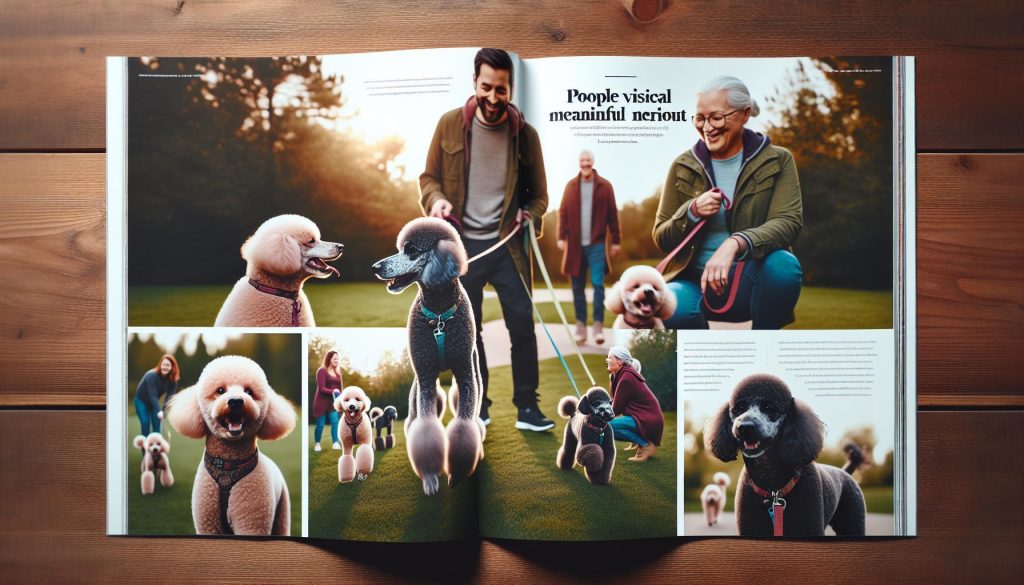
When considering a new dog, understanding their temperament is crucial. Poodles are renowned for their friendly disposition, intelligence, and sociability, making them beloved companions. However, many prospective owners wonder: Are Poodles truly as friendly as they’re often portrayed? This question is essential, especially for those looking for a loving family pet or a playful partner in outdoor activities. In this article, we’ll delve into the social temperament and personality traits of Poodles, shedding light on what makes them unique. Whether you’re a seasoned dog owner or new to the canine world, exploring the friendly nature of Poodles will equip you with valuable insights and help you make informed decisions about your future furry friend. So, let’s dive in and discover the warmth and joy a Poodle can bring into your life!
Understanding Poodle Temperament and Personality Traits

Poodles are renowned not only for their stunning looks but also for their vibrant personalities. One fascinating fact about this breed is their unique blend of intelligence and sociability. Poodles thrive on human interaction, which contributes to their reputation as one of the friendliest dog breeds. Their temperament can be attributed to their history; originally bred as water retrievers, they were companions to hunters, which naturally required them to develop a keen affinity for human connection. This intrinsic desire to please makes them highly trainable and responsive, qualities that aspiring dog owners should embrace.
To maximize the friendly nature of a Poodle, understanding their specific personality traits is essential. They are typically alert, energetic, and playful, embodying an approachability that draws people in. However, like any intelligent breed, their mental stimulation is crucial; without it, they can become bored or anxious, which might lead to unwanted behaviors. Engaging them in activities like puzzle toys, agility training, or obedience courses can channel their energy positively and reinforce their loving demeanor.
Another critical aspect of Poodle ownership is socialization. Early exposure to various environments, people, and other animals helps develop their confidence and reduces the likelihood of fearful behaviors. Regular outings and playdates can foster a well-rounded temperament, allowing Poodles to thrive in family settings. With their affectionate nature, they often form strong bonds with both adults and children, showcasing their adaptability to life as a family companion.
In summary, understanding a Poodle’s temperament lays the groundwork for fostering a friendly and engaging household member. Their sociability, intelligence, and eagerness to please present a unique opportunity for dedicated owners to build a strong bond that enriches both their lives and the lives of those around them.
The Sociable Nature of Poodles: Are They Friendly?
Poodles are often celebrated not just for their striking looks, but also for their friendly and engaging personalities. This breed excels in sociability and typically enjoys interacting with people of all ages. Their natural demeanor is characterized by a playful curiosity and an eagerness to connect, which makes them excellent companions for families and individuals alike. Whether they’re greeting newcomers at the door or playing in the park, Poodles thrive on human interaction, leading many to question just how friendly these dogs truly are.
One noteworthy aspect of Poodles is their versatility in social settings. Their intelligence allows them to read human emotions, and they often respond in kind, displaying affection when they sense someone is happy or in need of comfort. This capability is not just instinctual; it can be nurtured through structured socialization from a young age. Owners can help cultivate their Poodle’s friendly nature by exposing them to different environments, people, and other animals. Regular walks in busy parks, participation in dog meet-ups, or enrolling in obedience classes can significantly enhance their social skills.
In terms of behavior, friendly Poodles exhibit distinct traits that indicate their sociability. They may wag their tails enthusiastically, show a playful demeanor with other dogs, or remain relaxed around strangers. Encouraging these positive interactions through praise and rewards helps reinforce their friendly behavior. Remember, though, that temperament can vary among individuals, so patience and consistency from owners are key in nurturing a confident and sociable nature.
Ultimately, the sociable disposition of Poodles makes them a fantastic choice for those looking to share their lives with a loving and interactive dog. Their affectionate nature not only adds joy to family dynamics but also fosters a deep bond that enriches the lives of both the dog and the owner. Embracing their friendly spirit not only ensures a happy pet but also a fulfilling companionship grounded in mutual respect and love.
Poodle Size Variations: How Personality Differs

The delightful world of Poodles is fascinating, especially when considering how size variations can impact personality. This breed comes in three primary sizes: Standard, Miniature, and Toy, each offering unique temperaments and behaviors that can influence their interactions with families and other pets. Understanding these differences is essential for potential owners to ensure they choose the best fit for their lifestyle.
Standard Poodles, known for their larger stature, often possess a more laid-back and confident demeanor. They tend to be gentle giants; this size allows them to engage in more robust play while still being aware of their strength. Their personalities are often described as protective, making them excellent family companions who can adapt well to both active households and quieter environments. Owners of Standard Poodles frequently mention how their dogs seem to take on a calming presence, providing both companionship and a sense of security.
In contrast, Miniature Poodles are energetic and full of personality, often vibrating with enthusiasm. Their compact size doesn’t hold back their spirited nature; they tend to be more playful and may require more frequent mental stimulation and exercise. This lively demeanor makes them great companions for active individuals or families with older children who can match their energy levels. Miniature Poodles often excel in social situations and enjoy being the center of attention, showcasing their affectionate and engaging personalities.
Toy Poodles, the smallest of the three, are often characterized by their charming and affectionate nature. They thrive on human interaction and tend to form close bonds with their owners. Their petite size makes them ideal for apartments and smaller living spaces, but they may be more prone to separation anxiety if left alone for extended periods. New owners should be aware that while Toy Poodles are friendly, they can also be quite vocal, sometimes using barking as a way to express their needs or alert their owners to changes in their environment.
Understanding these personality traits linked to size can help potential Poodle owners choose the right companion for their family’s lifestyle. Whether opting for the calm confidence of a Standard Poodle, the playful energy of a Miniature, or the affectionate antics of a Toy, each variation brings a unique charm that can fill homes with love and joy. As with any breed, consistent training, socialization, and care are crucial in nurturing these wonderful dogs into well-rounded companions.
Poodle Socialization: Tips for Raising a Friendly Dog
To raise a friendly Poodle, socialization is key. Early and consistent exposure to various environments, people, and other animals helps shape their sociable and affectionate temperament. A well-socialized Poodle is more likely to be confident and relaxed in unfamiliar situations, making them delightful companions for families and individuals alike. Starting this process as early as possible-ideally during the critical period of 3 to 14 weeks-is essential for instilling these positive behaviors.
One effective strategy is to introduce your Poodle to different social settings. Take them to parks, pet-friendly shops, or busy streets where they can encounter diverse stimuli. Aim for positive experiences during these outings. Encourage interactions by rewarding calm behavior with treats or playful engagement. This positive reinforcement makes your Poodle associate new experiences with good outcomes, fostering a friendly demeanor. Additionally, enrolling in puppy classes can provide structured socialization opportunities and guidance from experienced trainers on handling various situations.
To further enhance their social skills, facilitate playdates with other well-mannered dogs. This allows your Poodle to learn appropriate social cues and behaviors in a controlled setting. Always supervise these interactions and provide a safe outlet for their energy. It’s also important to teach your Poodle how to express themselves without fear or aggression-using body language is a vital part of their communication. Monitor how they react in different situations and address any fearful or aggressive tendencies early on, with the support of a professional trainer if necessary.
Just like with human children, your Poodle’s environment plays a fundamental role in their development. Ensure that they feel safe and beloved within your home. Create a calm space equipped with comfortable bedding and toys where they can retreat when feeling overwhelmed. By establishing a nurturing atmosphere, your Poodle will develop the confidence necessary for interacting cheerfully with friends and family. Remember, socialization is a lifelong journey. Keep providing fresh experiences, offering encouragement, and maintaining a positive outlook, and you’ll cultivate a happy, friendly, and well-rounded Poodle.
Poodles and Other Pets: Compatibility Insights
Introducing a new pet into your home can be an exciting yet daunting experience, especially when considering how different species will interact. Poodles, known for their sociable nature and intelligence, often make excellent companions for other pets, including dogs, cats, and even smaller animals. Their temperament plays a crucial role in determining compatibility within a multi-pet household, and understanding this can help ensure a harmonious living environment.
Poodles are generally friendly and eager to please, making them adaptable to various social situations. When introducing a Poodle to other animals, it’s essential to approach the process with patience and strategy. Begin by allowing animals to get acquainted with each other’s scents before any direct contact. This can be done by swapping bedding or toys between the pets. Once they seem comfortable, supervised meetings should take place in a neutral space to prevent territorial behavior. Always reward positive interactions with treats and praise to reinforce good behavior.
Another factor to consider is the individual personalities of the animals involved. While most Poodles are playful and social, each pet will have its quirks. For example, some dogs may be more dominant or shy, which can affect how they interact with a Poodle. If you have a more reserved cat, a Poodle’s enthusiasm could initially be overwhelming. Gradual introductions and close monitoring of their interactions will facilitate mutual comfort and build positive relationships over time.
To illustrate, many Poodle owners report successful integrations with cats by allowing their Poodles to observe from a distance and gradually encouraging interactions through shared playtime or treats. As both animals become more comfortable, they often develop an understanding and bond, showcasing that with the right approach, Poodles can live happily alongside other pets. This adaptability makes Poodles the perfect fit for families looking to create a lively and loving atmosphere. By fostering a nurturing environment and employing thoughtful introductions, pet owners can help ensure their Poodles and other pets enjoy a fulfilling life together.
How to Identify a Friendly Poodle: Key Behaviors
Identifying a friendly Poodle often comes down to recognizing specific behaviors that highlight their sociable and playful nature. Poodles are renowned for their intelligence and eagerness to please, which can manifest in various ways. Observing your Poodle in different situations can help you distinguish whether they’re friendly or feeling shy. Keep an eye out for their body language and interactions with humans and other animals, which can indicate a welcoming personality.
One of the first signs of a friendly Poodle is a relaxed body posture. When a Poodle is comfortable and sociable, you’ll notice their tail wagging, typically held up high. They may also approach new people with curiosity rather than hesitation, often sniffing or gently nudging with their noses. Additionally, a friendly Poodle will exhibit playful behaviors, such as bouncing around or inviting play through exaggerated movements. If they bring you a toy or paw at you to encourage interaction, this is a sure sign they’re eager to engage and connect.
Another key indicator of a friendly temperament is vocalization. While Poodles are generally not excessive barkers, they might let out playful barks or whines when inviting you to join in their fun. Pay attention to how they communicate with other dogs as well; friendly Poodles often approach their peers with wagging tails and an open demeanor, signaling their desire to play. Conversely, if your Poodle prefers to withdraw or remains rigid when meeting others, this might suggest shyness or discomfort.
Noteworthy, it’s also crucial to appreciate that socialization plays a significant role in developing a friendly disposition. Regular exposure to different environments, people, and other pets helps reinforce positive behaviors. If you notice signs of aggression or fear-even from an otherwise friendly Poodle-consider revisiting their socialization tactics. Employing structured playdates with other well-tempered dogs can significantly boost a Poodle’s confidence and friendliness.
In summary, a friendly Poodle typically demonstrates specific key behaviors, such as relaxed body language, playful invitations, appropriate vocalizations, and sociable interactions. By fostering these traits through socialization and positive experiences, new and experienced Poodle owners alike can enjoy rewarding companionships characterized by loyalty and affection.
Training Poodles for Friendly Interactions
Training a Poodle to engage in friendly interactions is pivotal in harnessing their natural sociability and intelligence. These dogs thrive on positive reinforcement and learn best in an environment filled with encouragement and love. To foster a friendly disposition, it’s essential to incorporate specific techniques and practices into your training routine.
Start with basic obedience commands, as these serve as the foundation for more complex social skills. Commands like “sit,” “stay,” and “come” not only enhance communication but also promote confidence in your Poodle. Once they are comfortable with the basics, you can gradually introduce them to new experiences that promote friendly interactions. For example, invite friends or family over to interact with your Poodle, allowing them to practice engaging with unfamiliar people in a controlled setting. This not only builds their confidence but also helps them associate positive feelings with meeting new individuals.
Another effective strategy is utilizing playtime as a training tool. Poodles are incredibly playful, and games like fetch or tug-of-war can be excellent opportunities to reinforce friendly behavior. For instance, when your Poodle brings a toy back to you after a game, reward them with praise or a treat. Encourage them to interact with others during these play sessions, and guide them on how to approach new dogs or people in a friendly manner. This can foster their natural instincts in a constructive way while ensuring they connect positively with other pets and humans.
In addition, consider enrolling your Poodle in socialization classes or puppy kindergarten. These environments expose them to various dogs and people, teaching them essential social skills through structured interactions. Such classes often provide professional guidance on managing both friendly and shy behaviors, helping to mold your Poodle into a well-adjusted companion. Consistency, patience, and constructive reinforcement are key throughout this process; your Poodle will thrive on routine and the established framework of your training sessions.
In summary, training a Poodle for friendly interactions involves a mix of obedience training, playful experiences, and socialization opportunities. By embedding these components into your routine, you’ll not only cultivate a friendly demeanor in your Poodle but also strengthen your bond, creating a joyful companionship filled with shared experiences.
Poodle Grooming and Its Impact on Temperament
Maintaining a Poodle’s coat is not just about keeping them looking fabulous; it can significantly influence their temperament and overall well-being. A well-groomed Poodle is not only healthier but often displays a more positive and confident demeanor. Regular grooming sessions can be a bonding experience, allowing your dog to feel secure and cherished. When Poodles are groomed consistently, they typically behave more contentedly, as a clean and tangle-free coat reduces discomfort and irritation.
One essential aspect of grooming that impacts a Poodle’s temperament is the frequency of brushing. Poodles have a unique curly coat that can mat if not properly cared for. This matting can lead to discomfort, pain, and even skin infections, all of which may result in a less friendly temperament. Regular brushing sessions-ideally every few days-help remove loose hair and stimulate the skin, promoting better blood circulation and skin health. When your Poodle associates grooming with positive experiences, such as treats and affection, it fosters a trusting relationship, making them more comfortable and sociable.
Grooming as a Stress-Reliever
Grooming can also serve as a calming routine for Poodles. The process of brushing, bathing, and even nail trimming can help alleviate anxiety. For example, incorporating short, positive grooming sessions into your Poodle’s daily routine can instill a sense of predictability and control. If they learn to anticipate that they will receive gentle attention and rewards during grooming, they may develop a more relaxed demeanor overall. This regular exposure to grooming activities can help desensitize your Poodle to handling, making them more comfortable around new people and animals, which is crucial for their friendliness.
Influence on Socialization
Moreover, how you handle your Poodle during grooming sessions can affect their interactions with others. Dogs that are used to being touched in various areas and are desensitized to handling tend to be more accepting of interactions with people and other pets. This is especially important in young, impressionable Poodles who are still learning about their environment. Introducing them to different types of handling in a gentle, encouraging way can promote a more relaxed and open attitude toward other animals and humans.
In summary, grooming not only helps keep your Poodle’s coat in top condition but also plays a vital role in their emotional and social development. By making grooming a positive, regular part of your Poodle’s life, you’re not just enhancing their appearance; you’re nurturing their temperament, ensuring they grow into friendly and well-adjusted companions.
Common Poodle Misconceptions: Unraveling the Myths
While poodles are often celebrated for their intelligence, grace, and friendly demeanor, there are several misconceptions surrounding their temperament that can mislead potential owners. One prevalent myth is that poodles, especially standard sizes, may be aloof or overly reserved. In reality, most poodles are naturally sociable and thrive on human interaction. They are known for their loyalty and affectionate nature, making them excellent companions for families and individuals alike. When properly socialized, poodles display warmth and friendliness towards both humans and other pets, debunking the notion that they are standoffish.
Another common misconception is that poodles require excessive grooming and maintenance, leading some to believe that they are high-maintenance pets. While it’s true that their curly coats need regular grooming to prevent matting, this shouldn’t deter potential owners. Routine grooming can actually strengthen the bond between dog and owner, and it can be a delightful part of daily interactions. When handled gently and positively, grooming sessions can foster trust in your poodle, contributing to a happier, more sociable pet.
Some also think that all poodles, regardless of size (standard, miniature, or toy), share the same temperament. However, each size may exhibit different personality traits due to varying energy levels and predispositions. Standard poodles, for instance, are often more energetic and requires more exercise than their smaller counterparts, who might be more content with indoor play. Understanding these distinctions is key to managing their unique needs effectively and ensuring a harmonious household.
In addition, there’s a prevalent belief that poodles aren’t good with young children or other animals. The truth is, when adequately socialized from a young age, poodles tend to be very gentle and friendly, making them excellent companions for kids. Their playful and engaging nature usually leads to delightful interactions with children, fostering an affectionate and protective relationship. With these insights, it’s clear that dispelling these myths can lead to a more informed decision when considering poodles as a pet, allowing prospective owners to embrace the joy of having a friendly, loving companion.
The Role of Environment in Poodle Friendliness
The environment in which a poodle is raised plays a crucial role in shaping its friendliness and overall temperament. Poodles are sensitive and intelligent dogs that thrive when they are part of a loving, engaging household. A nurturing environment filled with positive interactions fosters a confident, outgoing dog. Conversely, a stressful or isolated environment may lead to anxiety and reserved behavior, which could be mistaken for a lack of friendliness.
Creating a supportive atmosphere starts with adequate socialization. From a young age, exposure to different people, animals, and settings helps poodles develop necessary social skills. Regular outings to parks, pet-friendly events, or even busy shopping areas can boost their comfort level around various stimuli. Additionally, introducing them to other pets in a controlled manner can help build their confidence and enhance their sociability towards fellow animals. In short, the more diverse their experiences, the more well-rounded they become.
It’s equally important to establish a routine that includes playtime and training sessions. Poodles are highly energetic, and allocating time for exercise is vital. Not only does this help in managing their energy, but it also encourages positive interactions. Activities such as fetch or agility training can further strengthen the bond between the poodle and its owner while promoting a positive disposition towards new experiences.
In conclusion, the impact of a poodle’s environment cannot be overstated. It significantly influences their interactions and behavior, making it imperative for potential owners to cultivate a nurturing, engaging atmosphere that fosters friendliness and confidence. By focusing on socialization, exercise, and positive reinforcement, owners can help ensure their poodle grows into a well-adjusted and sociable companion ready to share love with everyone around them.
Poodles in Family Settings: Great Companions for Kids
Poodles have long been cherished as family dogs, and for good reason. Their intelligence, adaptability, and affectionate nature make them not only great pets but also perfect companions for children. With their playful spirit and gentle demeanor, poodles can engage children in countless activities, from games in the backyard to relaxing snuggles on the couch. This bond often strengthens the family unit, teaching kids responsibility, empathy, and how to nurture a living being.
One of the many benefits of having a poodle in a family setting is their natural inclination to be social. They thrive on interaction, which means they will often seek out your kids for playtime or companionship. However, it’s crucial to guide children on how to interact appropriately with their canine friend. Teaching kids to approach poodles calmly and gently, respecting the dog’s personal space, ensures a safe and joyful relationship. Additionally, incorporating rules for play can prevent overstimulation, making each interaction pleasant for both parties.
Poodles come in different sizes-standard, miniature, and toy-which provides families the flexibility to choose a poodle that fits their home and lifestyle. For instance, a standard poodle’s larger size can make them a stable playmate for older children, while a toy or miniature poodle might be more suited for families with younger kids or limited space. Regardless of size, all poodles share a common need for mental and physical stimulation, making it essential for families to incorporate activities that engage them.
To further enhance the poodle-kid bond, families can involve the children in training sessions. Teaching basic commands not only helps in developing the poodle’s obedience but also instills a sense of teamwork, allowing kids to see their efforts result in a well-behaved canine. This collaborative environment builds confidence in young ones, while also assuring parents that their kids are learning to communicate and respect animal behavior effectively.
In essence, poodles enrich family life with their friendly temperament and playful nature, proving to be excellent companions for children. With proper guidance and involvement, the relationship between poodles and their young owners can lead to a fulfilling and loving dynamic that lasts for years to come.
Frequently Asked Questions
Q: Are Poodles good with children?
A: Yes, Poodles are generally excellent with children. Their friendly and playful nature makes them great companions for kids. To ensure positive interactions, supervise playtime and teach children how to respectfully engage with the dog. For more tips, check out the section on “Poodles in Family Settings” in our article.
Q: How can I improve my Poodle’s social skills?
A: To enhance your Poodle’s social skills, expose them to different environments, people, and animals gradually. Enroll in puppy socialization classes and arrange playdates with other dogs. Socialization is crucial for confidence, so start early. For detailed methods, see “Poodle Socialization: Tips for Raising a Friendly Dog.”
Q: What personality traits make Poodles friendly?
A: Poodles are known for their intelligence, playfulness, and adaptability. These traits contribute to their friendly demeanor, making them approachable and eager to engage with people and other pets. Explore more personality insights in the “Understanding Poodle Temperament and Personality Traits” section.
Q: Do Poodles need a lot of social interaction?
A: Yes, Poodles thrive on social interaction. Regular engagement with family members and exposure to new experiences are vital for their emotional well-being. Ensure daily playtime and interaction opportunities to prevent loneliness. For tips on interaction, refer to “The Role of Environment in Poodle Friendliness.”
Q: Can Poodles be shy or reserved?
A: While Poodles are generally friendly, some may be shy or reserved, especially if not properly socialized. Early training and exposure to various settings can help develop confidence. If your Poodle exhibits shyness, consider seeking guidance from a trainer. Learn more in the “How to Identify a Friendly Poodle” section.
Q: How do Poodles interact with other pet breeds?
A: Poodles usually get along well with other pet breeds, thanks to their sociable nature. Positive introductions and gradual acclimatization are essential for successful integration. To read more about compatibility, check out “Poodles and Other Pets: Compatibility Insights.”
Q: Are there differences in temperament among Poodle sizes?
A: Yes, the temperament of Poodles can vary slightly by size. Standard Poodles tend to be more laid-back, while Miniature and Toy Poodles may be more energetic and affectionate. Understanding these differences can help match the right Poodle to your lifestyle. For a deeper dive, see “Poodle Size Variations: How Personality Differs.”
Q: How can grooming affect a Poodle’s social temperament?
A: Regular grooming can positively influence a Poodle’s temperament. It not only keeps them looking good but also reinforces trust and bonds between the dog and owner. A well-groomed dog is usually more comfortable in social settings. For more details, explore “Poodle Grooming and Its Impact on Temperament.”
In Retrospect
In summary, Poodles are not only friendly but also incredibly engaging companions, blending intelligence and approachability in their social temperament. This breed thrives on interaction, making them perfect for families and individuals alike. If you’re considering welcoming a Poodle into your home, take the next step by exploring our resources on “Poodle Breeds Comparison” and “Poodle Care Checklists” for valuable insights that will guide you on this rewarding journey.
Don’t miss out-sign up for our newsletter for the latest tips and advice to ensure your Poodle thrives! Have questions or stories to share? We’d love to hear from you in the comments! Remember, your Poodle’s delightful personality is just one part of the equation; understanding their needs will enhance your bond and ensure a happy, fulfilling life together. For further information, visit our breeding recommendations or health testing insights, and continue your exploration of all things Poodle!