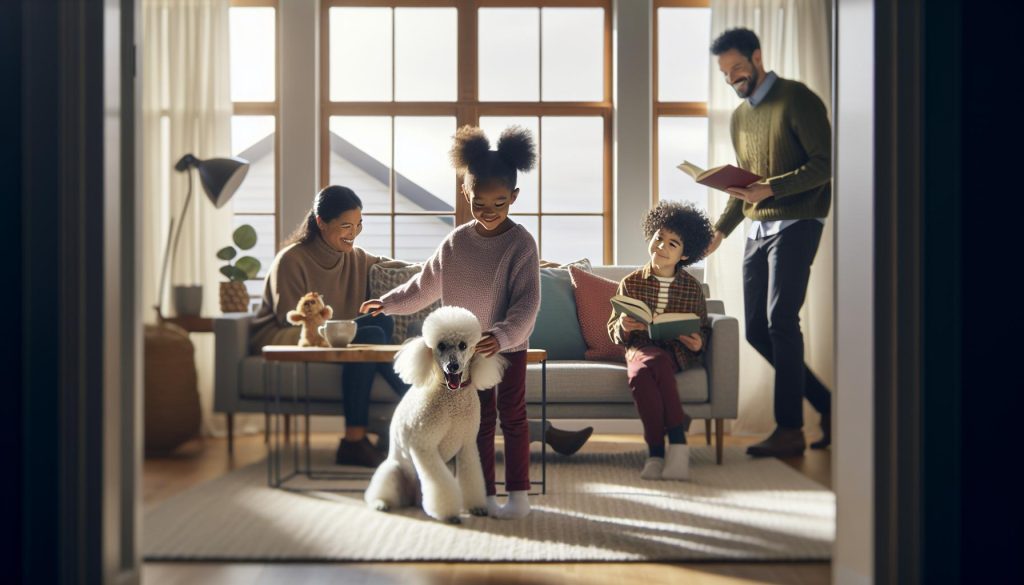
Poodles are often praised for their intelligence and elegance, making them popular choices for families. But are they truly the ideal family dog? With their friendly demeanor and playful nature, poodles can be exceptional companions for households. However, they also require commitment and care, which is essential for any potential dog owner to consider.
As you ponder bringing a poodle into your home, you might have questions about their adaptability to family life, their energy levels, and how well they get along with children and other pets. In this article, we’ll explore the qualities that make poodles standout family dogs and share insights on what it takes to ensure a harmonious living environment for both the poodle and your family. Get ready to discover if a poodle could be the perfect addition to your household!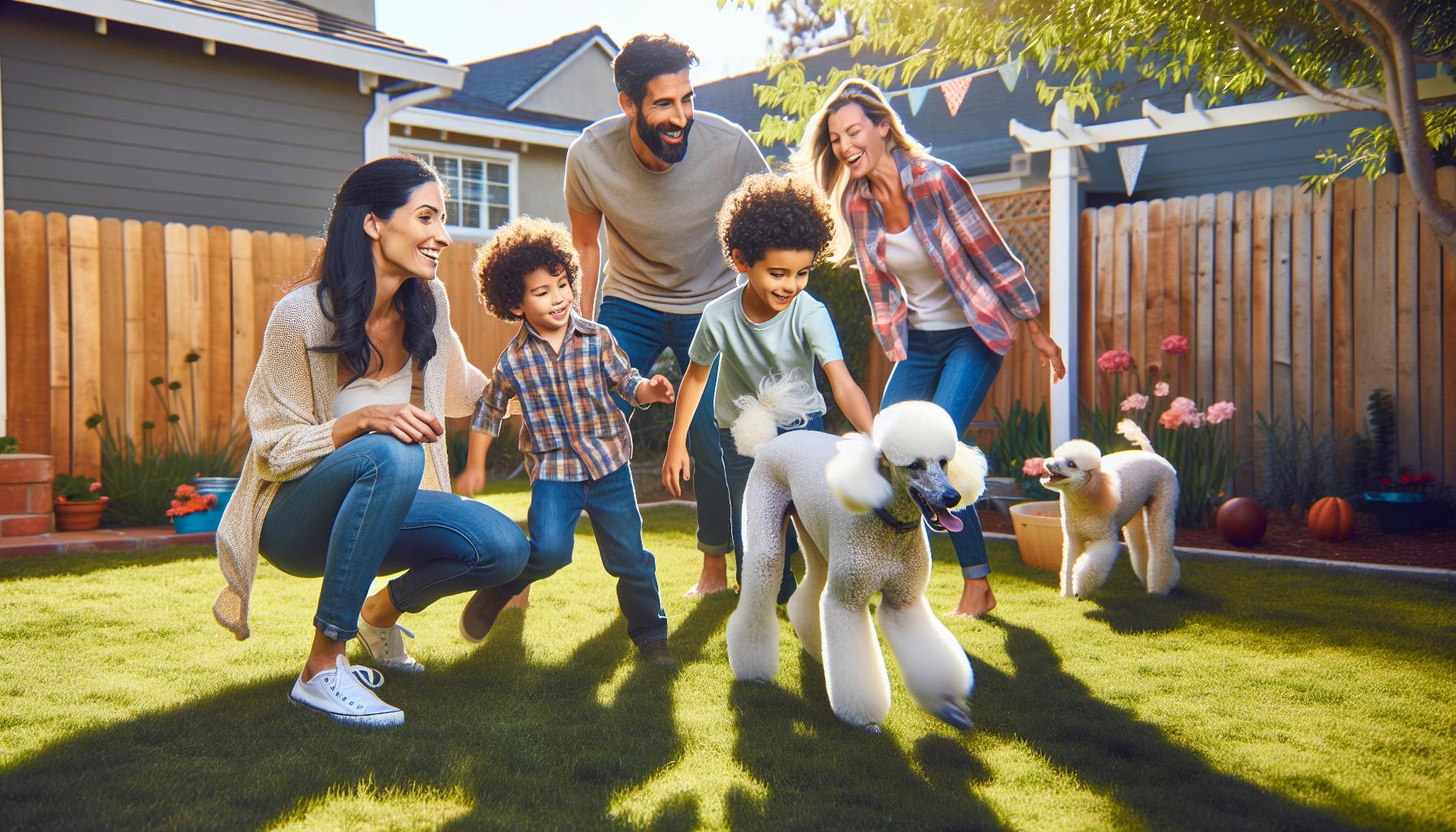
Are Poodles Good Family Dogs? Key Traits to Consider
Poodles are often considered a quintessential family dog due to their remarkable combination of intelligence, adaptability, and affectionate nature. Known for their friendly disposition, Poodles can seamlessly become an integral part of family life. They thrive in environments where they are given attention and care, making them wonderful companions for all ages. However, before bringing a Poodle into your home, there are key traits to consider that will help ensure a harmonious fit for your family.
One of the most outstanding characteristics of Poodles is their intelligence. Ranked as one of the most intelligent dog breeds, they respond well to training and are eager to please, which is a boon for families looking to instill good behavior from a young age. Their natural curiosity and enthusiasm for learning can be fostered through consistent training and mental stimulation, making it a rewarding experience for both the dog and the owner. Additionally, Poodles tend to be sociable and adapt well to different household dynamics, which can be advantageous for families with children and other pets.
Poodles also come in three distinct sizes: Standard, Miniature, and Toy, allowing families to choose the right fit for their living space and lifestyle. Each size offers similar temperament qualities, but there are practical considerations, such as energy levels and exercise requirements, that vary. For instance, Standard Poodles, being the largest, often require more exercise compared to the smaller Miniature or Toy Poodles, who may be equally engaging yet more suited for apartment living. Whatever the size, all Poodles benefit from regular exercise and social interaction, which helps to minimize behavioral issues and maximizes their loving character.
Ultimately, a Poodle can be a fantastic addition to a family, provided that potential owners are ready to embrace the commitment of training, socialization, and care that comes with this dynamic breed. Their playful and gentle nature, coupled with the joy they bring, makes them a charming choice for families looking to welcome a loyal companion into their lives.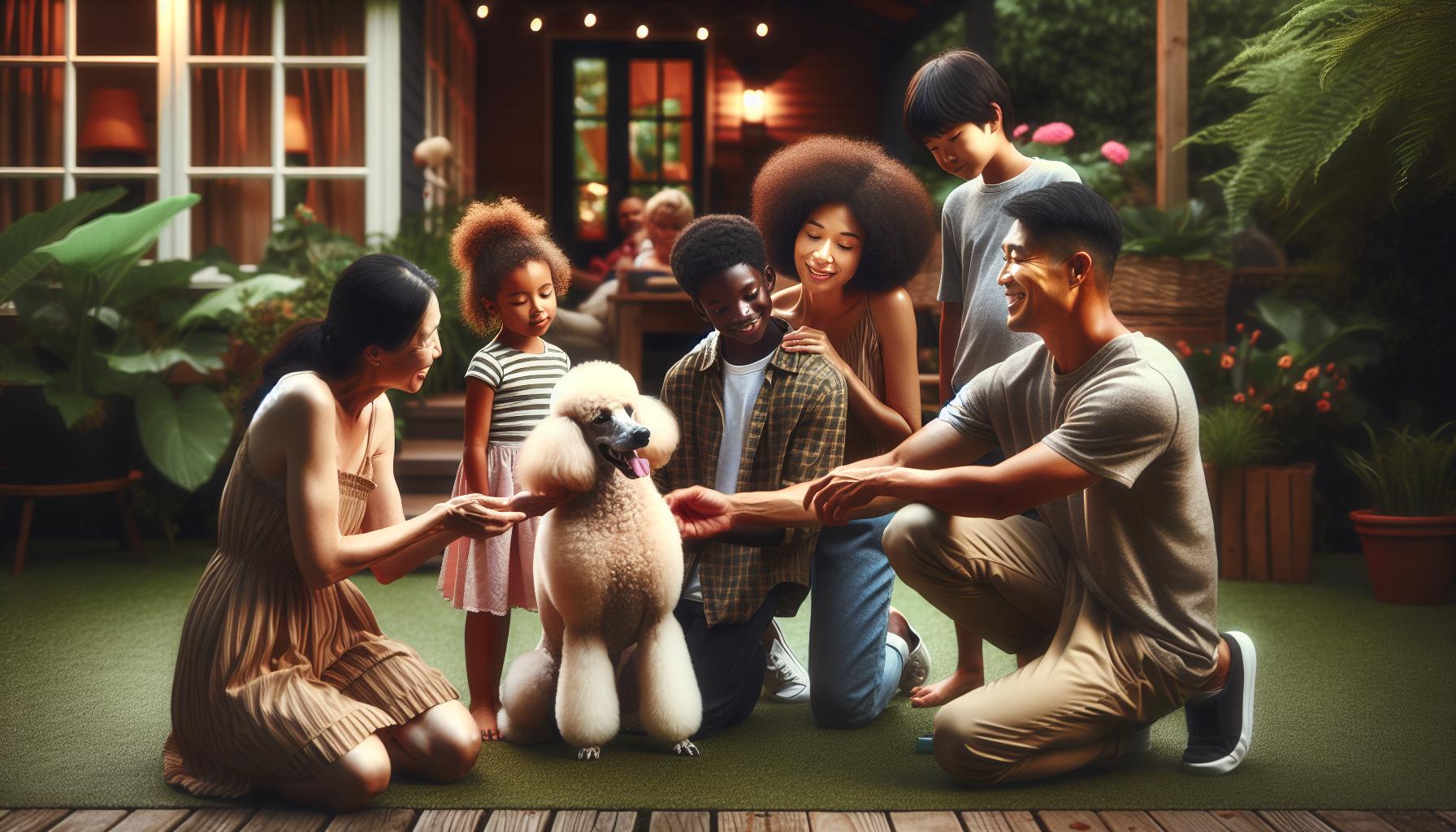
Poodle Temperament: The Perfect Fit for Families
Poodles are renowned for their delightful temperament, making them a standout choice for families. With a reputation as one of the most intelligent dog breeds, these furry companions are eager to please, highly trainable, and brimming with energy and affection. Their adaptability shines in various family settings, from bustling households filled with kids to quieter homes where their loving nature can be fully appreciated. This versatility not only fosters strong bonds with family members but also cultivates a sense of belonging, making them the perfect addition to your living space.
One of the most compelling aspects of Poodle temperament is their sociability. They thrive on interaction and enjoy being involved in family activities. Whether it’s participating in a game of fetch in the backyard or snuggling on the couch during movie night, Poodles are sure to bring joy and companionship to every moment. Beyond their playful demeanor, they also exhibit a gentle disposition. This quality makes them fantastic companions for children, as they are usually patient and tolerant, creating a safe and loving environment for little ones.
In terms of adaptability, Poodles come in three sizes-Standard, Miniature, and Toy-which offers flexibility for families based on their living situation. Here’s a brief comparison to help choose the best fit:
| Size | Weight | Exercise Needs | Best For |
|---|---|---|---|
| Standard | 40-70 lbs | High | Active families with space |
| Miniature | 10-15 lbs | Moderate | Families wanting a mid-sized companion |
| Toy | 4-10 lbs | Low | Apartment living with limited space |
Selecting the right size can significantly enhance the quality of life for both the family and the Poodle. Regardless of size, Poodles require regular exercise and mental stimulation, which not only keeps them physically fit but also ensures they remain happy and well-adjusted. This can include daily walks, puzzle toys, and interactive play that engage their sharp minds and energetic spirits.
In summary, the charm of Poodles lies not just in their intelligence but in their innate ability to connect with family members of all ages. Their playful energy, gentle temperament, and adaptability make them exceptional companions, prepared to share love and laughter in your home. As long as families commit to giving these magnificent dogs the attention, training, and care they deserve, Poodles will undoubtedly prove to be marvelous additions to any household.
Comparing Poodles: Standard, Miniature, and Toy
When it comes to finding the right Poodle for your family, the choice between Standard, Miniature, and Toy can significantly influence your experience. Each size has its unique charm and characteristics that cater to different household dynamics and lifestyles. The Standard Poodle, the largest of the three, is robust and energetic, making it an excellent companion for active families who can provide plenty of space and outdoor time. This breed thrives in environments where it can run, play, and engage in more strenuous activities, often forming strong bonds with children due to its playful yet gentle nature.
The Miniature Poodle offers a delightful middle ground. Weighing considerably less than its Standard counterpart, it still possesses the same intelligence and friendliness, but with a bit more adaptability to smaller homes or apartments. The Miniature’s moderate exercise needs make it suitable for families who enjoy regular walks but may not have extensive outdoor space. These dogs are known to be social and eager to participate in family activities, from games to simply lounging on the couch, making them a versatile companion.
For those living in tighter quarters or looking for a more portable pet, the Toy Poodle is a perfect choice. These little bundles of joy, weighing between 4-10 pounds, have lower exercise needs and can thrive in an apartment setting. Despite their size, Toy Poodles are energetic and love to play, but they also enjoy quieter moments snuggled up with family members. Their adaptable nature means they can fit seamlessly into various lifestyles, provided they receive adequate love and mental stimulation.
When deciding among these three sizes, consider your living situation, activity level, and family dynamics. Each size offers its unique benefits, but all Poodles share a loving and loyal temperament. By understanding the specific characteristics of Standard, Miniature, and Toy Poodles, you can select the one that will integrate beautifully into your family, ensuring years of happiness and companionship. Here’s a quick comparison to help you make your choice:
| Size | Weight | Exercise Needs | Best For |
|---|---|---|---|
| Standard | 40-70 lbs | High | Active families with space |
| Miniature | 10-15 lbs | Moderate | Families wanting a mid-sized companion |
| Toy | 4-10 lbs | Low | Apartment living with limited space |
Poodle Care Essentials for Busy Households
Integrating a Poodle into a busy household can be a wonderfully enriching experience, but it does come with its own set of challenges. These intelligent and eager-to-please dogs thrive on structure and love, making them perfectly suited for families that can balance their exercise and companionship needs even amidst a hectic schedule. One essential aspect of Poodle care is establishing a routine that caters to their physical, mental, and emotional well-being, ensuring they remain content and healthy.
Start with a consistent daily routine for feeding, walking, and playtime. Poodles, regardless of size, benefit from regular exercise that aligns with their energy levels. For example, Standard Poodles require more vigorous activity, such as long walks or trips to the dog park to run off some energy, while Toy and Miniature Poodles are just as happy with shorter walks and games of fetch in the backyard. Incorporating family members in these activities helps strengthen bonds and encourages everyone to spend quality time with the dog.
Grooming Habits
Grooming is another vital area to focus on. Poodles have a unique coat that requires regular maintenance to prevent matting and skin issues. Establish a grooming schedule that includes weekly brushing and monthly baths. This can become a family activity; children can help with gentle brushing sessions (supervised, of course!), turning grooming into a fun bonding time rather than a chore. Additionally, consider investing in professional grooming every few months to keep their coat in optimal condition.
Training and Socialization
Training is equally crucial in managing a busy household. Poodles are very trainable and excel at obedience when properly guided. Implement short, engaging training sessions that capture their attention but fit within your schedule. These sessions can be incorporated into daily routines, like practicing commands during walks or teaching tricks during downtime at home. Positive reinforcement techniques, such as using treats or praise, ensure that learning is enjoyable for both the Poodle and the family members involved.
Lastly, remind yourself that every Poodle, whether Standard, Miniature, or Toy, is unique. They will each have varied needs and personalities that may evolve over time. Embrace this journey of learning and adapting alongside your Poodle, and you’ll find that they not only fit seamlessly into your home but also become a cherished member of the family. By prioritizing their needs and engaging every family member in their care, you will foster a loving environment where both Poodles and families can flourish together.
Training Your Poodle: Tips for Family Integration
Integrating a Poodle into your family means embarking on a rewarding journey that can bring everyone closer together while teaching essential life skills. Poodles are not only intelligent but also keen to bond with their human companions, making them ideal candidates for training within family settings. One of the most effective strategies is to incorporate training into your everyday life, turning routine activities into learning opportunities. For instance, you can practice commands like sit, stay, and come during a walk in the park, making the experience both fun and practical. This approach not only keeps the training engaging for the Poodle but also allows family members to participate actively, fostering teamwork and collective responsibility.
Using positive reinforcement is crucial when training your Poodle. This technique involves rewarding good behavior with treats, praise, or playtime, which encourages your dog to repeat those actions. Families can create a “training jar” filled with treats to be used during sessions. Setting a specific time each day for a short training session-as few as 5 to 10 minutes-can lead to substantial progress without overwhelming the dog. These brief interactions are easy to weave into busy lives and help build a strong bond between the dog and family members. Remember, every Poodle has its own personality; some might be more playful or serene, so adjust your approach based on your dog’s energy levels and mood.
Moreover, socialization is key for Poodles to thrive within a family dynamic. Encouraging early and regular interactions with both people and other pets can help your Poodle develop confidence and adaptability. Family outings to dog parks or playdates with friends’ pets can enhance this experience. Another effective way to socialize your Poodle is to involve children in activities like puppy classes, where they can learn about dog behavior and training while reinforcing their own skills in empathy and care. These shared experiences create lasting memories and teach valuable lessons about cooperation and trust.
Lastly, don’t underestimate the power of having fun! Playtime is an excellent avenue for reinforcing training behaviors while also allowing your Poodle to expend energy. Engaging in games like fetch or tug-of-war can promote bonding and encourage your dog to follow basic commands in a relaxed context. As the family navigates this journey together, they will not only witness the benefits of a well-trained Poodle but also enjoy the companionship of a loving, responsive family member. Embracing these practices will ensure that your Poodle becomes an indispensable part of your family’s fabric while enhancing the overall happiness of your household.
Health Considerations: Keeping Your Poodle Happy
Poodles are not just intelligent and affectionate companions; they also require specific health considerations to ensure they thrive in a family setting. It’s important for potential owners to understand the unique health needs associated with this breed and how best to maintain their well-being. Regular veterinary check-ups, proper nutrition, and an active lifestyle are key factors that contribute to a happy, healthy Poodle.
One major aspect of poodle health is their predisposition to certain genetic conditions, which can vary depending on their size (Standard, Miniature, or Toy). Common issues include hip dysplasia, eye conditions (like cataracts), and skin allergies. To combat these risks, early screening and regular check-ups are essential. Consider creating a schedule that includes veterinary visits every six months to monitor health and update vaccinations. Additionally, it’s wise to engage in conversations with breeders regarding health clearances for the puppy’s parents to minimize genetic issues down the line.
Nutrition plays a critical role in maintaining your Poodle’s health. Choose high-quality, breed-appropriate food that matches their life stage and activity level. For example, puppies require higher protein content for growth, while older Poodles may benefit from a diet with reduced calories to prevent obesity. Consulting with a veterinarian can help tailor the diet to ensure optimal health. Always be mindful of portion sizes and avoid feeding them excessive treats, as Poodles can be prone to weight gain.
Physical activity is crucial for Poodles, who are known for their playful and energetic nature. Ensure they engage in daily exercise-whether through walks, playdates, or interactive games-to keep them physically fit and mentally stimulated. Poodles excel in activities such as agility training or obedience classes, which not only promote healthy exercise but also strengthen the bond between dog and family. A balanced lifestyle that includes both physical and mental engagement will help keep your Poodle happy and reduce behavioral issues caused by boredom or excess energy.
In addition to physical health, pay attention to your Poodle’s dental hygiene. Regular tooth brushing and providing dental chews can help prevent periodontal disease, which is common in many breeds. Establishing a home care routine for your Poodle can go a long way toward supporting their overall health. As you navigate this journey with your Poodle, remember that a proactive approach to health care will cultivate a long-lasting, happy companionship for your whole family.
Socialization Skills: Poodles with Kids and Other Pets
Poodles are known for their intelligence and adaptability, making them exceptional companions in family settings. One of the essential skills for any family dog, especially for those living with children and other pets, is socialization. Properly socialized Poodles tend to be more confident and well-behaved, enjoying both human interaction and playtime with furry friends. When introduced to different environments, sounds, and experiences from a young age, Poodles develop the social skills necessary to thrive in dynamic household situations.
Successful socialization begins shortly after bringing your Poodle puppy home. Introduce them gradually to various environments, people, and pets. Here are some practical tips to help with socialization:
- Expose to Different Settings: Take your Poodle on outings to parks, pet-friendly stores, and doggy playdates. Each new environment presents unique sounds and sights, helping your puppy adjust smoothly to varying situations.
- Encourage Positive Interactions: Use treats and praise to encourage positive behavior when meeting new people or pets. This reinforces a calm demeanor, making them less apprehensive around unfamiliar faces.
- Playdates and Training Classes: Attending puppy training classes not only teaches basic commands but also provides structured opportunities for socialization. Additionally, arrange playdates with well-mannered dogs to build their confidence and teaching appropriate dog behavior.
- Introduce Children Safely: Encourage gentle interactions with children, teaching kids how to properly approach and handle the dog. Supervised playtime can foster a strong bond while ensuring safety for both parties.
As Poodles are natural helpers and often eager to please, their training can also help mitigate the potential for anxiety when meeting new friends. Encouraging positive experiences during these interactions contributes significantly to their demeanor. A well-socialized Poodle not only adapts quickly to new experiences but also brings an exuberance and friendliness that can enrich family life.
Real-life examples also illustrate how poodles excel in sociable environments. Many families report that their Poodles quickly become the heart of the household, engaging in playful antics with children and showing boundless affection towards other pets. With the right approach, socialization can turn an already personable breed into a loyal friend who thrives on companionship, making Poodles a top choice for families.
Poodles in Action: Their Playful Nature and Energy Needs
Poodles are renowned for their vivacious spirit and high energy levels, making them a delightful addition to any family. These intelligent dogs thrive on activity and playtime, which not only keeps them physically fit but also mentally stimulated. A Poodle’s playful nature can result in countless joyful moments at home, as they engage in games of fetch, enjoy long walks, or partake in family activities. This breed’s desire for companionship ensures they are always eager to join in, whether it’s a romp in the backyard or a cozy cuddle on the couch.
To meet their energy needs, daily exercise is essential. Poodles, particularly Standard Poodles, require more vigorous physical activity compared to their smaller counterparts. Aim for at least an hour of exercise per day. This could include a combination of walks, play sessions, and even swimming, which many Poodles enjoy. The Miniature and Toy Poodles also benefit from regular exercise, but their requirements may be slightly less intense. A well-exercised Poodle is a happy Poodle-one that is less prone to destructive behaviors arising from boredom and excess energy.
Engaging Activities and Games
Incorporating a variety of activities into your Poodle’s routine can help keep them engaged and content. Here are some fun ideas:
- Interactive Toys: Toys that challenge your Poodle mentally, like puzzle toys or treat dispensers, can be highly beneficial.
- Agility Training: Setting up an agility course in your yard or participating in training classes can provide both physical and mental stimulation.
- Fetch and Retrieve: Poodles love to fetch, and this simple game encourages them to run and engage.
- Water Play: Many Poodles have a natural affinity for water, making swimming and water retrieval games an excellent way to burn off energy.
Balancing Calm and Excitement
While Poodles are full of energy, they are also equipped with a calm side. After a good play session, many will enjoy lounging quietly at your feet or cuddling up on the couch. This versatility-an energetic player and a serene companion-makes them a perfect fit for families. Teaching your Poodle to wind down after playtime can also help them cope with the changing dynamics of family life, especially in busy households.
Involving your Poodle in family routines not only enriches their lives but also strengthens the bond you share. By paying attention to their energy needs and providing a mix of physical activity and quiet time, you ensure that your Poodle will be a joyful, loving member of your family. The right balance can truly transform a home, filled with laughter and playful antics.
Grooming Poodles: Easy Tips for Busy Families
Keeping a Poodle looking their best can be a rewarding and enjoyable experience for busy families. These smart and stylish dogs have a unique coat that requires regular grooming to maintain its hypoallergenic qualities and beautiful appearance. With the right approach, grooming can become a fun bonding activity rather than a chore, enhancing the overall relationship you have with your furry friend.
To simplify the grooming process, establish a consistent schedule that fits your family’s routine. Aim for a quick brushing session several times a week to prevent matting and tangles. For Poodles, a slicker brush works wonders, as it effectively removes loose hair while smoothing the coat. Be sure to check the fur around their ears, armpits, and behind the legs, as these areas tend to mat more quickly.
In addition to brushing, regular bathing is essential to keep your Poodle clean and looking sharp. Bathing every 4-6 weeks with a gentle, dog-specific shampoo will help eliminate odors and maintain skin health. To make bath time easier, consider using a detachable showerhead or spray nozzle to quickly rinse away soap. After bathing, it’s a good idea to dry your Poodle with a towel or a pet-friendly hairdryer set to low heat, as this can help fluff their coat and reduce drying time.
Finally, don’t overlook the importance of professional grooming. Scheduling a grooming appointment every 6-8 weeks will give your Poodle a fresh cut and thorough grooming of sensitive areas like nails and ears. This not only keeps them looking fabulous but also saves you time. Many groomers also offer packages that include bath and nail trims, making it a one-stop-shop for your grooming needs.
By incorporating these easy grooming tips into your family routine, you can enjoy a well-groomed Poodle that turns heads while strengthening the bond you share with them. With a little consistency and teamwork, grooming can be an enjoyable aspect of being a proud Poodle parent!
Adapting Poodles to Different Living Spaces
One of the remarkable aspects of Poodles is their incredible adaptability to various living environments, making them a stellar choice for families in different situations. Whether you live in a cozy apartment, a suburban home, or a spacious countryside setting, Poodles can thrive with some thoughtful adjustments. Their innate intelligence and sociable nature mean they can easily integrate into diverse lifestyles, creating a perfect harmony between their needs and your family’s dynamic.
For apartment dwellers or those with limited outdoor space, the key is to ensure that your Poodle receives enough mental and physical stimulation. This breed is energetic and needs regular exercise. Daily walks, playtime in nearby parks, or engaging puzzle toys can keep them both happy and healthy. Consider taking advantage of dog-friendly places for socializing and additional exercise. Even indoor games like hide-and-seek or tug-of-war can help burn off energy while strengthening your bond.
Families living in larger homes can benefit from allowing their Poodles to explore various spaces within the house. Create a cozy nook with comfortable bedding where they can retreat for quiet time. Ensure the areas are safe, free from hazards, and that your Poodle has a designated place for their toys and essentials. Establish a routine that includes family play and training sessions, making the most of the space you have while fostering a sense of belonging for your dog.
For those with outdoor access, such as a yard, ensure it is securely fenced to allow your Poodle the freedom to roam and play safely. Engaging activities like agility training or setting up an obstacle course can provide physical challenges as well as mental stimulation. Poodles are natural learners and enjoy tasks that challenge their skills, so incorporating these activities into your family’s routine can be delightful for both the dog and its owners.
Ultimately, Poodles are among the most adaptable breeds, finding joy in a variety of living situations. By considering their exercise needs, providing stimulating activities, and creating a loving environment, anyone can successfully integrate a Poodle into their home, no matter the size. With proper care and understanding of their needs, you will discover that these intelligent dogs make exceptional companions, enriching any family’s life.
Real Family Experiences: Poodles as Companions
Bringing a Poodle into your home often means welcoming a blend of intelligence, energy, and affection that can transform a family dynamic. Many families have found Poodles to be not just pets, but true companions, enriching their lives with their exuberance and loyalty. For instance, the playful nature of Poodles can bring out the best in children, turning everyday activities into joyful adventures. Families often share stories of how their Poodles instinctively engage with kids during playtime or offer unconditional comfort during quieter moments.
One remarkable quality of Poodles is their versatility in adapting to various family situations. Whether you’re a busy household juggling work, school, and activities or a more laid-back environment, Poodles can seamlessly fit in. Their sociable nature makes them excellent companions for both adults and kids alike. A family with a Standard Poodle might find that their dog enjoys participating in outdoor excursions, while a family with a Toy Poodle may discover that cuddling on the couch is just as fulfilling. Poodles not only thrive on companionship but also provide a calming presence, especially for families dealing with stress or busy life transitions.
Poodles also possess a unique awareness of human emotions, which helps them bond deeply with family members. Many owners recount moments where their Poodle senses when someone is feeling down or anxious, offering gentle nudges or a comforting snuggle. This intuitive understanding can create a layered relationship where the dog becomes a source of emotional support for everyone in the household. For families looking to encourage responsible pet ownership, involving kids in the care and training of a Poodle not only teaches them valuable lessons about empathy and responsibility but also strengthens the bond between them and the dog.
To maximize the benefits of having a Poodle as a family member, creating structured routines around play, exercise, and training is vital. Regular family walks not only keep your Poodle healthy but also promote family bonding time. Engaging the dog in interactive games, such as fetch or hide-and-seek, can keep both the dog and kids entertained while fostering strong relationships. Plus, Poodles are known to shine during obedience training, so teaching them commands can be a fun group activity that encourages teamwork and patience.
Ultimately, the real experiences of families with Poodles highlight that these dogs are more than just pets; they are loyal companions that can significantly enhance family life. Their ability to adapt, sense emotions, and delight in shared activities can make them a perfect fit for households seeking joy, connection, and unconditional love.
Poodle Myths Debunked: What Every Owner Should Know
There are many misconceptions surrounding Poodles, and it’s time to set the record straight. One of the most common myths is that Poodles are high-maintenance dogs. While their grooming needs require regular attention, with consistent care, maintaining a Poodle’s coat can become a routine part of family life, rather than a chore. In fact, Poodles come in three sizes-Standard, Miniature, and Toy-each adapting well to various living situations and family dynamics. Having a Poodle can be just as manageable as any other breed, especially when owners establish a proper grooming schedule and involve all family members in the process.
Another myth perpetuated about Poodles is that they are “snobby” or aloof. This stereotype often arises from their regal appearance and intelligence, leading some to assume they are not friendly or approachable. However, Poodles are profoundly social and thrive on human interaction. They are known for their playful nature and affectionate demeanor, making them excellent family companions. When raised in a loving environment, Poodles demonstrate loyalty and affection towards their human family and usually get along well with children and other pets. Many families recount heartwarming stories of their Poodle’s playful antics and gentle interactions, debunking the myth of aloofness.
Additionally, some believe that Poodles are overly energetic and require an excessive amount of exercise. While it is true that they are an active breed needing daily physical activity, their energy levels can vary. Standard Poodles typically need more exercise than their Miniature and Toy counterparts, but all Poodles adapt well to their family’s lifestyle. A balanced routine of walks, playtime, and mental stimulation through training can keep them content, ensuring they fit seamlessly into both busy and relaxed households.
Lastly, a pervasive myth is that Poodles are overly sensitive or fragile due to their refined appearance. In reality, Poodles possess remarkable resilience, both physically and mentally. They are intelligent, eager to please, and able to adapt to various environments, making them excellent companions for families with different lifestyles. Understanding these truths about Poodles equips potential owners with realistic expectations, allowing them to fully appreciate and enjoy the unique qualities these dogs bring to family life. As with any breed, taking time to understand their characteristics can lead to a fulfilling companionship.
Q&A
Q: Are Poodles good with children?
A: Yes, Poodles are generally excellent with children. Their playful temperament and high intelligence make them fun companions for kids. It’s important to supervise playtime and teach children how to interact gently with the dog to foster a strong bond.
Q: What are the pros and cons of having a Poodle as a family pet?
A: The pros of having a Poodle include their friendly nature, intelligence, and adaptability to family life. The cons may involve their grooming needs and the potential for separation anxiety if left alone for long periods. Understanding these traits can help families adapt Poodles to their lifestyles.
Q: How much exercise does a family Poodle need?
A: Poodles require regular exercise to maintain their physical and mental health. Ideally, they should have at least 30-60 minutes of daily activity, which can include walks, playtime, or training sessions, fitting well into busy household schedules.
Q: What should families consider before getting a Poodle?
A: Families should consider their living situation, time commitment for grooming and exercise, and potential allergies due to Poodles’ coat. Evaluating these factors can help ensure a smooth integration into the household, as discussed in the article’s section on Poodle care essentials.
Q: Can Poodles be left alone while at work?
A: Poodles can tolerate being alone for short periods, but they thrive on companionship. Training them to enjoy alone time gradually helps minimize separation anxiety. Consider interactive toys and pet sitters to keep them engaged during longer absences.
Q: Do Poodles have special dietary needs?
A: Poodles benefit from a balanced diet suitable for their age, size, and activity level. Consulting with a veterinarian about specific nutritional needs can help keep them healthy, especially as discussed in the health considerations section of the article.
Q: Are Poodles prone to any genetic health issues?
A: Poodles can be prone to certain genetic health issues such as hip dysplasia, progressive retinal atrophy, and skin conditions. Regular veterinary check-ups and responsible breeding practices can help mitigate these risks and ensure a happy, healthy pet.
Q: How do Poodles adapt to living in smaller spaces?
A: Poodles can adapt well to smaller living spaces like apartments, provided they receive adequate daily exercise and mental stimulation. Engaging in indoor play and providing toys can help them thrive in these environments, as mentioned in the adapting Poodles section of the article.
Insights and Conclusions
In conclusion, Poodles truly shine as excellent family dogs, thanks to their intelligence, affectionate nature, and adaptability to various home environments. They’re not just a pet but a beloved family member who can bring joy and companionship into your household. If you’re considering welcoming a Poodle into your home, don’t wait! Start your journey by exploring our detailed care guides or checking out training tips to ensure a smooth transition for both you and your new furry friend.
For more insights on Poodle grooming techniques, visit our section on grooming essentials, or delve into discussions about Poodle temperament here, where you can connect with fellow enthusiasts. We’d love to hear your thoughts on this wonderful breed! Feel free to leave a comment or share your experiences, and don’t forget to subscribe to our newsletter for the latest tips and resources right in your inbox. Your journey with a Poodle awaits – let’s make it a great one together!