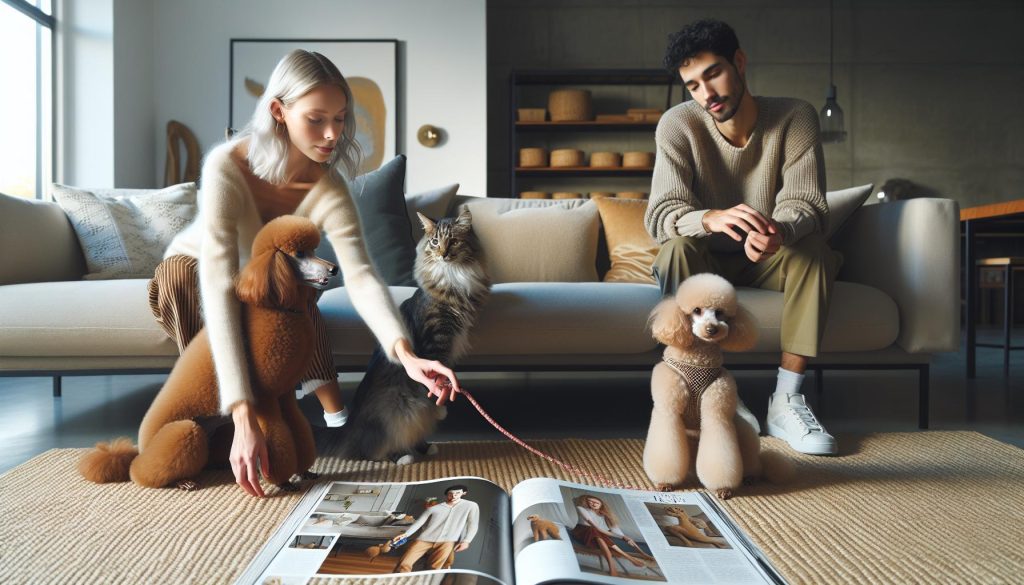
Bringing a new pet into your home is an exciting journey, especially when considering how well different species can coexist. Poodles, known for their intelligence and friendliness, often pique the interest of cat owners wondering about compatibility in a multi-pet household. Are these playful pups and independent felines a match made in heaven, or can they lead to chaos? Understanding the dynamics between Poodles and cats is crucial for fostering a harmonious environment and ensuring that both pets feel secure and loved. In this guide, we’ll dive into the unique traits of Poodles, their interactions with cats, and practical tips to ease any potential tensions. Join us as we explore whether your household could be the perfect setting for a Poodle and a cat to become the best of friends!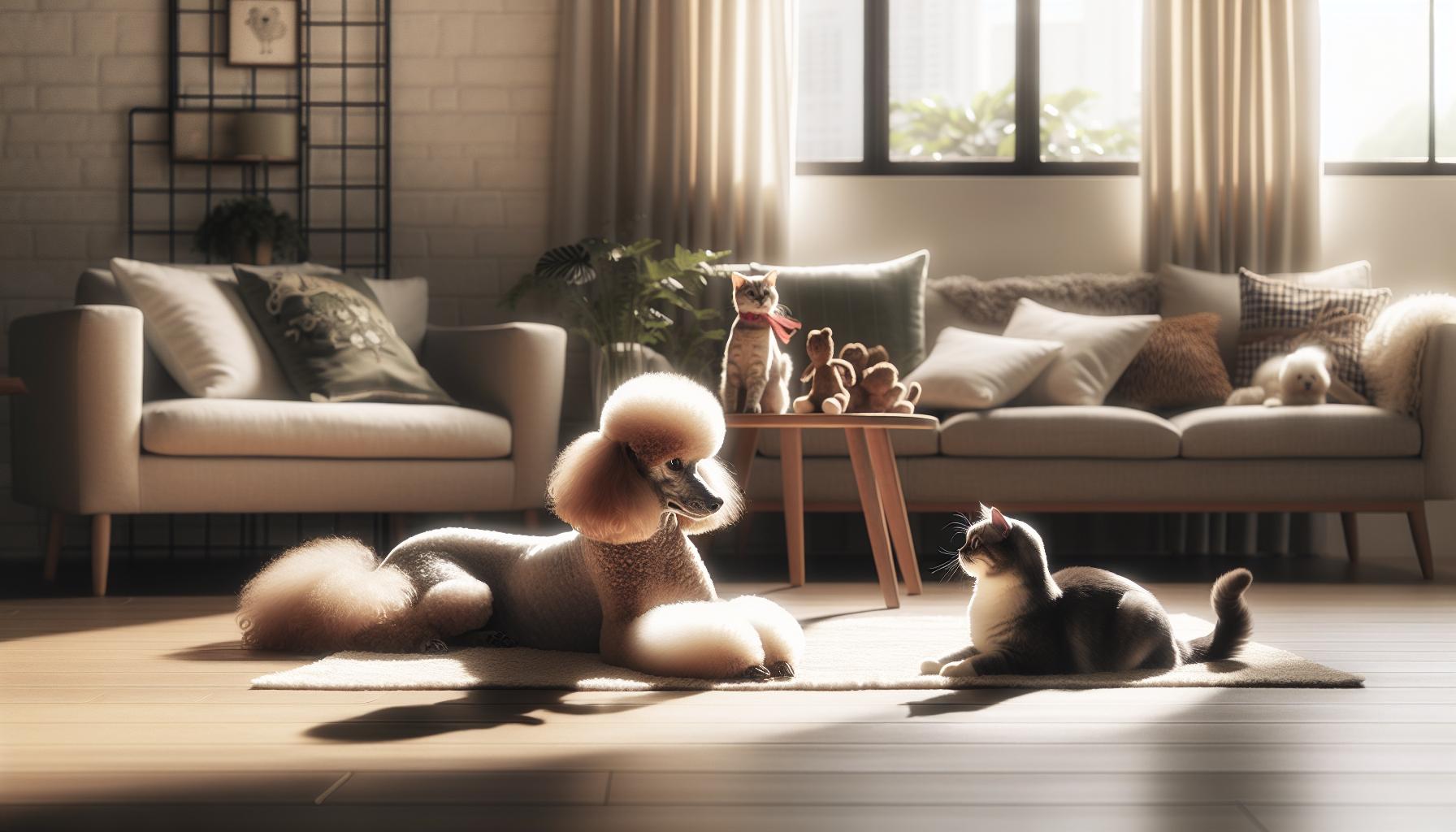
Are Poodles Naturally Friendlier with Cats?
Many pet owners wonder about the compatibility of Poodles with cats, and for good reason. Poodles are often noted for their friendly and adaptable nature, which makes them well-suited for multi-pet households. Generally, Poodles, whether Standard, Miniature, or Toy, exhibit a temperament that includes being sociable, intelligent, and eager to please. This characteristic often translates into a natural friendliness towards other animals, including cats.
A key factor in fostering a positive relationship between Poodles and cats is the individual personality of each pet. While Poodles are typically friendly, some may retain a strong prey drive, especially if they have not been socialized properly. Early introduction and consistent positive reinforcement can help create a bond between your Poodle and feline friend. It’s essential to supervise initial interactions and ensure that both pets feel safe and comfortable. Establishing a routine that includes shared spaces and activities can help bridge the gap between them.
To maximize compatibility, consider the following practical tips:
- Socialization: Expose your Poodle to cats from a young age to foster familiarity.
- Training: Teach basic commands to your Poodle to help manage its behavior around the cat.
- Safe Spaces: Provide your cat with high perches or separate areas where it can retreat when feeling overwhelmed.
- Positive Reinforcement: Reward both pets for calm interactions to encourage friendly behavior.
In essence, while Poodles are not inherently more friendly towards cats than any other breed, their social nature, combined with proper training and socialization techniques, facilitates harmonious cohabitation. With patience and diligence, many Poodle owners report thriving relationships between their dogs and cats, showcasing the potential for these two species to coexist peacefully and even bond.
Understanding Poodle Temperament with Feline Friends
Poodles are often celebrated for their amiable nature, making them appealing candidates for households that include cats. With their origins as water retrievers, these intelligent dogs are instinctively social and tend to form strong bonds with both humans and animals alike. This inherent sociability can be a considerable asset when introducing a Poodle to the enigmatic world of feline companions. However, the success of this pairing largely hinges on the individual temperament of each pet and the efforts of the owner in facilitating their interactions.
Poodles come in three sizes: Standard, Miniature, and Toy, all of which can exhibit a friendly disposition towards cats. However, it’s crucial to acknowledge that a Poodle’s temperament can vary. While many Poodles are gentle and playful, some may carry a strong prey drive-particularly if they’ve not been socialized to cats from an early age. To foster harmony, early exposure to cats, combined with proper socialization, can lead to a more peaceful cohabitation experience. It’s not just about the breed’s reputation; each dog has its own personality that can influence the dynamics within a multi-pet home.
To facilitate a positive relationship, consider the following tips:
- Gradual Introduction: Introduce your Poodle to your cat slowly. Let them observe each other from a distance before allowing closer interactions.
- Training and Commands: Teaching your Poodle basic commands like “sit” and “stay” can help you manage its behavior when it encounters your cat, making it easier to redirect its energy if needed.
- Safe Retreats: Provide your cat with high perches or hidden spaces where it can retreat if feeling threatened. This gives your feline friend the control to escape if interactions become overwhelming.
- Positive Reinforcement: Reward calm and friendly interactions between your Poodle and cat with treats and praise. This reinforcement encourages more positive behavior over time.
Ultimately, fostering a compatible relationship between a Poodle and a cat involves patience and attentiveness. By understanding the natural tendencies of a Poodle and applying thoughtful strategies, most pet owners can create a loving and safe environment where both pets thrive. Whether through shared playtime or quiet coexistence, those moments can become the foundation for a lasting friendship between your Poodle and feline companion.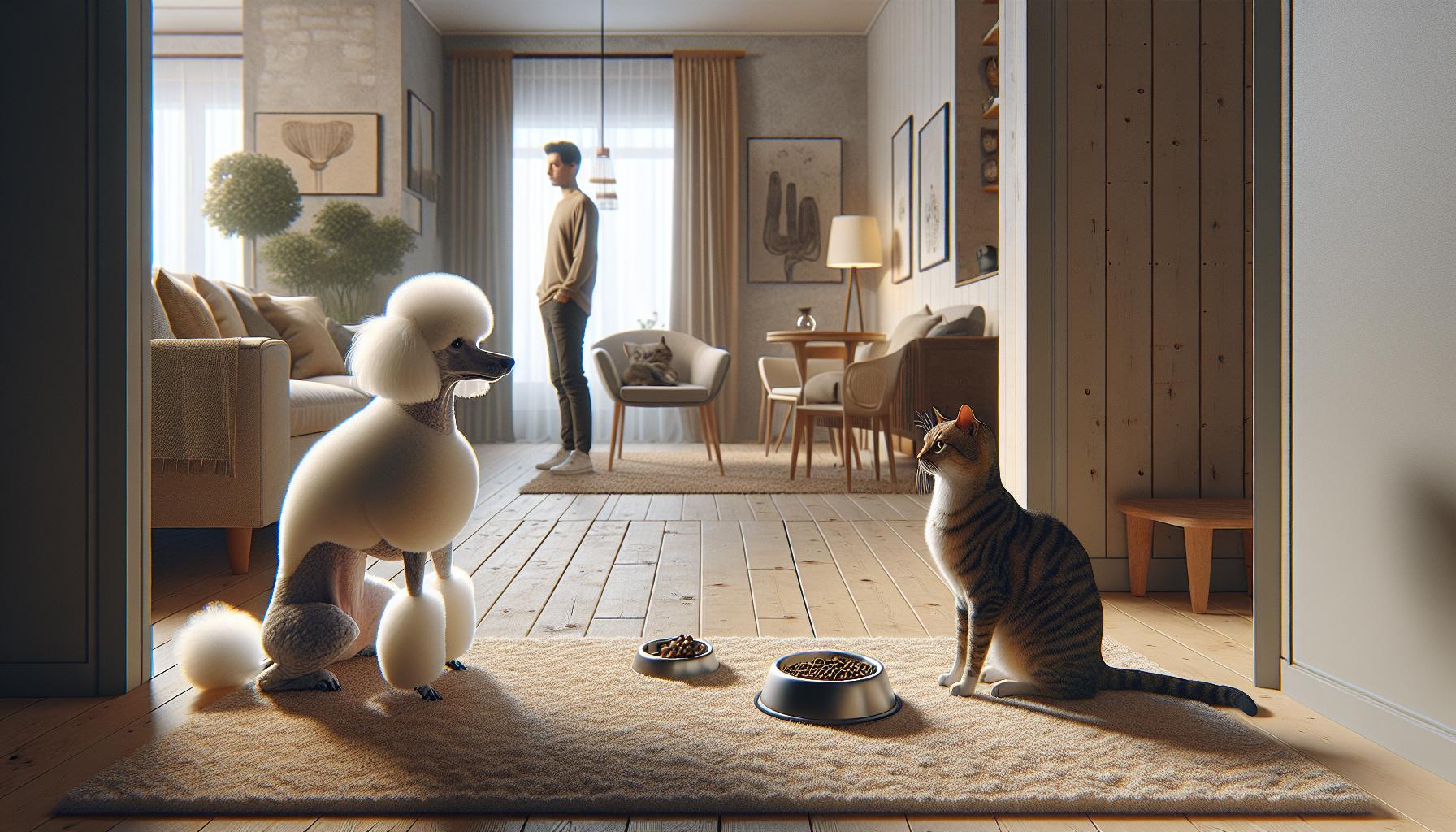
Introducing Poodles and Cats: Step-by-Step Guide
Introducing a Poodle to your home is a joyful experience, especially if you already have a feline friend. Poodles are known for their intelligence and adaptability, which makes them potentially great companions for cats. However, their introductions need to be handled thoughtfully to ensure both pets feel safe and secure. Here’s a step-by-step guide to help you navigate this process seamlessly.
Start by creating a safe environment for both pets during the introduction phase. Begin with separate spaces where each pet can feel secure without direct interaction. Allow them to get used to each other’s scents-this can be done by swapping bedding or using a cloth to gently rub each animal and then allowing the other to smell it. This scent exchange can help build a familiarity before any face-to-face meeting.
Once they seem comfortable with each other’s smells, you can initiate the first visual introduction. This should be done in a controlled manner. Use a baby gate or keep the Poodle on a leash while allowing the cat to roam free-this helps ensure that the cat has an escape route if it feels overwhelmed. Keep these initial interactions short and positive. Speak in calm, soothing tones and observe their body language closely. If either pet appears stressed, it’s important to separate them and try again later.
After several successful visual meetings, you can gradually allow them to interact in a supervised setting. Start by letting them share the same room while maintaining a comfortable distance. Engage in playtime to create positive associations with each other’s presence. For example, if your Poodle enjoys fetch, play with the ball and involve your cat by tossing toys nearby, rewarding both for calm behavior with treats or praise. It’s vital to reinforce positive interactions and manage any signs of aggressive or anxious behaviors promptly.
Throughout this entire process, patience is key. Each pet has its own personality and comfort level, and the timeline for introductions will vary. Maintain consistent, positive reinforcement for both pets to foster a trusting relationship. Eventually, with time and attention, many Poodles and cats can learn to coexist harmoniously, creating a loving multi-pet household full of companionship and joy.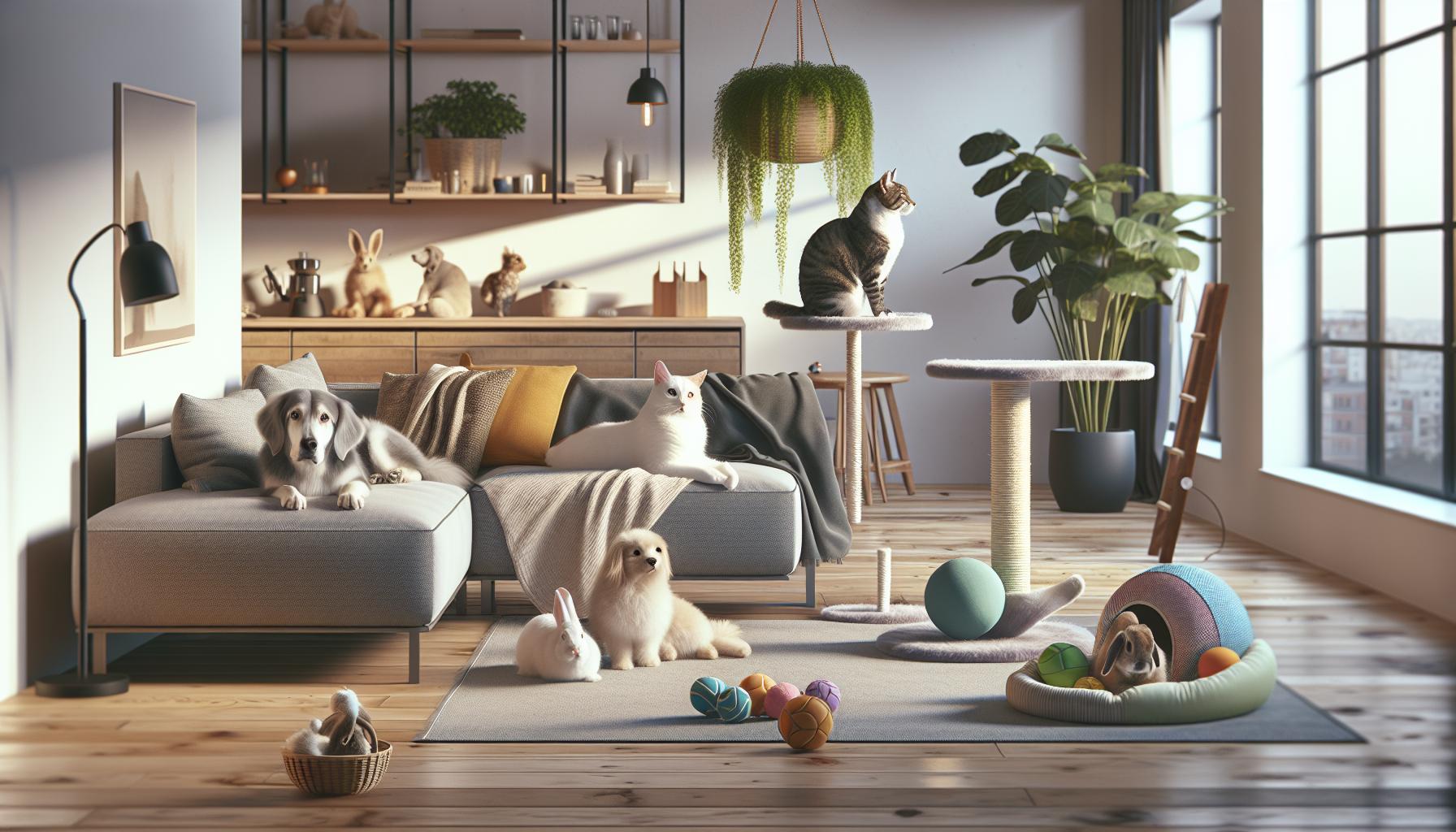
Creating a Harmonious Multi-Pet Environment
Creating a harmonious environment for both your Poodle and cat can be rewarding, transforming your home into a thriving multi-pet household filled with joy and companionship. Poodles, known for their intelligence and adaptability, can coexist beautifully with feline friends when provided with the right conditions. Understanding the dynamics between both pets is vital, as their interactions can lead to either tension or tranquility depending on how the environment is structured.
One of the first steps to foster harmony is to ensure that each pet has its own space. This might include separate sleeping areas, feeding stations, and places to retreat when feeling overwhelmed. Cats, in particular, benefit from vertical spaces or high perches where they can observe their surroundings from a safe distance-this caters to their instinct to survey the territory. Consider creating “cat shelves” or high resting spots, which not only enrich the environment but also give your cat some control over their space. Meanwhile, your Poodle will appreciate designated play areas where they can engage in their favorite activities without feeling pressured or anxious from a feline presence.
Positive interactions are key to building a successful multi-pet environment. Regularly engaging in joint play sessions can reinforce a detectable bond between your Poodle and cat. Activities like tossing a toy for the Poodle while the cat watches can create a sense of teamwork without direct competition. Additionally, rewarding both pets for calm behavior during these interactions with treats or praise will help them associate each other with positive experiences. Never underestimate the power of positive reinforcement-simple techniques like these can turn moments of uncertainty into milestones of friendship.
Monitoring their interactions closely, especially during the initial phase of cohabitation, is crucial. Look for signs of stress or discomfort; if one pet seems uneasy, it’s essential to provide them with the option to retreat to their safe space. Over time, as both animals grow accustomed to each other’s presence, you can gradually increase their interaction time, allowing for a natural progression towards comfort and coexistence. By balancing attention and affection between your Poodle and cat, you encourage mutual respect and understanding, laying the groundwork for a harmonious home life.
Ultimately, patience is your greatest ally. Establishing a peaceful coexistence between a Poodle and a cat involves time and dedication, but the rewards-a harmonious household and adorable shared moments-are truly worth the effort. By fostering a safe, enriching environment, you can set the stage for your pets to develop a wonderful friendship.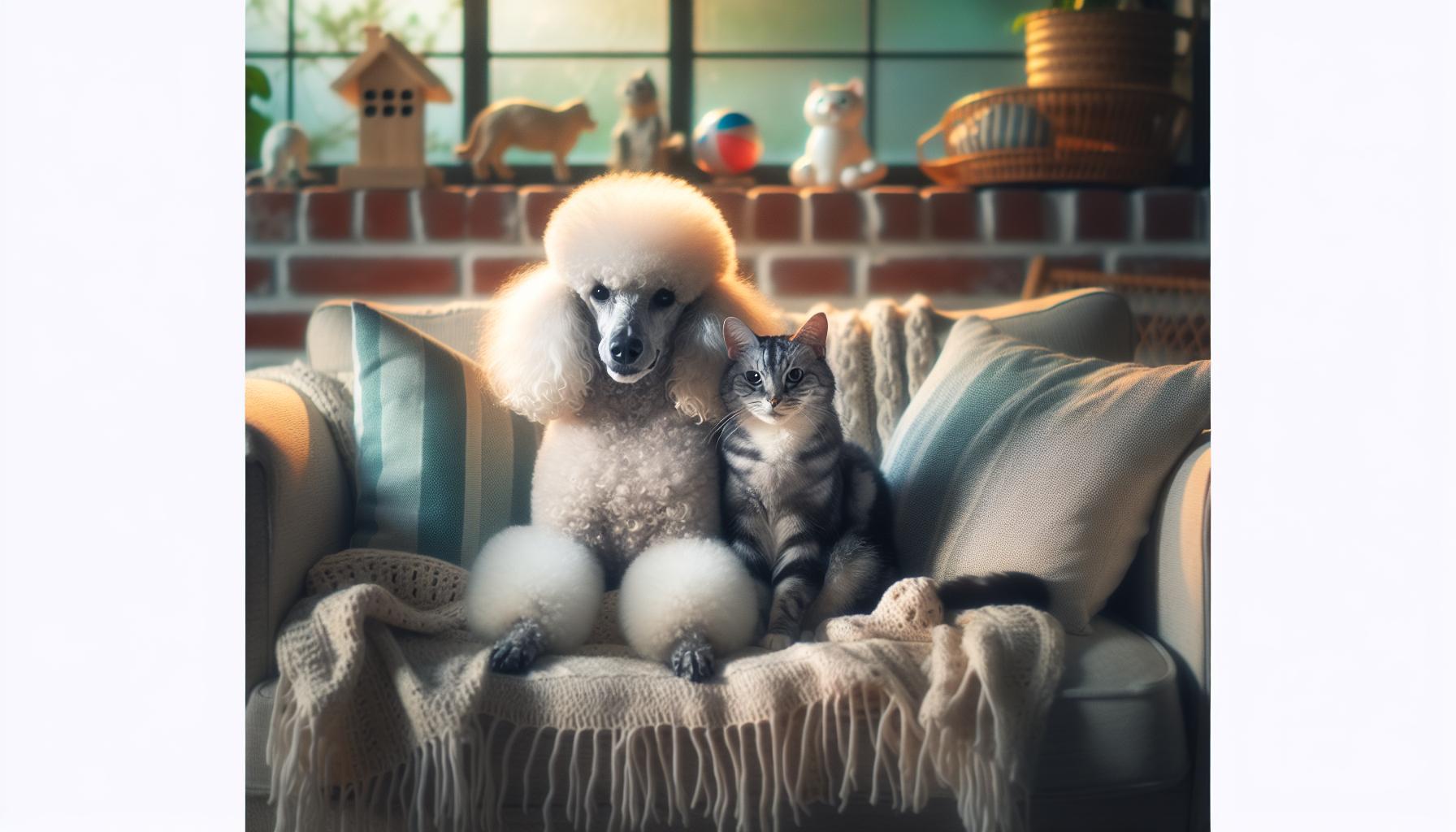
Signs of Compatibility: Poodles and Cats Together
Establishing a peaceful existence between a Poodle and a cat can feel like decoding a charming but delicate dance. Poodles, known for their intelligence, loyalty, and energetic spirit, often prove to be adaptable companions, making many of them excellent candidates for a multi-pet household. When considering introducing these two distinct species, watching for signs of compatibility can provide invaluable guidance.
First and foremost, it’s essential to observe their body language during initial interactions. Poodles displaying a relaxed posture, with a wagging tail and friendly demeanor, generally communicate that they are open to friendship. Conversely, if your Poodle becomes overly excited-barking excessively or exhibiting hyperactive behavior-this could be stressful for the cat. Likewise, a cat that appears curious and cautiously approaches the Poodle (with a raised tail and slow blinks) is signaling a willingness to engage. A significant indicator of mutual compatibility comes from recognizing these subtle signs of curiosity and comfort.
Creating opportunities for positive interactions can also serve as a litmus test for compatibility. Engaging them in joint activities, such as playing with a feather toy or tossing a ball, allows both pets to associate moments of fun and excitement with each other’s presence. Rewarding them for calmness and shared play not only reinforces good behavior but also solidifies the bond they are forming. It’s all about fostering an atmosphere rich with exploration, where each pet feels safe and secure enough to express themselves freely.
Lastly, keep an eye on their routines and habits as well. If you notice your cat deciding to rest close to the Poodle or grooming itself in the same room, consider this a promising sign. It indicates a level of comfort which is vital for building lasting relationships in a multi-pet household. On the flip side, if your cat frequently seeks to avoid the Poodle, reassess the interaction strategy and ensure both pets have private spaces to retreat to when needed. By establishing a keen awareness of these signs of compatibility, you can encourage a fulfilling relationship between your Poodle and cat, turning your home into a harmonious haven for everyone.
Training Tips for Multi-Pet Households
Establishing a smooth and friendly relationship between a Poodle and a cat is not just about a lucky first encounter; it often involves thoughtful training and encouragement from pet owners. Given that Poodles are known for their intelligence and energy, implementing some tailored training strategies can significantly enhance their ability to coexist peacefully with feline companions.
To set the stage for harmonious interactions, start by teaching your Poodle basic commands such as “sit,” “stay,” and “leave it.” These commands can be invaluable when redirecting your dog’s attention away from the cat during moments of excitement. Reward-based training methods work best for Poodles due to their eagerness to please. For example, if your Poodle begins to focus too much on the cat, simply call them over, ask them to “sit,” and reward them with a treat when they obey. This reinforces positive behavior and helps prevent any overly excited or predatory instincts from taking over.
Creating a safe space for both your Poodle and cat is another important aspect. Ensure that your cat has vertical spaces, such as shelves or cat trees, where they can escape if they feel overwhelmed. Concurrently, provide your Poodle with designated areas – perhaps a cozy dog bed or a crate – where they can retreat to when needing a break. This mutual understanding of personal space can reduce potential conflicts and help each pet feel secure in their environment.
Additionally, consider scheduling supervised playtime that incorporates both pets. Use toys that engage neither as a competitor for resources but rather as participants in a fun assembling game. Here are some practical ideas:
- Use a laser pointer to have both pets chase together, allowing them to interact while maintaining a safe distance.
- Introduce snacks or treats that both animals enjoy, encouraging companionship through positive associations.
- Engage in joint activities like training sessions where each pet gets a turn to shine, helping to build mutual respect and understanding.
Ultimately, patience is key. Monitor their responses closely and adjust your techniques as needed. If things aren’t going smoothly, revisit earlier stages in the introduction process, slow down the pace, and allow time for both pets to adjust. With dedication and a supportive approach, your Poodle and cat can become cherished companions, each enhancing the life of the other in your multi-pet household.
Poodle Types: Which is Best for Cats?
Choosing the right type of Poodle can make all the difference when it comes to welcoming a feline companion into your home. Poodles come in three sizes: Standard, Miniature, and Toy, each with its own unique personality traits and activity levels that can affect their compatibility with cats. Understanding these differences is vital for potential cat owners, as some Poodle types may be more adaptable and friendly with cats than others.
Standard Poodles are known for their gentle and calm demeanor, making them excellent candidates for multi-pet households. Their larger size and ease of training often results in a more relaxed approach to interactions, giving them the patience needed for socializing with cats. Many owners report that Standard Poodles can be very tolerant and nurturing, which is beneficial if you have a more timid cat. Integrating a Standard Poodle into your home with a cat typically requires ensuring the dog has enough exercise to minimize their energy during interactions, thus reducing the likelihood of overwhelming the feline.
Miniature Poodles tend to be lively and playful, which can bring both joy and a little challenge when living with a cat. Their spirited nature means they might engage in chase games that a cat may not appreciate, but with proper training and socialization, they can learn to coexist well. Miniatures benefit from structured playtimes that include your cat to foster a fun relationship rather than a predatory instinct. Engaging both pets in shared activities can help them develop a bond; after all, a tired Poodle tends to be a more well-mannered companion for their feline friend.
Toy Poodles, while the smallest of the three, are often equally affectionate and spirited. Their size allows for greater adaptability to various living situations, including apartments where a cat might also reside. However, because of their delicate nature, care should be taken to manage the energy levels and excitement when introducing them to larger or more playful cats. Monitoring interactions closely ensures that both pets feel secure, and encouraging gentle play can help ease any potential stress.
In summary, while all Poodle types can get along with cats, their individual temperaments and energy levels play a significant role in ensuring a harmonious household. Standard Poodles shine for their calmness, Miniatures are spirited yet trainable, and Toy Poodles offer affection in a petite package. Ultimately, patience, training, and proper introductions form the bedrock of successful and loving relationships between your Poodle and feline friends.
Socialization Strategies for Cats and Poodles
Integrating a Poodle into a home with a cat can be a rewarding experience, and it often starts with proper socialization strategies. The key is to approach both pets’ introductions thoughtfully and patiently, recognizing that each animal has its own comfort level. One excellent method is to utilize a gradual introduction process, allowing the Poodle and cat to become familiar with each other’s scent before any direct contact. This can be achieved by swapping bedding or toys to create a positive association.
Creating a safe space for both the cat and the Poodle is essential. Make sure your cat has high perches and hiding spots that the Poodle can’t access, giving them a sanctuary where they feel secure. Concurrently, ensure your Poodle has an area where they can retreat and relax away from the cat to minimize stress. Implementing a controlled and supervised introduction in a neutral space can help all parties adjust. Start with short sessions where the Poodle is leashed, and allow the cat to approach at their own pace. Reward calm behavior from both pets with treats and praise, reinforcing positive interactions.
Training plays a crucial role in successful socialization. Teaching your Poodle basic commands like “sit,” “stay,” and “leave it” can greatly enhance safety during introductions. If your Poodle has a tendency to be overly enthusiastic, consistent training can help channel their energy positively. Establishing a routine that includes obedience training along with playtime can also provide both pets with mental stimulation, reducing the likelihood of anxiety or aggression.
Remember that socialization is an ongoing process. Monitor interactions closely and be ready to intervene if one of the pets feels overwhelmed. If tension arises, it may be necessary to take a step back and give them more time apart. Patience is your best ally, as every pet has a unique pace in adapting to new companions. Embracing gradual adjustments while celebrating small victories will help foster a harmonious relationship between your Poodle and cat, allowing them to thrive together in your multi-pet household.
Common Challenges with Poodles and Cats
Integrating a Poodle with a cat can be an exciting yet challenging journey, as each animal comes with its own personality and quirks. Poodles are known for their intelligence and playful energy, which can sometimes clash with a cat’s more reserved demeanor or independent spirit. Understanding these dynamics is crucial to fostering a peaceful multi-pet household.
One common challenge is the Poodle’s natural instinct to chase and play, which can be misinterpreted by a cat as a threat. Poodles, especially young ones full of energy, may approach a cat with enthusiasm that the feline might find overwhelming. It’s essential to recognize that while Poodles may desire a playful interaction, cats often prefer their own space. This disparity can lead to stress for both pets, resulting in hissing, swatting, or in some cases, aggressive behaviors from the cat.
Another aspect to consider is the Poodle’s trainability and need for mental stimulation. Poodles thrive on training and games, but this can inadvertently lead to frustration if a cat isn’t as responsive. It’s important to provide the Poodle with sufficient exercise and playtime separately to minimize their urge to engage with the cat inappropriately. Incorporating structured activities such as puzzle toys, obedience exercises, and even agility training can help channel their energy positively.
Creating zones in your home can go a long way in mitigating conflicts. Providing each pet with their own space-such as a cozy high perch for the cat and a comfortable dog bed for the Poodle-ensures that both animals feel secure and respected. Consider using baby gates or pet barriers to create a safe area where they can observe each other without direct interaction. This can make initial introductions less stressful and allow them to adjust at their own pace.
Establishing and maintaining a routine is key. Regular feeding times, play sessions, and structured interactions will help both pets acclimate to each other’s presence. Patience is crucial; it may take time for them to understand each other’s cues and comfort levels. Celebrating small victories in their interactions can reinforce positive behavior and pave the way for a harmonious relationship where both Poodles and cats coexist peacefully, enriching each other’s lives.
Caring for Both: Health Considerations for Dual Pet Owners
Providing a nurturing environment for both Poodles and cats involves more than just ensuring they get along-it’s also critical to consider their specific health needs as multi-pet owners. For instance, Poodles are prone to certain health issues such as hip dysplasia, progressive retinal atrophy, and skin conditions, which are important to monitor, especially in a busy household with other pets. Regular veterinary checkups for both animals can help catch any issues early, allowing for timely treatment and better overall health.
A major aspect of caring for multiple pets is ensuring that their diets meet their unique nutritional requirements. Poodles, depending on their size (Standard, Miniature, or Toy), have different caloric needs, and this must be balanced against the preferences of your cat, who may require a diet high in protein. Consider collaborating with your veterinarian to formulate an appropriate feeding plan that accommodates both pets. Make sure to store their food separately and feed them at distinct times to prevent any food guarding behaviors from developing.
Behavioral Health Considerations
In a multi-pet environment, it’s vital to be aware of stress signals in both Poodles and cats. Cats can be particularly sensitive to changes in their environment and may show signs of anxiety when a new pet is introduced. Providing quiet, safe zones for your cat is essential; this might include elevated perches or cozy hideaways where they can escape the boisterousness of a Poodle’s playful antics. For the Poodle, adequate exercise and mental stimulation are crucial to prevent behavioral problems stemming from boredom or frustration. Regular walks, play sessions, and training exercises will help keep your Poodle balanced and less likely to intrude on the cat’s space.
Maintaining a clean living environment is another important aspect of health care for dual pet owners. Regularly cleaning litter boxes and ensuring that both pets are groomed appropriately can prevent common health issues related to hygiene. Poodles especially require consistent grooming to avoid mats in their coats, which can also harbor dirt and parasites. Pairing grooming routines for both pets can streamline this task and enhance bonding time.
Ultimately, the goal is to create a safe and healthy haven for both your Poodle and cat, where they can thrive together. With intentional care and attention to their individual needs, you will not only enhance their health but also strengthen their relationship, making your multi-pet life truly harmonious.
Enriching Activities for Poodles and Cats
Engaging both Poodles and cats in stimulating activities not only enhances their quality of life but also fosters a deeper connection between the two species. These activities can be as varied as their personalities, taking into account the natural playfulness of Poodles and the more independent nature of cats. One of the keys to harmony in a multi-pet household is to ensure each pet has opportunities that cater to their instincts while promoting social interaction.
Start by introducing interactive toys that pique the interest of both your Poodle and cat. Toys that mimic prey-such as feather wands for your cat and fetch balls for your Poodle-can provide hours of entertainment while allowing them to engage in their natural hunting and retrieving behaviors. Consider scheduling play sessions where both pets can participate, such as playing tug-of-war with a soft, durable toy that is safe for both participants. This not only keeps them active but also helps reinforce the bond between them, as they learn to play together harmoniously.
Creating vertical spaces in your home is another enriching strategy that particularly benefits cats while also keeping Poodles on their toes. Install cat trees or shelves where your cat can retreat to observe from above, giving them a sense of security and control when a playful Poodle is around. For your Poodle, placing toys or treats on the lower shelves can create a fun challenge to engage in. The opportunity to supervise their canine companion from a height can make your cat more comfortable, promoting curiosity rather than stress.
It’s also essential to incorporate sensory activities that stimulate both pets. For instance, you can create a scent trail using treats around the house, encouraging your Poodle to sniff and track while your cat may choose to pounce on the treats as they discover them. When using scents, always ensure they are safe for both animals, avoiding anything that could be harmful. If space allows, consider setting up a small obstacle course for your Poodle, with the added challenge of allowing your cat to engage or navigate around it.
Lastly, consider training sessions that include both animals. Simple commands or tricks can help reinforce your Poodle’s training while giving your cat the chance to observe and perhaps even mimic behaviors. Always reward positive interactions with treats and praise, fostering a calm and encouraging atmosphere. These moments of shared activity can create lasting memories and strengthen their relationship, making it easier to coexist in a joyful and enriching multi-pet environment.
Real-Life Experiences: Poodle and Cat Success Stories
Introducing a Poodle into a home with a cat often leads to delightful companionship stories that warm the heart. Many pet owners report success in blending the personalities of these two different species, showcasing how Poodles, with their friendly and playful nature, can become beloved companions for felines.
One inspiring story comes from Sarah, who shares her experience with her Standard Poodle, Max, and her rescue cat, Whiskers. Initially, Whiskers was a bit skittish around dogs, having had negative encounters in the past. Sarah took a gradual approach, starting with scent exchanges before any face-to-face meetings. She placed Max’s blanket in Whiskers’ area and vice versa, allowing them to get used to each other’s scents. Once they felt more comfortable, she arranged supervised playdates. Today, Max and Whiskers are inseparable; they enjoy lounging together and even engage in playful chases around the house, demonstrating the potential for harmony in multi-pet homes.
Additionally, John and his Miniature Poodle, Bella, illustrate how early socialization can ease introductions. John introduced Bella to his cat, Felix, when Bella was just a puppy. He ensured that their interactions were controlled and positive, using treats to reward calm behavior from both pets. Over time, Bella learned to read Felix’s body language, and Felix grew to trust Bella. Now, they share the same cozy spots on the couch and even groom each other, creating a delightful bond that showcases the loving nature of both species.
For anyone considering adding a Poodle to their household with a cat, patience and understanding are essential. The experiences of these pet owners highlight the importance of creating a positive atmosphere for introductions and the rewards that come from nurturing those relationships. With time, love, and a little creativity, Poodles and cats can coexist peacefully and enrich each other’s lives in a multi-pet household.
FAQ
Q: Are Poodles generally friendly with cats?
A: Yes, Poodles are often friendly with cats. Their sociable and intelligent nature allows them to coexist well with feline friends, provided they are properly introduced and socialized. Early training and exposure can enhance compatibility in multi-pet households.
Q: How can I introduce a Poodle to a cat safely?
A: To introduce a Poodle to a cat safely, start with controlled, gradual introductions in a quiet space. Allow both pets to sniff each other while on leashes or through a barrier. Supervise interactions and reward positive behavior to foster a peaceful relationship.
Q: What are the best Poodle types for living with cats?
A: All Poodle types-Standard, Miniature, and Toy-can be good with cats. Standard Poodles may be more patient and calmer, while Miniature and Toy Poodles can be energetic. Choose based on your household’s energy level and the cat’s temperament.
Q: Can Poodles and cats live together harmoniously?
A: Yes, Poodles and cats can live together harmoniously with proper training and environment management. Create separate safe spaces for both pets, encourage positive interactions, and provide enrichment activities to keep them engaged and reduce rivalry.
Q: What challenges might arise when Poodles are around cats?
A: Challenges may include chasing instincts, jealousy, or territorial behavior. Some Poodles may be overly playful or dominant. It’s essential to monitor their interactions and intervene if necessary to prevent any stress for the cat.
Q: How do I manage feeding times for Poodles and cats?
A: To manage feeding times, provide separate feeding areas for your Poodle and cat. This helps to prevent food guarding and ensures each pet can eat without interruption. Regular feeding routines can also reduce competition and stress.
Q: Are certain Poodle personalities better suited for multi-pet households?
A: Yes, Poodles with calm, adaptive, and friendly personalities tend to be better suited for multi-pet households. Individual temperament varies, so observe how each Poodle interacts with other pets before making a decision.
Q: What enrichment activities can help Poodles and cats get along?
A: Enrichment activities like interactive toys, puzzle feeders, and joint play sessions can promote bonding between Poodles and cats. Consider engaging both pets in activities that allow them to work together, fostering positive relationships through shared experiences.
In Retrospect
In conclusion, Poodles can indeed thrive in multi-pet households, including those with cats, thanks to their friendly and adaptable nature. By understanding individual personalities and introducing pets gradually, you can foster a harmonious environment for everyone. If you’re considering adding a Poodle to your family or looking for tips on smooth introductions, explore our comprehensive guides on Poodle care and training. Don’t miss our article on “Training Your Poodle for Multi-Pet Dynamics” and check out our tips for ensuring all pets feel secure in their space.
Ready to dive deeper into the wonderful world of Poodles and their compatibility with other pets? Sign up for our newsletter for exclusive tips and resources! Join our vibrant community by commenting below to share your experiences, or let us know your questions about living with Poodles and cats. Your journey toward a harmonious multi-pet home starts here!