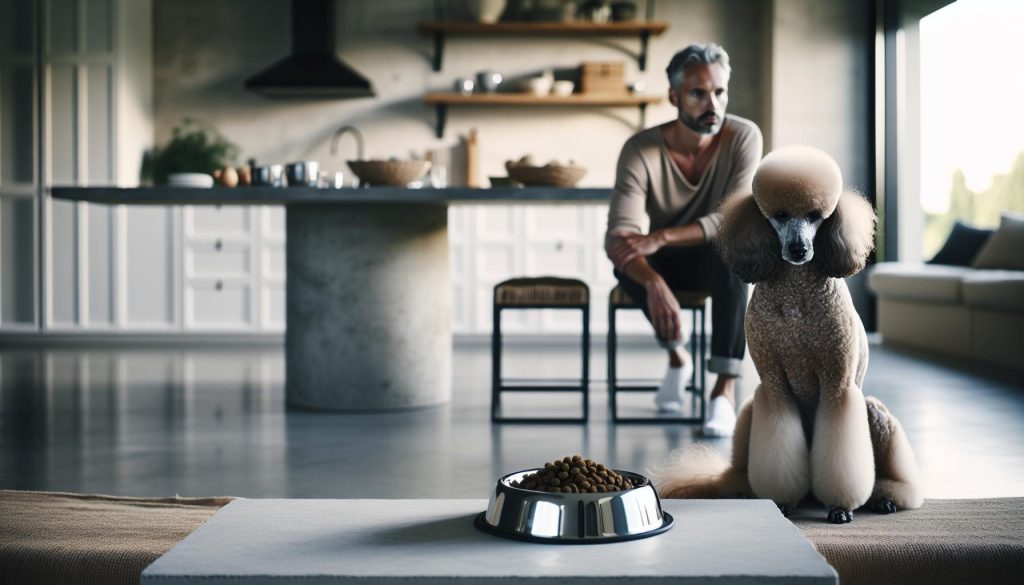
As anyone who has ever spent time with a Poodle will tell you, these intelligent and spirited dogs can sometimes be quite particular about their food. Are Poodles really picky eaters? This question resonates with many dog owners who find themselves navigating the challenges of meal times with their furry friends. Understanding the dietary preferences of Poodles is essential not only for their health but also for fostering a happy and harmonious relationship between you and your pet.
In this article, we’ll delve into the common reasons why Poodles might turn their noses up at certain foods, along with practical solutions to ensure they receive the nutrition they need. From exploring breed-specific traits that influence eating habits to actionable tips for enticing even the fussiest eaters, our goal is to empower you as a responsible pet owner. So, if your Poodle’s feed bowl often remains untouched or if you’re looking to expand their culinary horizons, keep reading to uncover ways to make mealtime a delightful experience for both you and your beloved companion!
Understanding Poodle Dietary Needs and Preferences
Understanding the dietary needs and preferences of Poodles can feel like navigating a culinary maze! These intelligent and sensitive dogs often showcase individual tastes, making their dietary habits intriguing yet challenging for their owners. One fundamental aspect to keep in mind is that Poodles require a well-balanced diet rich in high-quality proteins, healthy fats, and essential vitamins and minerals to maintain their energy and overall well-being. Depending on their size and activity level, nutritional needs can vary significantly. For example, active Standard Poodles may require a different calorie intake compared to their Toy counterparts, who have lower energy levels due to their size.
Another important consideration is their propensity for picky eating, which can stem from several factors, including previous feeding experiences, food textures, or even specific tastes developed through their upbringing. For instance, Poodles that have been fed a varied diet or homemade meals may become discerning when presented with commercial dog foods. Observing your Poodle’s preferences can reveal a lot; do they prefer crunchy kibble or soft pâté? Engaging in this exploration not only enhances their meal times but also fosters a stronger bond through shared discovery.
To support your Poodle’s distinctive palate, consider crafting a feeding strategy that includes quality ingredients and varied meals. Incorporating fresh fruits, vegetables, and protein sources-like chicken or fish-can make their diet more appealing. Always introduce new foods gradually, mixing them with familiar ones to avoid gastrointestinal disturbances. Remember, the primary goal is to create a positive feeding experience that encourages healthy eating habits while respecting their individual preferences.
Common Reasons Why Poodles Can Be Picky Eaters
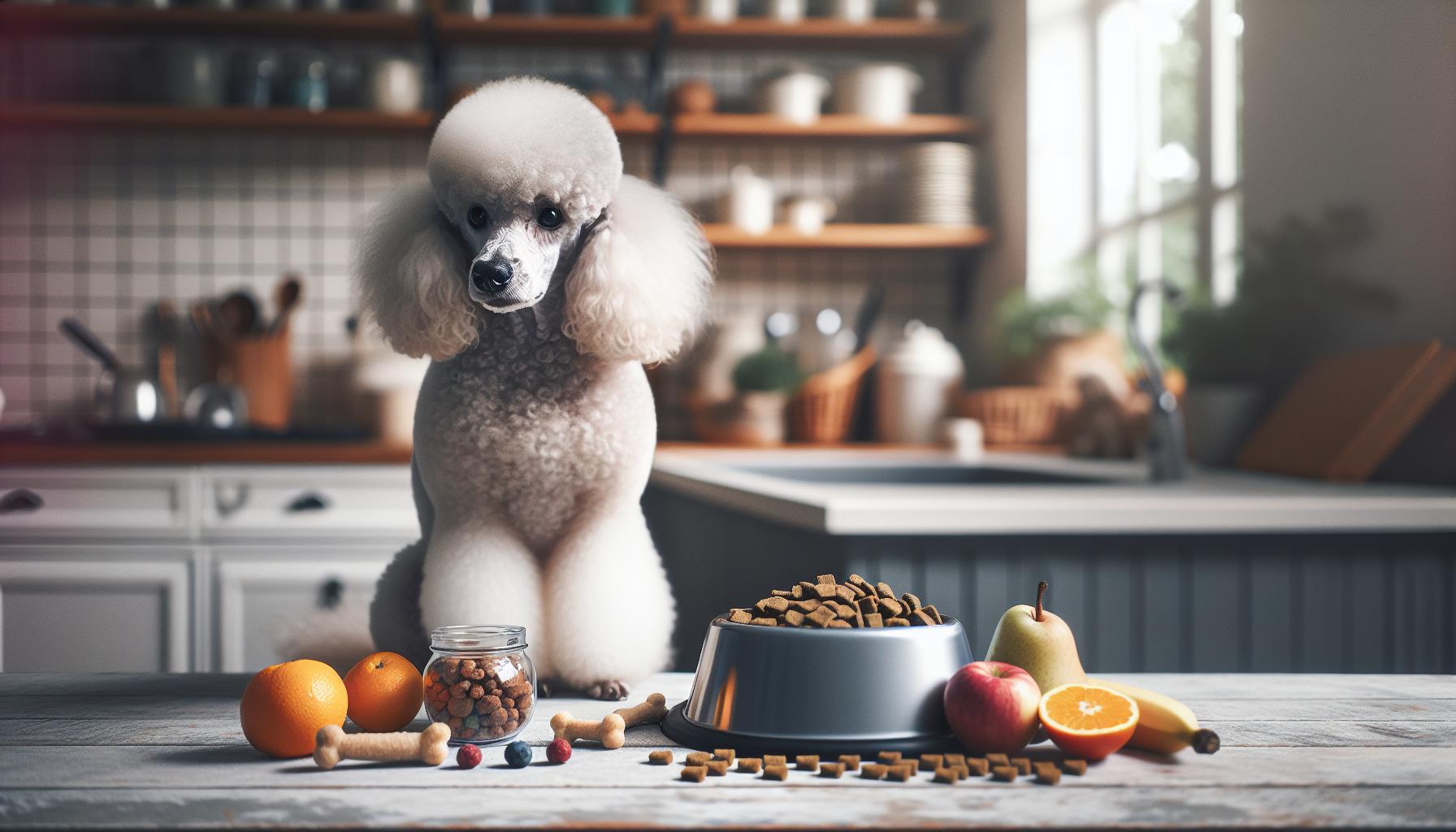
Many dog owners find themselves puzzled when their Poodle turns up its nose at mealtime. This breed is known not just for its intelligence but also for its discerning palate. Understanding the reasons behind this picky eating behavior can significantly improve the feeding experience for both you and your furry friend.
A common reason for a Poodle’s finicky eating habits is their previous dietary experiences. If a Poodle has been offered a wide variety of foods, particularly homemade meals, they may develop a preference for specific textures and flavors, leading to reluctance in eating standard commercial dog food. Additionally, Poodles are known to be sensitive to changes in their environment or routine, which can affect their appetite. Stressful situations, such as moving to a new home, changes in family dynamics, or even loud noises, can lead to temporary fussiness at mealtime.
Another factor to consider is the texture and presentation of their food. Poodles may prefer certain textures over others-some might enjoy crunchy kibble while others favor softer meals. The appearance and aroma of food also play a vital role. If the meal doesn’t appear appetizing to them, they may refuse to eat. A great way to entice your Poodle is to experiment with different brands and types of foods. You might find that a specific flavor or texture piques their interest much more than others.
Lastly, Poodles are quite intelligent and can sometimes engage in strategic behavior to get what they want. If they realize that refusing food results in tasty table scraps or a different meal being offered, they might become habitual picky eaters. Establishing a consistent feeding routine and sticking to a set menu can help mitigate this behavior. Over time, with patience and experimentation, you can learn to cater to your Poodle’s unique preferences while ensuring they get the nutrition they need.
Assessing Nutritional Requirements for Poodles

Understanding the nutritional needs of Poodles is essential for maintaining their health and energy levels. This intelligent and active breed has specific dietary requirements and, given their sometimes picky eating habits, it’s crucial to identify what they need for optimal development and longevity. Poodles, regardless of their size (Toy, Miniature, or Standard), require a balanced diet that meets their energy levels and supports their overall health.
One important aspect of assessing a Poodle’s nutritional requirements involves considering their age, size, and activity level. Puppies will need a diet rich in protein and fat to support their growth, typically around 22% protein and 8% fat in their puppy food. As they transition into adulthood, their protein levels can stabilize around 18% and fat can be reduced to between 5-8%. Senior Poodles may benefit from lower calorie options to prevent obesity, as their activity levels decrease. Always check feeding guidelines on food packaging, but remember they should serve as a starting point, as individual requirements can vary.
### Key Nutritional Components for Poodles
- Proteins: Essential for growth, muscle development, and overall health. Quality protein sources include chicken, turkey, fish, and lamb.
- Fats: Provide energy and support skin and coat health. Look for healthy fats such as omega-3 and omega-6 fatty acids found in fish oils and flaxseed.
- Carbohydrates: While not essential, a small amount of carbs can provide energy and aid in digestion. Opt for whole grains like brown rice or oats.
- Vitamins and Minerals: These support various body functions. Ensure the dog food contains essential vitamins (A, B, C, D, E) and minerals (calcium, phosphorus, zinc).
### Customizing Their Diet
When assessing your Poodle’s diet, monitoring their weight and energy levels is vital. If your Poodle appears lethargic or is gaining excess weight, consider adjusting portion sizes or switching to a different type of food. Additionally, think about incorporating some home-cooked meals or toppers for their kibble, which may help entice them to eat more.
If you’re ever in doubt about what to feed your Poodle or if they seem particularly selective, consulting a veterinarian is a wise step. They can provide tailored advice based on your dog’s individual health needs and help guide you in choosing high-quality food options to ensure a well-balanced diet. Understanding these nutritional requirements not only helps manage picky eating tendencies but fosters a happier and healthier life for your beloved Poodle.
How to Identify Your Poodle’s Food Preferences

Understanding your Poodle’s food preferences is a gateway to promoting a healthier eating habit, especially given their notorious reputation for being finicky eaters. Observing their reactions to different types of food can reveal a lot about what they truly enjoy. Start by offering a variety of textures and flavors; some Poodles may prefer wet food over dry kibble or vice versa. Gradually introduce new foods alongside their current diet, allowing them to explore flavors without overwhelming their senses.
To pinpoint your Poodle’s favorites, consider keeping a food diary. Jot down what they eat and their response to each meal. Note things like how quickly they finish their food or whether they leave certain meals untouched. If a particular meal excites them-perhaps they gobble it down or wag their tail enthusiastically-you’ve likely found a winning combination. Additionally, pay attention to their preferences in terms of protein sources. Some Poodles may love chicken, while others might prefer beef or fish, so experimenting with various proteins can be beneficial.
Another effective tactic is to involve a bit of playful engagement. Hide pieces of their food around the house and observe which flavors they seek out first. This playful method not only makes mealtime fun but also encourages them to explore their preferences in a stress-free environment. Remember, it’s essential to make food choices enjoyable rather than a chore. Incorporating different food forms, such as adding homemade toppers or treats, can also enhance their overall dining experience.
Always ensure that the new foods adhere to nutritional guidelines suitable for Poodles. Consult your vet if you are unsure about any specific ingredients. By being attentive to your dog’s reactions and preferences, you can create a tailored meal plan that keeps them both satisfied and healthy, ultimately making mealtime a more enjoyable experience for you both.
Feeding Strategies for Overcoming Picky Eating
Often described as having a discerning palate, many Poodles can be quite picky eaters, making meal times a challenge for their owners. Fortunately, there are several effective strategies to encourage your Poodle to embrace their meals with a more enthusiastic attitude. By implementing these approaches, you’ll not only help your furry friend eat better but also create a more enjoyable mealtime experience for both of you.
One effective strategy is to diversify their diet. Offer a variety of high-quality dog foods that incorporate different proteins, flavors, and textures. Poodles often have specific preferences, so experimenting with options such as chicken, lamb, or fish may help you discover a meal they relish. Mixing in some wet food with dry kibble can also enhance palatability and encourage your Poodle to dig in. Always introduce new foods gradually to avoid digestive upset, facilitating a smoother transition.
Another technique is to make mealtime interactive and fun. Incorporate food puzzles or treat-dispensing toys to stimulate your Poodle both mentally and physically. These engaging activities promote exploration and play, which may pique their interest in the food they would typically ignore. Consider also adding homemade toppers, like pumpkin puree or yogurt, to their meals. This not only elevates the flavor but also provides an exciting twist on an otherwise ordinary dish.
Lastly, establish a consistent feeding schedule. Poodles thrive on routine, so offering meals at the same times each day can help create expectations around mealtime. If they don’t finish their food within a specified time frame, remove it and try again at the next scheduled meal. This approach encourages your Poodle to understand that meals are a finite opportunity, which may motivate them to eat more eagerly when food is offered.
With patience and these strategies, you can help your Poodle overcome their picky eating habits, paving the way for a healthier, happier life together. Remember, every dog is unique; finding what works for your Poodle may take some time and experimentation. Stay positive, and enjoy the journey of discovering your Poodle’s culinary preferences!
Best Dog Food Options for Fussy Poodles
Offering the right food is crucial for nurturing a Poodle’s distinctive taste, especially if your pup is known for being a fussy eater. With their refined palate, Poodles can often turn their noses up at standard kibble, leaving owners feeling like they’re on a culinary quest. But fear not! By considering high-quality ingredients and satisfying flavors, you can transform mealtime from a battle into a delight.
When selecting dog food for picky Poodles, focus on options that use premium, recognizable ingredients. Look for brands that prioritize whole meats as the primary ingredient, such as chicken, beef, or fish, rather than fillers like corn or soy. Grain-free choices and those with added probiotics can also aid in digestion and attract a discerning palate. Keep an eye out for foods rich in omega fatty acids, which can help maintain your Poodle’s beautiful coat while also enhancing flavor appeal.
Experimentation can be your best ally. Here are some suggested types of dog food that might entice your picky eater:
- High-Quality Kibble: Brands like Orijen or Blue Buffalo offer a variety of flavors and high protein content, appealing to a Poodle’s natural instincts.
- Wet Food: Mixing premium wet food with kibble can make mealtime more appealing. Look for those with high meat content and limited fillers, such as Wellness or Merrick.
- Freeze-Dried Raw: These options are gaining popularity for their taste and nutritional profile. Brands like Stella & Chewy’s provide a flavor-packed experience that’s hard to resist.
Integrating fresh ingredients into your Poodle’s diet can also provide variety and excitement. Consider adding toppers like plain yogurt, pure pumpkin, or boiled chicken to their meals. These not only improve taste but can also boost your dog’s health, encouraging a more robust appetite.
By carefully choosing high-quality dog food and incorporating a bit of creativity, you can effectively cater to your Poodle’s discerning taste buds, ensuring they enjoy balanced meals that keep them happy and healthy.
Homemade Dog Food Recipes for Poodles
Creating homemade meals for your Poodle can be a delightful way to cater to their selective palate while ensuring they get the nutrition they need. Poodles often have refined tastes, and whipping up fresh recipes can turn mealtime from a chore into a gourmet experience. Preparing their food at home not only caters to their preferences but also allows you to control the quality of the ingredients, making it a rewarding practice for both you and your furry friend.
A great starting point for homemade dog food is to incorporate high-quality proteins and fresh vegetables. For example, a simple chicken and vegetable mix can be both nutritious and appealing. You can prepare it easily by boiling chicken breast until fully cooked, shredding it, and mixing it with steamed carrots, green beans, and peas. Make sure to avoid adding any seasoning, as certain spices can be harmful to dogs, and always allow the food to cool before serving. To create a balanced meal, add some cooked quinoa or brown rice for healthy carbohydrates.
Another delicious recipe that Poodles tend to love is a beef and sweet potato dish. Cook ground beef thoroughly, drain any excess fat, and mix with cubed, boiled sweet potatoes and a handful of spinach. This meal is not only packed with protein and vitamins but also incorporates fiber, which is essential for digestive health. Just like before, avoid any added salt or spices, and allow everything to cool down to a safe temperature before offering it to your pup.
To ensure your Poodle is getting a balanced diet, consider adding supplements designed specifically for dogs, which can be found at pet stores or through your veterinarian. This can help address any nutritional gaps when feeding homemade meals.
By preparing homemade dog food, you can enjoy the process of cooking while also observing what your Poodle enjoys most. Keep a keen eye on their reactions to different ingredients, and adjust recipes based on their preferences. Not only will this culinary exploration strengthen your bond, but it’ll also help you create meals that are not just healthy but also deliciously tailored to your Poodle’s discerning taste.
The Role of Treats in a Poodle’s Diet
Treats play an essential role in a Poodle’s diet, serving not only as a reward but also as a tool for fostering a loving bond between you and your furry companion. These intelligent and often discerning dogs appreciate variety, so the right treat can make a world of difference when it comes to satisfying their palate. It’s common for Poodles to be picky eaters, and introducing healthy, appealing treats can encourage your pup to be more adventurous in their eating habits.
When choosing treats for your Poodle, consider options that are both delicious and nutritious. Dogs, like humans, benefit from a range of flavors and textures, so aim to provide an array of treats to keep mealtime exciting. High-value treats, such as small pieces of cooked chicken, beef, or even freeze-dried liver, not only serve as motivation during training but may also pique your Poodle’s interest when transitioning to new foods.
Tips for Selecting Poodle Treats
- Focus on Quality: Opt for treats made with natural ingredients without fillers or artificial additives. Look for options that list meat as the primary ingredient.
- Portion Control: Since Poodles can gain weight easily, monitor the number of treats you give. Treats should not exceed 10% of their daily caloric intake.
- Healthy Options: Incorporate fruits and vegetables, such as carrots or apple slices, as healthy alternatives to commercial treats.
- Monitor Reactions: Pay attention to how your Poodle reacts to different treats. This can guide you in identifying their preferences and any potential food sensitivities.
In addition to their role in diet, treats can also enhance training sessions and improve behavior. Using treats as positive reinforcement helps to create a rewarding experience, making your Poodle more likely to respond to commands and engage in training exercises. Whether you’re teaching a new trick or simply reinforcing good behavior, the right treat can motivate your Poodle and create a joyful learning atmosphere.
Ultimately, incorporating a variety of healthy treats into your Poodle’s diet can help keep their meals balanced and enjoyable while addressing selective eating habits. As you explore different treats, remember that the experience should be enriching for both you and your Poodle, strengthening your bond and making every meal a delightful occasion.
Transitioning Your Poodle to a New Diet
Transitioning to a new diet can be a challenging yet exciting journey for both you and your Poodle. These clever and discerning dogs often have refined palates, so introducing a new food requires a thoughtful approach to make the process smooth and enjoyable. It’s essential to take it slow; a sudden switch can lead to digestive upset, which may reinforce your Poodle’s pickiness or anxiety around food. Instead, a gradual transition-spreading the change over a week or more-allows their digestive system to adjust and helps build their confidence in the new taste and texture.
Start by mixing a small amount of the new food with your Poodle’s current diet. A common recommendation is to begin with about 25% of the new food and 75% of the old. Over the next few days, gradually increase the proportion of the new food while decreasing the old food. This step-by-step process not only minimizes the risk of gastrointestinal issues but also gives your dog time to acclimate to the flavor and scent of the new diet. Watch for any signs of distress, such as vomiting or diarrhea, which may indicate that the new food is not agreeing with them.
It’s also a great opportunity to experiment with different flavors and formulations. Poodles can be quite sensitive to texture, so consider options like kibble versus wet food or even fresh food diets, and observe your dog’s reactions. If you find they’re still hesitant, incorporating warm water or low-sodium broth can enhance the aroma and palatability, making it all the more enticing.
Throughout this transition, positive reinforcement plays a vital role. Use enthusiasm and treats to reward your Poodle for trying the new food, encouraging them to view mealtime as a joyful occasion rather than a chore. Patience is key-as your dog learns to embrace the new diet, their food preferences may evolve, and they may become more adventurous eaters over time. Remember, every Poodle is unique, so a bespoke approach that considers their individual likes and dislikes can pave the way for a successful dining experience.
Monitoring and Adjusting Your Poodle’s Diet
To keep your Poodle healthy and satisfied, ongoing monitoring and adjustment of their diet is essential. Each Poodle has unique needs and preferences, making it vital to observe how your pup responds to their food and make necessary changes. Did you know that Poodles can exhibit varying food preferences due to their discerning taste? This characteristic may lead to picky eating habits, prompting owners to adapt their feeding strategies continually.
Start by closely observing your Poodle’s behavior during mealtime. Are they eagerly diving into their bowl, or are they sniffing and walking away? If your Poodle frequently leaves food uneaten or seems disinterested, it might be time to reassess their diet. Consider factors such as food freshness, temperature, and texture. For instance, if your pup typically enjoys kibble, try warming it slightly or adding a splash of low-sodium broth to enhance the aroma and flavor. Likewise, if they seem to favor wet food one day, offering a variety can prevent boredom and keep them engaged with their meals.
Evaluate Nutritional Needs
As your Poodle ages or experiences different activity levels, their nutritional needs will change. Regularly assess their weight and overall health-should you notice fluctuations, consult with your veterinarian to determine if adjustments are needed. For instance, older Poodles may benefit from diets lower in calories but rich in essential nutrients to maintain energy without excess weight gain. This adaptability is crucial, particularly for a breed known for its elegance and agility.
Another important aspect is to stay attentive to any digestive changes or allergies. If your Poodle develops skin issues, gastrointestinal upset, or increased shedding, it might be linked to their food. Adjusting their diet gradually-not overnight-can help pinpoint the culprit while minimizing stress on their digestive system. Maintain a food journal to track what they eat and any associated reactions. This record can prove invaluable when collaborating with your vet to pinpoint dietary sensitivities.
Remember, feeding is an opportunity to connect with your Poodle. Creating a positive atmosphere around mealtime will encourage them to try new foods and flavors. Experiment with new taste profiles over time, using treats as reinforcements when they show interest in trying something different. By being attentive and responsive to your Poodle’s dietary preferences and needs, you can turn the potential challenge of picky eating into a rewarding experience for both you and your beloved fur companion.
Professional Guidance: When to Consult a Vet
Consulting a veterinarian is not just a precaution; it’s a cornerstone of responsible dog ownership, especially when dealing with a Poodle’s picky eating habits. If your furry friend has consistently turned their nose up at mealtime, it’s wise to evaluate the situation critically. Poodles, known for their discerning taste, can sometimes exhibit fussiness more than other breeds, and while a preference for one flavor or texture over another might seem normal, persistent refusal to eat can signal underlying health issues.
If your Poodle has lost weight, seems lethargic, or shows other signs of health decline alongside their picky eating, it’s time to seek professional advice. An abrupt change in eating behavior can be due to various factors, including dental problems, gastrointestinal issues, or even stress. Regular veterinary checkups will provide a comprehensive overview of your Poodle’s health and allow for early detection of any potential problems. Additionally, your vet can perform diagnostic tests that can clarify if the root cause of your Poodle’s food aversion is medical or simply a matter of taste.
Tracking your Poodle’s eating patterns in a journal can be beneficial when you visit the vet. Include details like the specific foods offered, their response to each meal, and any other behavioral changes. This information can help your veterinarian diagnose problems more accurately. It’s also crucial to mention any other changes in their routine or health, such as alterations in activity levels or elimination habits, which can provide critical context to the situation.
Furthermore, when considering dietary modifications, always seek guidance from a vet to ensure that any changes align with your Poodle’s health needs. If transitioning to a new diet is necessary, the vet can provide tailored advice on how to do it gradually to avoid gastrointestinal upset. In nurturing a healthy diet for your Poodle, clear communication with your vet transforms picking out dog food from a mere trial-and-error process into a supportive journey toward optimal health and happiness for your beloved pet.
Building a Positive Feeding Experience for Poodles
Creating a joyful feeding experience for your Poodle can turn mealtime from a potential battleground into a delightful routine. Poodles can be a bit fussy, but understanding their needs and preferences opens the door to enjoyable, stress-free mealtimes. Here are some strategies to help your furry friend look forward to every feeding!
Begin by establishing a consistent feeding schedule. Poodles thrive on routine, and predictable meal times can help create a sense of security that encourages healthy eating habits. Aim for two or three meals a day, serving food at the same times each day. This not only sets expectations for your Poodle but also helps reinforce their natural instincts to eat when food is available.
Incorporating engaging and interactive elements into the feeding process can elevate your Poodle’s experience. Consider using puzzle feeders or interactive bowls that stimulate their mind and make mealtime a fun challenge. These tools can slow down fast eaters, provide mental exercise, and make mealtime engaging. Furthermore, adding a sprinkle of their favorite treats or a small amount of low-sodium broth can entice picky eaters to dig in while keeping their meals nutritious.
It’s essential to create a calm and inviting atmosphere during mealtimes. Choose a quiet space free from distractions where your Poodle can focus on their food. Soft music or even the gentle sound of a ticking clock can enhance the serene environment, making the experience more pleasurable. Also, avoid harassing or hovering over your Poodle while they eat; allowing them their space will help them feel secure and encourage them to eat at their own pace.
Monitoring your Poodle’s response to different foods can also help refine their preferences. If you notice hesitance towards a specific brand or flavor, try rotating between a few different options or introducing new textures gradually. A gradual approach allows your Poodle to explore different tastes without overwhelming their palate. Lastly, always celebrate their efforts, whether it’s a clean bowl or just trying something new-with praise or affection-to build positive associations with their meals.
By infusing joy into mealtime, fostering routines, and responding to your Poodle’s individual preferences, you can help them enjoy a balanced diet without the stress of picky eating. Remember that every Poodle is unique, and it may take some time to discover what truly makes their tail wag at mealtimes!
FAQ
Q: Why are Poodles considered picky eaters?
A: Poodles are often deemed picky eaters due to their refined palates and strong food preferences. Their sensitivity to taste and texture can lead them to reject certain foods. Understanding what your Poodle enjoys can help create a better feeding experience.
Q: What health issues contribute to picky eating in Poodles?
A: Health issues such as dental problems, gastrointestinal sensitivities, or allergies can cause Poodles to become picky eaters. Regular vet check-ups can help identify and address any underlying health issues impacting their appetite.
Q: How can I tell if my Poodle is just being picky or if there’s a problem?
A: Observe your Poodle’s eating habits and behaviors. If they routinely refuse food, lose weight, or show signs of distress, consult your veterinarian. Monitoring changes in appetite can help distinguish between picky eating and health concerns.
Q: Can I change my Poodle’s diet frequently without issues?
A: Frequent diet changes can lead to digestive upset in Poodles. It’s important to introduce new foods gradually to avoid stomach discomfort and ensure proper nutrient absorption. Refer to the section on Transitioning Your Poodle to a New Diet for more tips.
Q: What are common dog food ingredients that Poodles may dislike?
A: Poodles may be averse to certain proteins, artificial additives, or overly processed ingredients. It’s beneficial to try natural, high-quality dog foods with recognizable ingredients to pique their interest in eating.
Q: Are there certain dog food brands that Poodles tend to prefer?
A: Many Poodles enjoy premium brands that focus on natural ingredients, such as high-quality meats and grains. Brands like Blue Buffalo or Merrick are often recommended for their flavor profiles, but individual preferences may vary.
Q: How do I make homemade food that my Poodle will love?
A: Homemade meals for Poodles should include lean proteins, vegetables, and healthy grains. Mixing cooked chicken with brown rice and steamed carrots is often a hit. Refer to the Homemade Dog Food Recipes for Poodles section for specific recipes.
Q: What role do treats play in managing a Poodle’s picky eating habits?
A: Treats can motivate Poodles to eat or serve as a training aid. Healthy, low-calorie treats can be used to encourage positive feeding behavior, especially when transitioning to new diets. Incorporate treats wisely to maintain balanced nutrition.
Final Thoughts
Now that you have insights into whether poodles are indeed picky eaters, it’s time to implement these solutions and observe the positive changes in your furry friend’s eating habits. Remember, understanding their preferences and nutritional needs is key to enhancing their overall health and happiness. If you’re facing ongoing challenges, don’t hesitate to check out our helpful guides on Nutrition Tips for Poodles and Best Feeding Practices for Poodle Variants linked here.
Join our community of passionate poodle owners by subscribing to our newsletter for regular updates and expert advice. Don’t forget to share your experiences or ask questions in the comments below; your insights may help fellow poodle parents navigate their feeding challenges too! Explore our other articles to continue your journey in becoming the best poodle parent you can be. Let’s ensure your poodle not only eats well but thrives!