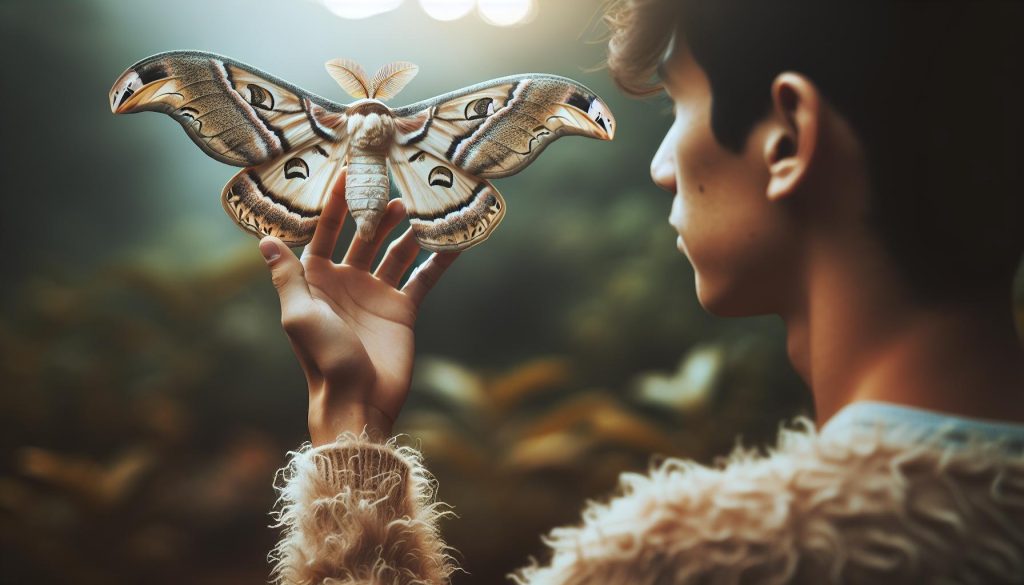
Have you ever encountered a creature so captivating that it seems almost magical? The Venezuelan Poodle Moth, with its unique and fluffy appearance, has sparked curiosity across the globe. But as enchanting as it may appear, it’s important to understand whether this rare species poses any danger. This article will delve into the characteristics of the Venezuelan Poodle Moth, revealing fascinating facts about its behavior, habitat, and whether it’s harmful to humans or other creatures. Join us as we explore the intriguing world of this little-known moth, unraveling the truth behind its allure and potential risks. Your curiosity will be rewarded with valuable insights that may challenge your perceptions about this unusual insect!
Are Venezuelan Poodle Moths Aggressive or Harmless?
Imagine stumbling upon a creature that looks like a cross between a moth and a poodle-this is the Venezuelan Poodle Moth! Despite its unusual appearance, this species is anything but dangerous. The Venezuelan Poodle Moth, discovered in the lush environments of Venezuela’s Gran Sabana region, is harmless to humans. Unlike many insects, it does not possess venom or aggressive behavior. In fact, these moths are known for their gentle and elusive nature.
Venezuelan Poodle Moths feed primarily on nectar, making them important pollinators in their ecosystem. Their soft, furry bodies are not only captivating to look at but also adapted for survival in their specific habitats, where they blend seamlessly into the flora. Observers often report that these moths are more curious than confrontational; they don’t bite or sting. If you happen to encounter one, it’s an opportunity to appreciate a unique species rather than fear it.
For anyone interested in observing these rare moths in the wild, a gentle approach is recommended. Ensure you approach them quietly and avoid sudden movements to prevent startling them. While they may be shy, a calm observer can often enjoy a closer look at these fascinating beings without causing them distress. Always remember, our goal should be to appreciate and protect these remarkable creatures that contribute to the diversity of our planet’s ecosystems.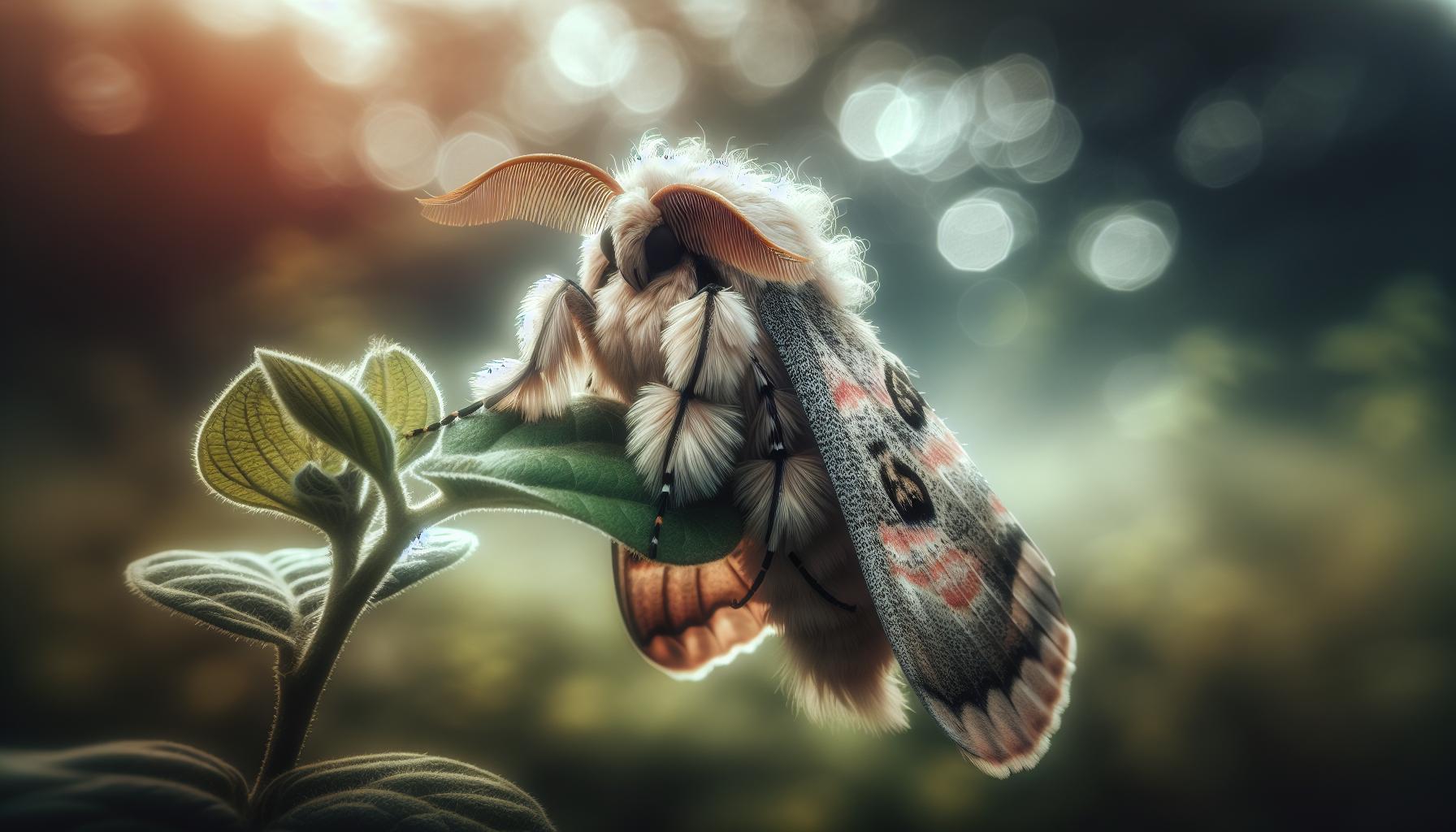
Understanding the Unique Traits of Venezuelan Poodle Moths
The Venezuelan Poodle Moth, with its striking resemblance to a fluffy poodle, is a wonder of nature that captures the imagination of those lucky enough to encounter it. This rare species, discovered in the lush landscapes of Venezuela, showcases unique traits that make it a fascinating subject of study for entomologists and nature enthusiasts alike. One of the most captivating aspects of the Venezuelan Poodle Moth is its unusual appearance; its furry, poodle-like coat serves a vital purpose, providing camouflage among the dense foliage where it resides. This adaptation not only protects it from predators but also enhances its role as a pollinator, as it flits from flower to flower, feeding on nectar.
Feeding Habits and Ecology
Unlike many moths that may exhibit nocturnal behavior, the Venezuelan Poodle Moth is more active during the day, making it easier to observe its unique feeding habits. By primarily targeting flowers for nectar, these moths contribute to the pollination of various plant species, showcasing their importance in the ecosystem. The soft, velvety texture of their bodies is not just for show; it helps them collect pollen, allowing them to play a significant ecological role while also being a source of fascination for those who study them.
Behavior and Interactions
While the Venezuelan Poodle Moth may look intimidating at first glance, it is characterized by a gentle demeanor. Observers often note its curious nature as it explores its surroundings rather than displaying any aggressive tendencies. This highlights a key trait of the species: despite its unique appearance, it poses no threat to humans or other creatures in its habitat. Understanding these behavioral traits can enrich the experience for anyone interested in observing them in the wild.
In conclusion, the Venezuelan Poodle Moth is not just a quirky anomaly of the insect world; it is a beautifully adapted species with vital roles in its ecosystem. By appreciating and protecting this unique creature, we contribute to the rich biodiversity that sustains our planet. Whether through careful observation or simply learning about their traits, engaging with this fascinating moth offers a chance to celebrate what makes the natural world so extraordinary.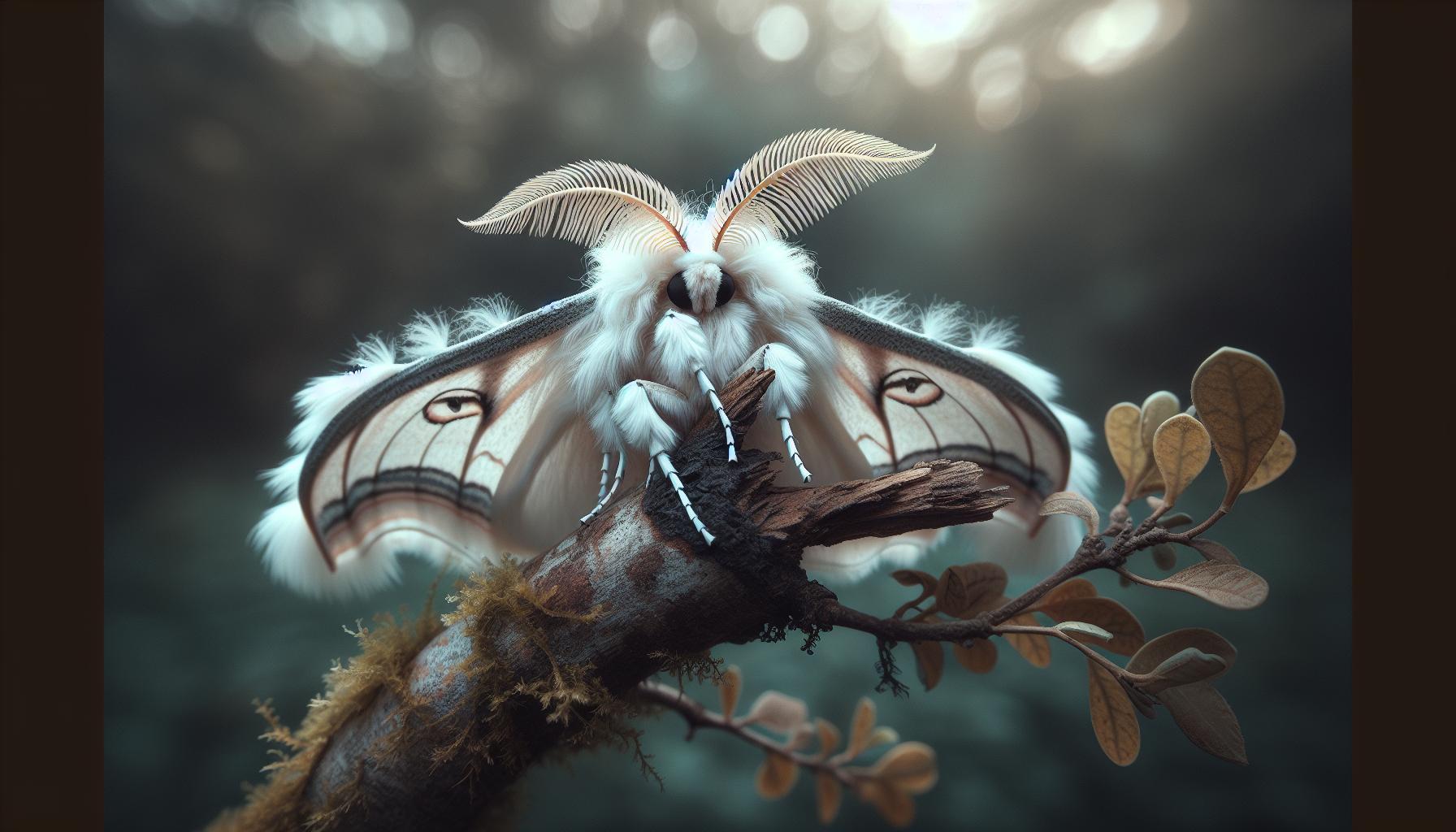
The Habitats and Distribution of This Rare Species
In the rich biodiversity of Venezuela, the Venezuelan Poodle Moth finds its unique niche within the moist forests of Canaima National Park, a stunning area known for its vast rock formations and diverse ecosystems. This striking moth, with its fluffy, dog-like appearance, is not just a wonder visually; its habitat plays a crucial role in its survival and development. The dense foliage provides camouflage against predators, allowing the moth to thrive in an environment that is both enchanting and essential for its lifecycle.
Venezuelan Poodle Moths are predominantly found in the higher elevations of this park, where the humidity and temperature create a suitable microclimate for their activities. This area boasts a mixture of old-growth trees and various flowering plants, which are vital for the moths’ feeding habits. When searching for these remarkable creatures, enthusiasts should look for them during the day as they forage on blossoms, making their presence known against the vibrant green backdrop of their surroundings.
The distribution of the Venezuelan Poodle Moth appears to be somewhat limited, largely because specific environmental conditions are necessary for them to flourish. While they were first photographed by Dr. Arthur Anker in 2009, as they inhabit such specific locations, sightings remain rare. This scarcity adds to their allure and raises questions about conservation needs and potential threats to their habitat as climate change and human activity continue to impact these delicate ecosystems.
Understanding where Venezuelan Poodle Moths reside can also inform better practices for observation and conservation. Respectful viewing, such as maintaining a distance and avoiding disturbance to their natural habitat, is essential. This ensures that future generations can also marvel at these unique moths and their role in the local ecosystem, symbolizing the intricate balance of nature that thrives in Venezuela’s diverse landscapes.
Debunking Myths: Venezuelan Poodle Moths and Their Behavior
The Venezuelan Poodle Moth, aptly nicknamed for its fluffy, dog-like appearance, has sparked a wave of intrigue and myth surrounding its nature. One of the most common misconceptions is that these enchanting creatures are aggressive. In reality, the Venezuelan Poodle Moth is harmless to humans and showcases behaviors typical of moths, primarily focused on foraging for nectar and evading predators.
While they possess a striking aesthetic that might lead some to believe they are exotic or even dangerous, Venezuelan Poodle Moths do not exhibit aggressive behaviors. Their primary defense mechanism lies in their intriguing appearance, which can confuse potential predators. The dense, fuzzy covering can resemble a small animal, making them less appealing as a meal. This trait, along with their ability to blend into their forest surroundings, plays a vital role in their survival.
Many enthusiasts and researchers are drawn to these moths, not only for their unique looks but also for their elusive behavior. Sightings remain rare, primarily because they inhabit specific, largely undisturbed environments. Observers should approach these moths with respect and curiosity, aiming to witness them foraging during daylight hours. If you’re lucky enough to catch a glimpse, remember to keep your distance to avoid disturbing their natural routines.
In summary, while the Venezuelan Poodle Moth may capture the imagination with its whimsical appearance, it is, in fact, a gentle creature, contributing positively to the diverse ecosystems of its native habitat. Understanding this can enhance our appreciation of their role in nature and encourage responsible observation practices.
How to Safely Observe Venezuelan Poodle Moths in the Wild
To catch a glimpse of the elusive Venezuelan Poodle Moth in its natural habitat is a rare and thrilling experience for any nature enthusiast. These whimsical creatures, with their fluffy appearance reminiscent of a poodle, thrive in specific, undisturbed environments that require careful consideration when observing them. Understanding how to responsibly observe these fascinating moths not only enhances your experience but also helps protect their delicate ecosystem.
First and foremost, it’s important to approach their habitat with respect. The Venezuelan Poodle Moth is most commonly found in regions of Venezuela, nestled within lush forests. When planning your observation, aim for the early morning or late afternoon, as these are the times when moths are most active while foraging for nectar. Carry a camera and binoculars to ensure that you can enjoy the beauty of these moths from a distance without disturbing them.
While observing, maintain a quiet demeanor; sudden movements or loud noises can startle these sensitive creatures, making them retreat to hiding spots. Be mindful of where you step, as the delicate ecosystems they inhabit can be easily damaged. Instead of altering their environment, find a comfortable spot nearby and patiently wait for a glimpse of their enchanting dance among the flowers.
For a safe and fulfilling observation experience, consider the following tips:
- Learn about their environment: Familiarize yourself with the types of plants they are known to feed on, which can increase your chances of seeing them.
- Stay at a distance: Use zoom lenses to capture photos without getting too close.
- Document responsibly: If you take notes or photographs, ensure that you are not disruptively interacting with the habitat.
- Respect local guidelines: Be aware of any regulations regarding wildlife observation in the area.
By following these guidelines, your quest to observe the Venezuelan Poodle Moth can be a delightful and ethical endeavor. Each sighting contributes to a deeper appreciation of these unique moths and their role within the ecosystem, fostering a sense of stewardship for their conservation.
Venezuelan Poodle Moths vs. Other Poodle Moth Species
The Venezuelan Poodle Moth stands out not just for its charming appearance, reminiscent of an adorable poodle, but also amidst a variety of other moths typically classified under the broad term “poodle moths.” While the Venezuelan Poodle Moth, scientifically known for its unique morphology and behavior, captures many enthusiasts’ attention, various species have earned a similar moniker, leading to occasional confusion regarding their characteristics and potential dangers.
One significant comparison rests with moths like the Virginia Tiger Moth and Flannel Moths, which are often mistaken for the Venezuelan Poodle Moth. Unlike the Venezuelan variety, these species exhibit vibrant coloration and varied patterns. For instance, the Virginia Tiger Moth has a striking, bold pattern that is quite distinct from the soft, fluffy appearance of the Venezuelan Poodle Moth. Moreover, the fluffiness of the latter serves both aesthetic and defensive purposes, as it can help deter predators by making them appear more formidable or unpalatable.
When it comes to behavior, most poodle moths, including the Venezuelan variant, are generally harmless. They do not pose significant threats to humans or pets, as they don’t exhibit aggression unless provoked, and are not known to have any biting or stinging mechanisms. Being predominantly nocturnal, they are more interested in nectar and light than in interactions with humans. Understanding these distinctions can enhance your appreciation of their role in the ecosystem.
To aid in identifying these moths and understanding their roles, here are some key comparisons:
| Species | Appearance | Behavior | Habitat |
|---|---|---|---|
| Venezuelan Poodle Moth | Fluffy, resembling a poodle | Generally docile, no threat to humans | Lush forests in Venezuela |
| Virginia Tiger Moth | Colorful, with bold patterns | Harmless, nocturnal foragers | Widespread across North America |
| Flannel Moths | Fluffy, sometimes brightly colored | Some can be irritating to skin if touched | Common in a variety of habitats |
By learning about these differences, you can better navigate your interest in these whimsical moths and ensure respectful, informed interactions. Always take care when observing wildlife to minimize any unintentional stress on these delicate creatures. Each species, with its unique qualities, contributes to the rich tapestry of biodiversity that deserves recognition and protection.
Conservation Status: Protecting the Venezuelan Poodle Moth
The Venezuelan Poodle Moth, with its whimsical appearance and unique ecological niche, is a charming ambassador for the biodiversity found in Venezuela’s lush landscapes. Despite its allure, this rare species faces significant threats, primarily due to habitat destruction and climate change. Protecting such a specialized creature is not just about its survival; it reflects broader environmental concerns that affect many species within its ecosystem.
To safeguard the Venezuelan Poodle Moth, conservationists advocate for the preservation of its natural habitats, primarily the moist forests of Canaima National Park. Initiatives that promote sustainable tourism can provide income for local communities while raising awareness about the importance of these ecosystems. Education plays a crucial role here-informing citizens and visitors about the moth’s uniqueness can foster appreciation and support for conservation efforts.
Aside from habitat protection, researchers emphasize the importance of monitoring populations to understand their ecology and behavior better. Engaging local communities in citizen science projects can enhance data collection efforts while encouraging a sense of ownership and responsibility towards local wildlife.
Key Priority Actions for Conservation:
- Preservation of natural habitats through legal protections and sustainable land management.
- Community education programs that highlight the ecological significance of the Venezuelan Poodle Moth.
- Involvement of local populations in conservation efforts, fostering a connection between the community and their environment.
- Research initiatives focused on understanding the species’ behavior, ecology, and responses to environmental changes.
Overall, the future of the Venezuelan Poodle Moth relies not only on targeted conservation strategies but also on a collective commitment to protecting the richly diverse ecosystems that support it. By promoting understanding and respect for such rare species, we can contribute to a more sustainable interaction between humanity and nature.
The Scientific Fascination Behind Venezuelan Poodle Moths
The Venezuelan Poodle Moth is not just an aesthetically captivating creature; it’s also a marvel of biological interest. With its unique furry appearance reminiscent of a small poodle, this moth has caught the attention of researchers and nature enthusiasts alike. Discovered in the Gran Sabana region of Venezuela, it poses intriguing questions about adaptability and evolution in relation to its ecosystem. Notably, it represents a specialized form of life that has evolved to thrive in a specific habitat, displaying adaptations that reflect its environmental conditions.
One of the key factors fueling scientific curiosity about the Venezuelan Poodle Moth is its rarity. As a recently discovered species, it offers a fresh opportunity to explore uncharted territories within entomology. Researchers are eager to study not just its physical characteristics but also its reproductive behaviors, developmental stages, and interactions with its ecosystem. By examining these aspects, scientists hope to gain insights into the evolutionary pressures faced by this species and others like it.
Moreover, the Venezuelan Poodle Moth serves as an important indicator species for biodiversity. Its presence in the moist forests of Canaima National Park signals the health of its ecosystem. Understanding how such species respond to environmental changes can provide vital data in the fight against habitat destruction and climate change. Citizens and scientists alike can collaborate in monitoring these moths, gathering valuable information that contributes to broader conservation efforts.
Ultimately, the fascination with the Venezuelan Poodle Moth extends beyond its whimsical appearance; it encapsulates the pressing need to study and protect our planet’s biodiversity. Engaging in community science projects not only empowers individuals but also enriches our collective knowledge about these remarkable creatures. By fostering a deeper understanding of such unique species, we can appreciate their roles in the delicate tapestry of nature and take action to ensure their survival.
What Makes the Venezuelan Poodle Moth So Unique?
Many people are captivated by the Venezuelan Poodle Moth due to its striking resemblance to a fluffy, playful poodle. This extraordinary appearance, characterized by a coat of soft, hair-like scales, is not merely an oddity; it serves significant evolutionary functions. Like other moths, the Venezuelan Poodle Moth’s unique features are adapted for survival, helping it blend into its environment and evade predators. Its fascinating morphology raises questions about the role of aesthetics in evolution and how certain traits develop to enhance biological fitness.
Beyond its enchanting looks, the Venezuelan Poodle Moth stands out due to its rarity and the mystery surrounding its existence. First photographed only in 2009 by zoologist Dr. Arthur Anker in the lush Canaima National Park, it has since remained a poorly understood species. This limited knowledge invites curiosity among entomologists keen to explore its life cycle, reproductive behaviors, and ecological contributions. The rarity of the species underscores the importance of conservation efforts, as studying it can reveal insights about biodiversity and the health of its rainforest habitat.
Furthermore, the adaptability of the Venezuelan Poodle Moth to its specific environment showcases the intricate relationship between species and their ecosystems. This moth thrives in moist forests characterized by rocky plateaus, which necessitates specialized adaptations not just for camouflage but possibly for temperature regulation and moisture retention as well. Its presence is also a vital bioindicator; an increase or decrease in its population can signal significant ecological changes, making it an essential focus for conservation research.
In summary, the Venezuelan Poodle Moth exemplifies the beauty and complexity of nature. Its unique traits are not just visually stunning but are also vital for its survival and the health of its ecosystem. Understanding this marvel of nature isn’t just about appreciating its furry aesthetics; it’s about recognizing the broader implications of preserving such rare species in the face of ongoing environmental challenges. By highlighting and sharing knowledge about the Venezuelan Poodle Moth, we can foster greater awareness and action towards biodiversity conservation efforts that benefit the planet as a whole.
How Climate Change Affects Venezuelan Poodle Moths
As the phenomenon of climate change continues to unfold, even the most unconventional creatures, like the Venezuelan Poodle Moth, face potential impacts that can affect their survival and natural habitat. This fascinating species, first identified within the lush landscapes of Venezuela, relies heavily on specific environmental conditions that are being altered rapidly due to shifts in climate. Increased temperatures, altered rainfall patterns, and habitat destruction all pose significant threats that could affect the population dynamics of these unique moths.
One of the key ways climate change impacts the Venezuelan Poodle Moth is through habitat alteration. These moths thrive in moist, temperate rainforest environments, which are becoming increasingly fragmented and degraded. Rising temperatures can cause shifts in their habitat range, potentially pushing them into more brackish or less suitable areas that do not have the lush resources they require for survival. Furthermore, an increase in extreme weather events, such as heavy rainfall or droughts, disrupts the delicate ecosystems where these moths live, affecting not only their food sources but also their breeding grounds.
The delicate balance of ecosystems is further jeopardized as climate-change-induced shifts can alter the interactions among species. For example, the competition for resources may increase as other species migrate into the newly available habitats, leading to potential conflicts and pressures on the Venezuelan Poodle Moth. These changes in community dynamics can pose a significant threat, as these moths may struggle to compete with more adaptable species or may face increased predation.
Protecting the Venezuelan Poodle Moth Amid Climate Change
Understanding and mitigating the effects of climate change on the Venezuelan Poodle Moth necessitates collective action and robust conservation strategies. Here are some practical steps that can be taken:
- Habitat Protection: Establish protected areas that conserve the natural habitats where Venezuelan Poodle Moths thrive.
- Climate Action: Support global and local policies aimed at reducing greenhouse gas emissions to prevent further climate disruptions.
- Research and Monitoring: Invest in ongoing research to track the populations of Venezuelan Poodle Moths and understand their ecological needs better.
- Public Awareness: Educate communities on the importance of biodiversity and the role of unique species like the Venezuelan Poodle Moth in maintaining ecological balance.
In conclusion, while the Venezuelan Poodle Moth may seem like a whimsical curiosity, its survival is inextricably linked to the health of its ecosystem amidst the overarching issue of climate change. By taking steps to protect these enchanting creatures and their environments, we can ensure that they continue to flourish in the wild.
Practical Tips for Educators and Researchers
For those eager to delve into the fascinating world of the Venezuelan Poodle Moth, there’s no better way than to combine passion with education to inspire curiosity and conservation. These unusual creatures, known for their unique appearance, can serve as excellent subjects for classroom lessons and field studies. Here are some practical tips to enhance teaching and research endeavors focused on this rare species.
Firstly, engaging students with the visual appeal of Venezuelan Poodle Moths can truly capture their attention. Utilize multimedia resources, such as stunning photographs and videos, to showcase their quirky features and fascinating life cycles. Incorporate hands-on activities like creating models or drawings. For instance, students can craft their own versions of the moth, emphasizing their unique traits like the fluffy texture that has earned them the nickname “poodle moth.”
Collaboration is also vital in fostering a deeper understanding of these moths. Encourage students to work in groups to research different aspects of the Venezuelan Poodle Moth, including their habitat, behaviors, and ecological significance. Assign each group a specific topic, such as habitat conservation, food sources, or predatory threats, and have them present their findings to the class. This not only builds teamwork skills but also enriches everyone’s knowledge about the ecological dynamics at play.
Field Studies and Observation
Taking learning outdoors can be incredibly impactful. If feasible, organize field trips to local nature reserves or parks where students might encounter similar moth species. Equip them with simple observation journals to record their findings. Encourage them to note the environment, take sketches, and even monitor the local flora and fauna that could influence moth populations. While the Venezuelan Poodle Moth is native to Venezuela, understanding how similar moths thrive in diverse ecosystems can broaden their overall comprehension of biodiversity.
To further enrich educational experiences, consider leveraging technology. Online platforms and social media groups dedicated to entomology can provide access to expert discussions and sightings. Utilizing tools like citizen science apps enables students to participate in real-time data collection, fostering a sense of global involvement in the conservation efforts of unique species like the Venezuelan Poodle Moth.
By integrating these strategies into your educational or research approach, you’ll not only enhance knowledge about the Venezuelan Poodle Moth but also instill a lasting appreciation for the wonders of nature and the importance of protecting these exceptional creatures.
The Role of Venezuelan Poodle Moths in Their Ecosystem
The Venezuelan Poodle Moth, with its charming fluff and unique appearance, plays a vital role in the ecosystems of its native habitat. As a member of the moth family, this intriguing creature contributes to various ecological processes that support biodiversity. One of their key functions is as a pollinator; while not as recognized as bees or butterflies, many moth species help pollinate nocturnal flowers, ensuring that these plants can reproduce and thrive. Some plants, particularly those that bloom at night, have evolved to rely heavily on moths for their pollination, creating a symbiotic relationship essential for their propagation.
Moreover, Venezuelan Poodle Moths contribute to the food web in their environment. They serve as prey for various birds, bats, and other predators, thereby supporting these species in their foraging efforts. This relationship is crucial for maintaining balanced ecosystems, as it ensures that predator populations have adequate food sources. In turn, the presence of these moths can indicate a healthy ecosystem, as they often reflect the environmental conditions and biodiversity in their habitats.
Environmental stability is increasingly threatened by climate change and habitat loss. These factors can disrupt the delicate balance of ecosystems, including the roles that species like the Venezuelan Poodle Moth play. Maintaining healthy ecosystems not only benefits these unique creatures but also supports broader biodiversity and resilience to environmental changes. Conservation efforts aimed at protecting the Venezuelan Poodle Moth, therefore, have wider implications for preserving the habitats and ecological relationships on which many species depend.
To better understand and appreciate the role of the Venezuelan Poodle Moth, consider engaging in conservation activities like habitat restoration or community awareness programs that emphasize the importance of all species within an ecosystem. By fostering an environment that celebrates and protects such unique creatures, we help maintain the intricate web of life that sustains our planet.
Faq
Q: Are Venezuelan Poodle Moths harmful to humans?
A: Venezuelan Poodle Moths are not harmful to humans. They are a unique, non-aggressive species known for their striking appearance, and they pose no threat. Always observe them respectfully in their habitat to appreciate their beauty without intervening.
Q: What is the diet of Venezuelan Poodle Moths?
A: Venezuelan Poodle Moths primarily feed on nectar from flowers during their adult stage. This feeding behavior helps pollinate plants in their ecosystem, highlighting their role in maintaining the biodiversity of their natural habitat.
Q: Where can Venezuelan Poodle Moths be found in Venezuela?
A: Venezuelan Poodle Moths are typically found in mountainous regions and cloud forests of Venezuela. These specific environments provide the ideal climate and food sources necessary for their life cycle.
Q: How can you recognize a Venezuelan Poodle Moth?
A: You can recognize a Venezuelan Poodle Moth by its distinctive fuzzy, poodle-like appearance, with a white to yellowish color and unique wing patterns. Their fluffy bodies and antennae are key characteristics that set them apart from other moth species.
Q: Are Venezuelan Poodle Moths endangered?
A: Venezuelan Poodle Moths are considered rare and may be threatened by habitat loss due to deforestation and climate change. Conservation efforts are essential to protect their natural habitats and ensure their survival.
Q: Can Venezuelan Poodle Moths fly long distances?
A: While Venezuelan Poodle Moths can fly, their range is typically limited to their immediate environment. They are not known for long migrations like some other species, preferring to stay close to their feeding and breeding grounds.
Q: Do Venezuelan Poodle Moths play a role in their ecosystem?
A: Yes, Venezuelan Poodle Moths play a crucial role in their ecosystem as pollinators. Their feeding habits contribute to the reproduction of various plants, supporting the broader ecological community in which they live.
Q: What adaptations help Venezuelan Poodle Moths survive?
A: Venezuelan Poodle Moths have fuzzy bodies that provide insulation against temperature fluctuations and offer camouflage among flowers. These adaptations help them evade predators and thrive in their unique environments.
In Conclusion
While Venezuelan Poodle Moths may look intriguing, they pose no danger to humans. As we explored, these rare species are harmless creatures that contribute to their ecosystems in fascinating ways. If you found this topic interesting, don’t miss our related articles on the unique adaptations of rare species and insights into insect conservation efforts.
Ready to dive deeper into the world of unusual animals? Subscribe to our newsletter for the latest updates, tips, and insights straight to your inbox. We’d love to hear your thoughts-drop a comment below with your favorite fact about the Venezuelan Poodle Moth or share your encounters with exotic insects! Remember, exploring biodiversity can be both exciting and educational, so keep learning and sharing your love for nature.