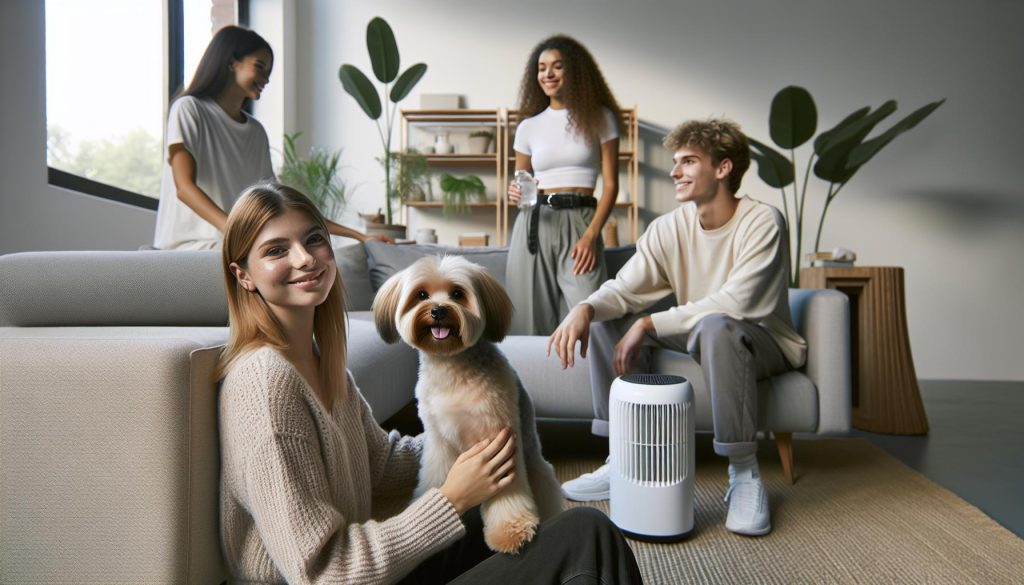
If you’re an allergy sufferer dreaming of owning a dog, you may have come across the Yorkie Poodle, a charming hybrid breed known for its lively personality and adorable appearance. One of the burning questions many potential pet owners have is whether these delightful companions are hypoallergenic. Understanding the allergenic potential of dog breeds can make all the difference for those with allergies, providing a path to pet ownership without sacrificing comfort. In this article, we’ll explore the characteristics of Yorkie Poodles that contribute to their hypoallergenic qualities, how they compare to other breeds, and essential care tips to ensure a healthy environment for you and your new furry friend. Keep reading to discover if this pint-sized pup is the perfect fit for your family!
Are Yorkie Poodles Truly Hypoallergenic?

While no dog is completely hypoallergenic, Yorkie Poodles can often be a suitable choice for allergy sufferers. These delightful hybrids combine the Yorkshire Terrier’s feisty charm with the Poodle’s low-shedding coat, which is known to produce fewer allergens. This unique trait may reduce the likelihood of allergic reactions for some individuals, making them a popular option in homes where allergies are a concern.
The effectiveness of Yorkie Poodles in minimizing allergy symptoms largely stems from their Poodle lineage. Poodles have a curly, dense coat that traps dander and hair, preventing it from floating into the air. This feature can help create a more manageable environment for allergy sufferers. Nevertheless, it’s essential to remember that each dog can differ in the amount of dander and saliva they produce, so spending time with a Yorkie Poodle before committing to ownership is crucial.
To further enhance your experience with a Yorkie Poodle, consistent grooming plays a pivotal role. Regular brushing not only keeps their coat looking pristine but also minimizes the accumulation of loose hair and dander in your living space. Aim for a grooming routine grounded in positive reinforcement, making it a bonding activity that your dog will look forward to.
Ultimately, while Yorkie Poodles may be more compatible with allergy sufferers compared to many other breeds, individual reactions can vary. It’s always wise to consult with a veterinarian for tailored advice and ensure a potentially allergenic dog fits comfortably into your lifestyle.
Understanding Hypoallergenic Breeds

can be a game-changer for prospective dog owners who suffer from allergies. While no dog can claim to be entirely hypoallergenic, certain breeds are known to produce fewer allergens, making them more suitable for allergy sufferers. The concept of hypoallergenic breeds revolves around their coat types and how they shed dander and hair, which are common triggers for allergic reactions.
Focusing on characteristics of hypoallergenic dogs can lead to more informed choices when selecting your furry companion. Breeds such as Poodles, including the Yorkie Poodle hybrid, are celebrated for their curly, dense coats. These coats trap dander and hair, preventing it from scattering in the environment. This remarkable trait can create a more manageable living space for those sensitive to allergens. Therefore, dog owners considering a Yorkie Poodle might find them to be a viable option if they have experienced allergies with other breeds.
When delving deeper into the grooming needs of hypoallergenic breeds, it becomes clear that regular and effective grooming practices are crucial. Consistent brushing helps remove loose hair and dander before it has a chance to settle in your home. Moreover, regular baths can minimize allergens while also ensuring your dog looks its best. Emphasizing a grooming routine as not just a necessity but an enjoyable bonding time for you and your dog can make the entire experience rewarding.
Ultimately, while some breeds are less likely to trigger allergies, individual responses to dogs can vary widely. It’s essential for potential owners to consider spending time with a Yorkie Poodle or any hypoallergenic breed prior to adoption. This hands-on approach allows for a clearer understanding of how your allergies might react to a specific breed, ensuring a harmonious and happy coexistence in your home.
The Science Behind Allergies and Dogs

Understanding the intricacies of allergies can be pivotal for those considering welcoming a furry friend into their homes, especially for allergy sufferers. At the core of pet allergies is the body’s immune response to proteins found in dog saliva, urine, and dander (tiny skin flakes). When a person with dog allergies encounters these proteins, their immune system mistakenly identifies them as harmful invaders, triggering symptoms like sneezing, itchy eyes, or more severe respiratory issues.
When it comes to breeds like the Yorkie Poodle, the question arises: how do their unique characteristics influence allergic reactions? Unlike many traditional dog breeds that shed fur and dander freely, Yorkie Poodles often exhibit non-shedding, curly coats similar to those of Poodles. This trait not only helps reduce the spread of dander in the environment but also means that their hair is less likely to become airborne. Some owners report that these hybrids produce fewer allergens overall, making them a preferred choice for allergy sufferers.
However, it’s important to note that no dog is completely hypoallergenic. Individual responses to allergens can vary widely, with some people unaffected by Yorkie Poodles while others might still have reactions. For those seriously considering adopting this breed, engaging in trial interactions to assess personal allergy responses is crucial. Spending time near a Yorkie Poodle can help gauge tolerance levels and prepare for the possibility of new home dynamics with a furry companion.
In conclusion, understanding the science behind allergies and how specific breeds, including Yorkie Poodles, impact allergic responses offers valuable insights. It not only aids in making informed decisions about pet ownership but also ensures that potential owners can create a harmonious environment that minimizes discomfort while giving a loving home to a new pet. Exploring these elements is a step closer to finding the perfect companion that fits both lifestyle and health considerations.
Key Characteristics of Yorkie Poodles

Yorkie Poodles are not only adorable companions but also an intriguing blend of two beloved breeds: the Yorkshire Terrier and the Poodle. This hybrid inherits some of the best traits from both parent breeds, making them a delightful choice for families and individuals alike. One of their most appealing characteristics is their coat. Typically, Yorkie Poodles have soft, curly, and non-shedding fur, resembling the Poodle’s coat, which significantly reduces allergens in the air. This makes them a favored option for those who suffer from allergies, as they tend to produce less dander compared to other breeds.
In addition to their hypoallergenic qualities, Yorkie Poodles are known for their vibrant personalities. They are energetic, intelligent, and often display a playful demeanor that brings joy to their owners. With a strong inclination for companionship, these dogs thrive on human interaction. Regular playtime and social activities are essential to keep them happy and mentally stimulated. Their intelligence also means they can quickly learn commands and tricks, making training sessions engaging and rewarding.
Furthermore, the size of Yorkie Poodles is another advantage. Typically weighing between 5 to 10 pounds, they are small enough to adapt well to apartment living yet sturdy enough to enjoy outdoor adventures. Their compact size allows them to fit comfortably in various living environments, making them versatile pets for many lifestyles.
In caring for a Yorkie Poodle, grooming becomes a key consideration. Maintaining their coat requires regular brushing to prevent matting and to monitor any potential allergens. A consistent grooming routine not only enhances their appearance but also fosters a strong bond between you and your furry friend. Regular vet check-ups are also crucial to ensure their health and well-being, as crossbreeds can sometimes inherit conditions from both parent breeds.
Ultimately, their unique combination of hypoallergenic traits, affectionate nature, and manageable size makes Yorkie Poodles an excellent choice for allergy sufferers and dog lovers alike. Embracing the responsibilities of caring for these delightful companions is sure to yield countless moments of happiness and companionship.
Grooming Techniques to Minimize Allergens
To keep your Yorkie Poodle healthy and comfortable while minimizing allergens, a proactive grooming routine is essential. These delightful companions have a beautiful, curly coat that tends to trap moisture and dander, which can contribute to allergic reactions. Taking the right steps in grooming not only keeps their coat looking great but also significantly reduces the presence of allergens in your home.
One effective technique is to establish a consistent brushing schedule. Aim to brush your Yorkie Poodle at least two to three times a week. This helps remove loose hair, dirt, and dander before they can spread throughout your living space. Using a slicker brush or a pin brush can work wonders for detangling their soft, curly fur without damaging it. Ensuring that you brush their coat well makes it easier to monitor any signs of mats, which can trap allergens and lead to skin issues if not addressed promptly.
Regular baths also play a crucial role in reducing allergens. Bathing your Yorkie Poodle every four to six weeks with a gentle, hypoallergenic shampoo helps to keep their skin clean and dander-free. When bathing, take care to thoroughly dry their coat afterwards, as moisture can lead to skin problems. Consider using a dog-specific dryer – if your pup tolerates it – as this can help fluff up their coat while minimizing moisture and allergens. After their bath, follow with a gentle brush to prevent tangles and help distribute natural oils for a shiny coat.
Moreover, don’t forget about the importance of your dog’s living environment. Keeping their bedding clean by washing it regularly can help limit allergen buildup. Vacuum your home frequently and consider using an air purifier to reduce airborne pet dander and other allergens. By combining these grooming techniques with a clean living space, you can create a more comfortable environment for both you and your Yorkie Poodle, giving you more quality time together without the worry of allergens.
Tips for Allergy Sufferers When Choosing a Dog
Choosing the right dog when you have allergies is an important decision that can significantly impact your comfort and quality of life. When considering a Yorkie Poodle, also known as a Yorkipoo, it’s crucial to evaluate not only their potential hypoallergenic qualities but also how their care routines align with your lifestyle. Mixed breeds like the Yorkipoo inherit desirable traits from both parent breeds-the Yorkshire Terrier and the Poodle-making them a popular choice for allergy sufferers due to their typically low-shedding coat.
To ensure you select a dog that suits your needs, here are some tips to consider:
- Meet the Parents: If possible, spend time with both a Yorkipoo and their parent breeds. This firsthand interaction helps you assess how your allergies respond to them. Observing the dog’s behavior and coat may give insights into how they will adapt to your home.
- Consult with Experts: Speak to breeders who prioritize hypoallergenic traits. They can provide valuable information about lineage and specific traits inherited from parent breeds that might impact shedding and dander levels.
- Test Your Reactions: Before committing to a dog, consider sitting with a Yorkipoo for an hour or so. Take note of any allergic reactions. This can help you gauge how your body might respond in a household setting.
- Consider Grooming Needs: Hypoallergenic does not mean maintenance-free. Yorkie Poodles require regular grooming, including brushing and bathing. Ensure you’re ready to commit to a grooming schedule, as this will significantly affect allergen control.
- Assess Living Arrangements: Evaluate your living space for allergen management options. If you have carpets, you might consider switching to hardwood or tile, which are easier to clean. Implementing cleanliness practices, such as using an air purifier, can further minimize allergens.
Keeping these tips in mind can lead you to a fulfilling relationship with a Yorkie Poodle while maintaining a comfortable living space for allergy sufferers. The aim is to find a furry friend who brings joy to your life without compromising your health.
Comparing Yorkie Poodles to Other Hypoallergenic Breeds
When you’re on the search for a companion who can snuggle up with you on the couch without triggering your allergies, Yorkie Poodles, or Yorkipoos, stand out as an appealing choice. However, understanding how they stack up against other hypoallergenic breeds can guide you toward the best pet for your needs. While no breed can guarantee to be completely hypoallergenic, some dogs are more tolerant for allergy sufferers due to their coat types and grooming requirements.
Yorkie Poodles come from a lineage that includes both Yorkshire Terriers and Poodles, both recognized for their lower shedding qualities. Poodles, in particular, are lauded for their curly coats, which tend to trap dander and hair rather than disperse it into the environment. Similarly, Yorkipoos often inherit this low-shedding trait, making them less likely to create airborne allergens that can aggravate sensitivities. In comparison, breeds such as the Bichon Frise and Maltese share similar hypoallergenic properties with their non-shedding coats.
However, it’s crucial to consider personality and care levels as you compare these breeds.
Comparison of Key Hypoallergenic Breeds
| Breed | Coat Type | Grooming Needs | Temperament |
|---|---|---|---|
| Yorkie Poodle | Wavy, low-shedding | Regular grooming required | Playful, affectionate |
| Bichon Frise | Curl, low-shedding | Frequent grooming needed | Sociable, cheerful |
| Maltese | Long, silky, low-shedding | Regular grooming necessary | Gentle, affectionate |
| Poodle (Miniature & Toy) | Curl, low-shedding | Frequent grooming essential | Intelligent, responsive |
One potential downside of Yorkie Poodles, like many small breeds, is their tendency to develop behavioral issues without proper training and socialization. In contrast, Poodles are typically easier to train due to their intelligence, which might give them an edge if you prefer a more trainable companion. Your lifestyle and preferences play a big role in this decision. If you want a low-shedding dog but also value a specific temperament or energy level, take the time to interact with various breeds to see which best fits your home.
In essence, while Yorkipoos are celebrated for their low-shedding qualities, it’s essential to compare them to other breeds marketed as hypoallergenic by considering how their needs align with your lifestyle and allergy management strategies. Keeping these comparisons in mind will help you pave the way to a happy, healthy companionship with the right four-legged friend.
Common Misconceptions About Hypoallergenic Dogs
There’s a popular belief among dog lovers that hypoallergenic breeds are entirely allergy-free, which can lead to misunderstandings. While many people assume that owning a hypoallergenic dog like a Yorkie Poodle (or Yorkipoo) guarantees a sneeze-free household, the truth is a bit more nuanced. All dogs produce some level of allergens, whether it be through their saliva, urine, or dander, and Yorkie Poodles are no exception.
One common misconception is that hypoallergenic dogs don’t shed at all. In reality, Yorkie Poodles tend to have low-shedding, wavy coats thanks to their Poodle heritage, which helps reduce the spread of allergens in the home. However, they still require regular grooming to manage their coat and minimize dander buildup. It’s essential for potential owners to understand that maintaining a Yorkie Poodle’s coat with consistent grooming can significantly help in managing allergens, rather than relying solely on the genetics of the breed.
Additionally, many people believe that being hypoallergenic means being safe for everyone with allergies. Individual reactions to dogs can vary widely, based on personal sensitivities and the specific allergens one might react to. For those considering a Yorkie Poodle, engaging in trial visits to determine compatibility is a great way to gauge any allergic reactions before making a commitment.
Furthermore, some individuals think that hypoallergenic dogs require less care or exercise. While the lower shedding of a Yorkie Poodle may lessen the frequency of vacuuming, they still need routine care and sufficient exercise. These dogs thrive on stimulation and interaction, which is vital to their overall well-being. Thus, balancing your needs with the responsibilities of dog ownership is crucial.
In summary, it’s vital for prospective owners to approach the idea of hypoallergenic breeds like Yorkie Poodles with realistic expectations. Understanding the nature of allergies, the necessity of grooming, and the importance of individual compatibility can help ensure a joyful experience with your new furry friend.
Managing Allergies with Proper Care
To create a harmonious living environment with a Yorkie Poodle while managing allergies, understanding proper care techniques is essential. These charming companions can bring joy to many households, but for allergy sufferers, appropriate management can make all the difference. Implementing certain strategies can help minimize allergens in your home and allow for a more enjoyable experience with your furry friend.
Start with consistent grooming practices, a crucial part of managing allergens. Regular grooming not only helps reduce loose hair and dander but also allows you to keep an eye on your pup’s skin health. Aim for at least once a week, using a slicker brush to remove tangles and a grooming mitt or comb to catch loose strands. Bathing your Yorkie Poodle every 4-6 weeks can also reduce allergen buildup. When bathing, using a hypoallergenic shampoo designed for dogs can be particularly beneficial for sensitive skin.
Next, focus on your home environment. Implementing allergy-reducing strategies can be very effective. Keep your home’s humidity levels below 50% to deter dust mites and mold. Regularly vacuum carpets, rugs, and furniture using a vacuum with a HEPA filter. Washing bedding, including your dog’s, in hot water weekly will further cut down on potential allergens. Additionally, consider using air purifiers to help filter allergenic particles from the air, creating a cleaner breathing environment.
For those considering a Yorkie Poodle, trial visits are key. Spend time with these dogs in various environments before making a commitment. This helps gauge your reactions and allows you to make an informed decision about whether this breed can comfortably fit into your life. Personal anecdotes highlight that many people with sensitivities report fewer allergy issues with low-shedding breeds after taking these steps.
In summary, managing allergies when living with a Yorkie Poodle involves proactive grooming, home cleaning routines, and personal experimentation. By understanding and implementing these care strategies, you’ll create a comfortable and happy space for both you and your new furry friend. These small adjustments in routine can lead to big changes in how you and your family experience life with a Yorkie Poodle.
Signs Your Yorkie Poodle Might Trigger Allergies
When welcoming a Yorkie Poodle into your home, it’s essential to remain mindful of potential allergy triggers associated with this breed. Despite being known for their low-shedding coats, which often leads to the belief that they are hypoallergenic, no dog is completely free from allergens. Recognizing the signs that your new furry friend might trigger allergies can help you take proactive steps to manage any discomfort.
One of the first indicators may be frequent sneezing or nasal congestion. If you or your family members notice a sudden increase in these symptoms after spending time with your Yorkie Poodle, it could signal an allergic reaction. Keep an eye out for skin irritations as well; itching, redness, or rashes on human skin after petting your dog are signs you might need to consider. Furthermore, pay attention to any breathing difficulties such as wheezing or coughing that arise in proximity to your pet, as these can be serious symptoms requiring immediate attention.
Another significant area to monitor is how your family members react during grooming sessions. While grooming is vital for your Yorkie Poodle’s health, it can also release dander and fur into the air. If you notice a correlation between grooming and allergy symptoms, this may indicate that the allergens are affecting specific individuals. In addition, observe if any symptoms worsen specifically after your Yorkie Poodle returns from being outside. This could be an indication of environmental allergens, such as pollen or dust, that may exacerbate sensitivities.
To better ensure comfort within your home, keep track of any persistent symptoms over time. A journal detailing when and where allergy symptoms occur in relation to your dog’s presence can be a valuable resource for discussions with your vet. Early detection of potential allergy triggers will equip you with the knowledge to make informed decisions regarding your dog’s care, ensuring both your family’s well-being and a happy companionship with your Yorkie Poodle.
Real Experiences: Yorkie Poodles and Allergy Sufferers
Many families find joy in welcoming a Yorkie Poodle, a delightful mix of Yorkshire Terrier and Poodle, especially those who suffer from allergies. These small, energetic dogs are often touted as hypoallergenic due to their low-shedding coats, yet experiences among allergy sufferers vary widely. Some families report seamless integration, while others encounter unexpected challenges, reinforcing that while a Yorkie Poodle may be a better choice for those with sensitivities, it doesn’t guarantee a completely allergen-free experience.
For instance, one family shared that their Yorkie Poodle, Bella, became a cherished part of their home without triggering their son’s allergies. Regular grooming and diligent cleaning kept dander at bay, allowing everyone to enjoy Bella’s affection and antics. Conversely, another family struggled when their Yorkie Poodle, Max, began to snuggle close during the evenings, causing sneezing fits for one member. They soon realized that environmental factors, like pollen from outdoor walks, were compounding the issue. Learning to manage these factors, including opting for indoor play on high pollen days, helped them reach a balance.
To better navigate life with a Yorkie Poodle as an allergy sufferer, pet owners often turn to practical strategies. Frequent cleaning of living spaces, particularly areas where the dog spends time, can significantly help in reducing allergens. Air purifiers have also proven effective, providing cleaner air and reducing exposure to dander. Additionally, establishing a grooming routine-brushing your dog outdoors, for instance-can mitigate the spread of dander indoors and help maintain a cleaner environment.
Ultimately, each Yorkie Poodle and allergy sufferer’s journey is unique, filled with adjustments and learning. Consulting with allergists and veterinarians can provide tailored advice for managing allergies, ensuring that these furry companions remain joyful, loving parts of the family without compromising health. Such efforts highlight a reassuring prospect: with awareness and proactive care, the loving bond with a Yorkie Poodle can flourish even in allergy-sensitive households.
Consulting with a Vet: What to Know Before Adoption
Before bringing a Yorkie Poodle into your home, particularly if there are allergy concerns, consulting with a veterinarian can be an invaluable step. Veterinarians can provide specific insights into how individual dogs may interact with allergies, assess the prospective pet’s general health, and guide you towards the best practices for minimizing allergic reactions.
When discussing with your vet, consider the following aspects:
- Health Evaluation: A thorough health check is crucial. Some breeds can be predisposed to certain health issues, and knowing your Yorkie Poodle’s specific lineage can illuminate potential allergy-related concerns.
- Allergy Testing: If there are existing allergy sufferers in the household, your vet might recommend allergy testing. This can help identify specific allergens and inform you whether a Yorkie Poodle or another breed might pose fewer risks.
- Grooming Recommendations: Since Yorkie Poodles require regular grooming to maintain their low-shedding coats, your vet can offer professional grooming tips or recommend groomers who specialize in these breeds.
- Care Strategies: Discuss strategies for managing allergies, such as frequency of bathing your dog, the type of cleaning solutions to use, or whether an air purifier would be beneficial in your home.
Finding a vet well-versed in breed-specific concerns can be particularly helpful. They might share personal anecdotes about other patients, providing reassurance based on real-life experiences that relate closely to your situation. This tailored advice can make a significant difference, fostering an environment where both pets and owners thrive together comfortably.
In essence, a proactive conversation with your vet can help ensure that welcoming a Yorkie Poodle into your family is a joyful, healthy experience, mitigating the challenges of allergies along the way.
Q&A
Q: Are Yorkie Poodles good for allergy sufferers?
A: Yorkie Poodles can be suitable for allergy sufferers due to their reduced shedding and dander. However, individual reactions vary, so it’s essential to spend time with the breed before adopting to assess any allergic reactions. Regular grooming can further help minimize allergens.
Q: What makes a dog hypoallergenic?
A: A dog is considered hypoallergenic if it produces fewer allergens than typical breeds. This can include reduced shedding and lower levels of dander. Yorkie Poodles often fit this profile, making them a preferable choice for those with allergies.
Q: How often should I groom my Yorkie Poodle to minimize allergens?
A: Grooming your Yorkie Poodle at least once a week is recommended to reduce allergens. Regular brushing helps remove loose hair and dander. Additionally, bathing them every few weeks can keep their coat clean and free of irritants.
Q: Can Yorkie Poodles trigger allergies despite being hypoallergenic?
A: Yes, even hypoallergenic dogs like Yorkie Poodles can trigger allergies in sensitive individuals. Allergens are not solely from fur; saliva and urine can also cause reactions. Regular cleaning and grooming may reduce exposure to allergens in the home.
Q: What symptoms might indicate an allergy to a Yorkie Poodle?
A: Common allergy symptoms include sneezing, itching, skin rashes, and watery eyes. If you notice these symptoms after spending time with a Yorkie Poodle, it’s advisable to consult with an allergist for proper diagnosis and management.
Q: How do Yorkie Poodles compare to other breeds for allergy sufferers?
A: Yorkie Poodles tend to have similar hypoallergenic traits as other breeds like Poodles or Bichon Frises, but each dog is unique. Consider spending time with various breeds to determine which one aligns best with your allergy sensitivities.
Q: What care routines help manage allergies in Yorkie Poodles?
A: Maintaining a regular grooming routine, using air purifiers, and cleaning frequently can help manage allergies. Additionally, consider feeding your Yorkie Poodle a healthy diet to strengthen their coat and skin health, minimizing dander production.
Q: Should I consult a vet before adopting a Yorkie Poodle if I have allergies?
A: Yes, consulting with a veterinarian is advisable before adopting any dog, especially if you have allergies. They can provide guidance on managing pets with allergies and recommend steps to reduce potential allergic reactions.
In Summary
If you’re a potential Yorkie Poodle owner, understanding their hypoallergenic traits is just the beginning of your journey! While no dog is completely free of allergens, the Yorkie Poodle might be your best bet for minimal shedding and dander. Consider exploring more about dog care routines that promote a healthy environment for allergy sufferers. Check out our articles on grooming essentials and nutrition tips to keep your pup looking and feeling their best.
Ready to take the next step? Sign up for our newsletter for expert tips and resources directly in your inbox. And don’t forget to share your thoughts or questions in the comments below-your insights help our community thrive! Dive deeper into the world of hypoallergenic breeds, and empower your next steps as a responsible pet owner. Your perfect fur friend awaits!