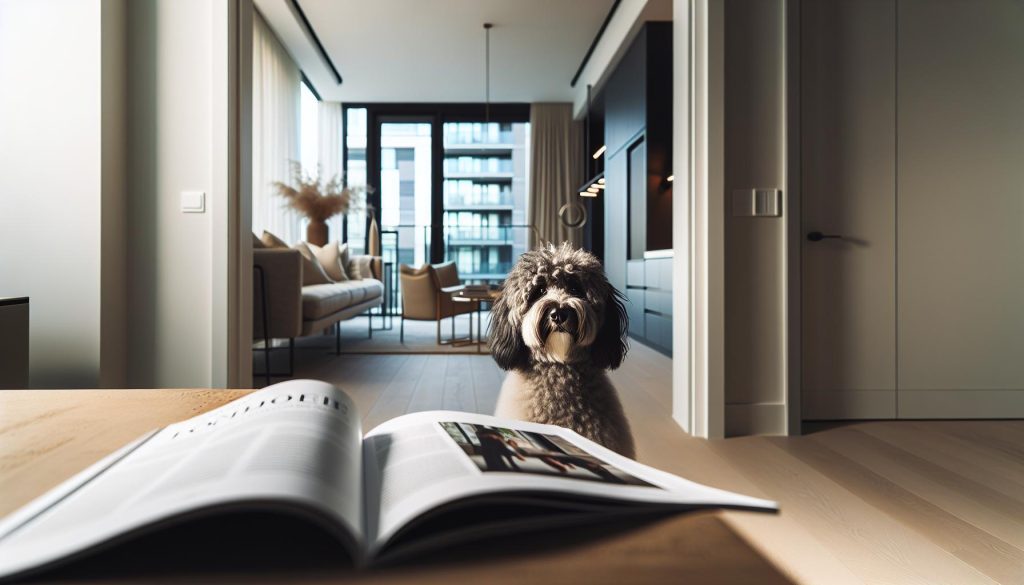
If you’re considering bringing a Barbet into your apartment, you might be wondering: can this delightful water dog truly thrive indoors? Known for their curly coats and friendly demeanor, Barbets were originally bred in France for hunting waterfowl, which means they have a natural love for activity and outdoor exploration. However, their adaptability makes them excellent companions for apartment living, provided their needs are met. Understanding the balance between their energy levels and indoor lifestyle is crucial for potential owners. Join us as we dive into the unique characteristics of the Barbet, exploring tips and insights that will help you create a fulfilling environment for this charming breed, ensuring they live their best life, even in smaller spaces.
Barbet Apartment Dog: An Overview of the Breed
The Barbet is a delightful breed, often overlooked in the world of apartment dogs. Known for their exceptional versatility, these medium-sized water dogs possess a thick, curly coat that not only gives them an adorable appearance but also reflects their history as skilled hunters and retrievers. While they thrive in various living environments, the Barbet’s loving demeanor and moderate energy levels can make them an ideal companion for apartment dwellers, provided their needs are met adequately.
Originally bred in France as a water dog, the Barbet has a history rooted in both work and companionship. This heritage bestows them with an inherent love for water and a playful spirit. Their gentle and adaptive nature allows them to acclimate well to indoor living, breaking the myth that larger breeds cannot flourish in smaller spaces. They are extremely social and enjoy being part of the family dynamic, making them a charming presence in any household. It’s essential to note that, although they are relatively low-energy indoors, regular physical and mental stimulation is important to keep their spirits high and prevent boredom.
To create a suitable apartment life for a Barbet, attention must be given to their exercise and activity needs. Regular walks, interactive play, and mental challenges are crucial for their well-being. Their friendly and affectionate personality makes them great with families, kids, and even other pets, turning everyday living into a joyful experience filled with love and playfulness. Adopting a Barbet means embracing an adventure full of loyalty and companionship, ensuring that both owner and dog thrive together in harmony.
Understanding the Barbet’s Water Dog Heritage

The Barbet is not only an eye-catching breed with its distinctive curly coat, but it also carries a rich heritage as a devoted water dog. Originally bred in France, the Barbet’s primary role was to assist hunters in retrieving game from water, making them excellent companions for those who loved both aquatic activities and outdoor sports. Their webbed feet and waterproof coat are biological gifts that enhance their swimming capabilities, allowing them to excel in their water work. This historical background shapes many traits seen in today’s Barbets, including their playful demeanor and affinity for water, making them a unique choice for pet owners who love active lifestyles.
Their legacy as water dogs instills a love for swimming and aquatic adventures that are hard to suppress. It is not uncommon to encounter a Barbet enthusiastically splashing in a pool or lake, showcasing their natural instincts. As owners, you can tap into this heritage by incorporating water-related activities into your routine, such as swimming sessions or even water retrieval games. This not only keeps your Barbet engaged but also helps fulfill their ingrained desire to be in and around water, enhancing their happiness and overall well-being.
While some might assume that such a spirited heritage could be a challenge for apartment living, Barbets are surprisingly adaptable. Their gentle and loving nature means they are usually content with regular indoor play, mental stimulation, and social interaction. A well-structured daily routine that includes exercise, both indoors and outdoors, can keep them satisfied and thriving in a confined space. As a Barbet owner, embracing their heritage while also supporting their indoor lifestyle will ensure your dog feels fulfilled both physically and emotionally, creating a happy home for everyone involved.
Can Barbets Adapt to Indoor Living?

Barbets, with their charming personalities and beautiful curly coats, are surprisingly well-suited for apartment living despite their energetic heritage as water dogs. Their innate adaptability is a wonderful trait for urban dog owners. While they thrive in active environments, their gentle nature ensures that they can also find joy in a more confined space when provided with proper care and stimulation. One of the most compelling aspects of living with a Barbet in an apartment is how they can transition from exuberant outdoor adventures to cozy indoor companions without missing a beat.
To help your Barbet adjust to life indoors, it’s essential to establish a structured routine that incorporates both physical and mental exercise. Regular short walks or play dates can fulfill their exercise needs, while interactive toys, puzzles, and training sessions will keep their minds engaged. This breed loves to learn, so teaching them tricks or commands can be both beneficial and rewarding, reinforcing your bond. Spending quality time together not only nurtures your relationship but also helps to channel their energy positively, making them well-rounded indoor pets.
Barbets are also quite social. They thrive on companionship and will likely want to be involved in family activities. Creating a warm and inviting environment is crucial. Consider setting aside designated play areas where your Barbet can have access to their favorite toys. Moreover, incorporating pet-friendly spaces that allow for relaxation and quiet time is just as important as active play. It’s vital to remember that, while they can adapt to indoor living, they still require regular outings to satisfy their natural instincts, such as swimming and exploring.
Finally, recognizing common challenges such as boredom or separation anxiety is key to ensuring your Barbet thrives indoors. Regular engagement, maintaining a consistent routine, and being attuned to their needs can help mitigate these issues, leading to a happy, fulfilled Barbet that brings joy to any home, big or small. With the right approach, your Barbet can not only adapt to apartment living but also make it a delightful experience for both of you.
Essential Space Requirements for Barbets

Living with a Barbet in an apartment can be a rewarding experience, thanks to their friendly nature and adaptability. However, understanding their space requirements is crucial to ensure they thrive in a smaller living environment. Unlike some breeds that may feel confined in limited space, Barbets have a rustic heritage that enables them to adjust well, provided their space is engaging and well-organized.
To start, a designated play area is essential. This could be a corner of your living room or a spare room where your Barbet can enjoy their toys and activities without interruption. Add a few comfortable pet beds to create cozy rest spots. Using barriers or playpens might be beneficial for restricting areas during training or to keep your Barbet occupied while you handle tasks around the house.
Vertical space can also enhance a Barbet’s living environment. Shelves for toys or artfully placed perches can offer new sights and smells, satisfying their curiosity. Consider utilizing storage solutions like bins or baskets to keep their toys organized yet easily accessible. This not only helps in decluttering but also encourages playfulness, as they can learn to fetch their favorite items on command.
To effectively monitor your Barbet’s well-being, creating a routine to incorporate interactive elements in limited spaces is key. Use puzzle feeders or treat-dispensing toys to keep them mentally engaged. An elevated food bowl can promote a healthier posture while eating. Don’t forget that Barbets, with their water dog ancestry, love splashing around. If a small space is available, introducing a kiddie pool during warm months can replicate their love for water play without needing extensive outdoor access.
In summary, while Barbets can adapt well to apartment living, reflecting their needs within your space ensures they remain happy and healthy. Providing a mixture of play, rest, and interaction zones maximizes their comfort, while regular outdoor activities will support their energetic disposition. Your Barbet will not only adapt but truly thrive in your shared home.
Exercise Needs: Keeping Your Barbet Active Indoors
Keeping a Barbet active indoors is essential for maintaining their health and happiness, especially since this breed is known for its energetic and playful disposition. Originally bred as water dogs, Barbets thrive on physical and mental stimulation, making engagement a key aspect of indoor living. Even in smaller spaces, there are a variety of ways to ensure your Barbet gets the exercise they need to remain well-balanced and content.
Creating an enriching environment is vital. Consider integrating high-energy games such as fetch or tug-of-war into your daily routine. These activities not only provide physical exercise but also foster a strong bond between you and your pup. In addition, utilizing interactive toys like treat-dispensing puzzles can keep their minds sharp while encouraging movement as they navigate to find the rewards inside. Aim for sessions of at least 30 minutes to an hour divided throughout the day, adjusting based on your individual dog’s energy level.
Indoor Exercise Ideas
To make indoor play engaging, mix up your activities regularly. Here are some effective ways to keep your Barbet active within your apartment:
- Obstacle Courses: Set up a simple obstacle course using furniture, cushions, and other household items. Guide your Barbet to jump, weave, and crawl under objects, which can be a fun challenge for both you and your dog.
- Hide and Seek: This classic game can be a delightful way to engage your Barbet’s natural instincts. Have them stay while you hide, then call them to come find you. It helps with training recall and adds an element of fun.
- Interactive Play: Products like flirt poles can entice your Barbet to run and jump while playing, giving them a great workout even in limited space.
- Stair Climbing: If your apartment has stairs, utilize them! Encourage your Barbet to go up and down, which provides good cardio exercise.
Remember, consistency is key. Incorporate these exercises into a routine, and as your Barbet becomes accustomed to them, you’ll find that their energy levels can be managed effectively even within the confines of an apartment. Regular outdoor walks are still recommended, as they allow for socialization and exposure to new environments, but keeping your Barbet active indoors ensures they are happy and satisfy their instinctual needs.
Barbet Temperament: A Family-Friendly Companion
A Barbet is not just a pet; it’s a charming family member that can bring joy and laughter into any household. Known for their friendly and affectionate nature, these dogs thrive on companionship and are naturally inclined to bond with their human families. Their playful spirit makes them particularly great with children, and many families find that Barbets have a knack for becoming playmates for kids, fostering an incredible sense of loyalty and love.
This breed is characterized by its intelligence and eagerness to please, making training a rewarding experience. They are responsive to positive reinforcement and enjoy learning new tricks, which can lead to delightful family interactions. Whether you’re teaching them to fetch a ball or perform an exciting new trick, Barbets often excel in training due to their enthusiasm and quick learning capabilities. This eagerness extends to social interactions, as Barbets typically get along well with other pets, creating a harmonious household environment.
However, it’s essential to recognize that while Barbets are adaptable and family-oriented, they do require consistent interaction and engagement to ensure they do not develop separation anxiety. Being a water dog originally, they are naturally energetic and need both mental and physical stimulation. Adaptation to indoor life can be a breeze if you provide them with ample opportunities for play and exercise within your apartment. Creating a structured routine of indoor play, training sessions, and outdoor walks will help them feel secure and happy in any living environment.
In summation, a Barbet can truly thrive in an indoor setting, provided they are integrated into family activities and receive the love and attention they deserve. Their gentle, affectionate temperament makes them not only excellent companions but also wonderful family dogs that enrich the lives of those around them.
Grooming Tips for Your Indoor Barbet
To keep your Barbet looking its best, it’s essential to embrace a consistent grooming routine that caters to their unique coat and needs. These charming dogs sport a beautiful, wavy, and curly coat that can easily become matted if not properly cared for. Regular grooming sessions are not just about aesthetics; they’re also crucial for your Barbet’s health and comfort.
First and foremost, aim for a grooming schedule that includes brushing at least 2-3 times a week. This can help prevent tangles and mats while distributing natural oils throughout their coat, promoting a healthy shine. Use a slicker brush to gently detangle any knots, and consider a comb with wide teeth for areas prone to matting, like behind the ears and under the legs. Additionally, bathing your Barbet every 4-6 weeks is recommended to keep their coat clean and fresh. Use a dog-specific shampoo to avoid skin irritation; a moisturizing or oatmeal-based shampoo can be particularly beneficial for their skin.
Trimming and Maintenance
While a full grooming session might be necessary every few months, regular trimming can help maintain your Barbet’s coat and overall appearance. Focus on the hair around their eyes, ears, and paws to keep them neat and tidy. If you’re comfortable, you can trim the body coat to maintain a uniform length; otherwise, consider visiting a professional groomer familiar with the breed. In addition to coat maintenance, check their ears regularly for debris and wax build-up, and clean them gently with vet-recommended solutions.
Lastly, don’t forget about their paws! Frequent walks may bring mud and dirt into the home, so it’s wise to wipe their paws after outdoor adventures. Keeping their nails trimmed is also vital for comfort and mobility, so aim to clip them every 3-4 weeks-or more frequently if your Barbet is active on hard surfaces that naturally wear down nails.
With the right grooming practices in place, you can ensure your indoor Barbet not only looks fantastic but maintains a healthy and comfortable lifestyle, ready to engage in all the family activities you love. Not only does grooming foster a strong bond between you and your furry friend, but it also helps you monitor their skin and coat for any potential issues, ensuring they remain the happy, vibrant companion they are meant to be.
Barbet Nutrition: Feeding for a Healthy Lifestyle
Good nutrition is the foundation of a healthy and happy life for your Barbet, particularly when this water-loving breed is living indoors. With their playful and active nature, it’s crucial to provide them not only with the right type of food but also with appropriate feeding practices that consider their unique needs as an apartment dog. An optimal diet will help your Barbet maintain their energy levels, support their coat health, and ensure they stay free of excessive weight gain-common in less active indoor dogs.
When selecting food for your Barbet, aim for high-quality commercial dog food that lists meat as the first ingredient, providing essential protein for muscle maintenance and overall health. Look for formulations that are appropriate for your pup’s age and activity level, whether they are a playful puppy, an active adult, or a senior needing a little extra care. It’s generally recommended to divide their daily food allowance into two meals to prevent bloating, which can be a concern with certain deep-chested breeds like the Barbet. Remember to consult with your veterinarian for tailored recommendations based on your dog’s specific needs, including breed size and any health considerations.
Common Nutritional Needs for Barbets
To further understand what makes a balanced diet for your Barbet, consider these key nutrients:
- Protein: Vital for energy and muscle maintenance; can come from meat (chicken, beef, or fish) or meat meals.
- Fats: Essential for healthy skin and coat; omega fatty acids, such as those from fish oil, are particularly beneficial.
- Carbohydrates: Provide energy and should be sourced from whole grains or vegetables, avoiding fillers.
- Vitamins & Minerals: Ensure your dog’s diet includes necessary micronutrients to support immune function and overall well-being.
Additionally, keep an eye on your Barbet’s weight as they thrive in a structured feeding routine. Routinely monitoring their body condition can prevent obesity-a common issue in apartment-dwelling pets who may not get as much exercise. If you’re unsure, you should easily feel their ribs without excessive fat covering, and their waistline should be visible from above.
Feeding your Barbet healthy treats can also be an essential component of their diet. Choose options that are not overly processed and low in calories, such as fruits or vegetables. This not only provides a nutritious boost but also allows opportunities for bonding during training sessions or just as an everyday reward.
By providing a carefully considered diet tailored to the unique characteristics and requirements of Barbets, you’ll set the stage for a vibrant, healthy, and long life for your loyal companion. Happy feeding!
Training: Best Practices for Apartment Living
Training your Barbet in an apartment setting can be an incredibly rewarding experience, as this breed is not only intelligent but also eager to please. Their playful nature and affectionate demeanor make them excellent companions, but without proper training, they can become restless in smaller living spaces. Establishing a routine and incorporating effective training techniques will help your Barbet thrive indoors while maintaining a harmonious household.
Utilizing positive reinforcement as a cornerstone of your training approach will make a significant difference. Barbets respond well to rewards, so use treats, toys, and praise to motivate them. Begin with basic commands like “sit,” “stay,” and “come,” which are essential for ensuring their safety in an urban environment. Set up short training sessions, ideally around 5-10 minutes long, to hold their attention without overwhelming them. Keep the environment distraction-free initially and gradually introduce challenges as they master commands.
Consistency is key in training, particularly for indoor living. Make sure all household members use the same commands and cues to avoid confusing your pup. Additionally, incorporating training into daily routines can help reinforce good behavior. For instance, practice commands during walks to encourage focus and discipline. Use apartment-friendly training tools, such as a clicker, to mark desirable behavior, making it clear what you want from your Barbet.
Instilling Good Indoor Behavior
To ensure your Barbet smoothly adjusts to apartment life, focus on training them to respect your living space. Teach them not to jump on furniture unless invited, which can be particularly important in shared spaces or small areas. Crate training can also be beneficial. It provides your Barbet with a personal space that can help reduce anxiety and prevent destructive behavior when you’re not home. Additionally, working on their impulse control will help them make better choices indoors, reducing common issues like barking or chewing.
Don’t forget to vary your training sessions to keep things interesting! Incorporate fun tricks or agility exercises that challenge their minds and bodies, maximizing their activity level despite the limited space. Interactive toys and puzzle feeders can complement their training by encouraging problem-solving and reducing boredom. Ultimately, the goal is to create a well-rounded, well-behaved Barbet who can calmly thrive in an apartment setting, bringing joy and companionship without compromising their well-being.
By remaining patient and committed to training, you’ll foster a happy, well-adjusted Barbet who will be the pride of your apartment community!
Socialization Needs: Ensuring Your Barbet Thrives
Ensuring your Barbet flourishes in an apartment setting involves prioritizing their socialization needs from an early age. This breed is naturally sociable and thrives on interaction, making it essential to expose them to various environments, people, and other animals. The more diverse experiences you provide, the more adaptable and confident your Barbet will become, transforming them into a truly well-rounded canine companion.
To foster proper social skills, start when your Barbet is still a puppy, ideally between 3 and 14 weeks old, as this is considered a critical period for socialization. Take them for walks in pet-friendly areas, allowing them to meet various people, dogs, and even other animals like cats or small pets. Aided by their outgoing temperament, Barbets often excel in these situations, but you should keep interactions positive and calm. After all, a negative experience can lead to fear or anxiety later in life. It may be beneficial to enroll in a puppy socialization class where they can play with other friendly pups under controlled circumstances.
As your Barbet matures, continue to seek out opportunities to expose them to new experiences. Organize playdates with friends’ dogs, visit parks, or even take trips to pet-friendly events in your community. Additionally, allow them to encounter everyday situations that you may take for granted, like navigating a busy grocery store or riding in an elevator. These experiences will help your Barbet understand and adapt to the world around them, reducing the likelihood of developing behavioral issues linked to anxiety or stress from unfamiliar environments.
Remember, quality is just as important as quantity when it comes to socialization. Positive reinforcement can create rewarding experiences. Use treats, praise, and petting during and after encounters to reinforce good behavior, creating a strong bond between you and your dog in the process. As a Barbet owner, actively engaging in their socialization journey will ensure that your furry friend not only survives but thrives in an apartment environment, leading to a happy and healthy coexistence.
Indoor Activities to Keep Your Barbet Engaged
Finding creative ways to keep your Barbet engaged indoors is essential for their mental and physical well-being. This energetic breed, originally developed for waterfowl hunting, needs activities that can channel their natural instincts and curiosity, even within the confines of an apartment. Thankfully, there are numerous indoor activities that can not only stimulate your Barbet’s mind but also strengthen the bond between you two.
One highly effective way to engage your Barbet is through interactive toys and puzzles. These can challenge their problem-solving skills and provide a satisfying outlet for their intelligence. Consider toys that dispense treats as your dog figures out how to manipulate them. This not only rewards your Barbet for their efforts but also keeps them entertained for longer durations. Additionally, you can create DIY puzzles using simple household items. For instance, hide treats under cups and shuffle them around, encouraging your Barbet to use their nose to find the hidden goodies.
Another fun activity to try is training sessions that incorporate tricks or obedience commands. Barbets are known for their ability to learn quickly, and teaching them new tricks can be a fun way for both of you to bond. Use positive reinforcement methods by rewarding them with treats or praise when they successfully complete a task. This can be particularly effective during the winter months or when outdoor activities are limited.
Creative Indoor Games
To mix things up, consider setting up an indoor agility course. Use furniture, boxes, or tunnels to create a mini obstacle course. Guide your Barbet through this course, rewarding them for navigating each challenge. This not only promotes physical activity but also gives your dog a sense of achievement. Don’t forget to vary the course layout to keep things fresh and exciting.
Moreover, engaging your Barbet in games of hide and seek can be incredibly fun. Start by asking them to stay while you hide somewhere within your apartment. Once you’re hidden, call them to find you. This game taps into their natural hunting instincts, both stimulating their mind and giving them a good workout as they search.
Social Interaction
Lastly, remember that social interaction is crucial for a breed like the Barbet. Set up virtual playdates with friends who have dogs or join online dog training classes. Social activities can offer your Barbet a chance to connect with other dogs and humans, further enriching their indoor environment.
By incorporating these varied activities into your Barbet’s day, you’ll help them thrive indoors while keeping their spirits high and their minds sharp. The key is to blend physical challenges with mental stimulation, ensuring that your Barbet feels just as fulfilled at home as they would be exploring the great outdoors.
Common Challenges: Troubleshooting Indoor Living
Navigating the challenges of indoor living with a Barbet requires a good understanding of the breed’s needs and some proactive strategies to ensure they feel comfortable and engaged. While Barbets are adaptable dogs, their natural instincts and high energy levels can lead to potential issues if not addressed appropriately. One common challenge is boredom, which can manifest as destructive behavior if your Barbet lacks stimulation. To combat this, it’s essential to develop a daily routine that incorporates a mix of mental and physical exercises tailored to their specific needs.
An important aspect of troubleshooting indoor living is managing your Barbet’s energy levels. Regular, structured play sessions and dedicated training times can reduce frustration and build obedience. Try scheduling two to three short exercise sessions throughout the day, rather than one long outing. This could include indoor games like fetch in a hallway or interactive fetch toys designed for smaller spaces. Additionally, consider teaching tricks or practicing obedience commands during these periods; this dual focus helps to build a strong bond while exhausting your dog mentally.
Another challenge is fostering a peaceful coexistence with your neighbors. While Barbets typically have a friendly demeanor, their barking can become an issue if they feel anxious or confined. To address this, it’s beneficial to expose your Barbet to various sounds and situations gradually. For instance, playing recordings of everyday noises at a low volume while rewarding calm behavior can help desensitize them. Positive reinforcement for quiet behavior, especially during moments of excitement or unfamiliar sounds, encourages them to remain calm and collected.
Lastly, creating a defined space in your home that feels safe and secure for your Barbet is crucial. A cozy dog bed or a crate, with access to their favorite toys and blankets, can provide a retreat when they need downtime. Ensure this area is free from disturbances and that your Barbet knows it’s a haven for them. With thoughtful planning, patience, and consistent engagement, you can overcome the common challenges of indoor living, allowing your Barbet to thrive happily within the comforts of your apartment.
Frequently asked questions
Q: Can a Barbet thrive in a small apartment environment?
A: Yes, a Barbet can thrive in a small apartment as long as it receives sufficient exercise and mental stimulation. Regular walks and indoor play are crucial. Ensure your living space is safe and comfortable for your Barbet to adapt effectively to apartment living.
Q: What are the specific exercise needs for a Barbet living indoors?
A: Barbets require at least one hour of exercise daily, which can include walks, playtime, and mental games. Indoor activities like puzzle toys can also help keep them engaged when outdoor time is limited. Balancing physical activity with mental challenges is key to their well-being.
Q: How often should a Barbet be groomed in an apartment setting?
A: A Barbet should be groomed at least once a week to maintain its woolly coat and prevent matting. Regular grooming sessions will also help you bond with your dog. Consider incorporating it into your routine to keep their living environment clean.
Q: Are there any common challenges when keeping a Barbet in an apartment?
A: Yes, common challenges include managing their energy and potential barking. Ensure frequent exercise to prevent boredom, which can lead to destructive behavior. Providing toys and activities will help reduce barking due to frustration.
Q: What indoor activities can keep a Barbet entertained?
A: Indoor activities like hide-and-seek, training sessions, and interactive toys can keep a Barbet entertained. Providing varied mental stimulation is essential, as it channels their intelligence positively while living in an apartment.
Q: Do Barbets need special nutrition while living indoors?
A: While the basic nutritional needs of indoor Barbets don’t differ, it’s vital to provide quality food to manage their weight. Monitor their intake since they are less active indoors. Consult with your vet for tailored dietary recommendations.
Q: Is crate training beneficial for Barbets in apartments?
A: Yes, crate training can provide a safe retreat for your Barbet and help with housebreaking. A well-trained dog will feel secure in their space, making it easier for them to adapt to apartment living and reducing anxiety when left alone.
Q: How can I ensure my Barbet gets enough socialization in an apartment?
A: To ensure sufficient socialization, introduce your Barbet to other dogs and people regularly. Organize playdates, attend dog parks, or join puppy classes. These interactions will help your Barbet develop confidence and friendly behavior, essential for apartment living.
Encouraging continued engagement, consider exploring sections on grooming or training for more insights into keeping your Barbet happy and healthy in an apartment setting.
Key Takeaways
As we’ve explored in “Barbet Apartment Dog: Can This Water Breed Thrive Indoors?”, it’s clear that with the right environment, care, and attention, Barbet dogs can be wonderful companions in any living space, even apartments. If you have any lingering questions or are curious about transitioning your living space for your Barbet, don’t hesitate to check out our related articles on setting up a pet-friendly home and understanding Barbet behavior.
Ready to take the next step? Subscribe to our newsletter for expert tips straight to your inbox or explore our product recommendations for dog care essentials. Remember, investing time in understanding your furry friend will ensure a happy and thriving life together. Share your experiences or tips in the comments below-we’d love to hear from you! Every Barbet deserves a loving home, and you’re one step closer to providing that. Don’t wait; let’s embark on this rewarding journey together!