
Welcoming a Barbet puppy into your home is an exciting journey filled with joy and companionship. Known for their friendly temperament and hypoallergenic curly coats, these medium-sized dogs are not only beautiful but also intelligent and eager to please, making them a perfect choice for first-time owners. However, like any breed, Barbets come with specific needs and unique characteristics that you should be aware of. From grooming essentials to training tips, navigating your new puppy’s early days can be overwhelming yet rewarding. As you embark on this adventure, understanding these ten crucial aspects will help you nurture a strong bond with your Barbet and set the stage for a happy, healthy life together. So, let’s dive in and discover the essential knowledge every first-time Barbet owner should have!
Choosing the Right Barbet Puppy for You
Choosing a Barbet puppy is an exhilarating journey that blossoms into a rewarding companionship. Known for their playful and loving nature, Barbets are not just another breed; they are a unique mix of intelligence, charm, and water-loving enthusiasm. To ensure that this lifelong bond starts on the right paw, it’s essential to consider several factors that will affect both you and your new furry friend.
One crucial aspect is to evaluate the breeder. Opt for a reputable breeder who prioritizes the health and temperament of their puppies. Ask about health screenings for common breed-specific conditions such as hip dysplasia and eye issues. A responsible breeder will also provide socialization opportunities early in the puppy’s life, crucial for a well-adjusted Barbet. Inquire about the puppy’s parents; examining their behaviors can give you insights into what you can expect as your puppy grows.
Another consideration is your own lifestyle. Barbets require regular exercise and mental stimulation due to their energetic nature, so reflect on your daily routine. Are you prepared to dedicate time to daily walks, playtime, and training sessions? They thrive in active environments and tend to bond closely with their owners. If you enjoy outdoor activities, Barbets can be the perfect companions, especially considering their love for swimming-thanks to their webbed feet!
When selecting a puppy, observe their personality traits and interactions. Some may be more independent, while others might be more affectionate and social. Keep in mind that those early interactions with people and the environment shape their future behavior. Spend time playing with the puppies, getting a sense of their energy levels, and how they respond to human affection. This process not only helps you find a puppy that fits well with your lifestyle but also ensures that the puppy is likely to bond with you as their forever home.
Lastly, don’t forget to prepare your home. Before bringing your Barbet puppy home, create a safe space with chew toys, a cozy bed, and proper supplies. This preparation will help your new companion feel secure in their new environment from day one. Remember, the goal is to create a harmonious relationship where both you and your Barbet thrive together.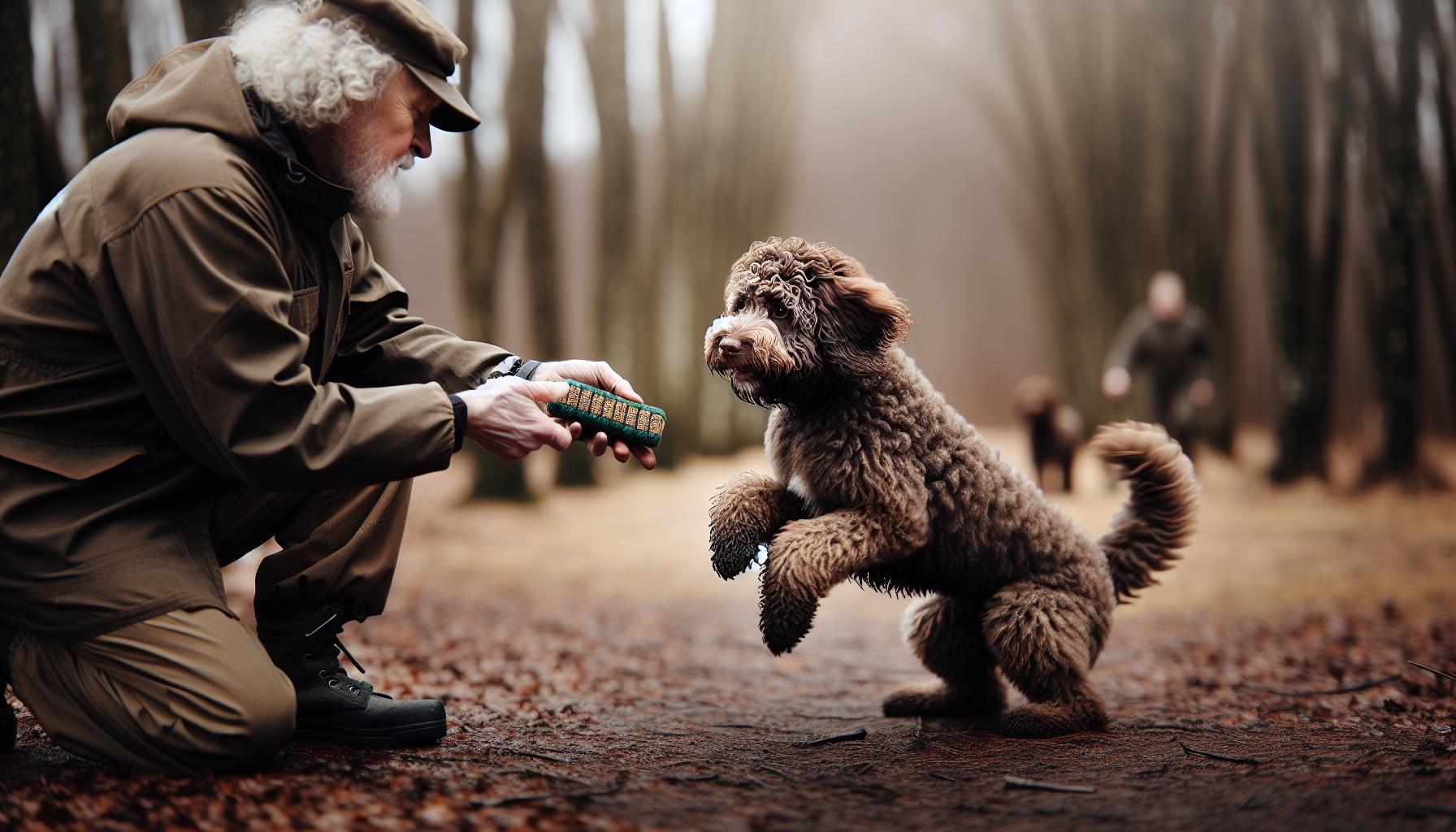
Understanding the Barbet Dog Breed Traits
There’s something truly captivating about the Barbet breed: these dogs boast a unique combination of intelligence, charm, and a zest for life, particularly when it comes to spending time in the water. Originally developed in France as a versatile water dog, Barbets were historically valued for their ability to assist hunters by retrieving game from the water. Their strong aquatic instincts are paired with webbed feet, making them exceptional swimmers. This deep-rooted love for water is reflected in their playful demeanor and joyful interactions, reminding owners that a day at the lake is a day well spent.
When considering a Barbet, you’ll find that they are typically friendly, affectionate, and social. They thrive on companionship and form close bonds with their families. This breed is especially known for its calm temperament; they generally exhibit a loving and gentle disposition towards both children and adults. However, like any breed, Barbets can have their quirks. Some may display more independence, while others crave constant attention and affection. Observing their interactions during the selection process can offer invaluable insights into their personality traits.
In terms of activity level, Barbets are energetic dogs that require daily exercise to stay happy and healthy. They require a good mix of physical activity and mental stimulation; regular walks, play sessions, and engaging toys are essential. Their enthusiasm for outdoor activities makes them great companions for those who enjoy long hikes or days spent at the beach. With proper stimulation, they can thrive in both active households and those looking for a lively yet loving companion.
Lastly, it’s essential to note that the Barbet’s hypoallergenic coat requires regular grooming. Their curly, water-resistant fur is not only beautiful but also helps reduce shedding, which is a plus for allergy sufferers. Understanding these traits and needs will set first-time owners on the right track, ensuring a harmonious relationship with their new furry friend.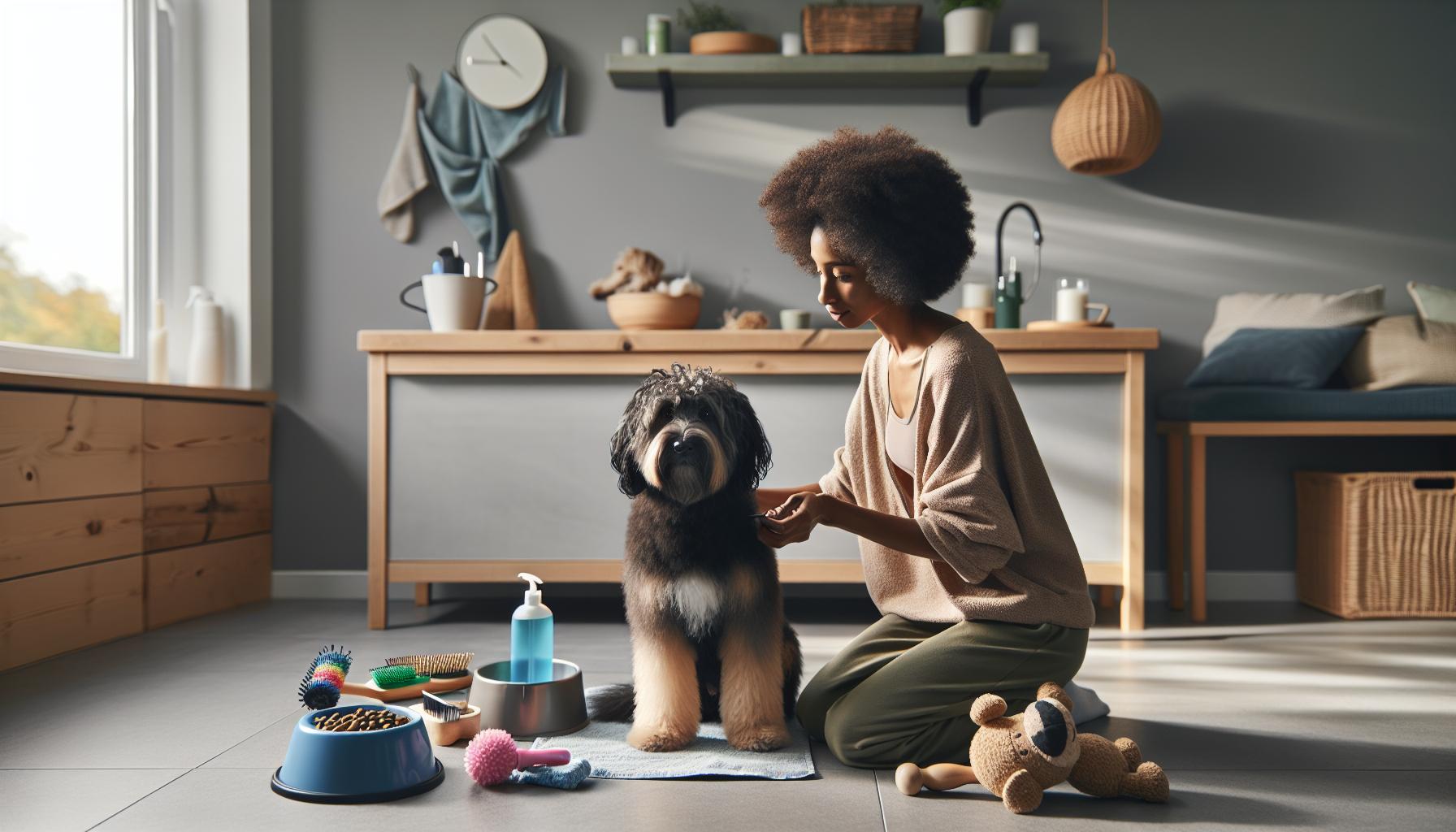
Essential Care Tips for First-Time Barbet Owners
To ensure a harmonious relationship with your new Barbet puppy, it’s crucial to understand their specific care needs. These dogs are not just adorable companions; they thrive on attention, exercise, and structured routines. Here are essential care tips that will make your journey as a first-time Barbet owner both enjoyable and fulfilling.
Start by establishing a consistent routine for your puppy. Barbets are intelligent and can adapt well to schedules, which helps them feel secure. This includes regular feeding times, walks, and play sessions. Aim for at least 60 minutes of exercise each day, combining both physical activities, like fetching or swimming, and mental stimulation through puzzle toys or training games. This balance keeps their energetic spirits high and prevents boredom-related issues.
Grooming is another vital aspect of caring for a Barbet. Their curly, water-resistant coat is beautiful but requires regular maintenance to prevent matting. Schedule grooming sessions every few weeks, which include brushing to remove loose hair and occasional bathing to keep their coat clean and healthy. A visit to a professional groomer can be beneficial, especially when you’re just starting out, as they can show you the best techniques for home grooming.
Nutrition plays a crucial role in your Barbet’s development. Keep your puppy on a high-quality diet formulated for large breeds to support their growth. Always consult with your veterinarian to determine the best food choices and portion sizes that cater to your puppy’s specific needs. Monitor their weight regularly, as Barbets can be prone to obesity if overeaten.
Lastly, focus on socialization from an early age. Expose your Barbet to various environments, people, and other pets to develop their confidence and friendly demeanor. Classes or puppy playdates can provide excellent opportunities for socialization, along with reinforcing training skills. Combining these strategies will help ensure that your Barbet grows into a well-rounded, happy companion, ready to join you on countless adventures.
Health Considerations Specific to Barbets
As you embark on the journey with your new Barbet puppy, it’s essential to recognize that this breed comes with its unique health considerations, ensuring your furry friend grows up happy and healthy. Barbets are generally robust dogs, but like all breeds, they can be prone to specific health issues. Understanding these concerns will empower you to provide proactive care and support their well-being.
One of the most common health issues seen in Barbets is hip dysplasia, a genetic condition where the hip joint doesn’t fit perfectly into the hip socket. Hip dysplasia can lead to arthritis and pain, particularly as they age. Regular check-ups with your veterinarian can help detect any issues early on. Consider maintaining an appropriate weight and providing joint supplements as advised by professionals, as this can support their hip health.
Eye disorders are another concern for Barbets. Conditions like cataracts or progressive retinal atrophy can occur, often leading to vision loss. Regular eye examinations by a vet can help catch any problems early. Moreover, ensuring their eyes are clean and not exposed to irritants will maintain their ocular health.
A well-balanced diet tailored to your Barbet’s life stage is crucial. Their nutrition should support not only their energy needs but also assist in preventing obesity, which can exacerbate joint issues. Opt for high-quality dog food with appropriate protein levels and maintain a consistent feeding schedule to establish healthy habits.
Finally, staying up-to-date on vaccinations and preventive care, including flea, tick, and heartworm prevention, is vital for protecting your Barbet from common canine diseases. Regular health screenings not only help you monitor your puppy’s health but also strengthen your relationship through shared experiences at the vet.
With these health considerations in mind, you’ll be better equipped to nurture your Barbet puppy so that they thrive as a beloved member of your family. Regular veterinary visits, a balanced diet, and an active lifestyle will contribute significantly to your dog’s long-term health and happiness.
Effective Training Techniques for Barbet Puppies
Barbet puppies are not only adorable but also highly trainable due to their intelligent and eager-to-please nature. Starting training early is crucial, as it sets the foundation for a well-behaved companion who thrives on interaction and positive reinforcement. Understanding the unique traits of the Barbet can enhance your training approach, making it both effective and enjoyable for you and your puppy.
One effective strategy for training Barbet puppies is to utilize positive reinforcement, which can include treats, praise, or playtime. Barbets respond exceptionally well to rewards, so when they exhibit desired behaviors-like sitting, coming when called, or completing a trick-reward them promptly. This approach not only reinforces the behavior but also strengthens your bond. For instance, if your Barbet sits on command, immediately give them a treat and a cheerful “good boy!” This immediate feedback helps your puppy associate the action with positive outcomes.
Consistent Training Routines
Establishing a consistent training routine is key. Schedule short training sessions (5-10 minutes) throughout the day, as Barbets have a shorter attention span at this age. Incorporate basic commands such as “sit,” “stay,” “down,” and “come” into your daily routine, using games and fun practices to keep your puppy engaged. For example, during walks, practice recall by letting your puppy explore a little and then calling them back with excitement, rewarding them when they respond. This not only reinforces their training but also promotes a sense of freedom and enjoyment.
Socialization Opportunities
Another essential aspect of training is socialization. Exposure to various environments, people, and other animals will help your Barbet grow into a well-adjusted adult dog. Arrange for playdates with other dogs, visit dog parks, or attend puppy classes. The more experiences your puppy has in a positive context, the more confident they will become. Make it a point to expose them to different sounds, sights, and experiences, while ensuring each encounter is rewarding and not overwhelming.
Training a Barbet puppy should feel like a joyful partnership. They thrive on companionship and interaction, so involve family members in the training process to ensure consistency and maximize social bonds. With patience and perseverance, your Barbet will not only learn commands but will also look forward to training sessions as a time for fun and connection with you. Enjoy the beautiful adventure of shaping your puppy into a well-mannered family member!
Socialization Strategies for Your Barbet
Socialization is a vital aspect of raising a well-adjusted Barbet puppy. These friendly and adaptable dogs thrive when introduced to a variety of experiences, settings, and individuals from a young age. Start this process early-ideally between three and fourteen weeks of age-when they are most receptive to new experiences. Engaging your Barbet in diverse socialization opportunities can help them become confident, well-mannered companions who enjoy being around people and other animals.
One effective method for socializing your Barbet is to create a structured yet inviting schedule for interacting with different environments. Consider organizing playdates with other dogs, inviting friends over, or taking your puppy to dog-friendly cafes. Visits to parks can also provide rich experiences, allowing them to encounter different sights, sounds, and smells. Ensure these experiences are positive by rewarding your puppy with treats and praise during and after each outing, helping them associate new experiences with happiness and safety.
It’s also important to expose your Barbet to everyday situations that they may encounter as adults. For instance, introduce them to various noises-like vacuums, doorbells, and thunder-by playing recordings while providing a comforting presence and favorite toys. Use brief, positive interruptions to help them acclimate, reinforcing their confidence in unfamiliar situations. Additionally, enroll in puppy socialization classes where your Barbet can learn foundational skills while interacting with other dogs and people under controlled guidance.
Remember, the goal of socialization is to create a well-rounded dog that can handle life’s various challenges with ease. Maintaining a calm, enthusiastic demeanor will help your puppy feel secure as they navigate new experiences. With patience and consistency, your Barbet will develop into a friendly, adaptable, and confident lifelong companion, eager to join you in all of life’s adventures.
Nutrition and Diet: Feeding Your Barbet Puppy
Feeding your Barbet puppy is one of the most crucial aspects of their early development, playing a significant role in laying the foundation for a healthy life. Proper nutrition supports growth, energy levels, and even behavior. Barbets, as medium-sized dogs that were originally bred for their working ability as waterfowl hunters, require a balanced diet that can sustain their active lifestyle and maintain their characteristic curly coat.
When selecting food for your Barbet, consider high-quality puppy-specific formulas crafted to support the nutritional needs of growing canines. Look for options that list real meat as the first ingredient, as protein is essential for development. Incorporating both dry kibble and wet food can also help stimulate your puppy’s appetite while ensuring proper hydration. The key is to choose a diet rich in proteins, healthy fats, and carbohydrates.
Feeding Guidelines
Follow a routine feeding schedule to help your Barbet develop consistent eating habits. Here are some guidelines to keep in mind:
- Age: Puppies typically require more frequent meals. Plan for three to four meals a day until your Barbet is around six months old.
- Portion Size: Consult the feeding guide on the puppy food packaging, but a rough estimate is about 1 to 1.5 cups of food per meal, divided among several meals.
- Monitoring Weight: Regularly check your puppy’s weight and condition. An ideal Barbet should have visible waist and a slight indentation at the sides.
Supplements and Treats
While most high-quality puppy foods contain essential nutrients, consider adding supplements like Omega-3 fatty acids for coat health or probiotics to support digestion. Treats can also play a valuable role in training and rewarding good behavior. However, keep treats to less than 10% of your puppy’s daily caloric intake to prevent obesity.
Establishing a consistent feeding routine will not only reinforce good habits but also create a time for bonding between you and your Barbet during mealtime. Remember, healthy nutrition is the cornerstone of a vibrant, lively Barbet puppy, setting them on the path to a long, joyful life filled with adventures alongside you.
Grooming Needs for Your Barbet Dog
Keeping your Barbet looking fabulous is not just about aesthetics; their distinctive curly coat requires consistent grooming to stay healthy and mat-free. This breed’s hypoallergenic fur makes them a popular choice for families, but it also demands a regular grooming routine that first-time owners should embrace as part of their care regimen. Regular grooming not only helps maintain their coat but also facilitates bonding time between you and your furry friend, turning it into a delightful experience rather than a chore.
To keep your Barbet’s coat in tip-top shape, aim for grooming sessions at least once a week. This frequency helps prevent painful mats and tangles that can occur, especially if your pup enjoys outdoor adventures. Start by using a slicker brush to remove loose fur and debris. Follow this with a comb, ideally one that can address the undercoat, to ensure every strand is groomed. Additionally, consider investing in a quality dog shampoo; a gentle, moisturizing shampoo will help maintain the health of their skin and coat. During bath time, focus on thoroughly rinsing out any soap residue to avoid irritation.
Trimming and Styling
While formal grooming appointments may not be necessary frequently, many owners opt to take their Barbets to a professional groomer every few months for a trim. Wearing a coat that’s too long can lead to increased matting and cleanliness issues, especially since Barbets love water. When trimming yourself, keep the following tips in mind:
- Ear Care: Ensure to clean and keep the ears free from excessive fur to promote air circulation.
- Paw Pads: Trim the fur around their paws to help with traction and to keep mud and debris from collecting.
- Sanitary Trims: Regular trims in the underbelly and tail areas are crucial for hygiene.
Don’t forget that grooming is a chance for you to check on your puppy’s overall health condition! Taking time to feel for lumps or bumps, check ears for cleanliness, and ensure nails are not overgrown is beneficial for your Barbet.
Incorporating grooming into your routine not only ensures your pup looks their best but also strengthens your bond and enhances their overall wellbeing. Embrace this responsibility with love and enthusiasm, and your Barbet will reward you with a shiny coat, happy demeanor, and the joy of their companionship for many years to come.
Creating a Safe and Engaging Environment
for your Barbet puppy is essential for their development and happiness. As a breed that thrives on social interaction and physical activity, Barbets require both mental stimulation and a safe space to explore. Start by ensuring your home is a secure environment free of hazards. This means removing items that could be harmful, such as electrical cords, toxic plants, and small objects that could be swallowed. Providing a safe space where your puppy can play, rest, and grow will make them feel secure and promote good behavior.
A designated play area-either inside or in your yard-should be fenced in and equipped with appropriate toys to encourage natural exploration and play. Barbets are highly intelligent and curious dogs, so interactive toys that challenge their problem-solving skills are perfect for keeping them engaged. Consider puzzle feeders, tennis balls, or even simple homemade toys like a water bottle in a sock for hours of fun. Establishing a routine that includes playtime, training sessions, and quiet times will also greatly benefit your puppy’s adjustment to their new home.
In addition to physical safety, socialization is vital for your Barbet’s development. Introducing them to various environments, people, and other pets helps them become well-rounded companions. Aim to expose your puppy to new experiences gradually, ensuring they have positive interactions along the way. Local puppy training classes or dog parks can be great places to facilitate socialization while allowing your Barbet to burn off energy.
Regularly incorporating safe and engaging activities into your Barbet’s life will not only keep them entertained but also help you build a strong, trusting relationship. Whether it’s a game of fetch, a swim in a nearby lake, or even a simple training session in your backyard, these shared experiences will help foster a deep bond between you and your puppy, setting the foundation for a joyful companionship.
Fun Activities and Exercises for Barbets
Engaging your Barbet in fun activities is essential not only for their physical health but also for their mental stimulation. These vivacious dogs possess a natural zest for life, and regular playtime will enhance their well-being and solidify the bond between you both. A common misconception is that a few short walks a day are sufficient for their exercise needs. In reality, Barbets thrive when they have the opportunity to explore, play, and engage in more dynamic activities.
One of the most enjoyable ways to exercise your Barbet is through water-related activities. Given their history as waterfowl hunters and their webbed feet, Barbets excel at swimming. Local lakes or safe, shallow rivers are perfect spots for a fun day out. Bring along a few floating toys, and watch as your Barbet joyfully retrieves them from the water-this not only caters to their instinctual traits but also provides excellent physical exercise.
In addition to swimming, Barbets delight in games of fetch, especially in large, open spaces where they can run freely. To elevate the fun, consider using brightly colored balls or toys that make noise to keep your pup excited. Pairing fetch with obstacle courses can also be an exciting training challenge. Set up cones or tunnels in your backyard or at a local park, encouraging them to navigate through and around obstacles, which can provide both mental and physical stimulation.
Key Activities for Your Barbet:
- Swimming: A fantastic way to cool down and burn off energy.
- Fetch: Great for exercise and practicing retrieval skills.
- Agility courses: Helps develop coordination and harness their athleticism.
- Interactive toys: Puzzle toys and treat dispensers stimulate their minds and keep boredom at bay.
- Hiking: Explore various terrains while allowing your Barbet to discover new sights and scents.
Incorporating a variety of activities keeps your Barbet engaged and satisfied. Remember that consistency is key-dedicating time each day for play and exercise will cultivate a happier, healthier pup. Providing a mix of structured play, like training sessions and agility tasks, along with open-ended exploration will ensure your Barbet thrives as a beloved member of your family.
Common Behavioral Challenges and Solutions
Barbets are generally known for their friendly and loyal nature, but like all breeds, they can present specific behavioral challenges that new owners should be aware of. One common issue is separation anxiety, as these pups thrive on companionship and can become distressed when left alone for long periods. To ease this anxiety, gradually accustom your Barbet to being alone by starting with short separations and gradually increasing the duration. Providing engaging toys or interactive puzzles can help keep their minds occupied while you’re away.
Another challenge is excessive barking, often stemming from boredom or the need for attention. Barbets are intelligent and active, so routine playtime and mental stimulation are crucial in preventing this behavior. Incorporating daily exercise and training sessions can significantly reduce unwanted barking by satisfying their need for physical and mental activity. Consider investing in interactive toys or setting up playdates with other dogs to keep their social skills sharp and their energy levels in check.
Jumping up is another typical behavior that can lead to difficulties when your Barbet is excited or greeting new visitors. To manage this, it’s essential to teach your puppy a reliable “sit” command. Use positive reinforcement by rewarding calm behavior when greeting people. Consistency is key; all family members and guests should encourage the same behavior to help your Barbet learn what is acceptable.
Lastly, chewing can become an issue, especially during teething phases. Providing appropriate chew toys and redirecting chewing behavior to acceptable items can help. Rotate toys regularly to maintain your Barbet’s interest. If you catch them chewing on furniture or shoes, calmly redirect them to their toys instead, reinforcing the correct behavior with praise when they choose the right items to chew on.
By being aware of these behaviors and implementing consistent training strategies, you’ll help your Barbet develop into a well-behaved and balanced companion. Enjoy the journey of learning together, and remember that patience and positive reinforcement are your best tools as you navigate these challenges.
Building a Lasting Bond with Your Barbet Puppy
Creating a strong bond with your Barbet puppy is one of the most rewarding experiences you’ll have as a dog owner. Barbets are known for their intelligence, affectionate nature, and eagerness to please, which makes them particularly receptive to forming deep, loving connections with their families. By investing time and effort into understanding and nurturing this bond, you’ll not only cultivate a faithful companion but also enhance your puppy’s overall well-being.
One of the best ways to build a lasting relationship with your Barbet is through consistent and positive interaction. Spend quality time engaging in play and training sessions that challenge their minds and bodies. For example, you can use interactive toys or simple fetch games to stimulate their natural retrieving instincts. This not only reinforces your role as a caring leader but also fulfills their need for mental and physical exercise. Regularly practicing basic obedience commands can lead to a more obedient puppy while deepening your mutual trust.
Equally important is the role of positive reinforcement. Whenever your Barbet exhibits desirable behavior, make sure to reward them with praise, treats, or playtime. This will not only encourage good habits but also create a positive association with you as the source of joy and rewards. Moreover, showing affection through petting, gentle grooming, and enjoying quiet moments together will help your puppy feel secure and loved. Remember, Barbets thrive on companionship, so including them in daily activities, whether it’s a walk in the park or family gatherings, will strengthen your bond exponentially.
Routine is another vital factor in nurturing your relationship. Establish daily routines for feeding, walking, playtime, and training. This predictability will help your Barbet feel more secure and understand what to expect from their day. Additionally, it creates opportunities for connection and communication between you and your puppy, reinforcing that you are their reliable and caring companion. By spending quality time together and ensuring they feel safe and loved, you will lay the foundation for a lifelong friendship that is fulfilling for both you and your Barbet.
Q&A
Q: What are the key traits to look for in a Barbet puppy?
A: When choosing a Barbet puppy, look for a confident demeanor, healthy coat, and clear eyes. Ensure the puppy is sociable and interacts well with its littermates. Pay attention to the breeder’s reputation and the puppy’s environment to gauge its health and temperament. For tips on selecting the right puppy, explore the “Choosing the Right Barbet Puppy for You” section.
Q: How much exercise does a Barbet puppy need daily?
A: A Barbet puppy requires at least 60 minutes of exercise each day. This includes walks, playtime, and mental stimulation activities. Regular exercise helps prevent obesity and keeps them physically and mentally fit. Check out the “Fun Activities and Exercises for Barbets” section for ideas on engaging your puppy.
Q: What dietary requirements should I be aware of for my Barbet puppy?
A: Feed your Barbet puppy high-quality dog food appropriate for their age, size, and activity level. Look for a formula rich in proteins and healthy fats. Puppies generally need to eat three to four meals daily. For detailed dietary guidance, refer to the “Nutrition and Diet: Feeding Your Barbet Puppy” section.
Q: When should I start training my Barbet puppy?
A: Start training your Barbet puppy as early as eight weeks old. Early socialization and basic obedience training are crucial for developing good behavior. Use positive reinforcement techniques for effective training. The “Effective Training Techniques for Barbet Puppies” section offers practical strategies to get started.
Q: What common health issues should I monitor in my Barbet puppy?
A: Common health issues in Barbets include hip dysplasia, ear infections, and skin allergies. Regular veterinary check-ups and vaccinations are essential. Monitoring weight and diet can also help prevent obesity-related issues. For more on health precautions, see the “Health Considerations Specific to Barbets” section.
Q: How important is socialization for a Barbet puppy?
A: Socialization is vital for a Barbet puppy as it helps them become well-adjusted adults. Expose them to various environments, people, and other animals from a young age. This fosters confidence and reduces anxiety in new situations. Read about effective socialization strategies in the “Socialization Strategies for Your Barbet” section.
Q: What grooming needs does my Barbet puppy have?
A: A Barbet puppy requires regular grooming to manage its curly coat and prevent matting. Brush their fur at least two to three times a week and schedule grooming appointments every 6-8 weeks. Check the “Grooming Needs for Your Barbet Dog” section for detailed grooming routines.
Q: How can I strengthen my bond with my Barbet puppy?
A: To strengthen your bond with your Barbet puppy, engage in regular play, training sessions, and leisurely walks together. Positive interactions and consistent routines foster trust and affection. For more tips, visit the “Building a Lasting Bond with Your Barbet Puppy” section.
Future Outlook
Congratulations on taking the first step toward welcoming a Barbet puppy into your home! Remember, the insights shared about their grooming needs, training tips, and socialization will go a long way in setting you and your pup up for success. If you’re keen to dive deeper, be sure to check out our articles on “Barbet Training Techniques” and “Best Foods for Your Barbet” for additional guidance that can enhance your experience.
Feeling unsure or have lingering questions about your new furry friend? Don’t hesitate to drop a comment below or share your thoughts with our community. Additionally, subscribing to our newsletter will keep you updated with expert advice and tips tailored specifically for Barbet owners.
Your Barbet deserves the best! Start implementing what you’ve learned today and watch your bond grow stronger. Explore more resources on dog care and training to ensure a happy and fulfilling journey together. Here’s to many joyful moments with your new companion!