
Did you know that Barbet dogs, once celebrated as skilled hunters of waterfowl in 16th century France, are now among the most lovable and intelligent breeds you can welcome into your home? They not only possess a charming presence with their distinctive beards but also bring joy, loyalty, and companionship to countless families. If you’re considering adding a furry friend to your life, adopting a Barbet can be a fulfilling choice. These gentle, playful dogs thrive in loving environments, making them perfect companions for individuals and families alike. However, like any pet, they do come with responsibilities that require your attention and commitment. In this article, we’ll explore the amazing qualities of Barbet dogs, the adoption process, and what you need to know to ensure a happy, healthy life for your new best friend. Let’s embark on this rewarding journey together and uncover how adopting a Barbet could change your life for the better!
Finding Your Perfect Barbet Companion
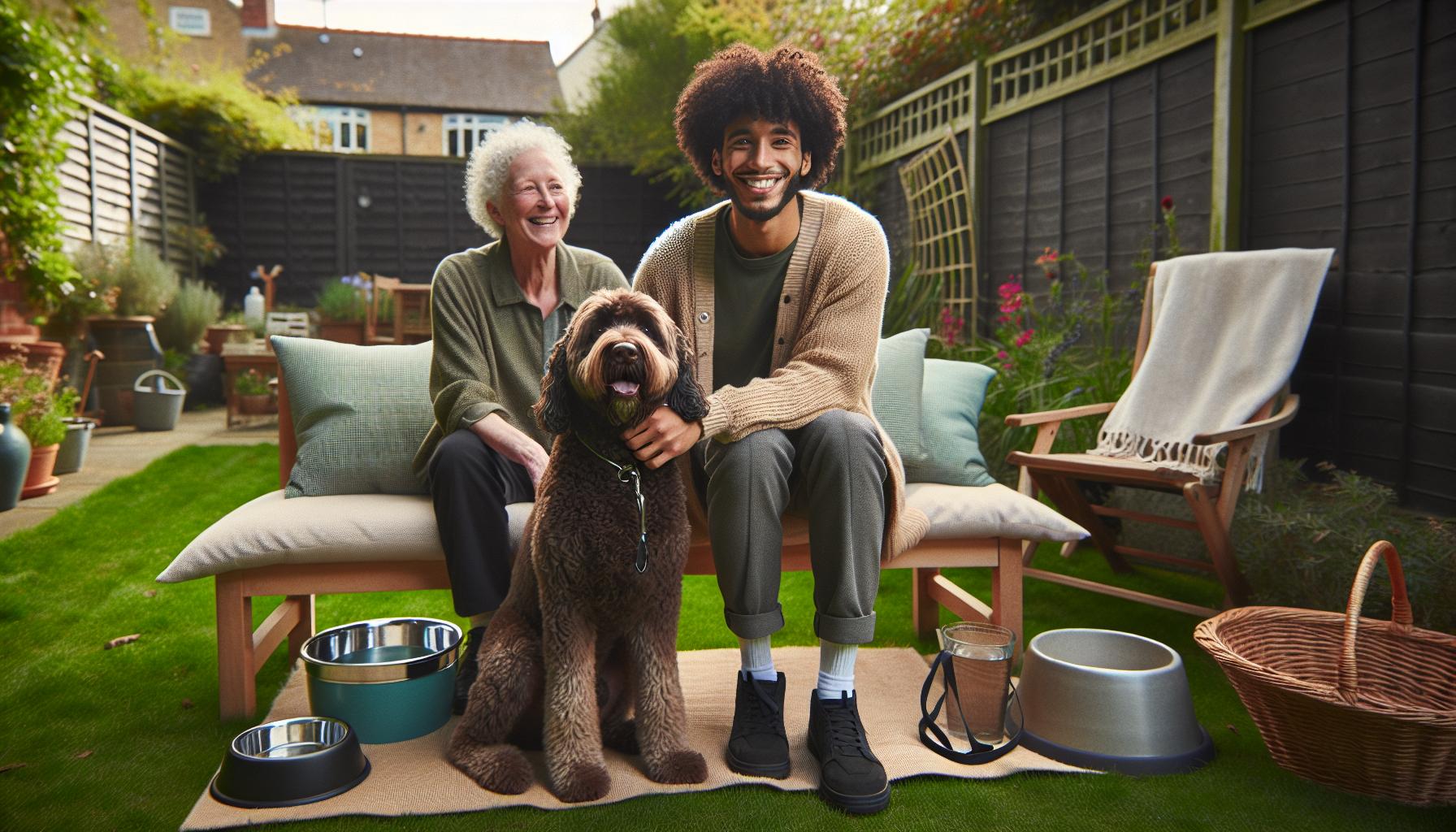
Finding a Barbet to adopt can be one of the most rewarding experiences you’ll ever have. These charming dogs, known for their friendly nature and intelligence, thrive in loving environments where they can engage with their families. With their fluffy, woolly coats and webbed feet, Barbets not only make great companions but also excel in water activities and even hunting scenarios, making them versatile pets for active households.
When considering bringing a Barbet into your home, it’s crucial to understand both their unique traits and the responsibilities that come with dog ownership. Barbets are known for their calm demeanor, but they require regular physical and mental stimulation to keep them happy and healthy. This means incorporating daily walks, playtime, and even swimming sessions into your routine. Before you adopt, think about how a Barbet’s need for companionship aligns with your lifestyle.
Adoption can sometimes be a waiting game. Connecting with local shelters, breed-specific rescues, or online platforms dedicated to dog adoptions can help you find the right Barbet. Many rescues offer a wealth of resources that can assist you in understanding your new friend’s specific needs, providing guidelines on training, socialization, and even grooming. Encourage a community feel by visiting meet-and-greet events or fostering to understand the Barbet temperament further before making a commitment.
Lastly, preparing your home for a Barbet involves more than just buying supplies. Create a safe and inviting environment where your new furry friend can explore and settle in. A designated sleeping area, nutritious food tailored for their needs, and engaging toys will create a welcoming atmosphere. Don’t forget to schedule a visit to the vet soon after adoption to discuss preventive health care tailored to the breed, ensuring your Barbet has a happy, healthy start in your home.
Understanding the Barbet Breed Characteristics

These delightful dogs, known for their friendly nature and intelligence, possess unique traits that make them wonderful companions. The Barbet, originally a French water dog, boasts a rich history as a versatile hunting and retrieving breed. With their distinctive long, curly coats and charming beards, Barbets are not only visually appealing but also have a temperament that draws families close. They are sociable and love to engage with their humans, making them ideal for households looking to adopt a loyal friend.
Barbets typically stand between 20 to 24 inches in height and have a sturdy build, which enhances their performance in various activities, especially water-related ones. Their webbed feet serve them well during swimming, reinforcing their reputation as proficient water retrievers. Known for their calm demeanor, they still require plenty of exercise to keep them mentally and physically stimulated. Daily walks, play sessions, and even swimming outings can help channel their lively energy-allowing their affectionate nature to shine through.
Despite their loving and gentle disposition, potential owners should be prepared for the grooming needs of a Barbet. Their curly coats are beautiful, but they require regular brushing to prevent matting and to keep their skin healthy. Regular grooming not only maintains their appearance but also offers an excellent opportunity for bonding. It’s important to establish a grooming routine early on to familiarize your Barbet with the process, making it a positive experience for both of you.
Lastly, the Barbet’s intelligence makes them relatively easy to train, though they thrive on positive reinforcement techniques. Engaging them with training sessions can be both rewarding and fun, helping to strengthen your communication and bond. Providing opportunities for mental stimulation through interactive toys or puzzle games will keep your Barbet satisfied and happy. Remember, a well-exercised, well-groomed, and well-trained Barbet is a contented companion, ready to join you on all your family adventures.
Why Choose Adoption: Benefits of Rescuing a Barbet
There’s something incredibly rewarding about giving a second chance to a furry friend in need. When it comes to adopting a Barbet, you not only welcome an affectionate and intelligent companion into your home, but you also rescue a dog that may have faced hardships. Barbets, with their soulful eyes and wavy coats, are often overlooked in shelters, yet they offer immense joy, loyalty, and love to families willing to open their hearts.
Adoption can be a transformative experience for both the dog and the new owner. Many Barbets waiting in rescue organizations have been in challenging situations-some might be recovering from neglect or abandonment. By choosing to adopt, you engage in a meaningful act of compassion, providing not just a home but also a loving environment where they can flourish. Plus, adopting a Barbet typically comes with the added benefit of a lower initial cost than purchasing from a breeder. Most rescues ensure that their dogs are spayed or neutered, vaccinated, and often microchipped, which means you are off to a great start with your new furry family member.
Another fantastic advantage of adopting a Barbet is the opportunity to provide a loving home to a mature dog. Many of the adorable pups available for adoption have already had some training and socialization, which can ease the transition into your household. Older Barbets generally have calmer temperaments, making them suitable companions for families with children or other pets. Their laid-back nature still doesn’t compromise their playful side; you’ll find that many adult Barbets enjoy their playtime just as much as younger dogs.
As you embark on this rewarding journey, it’s essential to connect with local shelters and breed-specific rescues that focus on Barbets. Engaging with these organizations not only informs you about potentially available dogs but also helps you understand their unique personalities and needs. Remember, the experience of welcoming an adopted Barbet into your life will be filled with love, laughter, and the satisfaction of knowing you’ve made a world of difference for your new best friend.
Where to Find Barbet Dogs for Adoption
Finding a Barbet to adopt might feel like a daunting task, but there are numerous resources available to help you welcome one of these charming dogs into your family. Barbets are still relatively rare, so focusing your search on breed-specific rescues, shelters, and pet adoption websites can significantly increase your chances of finding the perfect match.
One of the best places to start is through breed-specific rescues. These organizations specialize in Barbets and often have dogs that are ready for new homes. Reach out to the Barbet Club of America or similar organizations to get connected with rescue groups in your area. They can provide invaluable insights into the breed’s temperament, common health issues, and training needs, ensuring you know exactly what to expect. You may also find information on available dogs, fostering opportunities, or upcoming adoption events.
Local animal shelters are another excellent resource. Many shelters have partnerships with breed rescues, meaning they might occasionally house Barbets or Barbets mixed with other breeds. Visiting shelters not only allows you to meet the dogs in person but also offers the chance to interact with staff who can provide background on each dog’s story and personality. Additionally, shelters often host adoption events or open houses where you can learn more about various dogs, including those that may be less common like the Barbet.
Online platforms like Petfinder and Adopt-a-Pet are also great tools for narrowing down your search. These websites allow you to filter by breed, age, and location, making it easier to find Barbets in need of a loving home. Many listings include photos, descriptions, and updates from current caretakers, giving you a good sense of the dog’s character before you meet in person.
Finally, consider joining local dog owner communities or social media groups dedicated to Barbets. Engaging with current Barbet owners can provide you with helpful tips and leads on available dogs. These communities are often filled with passionate individuals who understand the unique joys and challenges of owning a Barbet and can guide you through the adoption process.
By exploring these avenues, you’ll not only increase your chances of finding a Barbet to adopt but also enrich your understanding of this affectionate and intelligent breed. Remember, every Barbet has a unique story waiting to be uncovered; by adopting, you can become a pivotal part of that narrative.
The Adoption Process: What to Expect
Embracing the journey of adopting a Barbet can be one of the most rewarding experiences of your life. These affectionate dogs, with their captivating curly coats and gentle temperaments, are not only beautiful companions but also bring joy and loyalty into the homes they enter. As you embark on this adventure, it’s essential to understand what to expect during the adoption process to ensure a seamless transition for both you and your new furry friend.
To start, many adoption organizations will require you to fill out an application form. This step allows the rescue team to learn about your lifestyle, experience with dogs, and your expectations for a companion. Prepare to discuss your daily routine, work schedule, and how much time you can dedicate to your new pet. They want to ensure a good match between you and the Barbet, as each dog has unique needs and personalities. After the application, you may be invited for an in-person visit, which typically involves meeting potential pets at a foster home or shelter. This is an excellent opportunity to bond with the dog and assess if their temperament fits with your family dynamic.
Once you’ve chosen your Barbet, expect a home check. This step is crucial for ensuring the safety and suitability of your living environment for a dog. Rescues want to ascertain that your home is a secure, enriching space for their dogs. Be ready to discuss how you’ll manage safety, exercise, and mental stimulation for your Barbet. After passing the home check, you may need to sign an adoption contract that outlines your commitment to the dog’s care and wellbeing. This often includes spaying/neutering, regular veterinary visits, and a promise to provide a loving home.
Finally, remember that the adoption process doesn’t end once you bring your Barbet home. Transitioning into a new environment can be overwhelming for your pup. It’s vital to prepare your home and create a comfortable space with their necessities-think a cozy bed, toys for stimulation, and food and water bowls. Also, be patient as your Barbet adjusts; they may take time to adapt to their new surroundings and you as their new owner. Providing a warm, consistent, and loving environment will help your new companion feel at home and secure.
In summary, adopting a Barbet is a fulfilling experience that requires thoughtful preparation and commitment. Understanding the steps involved in the adoption process not only enhances the transition for your new pet but also lays the groundwork for a strong, loving relationship that will last a lifetime. Embrace this thrilling process and prepare to welcome a loyal friend into your heart and home!
Preparing Your Home for a Barbet
Bringing a Barbet into your home is an exciting journey, filled with love, laughter, and the pitter-patter of webbed feet! Before your new furry friend arrives, it’s essential to create an inviting and safe environment that will make both of you feel comfortable. These delightful dogs are known for their playful and sociable nature, so ensuring your home is prepared for their energetic spirit is crucial for a smooth transition.
First, consider the layout and space of your home. Barbets thrive in environments where they can explore and play, so it’s wise to create a designated area for your new pet. Clear out any small items or hazards that could become chew toys or potential dangers. Investing in a sturdy, comfortable dog bed is a must; pick a spot that’s away from busy areas but still allows them to feel like part of the family. You’ll also need food and water bowls-opt for non-slip varieties to avoid spills, especially since Barbets can be quite enthusiastic drinkers after a play session.
Essential Supplies Checklist
To ensure you’re fully prepared, here’s a handy checklist of essentials before your Barbet arrives:
- Dog Bed: Comfortable and easy to clean.
- Food and Water Bowls: Choose stable, non-slip options.
- Toys: Interactive toys and chew items to keep them engaged.
- Crate: For training and a safe space of their own.
- Grooming Tools: Brush and comb to maintain their curly coat.
- Leash and Collar: Look for adjustable and durable options.
- Pet Proofing Supplies: Gates or barriers to restrict access to certain areas if needed.
Lastly, Barbets are a social breed that thrives on companionship. Make sure to set aside time to bond with your new dog through play and training. If you have a yard, create a secure space for them to romp around safely. Even if you don’t, regular outdoor walks will be vital for their exercise needs and mental stimulation. Embrace the opportunity to explore local parks or dog-friendly areas where they can meet other dogs and people.
Taking these steps prior to your Barbet’s arrival will not only create a welcoming atmosphere but also help ease both of your transitions into this new chapter of life together. Your home will quickly become their sanctuary, filled with love, adventure, and plenty of wagging tails!
Health Considerations: Caring for a Barbet
Taking care of a Barbet can be a fulfilling experience, as these intelligent and affectionate dogs thrive on companionship and engagement. One of the key aspects of maintaining your Barbet’s health is regular veterinary care, which includes vaccinations, parasite prevention, and routine check-ups. A yearly visit to the vet can help catch potential health issues early, particularly since Barbets can be prone to certain genetic conditions such as hip dysplasia and progressive retinal atrophy. It’s vital to stay informed about your dog’s health through these regular check-ups and open discussions with your veterinarian about breed-specific risks.
Nutrition plays a crucial role in your Barbet’s overall well-being. A balanced diet tailored to their age, weight, and activity level is essential. Look for high-quality dog food that lists meat as the first ingredient and avoid fillers like corn and soy. Keeping track of their weight is important, as obesity can exacerbate health issues. It’s wise to consult your veterinarian about the right portion sizes and any necessary dietary adjustments, especially if your Barbet is rescued and may have come from less-than-ideal dietary situations.
Grooming is another significant aspect of caring for your Barbet. Their curly, water-resistant coat requires regular brushing to prevent matting and reduce shedding. Ideally, brush your Barbet several times a week, and don’t hesitate to consult a professional groomer familiar with the breed to maintain their coat and skin health. Regular grooming sessions also provide an opportunity for you to check for any skin irritations or parasites, ensuring their coat and skin remain in good condition.
Physical and mental stimulation are key to keeping your Barbet happy and healthy. These dogs are naturally energetic, so daily exercise is a must. Engage in activities such as swimming, agility training, or fetch, as Barbets enjoy being active and playing. Additionally, consider incorporating puzzle toys or training exercises into their routine to challenge their minds and strengthen your bond. A well-exercised and mentally stimulated Barbet is a content dog, reducing the likelihood of behavioral issues down the line.
By following these guidelines, you’ll not only support your Barbet’s physical health but also contribute to their emotional well-being and happiness. Embrace the journey of caring for your new furry friend, and know that the love and effort you invest will be richly rewarded with loyalty, companionship, and countless joyful moments together.
Training Tips for New Barbet Owners
Welcoming a Barbet into your home is an exciting journey, and proper training is essential for building a strong bond and ensuring a well-behaved family companion. Barbets are known for their intelligence and adaptability, making them eager learners. However, as a breed that thrives on interaction, they require a nurturing and consistent approach to training. Here are some effective strategies to help you get started with your new furry friend.
One of the most effective techniques for training your Barbet is positive reinforcement. This involves rewarding desirable behaviors with treats, praise, or playtime, reinforcing the actions you want to encourage. For example, when your Barbet sits on command, immediately provide a treat and lots of enthusiastic praise. This not only motivates them to repeat the behavior but also strengthens your bond. Consistency is key-ensure everyone in the household uses the same commands and rewards to avoid confusion.
Socialization is another critical component of your Barbet’s training. Exposing your dog to various environments, people, and other animals from a young age will help them become well-adjusted adults. Try organizing playdates with other friendly dogs or taking your Barbet on outings to dog-friendly parks. Positive experiences during these encounters will build their confidence and reduce anxiety in new situations. Consider enrolling in a obedience or socialization class, which can also offer valuable guidance from an experienced trainer.
Incorporating mental stimulation into your Barbet’s routine is essential, as they thrive on challenges. Engage them in interactive games, such as hide and seek, where you can hide treats around the house or garden for them to find. Training sessions can also double as a puzzle-solving activity. Teaching new tricks or commands not only keeps their mind sharp but also deepens your connection. Remember, training should be fun; keep sessions short, enjoyable, and frequent to maintain your Barbet’s interest and enthusiasm.
Lastly, patience and understanding go a long way. Every dog learns at their own pace, and some may take a little longer to grasp certain commands or behaviors. Celebrate the small victories and approach setbacks with grace. If your Barbet struggles with a particular command, break it down into smaller steps and use plenty of positive reinforcement. Your encouragement will foster a trusting relationship, making training a pleasurable experience for both of you.
By focusing on positive reinforcement, socialization, mental challenges, and a patient approach, you’ll set the foundation for a well-behaved and happy Barbet. Enjoy the process of training your new companion, and remember that the time and effort you invest now will yield a rewarding partnership filled with love and joy for years to come.
Creating a Social Environment for Your Barbet
Creating a vibrant social environment for your Barbet is essential for their happiness and development. These affectionate dogs thrive on companionship, making it vital to introduce them to various social settings early on. A well-socialized Barbet not only becomes a well-rounded pet but also helps mitigate behavioral issues that may arise from anxiety or fear of new situations.
Engaging your Barbet in regular playdates with other dogs can significantly enhance their social skills. Look for opportunities to meet other dog owners, perhaps through local pet-friendly parks or community dog events. During these interactions, supervise closely to ensure positive experiences, allowing your Barbet to build confidence while exploring different personalities and play styles. This will also help them learn how to communicate effectively with other dogs, an essential skill for any pet.
Incorporating trips to new environments is another fantastic way to bolster your Barbet’s socialization. Whether it’s a bustling street market or a quiet hiking trail, exposing them to diverse settings, sights, sounds, and smells will enrich their life. Keep a routine while gradually introducing more exciting experiences to avoid overwhelming them. For instance, start with calm environments and progressively introduce your Barbet to busier places as they grow more comfortable. Remember to bring treats and positive reinforcement to create a positive association with these outings.
Additionally, consider enrolling your Barbet in obedience or training classes. These classes not only sharpen their skills but also provide excellent socialization opportunities with both dogs and people. They serve as a controlled environment where your Barbet can learn to navigate interactions, receive guidance from experienced trainers, and strengthen their bond with you in a structured setting. Regular interaction with other dogs in a training session can help them feel at ease with their peers and improve their overall behavior.
is an ongoing journey that requires patience and engaged participation. Celebrate each small success, whether it’s a friendly sniff with a passing dog or a successful trip to the park. By fostering a rich social life for your Barbet, you’re not only enhancing their quality of life but also setting the foundation for a strong, trusting relationship between you and your furry companion.
Grooming Essentials for a Happy Barbet
A well-groomed Barbet is not just pleasant to look at; it contributes significantly to their overall health and happiness. Their distinctive curly coat, while beautiful, requires regular maintenance to prevent matting and to keep their skin healthy. Frequent grooming sessions can also serve as quality bonding time between you and your furry friend, making it an enjoyable ritual for both of you.
To maintain your Barbet’s coat, aim for a grooming routine of at least once a week, which includes brushing and bathing as needed. When brushing, utilize a slicker brush to gently remove any tangles and loose hair. This will help keep their coat fluffy and free. For the undercoat, a de-shedding tool may be beneficial; however, always be gentle to avoid irritating their skin. Additionally, the Barbet’s ears should be checked regularly for wax buildup or moisture, as their floppy ears can be prone to infections. Cleaning them with a vet-recommended ear cleaner can go a long way in maintaining ear health.
Bathing your Barbet is essential to keep their coat clean and smelling fresh. Use a high-quality dog shampoo formulated for curly coats, as it can help maintain their coat’s natural oils while preventing dryness. Depending on their lifestyle-how often they swim, roll in mud, or play outside-bath frequency can vary. Generally, bathing every four to six weeks is a good rule of thumb. After bathing, be sure to dry them thoroughly, especially in crevices, to avoid any skin issues.
Finally, nail trimming is also a vital part of grooming. Keeping your Barbet’s nails short helps them walk comfortably and prevents potential injuries. If you’re unsure about how short to trim, consult with a professional groomer or your veterinarian. They can provide guidance or offer to perform the trim to ensure your pup’s safety.
Ultimately, regular grooming not only enhances your Barbet’s appearance but also their overall health. By committing to a grooming routine, you’ll be ensuring your new best friend feels great both inside and out, while also building a strong, trusting relationship.
Real-Life Stories: Successful Barbet Adoptions
Imagine bringing home a Barbet, a breed known not only for its lively spirit and affectionate nature but also for its resilience in overcoming challenges. Each adoption story is unique and can inspire potential owners to choose this breed. Many Barbets find themselves in rescue situations due to changes in family dynamics or unforeseen circumstances, yet they often thrive in loving homes where they receive proper care and attention.
Take the heartwarming story of Luna, a Barbet rescued from a shelter. Initially timid and reserved, Luna blossomed in her new environment. With the patience and love from her new family, she quickly learned to trust and displayed her goofy personality. Her story emphasizes the transformational power of care and the close bond that develops between adopters and their new furry friends. She now participates in agility classes, showcasing her intelligence and athleticism, which are hallmarks of the Barbet breed.
Another inspiring example is Max, a Barbet who was surrendered by his previous family due to a lack of time for proper training and socialization. Adopted by a dedicated couple, they invested time in understanding his needs and behaviors. They followed a comprehensive training plan that included positive reinforcement techniques, reinforcing that with commitment and understanding, any Barbet can grow into a well-mannered companion. Max now charms everyone he meets during his daily walks and is even known to perform tricks for treats-highlighting the rewards of adopting and nurturing a Barbet.
Stories like these not only highlight the joys and challenges of adopting a Barbet but also underscore a crucial message: with love, patience, and proper care, rescued Barbets can provide immeasurable joy and become cherished members of the family. For those considering adoption, knowing that these dogs have incredible potential and resilience can make all the difference in choosing to rescue instead of shop. By adopting a Barbet, you’re not just gaining a pet; you’re giving a deserving dog a new lease on life.
Support Resources for Barbet Owners
Bringing a Barbet into your home is a rewarding journey, but it can also come with its share of challenges. Fortunately, a variety of resources are available to ensure you and your new furry companion thrive together. Whether you’re a first-time dog owner or an experienced handler, utilizing these support resources can help create a harmonious environment for your Barbet.
To connect with fellow Barbet owners, consider joining breed-specific forums and local clubs. These communities offer invaluable insights and shared experiences, allowing owners to exchange tips on topics from training techniques to best practices in grooming. Online platforms like Facebook and dedicated Google Groups often host discussions where you can ask questions, share your experiences, or find encouragement from like-minded individuals. Additionally, you can follow registered breeders and rescue organizations on social media to stay updated on events, webinars, and training classes.
There’s also a range of educational materials specifically designed for Barbet owners. Books, e-books, and online courses focusing on training, health care, or even breed history can provide deeper knowledge about your dog’s unique needs. Websites such as the American Kennel Club and The Spruce Pets offer tailored articles and guides that address everything from puppy training to advanced obedience.
If you encounter any behavioral challenges, seeking professional help from a certified dog trainer or behaviorist can be incredibly beneficial. Look for trainers who specialize in positive reinforcement methods – this aligns perfectly with the loving nature of the Barbet. Regular veterinary check-ups, along with guidance on nutrition and exercise, are essential for the well-being of your new friend. Always choose a vet who is experienced with the breed, as they can offer specific advice regarding health concerns prevalent among Barbets.
Lastly, do not underestimate the power of support from local shelters and rescue organizations. Many of these services provide post-adoption support, including training sessions, health workshops, and networking opportunities with other dog owners. Taking full advantage of these resources ensures not just a successful adoption but a fulfilling partnership that enriches the lives of both you and your Barbet. By building a strong support network, you can provide a loving home that encourages your Barbet to flourish.
Faq
Q: What are the specific needs of Barbet dogs in terms of exercise?
A: Barbet dogs require significant daily exercise due to their high energy levels. Regular activities such as swimming, running, and interactive play sessions help keep them mentally and physically stimulated. Aim for at least 60 minutes of exercise each day to ensure your Barbet stays healthy and happy.
Q: How do I prepare my home for a Barbet rescue dog?
A: Preparing your home for a Barbet involves dog-proofing the space by removing hazards and securing loose items. Create a comfortable space with a designated bed and access to toys. Familiarize them with the environment gradually to ease their transition into your home. For more tips, refer to the “Preparing Your Home for a Barbet” section.
Q: What is the typical coat care routine for a Barbet?
A: The distinctive curly coat of a Barbet requires regular grooming, ideally at least once a week. Brush to prevent mats and tangles, and consider professional grooming every two to three months. Regular ear cleaning and nail trimming are also important for overall health and hygiene.
Q: Are Barbet dogs good with children and other pets?
A: Yes, Barbet dogs are known for their friendly and gentle temperament, making them excellent companions for children and other pets. Early socialization is key to ensuring they develop positive relationships. Providing supervised playtime can further enhance their sociability.
Q: How can I find a reputable Barbet rescue organization?
A: To find a reputable Barbet rescue, research local animal shelters and breed-specific rescue groups. Websites like Petfinder or Adoptapet can help locate available Barbets for adoption. Always check reviews and ask about the organization’s adoption practices to ensure a good match.
Q: What should I expect during the Barbet adoption process?
A: The Barbet adoption process usually involves filling out an application, a home visit, and an interview to match you with the right dog. Be prepared to provide references and demonstrate your commitment to owning a Barbet. Patience is essential, as the process may take some time.
Q: What are common health issues to be aware of in Barbet dogs?
A: Barbet dogs are generally healthy but can be prone to conditions like hip dysplasia and ear infections due to their long, floppy ears. Regular veterinary check-ups and good hygiene practices can help prevent health problems. Ensure you stay informed on their specific health needs.
Q: What makes adopting a Barbet different from buying one from a breeder?
A: Adopting a Barbet often means providing a home to a dog in need of rescue, which can be incredibly rewarding. While breeders focus on lineage and specific traits, rescue dogs may have diverse backgrounds and require patience during adjustment. Adoption contributes to reducing the number of homeless pets.
Concluding Remarks
Every moment you wait is a moment your new Barbet best friend could be by your side, bringing joy and companionship into your home. These affectionate, intelligent dogs thrive on love and make wonderful family pets. If you’re considering adopting a Barbet, now is the perfect time to connect with local shelters and rescues-many lovable Barbets are waiting for their forever homes!
To make the most informed decision, explore our resources on Barbet care and click here to read about maintaining their unique coats! Don’t forget to sign up for our newsletter to get tips on joyful dog ownership, training advice, and adoption stories that will inspire you. Your journey to rescue and love begins today-together, let’s celebrate the joy a Barbet can bring to your life!
Share your thoughts and questions in the comments below, and let us guide you in making a Barbet part of your family. Your new best friend is just a click away!