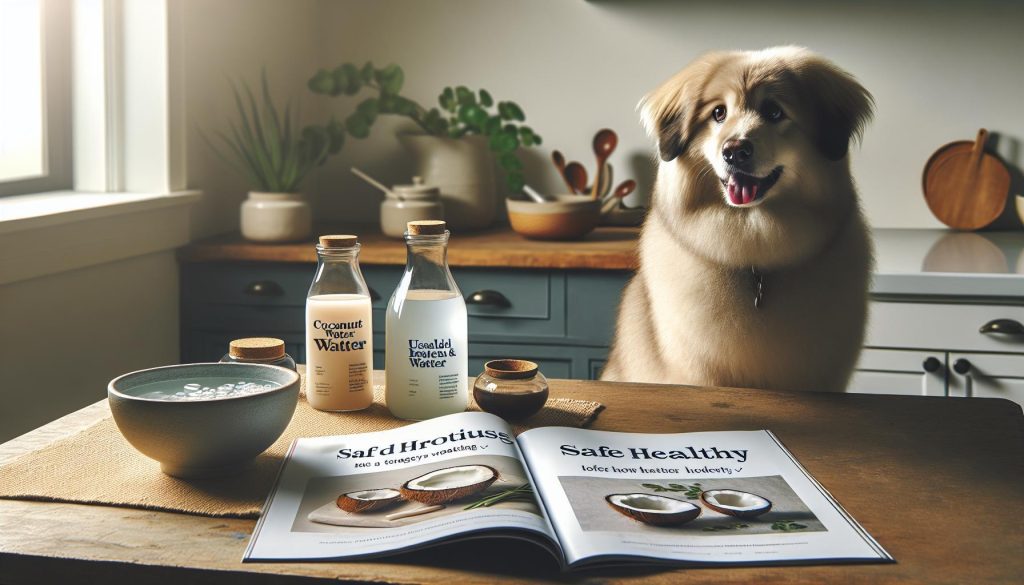
Did you know that many dogs can enjoy a variety of beverages beyond just plain water? While hydration is crucial for your furry friend, understanding what other healthy options are available can enhance their diet and overall enjoyment. As a pet owner, you want the best for your dog, whether it’s ensuring they stay properly hydrated or introducing them to tasty alternatives. This guide explores safe and beneficial drinks that not only quench your dog’s thirst but also provide added nutrients and flavors. Keep reading to discover how you can keep your canine companion happy and healthy with the right beverage choices!
Can Dogs Drink Anything Other Than Water?
While water is the ultimate hydration champion for dogs, there are indeed other beverages that can safely quench your pup’s thirst and even provide added benefits. Many dog owners often wonder if they can offer their furry friends something more exciting than plain water. The good news is that there are healthy options out there that can keep your dog hydrated while also tantalizing their taste buds!
One popular choice is coconut water, which is not only refreshing but also packed with electrolytes. It’s a great way to hydrate your dog after a long walk or play session. Just be careful with portion sizes and remember that coconut water should only be an occasional treat due to its calorie content. Bone broth is another excellent option, providing hydration alongside essential nutrients. You can make it simply by simmering beef or chicken bones for several hours, perhaps adding some dog-safe vegetables for flavor. This tasty liquid can even help entices picky eaters to drink more.
It’s crucial to approach any new drink with caution. Always introduce variations gradually and watch for any adverse reactions. Some fruits and vegetables, like cucumber or watermelon, can be pureed into smoothies for a delicious boost. However, avoid anything sugary or containing artificial sweeteners, such as xylitol, which can be toxic to dogs. By choosing the right beverages and monitoring your dog’s reactions, you can enhance their hydration experience while ensuring their health and happiness.
Understanding Your Dog’s Hydration Needs
is essential for their overall health and well-being. While many dog owners automatically think of water as the sole source of hydration, it’s important to recognize that dogs, like humans, can benefit from a variety of liquids to meet their hydration needs. Adequate hydration supports vital bodily functions, including digestion, circulation, and temperature regulation. It’s particularly crucial on hot days or after vigorous exercise when your dog may need extra fluids.
Dogs typically require about an ounce of water per pound of body weight daily, but this can vary based on their activity level, diet, age, and health status. If your dog is primarily eating dry kibble, they may need additional fluids, while those on wet food may need less. Canine hydration goes beyond simply offering water; it involves understanding your dog’s preferences and how to encourage them to drink more. Some dogs might not be keen on water or may become bored with it, which leads to under-hydration.
To keep your furry friend hydrated, it’s helpful to utilize a mix of liquids. For instance, adding low-sodium broth or using a pet-specific hydration solution can provide an enticing alternative to plain water. You can also introduce dog-friendly smoothies made from blended fruits and veggies, ensuring they’re safe and healthy options. Watching your dog’s behavior with new drinks will give you insight into their specific hydration preferences, helping you to create a varied hydration plan that maintains their interest in drinking enough fluids daily.
The key is to monitor how much your dog is consuming and to be observant of their overall hydration levels. Signs of dehydration can include dry gums, lethargy, and excessive panting, so staying proactive in your dog’s hydration strategy is vital. Offering a range of healthy drink options not only enhances hydration but can also make mealtime more enjoyable for your pup, ultimately benefiting their health and happiness in the long run.
Fruits and Vegetables Safe for Dogs to Drink
Many dog owners may be surprised to learn that fruits and vegetables can be not only a delightful treat but also a healthy addition to their furry friends’ hydration options. Choosing the right produce can infuse hydration with nutrients, making mealtime exciting and beneficial. Certain fruits and vegetables are not only safe but can also help to enhance your dog’s overall health while providing variety in their diet.
Fruits like watermelon, cucumber, and cantaloupe are excellent choices for hydration. Watermelon, for instance, is approximately 92% water, making it an exceptional source of hydration on hot days. You can serve it as a blended juice or give your dog small, seedless chunks. Similarly, cucumbers are low in calories and contain a high amount of water, helping to keep your dog hydrated and happy. It’s best to peel them and cut into manageable pieces to avoid choking hazards.
When it comes to vegetables, consider options like carrots and sweet potatoes. Carrots can be juiced or given as crunchy snacks, offering essential vitamins while also being hydrating. Sweet potatoes can be cooked and blended to create a nutrient-rich beverage that can be served on its own or mixed into a homemade smoothie. Just be sure to feed them in moderation, as they’re high in carbohydrates.
However, it’s crucial to introduce new fruits and vegetables gradually into your dog’s diet and monitor their reaction. Some dogs may have sensitivities to certain foods, so start with small portions and watch for any signs of discomfort. As you integrate these choices into their hydration routine, your dog will not only appreciate the diverse flavors but also reap the benefits of added vitamins and minerals, keeping their energy levels up and their bodies nourished.
Exploring Homemade Doggie Smoothies and Juices
Creating delightful homemade smoothies and juices for your furry friend can be a fun and nutritious way to enhance their hydration! Dogs can enjoy a variety of flavors packed with essential vitamins and minerals, all while benefitting from added hydration. Plus, these treats are not just tasty; they can also contribute positively to your dog’s overall health.
To get started, you can blend fruits and vegetables with a base of water or unsweetened coconut water for added electrolytes. Simple combinations could include:
- Watermelon and Mint: Combine cubed watermelon with a few mint leaves for a refreshing treat for hot days.
- Banana and Spinach Smoothie: Blend ripe banana with a handful of fresh spinach and some water for a nutrient-rich boost.
- Carrot and Apple Juice: Juicing carrots with a small apple creates a sweet, hydrating drink that dogs will love.
When crafting these smoothies, remember to keep the ingredients dog-friendly. Aim for fruits and vegetables that are safe, avoiding grapes, onions, and other toxic options. Always introduce new ingredients gradually and observe how your dog reacts-each pup is unique, and their digestive systems can handle different foods at varying levels.
It’s also worth noting that while smoothies can be a great addition to their hydration strategy, moderation is key. Treats should complement their regular diet rather than replace essential nutrients. For those moments when you’re short on time, consider making larger batches and freezing them in ice cube trays. These DIY doggie popsicles are perfect for warm weather and can keep your dog hydrated and entertained! Your furry friend will appreciate your effort, and you’ll love knowing you’re providing them with healthy, refreshing options.
Nutritional Benefits of Coconut Water for Dogs
Coconut water is a refreshing treat that not only hydrates but also serves as a nutritious option for your canine companion. Packed with essential nutrients and electrolytes, this natural beverage can provide vitamins and minerals that contribute to overall health and well-being. For example, it contains potassium, which is vital for muscle function and heart health, making it particularly beneficial for active dogs or those recovering from illnesses. By incorporating coconut water into your dog’s diet, you can ensure they are not only quenching their thirst but also replenishing lost minerals.
One of the remarkable aspects of coconut water is its ability to hydrate more effectively than plain water due to its natural sugars and electrolytes. This can be especially advantageous during hot weather or after vigorous exercise. Dogs can easily become dehydrated, and coconut water can provide an appealing alternative to plain water, encouraging them to drink more. When offering coconut water, ensure it is pure and free from added sugars or artificially flavored ingredients. Introducing it slowly into their diet will help you monitor how they react, ensuring it agrees with their digestive system.
It’s important to remember, however, that while coconut water is beneficial, it should be given in moderation. Too much can lead to an increased calorie intake, which might not be suitable for dogs with weight management issues. A few ounces mixed into their food or given as a treat can suffice. For large breeds, you might offer a bit more, while smaller dogs should get significantly less. Always consult with your veterinarian to find the right amount based on your dog’s specific health needs and lifestyle.
In summary, coconut water can be a fantastic addition to your dog’s hydration strategy, offering both taste and nutrition. Not only will your furry friend enjoy the refreshing flavor, but you can feel good about providing them with a healthy alternative that contributes to their hydration and overall health. Always keep an eye on how they respond and make adjustments as needed to ensure a balanced approach to their hydration.
The Dangers of Sugary Drinks for Dogs
Dogs and sugary drinks might sound like an enticing combination, but this can lead to serious health issues. Many pet owners may not realize that what is refreshing and enjoyable for humans can pose significant dangers for our canine companions. Beverages that are high in sugars, such as sodas, fruit juices, and sweetened teas, can be detrimental to a dog’s health. In fact, these drinks often contain ingredients like corn syrup, artificial sweeteners, and preservatives that are simply not suitable for dogs.
Consuming sugary drinks can lead to a host of health problems, including obesity, dental issues, and even diabetes. Just like in humans, high sugar intake can contribute to unwanted weight gain in dogs. A few more pounds on a small breed can create immense pressure on their joints, leading to pain and mobility issues. Moreover, the high sugar content can cause spikes in a dog’s blood glucose levels, resulting in hyperactivity followed by crashing energy levels. This roller-coaster effect is not only uncomfortable for your pet but can be alarming to observe.
Additionally, some sweetening agents, especially artificial ones like xylitol, are extremely toxic to dogs. Even small amounts can lead to liver failure or hypoglycemia, which can be fatal if not treated promptly. It’s crucial for pet owners to check labels carefully for hidden dangers and always prioritize natural, dog-friendly hydration options.
Instead of reaching for sugary drinks, it’s best to stick to water and explore safe, healthy alternatives. Natural options like coconut water (in moderation) or homemade bone broth can be excellent choices to keep your furry friend hydrated while also providing nutritional benefits. By offering water or natural alternatives, you can help ensure your dog remains healthy and happy, steering clear of the dangers associated with sugary drinks.
Herbal Teas: A Calming Choice for Canines
Incorporating herbal teas into your dog’s diet can be an excellent way to promote calmness and relaxation, turning an ordinary refreshment into a soothing treat. Many dog owners may be surprised to learn that certain herbal teas can be beneficial for their furry companions, much like they are for humans. These gentle infusions can be particularly helpful for dogs that experience anxiety or stress during thunderstorms, fireworks, or separation from their owners.
When selecting herbal teas for your dog, opt for caffeine-free varieties, avoiding any blends that contain chocolate, grapes, or other ingredients toxic to dogs. Some of the most recommended options include chamomile, peppermint, and ginger. Chamomile, for example, is known for its calming properties and can help soothe a dog’s stomach as well. To prepare a herbal tea for your pet, steep a teaspoon of dried herb in a cup of hot water for about 10 minutes. Once cooled, you can serve it in a bowl or mix a small amount into their regular water to entice them.
As with any new addition to your dog’s diet, it’s vital to start slowly and observe their reaction. Always consult your veterinarian before introducing herbal teas, especially if your dog is on medication or has underlying health conditions. A well-designed hydration plan that includes safe herbal teas can enhance your dog’s quality of life. With patience and care, you can help your pet feel more at ease during stressful times while keeping their hydration levels balanced.
Remember to have fun with this process! Maybe brew a cup for yourself and offer your pup a small bowl of the cooled tea on a calm evening. This can become a wonderful bonding ritual that not only hydrates but also helps instill a sense of tranquility for both you and your dog. Dogs thrive on routine and shared experiences, and a soothing herbal tea can become a delightful part of that connection.
How Bone Broth Can Hydrate and Nourish
For pet parents seeking alternatives to traditional water for their furry companions, bone broth emerges as a champion in both hydration and nutrition. This savory liquid isn’t just a tasty treat; it’s packed with essential nutrients that can boost your dog’s health and well-being. Rich in minerals like calcium, magnesium, and phosphorus, homemade bone broth can help support your dog’s joint health, digestion, and overall vitality.
One of the most appealing aspects of bone broth is its palatability. Many dogs find the aroma and flavor irresistible, making it an excellent addition to their mealtime routine or even served as a standalone drink. Dogs that may be picky eaters can benefit from the enticing scent of bone broth, encouraging them to hydrate more effectively. Moreover, it’s an ideal way to entice older dogs or those recovering from illness to consume more fluids, which is crucial for their recovery.
How to Make Bone Broth for Your Dog
Creating bone broth at home is a straightforward process and can be done using a slow cooker or a stovetop. Here’s a simple guide to get you started:
- Ingredients: Use beef, chicken, or turkey bones (preferably with some meat still on them), water, and optional veggies like carrots or celery (avoid onions and garlic).
- Procedure: Place the bones in a slow cooker and cover them with water. If desired, add in your chosen vegetables. Cook on low for 24-48 hours, ensuring you fill with water as needed.
- Cooling: Once done, let it cool, then strain the broth to remove any solid bits. You can refrigerate it for up to one week or freeze portions for later use.
When serving, ensure the broth is at a safe temperature for your dog, and consider pouring it over dry kibble for added flavor and hydration.
For dogs with specific dietary needs or sensitivities, consulting with your veterinarian before introducing new foods or drinks into their diet is always wise. Bone broth can be a fantastic addition to a balanced hydration plan, but like any treat, it should be given in moderation. With its many health benefits and delightful taste, bone broth can be a nourishing way to keep your dog happy and hydrated.
Store-Bought Dog Beverages: Pros and Cons
When considering alternatives to pure water for your canine friend, store-bought dog beverages present both enticing options and important considerations. These specially formulated drinks often aim to provide hydration while offering added nutrients or flavors that appeal to our furry companions. However, not all commercial beverages are created equal, and understanding their pros and cons can help you make informed choices for your dog’s health.
One of the most significant advantages of store-bought dog drinks is convenience. Many products come ready to serve, whether it’s a hydrating broth, flavored water, or electrolyte-rich options designed for active dogs. This can be especially beneficial during warmer months or for dogs who are particularly fussy about drinking plain water. Additionally, some brands infuse their beverages with vitamins or probiotics, potentially enhancing your dog’s overall health. For pet parents eager to pamper their pooches, unique flavors like chicken or beef broth can make hydration far more appealing, which is especially useful for picky eaters.
However, it’s essential to scrutinize the ingredients list before opting for a store-bought drink. Some products may contain artificial additives, excessive sodium, or sugars that could be harmful to your dog’s well-being. It’s crucial to avoid drinks that include ingredients known to be toxic to dogs, such as xylitol. Always opt for products with natural ingredients and minimal processing. Consulting your veterinarian for recommendations on reputable brands can ensure that you’re providing safe choices tailored to your dog’s specific needs.
Lastly, while store-bought beverages can serve as occasional supplements or treats, they should not replace water as your dog’s primary source of hydration. Consistent monitoring of your pet’s response to these beverages is essential to gauge their overall health and hydration levels. If you notice any changes in behavior, digestion, or water intake, it’s wise to halt the new drink and reassess. Providing a balanced hydration plan-combining water with healthy drinks and treats-can lead to a happy, hydrated, and healthier pup.
Essential Guidelines for Dog Hydration
Keeping your furry friend well-hydrated is essential for their overall health and happiness. While water should always be the primary source of hydration for dogs, there are various healthy alternatives that can help keep them hydrated and even add beneficial nutrients. When exploring these options, it’s vital to understand that hydration needs can vary greatly among different breeds, sizes, ages, and activity levels. Just like people, dogs can become bored with the same drink day in and day out, so mixing things up can not only encourage drinking but also enhance their wellbeing.
To start, it’s important to monitor how much water your dog is consuming daily. A general guideline is that dogs need about one ounce of water per pound of body weight each day. For instance, a 50-pound dog would need approximately 50 ounces of water. By offering them healthy drink alternatives like diluted broth or homemade dog smoothies, you can make drinking more enjoyable while fulfilling hydration needs. However, always ensure these alternatives complement their water intake rather than replace it.
When introducing new beverages, consider starting with small amounts to gauge your dog’s reaction. Some dogs can be sensitive to changes in their diet, and suddenly adding new liquids can cause stomach upset. If you notice any signs of discomfort or allergic reactions-such as vomiting, diarrhea, or changes in energy levels-discontinue the new drink immediately and consult with your veterinarian. It’s essential to remember not to offer any beverages that contain artificial sweeteners, sugars, or high sodium, as these can be harmful.
Here are some effective tips for maintaining a balanced hydration plan for your pup:
- Regular Water Access: Always provide fresh, clean water accessible at all times.
- Hydration Schedule: Encourage regular drinking intervals, especially during and after playtime or walks.
- Flavor Enhancements: Experiment with natural flavorings like a splash of low-sodium broth to entice your dog to drink.
- Temperature Preference: Some dogs prefer chilled water; try serving them ice cubes for a refreshing treat.
- Portable Water: When on-the-go, carry a collapsible water bowl and a bottle to ensure hydration while out.
By effectively combining traditional water with these alternative beverages and monitoring your dog’s health and preferences, you can create a hydration regimen that supports their wellbeing and keeps them lively and playful. Every drop counts, and with the right approach, your dog will enjoy every sip!
Monitoring Your Dog’s Reaction to New Drinks
When introducing new drinks to your dog’s diet, it’s essential to pay close attention to their reactions. Just like humans, dogs can have preferences and sensitivities that may be triggered by unfamiliar flavors or ingredients. For example, while some dogs may eagerly lap up a homemade smoothie or coconut water, others might turn up their noses or experience digestive upset. Monitoring your dog’s response to these new beverages can be a rewarding way to bond and ensure their health.
Start by offering small amounts of the new drink, observing your dog closely for any immediate reactions. Signs of discomfort can include hesitation to drink, signs of nausea, such as drooling or lip licking, or more severe reactions like vomiting or diarrhea. It’s always wise to introduce any new drink one at a time and continue to provide plenty of fresh water alongside. Take note of how your dog seems to feel about the new taste. Does he wag his tail in excitement, or does she look confused? Keeping a journal can be helpful, allowing you to track which drinks were favorites and which were rejected.
Additionally, consider breed-specific preferences and tolerances. For instance, smaller breeds like Chihuahuas may not react well to strong flavors or rich liquids, while larger breeds may have a higher tolerance and appetite for richer beverages like bone broth. Keeping these variances in mind can guide you in tailoring hydration strategies suitable for your dog’s profile.
If your dog does develop a negative reaction, don’t panic. Immediately remove the new drink and revert to their regular hydration routine. It’s essential to consult with your veterinarian when introducing new foods or drinks to ensure they’re safe and well-tolerated. By taking these cautious steps, you can make hydration an enjoyable and healthy experience for your furry friend while expanding their palate with safe and nutritious alternatives.
Creating a Balanced Hydration Plan for Your Dog
is essential not just for their physical health but also for their overall well-being. Dogs, like humans, can become bored with monotonous diets, and hydration is no exception. While water should always be the cornerstone of your dog’s hydration, introducing safe and enjoyable alternatives can keep things fresh and cater to your dog’s individual tastes and needs.
Start by assessing your dog’s daily water consumption. The general guideline is that dogs should drink about one ounce of water per pound of body weight each day, but this can vary based on factors like size, activity level, and diet. To create a balanced hydration plan, consider incorporating the following elements:
- Fresh Water Availability: Always provide access to clean, fresh water. This should be the primary source of hydration and should be available at all times.
- Safe Drink Alternatives: Experiment with low-sodium bone broth, coconut water (in moderation), or herbal teas. These can be introduced gradually to see which your dog prefers and tolerates.
- Monitoring Intake: Keep track of how much your dog drinks from both water and alternative beverages. This is critical for recognizing any changes in appetite or health that may require a vet’s attention.
Consider your dog’s breed when creating a balanced hydration plan. For instance, larger breeds like Labradors may enjoy and tolerate richer flavors in homemade smoothies, while smaller breeds, such as Dachshunds, might prefer simpler, milder options. Tailoring your approach based on these differences can enhance your dog’s hydration experience and make it a bonding activity, as they engage with you to discover new tastes.
Lastly, always consult your veterinarian before introducing new drinks into your dog’s diet, especially if they have pre-existing health conditions. A veterinarian can provide expert advice tailored to your dog’s specific needs, ensuring that hydration remains a healthy and pleasurable part of your pet’s life. By thoughtfully crafting a hydration strategy, you can help your furry friend stay hydrated, happy, and healthy.
FAQ
Q: Can dogs drink almond milk?
A: Yes, dogs can drink almond milk in moderation. It’s often lactose-free, making it suitable for lactose-intolerant dogs. However, be cautious about additives like sugar or xylitol, which are harmful. Always offer unsweetened almond milk and consult your vet if you’re unsure. For more safe drink options, check out the section on fruits and vegetables safe for dogs.
Q: What are safe fruits for dogs to drink as smoothies?
A: Safe fruits for dog smoothies include bananas, blueberries, and watermelon. These fruits provide hydration and essential nutrients. Blend them with some water or yogurt for a tasty treat, but avoid any fruits that are toxic to dogs, like grapes. Refer to our section on homemade doggie smoothies for recipes.
Q: Is coconut water good for dogs?
A: Coconut water is a healthy option for dogs, providing hydration and electrolytes. It can be especially beneficial in hot weather, but use it sparingly due to its natural sugar content. Always ensure your dog has regular access to fresh water. For more insights, see our nutritional benefits of coconut water for dogs.
Q: Can dogs drink herbal tea?
A: Yes, dogs can drink certain herbal teas like chamomile or peppermint, which may help with digestion or anxiety. Ensure the tea is caffeine-free and without added sugars. It’s best to offer it cooled and in small amounts. Explore our section on herbal teas for calming choices for canines.
Q: What should I do if my dog refuses to drink water?
A: If your dog refuses to drink water, try offering ice cubes, flavored water, or broths to entice them. Ensure fresh water is always available and check for any health issues that might cause this behavior. For hydration strategies, refer to our essential guidelines for dog hydration.
Q: Are there commercially available dog beverages?
A: Yes, many stores offer commercially available dog beverages such as bone broth or flavored water designed for dogs. When choosing, look for options low in sodium and free from harmful additives. Review our pros and cons of store-bought dog beverages for the best choices.
Q: How can I tell if my dog is dehydrated?
A: Signs of dehydration in dogs include lethargy, dry gums, and loss of skin elasticity. If you’re concerned, check for these symptoms and contact your vet. For tips on monitoring hydration, view our section on monitoring your dog’s reaction to new drinks.
Q: Can dogs drink flavored water?
A: Dogs can have flavored water if it’s made from safe ingredients without artificial additives. Options like diluted broth or fruit-infused water can make hydration appealing. Ensure the flavors are natural and vet-approved. For further guidance, check out our section on creating a balanced hydration plan for your dog.
To Wrap It Up
As we explore healthier choices beyond water for our beloved dogs, remember that staying informed is key to their well-being. Tailoring their hydration with safe alternatives can enhance their enjoyment and health, but it’s essential to consult with your veterinarian to address any specific needs or concerns. Don’t wait-take the next step in your dog’s health journey today!
If you found this information helpful, check out our related articles on canine nutrition and hydration tips to deepen your understanding. Also, consider signing up for our newsletter for more expert insights and engaging content designed specifically for dog owners like you.
Your commitment to your dog’s health is commendable! Share your thoughts below, and let’s keep the conversation going. Together, we can ensure our furry friends lead happy and healthy lives!