
When our dogs experience distress like vomiting, it can be incredibly worrying for us as pet owners. Understanding the right care following an incident, especially when using hydrogen peroxide to induce vomiting, is vital. A common question arises: Can I give my dog water after administering hydrogen peroxide? This query is not just about hydration; it’s about ensuring our furry friends feel better quickly and safely. In this article, we’ll explore the proper steps to take post-vomiting, assess hydration needs, and provide practical tips to soothe your pup’s discomfort. By keeping informed, you can respond effectively to your dog’s needs, ensuring they recover comfortably and return to their playful selves. Let’s delve into what you can do to help your beloved pet feel better faster!
Can I Give My Dog Water After Hydrogen Peroxide?
After your dog has ingested hydrogen peroxide to induce vomiting, it’s essential to approach rehydration with care. Immediately after vomiting, your pup may be hesitant to drink water, and you might wonder when it’s appropriate to offer it. Generally, it’s advised to wait at least 30 minutes to an hour after your dog has vomited before introducing any water. This allows their stomach to settle and reduces the risk of further upset.
When you do decide to offer water, start with small amounts. You can provide a few sips rather than pouring a whole bowl of water at once. This gradual reintroduction helps ensure that your dog’s stomach can handle the liquid without triggering another vomiting episode. If your dog drinks small amounts comfortably, you can gradually increase the amount offered.
- Small amounts: Start with about 1-2 ounces at a time.
- Monitor closely: Observe for any signs of distress or more vomiting.
- Consistency is key: Offer water every hour or so, adjusting based on your dog’s tolerance.
Most importantly, ensure that the water is clean and fresh. Hydration is vital after the vomiting process, as it helps replenish lost fluids and keeps your dog comfortable. If your dog shows any signs of dehydration, such as dry gums or skin tenting, it’s crucial to consult your veterinarian for further guidance.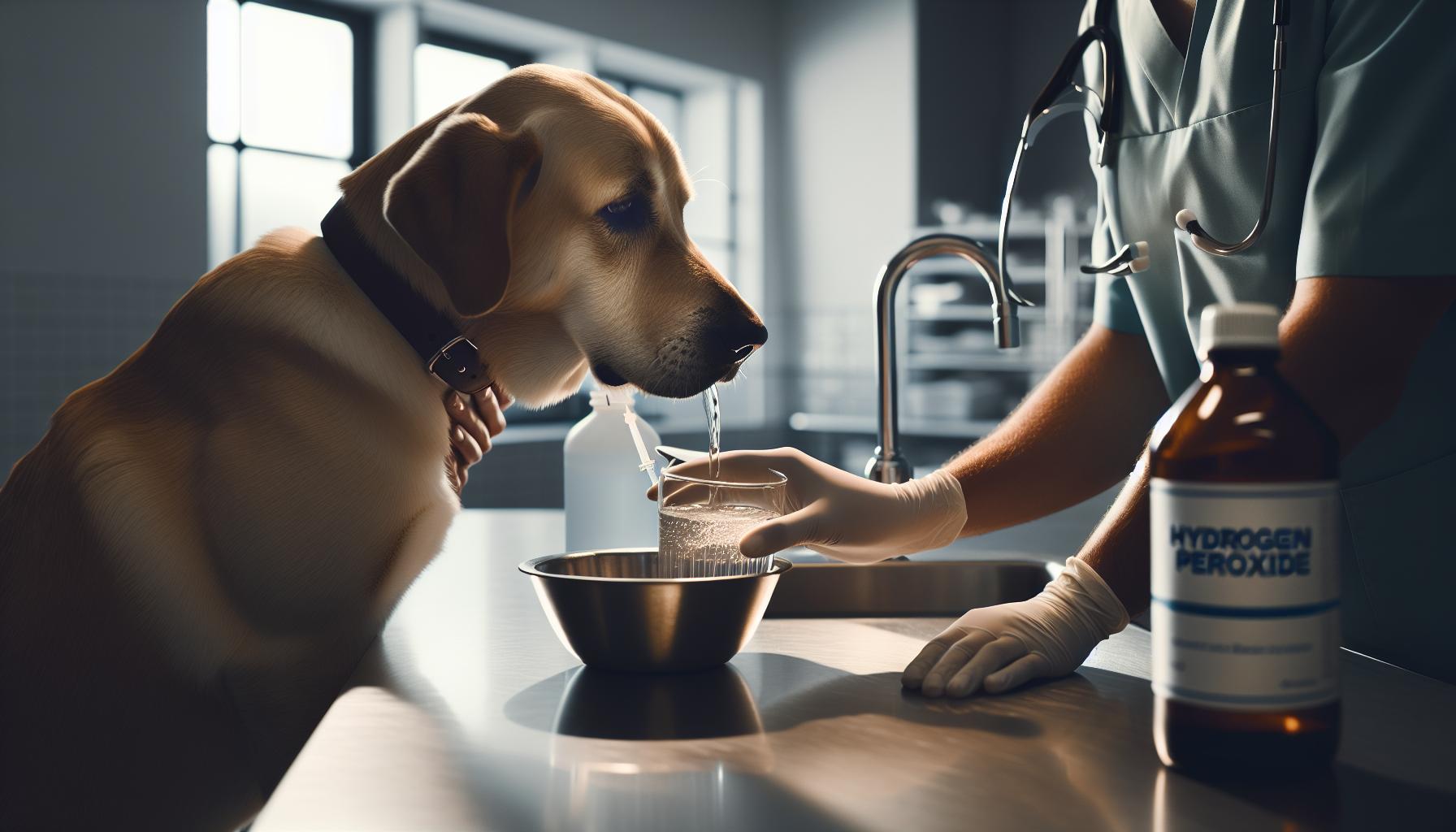
Understanding Hydrogen Peroxide and Its Use in Dogs
Hydrogen peroxide is a commonly used substance in emergency situations involving dogs, particularly to induce vomiting after they have ingested something toxic or harmful. While it may seem straightforward, using hydrogen peroxide requires careful consideration due to its potential side effects. The solution typically used for this purpose is a 3% concentration, which has been shown to effectively stimulate vomiting within minutes after administration. However, dog owners must be aware that improper use can lead to serious health risks, including gastrointestinal irritation and even life-threatening reactions.
When employing hydrogen peroxide as an emetic, the general recommendation is to administer 1 teaspoon per 10 pounds of body weight, but this should only be undertaken under the guidance of a veterinarian. Before doing so, it’s essential to assess your dog’s overall health and specific circumstances, as certain breeds or individual dogs may react differently. For example, brachycephalic breeds (like Bulldogs or Pugs) may be more susceptible to respiratory complications during vomiting, which may necessitate alternative approaches to care.
After inducing vomiting, the focus should shift to monitoring the dog’s recovery. It’s important to watch for any signs of distress or complications, such as continuous vomiting, lethargy, or signs of dehydration. Ensuring that your pup has a calm environment is also key; anxiety can exacerbate digestive upset. Remember to stay in close contact with your veterinarian during this period for advice tailored to your dog’s unique needs, especially if vomiting persists or if there are additional concerns regarding their health.
The Vomiting Response: Why It Happens
When a dog ingests something harmful or toxic, their body often reacts instinctively by inducing vomiting. This natural reflex serves as a protective mechanism, helping them expel harmful substances before they can be absorbed into the bloodstream. The vomiting response can be triggered by several factors, including the presence of toxins, indigestible materials, or irritating substances in the stomach. Understanding this response is crucial for dog owners, especially in emergency situations where hydrogen peroxide might be used to induce vomiting.
It’s important to note that while the vomiting reflex can be beneficial, it isn’t without risks. The act of vomiting can cause stress to a dog, particularly for breeds prone to respiratory issues-like brachycephalic breeds. Watching closely for signs of discomfort during this process is essential. Once the vomiting is induced, some dogs may continue to retch or attempt further vomiting, which requires careful monitoring. If they display signs of distress, prolonged vomiting, or lethargy, immediate veterinary attention should be sought.
After inducing vomiting with hydrogen peroxide, the body’s reaction can also lead to irritation of the stomach lining and throat. This might make your dog reluctant to drink water immediately after the incident, as their throat could feel sore and inflamed. Therefore, it’s essential to be patient and provide a calm environment. Observing your dog closely during the recovery phase will help ensure they’re on their way to feeling better. Keeping communication open with your veterinarian during this process is critical, as they can provide specific guidance based on your dog’s unique situation.
Ultimately, while the vomiting response is a natural and necessary function to keep dogs safe, understanding how to support your pet during and after this process makes all the difference in their recovery. By being aware of their needs and consulting with veterinary professionals, you can ensure a better outcome for your furry friend.
How to Care for Your Dog After Inducing Vomiting
After your dog has vomited due to the administration of hydrogen peroxide, it’s natural to wonder about the best steps to take for their recovery. Providing your pet with the right care is crucial for ensuring they feel comfortable and are on the road to recovery. A calming environment is key; make sure your dog has a quiet, cozy space to rest. It might have a sore throat from vomiting, so limit excessive movement and give them a reassuring pat or cuddle to help them relax.
In the immediate aftermath of vomiting, you should be cautious about reintroducing food and water. Some dogs may be hesitant to drink due to throat irritation. It’s generally advised to wait at least 30 minutes before offering small amounts of water. Start with a few sips to see if they can handle it without further distress. If your dog drinks and keeps it down for an hour or more, you can gradually increase the amount. Keep an eye out for signs of discomfort or further vomiting. If your dog refuses water or seems lethargic, contact your veterinarian for guidance.
Here are some practical tips for caring for your dog after inducing vomiting:
- Hydration: Begin with ice chips or small sips of water, especially if your dog seems reluctant to drink.
- Feeding: If water is tolerated, you can cautiously reintroduce their normal diet after a few hours, starting with bland options like boiled chicken and rice, but avoid feeding them immediately after vomiting.
- Observation: Keep a close eye on your dog for signs of distress, continued vomiting, or changes in their behavior that could indicate a need for veterinary intervention.
- Comfort: Maintain a soothing environment, providing comfort through gentle interaction and familiar items like their favorite blanket or toy.
Lastly, be sure to consult your veterinarian for personalized advice tailored to your dog’s needs, especially if they have any pre-existing conditions or if the vomiting was severe. Your proactive care and attention will make a significant difference in their recovery and maintain their overall well-being.
Signs Your Dog Needs Immediate Veterinary Attention
Recognizing when your furry friend is in distress can make all the difference in their recovery after vomiting, especially if induced by hydrogen peroxide. It’s essential to stay alert for any warning signs that indicate a potential health crisis, as quick action can save your dog’s life. For instance, if your dog exhibits persistent vomiting-more than once or twice in a short period-this could signal a more severe reaction or an underlying condition that requires veterinary evaluation.
Other signs to watch for include excessive lethargy, which may present as your dog being unusually tired, disinterested in play or walks, or even seems to be hiding away. If your dog has difficulty standing or shows signs of pain, such as whining or flinching when touched, these are clear indicators that a trip to the veterinarian is necessary. Additionally, if you notice any change in the color of your dog’s vomit-particularly if there’s blood or a dark, coffee-ground appearance-it’s crucial to seek professional help immediately, as this could indicate serious internal issues.
Here are some other symptoms that warrant immediate veterinary attention:
- Uncontrolled diarrhea: Persistent diarrhea or signs of blood in the stool.
- Abdominal swelling: A bloated or tender abdomen could hint at serious gastrointestinal issues.
- Loss of appetite: If your dog refuses food and water for more than 24 hours, it’s concerning.
- Extreme drooling or foaming at the mouth: This might indicate nausea or poisoning.
- Seizures or fainting: Neurological symptoms require urgent care.
Being proactive and observant can give your dog the best chance at a swift recovery. Always remember that your veterinarian is your best resource when it comes to your dog’s health. If in doubt, it’s better to err on the side of caution and consult your vet for guidance.
Hydration Guidelines for Dogs After Vomiting
After inducing vomiting in your dog with hydrogen peroxide, it’s crucial to carefully manage their hydration. Many pet owners wonder if and when to offer water. It’s important to approach this with caution. After vomiting, your dog may feel nauseous and hesitant to drink. Allowing your dog to hydrate is essential, but timing and method are key.
Initially, wait about 30 minutes to an hour after the vomiting has ceased. This pause allows their stomach to settle and reduces the risk of inducing further vomiting. Once you feel it’s time to reintroduce water, offer small amounts-about a tablespoon or two at a time. This approach helps gauge how your dog responds without overwhelming their stomach. If they drink without vomiting again, you can gradually increase the amount of water over time.
It’s also worth noting that some dogs may prefer ice chips or frozen treats as a gentler way to hydrate, especially if they are feeling particularly sensitive. Monitor their behavior closely; if they seem uninterested in drinking or continue to vomit, it’s essential to reach out to your veterinarian.
Keep in mind that hydration after vomiting is especially critical for certain breeds. For example, small breeds like Chihuahuas can quickly become dehydrated, so they may need more frequent, smaller sips of water. On the other hand, larger breeds might require larger quantities spread over a longer time. Always tailor your approach to your dog’s specific needs and health conditions, and keep your vet’s advice in mind for the best recovery strategy.
Home Remedies to Comfort Your Dog
After your dog has experienced vomiting, it’s not just about making sure they stay hydrated; it’s also about helping them feel comfortable and secure during the recovery process. Dogs often feel vulnerable after vomiting, and as a caring owner, there are several home remedies you can use to soothe their discomfort and promote a sense of well-being.
One of the simplest ways to comfort your dog is by creating a calm and quiet environment. Allow them to rest in a comfortable spot free from distractions. Providing a soft blanket or their favorite bed can help them feel more secure. Additionally, spending time with your dog, gently petting them, or speaking softly can provide the emotional support they need during this time. Remember that your presence alone can be a big comfort; dogs are intuitive and can sense your calm demeanor.
You can also consider introducing bland foods gradually once your dog seems ready to eat. After a short fasting period, offering small amounts of easy-to-digest foods can help ease their stomach. Common options include boiled chicken (without skin) or plain white rice. These foods are generally well-tolerated and can help reintroduce nutrition without upsetting their stomach again. To encourage hydration, you might try giving them low-sodium chicken broth (without onion or garlic) mixed with water, as the added flavor can entice them to drink more.
Moreover, gentle herbal remedies may offer additional comfort. Certain herbs, such as chamomile or ginger, can be soothing for a dog’s stomach. You can brew chamomile tea, let it cool, and offer it in small amounts to help soothe their digestive tract. However, it’s essential to consult with your veterinarian before introducing any herbal treatments to ensure they are safe for your specific dog.
Lastly, keep an eye on your dog’s behavior and any signs of distress. If they continue to show symptoms of nausea or if the vomiting persists, don’t hesitate to contact your veterinarian. They can provide more targeted advice and care tailored to your dog’s needs. By using these home remedies and creating a supportive environment, you can help your dog recover more comfortably and quickly from their experience.
When to Reintroduce Water and How Much
After your dog has vomited, it’s crucial to approach rehydration thoughtfully. Dogs can easily become dehydrated, especially after episodes of vomiting, so knowing when and how to reintroduce water is essential for their recovery. After inducing vomiting with hydrogen peroxide, it’s advisable to wait at least a couple of hours before offering your dog water. This allows their stomach to settle and reduces the risk of further irritation or vomiting.
When you start to reintroduce water, do so gradually. Offer small amounts, such as a few sips at a time, rather than letting them guzzle a full bowl at once. This method helps assess their tolerance. If your dog keeps the water down after the initial sips, you can slowly increase the quantity. A good rule of thumb is to monitor their intake for signs of distress or recurrent vomiting. If they seem comfortable and begin to regain their appetite, that’s an encouraging sign.
In some cases, you might also want to consider offering a low-sodium broth as an alternative to plain water. This can be more enticing and may encourage your dog to drink more, provided it’s free from garlic and other harmful seasonings. Aim for about one ounce of liquid per ten pounds of your dog’s body weight within a 24-hour period after vomiting. Adjust based on their size and activity level, as a more active dog might need slightly more hydration.
Finally, always keep an eye on your dog’s behavior and condition. If they appear lethargic or refuse to drink even after a prolonged period, it might indicate a need for veterinary attention. In these moments, your calm and supportive presence can make a significant difference, helping your dog feel secure during their recovery.
Preventing Future Incidents: Safety Tips for Pet Owners
It’s a common worry for dog owners when their furry friends show signs of distress, especially after vomiting. While accidents happen, there are proactive and preventive measures you can take to help avoid future incidents and keep your pet safe. Educating yourself and being attentive to your dog’s environment can make a significant difference in their overall health and well-being.
Start by limiting your dog’s access to potentially harmful substances. Many household items, including certain plants, foods, and chemicals, can lead to gastrointestinal upset. Regularly assess your living space for hazardous items and keep them out of reach. For instance, foods that are safe for humans, like chocolate, grapes, and onions, can be toxic to dogs and should always be stored securely. Consider creating a checklist of common household dangers and placing it in an accessible location to remind yourself and others in the household.
Regular vet check-ups are another key component in preventing vomiting and other health issues. Routine examinations can help catch problems early, ensuring your dog gets the care they need before serious complications arise. Discuss with your veterinarian any breed-specific health issues that may predispose your dog to digestive problems. For instance, certain breeds like Bulldogs and Dachshunds might be prone to specific conditions, so understanding these traits can guide you in tailoring their diet and care.
Proper feeding practices also play a vital role in preventing vomiting. It’s important to adhere to feeding guidelines appropriate for your dog’s size, age, and health status. Instead of feeding large portions at once, consider smaller, frequent meals to avoid overloading their stomach and reducing the risk of bloat. Moreover, be mindful of introducing new foods gradually. Sudden changes in diet can upset a dog’s stomach, leading to vomiting.
Lastly, maintaining a healthy lifestyle for your dog with regular exercise can aid digestion and overall health. Engaging in play or walks not only helps to keep your dog physically fit but also mentally stimulated, reducing the chances of behavioral issues that can arise from boredom or anxiety. Incorporate daily activities that cater to your dog’s energy level and breed characteristics. For instance, high-energy breeds like Border Collies require significant exercise to stay healthy and happy.
Taking small but effective steps in your pet care routine, being observant, and staying informed can significantly minimize the risk of vomiting and enhance your dog’s quality of life. With a little diligence and care, you can foster a safe and joyful environment for your beloved companion.
Veterinary Insights: Expert Advice on Vomiting Care
Understanding the nuances of caring for a dog after inducing vomiting is essential for every pet owner. It’s crucial to approach this situation delicately, as the impact of inducing vomiting-especially with hydrogen peroxide-can vary significantly from one dog to another. After administering hydrogen peroxide, noticeable changes can occur in your dog’s health, and you may wonder about the best course of action.
When you’ve helped your dog expel unwanted substances, the immediate post-vomiting phase critically influences their recovery. After inducing vomiting, you might be concerned about hydration. Experts often recommend withholding water for a limited time-usually about 6 to 12 hours-to allow your dog’s stomach to settle. Following this period, you can gradually reintroduce water in small amounts. This prevents further irritation and allows you to monitor your dog’s tolerance. If your dog is still experiencing vomiting or exhibits signs of distress, that’s a signal to reach out to your veterinarian immediately.
In terms of comfort and recovery, creating a soothing environment can alleviate stress for your furry friend. Dogs often take cues from their owners, so maintaining a calm atmosphere can help ease their anxiety. You can also consider offering bland foods such as boiled rice or plain, cooked chicken after the initial fasting period. This can gently reintroduce nutrients while minimizing the chances of further gastrointestinal upset.
Moreover, don’t shy away from discussing breed-specific considerations with your vet; certain breeds are predisposed to specific health issues that could exacerbate vomiting. For instance, small breeds may be more susceptible to dietary indiscretions, while larger breeds might face risks associated with bloat. Creating an ongoing dialogue with your veterinarian about your dog’s specific needs can empower you to take proactive steps for their health, enhancing your bond and ensuring a happier, healthier life together.
Breed-Specific Considerations for Vomiting in Dogs
When dealing with vomiting in dogs, it’s important to consider how different breeds react to this common health issue. Each breed comes with its own unique set of characteristics and predispositions that can impact their tolerance to certain foods and their overall health. Being aware of these breed-specific considerations will help you better understand your dog’s needs and enhance your caregiving approach.
For smaller breeds, such as Chihuahuas or Dachshunds, the risk of vomiting often stems from their sensitive stomachs and tendency to overeat. These breeds can be particularly prone to dietary indiscretions, making it crucial to closely monitor their food intake and be cautious with table scraps. If your small dog vomits after eating something unusual, it’s wise to consult your veterinarian regarding hydration and dietary adjustments to prevent further episodes.
In contrast, larger breeds like Great Danes or German Shepherds can face more severe consequences from vomiting, often due to their increased risk for conditions like bloat. This phenomenon occurs when the stomach fills with gas and twists, posing an immediate threat to their life. For these dogs, managing their eating habits-such as serving food in elevated bowls and encouraging smaller, more frequent meals-can be beneficial in minimizing the risk of vomiting and its complications.
It’s also important to recognize that some breeds may require a more gradual approach to reintroducing water or food after vomiting. For instance, bulldogs and pugs, known for their brachycephalic (short-nosed) structure, may struggle with the physical aspects of eating or drinking after an upset stomach. Observing their ability to tolerate small amounts of water before progressing to bland foods can help ensure their comfort and recovery.
As you navigate the nuances of your dog’s vomiting episode, a table summarizing breed characteristics that affect gastrointestinal health can serve as a handy reference:
| Breed Type | Common Issues | Care Tips |
|---|---|---|
| Small Breeds (e.g., Chihuahuas) | Sensitive Stomachs, Overeating | Gradual reintroduction of water; avoid table scraps |
| Large Breeds (e.g., Great Danes) | Risk of Bloat | Serve food in elevated bowls; smaller, frequent meals |
| Brachycephalic Breeds (e.g., Bulldogs) | Difficulty Eating/Drinking | Start with small amounts of water; monitor closely for stress |
Understanding these breed-specific needs not only helps with immediate care but also promotes long-term health. Keep communication open with your veterinarian to tailor a plan that suits your dog’s specific situation, ensuring they remain happy and healthy after a vomiting episode.
Debunking Myths: Common Misunderstandings About Vomiting Care
It’s a common scenario for dog owners to find themselves grappling with a multitude of myths surrounding the care of a vomiting dog, especially after using hydrogen peroxide to induce vomiting. One significant misconception is that you should not provide any water at all after your dog has vomited. While it’s true that giving water immediately after inducing vomiting can sometimes lead to further discomfort, the key is finding a balance. It’s essential to start by offering small amounts of water gradually to ensure your dog stays hydrated without overwhelming their stomach.
Another prevalent myth is that all vomiting is serious and requires an immediate vet visit. While consistent vomiting, especially with additional symptoms like lethargy, blood, or diarrhea, definitely needs professional attention, occasional vomiting, particularly after consuming something inedible, may not be cause for alarm. Understanding the context of the vomiting episode is vital. For example, if your dog is otherwise behaving normally, gradually reintroducing water and monitoring their behavior can often suffice.
Additionally, some pet owners believe that withholding food indefinitely is the best way to care for a dog that has vomited. While it’s wise to withhold food for a short time-typically about 12 to 24 hours-it’s equally important to plan for a controlled reintroduction of bland food once the immediate vomiting has subsided. This approach prevents prolonged fasting, which can lead to other issues such as low blood sugar or gastrointestinal irritation.
To further clarify these points, here’s a quick checklist to help debunk these myths:
- Water intake: Provide small amounts of water gradually rather than completely withholding it.
- When to see a vet: Keep an eye on your dog’s overall condition; not all vomiting is an emergency.
- Feeding guidelines: After a short fasting period, reintroduce bland foods slowly.
By navigating through these common misunderstandings with informed strategies, you can better take care of your dog during vomiting episodes. Always keep communication open with your veterinarian, who can provide tailored advice based on your dog’s unique situation and breed-specific needs.
Q&A
Q: Can I give my dog water right after using hydrogen peroxide to induce vomiting?
A: It’s best to wait before giving your dog water after using hydrogen peroxide. Allow at least 30 minutes to an hour for your dog’s stomach to settle. Hydration should be gradually reintroduced to avoid further irritation. For more details, check the section on hydration guidelines in the main article.
Q: How much water can I give my dog after vomiting?
A: Start with small amounts of water-about a quarter of a cup-for small dogs and half a cup for larger breeds. Monitor your dog for any signs of discomfort and adjust the amount accordingly. Gradually increase as they tolerate it. For more guidance, refer to the hydration guidelines section.
Q: What should I do if my dog refuses to drink water after vomiting?
A: If your dog refuses water, try offering ice chips or small pieces of ice to lick. If they still won’t hydrate or show symptoms of dehydration, consult your veterinarian immediately. This can also be addressed in the signs needing urgent attention section.
Q: Why is it important to wait before giving water after vomiting?
A: Waiting before giving water helps prevent additional stomach upset and allows the digestive system to stabilize after vomiting. Gradual reintroduction can also reduce the risk of inducing more vomiting, which is outlined in the hydration guidelines.
Q: Can I mix water with other liquids to help my dog hydrate after vomiting?
A: Yes, if your dog is reluctant to drink plain water, try mixing water with low-sodium chicken broth or offering pet-safe electrolyte solutions. This can encourage hydration while being gentler on your dog’s stomach. Refer to the section on home remedies for more ideas.
Q: What signs indicate my dog needs to see a vet after vomiting?
A: Look out for persistent vomiting, lethargy, unusual behavior, or signs of dehydration (e.g., dry gums, excessive thirst). If your dog exhibits these symptoms, it’s crucial to seek veterinary attention. Detailed signs are covered in the article’s dedicated section.
Q: Is it safe to give my dog water if they still seem nauseous?
A: Providing water to a dog that appears nauseous may not be advisable, as it could trigger further vomiting. Wait until your dog shows signs of improvement before offering water, as discussed in the article about signs that need veterinary attention.
Q: How can I comfort my dog post-vomiting while reintroducing water?
A: Offer a calm environment, gentle petting, and monitor their comfort levels as you begin to reintroduce water. Keeping things quiet and stress-free can help your dog feel safer and more comfortable during recovery. Further comforting tips can be found in the article’s home remedies section.
Encourage your readers to explore the main article for in-depth insights and practical tips on post-vomiting care for dogs!
In Summary
In conclusion, understanding how to care for your dog after administering hydrogen peroxide can be crucial for their well-being. Remember, while water can help after vomiting, it’s essential to monitor your pet closely and seek veterinary advice if symptoms persist. If you’re looking for further guidance on pet care, check out our articles on “When to Use Hydrogen Peroxide for Dogs” and “Hydration Tips for Sick Dogs” for deeper insights.
Don’t let uncertainties keep you up at night-take the next step in securing your dog’s health by subscribing to our newsletter for expert tips and updates, or explore our health products designed for canine recovery. Your peace of mind is just a click away! Share your thoughts or experiences in the comments below; we love hearing from fellow dog lovers! Stay informed and keep your furry friend healthy!