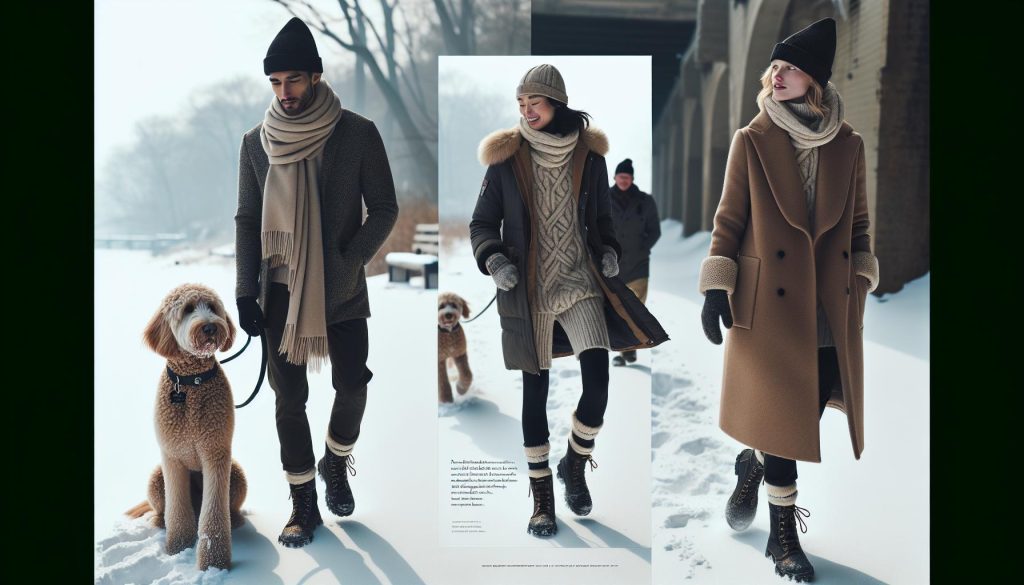
As dog lovers, we often wonder how our furry friends fare in colder climates, especially with breeds like Labradoodles, known for their sociable and energetic nature. Understanding whether Labradoodles can handle winter weather is crucial for ensuring their comfort and health during chilly months. With their unique blend of Labrador Retriever and Poodle heritage, these dogs may exhibit varied tolerance to cold temperatures. This article will explore essential factors affecting a Labradoodle’s resilience to winter, from coat thickness to activity levels, providing valuable insights for current and prospective owners. By gaining a deeper understanding of your Labradoodle’s needs, you can confidently navigate their winter care, ensuring they remain happy and healthy throughout the season. Let’s dive into how you can keep your Labradoodle thriving when the temperatures drop!
Understanding Labradoodles’ Winter Coat Characteristics
Labradoodles are not only adored for their friendly demeanor and delightful appearance but also boast a unique coat that can influence their winter tolerance. Understanding the characteristics of their winter coats is essential for ensuring they remain comfortable and healthy during colder months. Labradoodles typically feature a curly, wavy, or straight coat that can vary in density based on genetics and lineage. The fleece-like texture of their fur helps insulate them against the chill, as it traps warm air close to their bodies.
While Labradoodles do have an inherent ability to adapt to colder climates, there are variations among individuals. Those with thicker coats generally fare better in low temperatures, offering protection against icy winds. However, coat care is crucial-frequent grooming can prevent matting, which can compromise insulation. Regular brushing contributes to coat health, allowing for proper air circulation and moisture management, which are vital during winter.
When assessing whether your Labradoodle is well-equipped for the winter, consider their specific coat attributes and individual tolerance levels. Not all Labradoodles are alike, and some may require extra assistance in cold weather, such as a doggy jacket or protective booties during outdoor adventures. Being attentive to your dog’s comfort and making gradual introductions to colder situations can help your Labradoodle acclimate effectively.
Taking these dynamics into account enhances your ability to provide a warm and protective environment, enabling your Labradoodle to thrive throughout the winter months. Embrace the season with fun snowy plays but always prioritize their comfort and safety!
How Labradoodles Adapt to Cold Climates
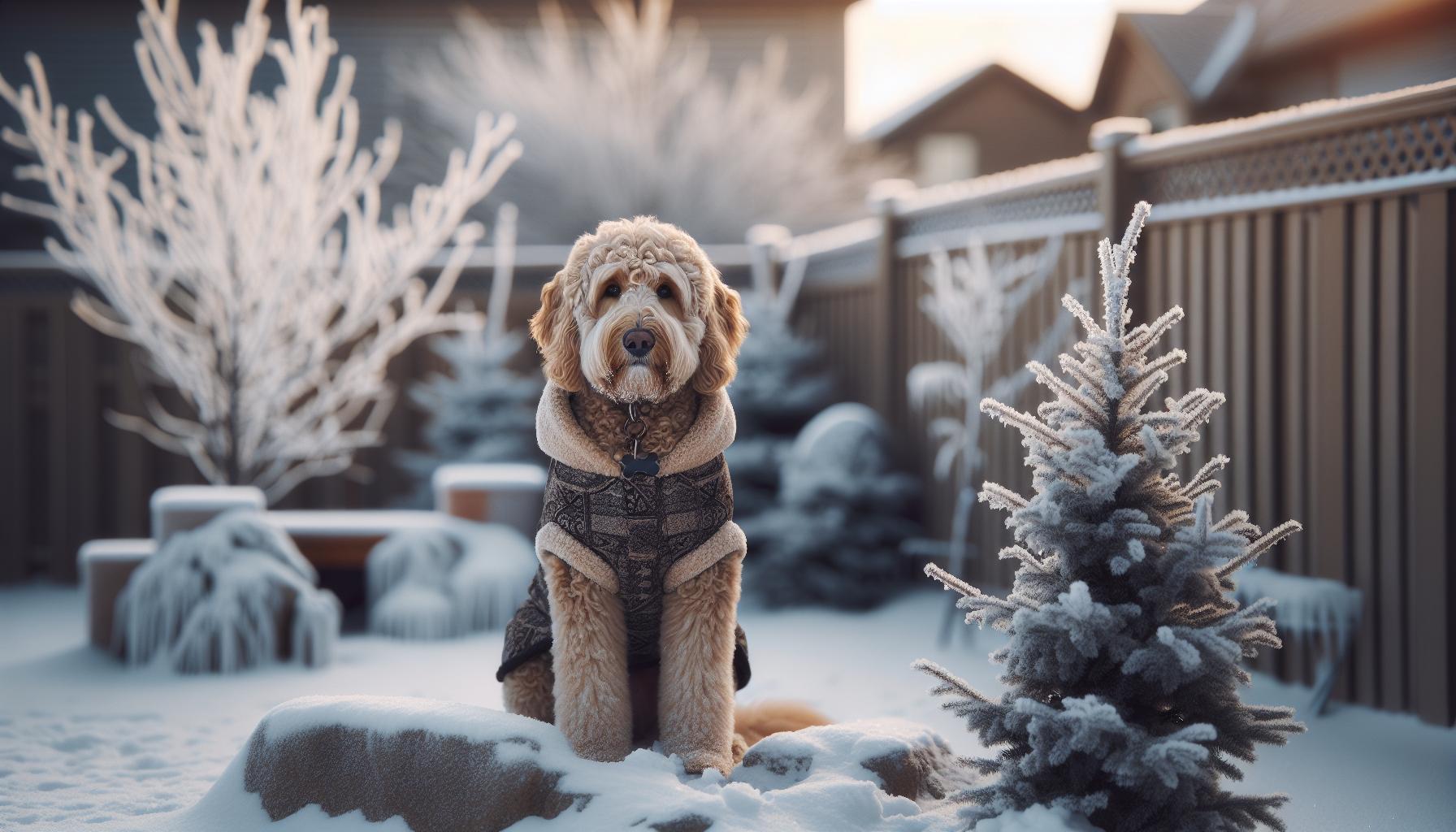
As winter arrives with its frosty breezes and blanketing snow, you might wonder how your Labradoodle will manage the colder conditions. Known for their friendly, energetic nature, Labradoodles can indeed adapt to chillier climates, but their success largely depends on various factors including coat type, acclimatization, and care practices.
One of the key ways Labradoodles adapt is through their unique coat characteristics. Depending on their lineage, Labradoodles can inherit different types of fur-a curly, wavy, or straight coat-which affects insulation. A thicker, curly coat is especially beneficial, creating pockets of warm air that keep your furry friend cozy. Even so, individual variations among Labradoodles mean that some may struggle more with the cold than others. For instance, a Labradoodle with a denser Poodle coat may find joy in snowy play, while another with a lighter or straighter fur might require additional warmth from jackets or sweaters.
To facilitate a smooth transition into winter, it’s essential to gradually acclimate your Labradoodle to colder temperatures. Begin with shorter outdoor excursions as the weather turns. This helps gauge their comfort level and adapt slowly. Furthermore, watching for early signs of cold sensitivity-like shivering or reluctance to go outside-can inform you when to bring in extra protective gear, like booties and jackets.
Maintaining their coat is also pivotal in ensuring they can thrive during winter. Regular grooming not only helps prevent matting but also allows you to check for any skin irritations or infestations that can worsen in colder months. A well-maintained coat offers better insulation, encouraging your Labradoodle to enjoy outdoor activities without excessive discomfort.
By fostering a warm, attentive approach to your Labradoodle’s winter experience, you can keep them happy and safe throughout the chilly months. Remember, a little extra care and preparation can lead to delightful play sessions in the snow and cozy evenings by the fireplace!
Signs Your Labradoodle May Be Cold
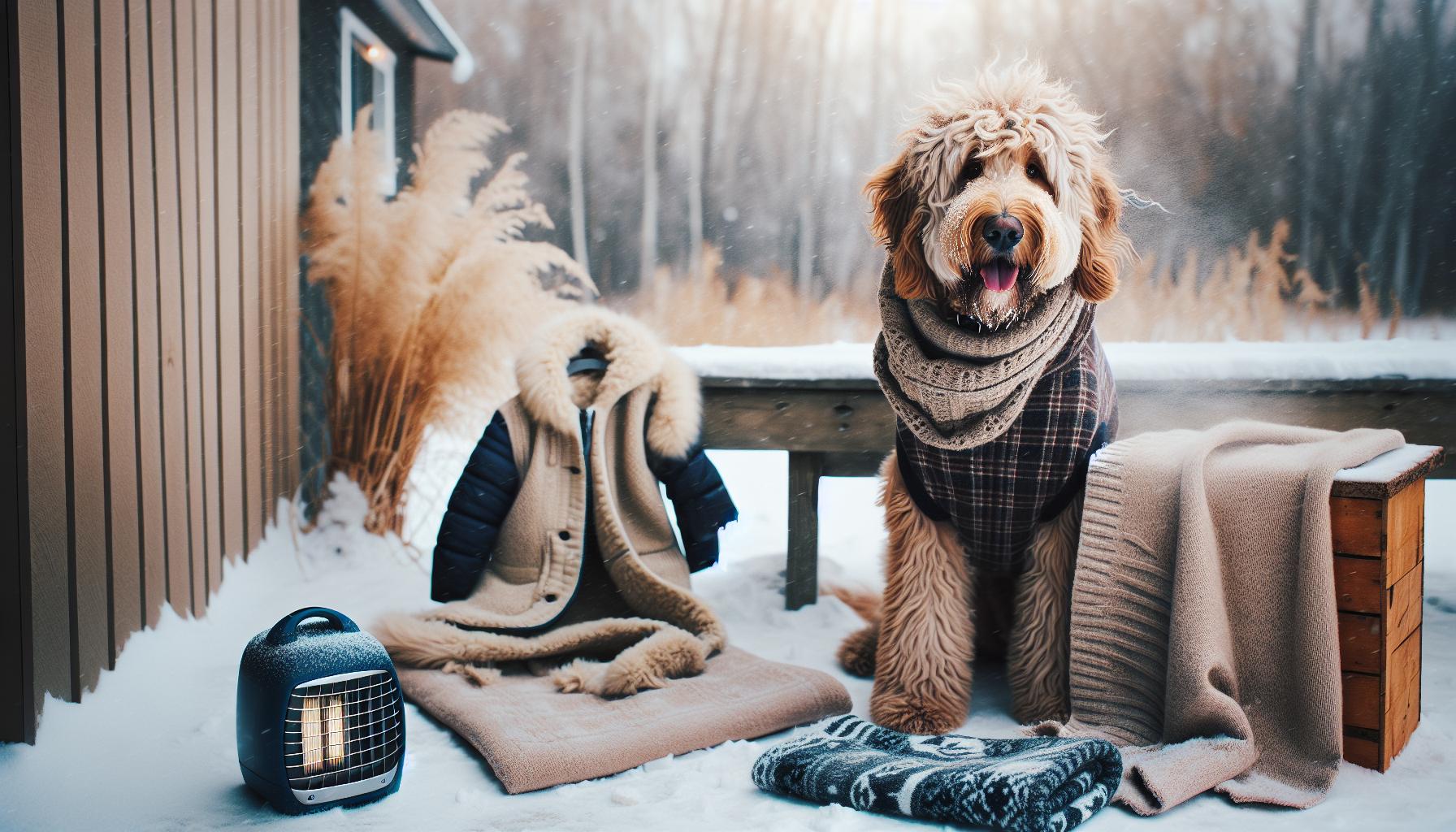
As winter sets in and temperatures drop, it’s vital to pay attention to your Labradoodle’s behavior to ensure they are comfortable and warm. Dogs, like humans, can feel the chill, and Labradoodles, known for their playful spirit, may not always exhibit clear signs when they’re cold. Observing their cues can help you provide the best care during the colder months.
One of the most obvious indicators that your Labradoodle might be feeling cold is shivering. This involuntary reaction is the body’s way of generating heat, signaling that your furry friend is uncomfortable. If you notice them trembling, especially after brief outdoor play or during walks, it’s time to get them inside or consider dressing them in warmer gear. Additionally, a disinterest in outdoor activities they usually enjoy could also indicate cold sensitivity. If your dog suddenly becomes reluctant to go outside or seems eager to return home, trust your instincts and listen to their needs.
Focusing on their behavior can also reveal telltale signs of discomfort. Pay attention to how your Labradoodle stands or moves when it’s cold outside. If they are hunching, guarding their paws, or stopping frequently to lift their feet off the snowy ground, it could indicate that they are uncomfortable. Moreover, excessive whining or barking can also be signals that they are feeling the bite of the cold and want to be let back indoors.
For additional guidance, watch for these signs that your Labradoodle may be cold:
- Hunched posture: When they pull their bodies together, this may indicate they are trying to conserve warmth.
- Paw lifting: If they frequently lift their paws from the cold ground, it’s a sign that they might need protective footwear.
- Seeking shelter: If your Labradoodle tries to find a warm spot or comes to you for comfort, they may be feeling chilly.
- Inactivity: A reluctance to run and play, compared to their usual energetic self, can indicate they are not comfortable in the cold.
Proactively managing your Labradoodle’s exposure to cold weather will help ensure they enjoy their outdoor playtime and feel cozy indoors. By closely monitoring these signs, you can create a comfortable winter environment for your furry companion and keep their spirits high even when the temperatures drop!
Essential Winter Gear for Labradoodles
As the temperatures plunge, it’s crucial to consider how best to equip your Labradoodle for the winter months. Despite their playful nature and love for outdoor adventures, Labradoodles can feel the chill just like we do. Investing in the right winter gear is essential not only for their comfort but also for their overall health. With an array of options on the market, it can be overwhelming to decide what your furry friend needs. Fortunately, a few key pieces stand out to keep them safe and cozy.
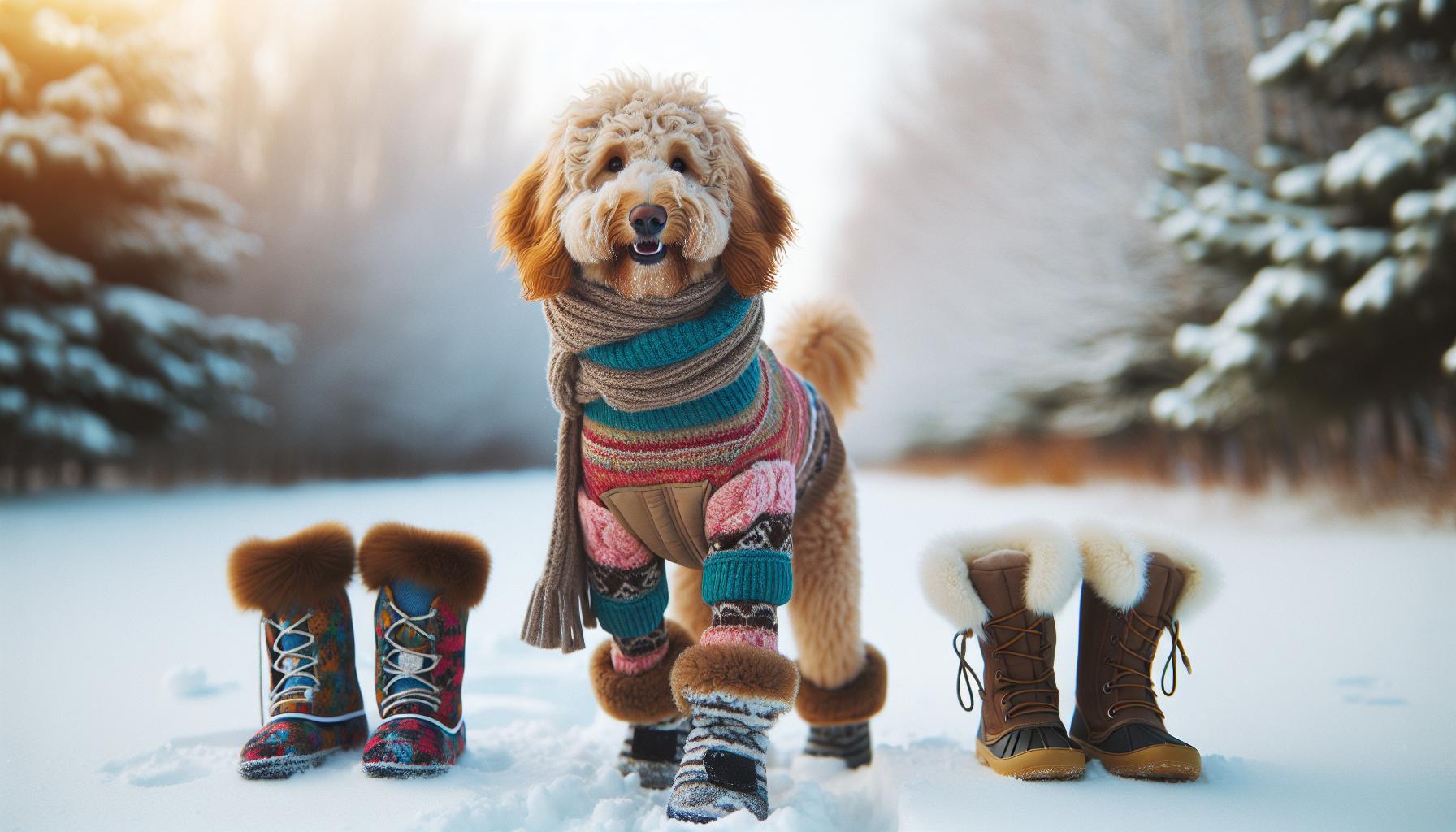
A well-fitting dog coat is a must-have for your Labradoodle. Look for insulated coats that provide warmth without restricting movement. Opt for materials that are both waterproof and wind-resistant, ensuring that your pup stays dry during snowy walks. Many coats come with adjustable straps, which is helpful for achieving a snug fit around their chest and belly. For colder climates, consider coats with a fleece lining for extra warmth. For example, a full-body snowsuit can offer even more coverage; it protects their legs against frigid temperatures, snow, and ice, especially if they have a shorter coat.
Another essential item is a good pair of dog booties. This is particularly important for Labradoodles when they are walking on icy or salted surfaces, as the elements can be rough on their sensitive paws. When selecting booties, ensure they have a sturdy sole for traction and are designed to stay on during use. Start by allowing your dog to wear them indoors for short periods so they can get used to the feeling before venturing outside.
Additionally, consider investing in dog-friendly winter accessories such as a snug blanket or heated pet beds for those chilly nights. Keeping your Labradoodle comfortable indoors helps them conserve their energy for playtime outside. If your home gets drafty, putting down area rugs can create warm spots for your dog to lounge while enjoying the winter season.
Lastly, don’t forget about protective accessories like dog jackets or vests that come with reflective materials. These are incredibly useful during the shorter daylight hours of winter, improving visibility during those evening walks. By ensuring your Labradoodle has the right gear, you can create a warm and protective environment that supports their adventurous spirit while keeping them safe from the cold elements.
In summary, arming your Labradoodle with appropriate winter gear not only enhances their outdoor experience but also fosters a joyful, healthy lifestyle during the colder months. With these essentials, your furry companion will be ready to tackle all the fun winter adventures ahead!
Safe Outdoor Activities in Cold Weather
When the snowflakes begin to fall and the air turns crisp, it’s the perfect time to explore the winter wonderland with your Labradoodle! This breed, full of energy and enthusiasm, thrives on playful outdoor activities, even in colder weather. While it’s crucial to ensure your furry friend is warm and safe, Labradoodles can enjoy a variety of outdoor adventures that are just as fun in winter as they are in summer.
One of the most enjoyable activities is building a snowman together-Labradoodles love to leap around in the snow, and their playful nature makes them great companions for these winter activities. Also, consider organizing a game of fetch with snow-friendly toys. Throwing a brightly colored, soft toy into the snow is exciting for your dog, as they’ll love bounding through the drifts to retrieve it. Just be sure to use toys that won’t get lost in the white stuff!
Winter Hiking and Exploring
Winter hiking is another fantastic way to engage with your Labradoodle. Many trails welcome dogs during the winter months, offering a new perspective of familiar paths. Always check local regulations before heading out, and ensure the trail is safe for walking. A brisk hike not only provides your Doodle with much-needed exercise but also mental stimulation as they explore new scents and sights. Just make sure to keep your Doodle on a leash, especially near icy patches or crowded areas.
Safety Precautions
While it’s essential to let your Labradoodle enjoy the outdoors, keep an eye on their comfort level. Watch for signs they may be getting too cold, such as shivering or lifting their paws off the ground. It’s a good idea to limit your outdoor playtime to about 30 minutes to an hour, depending on the temperature, especially if there are extreme conditions.
Additionally, after a fun day outside, a gentle paw wash is beneficial to remove any ice or salt that may irritate their paws. Follow this with a cozy snuggle indoors, perhaps in their heated pet bed, to let them warm up while recalling the adventures of the day!
Outdoor winter activities not only help enhance the bond between you and your Labradoodle but also contribute to their happiness and health. With proper care and attention, your pet can create joyful memories that last all winter long!
Nutrition Tips for Cold Weather Care

When the temperatures drop, it’s not just about keeping your Labradoodle warm but also ensuring they receive the right nutrition to support their energy needs and immune system during colder months. Just like us, our furry friends require some adjustments in their diet to help them thrive in winter weather. Here are some effective nutrition tips to keep your Doodle healthy and happy throughout the season.
To start, consider increasing their calorie intake slightly. Labradoodles, known for their playful and energetic nature, may require more calories when they’re exposed to cold weather. This is because their bodies will burn extra energy to maintain their core temperature. It’s advisable to consult with your veterinarian about how much to adjust their food portions, but a general rule of thumb is to add 10-20% more food daily, especially if your Doodle is engaging in winter activities.
Additionally, opting for high-quality dog food that’s rich in proteins and fats can be beneficial. Look for formulas specifically designed for active dogs-these offer the essential nutrients needed for energy and overall health. Ingredients such as fish oil and flaxseed are excellent for promoting a healthy coat, too, which can help insulate against the cold. If you’re considering homemade food, mixing in some healthy fats like olive oil can provide a calorie boost as well.
Hydration is Key
Don’t overlook the importance of hydration! In colder weather, your Labradoodle might drink less water, which can lead to dehydration. Make sure to provide fresh, clean water at all times. You can also consider feeding wet or moistened kibble to increase their fluid intake. Adding warm water to their food can be appealing, especially on frigid days, and helps to keep their appetite up while providing necessary hydration.
It’s also worth noting that winter can affect your Doodle’s digestive system. To counter this, keeping their diet consistent and avoiding sudden changes in their food can help maintain digestive stability. If you need to switch their food, do so gradually over a week to allow their system to adjust.
By paying attention to your Labradoodle’s nutritional needs, you can help them navigate the cold months with all the energy they need for winter fun while keeping them healthy and robust. Remember, a well-fed dog is a happy dog, even when they’re frolicking in the snow!
Grooming Practices to Enhance Winter Comfort
When winter rolls in, grooming your Labradoodle takes on an essential role not just for their aesthetic appeal but for their overall comfort and health. With their shaggy, often curly coats, Labradoodles bring warmth and companionship during colder months, yet that adorable fur needs proper care to ensure your furry friend stays cozy and healthy. A well-groomed Labradoodle will not only look beautiful but also be better equipped to handle the chill.
First and foremost, regular brushing is critical. It helps prevent matting, which can be exacerbated by winter moisture and is uncomfortable for your dog. Aim to brush your Labradoodle at least two to three times a week, using a slicker brush or a comb designed for curly hair. This routine not only helps distribute their natural oils-keeping their coat and skin moisturized-but also provides you with bonding time as you clean them up. If you find any mats, take the time to work them out gently to avoid discomfort.
Bathing and Drying
While it may be tempting to limit baths in winter, keeping your Labradoodle clean is essential. Use a high-quality dog shampoo that nourishes their coat and skin. After a bath, ensure that your dog is thoroughly dried, ideally with a towel or blow dryer on a low setting. Wet fur can lead to chilling and discomfort, so consider using heated dog drying jackets if your pup enjoys it. Always remember that regular grooming helps you spot any skin issues early, which can be more prevalent in winter due to dry air.
Paw Care
Don’t overlook their paws during the winter months! Snow, ice, and ice-melting chemicals can irritate your dog’s pads. After walks, always clean their paws with warm water to remove any salt or chemical residue, and consider a paw balm to protect their pads from cracking in the cold. Shortening their nail length during the winter is also helpful; long nails can cause discomfort when negotiating slippery surfaces.
Maintaining your Labradoodle’s grooming regimen during winter is about more than just looking good-instead, it significantly contributes to their comfort and well-being. By staying proactive with their grooming needs, you can ensure that your furry friend is not only warm and snuggly but also happy and healthy throughout the cold months.
Heat vs. Cold: Labradoodles’ Temperature Sensitivity
Labradoodles are known for their friendly demeanor and adaptability, but just like any other breed, they have their unique temperature sensitivities. While their soft fur provides some level of insulation against the chill, it’s important to recognize that Labradoodles are not built for extreme cold. This is especially true for those with a more Poodle-like coat, which may not offer the same protective qualities as the dense fur of a Labrador Retriever. As a pet parent, it’s essential to understand your Labradoodle’s needs in various weather conditions to keep them comfortable and safe.
When considering how Labradoodles cope with temperature fluctuations, they tend to thrive in moderate climates. Extreme weather, whether hot or cold, can lead to discomfort and potential health issues. In cold weather, owners should be mindful of their dog’s physical signs of discomfort, such as shivering or reluctance to walk on cold surfaces. These reactions are their way of indicating that they’re feeling the effects of the chilly temperatures.
Signs of Temperature Sensitivity
Understanding your Labradoodle’s limits is crucial. Here are some signs to watch for:
- Shivering: A clear sign they are cold.
- Unwillingness to venture outside: If your dog doesn’t want to go out, they may be feeling chilly.
- Paw lifting or limping: Cold, icy surfaces can hurt their paws.
Comparatively, some other Doodle breeds, like Goldendoodles or Bernedoodles, may have different temperature tolerances based on their coat types or sizes. For instance, larger Doodle breeds will often manage colder climates better due to their body mass, while smaller breeds might struggle more. If you’re considering adding a Labradoodle to your family or already have one, recognizing these nuances becomes essential for their overall well-being.
In the winter months, always monitor your Labradoodle’s behavior and be prepared to make accommodations, such as providing a warm sweater or limiting outdoor time during the coldest days. Your vigilance not only keeps them comfortable but also strengthens the bond of trust between you and your furry companion, ensuring they enjoy the cold season alongside you.
Comparing Winter Tolerance Across Doodle Breeds
When it comes to the winter tolerance of Doodle breeds, understanding the variations among them is crucial for dog owners. Labradoodles, Goldendoodles, and other Doodles exhibit different mechanisms for coping with cold weather, primarily influenced by their coat types, sizes, and genetic backgrounds. Labradoodles, known for their Poodle and Labrador lineage, often display a mix of traits from both breeds, which can impact their winter comfort. To help you gauge how well your furry friend might handle the chill, let’s dive into some comparative insights.
Labradoodles typically have coats that are either wavy or curly, a trait they inherit from their Poodle parent. While these coats can provide moderate insulation, Labradoodles are not as well-equipped for extreme cold as some larger Doodle breeds. For instance, Bernedoodles, which are a cross between Bernese Mountain Dogs and Poodles, tend to handle colder environments more adeptly due to their stocky build and denser fur. Similarly, Sheepadoodles, a blend of Old English Sheepdogs and Poodles, possess a thicker undercoat that helps keep them warm in chilly climates.
Understanding specific breed needs can make a significant difference during winter. Owners should note that while Labradoodles may need extra cozy gear like jackets or booties, other Doodle breeds might thrive with just minimal protection when the temperature drops. Below is a quick reference table to compare the winter tolerance of these popular Doodle breeds:
| Breed | Coat Type | Size | Winter Adaptability |
|---|---|---|---|
| Labradoodle | Curly/Wavy | Medium to Large | Moderate; may require protective gear |
| Goldendoodle | Curly/Wavy | Medium to Large | Moderate; adapts well with some insulation |
| Bernedoodle | Wavy/Thick | Large | High; well-suited for cold climates |
| Sheepadoodle | Wavy/Thick | Medium to Large | High; great for colder conditions |
In summary, while Labradoodles can handle colder weather, they might not be as resilient as some other Doodle breeds. Paying attention to their specific comfort needs, such as providing adequate insulation and limiting time outdoors during severe weather, is essential. Owners who are aware of these differences can better prepare their pets for the chill, helping to create a safe and enjoyable winter for all.
Creating a Cozy Indoor Environment for Winter
Creating a warm and inviting space for your Labradoodle during the winter months is essential for keeping them comfortable and happy. Did you know that dogs can feel the chill just like we do? A cozy indoor environment not only helps regulate their body temperature but also provides a sense of security and relaxation amid the cold outside. Here are some practical tips to make your home a winter haven for your furry friend.
Start with finding a warm, comfortable spot away from drafts where your Labradoodle can curl up and nap. You can enhance this space with soft blankets or a plush dog bed to provide extra comfort. Adding an extra blanket or a warm throw can make their resting place feel even cozier, especially after a playful romp in the snow. Many dogs love a little den-like area, so consider a crate lined with comfortable bedding where they can retreat when they need some downtime.
Feeding considerations are also essential during colder months. It’s important to keep their feeding area warm and away from drafts. If your Labradoodle is particularly active in the winter, they may require a slight adjustment in their diet to help maintain energy levels. Consult with your vet for suitable nutrition plans that can help support your pup during this season of increased activity and temperature fluctuations.
As important as warmth is, so too is engaging your Labradoodle mentally and physically indoors when outdoor activities aren’t feasible. You might consider safe interactive toys, puzzles, or even teaching new tricks to keep their minds sharp and spirits high. Regular indoor play sessions can help reduce pent-up energy, making your dog feel more content and less likely to engage in destructive behaviors.
Lastly, don’t forget the little things that can elevate their indoor experience, such as maintaining a heated space to prevent chilly paws on tile floors or using DIY fleece bandanas for a touch of extra warmth around their necks. Keep the environment clean and well-ventilated, and regularly check that your Labradoodle isn’t feeling the cold through their behavior or posture.
By taking these steps, your home can become a cozy retreat for your Labradoodle, providing them with the comfort and safety they need throughout the winter months.
Traveling with Your Labradoodle in Cold Conditions
Traveling with your Labradoodle during the chilly months can be a delightful adventure, but it requires careful planning to ensure your pup remains safe and comfortable. Labradoodles, being a hybrid breed often characterized by their friendly disposition and playful nature, thrive on experiences with their families. However, cold weather poses its challenges, and preparation is key to keeping your furry friend happy while exploring.
When preparing for a trip, consider your Labradoodle’s winter coat. These dogs typically have a wavy, curly coat that provides some insulation against the cold, but they still need extra protection in freezing temperatures. Before setting out, make sure your Labradoodle is outfitted with a well-fitting, insulated dog coat designed for warmth. These coats can help keep their body heat trapped, especially during longer outdoor excursions.
To make your travels smoother, create a checklist of essential items to bring along. This should include:
- Winter Coat: Ensure it’s waterproof and insulated for better protection.
- Booties: A pair of dog booties can shield their paws from icy surfaces and salt that can irritate.
- Portable Water Bowl: Hydration is essential, even in cold weather, to prevent dehydration.
- Dog Blanket: A cozy blanket in the car can keep your Labradoodle warm during travel.
- First Aid Kit: Accidents can happen, so having a kit ready can be beneficial.
- Food and Treats: Maintain their regular diet, adjusting for increased activity during trips.
Taking breaks is crucial, especially if you’re on a longer journey. Find a safe spot to stop periodically, letting your Labradoodle stretch their legs and do their business. During these breaks, always monitor your pup to assess their comfort level in the cold. Pay attention to signs that they may be feeling too chilly, such as shivering or lifting their paws off the ground.
Finally, remember that just like humans, dogs can enjoy wintery scenery, but playtime needs to be managed. Choose locations that are safe for exploration, away from frozen ponds or icy surfaces where they could slip or fall. Keeping your Labradoodle leashed in unfamiliar areas will help ensure their safety. With proper gear and cautious planning, both you and your Labradoodle can have a memorable winter journey together!
Veterinary Advice on Cold Weather Precautions
Veterinarians emphasize the importance of being proactive when it comes to your Labradoodle’s health in colder months. While Labradoodles possess a coat that can have some insulating qualities, their mixed heritage makes them sensitive to extreme cold due to their varied genetics. To keep your furry friend safe and comfortable, consider implementing the following strategies.
First, monitor your dog’s exposure to the cold. Just because your Labradoodle enjoys a romp in the snow doesn’t mean they’re immune to cold-related risks. Pay close attention to how long they’re outside and try to limit prolonged exposure, especially on frigid days. Regular breaks indoors are essential for monitoring their body temperature and preventing hypothermia. Look for signs such as shivering, lethargy, or reluctance to move, which may indicate that they’ve had enough of the cold.
In addition, keeping your Labradoodle well-nourished is vital. Winter can increase calorie needs because dogs expend more energy just to stay warm. A conversation with your vet about adjusting their diet can ensure they receive the extra nutrition they may need. It’s also wise to maintain proper hydration, as dogs can become dehydrated even in winter. Always provide access to fresh water, especially after outdoor activities.
Lastly, invest in winter gear specifically designed for dogs. Even a Labradoodle’s curly coat may need extra layers when temperatures really drop. Consider using insulated coats, dog booties to protect their paws from ice and salt, and even moisture-wicking materials that can help keep them dry during wet conditions. Regular grooming is also important during the winter months since mats can trap moisture against the skin and lead to skin issues. Regularly brushing your Labradoodle will help to improve warmth while keeping their coat healthy and vibrant through the chilly season.
By staying vigilant and preparing your Labradoodle for cold weather, you can ensure that they enjoy the winter season just as much as you do, while minimizing health risks associated with low temperatures. Always consult your veterinarian for tailored advice specific to your dog’s needs and conditions, especially as seasonal changes can impact furry friends differently!
Q&A
Q: Can Labradoodles tolerate very cold weather?
A: Labradoodles can handle moderate cold temperatures, but extreme cold may be challenging for them. They have a mix of Poodle and Labrador Retriever traits, but they may need additional protection in severe winter conditions. It’s crucial to monitor their comfort and provide appropriate gear, like jackets and booties, for outdoor exposure.
Q: What signs indicate my Labradoodle is too cold?
A: If your Labradoodle is shivering, lifting paws off the ground, or seeking warmth, these are strong signs they may be too cold. Additionally, reluctance to go outside or seeking shelter are indicators of discomfort. Ensure regular checks during winter walks to keep them safe [1].
Q: Do Labradoodles need winter coats?
A: Yes, many Labradoodles benefit from winter coats, especially those with shorter fur. A good-quality coat provides insulation against the cold and keeps them comfortable during walks or outdoor play. Look for options that fit well and allow for easy movement [2].
Q: How can I keep my Labradoodle warm indoors during winter?
A: Keeping your Labradoodle warm indoors can be achieved by providing cozy bedding in a draft-free area, using heated blankets, and ensuring a stable household temperature. Regular indoor playtime can also help maintain their body heat and activity levels.
Q: What should I feed my Labradoodle in cold weather?
A: During cold months, consider adjusting your Labradoodle’s diet with higher-calorie foods to support extra energy for maintaining body heat. Consult your veterinarian for recommendations tailored to your dog’s specific needs and activity levels during winter [3].
Q: How do I prepare my Labradoodle for cold weather walks?
A: Prepare for cold walks by dressing your Labradoodle in a warm coat and properly fitted booties to protect their paws from ice and salt. Aim for shorter walks in extremely cold temperatures, and monitor their tolerance closely.
Q: Can Labradoodles play in the snow?
A: Labradoodles can enjoy playing in the snow, but moderation is key. Limit their time outside to prevent cold-related issues, and keep an eye out for excessive paw lifting or shivering. Providing a warm towel for drying off afterward can help prevent them from getting cold [1].
Q: How to know if my Labradoodle is warm enough outside?
A: To assess if your Labradoodle is warm enough outside, observe their behavior closely. If they are energetic and playful, they likely feel comfortable. If they start to act sluggish or seek warmth, it’s time to head inside. Regularly check paws for freezing and discomfort.
Future Outlook
In conclusion, while Labradoodles can enjoy colder weather, it’s essential to ensure they are adequately prepared for winter. Their unique combination of Poodle and Labrador traits allows them to handle chillier temperatures with the right care. To keep your furry friend comfortable, ensure they have appropriate shelter, a warm coat during extreme weather, and check their paws for ice buildup.
Ready to learn more about keeping your Labradoodle healthy and happy? Check out our articles on “Top Care Tips for Labradoodles” and “Best Winter Activities for Dogs”! Don’t forget to sign up for our newsletter to receive expert tips straight to your inbox. Your Labradoodle deserves the best care, and we’re here to help every step of the way. Share your winter experiences with us in the comments below and let’s create a supportive community for all dog lovers!