
Have you ever wondered if you can be allergic to poodles? While many consider poodles a hypoallergenic breed, the reality is more nuanced. It’s crucial for prospective dog owners, especially those with allergies, to understand the relationship between dog breeds and allergens. Poodles, known for their intelligent and friendly nature, often find themselves as the top choice for families, but their hypoallergenic reputation can leave some confused about potential allergic reactions.
In this article, we’ll explore the truth behind poodle allergies, shedding light on the reasons why some people may still experience allergic symptoms despite owning these beloved dogs. By understanding the specific allergens related to poodles and how to manage them, you can make an informed decision about welcoming a poodle into your home-whether you’re a first-time owner or a lifelong fan. Let’s dive into the facts and help you find clarity in your journey toward dog ownership!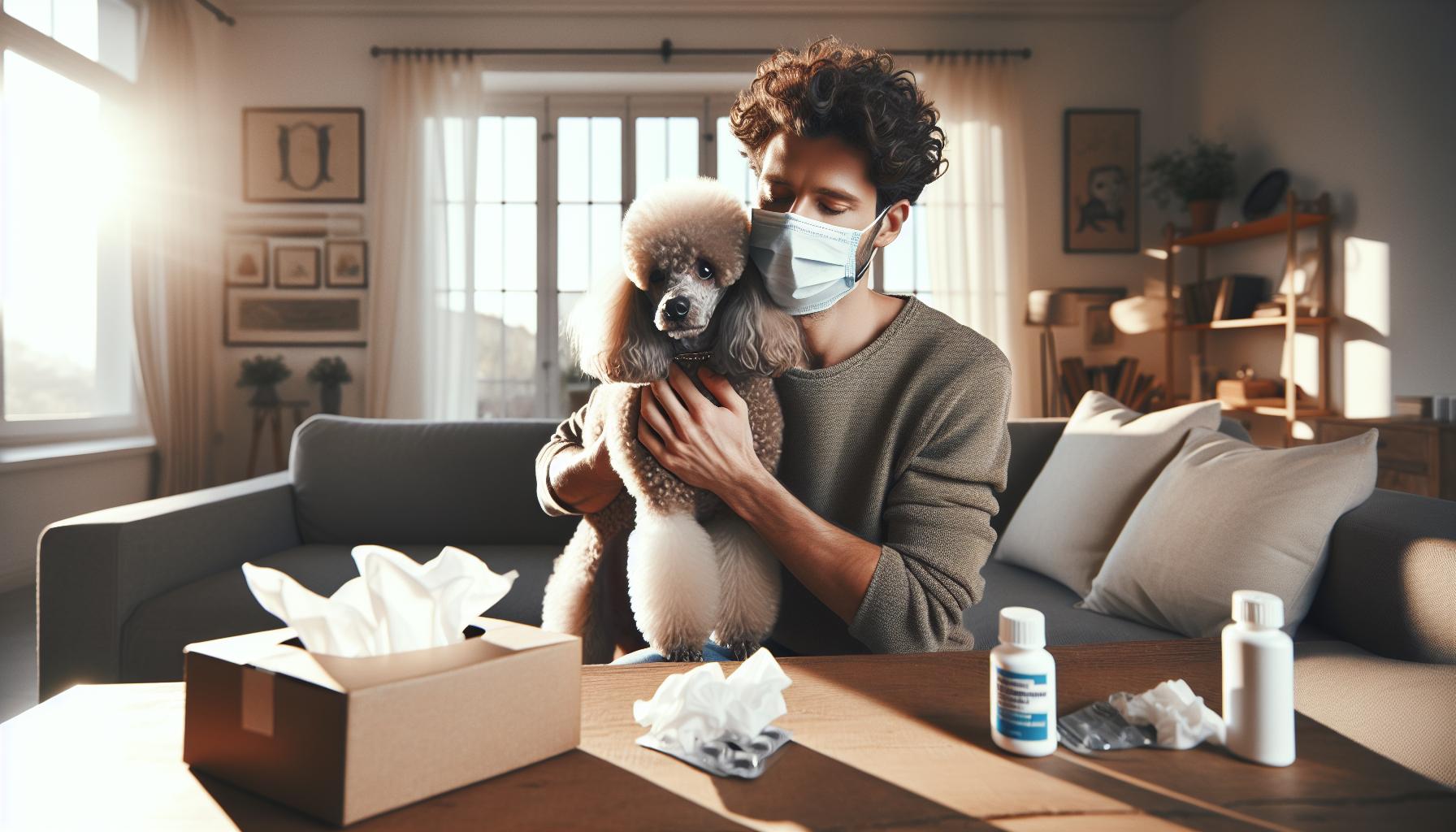
Understanding Allergies to Poodles: Myth or Reality?
While many people believe that allergies to pets-especially dogs-are primarily triggered by fur, the reality is often much more complex. Poodles are frequently touted as hypoallergenic dogs, meaning they generate fewer allergens compared to other breeds. But can someone truly be allergic to Poodles? The answer is a nuanced one. The allergens that cause reactions are not just found in fur; they can also be present in saliva, urine, and dander. When a dog grooms itself, or even just plays, it can produce these substances that become airborne and may trigger allergic reactions in sensitive individuals.
Understanding Dog Allergies involves recognizing that it’s the proteins released through skin cells (dander), urine, and saliva that are mainly responsible for allergic responses. Poodles, with their unique curly coats, may trap dander and hair, releasing fewer airborne allergens overall. However, this does not exempt them entirely from being a potential allergic trigger for some people. The perception that Poodles are entirely hypoallergenic can lead to misconceptions-individual responses vary widely based on a person’s unique sensitivities.
It’s important to know that being allergic to one dog breed does not mean an individual will react to all breeds. For example, some people may react to Poodles but not to other non-shedding breeds or various mixed breeds. This personalized response can complicate the decision-making process for potential pet owners who suffer from allergies. Additionally, regular grooming routines, including frequent bathing and trimming, can help minimize allergens, making it easier for people with sensitivities to coexist with their Poodle companions.
Engaging with other Poodle owners or visiting with Poodles before making a commitment can provide insight into how one might respond to having a Poodle in their home. Ultimately, being informed and prepared can aid prospective owners in making the right choice for their health and happiness.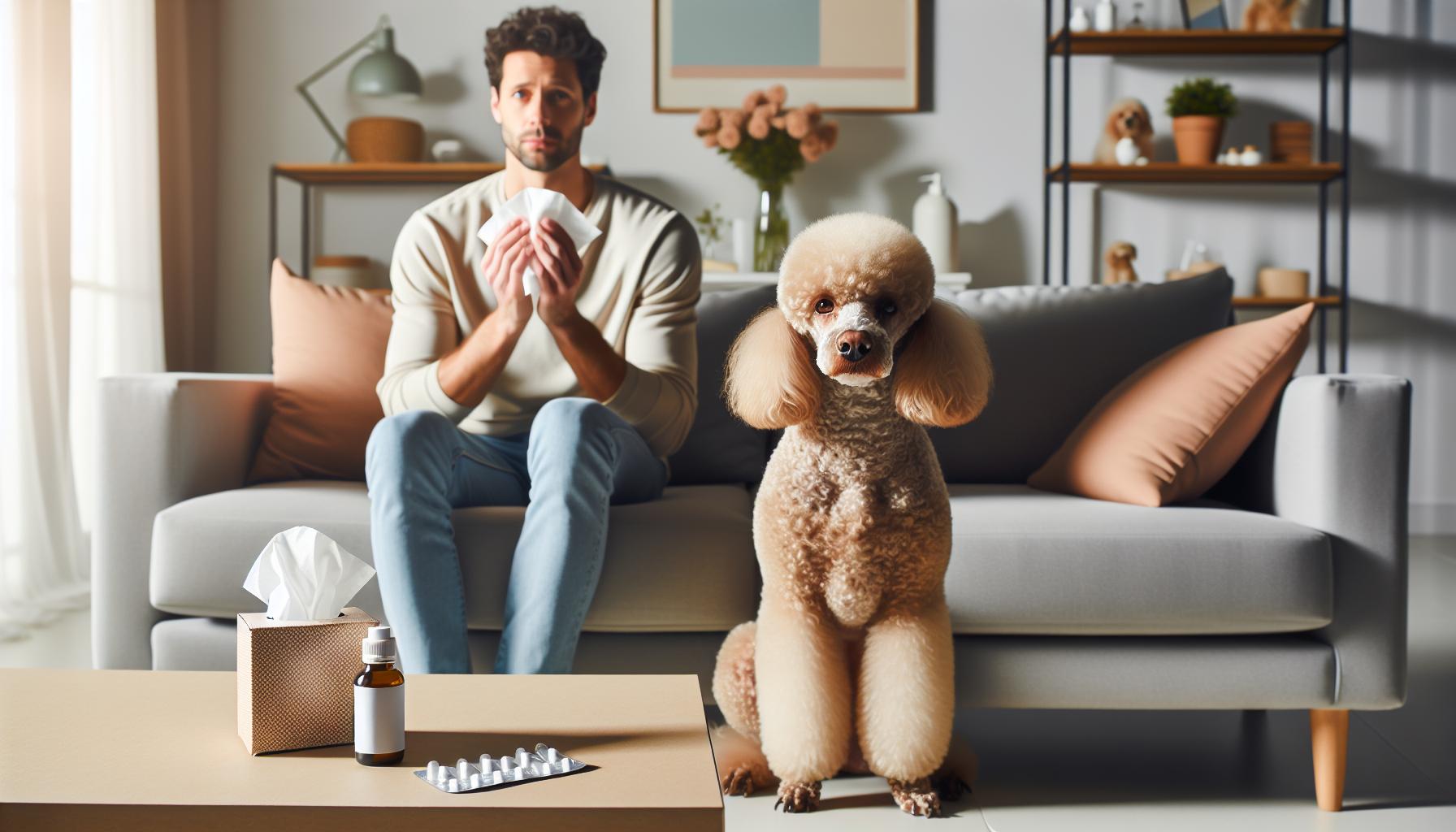
Common Symptoms of Dog Allergies: What to Watch For
Dog allergies can manifest in various ways, and recognizing the symptoms early is key to ensuring both your health and the well-being of your Poodle. If you’re considering welcoming a Poodle into your home, it’s essential to be aware of how allergies might affect you or others in your household.
Common symptoms to watch for include:
- Respiratory Issues: Sneezing, runny or stuffy nose, and coughing are often the first signs of an allergic reaction. Some might experience wheezing or tightness in the chest, which are particularly important to monitor.
- Skin Reactions: Itchy, red skin, known as atopic dermatitis, can occur. This may manifest as rashes or hives, particularly in areas where the dog likes to cuddle.
- Eye Irritation: Watery, itchy, or red eyes are common. You might find yourself rubbing your eyes more often or experiencing swelling around the eyes.
- Gastrointestinal Distress: In some cases, pet allergies can lead to stomach issues, like nausea or diarrhea, especially if the individual is also allergic to certain proteins in the dog’s diet.
If you suspect allergies, try to relate symptoms to your exposure to Poodles. For example, if you notice sneezing only when you’re around a Poodle, it could indicate a sensitivity to this breed specifically. Engaging with your Poodle in different environments, like a friend’s home or a dog park, can help you gauge your reaction in various settings.
Regularly grooming your Poodle can significantly minimize allergens. Bathing them frequently and keeping their environment clean will also help reduce the amount of dander and saliva present in your home. Consulting with a veterinarian or an allergist can provide you with tailored advice based on your personal health needs, ensuring that both you and your Poodle enjoy many happy years together.
Are Poodles Truly Hypoallergenic? The Science Explained
While no dog is completely free of allergens, many people consider Poodles to be among the best choices for allergy sufferers. This stems from their unique coat, which grows continuously and sheds very little, reducing the amount of dander that ends up in your home. However, the real question is whether these dogs can truly be classified as hypoallergenic and what the science says about their potential to provoke allergic reactions.
Poodles produce a variety of proteins that can trigger allergies, including those found in their saliva, urine, and skin. These proteins, known as allergens, are the primary culprits behind allergic reactions in sensitive individuals. The myth of the hypoallergenic dog often leads people to believe that breeds like Poodles won’t cause any issues, which isn’t entirely accurate. While many allergy sufferers may have fewer reactions to Poodles compared to other breeds that shed more, it’s essential to note that “hypoallergenic” does not mean “allergy-free.” Personal experiences vary widely; some people may still react to Poodles despite their lower allergens and others might not experience issues at all with more allergenic breeds.
If you’re considering a Poodle, it’s advisable to spend time around them before making a commitment. This will help you identify any potential reactions you may have. Consult with a veterinarian or allergist who can provide tailored testing and recommendations based on your sensitivity. Meanwhile, regular grooming habits, such as frequent baths and brushing, can significantly reduce the amount of dander and allergens released into your living environment.
In conclusion, while Poodles are often touted as hypoallergenic due to their low shedding, it’s crucial to approach this claim with a nuanced understanding. Each person’s sensitivity to allergens can differ significantly, making it vital to assess your own reactions and consult with professionals to ensure a happy and healthy coexistence with your new furry friend.
The Genetics Behind Poodle Allergies: Insights and Implications
Genetics plays a crucial role in understanding why some individuals develop allergies to Poodles while others do not. Poodles, like all dog breeds, produce specific proteins in their skin, saliva, and urine that can act as allergens. The response to these proteins is highly individual, influenced not only by the dog’s genetic makeup but also by the owner’s genetic predisposition to allergies. Research suggests that the interaction of various genes can affect the production of these proteins, leading to different allergy levels within the same breed.
Interestingly, the unique coat structure of Poodles contributes to their allergy profile. Their dense, curly fur traps dander and loose hair, significantly reducing the amount that becomes airborne. This phenomenon may explain why many allergy sufferers report fewer reactions when around Poodles compared to breeds that shed more. However, this does not mean that they are entirely hypoallergenic. Indeed, some individuals may still react to the proteins present in a Poodle’s saliva or skin, regardless of the breed’s low-shedding trait.
Understanding how genetics impacts allergen production can also provide insights for prospective Poodle owners. Families with a history of allergies should consider spending extended time with a Poodle before committing to adoption. This exposure can help gauge personal sensitivity to potential allergens. Furthermore, isolated instances of individuals developing allergies to Poodles after living with them for years highlight that even low-allergen breeds can trigger reactions later on due to changes in one’s immune system.
Therefore, engaging with a vet to explore genetic predispositions within the individual Poodle as well as the current health status of the potential owner becomes essential. This supportive approach helps in making informed decisions, ensuring both the well-being of the dog and the comfort of the owner, while fostering a fantastic, allergy-conscious relationship between Poodles and their families.
Comparing Poodles to Other Breeds: Allergy Considerations
When considering a Poodle as a pet, it’s essential to understand how they stack up against other dog breeds in terms of allergies. Poodles are frequently touted as hypoallergenic due to their unique curly coat that traps dander more effectively than many breeds. This can be a significant advantage for allergy sufferers. However, it’s not just the coat type that affects allergy responses; individual dogs can produce varying levels of allergens based on genetics and other factors.
When comparing Poodles with other breeds, it’s crucial to note that some breeds are known to produce fewer allergens overall. Breeds like the Bichon Frise, Maltese, and Portuguese Water Dog also have non-shedding coats, which help minimize dander and hair shed into the environment. To help visualize this, here’s a quick comparison table:
| Breed | Coat Type | Allergen Production | Shedding |
|---|---|---|---|
| Poodle | Curl | Moderate | Low |
| Bichon Frise | Curly | Low | Low |
| Maltese | Long | Low | Low |
| Portuguese Water Dog | Curl/Wavy | Low to Moderate | Low |
Many dog owners with allergies have shared their experiences, revealing that while they might react less severely to Poodles than to other breeds with more traditional coats, this does not mean they remain entirely unaffected. On a practical note, new dog owners or those considering a Poodle should engage in gradual exposure to the breed before making a commitment. Spending time with a friend’s Poodle or volunteering at a shelter can illuminate potential allergy reactions and help gauge individual tolerance levels.
Of course, it’s equally helpful to consult with a veterinarian about the specific characteristics of the dog you’re considering, such as any predisposition to producing more allergens based on its lineage. This knowledge not only enriches your understanding but also fosters a better relationship between you and your potential furry friend, leading to a happier, healthier home for both.
How to Manage Allergies: Tips for Poodle Owners
Living with a Poodle can bring immense joy, but for those with allergies, it’s crucial to take proactive steps to manage potential reactions. The first line of defense is understanding your specific allergies and how they might interact with your new furry friend. A crucial step is to create a consistent cleaning routine that helps minimize exposure to allergens. Regular vacuuming, using air purifiers with HEPA filters, and maintaining an allergen-free zone-like your bedroom-can significantly reduce the allergen load in your home.
Another effective strategy is to establish grooming habits that keep your Poodle’s coat in optimal shape. Regular baths (every 4-6 weeks) using hypoallergenic shampoos can help reduce dander and allergens that might accumulate in their fur. In addition, frequently brushing your Poodle-ideally outdoors or in a designated area-can help catch loose hair and dander before they spread throughout your home. Consider designating specific grooming days to make this a part of the routine; many Poodle owners find it beneficial to set aside regular time for these activities to keep fur and allergens at bay.
Moreover, be attentive to your Poodle’s health, as a healthy dog is less likely to shed excessive dander. A proper diet rich in omega fatty acids can contribute to a better coat and skin health. Always consult with your veterinarian for dietary recommendations tailored to your Poodle’s specific needs. If allergies persist despite your best efforts, it may be wise to speak with an allergist for personalized advice and potential allergy testing.
Finally, embrace your role as an advocate for both your health and your Poodle’s well-being. Joining support groups for dog owners with allergies can provide you with helpful insights and a sense of community. Online forums and local clubs often share strategies that have worked, offering new perspectives that can ease the journey of being a Poodle owner while managing allergies effectively. With diligence and care, you can create an environment where both you and your beloved Poodle can thrive.
Best Practices for Reducing Allergens at Home
Creating a comfortable home environment for you and your Poodle, especially if you have allergies, is paramount. While Poodles are often touted as hypoallergenic, they can still produce allergens that affect sensitive individuals. Therefore, implementing effective practices to minimize allergens in your home can help both you and your pet thrive together.
One of the most effective strategies is to establish a rigorous cleaning routine. Regular vacuuming with a vacuum cleaner equipped with a HEPA filter will help capture pet hair, dander, and other allergens that settle into carpets and upholstery. It’s also beneficial to wash your Poodle’s bedding and your own bedding frequently in hot water to remove any accumulated allergens. Aim to do this at least once a week. Additionally, using air purifiers with HEPA filters in common areas can significantly reduce airborne particles, creating a healthier environment.
Designated Pet Areas
Creating specific areas in your home where your Poodle is allowed can also help control allergen dispersion. For example, consider keeping your dog out of the bedroom or your primary living space to maintain these areas as allergen-free zones. This can greatly reduce your exposure while still allowing you to enjoy your Poodle’s company in other parts of your home. Furthermore, using pet gates or barriers can assist in maintaining these boundaries.
Grooming Practices
Regular grooming will not only keep your Poodle looking fabulous but also help in managing allergens effectively. Brushing your dog outdoors can minimize the spread of dander indoors. Aim for a grooming session at least once a week, supplemented by baths every 4 to 6 weeks using hypoallergenic shampoos to keep their coat healthy and reduce dander. Remember to wipe your Poodle’s paws and coat with a damp cloth after outdoor walks to remove pollen and dirt that can trigger allergies.
Incorporating these practices into your routine can significantly diminish allergens in your home and make it a safer, more welcoming space for both you and your Poodle. By staying proactive and mindful of your cleaning and grooming habits, you can enjoy the companionship of your furry friend while minimizing allergy-related issues.
Vet Insights: When to Seek Professional Allergy Evaluation
Experiencing persistent sneezing, itchy eyes, or rashes? These could be your body’s way of signaling allergies, and it’s important to recognize when to dig deeper, especially if you’re considering or already have a Poodle in your home. While Poodles are often promoted as hypoallergenic thanks to their unique curly coats, it’s crucial to remember that individual allergies can vary significantly. If you or a family member starts to exhibit allergic reactions despite having a Poodle, it might be time to consult a veterinarian who specializes in allergies.
When seeking professional help, your vet will likely begin with a thorough examination and a detailed history of your symptoms. They may recommend allergy testing, which can include skin tests or blood tests, to identify specific allergens. This is essential because not all allergic reactions stem from pet dander; other environmental factors, such as pollen, dust mites, or even foods, could be the culprits. Being aware of potential triggers will help in managing your allergies more effectively and ensure that your living space remains harmonious.
One useful approach is to gather information about your symptoms prior to your vet visit. Keeping a diary can be incredibly beneficial-note when symptoms occur, their severity, and any possible environmental factors at play. This data can provide your vet with invaluable insights, aiding in diagnosis and treatment options. Additionally, don’t hesitate to discuss your lifestyle and living environment; it can help your vet suggest tailored management techniques, whether that’s specific grooming schedules for your Poodle or recommendations for air purification systems.
In some cases, your vet may suggest allergy medications or treatments, ranging from antihistamines to desensitization therapy. If your allergies are confirmed and particularly severe, you might even explore specialty clinics focusing on allergy management for pets, which can offer a wealth of resources and support tailored to your needs. Remember, prioritizing health while providing a loving home for your Poodle is achievable with the right strategies and professional guidance.
Poodle Grooming Tips to Minimize Allergy Triggers
Proper grooming can make all the difference for Poodle owners looking to minimize allergy triggers in their homes. Though Poodles are often considered hypoallergenic due to their unique curly coats, it’s essential to understand that no breed is entirely free from allergens. Regular grooming helps manage dander and loose hairs that could exacerbate allergies, creating a more comfortable environment for both you and your beloved furry friend.
To effectively reduce allergens, establish a consistent grooming routine. Here are some practical tips to get you started:
Grooming Schedule
- Regular Brushing: Aim to brush your Poodle at least 2-3 times a week (more often if they have a longer coat) to remove dead hair and dander before it can settle around your home.
- Bathing: Bathing your Poodle every 4-6 weeks can help eliminate allergens in their coat. Use a mild, hypoallergenic dog shampoo to prevent skin irritation.
- Professional Grooming: Consider scheduling appointments with a professional groomer who understands Poodle grooming needs. They can provide thorough cleaning and precise cuts that resist matting, which can harbor allergens.
Product Selection
Choosing the right grooming products is crucial. Opt for hypoallergenic grooming tools and cleaning supplies that minimize irritants. Look for the following:
- Brushes and Combs: Use stainless steel or soft-bristle brushes that are gentle on your Poodle’s skin.
- Shampoos: Select a shampoo designed for sensitive skin, preferably with natural ingredients.
- Air Purifiers: Invest in an air purifier with a HEPA filter to help reduce airborne allergens in your home.
Additionally, regularly wash your Poodle’s bedding, toys, and any other washable items to eliminate dust and dander accumulation. This simple act can greatly reduce allergens in your living space.
Remember, while grooming is essential in managing allergies, personal health and comfort should always come first. Should you experience persistent allergy symptoms, consulting with a veterinarian or an allergist can help you devise a more comprehensive plan tailored to your lifestyle and needs. Integrating these grooming tips will not only benefit your Poodle’s health and appearance but will also create a happier, healthier home environment for you all.
Living with Allergies: Personal Stories from Dog Owners
Living with a Poodle when you have allergies can be a unique journey filled with both challenges and rewards. Many dog owners have shared their stories, offering insight into how they manage their allergies while still enjoying the companionship of these intelligent and affectionate dogs. For instance, Sarah, a proud owner of a Standard Poodle named Bella, initially hesitated to adopt due to her mild allergies. However, after researching the breed’s reputation for being hypoallergenic, she decided to take the plunge. “I was pleasantly surprised,” Sarah recounts. “With regular grooming and a solid cleaning routine, I was able to keep my allergies under control. Bella has truly become a beloved part of our family.”
Another illustrative experience comes from Mark and his Miniature Poodle, Charlie. Mark developed allergic reactions not just to dog hair but also to dander and saliva. By incorporating air purifiers and keeping the home meticulously clean, he found ways to mitigate allergy attacks. “Every week, I set aside a couple of hours for intense cleaning,” he explains. “I use HEPA filters and wash everything Charlie touches-his bedding, toys, and even my clothes after we cuddle. It sounds like a lot, but it’s worth it for the joy he brings to my life.”
Many owners also emphasize the importance of choosing the right grooming practices. Regular brushing and bathing schedules are essential in reducing allergens. One owner suggested, “I bath Lola, my Toy Poodle, every four weeks, and it makes a significant difference in how I feel. I also brush her coat several times a week-it’s not only good for her but also helps keep my allergies manageable.”
Ultimately, these personal accounts highlight the vital balance between managing allergies and enjoying life with a Poodle. For anyone considering adding a Poodle to their family despite allergies, these stories serve as encouraging reminders that with commitment, the joys of dog ownership can indeed outweigh the challenges.
Resources for Allergy Support and Information for Pet Parents
When it comes to navigating allergies while sharing your life with a Poodle, finding the right resources can make all the difference. Whether you’re a seasoned dog owner or new to the experience, having access to reliable information, support groups, and expert guidance can empower you to create a harmonious home that accommodates both allergies and your furry friend.
Start by connecting with online forums and communities specifically designed for dog owners managing allergies. Websites like The Allergy and Asthma Foundation of America not only offer educational material but also host forums where you can exchange tips and experiences with fellow Poodle owners. Additionally, looking into support groups on social media platforms can provide a wealth of shared knowledge about practical strategies for coping with pet-related allergens. Owners often share their success stories, such as using air purifiers or specific grooming techniques that have greatly improved their quality of life.
Consulting with your veterinarian is essential for tailoring a plan that suits your specific situation. They can offer personalized advice on the types of allergies you might be dealing with and recommend allergy testing, which can help identify specific triggers. Some vets also provide guidance on hypoallergenic products, such as shampoos and cleaning solutions, that can reduce allergens in your home. Don’t hesitate to ask about the best treatment options available, including medications that may mitigate your allergic reactions while enjoying the companionship of your Poodle.
Investing in tools that help reduce allergens in your home is also incredibly beneficial. Consider using HEPA air purifiers, which are designed to filter out pet dander and other allergens effectively. Regular use of these appliances, along with good cleaning practices like frequent vacuuming and washing your Poodle’s bedding, can create a much more comfortable environment. It’s also a smart idea to designate pet-free zones, particularly in bedrooms, to give yourself a safe space to recharge.
Lastly, don’t overlook the importance of grooming. Regular brushing of your Poodle helps minimize loose hair and dander in your home. Setting up a schedule for grooming sessions can ensure that your Poodle stays healthy and also that your allergies are kept in check. Owners have found success by establishing routines that include bathing their dogs at intervals that suit their allergy levels. For instance, bathing a Poodle every four to six weeks can significantly decrease allergen accumulation, making for a more enjoyable experience for everyone involved.
In the journey of being a Poodle parent with allergies, relying on proper resources and community support can make your experience both fulfilling and manageable. Embrace the joy that comes with having a loyal companion while taking steps to protect your health and well-being.
Ongoing Research: What’s Next for Dog Allergies?
As research into canine allergies continues to evolve, exciting developments promise to enhance the quality of life for both affected pet owners and their furry companions. One area gaining attention is the identification of specific proteins responsible for allergic reactions in various dog breeds, including Poodles. Scientists are exploring the molecular structure of these allergens, hoping to understand how they interact with human immune systems. This knowledge could lead to targeted treatments or even immunotherapy options tailored to individuals who experience allergic reactions to dogs.
Advancements in genetics play a significant role in this research. By studying the hereditary factors that contribute to a dog’s coat and dander, scientists can potentially breed dogs that produce fewer allergens. This pursuit is particularly relevant for hypoallergenic breeds like Poodles, which are often categorized as more suitable for allergy sufferers. However, emerging studies indicate that the hypoallergenic classification is not as straightforward as previously thought. Individual reactions can vary significantly among different people, leading researchers to delve deeper into genetic variations and environmental factors that influence allergen production and sensitivity.
Future Implications and Solutions
The integration of artificial intelligence and machine learning in allergy research represents another frontier where hope is blossoming. These technologies facilitate the analysis of vast datasets, uncovering patterns that link certain breeds or even individual dogs to allergen levels. For instance, ongoing studies are evaluating how grooming habits and environmental management can influence allergen release from dogs, making it possible for new owners to adopt best practices that minimize their exposure.
Additionally, collaborations between veterinary specialists and allergists are paving the way for holistic management strategies for pet owners. This cross-disciplinary approach aims to identify comprehensive care plans that not only accommodate allergies but also enhance the bond between dog and owner. The possibility of tailored vaccinations or preventive measures is becoming more tangible, potentially transforming how individuals and families interact with their pets.
As researchers continue to unravel the complexities of dog allergies, the prospect of enjoying life with a Poodle-or any dog-may soon be more accessible for allergy sufferers. Staying informed about these advancements can empower pet owners to make educated choices about their furry friends while also nurturing their health and well-being. Embracing ongoing research fosters a sense of community awareness and encourages proactive discussions among fellow dog lovers about innovative allergy management techniques.
Frequently Asked Questions
Q: Can you be allergic to Poodles?
A: Yes, you can be allergic to Poodles. While many believe Poodles are hypoallergenic, they can still produce allergens through saliva, urine, and skin. It’s important to consult with an allergist if you suspect a dog allergy.
Q: What are common allergy symptoms related to Poodles?
A: Common symptoms of allergies to Poodles include sneezing, itchy eyes, skin rashes, and difficulty breathing. These symptoms can vary in severity and may require different management strategies, as discussed in our article.
Q: How do Poodles compare to other dog breeds regarding allergies?
A: Poodles are often considered more suitable for allergy sufferers than many breeds due to their low-shedding coat. However, individual reactions may vary, so it’s essential to observe how you respond to a Poodle compared to other dog breeds [3].
Q: What steps can I take to minimize allergic reactions to Poodles?
A: To minimize allergic reactions, regularly groom your Poodle to reduce dander, use HEPA filters in your home, and create a pet-free zone. Detailed tips for managing allergies are available in our article.
Q: Is it safe to visit homes with Poodles if I have allergies?
A: Visiting homes with Poodles can be safe if you take precautions, such as taking allergy medications beforehand and minimizing contact with the dog. Always consult your healthcare provider for personalized advice [2].
Q: Can allergy testing determine if I’m allergic to Poodles?
A: Yes, allergy testing can help determine if you are allergic to Poodles or any other dogs. It typically involves skin tests or blood tests to identify specific allergens.
Q: Do Poodles need special grooming to manage allergens?
A: Yes, regular grooming is essential for Poodles to manage allergens. This includes frequent brushing and bathing to reduce dander and maintain coat health. More grooming tips are discussed in our article [1].
Q: Are there specific diets that can help reduce allergy symptoms in Poodles?
A: While diets specifically designed for allergies can help manage certain dog allergies, consult your vet before making any changes. A balanced diet rich in omega-3 fatty acids may improve skin health, potentially reducing allergen exposure.
Final Thoughts
Thank you for joining us as we uncovered the truth about allergies to Poodles. Understanding the nuances of dog allergies is crucial, and while some may react to these charming breeds, it doesn’t mean you can’t enjoy their companionship. If you’re still unsure, consider exploring our articles on “Hypoallergenic Dog Breeds” or “How to Manage Allergies with Pets” for more insights.
We encourage you to take the next step-whether that’s consulting with an expert or checking out our recommended products for allergy relief. Don’t forget to subscribe to our newsletter for tips, and updates, or follow us on social media to connect with our community of dog lovers. Share your thoughts or experiences in the comments below-your feedback helps others on their journey! Remember, knowledge empowers you to make informed decisions, so keep exploring our site for more valuable content.