If you’re considering welcoming a Mini Labradoodle into your home, you might be wondering about shedding and how to maintain their captivating coat. Known for their playful personalities and hypoallergenic qualities, Mini Labradoodles make wonderful companions. However, coat care is essential for minimizing fur around your home and keeping your furry friend comfortable.
Understanding whether your Mini Labradoodle sheds can be key to managing allergies and maintaining a clean living space. In this guide, we’ll explore the unique characteristics of their coats, including grooming techniques, shedding patterns, and the best practices for keeping your pup looking and feeling great. By the end, you’ll have the knowledge to confidently care for your Mini Labradoodle’s coat and enjoy all the joy they bring without the extra fluff! Let’s dive in and unveil the secrets to keeping their coat healthy and beautiful, ensuring a happy home for both you and your dog.
Do Mini Labradoodles Shed? Understanding Their Unique Coat
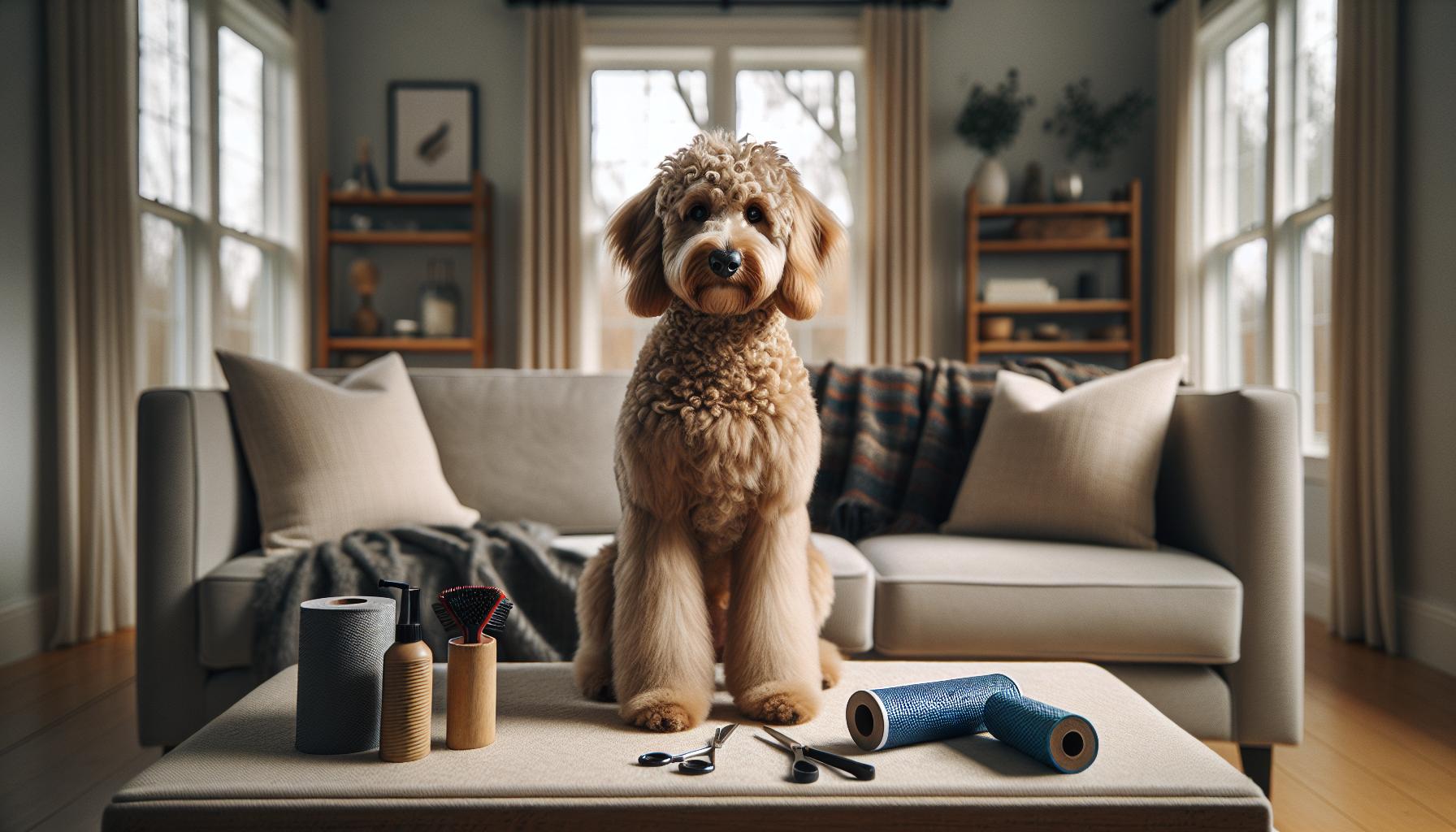
Mini Labradoodles are known for their affectionate nature and adorable looks, but many prospective owners often wonder about their shedding tendencies. Understanding how much they shed is crucial for managing expectations and planning for proper coat care. Unlike some breeds that lose large clumps of fur regularly, Mini Labradoodles are generally considered low-shedding dogs. Their unique coat, which results from a mix of Labrador Retriever and Poodle genes, can vary in texture and length, primarily leaning towards a curly or wavy appearance. This coat type can help minimize the amount of dander and hair that spreads around your home.
One key aspect to consider is that while Mini Labradoodles shed less than many other breeds, they still require regular grooming to maintain coat health and appearance. Regular brushing, ideally a few times a week, can effectively capture loose fur before it has a chance to scatter, leading to a cleaner home environment. Using gentle, breed-specific grooming tools can make this process enjoyable for both you and your dog.
Moreover, it’s important to stay mindful of seasonal changes. Many dogs, including Mini Labradoodles, may experience slight increases in shedding during seasonal transitions, so additional vacuuming may be necessary during these times. By staying proactive with grooming routines and understanding your Mini Labradoodle’s shedding patterns, you can enjoy all the love and companionship they provide while keeping your living space comfortable and tidy.
Mini Labradoodle Coat Types: What You Need to Know
Mini Labradoodles are not just charming companions; their unique coats are one of the many reasons they steal our hearts. When it comes to understanding their fur, it’s important to note that the coat of a Mini Labradoodle can vary significantly due to the hybrid nature of the breed. Typically, these adorable pups sport a coat that’s a delightful mix of their Labrador Retriever and Poodle ancestry, which can range from wavy and soft to tightly curled and dense. This unique combination plays a crucial role in their shedding tendencies and overall grooming needs.
The Mini Labradoodle’s coat can be classified mainly into three types: wavy, curly, and straight. Wavy coats tend to reflect a balance between the Labrador’s fur and the Poodle’s curls, offering a soft texture that feels plush to the touch. Curly coats, on the other hand, are more reminiscent of their Poodle heritage and tend to trap dander and loose hair, making them ideal for allergy sufferers. Straight coats, while less common, can still occur and may feature a texture closer to that of the Labrador. Each type impacts how much shedding occurs and how frequently grooming is necessary, so knowing your Mini Labradoodle’s coat type helps tailor your care routine effectively.
Regardless of coat type, grooming is essential for maintaining a Mini Labradoodle’s health and appearance, which leads to another fascinating aspect of their fur: the potential for matting. Curly coats can easily tangle if not regularly brushed. A routine grooming schedule – ideally once every two to three weeks – can help prevent this. Utilize a slicker brush along with a comb specifically designed for curly-haired dogs to keep their coat looking its best, while also being gentle on their skin. This preventive care not only enhances your dog’s appearance but also strengthens the bond between you during these grooming sessions.
Ultimately, understanding the specific coat type of your Mini Labradoodle is vital for ensuring a healthy, happy pup. By paying attention to the unique characteristics of their fur and implementing a consistent grooming routine, you can enjoy all the love and joy that these affectionate dogs bring into our lives-while keeping your home as fur-free as possible!
How Much Do Mini Labradoodles Shed?
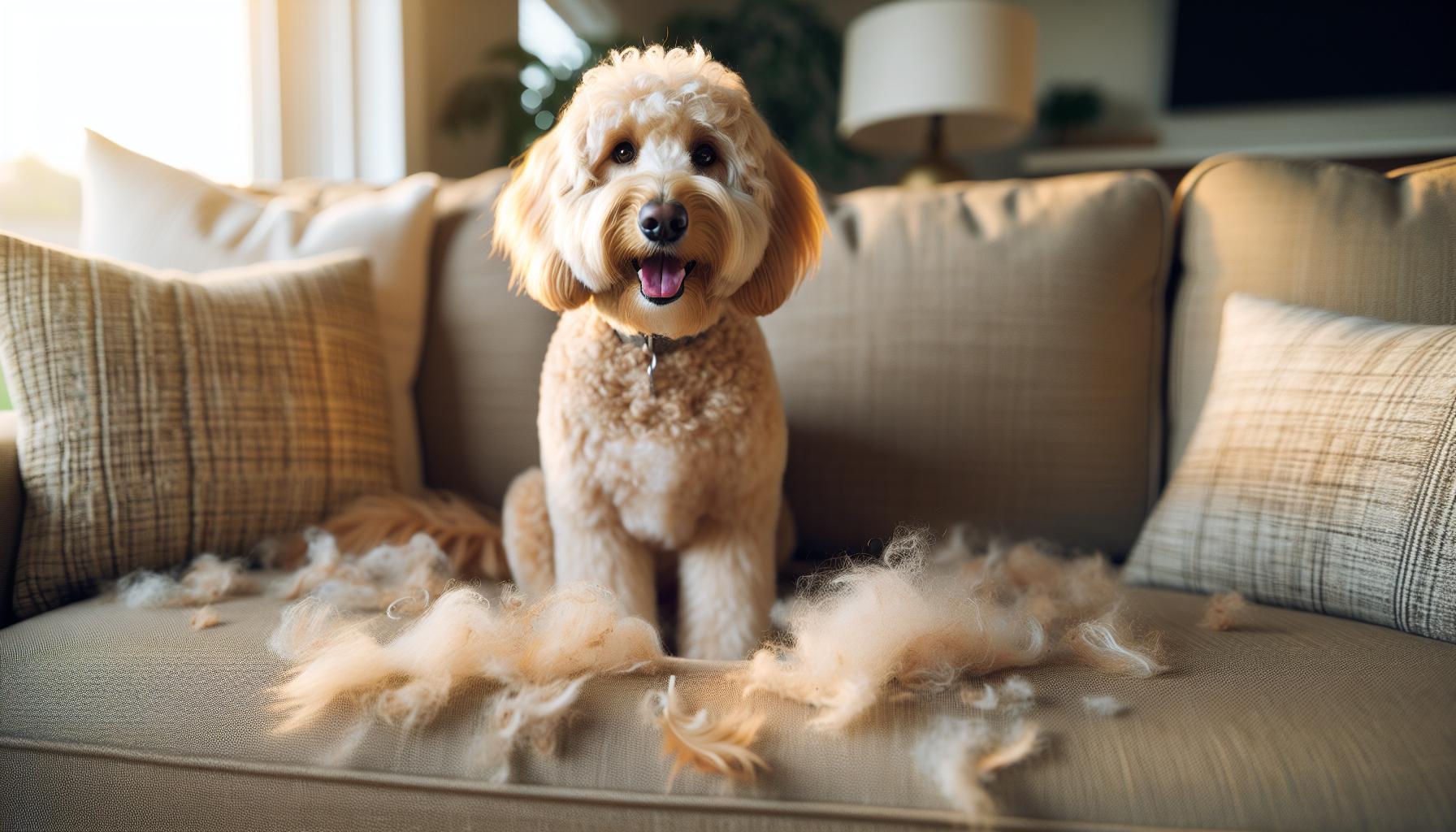
When considering a Mini Labradoodle, one common question that arises is about their shedding tendencies. Given their mixed ancestry of Labrador Retrievers and Poodles, these pups typically shed less than many other breeds. Most owners find that their Mini Labradoodles are considered “low-shedding” dogs, which can be a huge advantage for those with allergies or who prefer to keep their homes free of excessive fur. However, it’s important to understand the nuances of shedding in this breed to set realistic expectations.
Shedding in Mini Labradoodles can be influenced by several factors, including their specific coat type-wavy, curly, or straight. Generally, the curly coats are most likely to trap loose hair and dander, making them less noticeable around your home. On the other hand, wavy coats may see slightly more loose hair escaping but are often easier to groom. Straight coats, while rare, can shed like typical Labrador fur, which may require more frequent cleaning. Understanding your dog’s coat type not only helps in managing shedding but also in planning an effective grooming routine.
To mitigate any shedding, regular grooming is key. Establishing a brushing schedule-ideally once or twice a week-can help keep their coat healthy and manage any loose hair. Using tools like a slicker brush designed for curly hair can effectively remove tangles and prevent matting. Furthermore, seasonal changes can also prompt fluctuations in shedding. During spring and fall, you may notice an uptick in loose hair as dogs transition between their winter and summer coats. Paying attention to these seasonal patterns allows owners to prepare for an increase in grooming needs and maintain a cleaner living space.
In summary, while Mini Labradoodles generally shed less than many other breeds, individual coats and other factors will influence the amount of hair that may be found around your home. With consistent grooming and attention to their coat type, you can enjoy the companionship of these lovable dogs without overwhelming amounts of fur. Regular maintenance not only helps control shedding but also nurtures your bond with your furry friend as you prioritize their health and well-being.
Essential Coat Care Tips for Mini Labradoodles
Owning a Mini Labradoodle is an enriching experience filled with joy and companionship, but responsible pet ownership comes with its own set of challenges, especially concerning coat care. These delightful dogs are known for their low-shedding coats, but maintaining their fur requires a bit of effort. Here are some essential tips to ensure your Mini Labradoodle’s coat stays healthy and vibrant while minimizing shedding.
To keep your Mini Labradoodle’s coat in top shape, regular grooming is essential. A brushing routine should ideally be established at least once a week. This helps to remove loose hair and prevent mats, which can be painful for your dog. Use different tools for different coat types: a slicker brush works wonders on curly coats, while a pin brush is more suitable for wavy ones. Incorporating a grooming glove can also benefit your pup, making brushing more enjoyable and less stressful.
Another crucial aspect of coat care is bathing. While Mini Labradoodles don’t need frequent baths-typically every 4-6 weeks-it’s important to use a quality dog shampoo that maintains the natural oils in their skin and coat. If your pup gets particularly dirty, make sure to gently work the shampoo into their fur and rinse thoroughly to avoid any residue that can lead to skin irritation.
Nutrition plays a significant role in maintaining a healthy coat as well. Providing a balanced diet rich in omega fatty acids can enhance your Mini Labradoodle’s coat quality, making it shinier and less prone to tangles. Good hydration is equally important, so ensure fresh water is always available, as this contributes not only to overall health but also to a beautiful coat.
Lastly, seasonal changes can affect shedding patterns, so be prepared for fluctuations. During spring and fall, you might notice an increase in loose fur as your dog transitions between their winter and summer coats. Adjust your grooming schedule during these periods to accommodate the increased shedding, perhaps brushing a couple of times a week instead of once. This attention to detail will keep your home cleaner and your furry friend feeling their best.
By adhering to these coat care tips, you can help ensure that your Mini Labradoodle thrives in both health and happiness while keeping shedding in check. With a little dedication and love, you’ll foster a beautiful, healthy relationship with your pup that shines through in their coat.
Grooming Compared: Mini Labradoodles vs. Other Doodle Breeds
When it comes to grooming, Mini Labradoodles shine brightly among doodle breeds, but it’s important to understand how they stack up against their cousins-such as the Standard Labradoodle and the Golden Doodle. Each breed has its own coat characteristics and grooming needs, and knowing this can help you manage expectations and care routines more efficiently.
Mini Labradoodles typically possess a fleece or wool coat, which makes them low-shedding compared to many other breeds, including their Standard Labradoodle counterparts, who may have a more varied coat texture that can range from wavy to straight. This variability often leads to differing grooming routines. For example, while a Mini Labradoodle requires regular brushing-ideally every week-to prevent matting, Standard Labradoodles with curlier coats may benefit from bi-weekly or even weekly grooming due to their tendency to tangle easier.
Moreover, the Golden Doodle can bring additional complexity into the mix. Their coat can be akin to that of a Golden Retriever with more shedding, making them a less ideal candidate for those sensitive to allergens. In contrast, Mini Labradoodles are often better suited for allergy sufferers thanks to their hypoallergenic fleece or wool coat.
### Grooming Insights
In establishing a grooming routine, consider the following tips:
- Brush Types: Use a slicker brush or comb for Mini Labradoodles, as these tools effectively detangle their softer fur. In contrast, a more robust brush may be needed for the thicker coats of Standard Labradoodles.
- Bathing Frequency: While Mini Labradoodles may need a bath every 4-6 weeks, Golden Doodles often require more frequent bathing due to their oily fur.
- Clipping Strategies: Mini Labradoodles are often clipped to maintain a manageable length, whereas Golden Doodles might benefit from a more tailored cut that reflects their coat type.
By tailoring these grooming practices to the specific needs of each Doodle breed, you can ensure that your Mini Labradoodle-and any other Doodle in your life-stays not just clean, but also healthy and happy. Keeping these insights in mind will create a positive grooming experience that brings out the best in your canine companion!
Choosing the Right Tools for Mini Labradoodle Grooming
When it comes to keeping a Mini Labradoodle looking fantastic, having the right grooming tools is just as essential as understanding their unique coat type. These spirited little dogs often sport a soft fleece or wool coat, which not only reduces shedding but also requires special care to keep it healthy and free from mats. Setting yourself up with the proper grooming supplies can make all the difference, transforming grooming from a chore into a bonding experience with your furry friend.
First on your list should be a high-quality slicker brush. This tool is perfect for Mini Labradoodles, as its fine, bent wires can easily navigate through their soft fur, detangling knots without pulling or hurting your dog. Regular brushing-ideally once a week-will help prevent mats and remove any loose hair, making grooming a breeze. For those times when your pup’s coat needs more than just brushing, a high-quality comb is also crucial. Use a wide-tooth comb for initial detangling, followed by a finer-tooth comb to chase away any stubborn knots.
Additionally, invest in a good pair of grooming scissors and/or clippers. Keeping your Mini Labradoodle’s coat trimmed is important for their comfort, especially during warmer months. If you’re unsure about how much to trim, you might want to start with a professional groomer. However, having your own scissors will come in handy for minor touch-ups between grooming sessions. Consider using curved scissors for areas around the face and paws to achieve a neat, rounded finish.
Lastly, don’t forget about bathing supplies! A gentle, dog-specific shampoo will keep your Mini Labradoodle’s coat clean without stripping away natural oils. Regular baths enhance coat health, and using a conditioner can add an extra layer of softness. Aim to bath your pup every 4 to 6 weeks, adjusting based on their activity level and coat condition. By investing in these grooming essentials and incorporating them into a regular routine, you’re not only maintaining a beautiful coat but also creating moments of joy and affection that strengthen your bond with your Mini Labradoodle.
Understanding Seasonal Shedding Patterns in Mini Labradoodles
Understanding the seasonal shedding patterns of Mini Labradoodles can significantly enhance your grooming routine and overall care approach. Unlike many dog breeds that experience heavy shedding throughout the year, Mini Labradoodles typically follow a more predictable shedding pattern influenced by the seasons. Interestingly, these adorable hybrids can shed slightly more during the spring and fall, coinciding with temperature changes. This seasonal shedding is a natural process that helps them adapt to warmer and cooler climates.
During the spring, Mini Labradoodles might shed more as they lose their winter coat to prepare for the hotter months. This can be a great time for owners to increase their brushing sessions to help manage loose fur. A *slicker brush* is particularly effective at removing dead hair without causing discomfort. In contrast, fall can bring another wave of shedding as they prepare to grow thicker fur for the winter. Understanding these cycles can prevent surprise fur-balls in your home and keep your dog comfortable.
To manage seasonal shedding effectively, consider implementing a few proactive care strategies, such as:
- Increase grooming frequency: During shedding seasons, aim for at least twice a week of brushing to keep loose hair at bay.
- Use quality grooming tools: Invest in a good slicker brush and a de-shedding tool to tackle those extra hairs efficiently.
- Adjust bathing schedule: Regular baths using a gentle dog shampoo can help to loosen and remove shedding hair without drying out your dog’s coat.
- Check for underlying issues: If shedding becomes excessive or atypical, consulting your veterinarian can rule out any skin conditions or allergies.
By following these tips, you’ll not only maintain a cleaner home but also ensure that your Mini Labradoodle stays comfortable and healthy through all seasons. Embracing their unique shedding patterns with informed care keeps your furry friend looking their best while preventing you from feeling overwhelmed by fur.
The Role of Diet in Mini Labradoodle Coat Health
A well-balanced diet plays a crucial role in maintaining the health and appearance of your Mini Labradoodle’s coat. The right nutrients not only contribute to a shiny and vibrant coat but also minimize the chances of excessive shedding. This is especially important given their curly or wavy fur types, which can trap loose hairs and create an untidy look if the coat isn’t properly maintained.
To promote healthy skin and coat, focus on foods rich in essential fatty acids, such as Omega-3 and Omega-6. These nutrients work wonders for coat hydration and can help reduce dryness and flakiness. Incorporating high-quality proteins is equally vital; they provide the building blocks needed for healthy hair growth. Ingredients like fish, chicken, and beef can not only make your pup’s meals delicious but also enrich their diet. Look for dog food that lists these proteins as primary ingredients and includes wholesome fruits and vegetables, which are rich in antioxidants that support overall health.
Additionally, consider adding supplements to your Mini Labradoodle’s diet. Omega oil capsules or specialized dog supplements can provide an extra boost for coat health. However, always consult your veterinarian before starting any new supplements to ensure they’re suitable for your specific dog. Remember, hydration is also essential! Make sure your Mini Labradoodle has access to fresh water at all times, as proper hydration is key to maintaining skin elasticity and coat sheen.
Ultimately, maintaining a healthy diet tailored to your Mini Labradoodle’s specific needs will lead to a beautiful coat that sheds less and looks its best year-round. Regular monitoring of their coat condition can help you adjust their diet as needed, ensuring they flourish both inside and out.
Professional Grooming: When and Why It’s Necessary
When it comes to keeping your Mini Labradoodle looking sharp, professional grooming can play an essential role in managing their unique coat. Mini Labradoodles often sport a curly or wavy fur type that not only enhances their charm but also presents specific grooming needs. Regular trips to a professional groomer can help ensure that their coat remains healthy, mat-free, and looking its absolute best. It’s not just about aesthetics; it’s also about maintaining skin health and preventing discomfort.
Grooming can be particularly beneficial for Mini Labradoodles due to their tendency to trap loose hair and debris within their coats. A professional groomer will have the tools and expertise to effectively de-tangle, de-shed, and clean the fur. This is especially important during seasonal changes when shedding patterns may fluctuate. Expert groomers can also check for skin irritations or health concerns that owners may not readily notice, ensuring that your pup remains comfortable and healthy.
Many owners find that while basic grooming can be done at home, professional grooming provides that extra level of care essential for their Mini Labradoodle’s specific needs. Regular grooming sessions can include services such as:
- De-shedding treatments: These help reduce the amount of hair in the environment, making it easier for allergy sufferers.
- Styling: A professional can shape your dog’s coat to enhance its natural beauty while ensuring it’s easy to maintain.
- Skin check: Groomers often assess your dog’s skin health for any signs of irritation, infections, or parasites.
While DIY grooming can be rewarding, it’s important to determine when professional intervention is necessary. If your Mini Labradoodle frequently develops mats or if you notice excessive shedding despite regular grooming, it might be time to consult a professional. Additionally, certain grooming techniques, like nail trimming and ear cleaning, can be tricky without the right experience and tools, so don’t hesitate to rely on experts to keep your furry friend in tip-top shape. A well-groomed Mini Labradoodle not only looks adorable but also feels more comfortable, playful, and confident in their own fur!
Common Coat Problems in Mini Labradoodles and Solutions
When welcoming a Mini Labradoodle into your home, it’s essential to understand the unique coat challenges that can arise. Despite their adorable curls and wavy fur, Mini Labradoodles can be prone to several coat-related issues. Being proactive about these common problems can help prevent discomfort for your pup and maintain their coat’s health and beauty.
One prevalent concern is matting, which occurs when loose hair becomes tangled in the undercoat. This is particularly common in Mini Labradoodles because their fur texture can trap debris and dead hair. To tackle this, regular brushing (at least a few times a week) is crucial, using tools like a slicker brush or a dematting comb. If your dog develops mats, gently work them out with your fingers or a comb, or consider seeking help from a professional groomer who can safely remove mats without harming your dog’s skin.
Another issue that owners may encounter is skin irritation or allergies, often indicated by excessive scratching or redness. These problems can stem from a variety of sources, including environmental allergens, grooming products, or even dietary factors. To address skin issues, it’s vital to maintain a consistent grooming routine, use hypoallergenic shampoos, and regularly inspect your dog’s skin for signs of irritation. If problems persist, consult your veterinarian for appropriate diagnostics and treatment options.
Lastly, some Mini Labradoodles experience seasonal shedding, which can lead to more frequent grooming needs. During these periods, owners may find themselves dealing with more loose fur around the house. To mitigate this, increase brushing frequency during shedding seasons and consider incorporating a high-quality omega fatty acid supplement into your dog’s diet to promote a healthy coat. This can help manage shedding and enhance the overall condition of your Mini Labradoodle’s fur.
By being attentive to these common coat problems and implementing practical solutions, you can ensure your Mini Labradoodle remains comfortable, healthy, and as charming as ever!
Daily Care Routines for a Healthy Mini Labradoodle Coat
Caring for a Mini Labradoodle’s coat can be a rewarding endeavor, not only for the bond you’ll strengthen with your furry friend but also for the satisfaction of keeping them looking their best. A Mini Labradoodle’s coat requires a little extra attention due to its unique curly and wavy nature, which feels soft and plush but can trap dirt and debris. By creating a daily care routine that incorporates both grooming and attention to your pet’s overall well-being, you can maintain a healthy and vibrant coat.
Daily Grooming Practices
Establishing a grooming routine is essential. Aim for a quick daily brushing session to help prevent matting and tangling. Using a slicker brush or a comb designed for their specific coat type will make the process enjoyable for your pup. Make this time fun by incorporating treats and positive reinforcement. Brush gently to avoid pulling on their skin, and follow up with a soft brush to smooth out the coat. As you brush, take the opportunity to check your Mini Labradoodle’s skin for any signs of irritation, ticks, or other issues that might require a vet’s attention.
Bathing and Cleaning
While it’s important not to over-bathe your Mini Labradoodle (every 4 to 6 weeks is generally sufficient), making bath time enjoyable can enhance your grooming routine. Use a mild, hypoallergenic dog shampoo to keep their coat clean and avoid irritation. Always rinse thoroughly to prevent any residue. After bathing, drying them with a towel or a dog dryer on the lowest setting can help avoid mats. Remember to check their ears and paws for dirt as well; keeping these areas clean reduces the risk of infection.
Hydration and Nutrition
What goes inside your pup matters just as much as external care! Ensure that you’re providing a high-quality diet rich in omega fatty acids, which are vital for coat health. This nutrient can improve the sheen and vitality of their curls. Always have fresh water available, as hydration plays a crucial role in maintaining healthy skin and a lustrous coat. Consider integrating supplements recommended by your veterinarian to support overall coat health.
By committing to a few key daily practices-frequent brushing, proper bathing, and a balanced diet-you can ensure that your Mini Labradoodle’s coat remains healthy, vibrant, and free from matting. Remember, taking the time to care for your dog’s coat not only enhances their appearance but also contributes positively to their overall health and happiness!
Mini Labradoodles: Shedding Myths vs. Reality
The idea that Mini Labradoodles are hypoallergenic and do not shed at all is one of the most common misconceptions around this breed. It’s true that Mini Labradoodles tend to shed less than their purebred Labrador Retriever counterparts, primarily due to their Poodle lineage, which is known for its low-shedding coat. However, shedding is a normal occurrence for all dogs, including Mini Labradoodles. The extent of shedding can vary significantly based on genetics, the coat type (wavy or curly), and their overall health.
Understanding the realities of shedding is crucial for potential owners. Many Mini Labradoodles have a fleece or curly coat, which actually traps loose hair and dander, often creating the illusion that they don’t shed much. Nevertheless, regular grooming is essential to manage their coat effectively. A consistent brushing routine not only helps in reducing loose hair around your home but also keeps their coat healthy and prevents matting. Many pet owners recommend using slicker brushes or grooming gloves to tackle any tangles while minimizing shedding around the house.
Another factor to consider is seasonal shedding. Many dogs, including Mini Labradoodles, will experience a slight increase in shedding as the seasons change. This is usually more pronounced during transition periods, such as spring and fall. Being prepared for these mild fluctuations can save you a lot of cleanup time and maintain your dog’s coat in peak condition. Regular baths with a high-quality dog shampoo can help reduce loose fur and keep the skin healthy.
Incorporating a balanced diet, rich in omega-3 fatty acids, can also make a difference in your Mini Labradoodle’s coat health by promoting a healthier, shinier coat that sheds less overall. By addressing these misconceptions and actively participating in your dog’s grooming and care routine, you can enjoy all the delightful qualities your Mini Labradoodle has to offer while keeping shedding in check.
Frequently Asked Questions
Q: Do Mini Labradoodles shed hair?
A: Mini Labradoodles typically shed less than many other breeds due to their unique coat structure, which is often curly or wavy. Regular grooming can help manage any loose hair and keep your home fur-free.
Q: What coat care tips can help reduce shedding in Mini Labradoodles?
A: To reduce shedding, maintain a consistent grooming routine, use a quality brush suitable for their coat type, and ensure proper hydration and nutrition. Regularly bathing your Mini Labradoodle can also help keep the coat healthy.
Q: How often should I groom my Mini Labradoodle to manage their coat?
A: It’s recommended to groom your Mini Labradoodle at least once a week. This includes brushing and checking for matting. Professional grooming every 6-8 weeks is also beneficial for maintaining coat health and hygiene.
Q: Are Mini Labradoodles hypoallergenic?
A: While no dog is completely hypoallergenic, Mini Labradoodles are often considered more suitable for allergy sufferers due to their low-shedding coats. Their unique fur can trap dander, minimizing its spread in your home.
Q: How do seasonal changes affect Mini Labradoodles’ shedding?
A: Mini Labradoodles may experience increased shedding during seasonal transitions, especially in spring and fall. This is a natural process as they adapt their coats for temperature changes. Regular grooming during these times is essential.
Q: What should I include in my Mini Labradoodle’s diet to promote coat health?
A: A balanced diet rich in omega fatty acids, vitamins, and minerals is crucial for coat health. Foods containing fish oil, flaxseed, and high-quality proteins can significantly enhance the shine and texture of your Mini Labradoodle’s coat.
Q: What are common coat problems in Mini Labradoodles?
A: Common coat problems include matting, dryness, and skin irritations. Regular grooming, proper hydration, and occasional visits to a vet or groomer can help prevent and manage these issues effectively.
Q: When should I consider professional grooming for my Mini Labradoodle?
A: If you notice matting, excessive shedding, or lack of luster in your Mini Labradoodle’s coat, it’s time for professional grooming. Additionally, regular visits every 6-8 weeks can ensure their coat stays healthy and manageable.
To Conclude
Now that you’re equipped with essential coat care secrets for your Mini Labradoodle, you can enjoy a harmonious relationship with your furry friend while keeping shedding in check. Remember, regular grooming not only minimizes shedding but also contributes to your pup’s overall health and happiness. If you still have questions or concerns, don’t hesitate to explore our related articles on grooming tips and diet impact on coat health.
For further insights, consider signing up for our newsletter where we share expert advice and updates on your favorite breeds. Additionally, check out our resource page for grooming tools that suit your Mini Labradoodle’s needs. Your next steps are crucial-embrace the joy of caring for your pet, and together, you’ll thrive in a clean, loving home. Share your experiences in the comments below; we love hearing from fellow dog owners!