Poodles are known for their striking looks and playful personalities, but have you ever stopped to consider their unique facial features? One fascinating aspect is whether or not poodles have whiskers. These sensory hairs play an important role in a dog’s sense of touch, helping them navigate their environment and understand their surroundings. Whether you’re a proud poodle owner or are simply curious about the breed, understanding these delicate features can enhance your appreciation for these intelligent companions. As we explore the intricate details of a poodle’s face, you’ll gain insight into their grooming needs and how to best care for these beloved pets. Let’s dive into this intriguing topic!
Do Poodles Have Whiskers? Understanding Their Unique Facial Features
Poodles are not just known for their impressive intelligence and elegant appearance; they also possess unique facial features that enhance their charm, including whiskers. These delicate, sensory hairs are more than mere decoration; they play a crucial role in helping poodles navigate their surroundings. Whiskers, also known as vibrissae, are naturally found on both the upper lip and the cheeks of poodles. They are typically longer and stiffer than regular fur, allowing the dog to gauge distances and detect changes in their environment, which can be particularly useful in dim lighting.
Understanding the function of these whiskers is essential for any poodle owner. While some may think these features are solely for aesthetics, they serve significant biological purposes. For instance, when a poodle approaches a new object or navigates through tight spaces, their whiskers help them feel their way, acting as tactile sensors. This heightened sense of touch allows them to avoid obstacles and avoid potential dangers, illustrating the importance of these physical attributes in their everyday life.
As with any grooming routine, it’s vital to care for your poodle’s facial hair, including whiskers. Regular grooming sessions not only help maintain your poodle’s overall appearance but also ensure that their whiskers stay clean and unimpeded. This can lead to a more comfortable experience for your pet, as tangled or matted facial hair can interfere with their growth and function. Keep an eye on the whiskers and the surrounding fur, trimming as necessary and keeping the area free from debris.
While poodles boast distinctive facial features that set them apart from other breeds, their whiskers provide a wonderful example of the intersection of beauty and practicality in canine anatomy. By cherishing and caring for these special characteristics, you’ll contribute to your poodle’s well-being and highlight all the things that make them truly unique companions.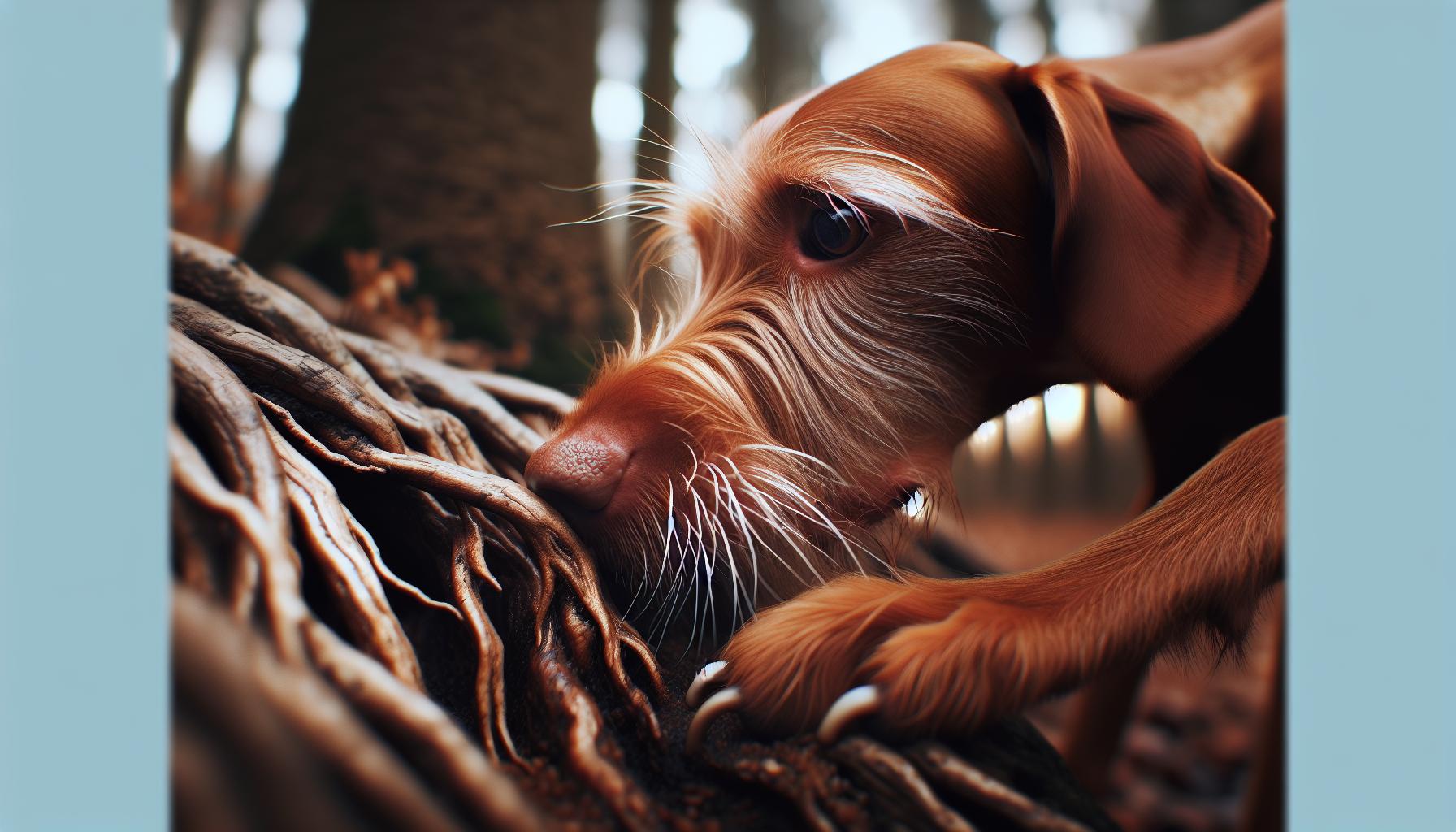
The Role of Whiskers in Canine Anatomy
Whiskers play a pivotal role in the anatomy of canines, particularly in breeds like poodles. These specialized hairs, known as vibrissae, extend around a dog’s muzzle and above its eyes, serving not only as charming features but also as vital sensory tools. While whiskers may seem like mere embellishments accentuating a poodle’s elegant look, they are essential for enhancing the dog’s perception of its environment. Whiskers are highly sensitive and can detect even the slightest changes in air currents, allowing poodles to sense nearby objects, navigate tight spaces, and avoid potential hazards-qualities that are especially beneficial given their sometimes playful and curious nature.
Moreover, the length and thickness of a poodle’s whiskers contribute significantly to their functionality. In contrast to regular fur, whiskers are embedded deeper in the skin and are equipped with nerve endings, making them highly responsive. For instance, when a poodle approaches a narrow space, its whiskers will brush against the sides, prompting the dog’s brain to assess how much room there is to maneuver. This heightened sensory perception is crucial for a breed known for its agility and playful exploration.
Grooming Practices are also essential for maintaining the health and functionality of a poodle’s whiskers. Owners should aim to keep the facial area clean, preventing debris from accumulating around these sensitive hairs. When grooming, gently trimming excess fur around the whiskers can help avoid tangling, while ensuring that the vibrissae themselves remain intact and unobstructed. It’s a small but significant part of your grooming routine that can enhance your poodle’s comfort and efficiency in navigating its surroundings.
In summation, whiskers are an integral part of canine anatomy, particularly for poodles, helping them interact with the world around them far beyond aesthetics. By understanding and caring for these unique features, poodle owners can support their pets’ natural instincts and enrich their everyday experiences.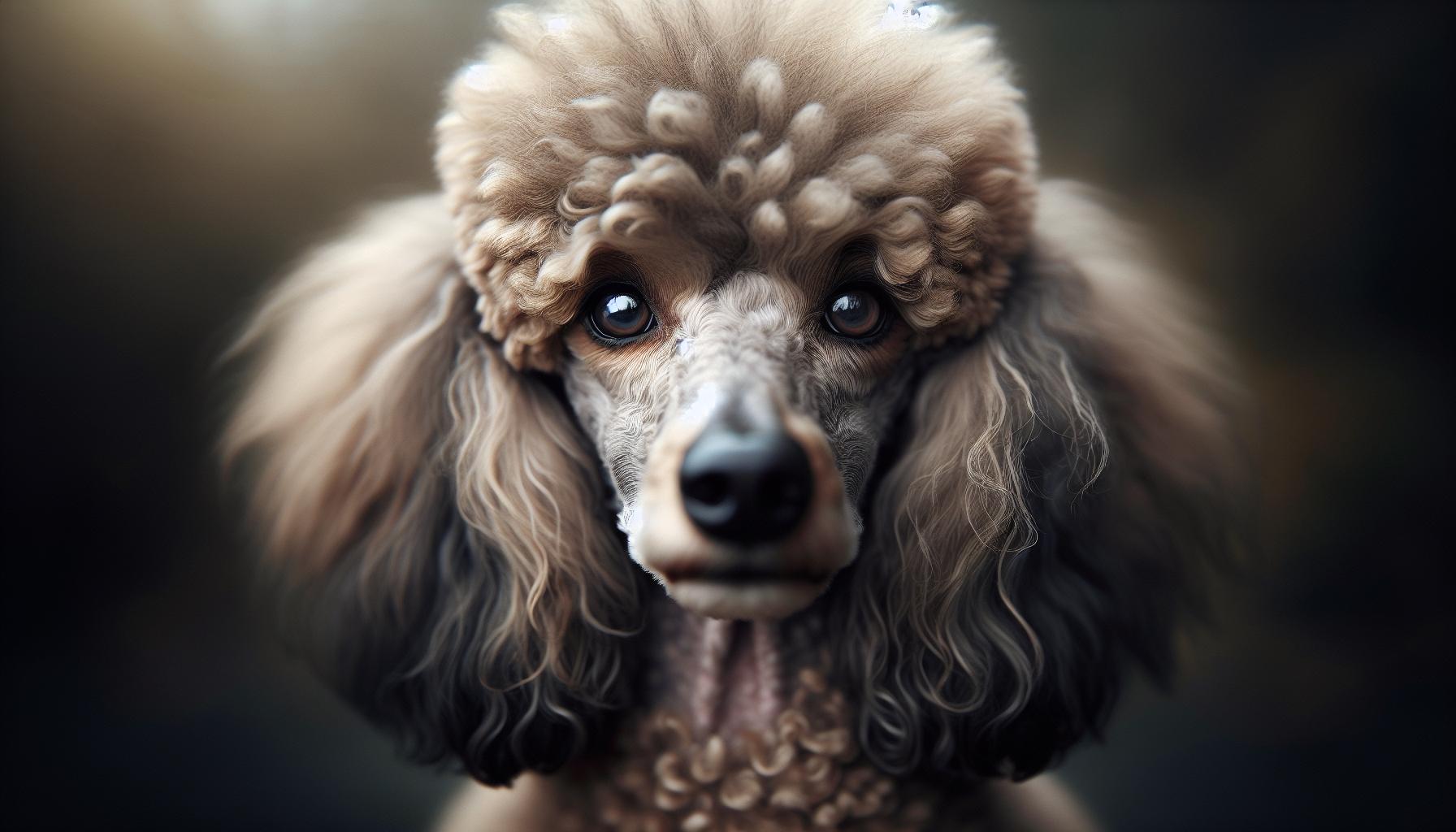
Poodle Facial Features: What Sets Them Apart?
Poodles are often celebrated for their striking appearance and unique facial features that set them apart from other breeds. One of the most distinguishing characteristics of poodles is their well-defined muzzle, which not only contributes to their elegant look but also enhances their functionality as a highly intelligent breed. A poodle’s facial structure is designed to accommodate its keen sense of smell and superior agility, making it adept in various activities, from dog sports to service work.
The fur of a poodle is another standout feature. Unlike many other breeds, poodles have a dense, curly coat that helps to keep allergens at bay, making them a popular choice for allergy sufferers. This unique coat also plays a practical role; it minimizes matting and tangling, particularly around the facial area where whiskers reside. The contrast between the soft curls and the stiff whiskers around their muzzle creates a visually appealing harmony, showcasing both beauty and utility.
Moreover, poodles boast expressive eyes that exude intelligence and curiosity. Their eyes are often dark and round, framed by the aforementioned whiskers, which accentuate their thoughtful expressions. This facial configuration not only makes them endearing companions but also allows them to communicate effectively with their owners through various expressions, further deepening the bond between poodle and human.
To care for these distinctive features, regular grooming is paramount. Owners should keep the facial hair trimmed to ensure that it doesn’t impede the function of those sensitive whiskers. Alongside routine grooming, being attentive to any signs of discomfort or irritation around the face will help maintain your poodle’s overall well-being. By understanding and appreciating the unique facial characteristics of poodles, owners can ensure their pets thrive and continue to exhibit the grace and charm they’re known for.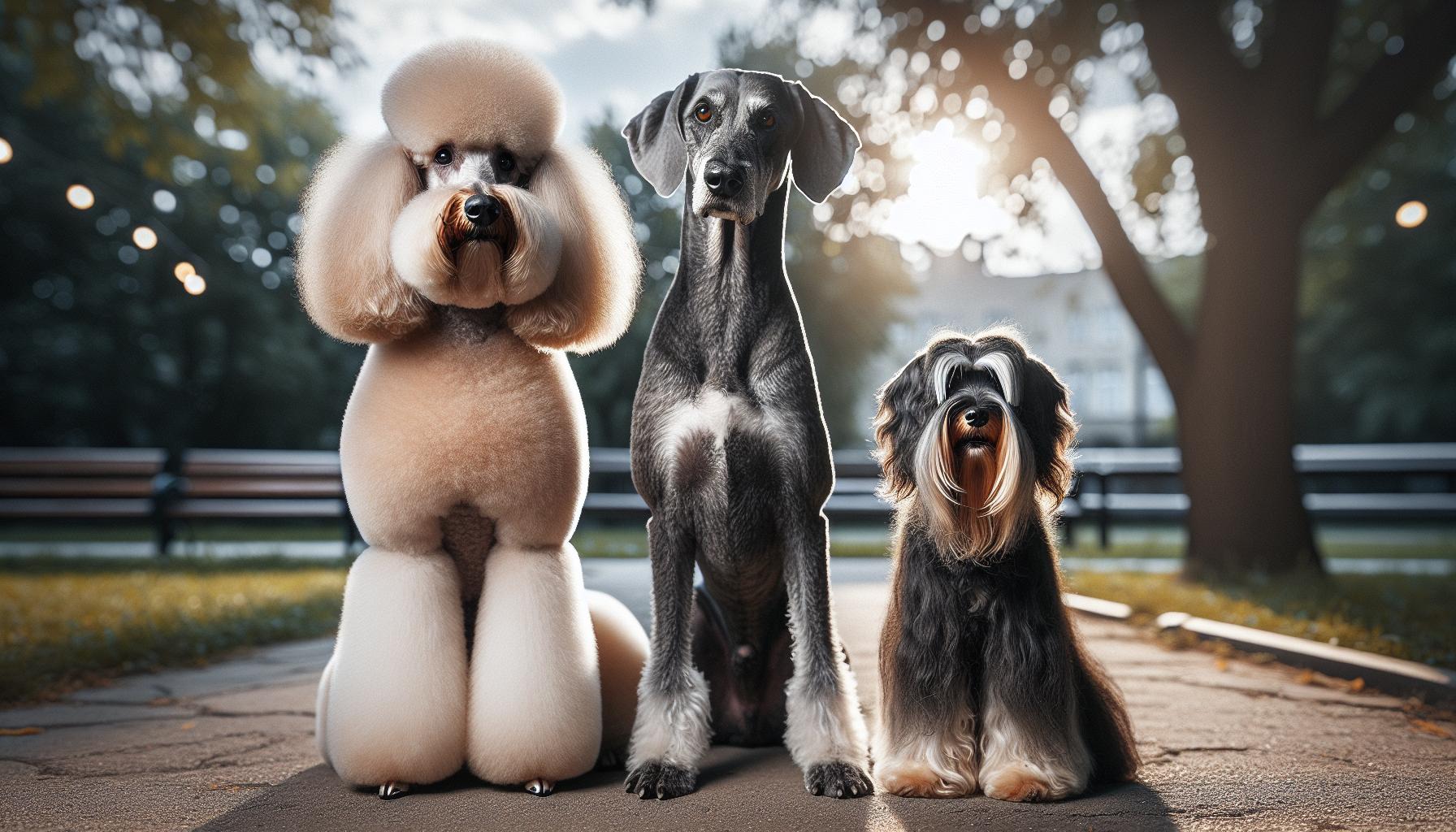
Common Misconceptions About Poodles and Whiskers
Poodles are often surrounded by charming myths and misconceptions, especially when it comes to their unique whisker features. One common belief is that poodles lack whiskers or have minimal whiskers, which can be misleading. In reality, poodles possess a full set of whiskers that play essential roles in their sensory perception and communication. These specialized hairs, known scientifically as vibrissae, are not only present but are also critical to how a poodle navigates its environment.
Another misconception is that the grooming of poodles often leads to the removal of whiskers for aesthetic purposes. While it’s true that poodle grooming can be meticulous, responsible groomers understand the importance of maintaining whiskers intact. Trimming the fur around the face can be done thoughtfully to enhance a poodle’s appearance without impairing its whiskers. Poodle owners should always communicate with their groomers about their desire to keep these sensitive hairs, ensuring that their dogs retain their natural functionality.
Lastly, many people assume that since poodles are known for their stylish looks and high grooming standards, their whiskers serve purely decorative purposes. However, this couldn’t be further from the truth. Whiskers are not just cosmetically pleasing; they are vital for the poodle’s spatial awareness and ability to detect nearby objects, especially in low-light conditions. Understanding this fact can help owners appreciate the full value of these often-overlooked features in enhancing their gracious pets’ quality of life.
By fostering an awareness of these misconceptions, poodle owners can better care for their dogs, aligning grooming practices with their natural anatomy. Emphasizing the importance of whiskers not only enhances a poodle’s health and comfort but also strengthens the bond between the dog and its owner through informed care and communication.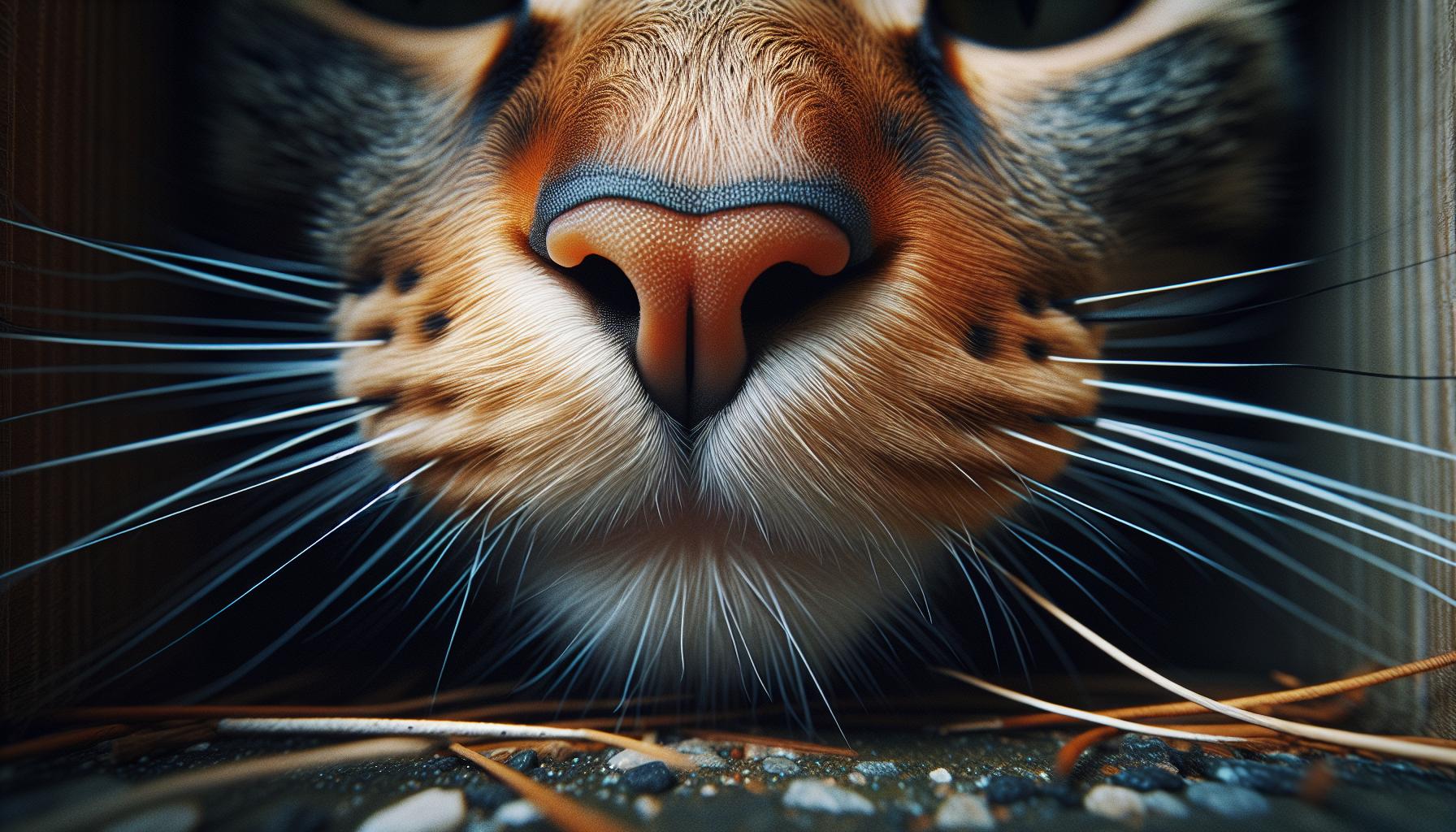
How Whiskers Function: More Than Just Decoration
Whiskers are more than just a charming feature on a poodle’s face; they serve crucial functions that enhance their interaction with the world around them. These specialized hairs, known as vibrissae, are deeply embedded in a poodle’s skin and are rich in tactile sensors, making them highly sensitive to touch and movement. This sensitivity allows poodles to navigate their environment more effectively, especially in low-light situations where visibility may be limited. For instance, when a poodle is putting its nose into a new space, its whiskers act as a radar, helping it gauge whether the area is safe to enter or if it should proceed with caution.
One fascinating aspect of whiskers is that they provide essential spatial awareness. Poodles often use their whiskers to determine the width of openings and avoid potential obstacles. This is particularly important for active poodles who enjoy exploring their surroundings. A well-groomed poodle with intact whiskers can better judge distances and incorporate that sensory feedback into their playful activities. So, when you see your poodle navigating tight spots or engaging in playful exploration, know that their whiskers are working hard behind the scenes to keep them safe.
When it comes to grooming, it’s vital for poodle owners to understand that while appearance is important, whiskers should not be trimmed or over-groomed. Responsible grooming involves keeping the whiskers intact to maintain their function. Owners should communicate with their groomers about the significance of these hairs, ensuring that any hair around the face is trimmed tastefully without compromising the whiskers. This practice not only retains the poodle’s natural functionality but also demonstrates a commitment to their well-being.
In conclusion, whiskers are an indispensable part of a poodle’s anatomy that extends beyond mere decoration. They play an essential role in enhancing the dog’s sensory perception, spatial awareness, and overall safety. As a poodle owner, understanding the critical functions of whiskers can help enrich your relationship with your furry friend, empowering you to provide care that supports their unique needs. By prioritizing the preservation of whiskers during grooming, you contribute to your poodle’s happiness and comfort while celebrating their distinctive features.
Grooming Poodles: Whiskers and Facial Hair Care Tips
Grooming a poodle involves more than just a trip to the salon; it’s about understanding the unique needs of their luxurious coat and delicate features. One aspect that some pet owners may overlook is the care of their poodle’s whiskers. These important vibrissae are not just charming adornments-they serve essential functions in a poodle’s navigation and spatial awareness. Therefore, proper grooming practices regarding whiskers can enhance your poodle’s overall well-being.
When grooming your poodle, it is essential to retain the integrity of their whiskers. Trimming them too short can negatively affect your dog’s ability to navigate their surroundings. Here are some helpful tips for grooming whiskers and facial hair effectively:
- Communicate with your groomer: Make sure your groomer understands that whiskers are important sensory tools for your poodle. Discuss your preferences and the significance of leaving the whiskers intact.
- Grooming Tools: Use quality grooming tools such as a pair of rounded-tip scissors for trimming the fur surrounding the face, being careful to avoid the whiskers themselves.
- Gentle Handling: If you’re grooming your poodle at home, be gentle during the process. Whiskers can be sensitive, so ensure your dog is calm and comfortable.
- Frequency: Regular grooming sessions will help prevent tangles and mats without disrupting the whiskers. Aim for at least once a month, or more frequently if your poodle has a dense coat.
To maintain a stylish yet functional look, pay attention to the surrounding facial fur. A clean and well-groomed face can enhance your poodle’s beautiful features while ensuring their whiskers can function optimally. For example, trimming the fur around the eyes can improve visibility without compromising the whiskers, allowing your dog to navigate and explore safely.
In conclusion, the grooming of whiskers in poodles is an essential task that fosters a strong bond between you and your furry friend. By committing to proper grooming practices that respect these sensory hairs, you are not only caring for your poodle’s appearance but also contributing to their happiness and comfort in navigating the world around them.
What About Other Breeds? Poodles Compared to Others
Poodles are distinguished not just by their elegant grooming and cheerful demeanor but also by their unique sensory adaptations, including their prominent whiskers. These whiskers play a crucial role in their ability to navigate the world. However, how do poodles stack up against other breeds when it comes to this essential feature? It’s important to recognize that while all dogs possess whiskers, the characteristics and functions can vary widely across different breeds.
In breeds like Beagles and Labrador Retrievers, whiskers serve a similar purpose as they do in poodles, assisting in spatial awareness and serving as tactile sensors. However, the length and visibility of these whiskers can be less pronounced compared to those of a poodle. For instance, poodles typically have long, prominent whiskers that enhance their sensitivity to the environment, allowing them to detect even the slightest changes in their surroundings. This heightened sensitivity is particularly beneficial for their active and playful nature, as it helps them navigate various terrains and obstacles with ease.
Additionally, grooming practices can differ significantly among breeds. While poodles often undergo elaborate grooming routines that emphasize the care of their whiskers, other breeds may have more straightforward grooming needs. For example, breeds like Bulldogs have shorter, more resilient facial hair that requires less maintenance, as their whiskers are thicker and less prone to snagging. This difference in grooming requirements highlights the importance of understanding each breed’s specific needs. Poodle owners should be diligent in educating themselves about proper whisker care and the overall grooming regimen that keeps their poodle both stylish and comfortable.
Another aspect to consider is how various breeds react to sensory inputs. Poodles are known for their sensitivity and intelligence, which often leads to more pronounced behaviors in response to tactile stimulation, including their whiskers. In contrast, breeds such as Doberman Pinschers might rely on different forms of sensory processing and might not exhibit the same overt reliance on their facial whiskers. Being aware of these differences can foster a deeper understanding of your dog’s individual needs and behaviors, encouraging a more responsive and enriching relationship between you and your furry friend.
In summary, while all dogs, including poodles, possess whiskers that serve essential sensory functions, the experience of those features can vary greatly based on breed. Understanding these differences can not only enhance grooming practices and care routines but also improve interactions with our beloved canine companions. Embracing the unique characteristics of each breed ensures that all dogs, from the playful poodle to the gentle Labrador, receive the tailored care they deserve.
The Importance of Touch Sensitivity in Dogs
Dogs are equipped with an extraordinary sense of touch, and for poodles, this sensitivity is particularly pronounced due to their prominent whiskers. These long, tactile hairs, known scientifically as vibrissae, are not just decorative; they serve a vital role in how dogs perceive their surroundings. Whiskers are deeply embedded in a dog’s skin and are extremely sensitive to touch and movement, allowing them to detect changes in their environment even before other senses, like sight or smell, come into play.
When poodles find themselves in new or complex environments, their whiskers act as an important tool for exploration. For instance, if a poodle approaches a narrow passageway or a crowded room, its whiskers will brush against any surfaces, gathering information about the space’s size and shape. This ability is crucial for all dogs, but especially for poodles, who tend to be both agile and curious. They often navigate tighter spaces than other breeds due to their size and silhouette, relying on their whiskers to avoid potential obstacles and hazards.
It’s also important to recognize that the sensitivity of a poodle’s touch extends beyond just their whiskers. Many poodles are known for their lively personalities and intelligent nature, prompting them to engage more deeply with tactile stimuli. This touch sensitivity can enhance their training and responsiveness. For example, when teaching a poodle new tricks or commands, incorporating hands-on guidance and physical cues can take advantage of their keen awareness of touch. As a new owner, you may notice your poodle leaning in closer or moving forward when you merely extend your hand-an example of how much they rely on this sensory input.
In grooming, understanding your poodle’s touch sensitivity becomes crucial. Frequent handling of their whiskers and facial hair can help in maintaining not only their appearance but also their comfort. Regularly brushing these areas and ensuring that there are no tangles or mats can prevent discomfort and enhance their ability to use their whiskers effectively. In essence, nurturing this magnificent sense of touch is vital for your poodle’s well-being and happiness, fostering a better bond between you and your furry companion.
Real Poodle Owners Share Their Experiences
As any proud poodle owner will tell you, every interaction with our furry companions becomes an enriched experience through the unique traits they possess. For many, the appeal of poodles-particularly in their expressive eyes and distinctive whiskers-is a beloved characteristic that goes beyond mere aesthetics. The poodle’s whiskers, laden with sensory capabilities, form a critical part of how they engage with the world around them.
Many owners have shared how their poodles use these sensitive vibrissae to navigate their surroundings. For instance, one owner recounted the time she introduced her toy poodle to a new home with narrow hallways. She noticed how her little pup gently brushed its whiskers along the walls, cautiously exploring its new territory. This instinctive behavior not only showcased the poodle’s touch sensitivity but also highlighted how poodles utilize their whiskers to assess unfamiliar environments.
In grooming sessions, owners often express appreciation for their poodles’ whiskers, noting how they play a role in the dog’s comfort and appearance. Taking care of these unique facial features can become a delightful bonding opportunity. One owner mentioned that when she gently combs her poodle’s whiskers, her dog leans into the process, almost as if to say, “That feels great!” Regular brushing not only helps keep the whiskers free from tangles but also reinforces the poodle’s trust, making grooming a more enjoyable routine for both.
Understanding the role of whiskers can also help owners deepen their connection with their poodles. It’s not uncommon for owners to engage in playtime, encouraging their dogs to explore various textures that challenge their sensitivity. Using toys that make noise or have varying surfaces can stimulate their keen sense of touch. This nurturing approach, underpinned by the unique anatomy of their poodles, fosters trust and enhances their responsiveness, creating a more harmonious living environment.
In sharing these experiences, many poodle owners illustrate the joy of observing how these remarkable dogs interact with the world using their whiskers, reminding fellow pet lovers just how special and engaging poodles can be.
Expert Insights: Veterinarians on Poodle Features
Veterinarians often emphasize that the unique facial features of poodles, including their whiskers, play an essential role in sensory perception. Whiskers, or vibrissae, are not merely aesthetic; they are crucial sensory tools that help dogs navigate their environment. According to Dr. Emily Carson, a veterinarian with a special interest in canine anatomy, “Poodles are particularly expressive dogs, and their whiskers contribute not only to their communication but also to their spatial awareness.” These sensitive hairs can detect minute changes in air currents, allowing poodles to assess their surroundings effectively, which is especially important given their inquisitive nature.
When caring for poodles, it’s vital to understand that these whiskers are deeply rooted in the dog’s skin and serve multiple purposes. Not only do they assist with spatial orientation, but they also enhance their overall interaction with the world. Dr. James Lee, another veterinary expert, points out that “the grooming process can inadvertently stress a dog’s sensory inputs if not done carefully.” He advises pet owners to avoid excessive trimming of whiskers as it can disrupt the dog’s ability to sense their environment. Instead, gentle grooming and occasional trims, focusing more on the fur surrounding the face, can keep the overall appearance neat without interfering with their whiskers.
In terms of behavioral insights, Dr. Sarah Thompson notes that poodles often display heightened sensitivity to tactile experiences due to their whiskers. “Many owners may notice that their poodles tend to be more cautious in new environments,” she explains. This behavior can be attributed to the whiskers’ role in enhancing their sense of touch, allowing them to explore safely. For new owners, creating an enriching environment filled with varied textures can help bolster their poodle’s confidence. Incorporating toys that provoke different sensations can stimulate their curiosity and promote healthy social behaviors.
To maintain the health and function of these delicate features, regular veterinary check-ups are crucial. During these visits, veterinarians can assess the health of your poodle’s whiskers and advise on any grooming practices that may benefit them. By fostering a proper understanding of your poodle’s whiskers and the sensory roles they play, you can better appreciate the complexities of their behavior and enhance your bond with this intelligent breed.
Understanding Whisker Trim: Pros and Cons
The decision to trim a poodle’s whiskers can spark debate among dog owners, with passionate opinions on both sides. On one hand, some groomers may suggest shortening whiskers to achieve a more polished look. However, it’s essential to recognize the significant role these sensory hairs play in a poodle’s everyday life. Whiskers are intricately tied to how dogs sense their environment, offering critical feedback about nearby objects and changes in their surroundings.
When considering whisker trimming, it’s vital to weigh the *pros and cons*. Here’s a concise look at each side:
Pros of Trimming Whiskers
- Aesthetic Appeal: Many pet owners prefer the neat, groomed appearance that comes with shorter whiskers, aligning with show standards or personal preference.
- Cleaning Convenience: Shorter whiskers may collect less debris from food and dirt, which can occasionally make post-meal clean-up easier.
Cons of Trimming Whiskers
- Reduced Sensory Input: Trimming whiskers limits a poodle’s ability to effectively gauge their surroundings, which can lead to hesitance or confusion in new environments.
- Behavioral Changes: Some poodles may become more anxious or uncertain when their whiskers are trimmed, affecting their confidence and willingness to explore.
- Overall Discomfort: In some cases, dogs may feel strange or uncomfortable after a trim, leading to behavioral changes or stress.
Veterinary advice strongly points to maintaining whisker length to support the poodle’s natural sensory functions. Instead of trimming the whiskers, groomers can focus on keeping the fur around the face tidy. By mastering this technique, you can ensure both a lovely appearance and the preservation of your poodle’s essential sensory tools. Engaging in gentle grooming practices will keep your dog looking sharp while also allowing them to thrive in their whimsical explorations.
For those new to poodle ownership, developing a deeper understanding of your furry friend’s facial features-including their whiskers-can enhance the bond you share. Your poodle relies on these sensitive hairs for interaction with their world, and maintaining their whiskers is a small but important aspect of responsible and loving ownership.
How Facial Features Affect Poodle Behavior and Interaction
A poodle’s unique facial features, particularly their expressive eyes and prominent whiskers, play a crucial role in how they interact with the world around them. Whiskers are not merely aesthetic; they serve vital functions that influence a poodle’s behavior and confidence. These sensory hairs are highly sensitive and help poodles navigate their environment by detecting changes in their surroundings. For instance, when transitioning to a new space or encountering unfamiliar objects, whiskers assist in spatial awareness, allowing dogs to gauge distances and potential obstacles effectively.
Moreover, a poodle’s expressive face communicates a great deal about their emotions. The combination of facial features-like the eyebrows that can move in tandem with their feelings-allows them to express curiosity, excitement, or discomfort. For example, if a poodle feels unsure or anxious, the subtleties in their facial expression can indicate their mood, which is essential for owners to recognize and respond to appropriately. Being attentive to these cues fosters better communication between poodles and their humans, promoting a stronger bond built on trust and understanding.
In addition to emotional expression, the way poodles use their whiskers can directly affect their willingness to engage in new experiences. If a poodle feels comfortable and secure, their whiskers will help them explore their surroundings confidently. Conversely, if their sensory input is diminished-due to whisker trimming or some other factor-they may hesitate to approach new situations or people. For new owners, understanding these dynamics is critical. It’s essential to support their poodle’s natural behaviors by allowing whiskers to remain at their full length, thus ensuring they continue to receive sensory feedback that enhances their comfort level in various environments.
Lastly, fostering a positive environment involves engaging in activities that stimulate not just the poodle’s physical health, but also their emotional well-being. Playtime, training sessions, and social interactions can help boost their confidence, allowing their facial features and sensory tools to shine in a delightful display of poodle personality. By prioritizing these aspects, owners can nurture a happy, secure poodle that interacts confidently with both their family and the wider world.
Frequently asked questions
Q: Do Poodles rely on their whiskers for navigation?
A: Yes, Poodles and other dogs use their whiskers as sensory tools to help navigate their environment. Whiskers detect changes in air currents, which can alert them to nearby objects or potential hazards, facilitating better spatial awareness.
Q: How do Poodle whiskers differ from those of other breeds?
A: Poodle whiskers are typically longer and more prominent compared to many other breeds. This may enhance their ability to sense their surroundings, which is particularly beneficial due to their playful and active nature. For more on Poodle characteristics, see “Poodle Facial Features: What Sets Them Apart?”
Q: Can Poodles’ whiskers affect their behavior?
A: Yes, Poodles’ whiskers can influence their interactions and behavior. Sensitive whiskers can alert them to nearby pets or objects, making them more cautious or curious. Understanding these features can enhance your relationship with your Poodle.
Q: What should I do if my Poodle’s whiskers get trimmed accidentally?
A: If your Poodle’s whiskers are trimmed, don’t worry; they will grow back. However, avoid trimming them intentionally, as whiskers play crucial roles in sensory perception. Ensure your grooming routine respects these sensitive facial hairs.
Q: Why are Poodle whiskers important for their health?
A: Whiskers are important for a Poodle’s health because they help with spatial orientation and protection. They enable dogs to sense their surroundings more accurately, reducing the chance of injury and enhancing their overall well-being.
Q: How can I care for my Poodle’s whiskers?
A: To care for your Poodle’s whiskers, avoid trimming them and gently brush the area during grooming sessions. This ensures that whiskers remain intact and healthy while minimizing discomfort from any tangles.
Q: Do Poodle whiskers serve a purpose beyond decoration?
A: Yes, Poodle whiskers serve vital functions beyond decoration; they are sensitive tactile hairs that help Poodles gauge their environment. They play key roles in navigation, enhancing their hunting instincts and interactions with surroundings.
Q: How often should I groom my Poodle’s facial hair, including whiskers?
A: Groom your Poodle’s facial hair, including whiskers, every six weeks to maintain hygiene and prevent matting. Regular grooming helps keep their sensitive whiskers intact and enhances their overall appearance. For more grooming tips, check the grooming section of our article.
To Wrap It Up
Now that you’re equipped with insights into whether poodles have whiskers and how their unique facial features contribute to their charm, don’t stop here! Explore our in-depth guide on understanding poodle colors and their genetic traits by visiting our discussion on Poodle Color Inheritance. If you’re curious about the different types of poodle snouts, our thread comparing short and long noses could answer your questions!
Have more questions, or want to share your poodle’s photos? Drop a comment below, and let’s keep the conversation going! By learning more about poodle characteristics, you’ll enhance your understanding and care for these wonderful companions. Plus, subscribe to our newsletter for expert tips and the latest in poodle care-you won’t want to miss out! Join us in celebrating all things poodle!