
Choosing between a Labradoodle and a Goldendoodle can feel daunting, especially when both breeds are adored for their friendly nature and hypoallergenic coats. Did you know that while both are Poodle mixes, their personality traits and energy levels can differ significantly? If you’re considering bringing one of these delightful dogs into your home, understanding their unique characteristics is crucial. Whether you’re after an affectionate companion or a lively playmate, knowing which breed aligns with your lifestyle can make all the difference. Let’s dive into the distinct traits of these popular doodles to help you find your perfect match!
What Are Labradoodles and Goldendoodles?
Labradoodles and Goldendoodles are two popular designer dog breeds that perfectly combine the charm of their parent breeds: the Labrador Retriever and the Poodle for Labradoodles, and the Golden Retriever and the Poodle for Goldendoodles. These dogs are celebrated not only for their striking good looks but also for their friendly dispositions, making them excellent companions and family pets. With their hypoallergenic coats and intelligence, both breeds are frequently favored for therapy and assistance roles, embodying the ideal mix of beauty, brains, and warmth.
Defining Characteristics
The Labradoodle typically exhibits a friendly, energetic demeanor, inheriting the playfulness of the Labrador and the smarts of the Poodle. On the other hand, Goldendoodles are often characterized by their affectionate nature and tendency to be a bit calmer, reflecting the Golden Retriever’s gentle temperament. Because of these differences, potential owners should consider which traits align best with their lifestyle and preferences. Whether you seek a spirited, playful companion or a loving, gentle friend, each breed offers unique qualities that cater to different needs.
Why Choose a Doodle?
Choosing a Labradoodle or Goldendoodle can open the door to a fulfilling pet ownership experience. Both breeds thrive on social interaction and are known for their adaptability, making them suitable for a variety of living situations-from busy households to quiet homes. They not only enjoy being part of family activities but also excel in training and learning new commands, which helps reinforce positive relationships between dogs and their owners.
In summary, both Labradoodles and Goldendoodles bring joy and companionship into homes. As prospective owners weigh their options, understanding these distinct yet complementary characteristics will aid in making the best choice for their lifestyle and family dynamic.
Key Differences Between Labradoodles and Goldendoodles
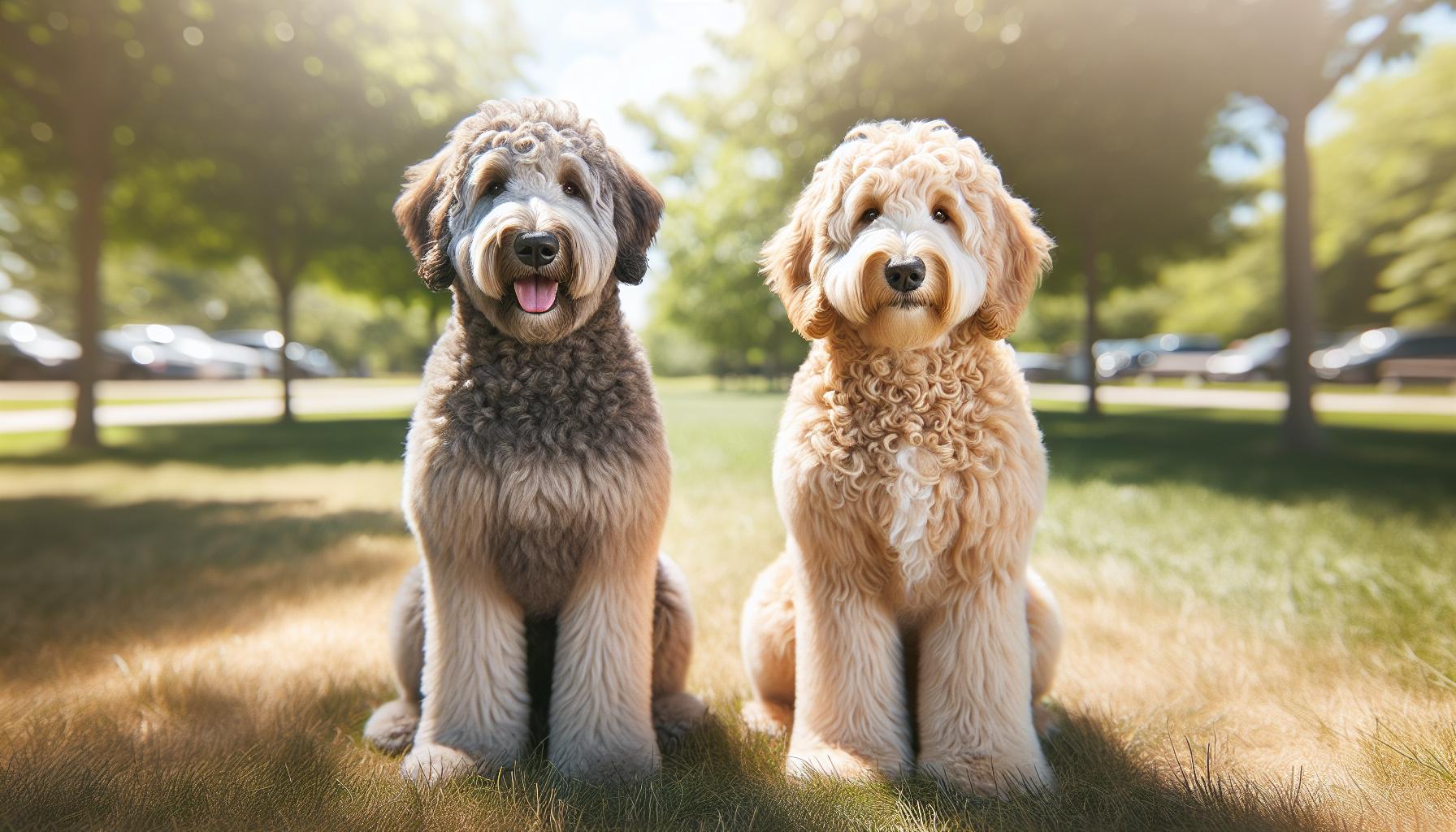
When considering a new furry companion, understanding the differences between Labradoodles and Goldendoodles is essential. While both breeds share a common lineage with the Poodle, their distinct parental traits contribute to their unique characteristics. Labradoodles, the offspring of a Labrador Retriever and a Poodle, are known for their lively nature. They tend to be energetic and eager to engage in play, making them excellent companions for active families or individuals who enjoy outdoor activities. In contrast, Goldendoodles descend from Golden Retrievers and Poodles, often inheriting a more laid-back demeanor. These dogs are generally more affectionate and tend to exhibit a calmer temperament, ideal for those who prefer a cuddly companion for nights on the couch rather than an energetic playmate.
Another hallmark of each breed is their adaptability to training and socialization. Labradoodles often thrive in environments where activities abound, showing a keen interest in learning new tricks and commands, leading to a high level of intelligence. Their curious nature can sometimes lead to mischief, requiring consistent training to channel their energy positively. Goldendoodles, while equally intelligent, may respond better to a gentle approach in training, reflecting their inherently sensitive disposition. Understanding these behavioral nuances can help prospective owners decide which breed aligns best with their lifestyle and training preferences.
In terms of appearance, both breeds can vary widely in size and coat types due to the diverse genetic backgrounds of their Poodle parent. Labradoodles generally come in three sizes-standard, medium, and miniature-resulting from varied breeding practices. Goldendoodles also reflect a similar size range, but those on the smaller side often tend to retain more of the Golden Retriever’s features. Coat-wise, both can inherit traits that mean less shedding, making them desirable for allergy sufferers, yet grooming needs may differ. Labradoodles frequently exhibit coats that can range from straight to wavy, requiring regular grooming to avert matting, while Goldendoodles tend to have softer, curlier coats that also demand consistent maintenance.
Ultimately, the choice between a Labradoodle and a Goldendoodle should consider not only their behavioral and physical attributes but also how well these traits align with your day-to-day life. Whether you lean towards the energetic, fun-loving spirit of the Labradoodle or the gentle, loving nature of the Goldendoodle, both breeds promise to be wonderful additions to your family, ready to share their joy and companionship.
Size and Weight Comparisons of Both Breeds

When it comes to choosing between Labradoodles and Goldendoodles, understanding their size and weight differences is crucial, especially since these factors can influence your lifestyle and space requirements. Both breeds inherit varying traits from their Poodle lineage, leading to a wide array of sizes that can suit different living situations. This diversity makes it important to consider your environment, whether you live in a cozy apartment or a spacious home.
Labradoodles typically come in three size categories: standard, medium, and miniature. Here’s a quick breakdown of what you might expect in terms of weight:
| Size | Weight Range |
|---|---|
| Standard Labradoodle | 50-65 lbs |
| Medium Labradoodle | 30-45 lbs |
| Miniature Labradoodle | 15-30 lbs |
Goldendoodles also share a similar size structure, but they tend to be slightly more consistent in their weights, especially when they lean more toward the Golden Retriever traits. The size spectrum is roughly as follows:
| Size | Weight Range |
|---|---|
| Standard Goldendoodle | 50-90 lbs |
| Medium Goldendoodle | 30-50 lbs |
| Miniature Goldendoodle | 15-35 lbs |
A notable aspect is that while both breeds can come in miniature sizes, Goldendoodles are often bred at a smaller size due to the gentle nature of Golden Retrievers, making them an excellent choice for families or individuals preferring a more compact dog. If you live in a smaller space, a miniature Goldendoodle might offer the perfect blend of affectionate companionship without overwhelming your living area.
In considering the size and weight of each breed, think about your household dynamics, activities, and home environment. Larger dogs generally need more outdoor space to roam and play, while smaller varieties can be quite content with indoor play and shorter walks. Balancing the size of your future furry friend with the realities of your lifestyle is essential to ensure a happy home for both you and your dog.
Coat Types: Shedding, Grooming, and Allergies

Understanding the coat types of Labradoodles and Goldendoodles is essential not only for grooming needs but also for allergy considerations-especially important for potential owners who may have sensitivities. Both breeds are hybrids that inherit unique coat characteristics from their Poodle and other parent breeds, which greatly influences shedding, grooming routine, and overall care.
Labradoodles typically exhibit three types of coats: wool, fleece, and hair. The wool coat resembles that of a Poodle and tends to be dense and curly, significantly reducing shedding and making it a good option for allergy sufferers. The fleece variety is softer and wavier, providing a similar low-shedding benefit but may require more grooming to avoid matting. Finally, the hair coat is straighter and may shed more, resembling the Labrador parent. This variety can result in increased grooming needs.
Goldendoodles share the same coat types, though they usually have a more consistent wool or fleece coat due to their Golden Retriever lineage. Their coats are often soft, fluffy, and come in a variety of wave patterns, making them extremely affectionate as well as appealing in appearance. Their hypoallergenic traits stem mainly from the Poodle side, but it’s important to note that individual shedding may still occur depending on genetic factors.
When planning for grooming, consider implementing a routine that includes regular brushing to prevent tangles and mats, particularly for those with fleece or wool coats. A good brushing schedule would be:
- For wool coats: Brush 2-3 times a week.
- For fleece coats: Brush once a week, with more frequent grooming during shedding seasons.
- For hair coats: Brush at least once a week to manage shedding.
Additionally, both breeds may need professional grooming every 6-8 weeks to keep their coats in top shape, especially for those with curlier coats. Regular baths using mild dog shampoos can keep both Labradoodles’ and Goldendoodles’ skin and coat healthy.
It’s also wise for prospective owners to remember that while both breeds are often touted as hypoallergenic, no dog is completely free of allergens. Individuals with allergies may still experience reactions, particularly from dander and saliva. A meet-and-greet with the specific breed before bringing a puppy home can help determine compatibility for allergy sufferers.
Ultimately, choosing between these two delightful breeds may come down to grooming commitment and personal allergy considerations. Each type of coat provides unique characteristics, and understanding these differences can help you create the best environment for a loving and healthy relationship with your new furry companion.
Temperament: Personality Traits of Each Doodle
The personalities of Labradoodles and Goldendoodles are among their most endearing traits, making both breeds wonderfully affectionate companions. These intelligent and social dogs thrive on interaction and playtime, so expect a loyal friend who loves being part of family activities. However, you might notice some subtle differences in temperament based on their lineage and individual personality quirks.
Labradoodles, being a mix of the energetic Labrador Retriever and the clever Poodle, often inherit a playful and adventurous spirit. They are known for their friendly and outgoing nature, making them great family pets, therapy dogs, and even service animals. Their strong inclination to please their owners means they can be quite trainable, but they also require mental stimulation and regular exercise-think long walks, games of fetch, or even agility training to keep them happy and healthy.
On the other hand, Goldendoodles, resulting from a Golden Retriever and a Poodle, are generally known for their sweet and gentle temperament. They often exhibit a more laid-back disposition, making them an ideal choice for families with children or elderly owners. Goldendoodles tend to bond closely with their humans and can be incredibly nurturing. Their gentle demeanor makes them great therapy dogs as well, able to provide comfort and companionship to those in need.
When considering a new dog, it’s crucial to recognize that our Doodle friends can vary significantly in personality based on individual genetics, upbringing, and socialization. While both breeds are generally sociable and friendly, early training and socialization are key to shaping their behavior. Make it a priority to expose your puppy to various environments and experiences early on. This will help cultivate a well-rounded adult dog, regardless of whether you choose a Labradoodle or a Goldendoodle.
In summary, whether you are drawn to the lively and playful nature of Labradoodles or the affectionate and gentle temperament of Goldendoodles, both breeds promise a loving companionship filled with joy, laughter, and unforgettable moments. The right choice for you will depend on your own lifestyle, so consider which traits resonate more with what you’re looking for in a furry friend!
Energy Levels: Activity Needs and Playfulness
A fun and active lifestyle is crucial for both Labradoodles and Goldendoodles, but these lovable breeds have their distinct energy levels and exercise requirements. Did you know that Labradoodles, which combine the playful nature of Labrador Retrievers and the intelligence of Poodles, often have higher energy needs than Goldendoodles? This higher energy translates into a need for approximately 1 to 2 hours of exercise daily. Whether it’s a long walk, a game of fetch at the park, or engaging in agility training, Labradoodles thrive on activities that challenge both their bodies and minds.
In contrast, Goldendoodles, derived from Golden Retrievers and Poodles, typically require a bit less exercise, averaging about 30 minutes to 1 hour a day. Their gentle and affectionate demeanor makes them more agreeable to calmer activities, such as leisurely walks or engaging in interactive play sessions at home. This doesn’t mean they’re couch potatoes, though! They still enjoy playtime and socializing, but they might also happily snuggle up for a movie night after a moderate play session.
Given their different energy levels, potential owners should consider their lifestyle and activity preferences. If you enjoy outdoor adventures or have kids who need an energetic playmate, a Labradoodle might be the perfect fit. However, if you prefer a more relaxed companion who enjoys some playtime but is also happy to lounge around, a Goldendoodle could be ideal. Be sure to engage your furry friend in activities he or she enjoys, as playfulness can be a significant part of their bonding experience.
Quick Comparison of Energy Levels
| Feature | Labradoodle | Goldendoodle |
|---|---|---|
| Daily Exercise Needs | 1 – 2 hours | 30 mins – 1 hour |
| Preferred Activities | Fetch, agility, long walks | Leisure walks, interactive play, cuddling |
| Overall Energy Level | High | Moderate |
All in all, understanding the energy requirements of these breeds will help ensure a fulfilling companionship. Tailoring their exercise routines to match their specific needs allows for a harmonious home and a happy, well-adjusted dog.
Training Differences: A Guide for New Owners
New dog owners often wonder about the best ways to train their furry companions, and while both Labradoodles and Goldendoodles are known for their intelligence and trainable nature, their distinct characteristics can influence training styles. Labradoodles, stemming from the energetic and social Labrador Retriever, often respond best to positive reinforcement techniques. Their high energy necessitates engaging training sessions that can involve physical activities like agility courses or fetch. For example, a typical training session might include a few rounds of sit and stay followed by a lively game of retrieve, making learning fun for your Labradoodle.
On the other hand, Goldendoodles, with their mix of Golden Retrievers’ gentleness and Poodles’ intellect, typically thrive in a calm training environment. While they are also eager to please, they may prefer slightly longer, more relaxed training sessions that incorporate love and affection. Using treats and praise effectively can help cement the training behaviors, often resulting in a wonderful bond. Integrating tasks like teaching them to fetch a specific item can be rewarding; they usually enjoy this interaction.
Training Tips for Success
- Consistency is Key: Regular practice sessions can greatly enhance your dog’s learning.
- Short and Fun Sessions: Keep training sessions to about 5-10 minutes for younger dogs, gradually increasing as they grow older and more attentive.
- Socialization: Introduce your Labradoodle or Goldendoodle to a variety of environments, people, and other pets early on. This helps foster good behavior and reduces fearfulness in new situations.
Keep in mind, while both breeds have the potential to excel in obedience training, individual temperament can vary. This means recognizing your dog’s unique personality type is crucial. Whether you choose a Labradoodle, known for its lively spirit and enthusiasm, or a Goldendoodle, with its affectionate disposition, group training classes can also provide an excellent opportunity for socialization with other dogs while reinforcing important commands. By staying patient and adapting your training techniques to your dog’s energy levels and personality, you will pave the way for a well-behaved and happy furry friend.
Health Concerns: Common Issues in Each Breed
Both Labradoodles and Goldendoodles are beloved for their friendly personalities and intelligence, but they can also be prone to some specific health concerns due to their mixed breed heritage. Understanding these potential issues is crucial for any prospective owner wanting to ensure a long and healthy life for their furry friend.
For Labradoodles, a health concern frequently seen is hip dysplasia, a genetic disorder that affects the hip joints and can lead to pain and arthritis. This tends to be inherited from their Labrador Retriever lineage. Eye conditions, including progressive retinal atrophy (PRA) and cataracts, are also prevalent in this breed. Regular veterinary eye check-ups can help catch any issues early, allowing for better management.
Goldendoodles, on the other hand, share some similar potential health problems, notably hip dysplasia, but they can be more susceptible to conditions like certain skin allergies and hypothyroidism. Their Poodle ancestry can increase the risk of developing Addison’s disease, an endocrine disorder that affects adrenal function. Routine health screenings and genetic testing, especially before breeding, can minimize these risks.
Managing Health Concerns
To keep either breed healthy, it’s vital to provide regular veterinary care, maintain a balanced diet, and ensure consistent exercise. Here are some practical tips:
- Regular Vet Visits: Schedule annual check-ups to monitor your dog’s health and catch any potential issues early.
- Healthy Diet: Choose high-quality dog food tailored to your dog’s age, weight, and activity level.
- Routine Exercise: Consistent physical activity is crucial for maintaining a healthy weight and mental stimulation.
- Grooming: Regular brushing not only keeps their coats healthy but also provides an opportunity to check for any skin issues or parasites.
Being proactive about these health considerations can greatly impact your Labradoodle or Goldendoodle’s overall well-being, ensuring they lead a happy, energetic, and fulfilling life by your side.
Lifespan Expectations for Labradoodles vs. Goldendoodles
Both Labradoodles and Goldendoodles boast impressively long lifespans, making them popular choices for families and individuals looking for a long-term companion. On average, Labradoodles typically live between 12 to 14 years, while Goldendoodles can have a lifespan ranging from 10 to 15 years. This variation is partly due to the size of the Poodle that contributes to their genetics; for instance, a Standard Goldendoodle may have a shorter lifespan compared to a Miniature Goldendoodle.
Factors Influencing Lifespan
Several factors can influence the lifespan of both breeds, including genetics, healthcare, and lifestyle. Regular veterinary care is vital; annual check-ups can help catch potential health issues early and improve the overall health of your dog. Additionally, a balanced diet tailored to their specific needs, combined with consistent exercise, plays a crucial role in maintaining their well-being.
Considerations such as the following can contribute to a longer, healthier life:
- Routine Vet Visits: Ongoing health assessments and vaccinations help prevent many diseases.
- Nutrition: High-quality, age-appropriate dog food can enhance energy levels and overall health.
- Physical Activity: Regular exercise helps to maintain a healthy weight and prevent obesity-related issues.
- Mental Stimulation: Engaging activities such as training sessions and interactive toys can keep your dog sharp and happy.
Importance should also be placed on their living environments; dogs that are well-socialized and live in loving, engaging homes tend to be happier and healthier. Many owners can share stories of their Labradoodles and Goldendoodles surpassing the average life expectancy when given proper care. This dedication to health extends beyond routine check-ups and diet; fostering an environment filled with love and interaction can also significantly impact their overall happiness and longevity.
In summary, while both breeds come with their unique health considerations, the right care, attention, and lifestyle can lead to a fulfilling life for both Labradoodles and Goldendoodles, resulting in a loving companionship that lasts through many wonderful years together.
Ideal Living Situations: Which Doodle Fits Your Lifestyle?
Imagine coming home to a wagging tail and a joyful bark, knowing that your furry companion is perfectly suited to your lifestyle. When considering the best fit between a Labradoodle and a Goldendoodle, it’s essential to understand not just their traits, but also your own living situation and preferences. Both breeds offer unique characteristics that can either seamlessly blend into your life or require a bit more adaptation.
For those who thrive in an active environment, a Labradoodle, with its playful and energetic demeanor, might be the perfect match. Ideal for families with children or individuals who enjoy outdoor activities, Labradoodles demand regular exercise and mental stimulation. They excel in environments where they can run, play fetch, or even participate in agility training. If you live in a house with a large backyard or proximity to parks, the high energy of a Labradoodle will fit wonderfully. You might find joy in taking them on hikes or to dog parks where they can socialize and expend their energy.
On the other hand, if you prefer a more laid-back lifestyle, the Goldendoodle may be more in line with your needs. Known for their affectionate and calm nature, Goldendoodles can adapt well to various living situations, including apartments, as long as they receive adequate exercise. They generally require about 30 minutes of moderate activity each day, which can include leisurely walks or playtime in smaller spaces. This makes them a fantastic choice for individuals or families who might not have the time or energy for extensive outdoor activities yet still want a loving and social companion.
Ultimately, understanding your lifestyle’s dynamics-whether it’s an active family environment or a peaceful apartment setting-can help you make the right choice. You want a dog that not only matches your energy levels but also complements your daily routine. Embrace the joy of companionship by choosing a breed that aligns well with your lifestyle, ensuring that both you and your future furry friend enjoy a fulfilling life together.
Cost Considerations: Initial and Ongoing Expenses
When considering bringing a Labradoodle or Goldendoodle into your home, it’s crucial to factor in both the initial and ongoing expenses associated with these beloved breeds. Understanding these costs not only helps you prepare financially but also ensures you can provide the level of care that each breed requires.
To start, the initial costs typically include the purchase price, which can range significantly based on breeder reputation, location, and whether you choose a standard or miniature size. On average, expect to pay between $1,000 to $3,000 for a Labradoodle and around $1,500 to $4,000 for a Goldendoodle due to their popularity and demand. Beyond the price of the pup, consider expenses such as vaccinations, spaying or neutering, and initial supplies (like a bed, crate, food, and toys), which can add another $300 to $500 to your starting costs.
- Initial Cost Breakdown:
- Purchase Price: $1,000 – $4,000
- Vaccination & Health Check: $200 – $300
- Spaying/Neutering: $200 – $500
- Supplies (Food, Bed, Crate, etc.): $300 – $500
Once you’ve welcomed your new friend home, the ongoing expenses come into play. These can include regular veterinary care, grooming (especially to manage their coats), food, training classes, and pet insurance. Labradoodles typically require more grooming due to their more active fur type, which can lead to a grooming cost of approximately $60 to $100 per session every 6 to 8 weeks. On the other hand, Goldendoodles may require slightly less frequent grooming but still fall in the same price range. Food costs will vary, but budget around $50 to $100 per month based on their size and dietary needs.
- Ongoing Cost Breakdown:
- Veterinary Care (annual check-ups): $200 – $600
- Grooming (bi-monthly): $300 – $600 annually
- Food: $600 – $1,200 annually
- Training Classes: $200 – $500 initially, plus ongoing as needed
- Pet Insurance: $300 – $600 annually
By thoughtfully assessing these costs, you’ll ensure a more seamless transition into pet parenthood. Owning a Labradoodle or Goldendoodle can be one of life’s most rewarding experiences, but it does come with responsibility. Being financially equipped allows you to provide the love and care your furry friend deserves, leading to a happy and fulfilling companionship for both of you.
Choosing Between a Labradoodle and Goldendoodle
When it comes to adding a furry friend to your family, the choice between a Labradoodle and a Goldendoodle can feel overwhelming due to their similar traits but distinctive qualities. Both breeds are known for their intelligence, affection, and hybrid vigor, making them increasingly popular among dog owners. To make an informed decision about which might be a better fit, consider their unique characteristics, your lifestyle, and what you hope to find in a canine companion.
The first consideration is temperament. Labradoodles tend to be more energetic and playful, ideal for families with a vibrant lifestyle or those who enjoy outdoor activities. They can be boisterous and thrive on physical and mental stimulation. On the other hand, Goldendoodles generally exhibit a calmer demeanor and are often described as more affectionate and loyal, making them perfect for cuddling up with after a long day or as therapy dogs in various settings. Depending on whether you prefer a more active or a more relaxed presence in your home can greatly influence your choice.
Additionally, grooming needs are crucial to consider. Both breeds are low-shedding due to their Poodle lineage, which is great for allergy sufferers. However, if you prefer a breed that requires less grooming, Goldendoodles may be slightly more manageable since their coat often requires less frequent visits to the groomer compared to Labradoodles, which can need regular trims to keep their coats healthy and tangle-free.
Lastly, think about your living situation and energy levels. If you live in a smaller space or do not have a yard, you may lean towards a Goldendoodle, who typically adapts well to a more relaxed lifestyle. Conversely, if you have ample outdoor space and enjoy an active lifestyle, a Labradoodle might be your best match, as they love to play and would thrive in that environment. Ultimately, both breeds can bring joy and companionship, but aligning their needs with your lifestyle will ensure a fulfilling relationship for both you and your new furry friend.
Frequently Asked Questions
Q: What are the main differences in size between Labradoodles and Goldendoodles?
A: Labradoodles typically range from 50 to 65 pounds, while Goldendoodles can range from 15 to 90 pounds, depending on whether they are standard, medium, or miniatures. Understanding the size variations is crucial for matching a dog’s needs with your living situation and activity level.
Q: How do the coat types differ between Labradoodles and Goldendoodles?
A: Labradoodles often have a wavy coat that may shed less, while Goldendoodles typically have a curlier coat that can result in less shedding but requires more grooming. Both breeds are considered hypoallergenic, making them great for allergy sufferers. Refer to the section on coat types for grooming tips.
Q: Are Labradoodles or Goldendoodles easier to train?
A: Both breeds are intelligent and eager to please, making them generally easy to train. However, Labradoodles might display slightly more stubbornness, depending on their lineage. Start training early with positive reinforcement techniques for the best results.
Q: What common health issues affect Labradoodles compared to Goldendoodles?
A: Labradoodles may face hip dysplasia and ear infections, while Goldendoodles are prone to skin conditions and allergies. Regular vet check-ups and a good grooming routine can help mitigate these health concerns.
Q: What is the typical lifespan of Labradoodles versus Goldendoodles?
A: Labradoodles generally live between 12 to 14 years, while Goldendoodles may have a slightly longer lifespan, averaging 13 to 15 years. Proper care and regular check-ups play a significant role in maximizing their longevity.
Q: How do the energy levels compare between Labradoodles and Goldendoodles?
A: Labradoodles are usually higher energy, needing more exercise than Goldendoodles. Goldendoodles require about 30 minutes of moderate exercise daily, while Labradoodles thrive with more active play. Make sure their exercise routine matches their energy requirements.
Q: What are the grooming needs for Labradoodles compared to Goldendoodles?
A: Labradoodles may require brushing at least once a week and occasional grooming sessions, while Goldendoodles might need more frequent grooming due to their curlier coats, which can mat easily. Regular grooming helps prevent skin issues and maintains coat health.
Q: Which breed is better for families, Labradoodles or Goldendoodles?
A: Both breeds are excellent family dogs due to their friendly dispositions. However, Goldendoodles often have a calmer demeanor, making them slightly better for families with small children, while Labradoodles are ideal for active families due to their high energy levels.
In Retrospect
Now that you’ve explored the differences between Labradoodles and Goldendoodles, it’s clear that these charming breeds offer unique qualities to match various lifestyles. Whether you prefer the active and bold nature of a Labradoodle or the calm affection of a Goldendoodle, both breeds make delightful companions. Don’t miss out-find the right fit for your home today!
Looking for more guidance? Check out our detailed care checklist for Doodles and a comparison of their grooming needs to ensure you’re fully prepared. If you have any questions or want to share your own Doodle stories, leave a comment below-we love hearing from our community! And for more insightful articles on dog ownership and breed comparisons, subscribe to our newsletter for regular updates.
Explore our site further to discover tips on training, health care resources, and more breed-specific advice. Your journey to Doodle ownership is just beginning-start it off right!