Did you know that many people mistake a Poodle’s hair for fur? This common misconception can lead to misunderstandings about grooming and care for this beloved breed. Poodles possess a distinctive curly coat that not only contributes to their elegance but also affects their health and maintenance. Understanding whether a Poodle has fur or hair is crucial for responsible ownership, as it impacts brushing routines, bathing needs, and overall well-being. For potential buyers or current owners, knowing the science behind their coat can enhance your relationship with your Poodle, ensuring a happier, healthier life for your furry friend. Dive deeper to discover the unique characteristics of Poodle coats, the implications for grooming, and how to keep your canine companion looking and feeling their best!
Understanding the Difference: Fur vs. Hair in Dogs
When it comes to dog grooming, the distinction between fur and hair is essential, especially for breeds like Poodles. Understanding this difference not only helps in proper coat care but also enhances our appreciation for these lovely companions. Poodles, uniquely, have hair rather than fur, which leads to a distinct variety of care requirements. Their coat is dense, curly, and made up of tightly packed fibers that form an insulating layer, resembling human hair more closely than it does the fur of many other breeds.
This characteristic allows Poodles to grow a coat that is less likely to shed than traditional fur, making them a suitable choice for allergy sufferers. However, their hair requires regular maintenance to prevent matting and tangling. Owners should ideally brush their Poodles at least a few times a week, if not daily, to keep the coat healthy and manage any potential issues. Because Poodle hair is continuous and non-shedding, it can trap dirt and debris, so it’s not just about looking good-it’s about ensuring their skin stays healthy underneath.
Now, let’s consider how this relates to grooming routines. Poodle owners should focus on specific grooming tools designed for hair, such as slicker brushes and combs, which can effectively detangle without damaging the coat. Regular baths with appropriate shampoos will also help maintain coat quality while addressing any health concerns that arise from neglecting grooming routines.
Additionally, keeping an eye on the Poodle’s diet plays a vital role in coat health. A balanced diet rich in omega fatty acids can enhance coat quality and minimize issues such as dry skin, which is pivotal in maintaining that beautiful curly hair. By understanding the nature of a Poodle’s coat, owners can foster a stronger bond with their dogs through effective grooming practices that promote both health and aesthetic appeal.
Why Poodles Have Unique Coats
Poodles are renowned not just for their intelligence and playful demeanor, but also for their distinctive coats that set them apart from other dog breeds. This unique hair structure is significantly different from typical dog fur; it’s dense, curly, and resembles human hair more closely. These traits not only contribute to Poodles’ aesthetic appeal but also play a crucial role in their health and care requirements.
The Poodle’s coat consists of two types of hair: a wiry outer layer and a soft, cottony undercoat. This combination results in a hypoallergenic coat that tends to trap dander and hair, making them a popular choice for allergy sufferers. By having hair instead of fur, Poodles experience minimal shedding, which is great for keeping homes cleaner and reducing allergens in the environment. However, this unique structure also requires dedicated grooming efforts, as the tightly packed curls can quickly become matted without regular attention. Most Poodle owners will need to invest in durable grooming tools, such as slicker brushes and combs, to maintain their dog’s coat effectively.
Moreover, the insulating properties of a Poodle’s coat protect them from varying temperatures, making it adaptable in different climates. However, it’s essential to keep an eye on how environmental factors affect their coat structure and overall health. For instance, high humidity may lead to more tangling, whereas dry climates can result in static and dry skin. Understanding these aspects can empower owners to implement tailored grooming routines, such as using moisturizers for dry skin or more frequent brushing in humid weather, leading to a happier and healthier companion.
As you embark on your journey of caring for a Poodle, remember that while their stunning coats require effort, the rewards-both in terms of bonding and seeing your furry friend flourish-are well worth it. By investing time and love in grooming, you’ll help ensure your Poodle remains as healthy and beautiful as they are cherished.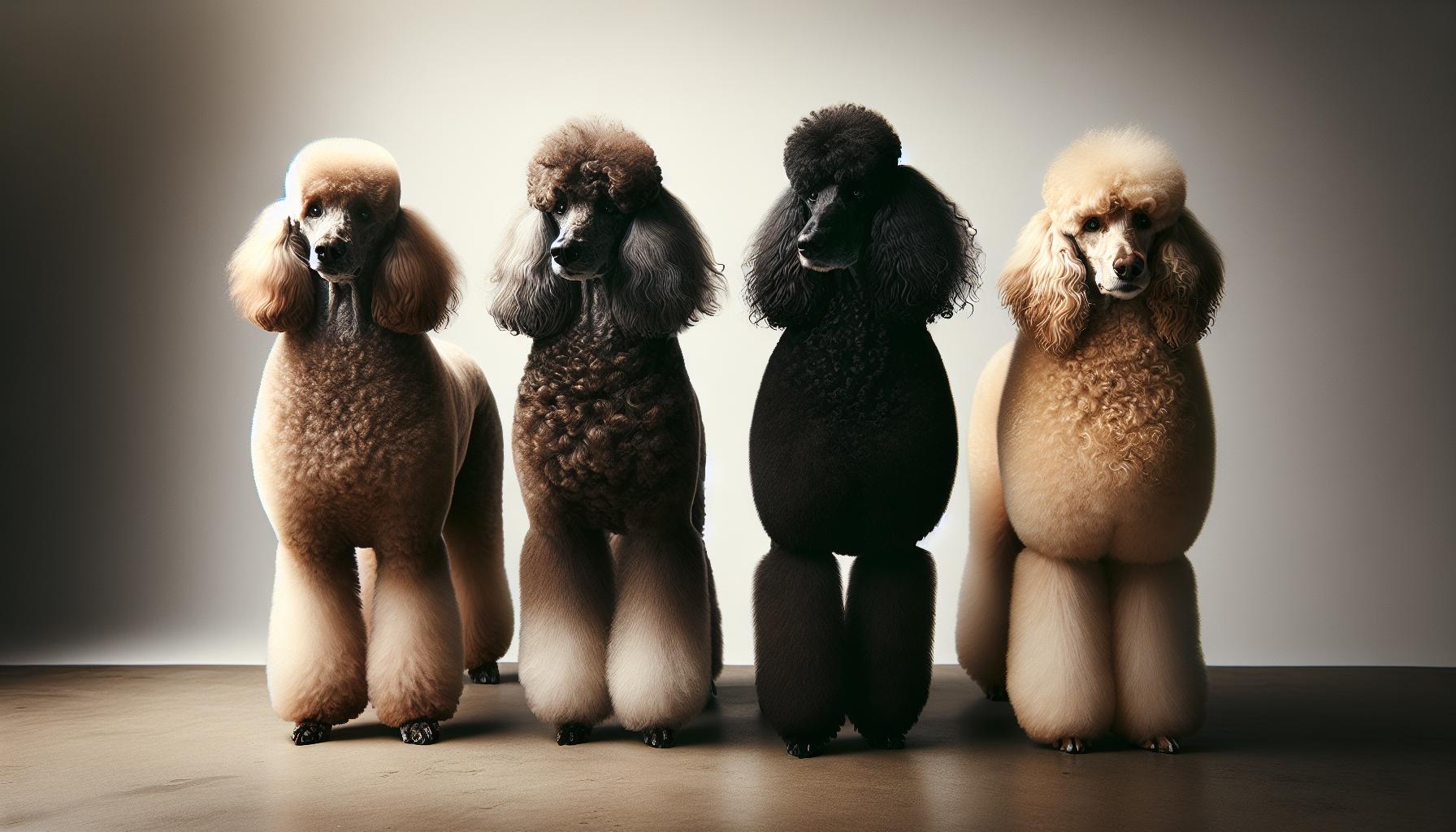
The Science of Poodle Coat Types
Poodles are captivating not only for their intelligence and playful nature but also for their unique coats that are unlike any other dog breed. Understanding the intricacies of Poodle coat types involves delving into the science behind their hair structure. Poodles have hair rather than fur, which contributes to their hypoallergenic qualities and minimal shedding. This key differentiation can significantly affect both the aesthetic and health considerations for Poodle owners.
The Poodle’s coat comprises two distinct types of hair: the coarse, wiry outer layer and the soft, cotton-like undercoat. This dual-layer system offers excellent insulation, making Poodles adaptable to various climates. The curly structure of their hair traps warmth in colder weather and helps regulate temperature in the heat, proving beneficial for their comfort. However, these same tight curls also require diligent grooming to prevent matting, which can be a challenge if overlooked. Regular brushing not only helps maintain the coat’s appearance but also promotes skin health by distributing natural oils.
Poodles come in three main sizes-Standard, Miniature, and Toy-and while all share the same coat characteristics, the texture and density may vary. For example, the Standard Poodle often has a fuller and thicker coat, whereas the Toy Poodle’s coat might be softer due to its smaller size. Regardless of the size, all Poodles benefit from a tailored grooming routine that suits their specific coat type, underscoring the importance of understanding individual needs. Here’s a quick guide to help you identify coat types and care methods:
| Coat Type | Grooming Frequency | Unique Characteristics |
|---|---|---|
| Standard Poodle | Every 4-6 weeks | Thick and dense with defined curls |
| Miniature Poodle | Every 4-6 weeks | Wiry outer coat, softer undercoat |
| Toy Poodle | Every 4-6 weeks | Soft, often silkier curls |
Equipped with an understanding of the science behind Poodle coat types, owners can optimize their grooming practices. Regular grooming not only keeps your Poodle looking their best but also fosters a deeper bond between pet and owner. By investing time into recognizing their specific coat needs and adapting your grooming routine accordingly, you can ensure a healthy, flourishing Poodle with a stunning coat that showcases their unique beauty.
Debunking Myths About Poodle Hair
Many people assume that a Poodle’s coat is just like that of other dogs, but this couldn’t be further from the truth. Poodles have hair, not fur, which is a significant distinction that influences shedding, grooming practices, and even allergenic properties. It’s a common misconception that all dogs behave similarly when it comes to their coats, leading to confusion and misinformed care techniques among pet owners.
One prevalent myth is that Poodles are hypoallergenic because they don’t shed at all. While it’s true that their unique hair structure minimizes dander and shedding compared to many other breeds, they still lose hair-just less of it. This characteristic makes them a preferred choice for allergy sufferers, but it is essential to understand that individual reactions can vary. Regular grooming is crucial for maintaining coat health and reducing allergens within the home.
Another myth often heard among dog lovers is that Poodles require less grooming since they don’t shed. In reality, the dense and curly nature of their hair requires consistent upkeep to prevent matting and tangling. It’s not unusual for Poodle owners to dedicate time each week to brush their dog’s coat, with many experts recommending at least 30 minutes per week. Establishing a regular grooming routine helps owners identify any skin issues or coat problems early on, ensuring that their beloved pet remains healthy and comfortable.
Additionally, there’s a misconception that coat color can influence a Poodle’s personality or intelligence. However, breed experts and veterinarians agree that coat color has no bearing on these traits. Instead, a Poodle’s behavior is shaped by genetics, training, and socialization. Focusing on fostering positive behaviors through consistent training-regardless of coat color-will yield a more well-adjusted pet.
Understanding these myths and how they shape perceptions about Poodle care can empower new owners to make informed choices and foster effective grooming routines. By separating fact from fiction, Poodle enthusiasts can better appreciate their unique coats while providing the best care possible for their furry friends.
Grooming Tips for Poodle Owners
Caring for your Poodle’s unique coat requires a thoughtful approach that considers its distinctive characteristics. Unlike many dog breeds, Poodles have hair rather than fur, which means they experience less shedding but require diligent grooming to maintain coat health and prevent tangles. One of the most vital grooming tips is to establish a consistent routine. Aim for at least 30 minutes of grooming each week, focusing on brushing to remove loose hair and prevent mats. Using a slicker brush or a comb designed for curly hair can help manage those tight curls effectively.
Regular Bathing and Conditioning
Bathing your Poodle is equally important, but how often you do it can depend on their activity level and lifestyle. A good rule of thumb is to bathe your furry friend every 4 to 6 weeks, utilizing a gentle dog shampoo that won’t strip the natural oils from their coat. Following up with a quality conditioner specifically formulated for Poodles can keep their coat soft and manageable, making future grooming sessions easier.
Trimming for Health and Style
Trimming is another essential aspect of Poodle care that goes beyond aesthetics. Regularly schedule professional grooming sessions every 4 to 6 weeks to maintain their coat length and prevent matting. If you prefer to tackle some of this at home, invest in high-quality grooming scissors and clippers tailored for Poodles. Always be cautious around sensitive areas like the face and paws; if you’re unsure, it’s best to consult a professional instead.
Tools of the Trade
To equip yourself for successful grooming, gather a few essential tools:
- Slicker Brush – Effective for detangling and removing loose hair.
- Wide-Toothed Comb – Great for working through knots without pulling.
- Dog Shampoo and Conditioner – Choose products made specifically for Poodles.
- Grooming Scissors – Essential for tidying up around the face and paws.
- Nail Clippers – Keeping nails trimmed is crucial for your dog’s comfort and health.
By adhering to a thoughtful grooming regimen and using the right tools, Poodle owners can ensure their pets look fabulous while also minimizing potential coat issues. This diligent care showcases not just your commitment as a pet owner but also contributes to your Poodle’s overall well-being.
Health Benefits of Poodle Coat Maintenance
Maintaining your Poodle’s coat is not just about keeping them looking fabulous; it’s essential for their overall health and well-being. Poodles have a unique coat that consists of hair instead of fur, providing them with some distinct advantages but also necessitating regular maintenance. A well-groomed Poodle can enjoy better skin health, reduced allergies, and improved comfort throughout their lives.
One of the primary health benefits of diligent coat maintenance is the prevention of matting. Mats can trap moisture and dirt against the skin, leading to irritations or infections. Regular brushing helps to eliminate tangles and loose hair, lowering the risk of skin problems. Additionally, when Poodles are bathed and conditioned regularly, it helps to keep their skin hydrated. A healthy coat retains natural oils, which not only adds to the shine but also acts as a barrier against environmental elements.
Furthermore, maintaining your Poodle’s coat can significantly improve their comfort. A tangled or matted coat can pull on the skin, causing discomfort and even pain. Regular grooming sessions also provide an excellent opportunity to check for any unusual changes in your dog’s skin, such as bumps or irritations, which can be signs of underlying health issues. This proactive approach allows for early detection and intervention, promoting a longer, healthier life for your furry companion.
Taking care of your Poodle’s coat is likened to a caring routine that ensures their happiness and health. Engaging in this grooming ritual not only enhances the bond between you and your Poodle but also contributes to their emotional well-being. A well-groomed dog is often a happier dog, free to frolic and play without the hindrance of discomfort or irritations. In essence, a little time spent on coat maintenance translates into a lot of love and care for your Poodle, making it a worthwhile investment in their health.
How Climate Affects a Poodle’s Coat
The climate in which your Poodle lives can significantly impact their coat and overall health. Because Poodles have hair rather than fur, they have unique needs based on temperature and humidity levels. Unlike short-haired breeds that might easily dissipate heat, Poodles benefit from a more meticulous grooming routine tailored to the conditions they face, ensuring they remain comfortable and healthy.
In warmer climates, Poodles can be particularly vulnerable to overheating. Their dense, curly coat can trap heat close to their skin, making it essential for owners to regularly groom them to remove loose hair and prevent matting. Keeping their coat trimmed can also help increase air circulation and mitigate heat retention. A professional grooming session that includes a summer cut can be a fantastic way to ensure your Poodle stays cool while still looking stylish.
Conversely, colder climates present different challenges. A well-maintained Poodle coat can provide some insulation, but it’s essential to keep it clean and well-groomed to maintain its protective qualities. Mats can trap moisture and reduce the coat’s insulating effectiveness, leading your dog to become cold and uncomfortable. Additionally, frequent grooming helps to distribute natural oils that help in protecting the skin from harsh chill, keeping it healthy.
Here are a few tips for climate-specific grooming:
- Warm Weather: Opt for shorter trims and brush regularly to prevent overheating and matting.
- Cold Weather: Regularly check for mats, since these can trap moisture; thorough drying after baths is crucial.
- Humidity Considerations: In humid conditions, daily brushing is vital to prevent the fur from becoming tangled and matted.
By being attentive to the climatic conditions your Poodle faces, you can ensure that their coat remains a source of comfort rather than discomfort. The proactive approach of adjusting grooming techniques and schedules based on the weather will not only enhance their coat’s appearance but also promote their overall well-being. Understanding these climate-related nuances will help you nurture a happier, healthier Poodle through all seasons.
Comparing Poodles to Other Breeds: Fur vs. Hair
When considering the differences between Poodles’ coats and those of other dog breeds, a fascinating fact stands out: Poodles possess hair, not fur. This distinction isn’t just a matter of terminology; it profoundly influences grooming practices, health considerations, and even the dog’s temperament. Unlike many breeds that shed fur, leaving behind piles of fluff, Poodles have a unique curly coat that requires regular maintenance to prevent matting and tangling. This fundamental difference often causes confusion among new dog owners, so understanding the implications of hair versus fur is crucial for keeping your Poodle healthy and happy.
Compared to breeds with fur, like Labrador Retrievers or Golden Retrievers, Poodles often pose different challenges and advantages. For instance, Poodles are often hailed as hypoallergenic due to their unique coat, which traps dander and hair rather than releasing it into the environment. This quality makes them ideal companions for allergy sufferers. However, this same property means that their coats require vigilant grooming-daily brushing is essential to remove loose hair and prevent matting, whereas short-haired breeds might get by with less frequent grooming.
Key Differences: Poodles vs. Other Breeds
| Feature | Poodles (Hair) | Other Breeds (Fur) |
|---|---|---|
| Shedding | Minimal shedding; hair falls out less frequently | Regular shedding; seasonal “blowouts” common |
| Grooming Needs | Frequent grooming; daily brushing recommended | Infrequent grooming; general brushing every few weeks |
| Hypoallergenic | Often hypoallergenic; better for allergy sufferers | Rarely hypoallergenic; may trigger allergies |
| Coat Texture | Curly and dense; needs special care to maintain | Short and straight or wavy; easier to clean |
Owning a Poodle comes with the responsibility of regular grooming and maintenance, which can become a bonding activity for both dog and owner. The dynamic nature of their coat means that Poodles also thrive with a routine, helping them be both mentally and physically engaged. As you navigate the nuances of Poodle care, remember that their unique coat requires commitment but also offers a rewarding experience for owners who accommodate their special needs. Embracing these differences not only enhances your relationship with your Poodle but also ensures they remain a healthy and integral part of your family.
Allergies and Poodles: What You Need to Know
While often regarded as hypoallergenic, the reality for allergy sufferers contemplating a Poodle as a pet is more nuanced. Poodles have hair, not fur, and they shed less dander and hair than many other breeds. This characteristic can make them a suitable choice for individuals with dog allergies; however, it’s essential to understand that no dog is completely hypoallergenic. Factors such as saliva, urine, and environmental allergens can still provoke allergic reactions. A Poodle’s unique curly coat tends to trap these allergens rather than releasing them, reducing the likelihood of them becoming airborne.
Grooming plays a crucial role in managing allergies for Poodle owners. Frequent brushing, ideally daily, can help remove loose hair and dander from the coat, but it’s vital to use the right techniques and tools. Regular bathing with a veterinarian-recommended shampoo can further minimize allergens trapped in the fur. It’s also beneficial to clean your home regularly since allergens can accumulate in the environment, particularly on furniture and flooring. Consider using an air purifier to help reduce airborne allergens and keep their living space as allergen-free as possible.
It’s worth noting that personal experiences vary widely. Some allergy sufferers may find they respond less to Poodles compared to other breeds, while others may still have reactions. Therefore, prospective owners should spend time with a Poodle before making a commitment. This firsthand experience can help gauge any allergic response, allowing for a more informed decision. If allergies are a concern, consult with an allergist for tailored advice on managing symptoms and ensuring a harmonious life with these beloved companions.
In summary, while Poodles can be a better fit for allergy sufferers, a proactive grooming routine, along with consistent cleaning, can play significant roles in minimizing allergic reactions. Embracing these steps not only helps in enjoying the company of a Poodle but also ensures a healthier living environment for all members of the household.
Poodle Coat Care: Essential Products and Tools
Maintaining a Poodle’s stunning coat requires the right tools and products to keep it healthy and well-groomed. Poodles have hair, not fur, which necessitates specific care techniques to prevent matting and tangles while ensuring their stunning appearance. With the right grooming regime, you can not only enhance their natural beauty but also promote their overall health and happiness.
Essential Tools for Poodle Grooming
To start, here are some indispensable grooming tools every Poodle owner should have in their arsenal:
- Brush: A slicker brush is ideal for daily brushing as it effectively removes loose hair and prevents tangles. For thicker coats, a pin brush can help detangle without damaging the hair.
- Comb: A metal comb with both wide and narrow teeth is excellent for addressing specific areas like the ears and legs, where mats can easily form.
- Clippers: Quality dog clippers with different blade sizes allow for consistent trimming. Opt for a quiet model to keep your pup comfortable during grooming sessions.
- Scissors: Round-tipped scissors are perfect for delicate areas, helping to shape the coat without risking injury.
- Shampoo and Conditioner: Use a gentle, dog-formulated shampoo and a moisturizing conditioner to keep their coat clean and hydrated. Avoid human products, as they can irritate the skin.
Grooming Products for a Healthy Coat
When it comes to products, there are a few additional amenities that can enhance your grooming routine. Here are some recommendations to consider:
- Detangling Spray: A quality detangling spray can make brushing sessions easier by smoothing the hair and easing out knots.
- Ear Cleaner: Routine ear cleaning is crucial, especially for Poodles, as their floppy ears can trap moisture and debris. An appropriate ear cleaner can help maintain ear health.
- Nail Clippers: Keeping your Poodle’s nails trimmed is just as important for their wellbeing. Regular nail maintenance prevents discomfort and potential health issues.
- Dietary Supplements: Consult your vet for supplements that promote a healthy coat and skin; ingredients like omega fatty acids can make a noticeable difference.
Incorporating these tools and products into your grooming routine not only enhances your Poodle’s look but also helps ensure their coat remains healthy and vibrant. A well-groomed Poodle is a happy Poodle, and investing in proper care pays off in the long run! Whether you’re a seasoned handler or a new Poodle parent, developing a consistent grooming schedule with the right tools will lead to a happier, healthier companion.
The Impact of Diet on Your Poodle’s Coat Quality
It’s fascinating to think that a few simple changes in your Poodle’s diet can dramatically enhance the quality of their coat. A healthy diet not only nourishes their skin and hair but also promotes overall wellness. Poodles, with their unique curly coats, thrive on diets rich in specific nutrients designed to boost coat health. Essential fatty acids, particularly omega-3 and omega-6, are crucial in maintaining a shiny, vibrant coat while reducing shedding and dryness. Incorporating these into your Poodle’s diet can make a visible difference in their coat’s texture and appearance.
Besides fatty acids, proteins play a pivotal role in coat quality. Dogs, including Poodles, require high-quality protein sources for a robust coat. Look for dog foods that list meat, fish, or poultry as the first ingredient. Additionally, consider incorporating animal-based proteins that contain amino acids, which are vital for healthy hair growth. Foods rich in antioxidants, like blueberries or carrots, can also help combat oxidative stress and inflammation, promoting healthy skin and fur.
It’s worth noting that some Poodles may have specific dietary needs, particularly if they have allergies or sensitivities. Arranging a consultation with your veterinarian can be invaluable in tailoring a diet that meets your Poodle’s needs while enhancing coat quality. For some dogs, dietary supplements may be beneficial, particularly those containing biotin, zinc, or other skin-healthy nutrients. Regularly monitoring your Poodle’s coat condition can help you determine if their current diet is effective or if adjustments are necessary.
Lastly, hydration plays a critical but often overlooked role in coat health. Ensure your Poodle always has access to fresh water, as proper hydration helps maintain skin elasticity and overall coat shine. By understanding the pivotal impact of nutrition on your Poodle’s coat, you’ll not only invest in their appearance but also enhance their overall well-being and happiness. Implementing these dietary tips can lead to a luscious, healthy coat that reflects your Poodle’s vibrant personality!
Recognizing Coat Issues in Poodles: Signs and Solutions
It’s important for Poodle owners to recognize the signs of coat issues early, as these can lead to discomfort or further complications if left untreated. One of the most common symptoms is excessive shedding. While Poodles are known for their non-shedding coats, a sudden increase in hair loss can indicate issues such as skin allergies or parasites. Regular inspections of your Poodle’s coat can help you catch these changes early. If you notice any signs of irritation or inflammation, such as redness, bumps, or excessive scratching, it’s vital to consult your veterinarian promptly.
Another prevalent issue in Poodles is matting, which stems from their curly hair. If your Poodle’s coat appears tangled or clumpy, it can cause discomfort and even skin infections. To prevent matting, regular grooming sessions are essential. Aim for daily brushing, focusing on areas prone to tangles, such as behind the ears and under the legs. If mats do form, consider using a dematting comb or asking a professional groomer for assistance. In severe cases, shaving may be necessary to reset the coat.
Recognizing Skin Conditions
Poodles can also suffer from skin conditions that manifest as changes in their coat. Dullness, rough texture, and excessive greasiness can indicate underlying health issues, including hormonal imbalances or nutritional deficiencies. Regular baths using high-quality dog shampoos formulated for Poodles can help maintain a healthy coat, but be cautious not to over-bathe, as this can strip natural oils. If you observe persistent changes, consult your vet for potential dietary adjustments or clinical evaluation.
Additionally, dry, flaky skin or bald patches may signal allergies or seasonal dermatitis. Observing your Poodle’s behavior, such as increased scratching or biting at their coat, can provide clues to underlying issues. Keep an eye on your Poodle’s environment, as common allergens include pollen, dust mites, and certain food ingredients. If you suspect allergies, a veterinarian may conduct tests to identify specific triggers and recommend appropriate treatment options.
By keeping an eye out for these signs and incorporating a proactive grooming routine, you’ll help ensure your Poodle remains comfortable and their coat stays in vibrant condition. Regular check-ins and a thoughtful approach to grooming can significantly enhance your Poodle’s coat health and overall well-being.
Frequently Asked Questions
Q: What type of coat does a Poodle have?
A: A Poodle’s coat is unique, consisting of dense, curly hair rather than fur. This structure helps reduce shedding and is less likely to trigger allergies, making Poodles popular among those with sensitivities. For more on the differences in dog coats, see the section on “Understanding the Difference: Fur vs. Hair in Dogs.”
Q: How does the Poodle’s coat differ from other dog breeds?
A: Unlike many breeds that have fur, Poodles have a single coat made of hair that curls tightly, which prevents matting and helps to trap dander. This sets them apart in grooming needs and allergy considerations. Explore more in the “Comparing Poodles to Other Breeds: Fur vs. Hair” section.
Q: Why do Poodles require regular grooming?
A: Regular grooming helps maintain the health of a Poodle’s coat, preventing matting and keeping it clean and soft. Without proper care, Poodle hair can become tangled and matted, impacting the dog’s comfort and hygiene. Check out “Grooming Tips for Poodle Owners” for best practices.
Q: Are Poodle coats hypoallergenic?
A: While no dog is completely hypoallergenic, Poodles are known to produce less dander and hair than many other breeds, making them a better choice for allergy sufferers. For detailed insights on allergies related to Poodles, refer to “Allergies and Poodles: What You Need to Know.”
Q: How does climate affect a Poodle’s coat?
A: Poodles adapt well to various climates due to their unique coat. In colder environments, their dense undercoat provides warmth, while in warmer climates, their coat helps regulate temperature. Be sure to review “How Climate Affects a Poodle’s Coat” for further guidance.
Q: What dietary factors influence a Poodle’s coat quality?
A: A nutritious diet rich in omega fatty acids promotes a healthy coat and skin for Poodles. Ensuring your Poodle gets high-quality food can reduce issues like dryness and shedding. Learn more in “The Impact of Diet on Your Poodle’s Coat Quality.”
Q: Can a Poodle’s coat color change over time?
A: Yes, Poodle coat color can change as they mature. Puppies often have different coat colors than adults, and some colors may fade or change in shade. To delve deeper, check the section on “The Science of Poodle Coat Types.”
Q: What are common coat problems in Poodles and how can they be treated?
A: Common issues include matting, dryness, and skin irritation. Regular grooming, moisturizing shampoos, and timely veterinary care can help maintain coat health. Recognize the signs by consulting “Recognizing Coat Issues in Poodles: Signs and Solutions.”
Insights and Conclusions
Now that you understand the unique coat of a poodle, you’re better equipped to make informed decisions about grooming and care. Remember, whether it’s fur or hair, correct terminology helps clarify the breed’s needs. If you’re still curious about grooming techniques or specific care tips, be sure to check out our detailed guides on poodle grooming essentials and the differences in dog coat types.
Don’t miss out on any updates-subscribe to our newsletter for expert advice delivered straight to your inbox. Have questions or want to share your poodle story? We’d love to hear from you in the comments below! By continuing your exploration, you’ll gain deeper insights into maximizing your poodle’s health and happiness.
Explore more on our site to discover effective grooming tips and tricks that will help you take the best care of your poodle. Understanding your pet is just the first step in a puppy parent’s journey-let’s make it a memorable one together!