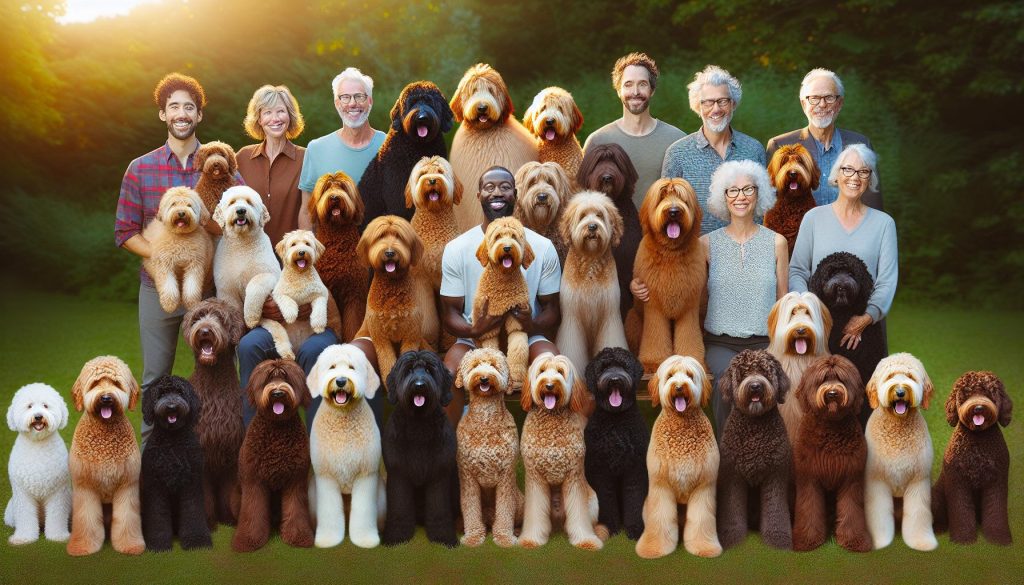
Have you ever noticed your Labradoodle’s coat transforming over time? It’s a fascinating phenomenon that many owners experience as their furry friends mature. Understanding why and how Labradoodles change color is essential for pet parents yearning to ensure their dog’s health and well-being. From the effects of genetic factors like dilution genes to the natural aging process, coat color transitions can vary significantly among Labradoodles, often shifting from dark tones to lighter shades. This guide will explore the ins and outs of coat transformations in Labradoodles, addressing common concerns and providing you with valuable insights to help you navigate this unique aspect of your beloved pet’s development. Whether you’re a new owner or an experienced handler, this information is sure to enhance your understanding and connection with your four-legged companion. Let’s dive in and unravel the mystery behind your Labradoodle’s changing coat!
Understanding Labradoodle Coat Colors and Patterns
Labradoodles are as diverse in their coat colors as they are in their personalities. Whether you’re drawn to the classic black, rich chocolate, or the lovely apricot shades, understanding the variety of Labradoodle coat colors and patterns can be as fascinating as the breed itself. Labradoodles can come in a spectrum of colors, including cream, gold, and red, and they also exhibit various markings, such as white spots or phantom patterns. The interplay of their genes results in a beautiful combination of hues and textures, making each Labradoodle unique.
A key aspect to grasp is that Labradoodles can undergo significant color changes as they mature. Puppies often have lighter or different coats compared to what they will have as adults. This transformation can be attributed to factors such as genetics, age, and even environmental influences. For instance, it’s common for a chocolate Labradoodle to develop gray or silvery shades as they age, leading to a mixed palette that is both charming and distinctive. Understanding this potential for change can help new owners embrace their Labradoodle’s evolving appearance.
Moreover, the coat type-whether it’s fleece, wool, or hair-can also influence the overall look and feel of your dog, affecting how colors manifest and endure. Fleece coats are typically soft and curly, while wool coats tend to be denser and more textured, often referred to as low-shedding and hypoallergenic. Knowing the differences can assist in proper grooming and care, ensuring that your Labradoodle not only looks great but feels healthy too. As you watch your Labradoodle’s coat evolve, remember that each change is part of their journey, reflecting their growing personality and maturity.
Common Factors Influencing Color Change in Labradoodles
Understanding how and why your Labradoodle’s coat color may change is vital for every pet owner. It can be as surprising as it is fascinating! Labradoodles can begin their lives looking one way, but as they grow, their appearance might evolve dramatically. This transformation isn’t just a cosmetic change; it’s influenced by a mix of genetics, age, environment, and coat type, making it a multi-faceted journey that reflects their growth.
Genetics Play a Key Role
When you welcome a Labradoodle into your home, remember that their coat color is largely determined by genetics. Breeding practices and the genetic combination of the parent dogs allow for a broad spectrum of colors ranging from black and chocolate to cream and red. The genes responsible for coat color are complex and can sometimes lead to unexpected changes as the dog matures. For instance, a chocolate Labradoodle might initially appear dark but can gradually develop lighter or even silvery shades as they age, commonly due to the fading of pigment over time.
Age-Related Changes
Another factor influencing color change is age. As Labradoodles transition from puppyhood to adulthood, their coats can alter significantly. This shift often results in lighter and more varied coloration. Puppies might have a richer color that fades or changes into softer shades as they mature. Observing this color evolution is part of the joy of owning a Labradoodle, and understanding this progression can help you appreciate the beauty of their evolving coat.
Environmental Factors
Environmental conditions can also contribute to how a Labradoodle’s color presents itself. Exposure to sunlight can lighten their coat, while some products or harsh weather conditions can affect the coat’s texture and vibrancy. Regular grooming, which includes bathing and brushing, helps maintain the health and appearance of their coat, ensuring that their colors remain vibrant and true to their unique selves.
As a Labradoodle owner, be ready for the colorful adventure that awaits both you and your furry friend. Embrace the changes, and remember that with proper care, nutrition, and grooming, your Labradoodle can shine bright in whatever color they exhibit!
Stages of Labradoodle Color Transformation Over Time
As Labradoodles grow, their coat color undergoes an intriguing transformation that many pet owners find both fascinating and surprising. This journey can be divided into distinct stages that reflect the dog’s development, from a playful puppy eager to explore the world to a regal adult that showcases a unique coat. Understanding these stages helps owners appreciate and care for their pets throughout their lives.
At the puppy stage, which generally lasts from birth to about six months, Labradoodles often display their most vibrant and rich coat colors. Genetics plays a crucial role here; a puppy may be a solid color but start to show small hints of lighter or varied shades. The coat during this time is usually soft and fluffy, prompting many new owners to delight in their pup’s initial appearance. Regular grooming and care during this period help establish a healthy environment for their first coat.
As the puppy matures, typically between six and twelve months, they enter what is often referred to as the transitional phase. During this stage, Labradoodles shed their plush puppy coat and develop their adult coat. This change can prompt significant shifts in color; a once deep chocolate coat may begin to lighten or acquire a faded quality. It’s also common to notice a new texture, with coats becoming either wavier or curlier depending on the genetic influences inherited from their parent breeds.
The adult stage marks the culmination of this transformation, typically occurring around eighteen months to two years old. By now, the Labradoodle’s coat is fully developed, showcasing the patterns and colors unique to the individual. The adult coat may present a delightful range of shades, from deep browns to light creams, with varying textures such as woolly or fleece-like. Owners may also notice subtle color changes over time due to environmental factors or aging, leading to a more dynamic coat that reflects the vibrant personalities of these wonderful dogs.
In caring for Labradoodles throughout these stages, it’s vital to pay attention to grooming habits tailored to their evolving coat. Regular brushing helps manage shedding and mats while allowing the true beauty of their changing colors to shine through. Additionally, maintaining a healthy diet rich in essential nutrients supports a vibrant coat and overall well-being, thereby enhancing the spectacular appearance of a Labradoodle’s fur as they mature.
Differences in Coat Types: Fleece vs. Wool vs. Hair
When it comes to Labradoodles, one of the most captivating aspects of their appearance is the variety of coat types they can possess. Understanding these differences not only helps you choose the right grooming tools but also allows you to provide the best care for your furry friend. Labradoodles can have three primary coat types: fleece, wool, and hair, each with distinctive characteristics, grooming requirements, and suitability for allergy sufferers.
The fleece coat is known for its soft, silky texture that feels luxurious to the touch. This type of coat is often favored by those looking for a hypoallergenic pet, as it tends to shed less dander and hair compared to others. Fleece coats come in a range of colors and patterns and are usually wavy or curly, which can add to the dog’s playful appearance. Regular grooming is essential to prevent matting, and using a pin brush or a slicker brush will help maintain its beautiful texture.
In contrast, the wool coat offers a denser, more textured feel. This coat type is often tighter and can resemble a poodle’s coat, making it another great option for allergy sufferers due to its minimal shedding. Wool coats require diligent grooming to prevent tangles, and many owners find that a combination of brushing and occasional professional grooming helps maintain the coat’s integrity. The curly nature of a wool coat can lead to a great deal of fluffiness, adding charm as your Labradoodle prances through life.
The hair coat, often less common in Labradoodles, is typically straighter and resembles that of a Labrador Retriever. This type of coat is not as hypoallergenic as the fleece or wool but offers a more low-maintenance grooming routine. While hair coats do shed more, owners can mitigate this with regular brushing to manage loose fur. It’s also important to keep in mind that hair coats can see more pronounced variations in color due to the genetic backgrounds of the parent breeds.
Ultimately, understanding these coat types can help you tailor your care for your Labradoodle based on their unique needs. Pay attention to their grooming routines, invest in the right tools, and apply the necessary maintenance practices to keep their coats looking healthy and vibrant. Whether your Labradoodle has a luxurious fleece, a curly wool, or a sleek hair coat, each type offers its own set of rewards and responsibilities for devoted dog parents.
How Genetics Impact Labradoodle Coat Color
The beautiful array of coat colors in Labradoodles is not just a matter of chance; it’s deeply rooted in genetics. Labradoodles inherit their coat color and patterns through a complex interplay of genes from their parent breeds: the Labrador Retriever and the Poodle. Understanding how this genetic makeup influences your Labradoodle’s appearance can add an enriching layer of appreciation as you care for your furry friend.
Labradoodles come in a spectrum of colors, ranging from cream and apricot to chocolate and black, often with variations like merle or phantom patterns. This diversity arises because each parent contributes different color genes. For instance, the Poodle’s genetic background can introduce additional hues and fading tendencies that might not be visible at birth. Many Labradoodle puppies exhibit darker colors that may lighten as they mature, a phenomenon known as coat fading. This fading is more pronounced in those with Poodle genetics, which is essential to consider if you’re adopting a puppy and have a specific color in mind.
The genes responsible for coat color aren’t limited to just the visible shades. They also dictate the pattern and texture of the fur, contributing to the overall look and feel of your dog. Labradoodles are typically known for their hypoallergenic qualities, thanks in part to the Poodle lineage, but genetics also means some will have curls while others may have waves or straights based on the dominant coat traits inherited from their parents. These variations can affect grooming needs and the potential for shedding.
As you anticipate changes in your Labradoodle’s coat color over time, it’s worthwhile to track these transformations. Maintaining a detailed grooming log that includes deshedding techniques and color observations can help you manage their coat effectively. Keeping these genetic factors in mind will aid you in fostering a healthy and happy Labradoodle, aligning grooming habits and care practices with your dog’s unique genetic design.
Caring for Changing Coat Colors: Tips and Best Practices
Caring for a Labradoodle with changing coat colors can be a rewarding journey, filled with discovery as you witness their beautiful transformations. It’s essential to understand how to best support these changes to keep your pup’s coat healthy and vibrant. For instance, the fading from a rich black to a stunning gray can be a cause for excitement, but it also requires thoughtful grooming practices to maintain its shine and texture.
To ensure optimal care for your Labradoodle’s changing coat, consider the following tips:
- Regular Grooming: Schedule consistent grooming sessions to remove loose hair and prevent matting. Tools like deshedding brushes and slicker brushes can help manage this effectively, especially if your Labradoodle has a fleece or wool coat.
- Hydration and Moisture: Keep their coat hydrated using dog-safe conditioners after baths. This is particularly important as coats change, as skin can become dry and flaky. Look for products specifically formulated for Labradoodles or poodles.
- Monitor Diet: High-quality nutrition can promote healthy skin and coat. Incorporate foods rich in omega fatty acids, which are known to enhance coat health and can influence the vibrancy of your Labradoodle’s fur over time.
- Bathing Frequency: Avoid over-bathing, as this can strip essential oils from their coat. Aim for a bath every 4-6 weeks, but adjust based on their activity levels and environmental exposures.
Environmental factors can also affect color changes, so it’s a great idea to be mindful of your Labradoodle’s exposure to sunlight. UV rays can bleach their fur, especially if they have lighter shades, so consider shade options during walks on sunny days. Additionally, regular check-ins with a veterinarian can help you identify any skin issues or changes that may affect coloration, ensuring that your dog remains healthy throughout their coat transformation.
By following these proactive tips, you’ll not only maintain the beauty of your Labradoodle’s coat, but also strengthen the bond you share as you become attuned to their changing needs.
Signs of a Healthy Coat Transformation
Watching your Labradoodle undergo a coat transformation can be a truly captivating experience. As they age, their colors may shift, creating a mosaic of new shades. Embracing this journey not only deepens your bond but also enhances your understanding of your furry friend’s health and well-being. Recognizing the is crucial for ensuring that changes are not just cosmetic but also reflect the overall health of your dog.
One of the most evident is the presence of a shiny and vibrant coat. A lustrous fur indicates that your Labradoodle is receiving the right nutrition, adequate grooming, and essential moisture. When your dog’s coat gleams in the sunlight, it’s a good hint that they are not just healthy but also thriving during this period of change. Pay attention to how the coat feels; it should be soft and supple rather than coarse or brittle. Regular brushing can help distribute natural oils and enhance that shine.
Another key indicator to look for is the absence of excessive shedding or skin irritations. While some shedding is natural, if you notice clumps of fur falling more than usual or patches of skin that seem inflamed, this might warrant a closer inspection. Healthy skin should be well-hydrated and free of flakiness. Consider integrating dog-safe moisturizers or conditioners into your grooming routine to support your Labradoodle’s skin health, especially during significant color changes.
Additionally, closely observe your pup’s behavior and general demeanor during this transformation. A lively demeanor, coupled with a healthy appetite and regular bathroom habits, typically synchronizes with strong coat health. If your furry companion seems more lethargic than usual or displays changes in appetite or behavior, it can be a signal to consult a veterinarian. Overall, being attentive to these signs will not only empower you to care for your Labradoodle effectively but also help foster a fulfilling, long-lasting relationship as you navigate through their colorful journey together.
The Role of Nutrition in Labradoodle Coat Health
To maintain a vibrant and healthy coat, nutrition plays an essential role in your Labradoodle’s overall well-being. Just like us, dogs require a well-balanced diet to thrive, and the right nutrients can significantly influence the quality, texture, and sheen of their fur. A nutritious diet not only supports their coat health but also aids in the transformation processes many Labradoodles experience over time. High-quality protein sources, fatty acids, vitamins, and minerals are the building blocks for an exceptional coat.
A diet rich in Omega fatty acids is particularly beneficial for Labradoodles. These healthy fats, found in fish oil, flaxseed, and chicken fat, support skin hydration and elasticity, contributing to a shiny coat. Additionally, high-quality proteins form the structural basis for hair-so choosing dog food that lists specific animal proteins as the first ingredient is crucial. Dogs thrive on protein, which promotes not just coat condition but also muscle health. Look for foods that specifically mention sources like chicken, lamb, or fish, as these can help keep your Labradoodle’s coat full and vibrant during color transitions.
Practical Nutrition Tips for Coat Health
To optimize your Labradoodle’s diet for coat health, consider the following:
- High-Quality Dog Food: Invest in premium dog food with natural ingredients. Avoid foods with fillers like corn and soy; instead, select those focused on real meat.
- Fresh Food Options: Consider incorporating fresh fruits and vegetables into your dog’s diet. Foods like carrots, blueberries, and sweet potatoes provide essential vitamins.
- Hydration: Ensure your Labradoodle has constant access to clean, fresh water. Hydration is crucial for skin and coat health.
- Supplements: Discuss with your veterinarian the potential benefits of adding Omega-3 and Omega-6 supplements to your dog’s diet, especially during periods of coat change.
When your Labradoodle’s diet is attuned to their nutritional needs, you will likely see significant results. A healthy coat can act as a reflection of your dog’s overall wellness; therefore, stay vigilant to these changes. Not only does proper nutrition pave the way for a stunning coat, but it also helps build a strong foundation for your Labradoodle’s health and happiness as they age. By selecting the best food for them, you’re not just filling their bowl but enriching their lives with vibrant health and well-being.
Grooming Techniques for Maintaining Color and Texture
Maintaining the vibrant colors and unique textures of a Labradoodle’s coat requires a bit of dedication and an understanding of the grooming techniques that best suit their changing fur. As these dogs can undergo significant color transformations throughout their lives, especially during puppyhood to adulthood, implementing the right grooming practices is essential for keeping their coats in optimal condition. Imagine the joy of stroking your Labradoodle’s now glossy coat, knowing it reflects your attention to care and grooming!
One of the key aspects of maintaining color and texture is frequency of grooming. Depending on the coat type-whether it’s fleece, wool, or hair-each requires different grooming techniques. For instance, fleece coats tend to mat easily, necessitating regular brushing at least two to three times a week, while a wool coat may need daily brushing. Use a slicker brush or a comb designed for dense fur, ensuring to work gently to avoid pulling and discomfort. Remember to pay special attention to the ears, underbelly, and areas where mats are likely to form, like behind the legs and under the collar.
To enhance and maintain the color of your Labradoodle’s coat, it’s crucial to select the right grooming products. Avoid shampoos containing harsh chemicals; instead, opt for gentle, color-preserving formulas that are specifically designed for dogs. A bi-weekly or monthly bath with a quality dog shampoo can not only cleanse the coat but also help to retain its color vibrancy. Follow up with a good conditioner; this will help in moisturizing the skin and fur, combating potential dryness which can dull the coat’s appearance.
Moreover, paying attention to your Labradoodle’s overall health through nutrition is a vital part of grooming. Regularly brushing alone won’t yield the desired luster if a dog’s diet lacks essential fatty acids and vitamins. Ensuring they consume high-quality dog food supplemented with Omega-3 and Omega-6 fatty acids can make a significant difference in coat quality, resulting in a shinier and healthier appearance.
With these tips and a consistent grooming routine, your Labradoodle can show off a coat that remains stunningly beautiful as they transition in color and texture throughout the various stages of their life. Enjoy sharing in their grooming process-it’s a wonderful time to bond while also taking steps to keep their fur looking and feeling fantastic!
What to Expect When Adopting a Labradoodle Puppy
Welcoming a Labradoodle puppy into your home is an exciting adventure filled with joy and discovery. These lovable companions are not only known for their charming personalities but also for the beautiful coats that can transform over time. As you embark on this journey, it’s essential to understand the nuances of their coat colors and textures-this knowledge will enrich your experience and help you provide the best care for your new furry friend.
From the moment you bring your Labradoodle puppy home, you’ll notice that their coat may start as a soft and fuzzy layer, which is quite different from what they’ll grow into as they mature. Initially, the coat may be lighter in color and change as they age due to genetic factors and environmental influences. You can expect changes in shade, glossiness, and even texture as they transition from puppyhood to adulthood-this is a normal part of their development. To prepare for this journey, keep an eye out for these stages of transformation and embrace the uniqueness of your pup’s coat.
Understanding the three primary coat types-fleece, wool, and hair-will also guide you in maintaining your Labradoodle’s coat. Each type has its own grooming needs; for instance, fleece coats might require regular brushing to prevent matting, while wool coats may need more frequent grooming due to their density. Your puppy will benefit from a consistent grooming routine that not only helps with tangles but also enhances the natural beauty of their coat as they transition colors. Using gentle, dog-specific shampoos can help preserve the quality of their fur and support the color changes they undergo.
Moreover, practicing patience and celebrating small milestones in your puppy’s coat journey is essential. Regularly consulting your veterinarian can provide insights into any significant changes, ensuring your puppy’s health remains a priority. By combining your love for your new Labradoodle with informed care, you’ll create a strong bond that lasts a lifetime-along with a stunning coat that reflects the care and attention you provide throughout their life stages.
My Personal Experience: A Labradoodle’s Color Journey
Bringing home a Labradoodle puppy is like starting a new journey filled with surprises, particularly when it comes to their stunning coat. One of the most fascinating aspects I’ve experienced with my Labradoodle, Bella, is observing how her coat evolved in color and texture as she grew. Initially, she arrived with patchy fur that was a soft blend of cream and light apricot, charming in its own right. However, as the months passed, the transformation was nothing short of remarkable.
Around six months old, Bella’s coat deepened into a rich golden hue, and I began to notice distinct waves developing. The initial fuzziness gave way to a flowing, silky coat that not only captured attention but also required a bit more maintenance. It was a mixed bag of emotions-while I cherished her unique look, managing the tangles and keeping her fur healthy soon became an essential part of my routine. I learned quickly that daily brushing was vital, particularly for her wooly texture, which tended to mat easily. Implementing a gentle grooming regimen ensured that Bella’s coat remained vibrant and shiny, allowing her natural beauty to shine through.
One of the most delightful moments came when Bella approached her first birthday. I was stunned to see subtle shifts in the color once again-flecks of silver appeared alongside her golden strands. Researching Labradoodle genetics taught me that these shifts weren’t uncommon; many had similar experiences of their dogs’ coats changing due to hereditary traits or even the influence of seasons. Embracing this ongoing journey alongside her meant understanding that change is a beautiful norm rather than a cause for concern. Regular vet visits helped reassure me that her transformations were typical and healthy, allowing me to focus more on enjoying our time together rather than worrying about her appearance.
Reflecting on this experience, I encourage new Labradoodle owners to embrace the changes in their furry companions. Document the transitions through photos, celebrate each milestone, and be patient with the inevitable grooming demands that arise. Your Labradoodle’s color journey is as unique as their personality, and every stage of their growth contributes to the deep bond you share. By remaining attentive and caring, you can ensure that your pup’s coat-and your relationship-flourish beautifully together.
When to Consult a Veterinarian About Coat Changes
As a Labradoodle owner, it’s thrilling to witness your puppy’s coat transform over time, but it’s essential to recognize that not all changes are normal. Consulting a veterinarian can be crucial in understanding whether your dog’s coat changes are simply part of their growth or signals a need for professional guidance. Regular coat changes due to age, genetics, and seasonal shifts are common, but there are specific signs to look out for that may warrant a veterinary visit.
If your Labradoodle is experiencing excessive shedding, patchy hair loss, or sudden changes in texture or color that weren’t seen during normal growth phases, it’s time to book an appointment. Other red flags include itching, redness, or irritation on the skin, which can indicate allergies, parasites, or skin conditions. Pay attention to changes accompanying these symptoms, such as whether your dog seems distressed or uncomfortable, as these are clear indicators that a vet’s expertise is needed.
Routine vet check-ups are vital, not just for monitoring coat health, but for overall well-being. Regular visits can help catch underlying issues early, providing peace of mind as you navigate the beautiful journey of caring for your Labradoodle. Additionally, keeping a record of your dog’s coat changes, including photographs and notes on grooming routines, can be exceptionally helpful when discussing concerns with your veterinarian.
By being observant and proactive, you can ensure that your Labradoodle’s coat remains healthy throughout its various transformations. This will not only enhance your dog’s appearance but also contribute to their overall health and happiness.
Frequently asked questions
Q: Do all Labradoodles change color as they grow up?
A: Not all Labradoodles will change color, but many do! Factors such as genetics and the specific Poodle lineage can influence color transformation, with common changes occurring over the first two years. For example, café Labradoodles may shift from milk chocolate to lavender hues due to pigment dilution [3].
Q: What kind of color changes can I expect in my Labradoodle?
A: Labradoodles may experience a variety of color changes, including darkening or lightening, and even changes from solid colors to mixes with different shades. For instance, black Labradoodles can develop brown patches as they mature [2].
Q: Why do Labradoodles change color?
A: Color changes in Labradoodles often result from genetic factors, particularly from their Poodle ancestry. The dilution gene carried by many Poodles can cause a dog’s coat to lighten or change in hue over time [2].
Q: When do Labradoodles typically start changing color?
A: Labradoodles usually begin to show noticeable color changes around 6 months of age and may continue to transform until they reach about 2 years old. The degree and timing of these changes can vary greatly from dog to dog [3].
Q: How can I care for my Labradoodle’s changing coat color?
A: To care for a Labradoodle’s changing coat color, maintain a consistent grooming routine and provide a balanced diet rich in omega fatty acids. Regular brushing helps reduce shedding and keeps the coat healthy, aiding in the color transformation process [1].
Q: Are there specific signs that my Labradoodle’s coat is healthy during color changes?
A: Yes, indicators of a healthy coat during color changes include a shiny appearance, minimal matting, and consistency in shedding. If your Labradoodle’s coat is dull or there are significant bald spots, consult a veterinarian to rule out health issues [1].
Q: Can the environment affect my Labradoodle’s coat color?
A: Yes, environmental factors such as sunlight exposure, temperature, and humidity can influence a Labradoodle’s coat color. Sunlight can lighten pigmentation, while extreme weather conditions may impact overall coat health [1].
Q: Should I seek veterinary advice for my Labradoodle’s color change?
A: Consulting a veterinarian is advisable if you notice sudden or unusual color changes, which could suggest health issues like skin allergies or hormonal imbalances. Regular check-ups are essential for monitoring coat and skin health [1].
In Conclusion
As you embark on your Labradoodle journey, remember that their unique coats may change over time, influencing not just their looks but also their care needs. Understanding the ins and outs of their coat transformation will empower you to provide the best care possible. If you’re intrigued by how grooming impacts their coat or want tips on managing those adorable curls, check out our guides on managing your Doodle’s coat and the ultimate Oodle grooming tips.
Don’t miss out on exclusive resources-subscribe to our newsletter for expert advice and insights delivered straight to your inbox! Join our community of passionate dog lovers in the comments below to share your experiences or ask questions. Your journey with your Labradoodle is just beginning, and we’re here to support you every step of the way. Discover more about their grooming, health, and behavioral needs to ensure a happy, healthy life together. Your Labradoodle deserves it!