
When it comes to Labradoodles, many dog lovers are captivated by their charming personalities and irresistible looks. Among the various colors these delightful dogs can have, black Labradoodles often spark curiosity regarding their rarity. Are they truly uncommon, or is this just a misconception? Understanding the color diversity in Labradoodles is essential for prospective owners, as it can influence their choice when looking for a furry friend. This guide will delve into the specifics of black Labradoodles, exploring what makes them unique and addressing common questions about their availability. If you’ve ever wondered about the rarity of this striking color, keep reading to uncover fascinating insights that could help you in your search for the perfect companion.
Are Black Labradoodles Truly Rare? Understanding Their Color Variations
When it comes to Labradoodles, their color variations ignite much curiosity among potential dog owners. While the iconic Labradoodle often showcases a delightful range of hues like cream, chocolate, and apricot, many prospective owners wonder: Are black Labradoodles truly rare? Understanding the genetics of their coloration can help answer this burning question.
Black Labradoodles arise from a blend of Labrador Retrievers and Poodles, both breeds having a history of producing black-coated puppies. This pedigree means that black Labradoodles are not as rare as some might think. In fact, they often make up a significant portion of any litter, depending on the lineage of the parent breeds. The genetics behind their color reveals that the black coat is a dominant trait, frequently surfacing when breeding with a black parent or a parent carrying the black gene.
It’s interesting to note that while black Labradoodles might be more common than other colors, certain shades can be less frequently seen. For instance, chocolate or parti-colored Labradoodles may require specific breeding techniques, making them relatively rarer options. Therefore, if you’re keen on welcoming a black Labradoodle into your home, the opportunity is quite favorable, but be sure to look for reputable breeders who focus on responsible breeding practices. This way, you not only find the right color but also ensure that you are adopting a healthy, well-socialized puppy that fits beautifully into your family.
What Makes Black Labradoodles Unique? Traits and Characteristics
Black Labradoodles stand out not only for their striking coat color but also for their delightful blend of traits inherited from both Poodles and Labrador Retrievers. With their elegant black fur, these dogs embody a unique aesthetic that often draws the eye. However, their charm goes far beyond appearance. Their intelligence, friendly disposition, and hypoallergenic advantages make them a sought-after choice for families and individuals alike.
One of the remarkable traits of black Labradoodles is their versatility. These dogs are known for their adaptability to various living situations, thriving in both apartments and houses with yards. Their high intelligence, largely inherited from Poodles, allows them to learn commands quickly, making training a rewarding experience. Whether it’s agility training or basic obedience, black Labradoodles often showcase a zest for learning and pleasing their owners.
In addition to their impressive intellect, black Labradoodles have a temperament that exudes friendliness and sociability. They are typically warm-hearted, making them excellent companions for children and other pets. Their playful nature translates into a love for outdoor activities, whether it’s a game of fetch in the park or a leisurely walk around the neighborhood. Many Labradoodle owners brag about their dogs’ love for socialization, making playdates and group walks a joy.
When considering their grooming needs, it’s important to highlight their low-shedding coat, which is a favorable trait for allergy sufferers. Regular brushing helps maintain their coat’s health and luster, preventing matting and ensuring they look their best. As with any breed, establishing a consistent grooming routine not only helps in maintaining hygiene but also strengthens the bond between you and your dog.
Ultimately, bringing a black Labradoodle into your life means welcoming a mix of beauty, intelligence, and affectionate companionship. By understanding their unique characteristics, you can better prepare for a loving partnership that enriches your life and provides countless joyful moments.
The Genetics Behind Black Labradoodle Coloration
The rich, deep black coat of Labradoodles isn’t just a stunning aesthetic choice; it tells a fascinating story rooted in genetics. When breeding Labradoodles, which stem from the union of Labrador Retrievers and Poodles, color inheritance plays a significant role in determining the outcome of a puppy’s coat. Understanding how colors are passed down can illuminate why black Labradoodles can sometimes be considered rarer than their lighter counterparts, such as cream or apricot variations.
The primary coat color in dogs is influenced by multiple genes, with the B gene being the most notable. This gene controls the production of eumelanin, the pigment that contributes to black and chocolate coat colors. If a labradoodle inherits the dominant allele for black from either parent, it will typically result in a solid black coat. Interestingly, despite their dominant genetic makeup, black Labradoodles can sometimes yield unexpected coloration outcomes due to recessive alleles from both parent breeds, allowing for minimal variations ranging from small white markings to shades that may appear brown in sunlight.
In addition to the basic color genetics, there are also modifiers that can affect a dog’s final appearance. For example, a black Labradoodle may exhibit faint gray or silver hues, usually as a natural part of aging or due to an inherited dilution gene. This interplay of genetics results in a wide spectrum of coat variations, making each black Labradoodle unique in its own right.
- Black: The most dominant color for Labradoodles, appearing stunningly sleek and often requiring the least maintenance for even coloration.
- Cream and Apricot: These lighter shades are more common, often making black Labradoodles seem less prevalent.
- Chocolate: While beautiful, chocolate Labradoodles result from recessive genes, placing them in a more specialized breeding category.
Though black Labradoodles may appear frequently in breeding programs due to the popularity of their parents, the complexity of genetic inheritance means that every litter can produce varying colors, sometimes making all-black litters less common than one might expect. Understanding this genetic background can assist prospective owners in making well-informed decisions about adopting or purchasing a Labradoodle that suits their aesthetic preferences while appreciating the uniqueness that comes with each dog’s lineage.
Comparing Black Labradoodles to Other Color Variations
The allure of the black Labradoodle extends beyond its striking appearance; it’s a beautiful blend of personality, intelligence, and unique characteristics that set it apart from other color variations. When we compare black Labradoodles to their lighter counterparts, including cream, apricot, and chocolate, it’s essential to appreciate not just the colors, but also how these variations reflect different traits and care needs.
The black Labradoodle, often seen as the classic representation of the breed, showcases a solid, sleek coat that is typically easier to maintain in terms of color consistency. In contrast, lighter variations like cream and apricot may require more diligence with grooming to prevent staining or discoloration from environmental factors and everyday activities. Moreover, lighter coats often reveal dirt and dander more visibly, which means that owners may find themselves engaged in more frequent bathing sessions or upkeep.
When exploring the temperament and behavior of Labradoodles, the color of the coat has minimal impact on personality traits; however, some owners report that there may be slight differences in energy levels and adaptability among color variations. For instance, while both black and chocolate Labradoodles can be playful and affectionate, owners feel that cream variations often exhibit a more laid-back demeanor. This isn’t a hard and fast rule, but it can be an interesting observation among various Labradoodle owners.
Another key aspect of color variations is the potential health implications associated with certain recessive genes. Chocolate Labradoodles, often considered to be more prone to certain conditions due to their genetic makeup, might have a higher incidence of health issues compared to their black counterparts. While responsible breeders screen for these issues, potential owners should be aware of such risks when selecting a specific color.
Ultimately, the decision between a black Labradoodle and another color variation often comes down to personal preference rather than any major differences in care, temperament, or health. Each dog, regardless of color, brings its own unique charm and personality to the table. As you embark on your journey of choosing a Labradoodle, consider what traits are most important to you, and remember that all color variations are deserving of love and care.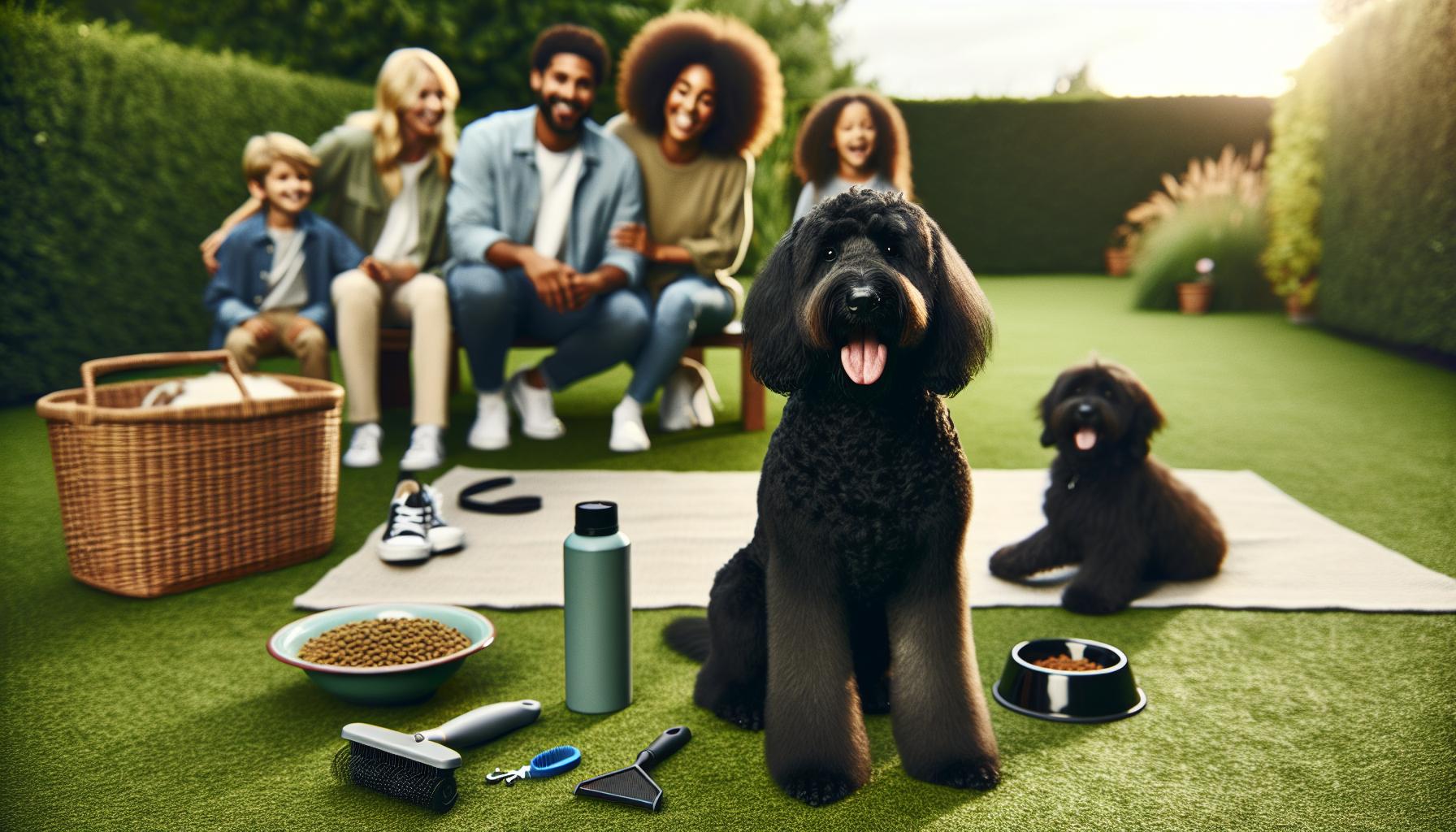
Common Myths About Black Labradoodles Debunked
While black Labradoodles are immensely popular, several myths surrounding their rarity and unique traits can lead to confusion among potential owners. One common misconception is that black Labradoodles are scarce or hard to find. In truth, black is one of the most common colors in Labradoodles, especially given that they inherit this coat color from their Labrador Retriever lineage, where black is a standard hue. Thus, aspiring pet parents seeking a black Labradoodle may find it relatively easy to locate reputable breeders or even rescue organizations that have these beautiful dogs available.
Another myth suggests that black Labradoodles possess a personality distinct from other color variations. While it’s true that all dogs have unique temperaments shaped by genetics and individual experiences, research and anecdotal evidence indicate that coat color has little to do with a Labradoodle’s behavior or disposition. For example, many owners of black and chocolate Labradoodles report similar playful, affectionate, and intelligent traits. Most importantly, regardless of fur color, early socialization and training will heavily influence a dog’s demeanor, creating a well-rounded and happy companion.
In addition, some people believe that black Labradoodles are bred solely for their aesthetics, but this isn’t accurate. Responsible breeders prioritize health, temperament, and lineage over color. The focus should always be on improving the breed rather than producing certain hues. This responsible breeding is essential in minimizing the risk of hereditary health issues, which can arise irrespective of coat color. As with any dog, it’s crucial to choose your Labradoodle based on the dog’s traits and the breeder’s ethics rather than merely the color of their coat.
Ultimately, demystifying these common myths enables potential owners to make more informed choices when considering a black Labradoodle. By fostering a deeper understanding of what truly characterizes this breed – from their loving nature to their intelligence – new dog owners can focus on building a lasting bond with their furry friends, no matter what color they may be.
How to Identify a Genuine Black Labradoodle
To spot a genuine black Labradoodle amidst a sea of look-alikes, you’ll want to focus on several key traits that highlight their unique lineage and characteristics. First, a genuine black Labradoodle is a cross between a Labrador Retriever and a Poodle, which means you should expect to see a combination of traits from both breeds. Their coats can vary from dense, curly hair to wavy fur, but true black Labradoodles will showcase a rich, deep black shade that signifies their pure breeding.
One essential way to verify the authenticity of a black Labradoodle is to examine their pedigree. Responsible breeders will provide detailed documentation of the parent breeds and their lineage. This background not only assures you that you’re getting a true Labradoodle but also emphasizes the health and temperament standards upheld by the breeder. Make sure to ask about both parents: a well-bred Labradoodle often reflects the intelligence and friendly demeanor of Labs and the hypoallergenic qualities of Poodles.
Physical Characteristics to Look For
When evaluating a potential black Labradoodle, consider the following physical traits:
- Size: Labradoodles can range in size based on whether their Poodle parent was standard, miniature, or toy. A standard Labradoodle is typically around 21 to 24 inches tall at the shoulder and weighs between 50 to 65 pounds.
- Coat Texture: The coat can be curly (more in Poodle-like) or wavy (more in Labrador-like). However, it should be dense and soft to the touch.
- Color Consistency: A genuine black Labradoodle should display a consistent color across their entire coat, although some may have slight greying or white markings. Such variations might be more common in first-generation mixes.
Lastly, pay attention to their temperament and behavior, as these dogs are known for their loyalty, friendliness, and intelligence. If a black Labradoodle shows signs of aggression or fearfulness, it may suggest improper breeding or lack of socialization. Meeting the puppy’s parents can also provide insights into the kind of demeanor and personality you can expect.
Ultimately, identifying a genuine black Labradoodle is about recognizing the essence of the breed through their lineage, physical traits, and delightful temperament. By doing your due diligence in selecting a reputable breeder and paying close attention to these key factors, you’ll be on your way to welcoming a loving and intelligent companion into your home.
Caring for a Black Labradoodle: Grooming and Maintenance Tips
To keep your black Labradoodle looking its best and feeling great, grooming and maintenance will play a crucial role in your pet care routine. These charming dogs not only have a unique, striking coat but also require regular attention to ensure their health and happiness. With proper grooming, you can enjoy a shiny, well-maintained fur while minimizing shedding and matting.
A fantastic starting point for grooming your black Labradoodle is to establish a regular brushing schedule. Depending on your dog’s coat texture-whether it’s curly or wavy-you’ll want to brush at least 2-3 times a week, if not daily. Consistent brushing helps prevent mats and tangles, especially in the curly coats that can trap debris. Use a slicker brush for detangling and a bristle brush for a finishing touch to keep that fur sleek and healthy. Remember, brushing is not just about aesthetics; it also promotes good skin health by distributing natural oils.
Bathing Guidelines
Bathing is another key aspect of grooming your Labradoodle. Aim to bathe them every 4-6 weeks to keep their coat clean and moisturized. Use a gentle, dog-specific shampoo to avoid skin irritation and always rinse thoroughly to prevent residue buildup. After a bath, be sure to dry your dog well, especially if they have a thicker coat, as lingering moisture can lead to skin problems.
Nail Trimming and Ear Care
In addition to coat care, regular maintenance of your Labradoodle’s nails and ears is essential. Trim their nails every 2-4 weeks, as long nails can lead to discomfort and mobility issues. Pay attention to the quick; if you notice it turning pink, be cautious not to cut it. For ear care, check for excess wax or debris weekly. Gently clean your dog’s ears with a veterinarian-recommended cleanser to prevent infections, which are common in floppy-eared breeds.
Caring for your black Labradoodle doesn’t have to feel overwhelming. As you develop a grooming routine suitable for your dog’s specific needs, you’ll not only foster a deeper bond but also ensure they thrive in your care. Regular grooming can turn into a delightful bonding experience, and before you know it, you’ll be eagerly expecting your next grooming session with your furry friend. Embrace the joy of caring for your dog’s unique coat and enjoy the beautiful moments that come with it!
Black Labradoodle Temperament: What to Expect
The black Labradoodle is a delightful blend of intelligence, affection, and energy, making them one of the most appealing choices for families and individual pet owners alike. With their friendly demeanor and sociable nature, these dogs are often seen brightly interacting with children, other pets, and even new acquaintances. The combination of the Labrador Retriever’s friendly disposition and the Poodle’s smarts creates a unique breed that stands out not only for their striking appearance but also for their vibrant personality.
One key aspect of a black Labradoodle’s temperament is their adaptability. Whether you’re living in a bustling city or a quiet rural area, they’re likely to fit right in, thriving on the companionship of their human family. These dogs are typically eager to please, which makes training both enjoyable and effective. Engaging them in obedience classes or agility training can be a wonderful way to channel their playful energy while strengthening the bond you share. Additionally, their intelligence means they excel in learning tricks and responding to commands, so expect a dog that not only fetches the ball but brings it back with extra flair!
It’s important to note that, like all breeds, the temperament of a black Labradoodle can be influenced by their upbringing. Proper socialization during puppyhood is crucial, as it can prevent behavioral issues in adulthood. Exposing them to different environments, people, and other animals helps cultivate a well-rounded and confident adult dog. Regular playdates or visits to parks can significantly enhance their social skills, ensuring they grow into sociable pups who love to engage with the world around them.
In terms of energy levels, black Labradoodles are known for being active and playful. Regular exercise is essential to keep them happy and healthy. Daily walks, play sessions, and mental stimulation through puzzles or interactive toys can help tire them out and prevent boredom-related behavior problems. By understanding and nurturing these strengths and needs, you’ll find that owning a black Labradoodle is not just a pet ownership experience but a fulfilling and joyful partnership that deepens over the years.
The Popularity of Black Labradoodles: Trends and Insights
Black Labradoodles have surged in popularity over recent years, becoming one of the most sought-after companion dogs. Their distinct combination of traits, such as intelligence, loyalty, and hypoallergenic coats, appeals to a wide array of dog lovers. Despite their growing presence in households, questions about their rarity persist, especially concerning the black coloration.
The rising trend of Labradoodles can be attributed, in part, to their versatility as family pets. Black Labradoodles are particularly desirable not only because of their striking appearance but also due to their personality traits. They are known for being friendly, adaptable, and eager to please, making them excellent companions for families with children or other pets. Additionally, as more people research breeds that fit their lifestyle, the Labradoodle’s hypoallergenic qualities make them a preferred choice for those with allergies.
When comparing black Labradoodles to other color variations-like chocolate or cream-it’s vital to acknowledge the uniqueness of each color in terms of market demand. Colors like chocolate have seen a spike in popularity, often commanding a higher price due to perceived rarity. However, it’s important to note that black Labradoodles are not inherently rare. They are equally common within the breed, but marketing trends can often skew perceptions of their availability.
The ongoing popularity of black Labradoodles also impacts breeders’ choices in breeding practices. As more prospective dog owners specifically request this color, breeders may adjust their offerings to accommodate demand. Consequently, those looking for a black Labradoodle might find themselves on longer waiting lists or facing higher prices due to increased demand. Understanding these dynamics can empower potential owners to make informed decisions when seeking their perfect canine companion.
Finding a Black Labradoodle: Adoption vs. Breeder Considerations
Finding the perfect black Labradoodle for your family can be an exciting journey, but it’s essential to choose the right path-be it through adoption or a breeder. The choice you make can significantly influence both your experience as a dog owner and the life of the dog you welcome into your home. Many people are drawn to black Labradoodles due to their adorable appearance and friendly personality, but understanding the nuances of where to find one can help you make a more informed decision.
When considering adoption, checking local shelters and rescue organizations can be a fantastic way to give a loving home to a dog in need. Many Labradoodles end up in shelters, and you might even find a black Labradoodle looking for a forever home. Here are some benefits of adopting:
- Cost-effective: Adoption fees are generally lower than breeder prices, often including vaccinations and spaying/neutering.
- Support a good cause: By adopting, you’re helping to reduce the number of homeless pets.
- Variety: You might also come across mixed breeds or Labradoodles of different ages.
While adoption is a noble route, you might have specific preferences regarding lineage, temperament, and hypoallergenic qualities. Choosing a reputable breeder can provide insights into the dog’s parents’ health and traits, ensuring you get a Labradoodle that fits your lifestyle. Here are key points for selecting a breeder:
- Research: Look for breeders who prioritize health screenings and adhere to ethical breeding practices.
- Visit the premises: A responsible breeder will welcome you to visit, allowing you to see the puppies and their living conditions.
- Ask questions: Inquire about lineage, socialization practices, and health guarantees. Good breeders will provide documentation and testimonials from past customers.
Whether you choose to adopt or buy, consider your lifestyle, the dog’s needs, and your ability to commit to training and care. Each option has its advantages, and ultimately, finding the right fit for your family and a loyal companion is the most rewarding aspect of welcoming a black Labradoodle into your life. Remember, regardless of the path you choose, patience and thorough research will go a long way in ensuring you find your perfect furry friend.
Health Concerns Specific to Black Labradoodles
When considering bringing a black Labradoodle into your home, it’s essential to be aware of certain health concerns that may be specific to this breed. Labradoodles, as a hybrid of Labrador Retrievers and Poodles, can inherit health issues from either parent breed, so being informed can help you make better decisions for your dog’s well-being.
One primary health concern is hip dysplasia, a common condition in both Labradors and Poodles. This genetic issue affects the hip joint’s formation and can lead to arthritis over time. Regular veterinary check-ups and maintaining a healthy weight through proper diet and exercise can help mitigate this risk. Furthermore, keeping an eye out for any signs of joint pain or mobility issues is crucial, as early intervention can significantly improve your dog’s quality of life.
Another important aspect is skin allergies. Black Labradoodles, like their parent breeds, can be susceptible to various allergies, which may manifest as itching, redness, or even skin infections. Routine grooming can help keep their coat in top condition, reducing the risk of skin irritations. Be vigilant with hygiene and consider consulting with a vet about hypoallergenic shampoos or dietary changes if you notice any signs of discomfort.
Additionally, it’s wise to be aware of eye conditions like Progressive Retinal Atrophy (PRA), which can affect Labradoodles. With this condition, the gradual degeneration of the retina can lead to vision loss. Regular eye exams by a veterinarian can help catch any issues early, enabling you to manage your dog’s eye health better.
In summary, being proactive about the potential health concerns of black Labradoodles involves regular veterinary visits, a balanced diet, and attentive grooming. By understanding these issues and taking preventive measures, you can ensure a long, happy life for your furry friend, while also allowing you to enjoy the wonderful companionship they provide.
The Future of Black Labradoodles: Trends in Breeding and Popularity
As interest in hybrid breeds continues to rise, black Labradoodles are gaining significant attention from potential pet owners. While many seek out the distinct charm of this breed’s dark coloration, it’s essential to understand that their popularity is not solely tied to their appearance. The future of black Labradoodles in the breeding community reflects a broader trend toward inclusivity and diversity within the breeds, accommodating various owner preferences and lifestyles.
One notable trend is the increasing demand for Labradoodles as family pets, particularly for those with allergies or sensitivities to pet dander. Black Labradoodles, being part Poodle, are often touted as hypoallergenic. This growing need for suitable family companions means that responsible breeders are likely to continue producing black Labradoodles, maintaining a focus on health, temperament, and the desirable traits that come from crossing Labradors with Poodles.
Furthermore, with the rise of social media, black Labradoodles are being showcased in various platforms, exposing potential owners to the breed’s fantastic qualities, such as their friendly demeanor and high intelligence. These platforms also provide a space for current owners to share their experiences, creating a community of support that can guide new owners in training and care. Adopting a black Labradoodle is not just about choosing a color; it’s also about embracing a lifestyle rooted in compassion, companionship, and responsibility.
As breeders remain aware of the evolving market, they aim to maintain ethical practices, prioritizing the health and genetic diversity of their lines. This ensures a sustainable future for black Labradoodles, allowing enthusiasts to find their perfect match while contributing to a healthy breeding environment. The blend of versatility, personality, and adaptable care needs positions the black Labradoodle as a sought-after member of the canine community, ensuring they will remain a prominent choice for dog lovers in the years to come.
In summary, the future of black Labradoodles is bright. Their increasing popularity is not just a fleeting trend; it reflects a deeper understanding of their positive attributes and the joy they bring to families. As these dogs continue to find their place in homes, they embody the best of both worlds: loving companions and manageable pets, all in a charming black coat.
FAQ
Q: Are black Labradoodles more expensive than other colors?
A: Yes, black Labradoodles can sometimes be more expensive than other colors due to higher demand and perceived rarity. Breeders may also charge a premium for specific lineage or traits. Research different breeders and compare prices to find a good deal while ensuring quality.
Q: How do I know if my Labradoodle is purebred?
A: To determine if your Labradoodle is purebred, check for a pedigree certificate from a reputable breeder and look for traits typical of the breed. You can also consider DNA testing for conclusive proof. Refer to sections like “How to Identify a Genuine Black Labradoodle” for more tips.
Q: What is the lifespan of a Black Labradoodle?
A: The average lifespan of a black Labradoodle ranges from 12 to 14 years. Regular vet check-ups, proper nutrition, and exercise are crucial for maintaining their health and longevity.
Q: Do black Labradoodles shed less than other breeds?
A: Yes, black Labradoodles, particularly those with more Poodle genetics, tend to shed less than many other breeds. Their curly coats trap dander and fur, reducing the amount that ends up around your home. Regular grooming helps minimize shedding further.
Q: What health issues are common in black Labradoodles?
A: Black Labradoodles may face specific health issues, including hip dysplasia, eye disorders, and skin allergies. Regular health screenings and maintaining a healthy diet can help mitigate these risks. Check out “Health Concerns Specific to Black Labradoodles” for advice on keeping them healthy.
Q: Can black Labradoodles be trained easily?
A: Yes, black Labradoodles are generally intelligent and eager to please, making them relatively easy to train. Consistent positive reinforcement and socialization are key. Implement techniques discussed in “Caring for a Black Labradoodle” to enhance training efforts.
Q: What is the best diet for black Labradoodles?
A: A balanced diet rich in proteins, vitamins, and minerals is ideal for black Labradoodles. High-quality dog food that meets their nutritional needs at various life stages is recommended. Consult your vet for personalized dietary advice.
Q: Are black Labradoodles good with children and other pets?
A: Yes, black Labradoodles are typically friendly and sociable, making them great companions for children and other pets. Early socialization and training can further enhance their behavior in family settings. Explore “Black Labradoodle Temperament: What to Expect” for more insights.
The Way Forward
As we’ve uncovered, while black Labradoodles aren’t the rarest color, their unique charm and affectionate nature make them highly sought after by many dog lovers. If you’re considering adding one of these delightful companions to your family, don’t wait-explore local breeders or adoption options today! For more insights into Labradoodles, check out our article on the characteristics of the breed and discover essential care tips to ensure your pup thrives.
Curious about the differences between Labradoodle colors or want to learn how to properly groom your new furry friend? Click through to our detailed guides for more valuable information! Don’t forget to subscribe to our newsletter for expert tips, training resources, and the latest in pet care topics. Together, let’s make every dog owner’s journey joyful and informed!