Did you know that a standard poodle can have anywhere from 3 to 10 puppies in a single litter? This fascinating aspect of poodle breeding not only showcases the incredible nature of these dogs but also reflects the responsibilities that come with dog ownership. Whether you’re a new pet owner or a seasoned breeder, understanding how many puppies a standard poodle can have is essential for preparing for their care and nurturing. The number of puppies can impact everything from the mother’s health to the resources needed for each pup, making this information vital for anyone interested in bringing poodles into their lives. Join us as we dive into the specifics of standard poodle litter sizes, factors influencing them, and what it means for prospective poodle families!
Understanding the Standard Poodle’s Reproductive Cycle
The reproductive cycle of a Standard Poodle can be quite fascinating and is essential for any potential breeder or dog owner to understand. Like all dogs, Standard Poodles experience a cycle that consists of several stages, marking the timing for mating and pregnancy. Typically, a female Poodle will go into heat twice a year, with each cycle lasting about two to three weeks. During this time, she will exhibit certain behaviors, such as increased affection, restlessness, or a desire to roam, which signal her readiness to mate.
Throughout her heat cycle, the female Poodle will experience four distinct phases: proestrus, estrus, diestrus, and anestrus. The proestrus phase lasts around 9 days and is when the female will attract males, but she won’t be receptive to mating yet. This is followed by estrus, the time she is fertile and will accept a male. This phase is critical for timing a breeding since it typically lasts from 5 to 9 days. After ovulation, the diestrus phase begins, where if mating has occurred, the female will start to prepare for pregnancy. Finally, the anestrus phase is a period of reproductive inactivity that lasts until the cycle begins anew.
When planning for the possibility of a litter, monitoring your Poodle’s heat cycle closely is essential. Consider keeping a calendar marking the start and end dates of her heat cycles as well as noting behavioral changes. This way, you can better predict when she may be fertile. Moreover, engaging with a veterinarian can help you understand more about her specific reproductive health and optimize her chances of a healthy litter.
In summary, a Standard Poodle’s reproductive cycle is a blend of biological processes that significantly influence breeding outcomes. Understanding these cycles and their timing is key to responsible breeding and care, and it’s crucial for ensuring the health and well-being of both the mother and her future puppies.
Factors Influencing the Size of a Poodle Litter
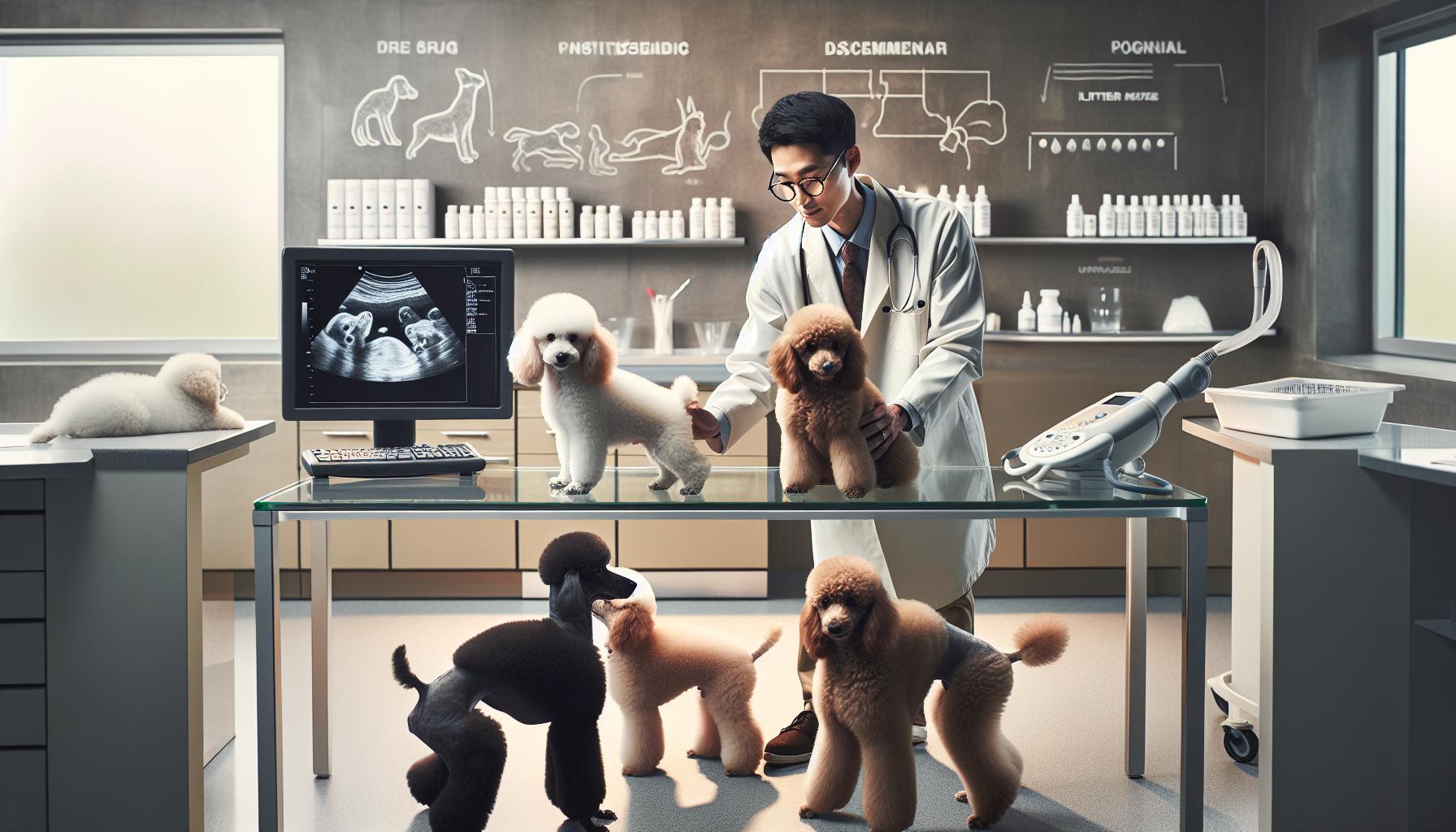
The number of puppies a Standard Poodle can have in a litter can vary widely, and several factors play a crucial role in determining that size. Understanding these influences is vital for responsible breeding and ensuring the health and well-being of both the mother and her puppies.
One of the primary factors affecting litter size is the age of the female. Generally, younger Poodles tend to have smaller litters in their first breeding cycle. As they mature, their litter sizes may increase, typically peaking around ages two to four. After this age, litter sizes may begin to decline slightly. Additionally, genetics also play a significant role; it’s not uncommon for a Poodle’s mother or grandmother’s litter size to inform what’s expected in the current generation.
Nutrition and overall health are equally critical. A well-nourished Poodle that receives proper veterinary care before and during pregnancy is more likely to conceive a larger, healthier litter. It’s essential to provide balanced diets that support reproductive health and ensure adequate weight management since obesity can negatively impact fertility and litter size. Regular vet check-ups can also help in monitoring the health of the pregnant pup, providing insights and interventions if necessary.
Environmental Factors
The environment in which a Poodle lives can also significantly impact litter size. Stressful situations, inadequate living conditions, or even exposure to toxins can affect reproductive health. Maintaining a calm, stable, and enriching environment is beneficial for the breeding process. Furthermore, the timing of mating in relation to the heat cycle is paramount; successful breeding must coincide with the right stage of the female’s reproductive cycle, particularly the estrus stage when she is most fertile.
In summary, the size of a Poodle litter is influenced by factors such as age, genetics, nutrition, health, and environmental conditions. By being mindful of these elements, breeders can help ensure the healthiest outcomes for both mothers and their puppies, paving the way for successful litters and happy homes.
Average Litter Size for Standard Poodles

The can be an exciting topic for both new and experienced breeders. Understanding how many puppies you can expect will not only prepare you for the upcoming challenges but will also help ensure that you provide the best care for both the mother and her little ones. Typically, a standard Poodle can give birth to anywhere from 6 to 10 puppies, although this number can vary based on several factors including age, health, and genetics.
It’s not uncommon for first-time mothers, especially if they are on the younger side, to have smaller litters. Often, those litters may just include 3 to 5 puppies. As the mother matures, around the ages of two to four, litter sizes may increase, sometimes peaking around 8 to 12 puppies. However, after this prime reproductive age, litter sizes might gradually decrease as the dog ages.
A fascinating aspect of Poodle breeding is the genetic influence from the mother’s lineage. For example, if a Poodle’s mother had consistently larger litters, there is a good chance that her offspring might follow suit. Likewise, health plays a critical role; mothers in excellent physical condition, receiving balanced nutrition and regular veterinary care, often produce larger, healthier litters. Reinforcing these health standards ensures that litters can thrive both pre- and post-birth.
Planning for the arrival of puppies involves not only understanding the average litter size but also preparing adequately for varying circumstances. Creating a nurturing environment where the mother feels safe and comfortable can significantly impact the overall success of the breeding process. It’s always a good idea to keep in touch with a veterinarian and be ready for any individual needs the mother or her puppies may have as they grow.
In summary, while planning for a litter of standard Poodles can lead to delightful surprises, being informed about the average size and factors influencing it can help set realistic expectations for any breeder.
Signs Your Poodle is Pregnant
Noticing changes in your Poodle can be both exciting and nerve-wracking, especially when it comes to the possibility of pregnancy. Just as with humans, Poodles exhibit specific signs that may indicate they are expecting puppies. Early detection not only allows you to prepare for the arrival of the pups but also helps ensure the health and well-being of the mother.
One of the first signs to look for is a change in appetite. You may notice your Poodle either losing interest in food or, conversely, having a ravenous appetite. This fluctuation can often occur just a couple of weeks after mating. Additionally, behavioral changes can be significant-many pregnant Poodles become more affectionate, seeking companionship, while others may become reclusive or less tolerant of interactions. Keeping an eye on their temperament can provide valuable insight into their condition.
Physical changes are also telltale signs of pregnancy. As the pregnancy advances, you might see weight gain, particularly around the abdomen. Swollen nipples and the darkening of the surrounding area are also common as the body prepares for lactation. Between days 18 and 30 post-mating, you can expect observable changes in her belly size-the poodle’s belly may begin to round out, indicating growing puppies inside.
If you suspect your Poodle might be pregnant, it’s wise to schedule a visit with your veterinarian. They can perform an ultrasound around the 25-day mark, providing definitive answers and monitoring the health of both the mother and her developing puppies. By being observant and proactive, you’re setting the stage for a healthy and happy litter. Your commitment to understanding and supporting your Poodle during this period can make a world of difference in her experience of motherhood.
Preparing for a Poodle’s Litter: Essential Tips
Preparing for a litter of puppies is both an exciting and daunting adventure for any Poodle owner. As a prospective breeder, your primary focus should be on creating a safe, comfortable environment for the mother and her puppies. A well-thought-out preparation can significantly impact the health and well-being of both the pups and their mother. Here are some essential tips to help you navigate this joyful journey.
First and foremost, set up a whelping area. This space should be quiet, clean, and away from the daily hustle and bustle of your home. Consider using a whelping box to provide a secure place for your Poodle to give birth. The box should be adequately sized; it should allow the mother to move around comfortably while still giving the puppies a confined, safe space. Line the bottom with clean, soft bedding to ensure warmth and comfort. Be prepared for your Poodle to want to nest, so provide materials like old towels or blankets for her to choose from when prepping her area.
In addition to a secure whelping space, stocking up on supplies is critical. Before the puppies arrive, make sure you have the following essentials on hand:
- Whelping box and clean bedding
- Puppy food and feeding bottles
- Heating pad or heat lamp for warmth
- Scissors and dental clamps (for cutting umbilical cords)
- Veterinary contact information for emergencies
Monitoring your Poodle closely as she approaches her due date is essential. Watch for signs of nesting behavior, such as scratching at the floor or seeking solitude. At this stage, it’s advisable to limit her activity to prevent exhaustion. Regular vet check-ups are vital to ensure her health and anticipate any potential complications.
Lastly, embrace the beauty of this process with a support system in place. Whether it’s experienced breeders, veterinarians, or dedicated forums like those on Poodle Talk, having a network can provide you with the insights and reassurance you need. The journey of raising a litter can be incredibly rewarding, as every puppy will bring its unique joy to the world. Your preparedness will ensure that this special time is as smooth and successful as possible for your Poodle and her new family.
A Comprehensive Guide to Poodle Puppy Care
Welcoming a litter of Poodle puppies into the world is one of the most heartwarming experiences you can have as a dog owner. Each tiny pup not only brings joy and laughter but also requires attentive care to thrive. Understanding the specific needs of Poodle puppies will equip you to provide the best start possible in their journey of life.
One of the critical aspects of Poodle puppy care is nutrition. During the first few weeks, puppies rely solely on their mother’s milk, which provides essential nutrients and antibodies. Once they are around three to four weeks old, you can start introducing a high-quality puppy food. Look for formulas that are specifically designed for large breeds, as they provide the right balance of protein and fat to support their growth and development. Gradually mix the kibble with water or puppy milk replacer to ease their transition.
Another vital component is socialization. Poodles are intelligent and eager to please, making early socialization crucial for their development. During the first 16 weeks, expose your puppies to a variety of experiences, sounds, and environments. This can include different people, other pets, and varied surfaces. Taking them on puppy play dates, engaging in basic training, and introducing various stimuli will help them grow into well-adjusted and confident adults. Remember, positive interactions during this formative period are key to preventing behavioral issues later on.
Routine veterinary care is equally important. Ensure that each puppy has a thorough health check shortly after birth to monitor for any congenital issues. Vaccination schedules typically start at six to eight weeks of age, protecting them against common canine diseases. Regular deworming is also crucial during their early weeks. Keeping a health log can help you track vaccinations, deworming schedules, and any health observations.
Lastly, don’t underestimate the need for love and companionship. Poodles are highly social animals that thrive on interaction. Spend quality time with the puppies, fostering their emotional well-being and reinforcing their understanding of being part of a loving family. Providing the right mix of care, training, and affection will not only ensure your puppies grow into healthy adults but will also make the experience of raising them incredibly rewarding.
Socialization Needs for Poodle Puppies
Providing Poodle puppies with appropriate socialization is key to their emotional and behavioral development. A well-socialized puppy is more likely to grow into a confident, adaptable adult dog. In fact, socialization can significantly influence a Poodle’s temperament, helping them engage positively with both people and other pets. During the critical socialization period, which spans from birth to about 16 weeks of age, it’s crucial to expose puppies to a variety of experiences and environments in a controlled and positive way.
To ensure comprehensive socialization, consider these practical strategies:
- Encourage Interaction: Introduce your Poodle puppies to a variety of people, including children, seniors, and individuals wearing different types of clothing. Each new person presents unique smells and sounds, helping them develop comfort around various human behaviors.
- Expose to Different Animals: Safely introduce puppies to other pets, including dogs of different sizes and even cats. Supervised interactions can foster positive relationships and reduce fear, leading to a more well-rounded adult dog.
- Diverse Environments: Take them on car rides to new locations, like parks or pet-friendly stores. Different surfaces (grassy, sandy, paved) and experiences (busy sidewalks, quiet nature trails) will teach adaptability to change.
- Puppy Classes: Enroll in structured puppy training classes where they can learn essential commands while interacting with other puppies. Socialization in a supervised environment is not only effective but also enriches their learning experience.
- Engage All Senses: Introduce toys with different textures and sounds, and expose them to various household noises (vacuum, doorbell) at a low volume to prevent fear. This prepares them to be less startled by sudden sounds in the future.
While socialization is an ongoing process that continues throughout their life, the early weeks are crucial. A personal anecdote highlights this necessity: my friend’s Poodle, who was given limited social opportunities during puppyhood, grew up exhibiting anxiety in unfamiliar situations. In contrast, another Poodle from the same litter, who experienced diverse interactions from a young age, became an adventurous dog, thriving in new surroundings.
Incorporating these activities into your daily routine fosters a well-adjusted and happy Poodle. Remember, the aim is to create positive associations with new experiences; thus, keep interactions gentle and stress-free. Investing time in their socialization early on not only enriches their lives but also enhances the joy they bring to yours.
Choosing the Right Home for Your Poodle Puppies
When bringing home Poodle puppies, selecting the right environment is crucial for their development and well-being. These intelligent and sensitive dogs thrive in homes that offer not just comfort and security but also the right blend of social interaction and mental stimulation. Potential puppy owners should carefully consider their lifestyle, living situation, and ability to provide a nurturing atmosphere to ensure a successful transition for their new furry friends.
A spacious and safe home environment plays a significant role in the puppies’ growth. Poodles, especially standard ones, need room to play and explore, both indoors and outdoors. A secure yard with a fence is ideal, allowing puppies to enjoy the outdoors safely. However, it’s equally important to create a clean and cozy indoor space where they can retreat for rest. Understanding that Poodles are prone to separation anxiety, having a designated area filled with their toys and bedding can help them feel more secure when left alone.
Moreover, socialization and interaction are vital for Poodle puppies, which means that families with children or other pets should consider how these dynamics will play out. Engaging and gentle interactions with children, for example, can foster confidence in puppies, while the presence of other dogs can provide essential playtime. It’s important to supervise these interactions to ensure the safety and comfort of all involved. Potential owners must be committed to ongoing socialization, ensuring their Poodles grow up to be well-rounded companions.
Lastly, health and wellness are paramount; thus, prospective homes for Poodle puppies should be prepared for the responsibilities of pet ownership. This includes regular veterinary visits, a nutritious diet, and daily exercise to keep them healthy and happy. Engaging with local Poodle clubs or puppy training classes can also offer invaluable support for new owners, providing guidance and building a community of dog lovers. By asking the right questions and making informed choices, you can create a loving, suitable home for your Poodle puppies to flourish.
Health Considerations for Poodle Moms and Puppies
Understanding the health needs of both the mother and her puppies is crucial for a successful litter, especially for Standard Poodles. This breed, known for their intelligence and vitality, can face specific health challenges during pregnancy, delivery, and nursing. It’s essential to approach these stages with care and awareness to ensure the well-being of both the Poodle mom and her puppies.
During pregnancy, a female Standard Poodle will undergo numerous physiological changes. Regular veterinary check-ups are vital; these visits can monitor the mother’s health, check for potential complications, and confirm pregnancy. A well-balanced diet becomes critical, as the nutritional needs of the mother increase significantly to support the developing puppies. High-quality puppy food can often provide the necessary calories and nutrients. Additionally, keeping a close eye on her weight gain is important; typically, a healthy gain of around 15-25% of her pre-pregnancy weight is expected.
As the whelping date approaches, creating a calm and comfortable space becomes essential. This “whelping area” should be quiet, warm, and free from disturbances to minimize stress for the mother during the birthing process. Providing a clean whelping box helps ensure a safe environment for the puppies. It’s advisable to have necessary supplies on hand, such as clean towels, heating pads, and scissors, to assist in the delivery process if needed. Remember, though, that while it can be helpful to be prepared, having a veterinarian’s contact readily available is crucial in case of emergencies or complications.
Once the puppies arrive, their health should be monitored closely as they begin nursing. The mother’s milk is incredibly nutritious and essential for their initial growth and immune system development. Ensuring the puppies latch on and feed frequently in the first few days is key. Any concerns, such as the mother rejecting a puppy or showing signs of distress, should be addressed immediately with a veterinary professional. Puppies should start gaining weight rapidly, and weighing them daily can help track their growth.
In summary, being proactive with health considerations can significantly impact the success of a Poodle litter. By prioritizing the mother’s well-being through proper nutrition, veterinary care, and creating a nurturing environment, you can help ensure that both she and her puppies thrive during this critical period. Embracing these responsibilities with love and dedication will set the stage for a joyful experience for all.
Breeding Ethics: Responsible Practices for Poodles
Responsible breeding of Standard Poodles is not just about producing puppies; it’s about ensuring the health and well-being of both the mother and her offspring. Every decision made during the breeding process reflects the breeder’s commitment to the breed standard and the future of dog ownership. By adhering to ethical practices, breeders can contribute positively to the canine community and the lives of countless pet families.
First and foremost, it is crucial to prioritize the health of the breeding pair. Conducting thorough health screenings for genetic disorders commonly seen in Poodles, such as hip dysplasia, progressive retinal atrophy, and certain autoimmune diseases, is essential. Pairing dogs that are healthy and have favorable temperaments increases the likelihood of producing puppies that will thrive in their new homes. Collaboration with veterinary professionals ensures that breeders stay informed about the latest health practices and recommendations.
Moreover, responsible breeders should never prioritize profit over the welfare of the dogs. This means limiting the number of litters a female can have to ensure she has ample time to recover and enjoy her life outside of breeding. Ethical guidelines suggest that a female should ideally have no more than one litter per year. This gives her the chance to rejuvenate and reduces the risk of exhaustion or health complications. Providing adequate care during pregnancy, whelping, and nursing ensures that all the necessary resources-nutrition, healthcare, and socialization-are in place for both the mother and her puppies.
Breeders must also commit to finding suitable homes for their puppies. This involves screening prospective owners to ensure they understand the responsibilities of dog ownership and are equipped to provide a loving environment. By educating new owners about the unique needs of Standard Poodles-such as regular exercise, grooming, and mental stimulation-breeders can contribute to happier dogs and better, longer-lasting human-animal bonds.
In addition to these practices, joining breed organizations and participating in training and dog shows are excellent ways for breeders to stay connected with the community and learn from other ethical breeders. Such collaborations foster a culture of care, responsibility, and excellence in breeding practices that resonate deeply within the Poodle-loving community.
In summary, ethical breeding practices highlight the commitment to the breed, the health of the animals, and the joy of connecting puppies with loving families. By embracing these principles, breeders not only enhance the welfare of the dogs they love but also enrich the lives of countless individuals who welcome a Standard Poodle into their homes.
What to Expect During the Whelping Process
As the time approaches for your Standard Poodle to give birth, it’s essential to be prepared for the whelping process, which can be both an exciting and challenging experience. Understanding what to expect can help ensure a safe and smooth delivery for both the mother and her soon-to-arrive puppies. Typically, whelping occurs about 63 days after conception, and during this time, your dog will exhibit certain signs indicating that labor is nearing.
Firstly, a pregnant Poodle may experience a drop in temperature about 24 hours before labor begins. A normal body temperature for dogs is around 101 to 102.5 degrees Fahrenheit, so measuring her temperature can provide an excellent indication of when to expect the big event. Once her temperature drops below 99 degrees, prepare for imminent puppies. During the first stage of labor, she may become restless, dig, or seek your attention more than usual. This is a normal behavior as she prepares her nesting area and desires your support.
Stages of Whelping
The whelping process itself typically unfolds in three stages:
- Stage One: This stage can last anywhere from 6 to 12 hours. Your Poodle will experience contractions but may not visibly strain yet. It’s important to keep her calm and comfortable, providing plenty of water and a quiet space.
- Stage Two: The actual birth of the puppies begins in this stage, which can last from 20 minutes to an hour between puppies. Normal delivery should be a gradual process, but if she seems to strain for over 30 minutes with no puppy, contact your veterinarian immediately.
- Stage Three: After each puppy, the mother will deliver the placenta, which she may eat. This stage helps her to regain energy and should occur naturally.
It’s crucial to have a whelping kit ready, containing items like clean towels, gloves, and an antiseptic solution, to assist in the delivery process. Additionally, having a quiet and cozy whelping area set up, away from disturbances, will contribute to the comfort and safety of your Poodle during this critical time.
Post-whelping, monitor your dog closely for any signs of distress or complications, such as excessive bleeding or lethargy. Providing nourishment and ensuring she has access to water after the birth will aid in her recovery. This entire experience can be overwhelming, but recognizing these stages and knowing what to expect can make you feel more prepared and supportive, ensuring a successful delivery for your beloved Poodle mother.
By being informed and equipped, you can transform this transformative moment into a rewarding experience filled with love and new beginnings.
Nurturing Your Poodle: Post-Birth Care and Support
To ensure your Standard Poodle thrives after giving birth, nurturing both her and her puppies during this critical time is essential. Did you know that a mother dog can be quite vulnerable in the weeks following delivery? This period is crucial for her recovery and the healthy growth of her litter. After whelping, your Poodle will need extra attention, proper nutrition, and a supportive environment to foster both her and her new puppies’ well-being.
Providing a comfortable space for your Poodle and her puppies is vital. Set up a quiet area away from daily household hustle, equipped with clean bedding and low lighting. Ensure she has easy access to fresh water and high-quality food, as her caloric intake will need to increase significantly to support lactation. A typical nursing mother requires around 25-50% more calories than usual, so consider a specially formulated puppy food high in protein and fat for her recovery and milk production.
Monitoring her health is also crucial. Look for signs of complications such as excessive bleeding, fever, or a refusal to eat, as these may require immediate veterinary attention. Regularly check that the puppies are nursing adequately; they should be gaining weight steadily. A general guideline is to weigh them daily for the first couple of weeks, ensuring they each gain about 5-10% of their body weight daily. If any puppy appears to be struggling or not gaining weight, consult your veterinarian promptly.
Moreover, prioritize bonding and socialization for both the mother and her puppies. Gentle handling will not only help the puppies become accustomed to human interaction but also strengthen the bond they share with their mother. Early socialization is imperative in reducing anxiety and creating well-adjusted pets. As they grow, gradually introduce them to a variety of sounds, people, and gentle activities to foster confidence and curiosity.
Lastly, remember to practice patience and kindness throughout this period. While new challenges may arise, maintaining a positive atmosphere will help create a loving environment for your Poodle family. With your attentive care, you’ll not only support your Poodle in the demanding weeks of motherhood but also lay the groundwork for healthy, happy, and well-socialized puppies ready to bring joy to their future homes.
Faq
Q: How many puppies can a Standard Poodle have in a single litter?
A: The average litter size for a Standard Poodle ranges from 6 to 10 puppies, but some litters can have as few as 1 or as many as 15 puppies depending on various factors including the mother’s health and breeding history.
Q: What factors influence the number of puppies in a Poodle litter?
A: Several factors can affect the size of a Poodle litter, including the mother’s age, health, genetics, and the timing during her reproductive cycle. A healthy, younger Poodle is generally more likely to have larger litters.
Q: When is the best time to breed a Standard Poodle for optimal litter size?
A: The optimal time to breed a Standard Poodle is during her heat cycle, typically between the 10th to 14th day after the onset. This timing can increase the chances of a successful pregnancy and a healthy litter.
Q: How can I tell if my Standard Poodle is pregnant?
A: Signs of pregnancy in a Standard Poodle may include changes in appetite, increased affection, weight gain, and abdominal enlargement. Veterinary confirmation through ultrasound or hormone testing is recommended for an accurate diagnosis.
Q: What are the common challenges during a Standard Poodle’s pregnancy?
A: Common challenges during pregnancy for a Standard Poodle can include complications like gestational diabetes, nutritional deficiencies, or infections. Regular veterinary check-ups are crucial to monitor her health and the development of the puppies.
Q: How can I prepare my home for a Poodle’s litter?
A: Preparing your home for a Poodle’s litter involves creating a quiet, comfortable whelping area away from distractions, gathering supplies like whelping boxes, and ensuring all essentials like food and vet care are readily available.
Q: What should I expect during the whelping process?
A: During the whelping process, you can expect your Standard Poodle to display nesting behavior, followed by contractions and the birth of puppies. It’s important to provide a calm environment and be ready to assist if necessary.
Q: How can I support my Poodle during post-birth recovery?
A: Supporting your Poodle after giving birth involves providing a nutritious diet, keeping her hydrated, monitoring her health, and ensuring she has a stress-free environment to care for her new puppies effectively. Regular vet visits are also essential.
Future Outlook
As you’ve discovered, understanding how many puppies a Standard Poodle can have involves more than just numbers; it’s about ensuring a healthy, happy experience for both the mother and her adorable pups. Remember, regular veterinary check-ups and proper care can make a significant difference in this journey. If you’re considering breeding or want to learn more about puppy care, check out our guides on Standard Poodle Health Tips and Essential Puppy Care Checklist.
We’d love to hear from you! Share your thoughts in the comments below or connect with fellow dog lovers on our forum. Don’t forget to explore our site for more insights on nurturing your furry family members. For regular updates and helpful resources, sign up for our newsletter-it’s the best way to stay informed and make the most of your pet parenting adventure. Let’s keep the conversation going, and happy breeding!