Labradoodles are renowned for their playful energy and vibrant personalities, but is their exuberance more than just a charming quirk? Understanding the energy levels of this beloved mixed breed is essential for potential and current owners alike. With their Labrador Retriever and Poodle heritage, these dogs require significant exercise and mental stimulation to thrive.
Many new pet parents might wonder whether they can keep up with a Labradoodle’s needs or if they’re in over their heads. By exploring the realities behind their energetic demeanor, we can better appreciate how to provide the right environment and care for these lively companions. Whether you’re considering adopting a Labradoodle or looking to enhance your pup’s daily routine, uncovering the truth about their energy levels will help you create a fulfilling life together. Let’s dive into what makes Labradoodles such spirited pets, and how you can best support their vibrant nature!
Understanding Labradoodle Energy Levels
Energetic and exuberant, Labradoodles are often the life of the party, bringing joy and playfulness to any environment. Their lively nature stems from their genetic background, as they are a mix of Labrador Retrievers and Poodles, both of which are known for their high energy and intelligence. This breed thrives in active households where they can engage in a variety of activities, from running and playing fetch to agility training and socialization with other dogs. Understanding this energy level is crucial for potential owners, as it directly impacts how you will interact with and train your Labradoodle.
A Labradoodle’s energy can fluctuate based on several factors including age, health, and overall environment. Puppies, for example, are like little bundles of energy, often zooming around with excitement. Adult Labradoodles, while still active, may have slightly more balanced energy but still require regular activities to keep them mentally and physically stimulated. Without proper exercise and engagement, these dogs can become bored and potentially develop destructive behaviors, highlighting the importance of establishing a routine that incorporates both physical activity and mental challenges.
Socialization plays a significant role in managing energy levels as well. Introducing your Labradoodle to various environments, people, and other dogs can help them learn to channel their energy appropriately. Regular interactions not only promote good behavior but also keep them mentally stimulated, reducing the likelihood of overactivity at home. Furthermore, understanding the specific needs of your Labradoodle can aid in identifying when energy levels are excessive versus just spirited play, allowing for better management of their behaviors.
In essence, a strong connection between understanding your Labradoodle’s energy levels and establishing a balanced lifestyle can create a harmonious home environment. With the right approach to training, exercise, and social engagements, you can ensure your Labradoodle remains a happy, healthy member of the family, exuding their characteristic joy and affection while managing their spirited nature effectively.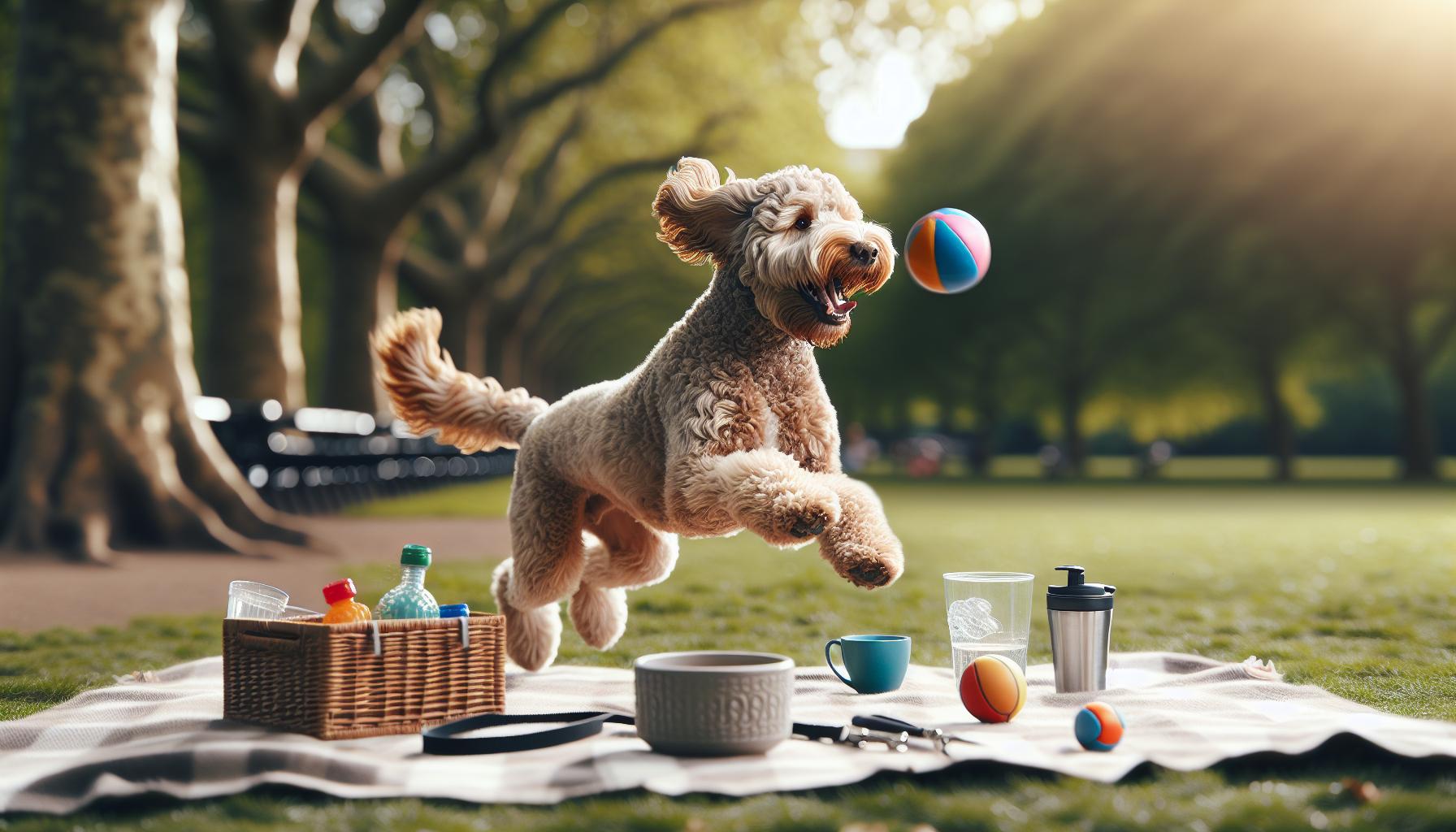
What Makes Labradoodles So Energetic?
Labradoodles are often described as exuberant bundles of energy, and for good reason! Their high energy levels stem from their parent breeds: the Labrador Retriever and the Poodle. Both breeds are renowned for their athleticism, intelligence, and playful nature. This unique combination creates a dog that is not only lively but also incredibly engaging and affectionate, thriving on interaction and activity. Understanding what fuels their energetic disposition is essential for potential owners seeking a full-filled life with these delightful companions.
Several factors contribute to the Labradoodle’s energetic demeanor. First and foremost is their genetic heritage, as both Labrador Retrievers and Poodles are historically bred for work and play, from retrieving game to performing in various dog sports. This hardwired desire to stay active manifests in Labradoodles through a love for running, jumping, and engaging in any physical activity they can find. Regular exercise is not just a recommendation; it’s a vital requirement for keeping these dogs happy and healthy. Labradoodles require more than just a leisurely walk; they thrive on active play sessions and challenging games that stimulate their minds.
Moreover, mental stimulation is just as crucial as physical exercise for managing their energy levels. Labradoodles are intelligent dogs, often requiring interactive toys or training sessions to keep their minds engaged. Puzzle toys, scent games, and obedience training can help channel their energy positively, preventing boredom and potential destructive behaviors. Social interactions also play a significant role; time with other dogs and people helps Labradoodles learn to socialize appropriately, further aiding in energy management.
Finally, age plays a notable role in the energy levels of Labradoodles. Puppies are naturally bouncy and rambunctious, requiring frequent playtime to manage their exuberance. As they mature, they may mellow slightly, but they still require regular exercise to prevent restless energy. In fact, regular activity can foster a more balanced and well-adjusted adult dog. Always remember, a well-exercised and engaged Labradoodle is a happy Labradoodle, bringing joy and laughter into any home!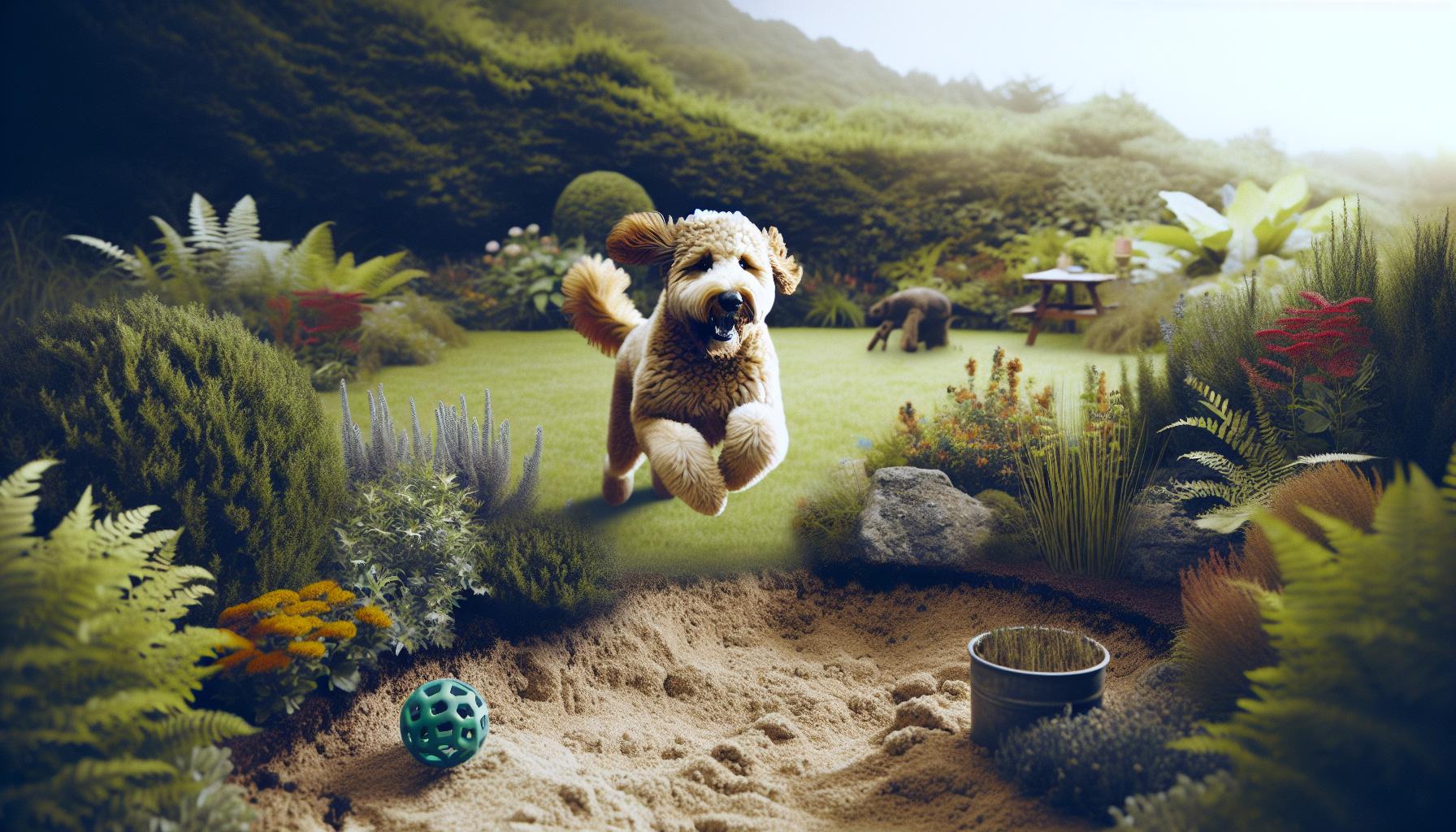
Signs Your Labradoodle Might Be Overactive
When it comes to understanding the wonderful world of Labradoodles, recognizing the signs of overactivity can save both you and your furry friend from unnecessary stress. These playful pups are known for their vivacious spirit, but if they’re bouncing off the walls more than usual, you might be facing a case of excessive energy. One clear indicator is excessive barking or whining, which often signals boredom or the need for stimulation. If you’ve noticed your Labradoodle turning your living room into their own personal racetrack-or worse, getting into trouble around the house-it’s time to take a closer look at what might be going on.
Another telltale sign of overactivity is persistent pacing or seemingly endless energy during playtime. While it’s normal for Labradoodles to enjoy their play, if your pup appears unable to calm down after a lengthy adventure or exhibits outbursts of zoomies even after exercise, this could be a red flag. Additionally, hyperactivity can manifest in destructive behavior-chewing furniture, digging up the garden, or tearing through toys in record time. This behavior not only disrupts your home but can also indicate that your Labradoodle is not getting enough mental and physical stimulation.
To help your Labradoodle find balance, consider their need for both structured exercise and mental engagement. Engage in activities that combine physical exertion with mental challenges, such as agility training or hide-and-seek games. A well-rounded approach-including a predictable routine of daily exercise and play-can significantly help in managing their energy levels. If you’re still struggling with overactivity despite implementing these strategies, it might be helpful to consult with a professional trainer or a veterinarian. They can provide personalized insights based on your Labradoodle’s specific needs, ensuring your vibrant companion stays happy and healthy.
Ideal Exercise Routines for Labradoodles
One of the most remarkable traits of Labradoodles is their energetic disposition, making them not just companions, but also active partners in adventure. Understanding how to channel that energy effectively through exercise is crucial for maintaining their happiness and mental well-being. A well-structured exercise routine isn’t merely about physical activity; it’s about stimulating their minds and helping foster healthy behavior that keeps them content and less prone to hyperactivity.
Labradoodles thrive on a combination of physical and mental activities. To keep your pup engaged, consider incorporating a mix of the following:
- Daily Walks: A minimum of 30-60 minutes of brisk walking every day is essential. This not only helps burn off excess energy but also provides opportunities for socialization with other dogs and people.
- Interactive Play: Engage in games like fetch or frisbee which are great for both exercise and bonding. A Labradoodle’s love for retrieving makes these activities exciting and rewarding.
- Agility Training: Setting up a simple agility course in your yard can provide excellent physical activity and mental stimulation. This can be as basic as using cones to weave around or tunnels to run through.
- Swimming: Many Labradoodles enjoy water. Swimming is a low-impact exercise that can be particularly beneficial for their joints while providing a great workout.
- Mental Challenges: Incorporate puzzle toys or food-dispensing toys during playtime to provide mental stimulation, preventing boredom and destructive behaviors.
While it’s vital for Labradoodles to have established routines, keeping things fresh and stimulating is just as important. Varying the activities-not just the location but the type of exercise-can prevent monotony and keep both you and your dog excited about the next adventure. For instance, consider visiting different parks or participating in organized dog playdates where they can frolic and play with other spirited dogs in a safe environment.
As they age, their exercise needs will naturally evolve, but staying mindful of their activity levels is crucial throughout their lives. Younger Labradoodles often have bursts of energy that can make them seem “crazy,” while older ones might enjoy gentler activities. Adjusting your routines in tandem with their development will help maintain a healthy balance, ensuring your Labradoodle remains a zesty, joyful companion for years to come. Thus, a thoughtful, engaging exercise regime tailored to your Labradoodle’s unique personality and age will support them in living their best life-active, happy, and healthy!
Socialization Needs Impacting Energy Levels
Socialization plays a pivotal role in managing the energy levels of Labradoodles, ensuring they develop into well-rounded companions who are comfortable in various environments. When Labradoodles receive positive social interactions, whether it be with people, other dogs, or new experiences, they are more likely to channel their exuberance into positive behavior rather than hyperactivity or anxiety. Think of socialization as a tool to not only enhance their happiness but also to help them maintain a calmer demeanor as they settle into their adult lives.
To optimize your Labradoodle’s energy levels through socialization, start early and remain consistent. Engage in activities that expose them to a wide variety of sights, sounds, and experiences. This could include trips to dog parks, playdates with other dogs, or simply walks in bustling areas where they can observe and interact with new people and environments. The key is to make these experiences enjoyable and stress-free, focusing on positive reinforcement to build their confidence. For instance, rewarding your dog with treats or praise when they encounter new experiences calmly can strengthen their ability to cope with excitement and reduce anxiety.
Additionally, consider enrolling your Labradoodle in obedience classes or group training sessions. These not only serve as excellent venues for physical exercise but also provide vital opportunities for social interaction. Within a structured setting, your dog will learn to obey commands while interacting with other dogs, allowing social skills to flourish. This also helps to manage high energy levels since mental stimulation from training often leads to tired, happy dogs who are less likely to exhibit overactive behavior.
Moreover, regular exposure to different environments and activities helps fine-tune your Labradoodle’s ability to settle down at home. Instead of a frenzied burst of energy, a well-socialized dog understands when it’s time to be active and when it’s okay to relax. Aim for a balanced routine that combines play, training, and calm moments at home, ensuring your Labradoodle develops the skills to self-regulate their energy levels as they grow. By providing the right socialization experiences, you’re not just managing your dog’s energy; you’re enriching their life, making them a more adaptable and joyful companion.
How to Calm a Hyperactive Labradoodle
To bring a hyperactive Labradoodle down a notch, it’s essential to approach the situation with patience and creativity. These spirited dogs have a zest for life that can sometimes translate into overwhelming energy. Understanding that their enthusiasm is often a reflection of their playful nature is key. However, there are effective strategies to channel that energy into more manageable behaviors, creating a calmer environment for both you and your furry friend.
One of the most effective methods is to establish a consistent daily routine that includes physical exercise and mental stimulation. Labradoodles thrive on activity, so a mix of brisk walks, runs, and playtime can help tire them out. Integrating activities like fetch, agility training, or swimming can not only burn off excess energy but also promote bonding between you and your dog. Remember: a tired dog is a happy dog! Varying activities will also keep them mentally engaged, reducing the likelihood of them becoming overexcited or bored.
Another useful technique is to introduce structured play and relaxation periods. After an energetic play session, it’s essential to encourage your Labradoodle to wind down. This can be achieved through techniques like gentle petting, using calming music, or even employing puzzles and treat-dispensing toys that stimulate their mind without requiring too much physical activity. Establishing a “quiet time” command can help signal to your dog that it’s time to settle, reinforcing their ability to relax on cue.
Training plays a crucial role in energy management. Positive reinforcement training can teach your Labradoodle commands that help redirect their energy, such as “sit,” “stay,” or “leave it.” These commands not only help in managing their excitement but also foster good behavior. Incorporating training sessions into your daily schedule can provide mental stimulation, as well as strengthen the bond between you and your pup. Consider also involving them in group training or dog sports to channel their energy positively in a structured environment.
Finally, pay attention to your Labradoodle’s diet, as nutrition can significantly influence their energy levels. High-quality dog food can make a difference; opting for a balanced diet that meets their nutritional needs ensures they have the right fuel for their activity levels. Additionally, consulting with your veterinarian about the right dietary plan can help tailor their nutrition to their specific lifestyle needs, aiding in better energy management.
Incorporating these methods into your daily routine can help calm your hyperactive Labradoodle and promote a more balanced, fulfilling life for both of you. Enjoy the journey of exploration and connection with your furry friend, and remember that a little extra patience and creativity can transform their boundless energy into joyful companionship.
The Role of Age in Energy Management
As Labradoodles grow, their energy levels can fluctuate dramatically, making understanding essential for their owners. Puppies are often bundles of exuberant energy, displaying enthusiastic antics and a seemingly endless desire to play. This playful stage, which typically lasts until they reach about 1 to 2 years of age, requires ample physical and mental stimulation. It’s during this time that consistent training and socialization are crucial; not only will they help mold a well-behaved dog, but they also guide the puppy in learning how to channel their energy appropriately.
In contrast, as Labradoodles enter their adult years, around 2 to 7 years old, you may notice a shift in their energy. Generally, they will calm down, but they will still require regular activity to maintain good health and happiness. This is an ideal time to establish a structured routine that includes exercise and mental stimulation. Alongside daily walks, activities like agility courses or swimming can keep them fit while allowing their playful spirit to shine. Owners should also be attentive to their dog’s individual needs, as some Labradoodles may retain more of their puppy-like energy well into adulthood.
Senior Labradoodles: Adjusting to Changes
As your Labradoodle enters the senior stage, typically around 7 years and older, you might find they need less rigorous exercise. However, that doesn’t mean they don’t require activity; rather, they benefit from gentler, shorter sessions of play or brisk walks. It’s crucial to adapt to these changes gracefully, keeping their daily routine engaging yet manageable. Incorporating low-impact activities, such as leisurely strolls or gentle fetch games, can help maintain their physical fitness while respecting their limitations.
Moreover, pay attention to their diets during the aging process. Senior Labradoodles may benefit from specialized nutrition that caters to their changing metabolism and energy needs. Consulting with a veterinarian is a wise step to ensure your furry friend remains healthy and vibrant, boosting their energy levels appropriately as they grow older. Keeping a close eye on their behavior and stamina will help you adjust their routines, ensuring your Labradoodle stays happy and matched to their age-after all, a happy dog is a fantastic companion at any life stage!
Nutrition’s Impact on Energy Levels
Nutrition plays a pivotal role in influencing a Labradoodle’s energy levels, often acting as fuel for their playful and active nature. Just as a high-performance vehicle runs better on quality fuel, a well-balanced diet ensures that your Labradoodle has the stamina and vitality to thrive. Selecting the right food, rich in the nutrients essential for their growth and development, is crucial in managing their energy throughout various life stages.
To keep your Labradoodle energetic yet healthy, focus on a diet that includes high-quality proteins, healthy fats, and fiber. Proteins from sources like chicken, turkey, or fish help build and repair muscle, which is especially important for these agile dogs. Healthy fats, such as those found in fish oil, provide a concentrated source of energy and support joint health. Finally, fiber is essential for digestive health and can be found in vegetables and whole grains, keeping your dog feeling full and satisfied. Strive for a balanced diet where these components make up about:
- Protein: 18-30% of their diet
- Fats: 8-15% of their diet
- Carbohydrates and Fiber: 30-50% of their diet
It’s also important to tailor their diet according to their age and activity level. Puppies, for instance, require diets that are higher in calories and nutrients to support their rapid growth, while older dogs might benefit from dog food formulated for senior pets, which often has lower calories but sufficient nutrients to support their changing metabolism.
A common misconception is that feeding them “all-natural” or “holistic” dog food automatically translates to higher energy levels. While these types of food can be beneficial, the key lies in meeting their specific dietary needs rather than adhering to trends. Monitoring your Labradoodle’s weight and adjusting their portions is vital. Excess weight can lead to lethargy, while too little food can cause hyperactivity, as the dog misses out on essential nutrients.
Consulting with a veterinarian can help you better understand your dog’s unique nutritional requirements and energy needs. Regular check-ups will allow the vet to recommend appropriate diet modifications, helping to maintain an ideal weight and energy balance. Your Labradoodle’s diet is a significant factor in their overall wellbeing; ensuring it is nutritious and well-structured can lead to a happier and more energetic companion, ready to engage in fun activities with you.
Training Techniques for Managing Energy
To harness a Labradoodle’s abundant energy, effective training techniques are essential, turning what some might view as “crazy” behavior into structured playfulness and engagement. Labradoodles are known for their intelligence and eagerness to please, making them highly trainable, but this can also lead to hyperactivity if their minds and bodies aren’t sufficiently stimulated. Incorporating a mix of mental and physical exercises will help manage their energy levels while strengthening your bond with them.
One of the most effective ways to train a Labradoodle is through positive reinforcement. This method encourages desired behaviors by rewarding them with treats, praise, or playtime. Consistency is key: establish a routine where commands are clearly defined, and rewards are offered immediately after your Labradoodle performs a desired action. Incorporate engaging activities like agility training or puzzle toys that stimulate their minds, ensuring they expend pent-up energy productively. For instance, setting up a simple obstacle course in your backyard can provide excellent physical exercise while also sharpening their obedience skills.
Another helpful strategy is to incorporate “training sessions” throughout the day that utilize their natural instincts and talents. Short, frequent training sessions can be more effective than longer, less frequent ones, especially for high-energy breeds. These can include teaching new tricks, practicing commands, or even engaging in scent work, which can also tire them out mentally. To ensure your Labradoodle stays calm, consider introducing calming techniques like deep pressure sessions-where you gently wrap them in a blanket, creating a feeling of security, or training them to settle on a designated mat when playtime gets too rambunctious.
Lastly, it’s beneficial to integrate structured playdates with other dogs or dedicated playtime with you. Socialization not only provides physical exercise but also teaches them how to interact appropriately with other animals and people. Remember, a well-socialized Labradoodle tends to be a more balanced one. With the right mix of engagement, training, and social interaction, you can turn a hyperactive Labradoodle into an attentive and well-mannered companion, making your journey together all the more rewarding.
Comparing Labradoodles to Other Breeds
While many dog breeds are known for their energy levels, Labradoodles truly stand out as one of the most spirited companions, often described as “crazy” due to their playful antics and high energy. However, it’s important to evaluate them in comparison to other breeds to understand this dynamism better. For instance, when we compare Labradoodles to Labrador Retrievers and Poodles-the two breeds they are derived from-we find both similarities and distinct differences in their energy requirements and behaviors.
Labrador Retrievers, being one of the parent breeds, share a similar zest for life with Labradoodles. Both breeds exhibit a need for regular exercise and playtime, stemming from their historical roles as working dogs. However, Labradoodles, especially those with more Poodle influence, may possess a slightly higher level of intelligence and sensitivity, making them often more high-strung if not adequately stimulated. In contrast, while Labradors generally have a reputation for being friendly and less prone to anxiety, they too require robust daily activity but may adapt better to quieter lifestyles.
When looking at Poodles, their energy levels can vary significantly based on size. Standard Poodles, akin to their Labradoodle cousins, are exuberant and intelligent, needing both mental and physical stimulation regularly. Miniature and Toy Poodles, on the other hand, have lower energy needs compared to their larger counterparts, making them a more suitable choice for less active households. This variance demonstrates that while Labradoodles tend to mirror the higher energy of their Standard Poodle lineage, their adaptability can be influenced by downsize, lifestyle, and training.
Key Comparisons
| Breed | Average Energy Level | Exercise Needs | Intelligence | Friendliness |
|---|---|---|---|---|
| Labradoodle | High | 1-2 hours daily | Very High | Highly Friendly |
| Labrador Retriever | High | 1-1.5 hours daily | High | Very Friendly |
| Standard Poodle | High | 1-1.5 hours daily | Very High | Friendly |
| Miniature Poodle | Moderate | 30-60 minutes daily | High | Friendly |
| Toy Poodle | Moderate | 30-45 minutes daily | High | Friendly |
Whether you are a new owner contemplating the dynamics of a Labradoodle or an experienced handler of other high-energy breeds, understanding these comparisons can provide a clearer picture of the unique traits and commitments involved in welcoming a Labradoodle into your home. Both the emotional rewards and responsibilities are paramount; Labradoodles, like their parent breeds, thrive on interaction, exercise, and mental engagement to channel their exuberance positively.
Common Myths About Labradoodle Energy
Many prospective Labradoodle owners often find themselves wondering if these playful companions are indeed as “crazy” as they’re made out to be. One prevalent myth is that Labradoodles are hyperactive or uncontrollable due to their energy levels. In reality, they are a breed that thrives on stimulation and engagement, both mentally and physically. When given appropriate outlets for their energy, Labradoodles can be well-mannered and calm. The key is understanding their needs and providing an environment where they can flourish.
Another misconception is that all Labradoodles require the same amount of exercise. While it’s true that they need significant daily activity-usually around 1 to 2 hours-it’s important to recognize that the exercise requirements can vary based on individual temperament, size, and lineage (Standard vs. Miniature Poodles). For example, a Standard Labradoodle will generally need more rigorous activity compared to a Miniature one, which may be content with a brisk walk and some playtime in the backyard.
Furthermore, it’s a common belief that Labradoodles retain the stubbornness of their Poodle heritage, making them hard to train. On the contrary, these dogs are typically eager to please and highly trainable. Their intelligence and friendly disposition make training a rewarding experience when approached with positive reinforcement methods. With the right strategies, such as consistent commands and ample rewards for good behavior, you can channel their energy into productive activities, turning them into well-behaved family members.
Lastly, many new owners fear that a high-energy dog cannot coexist peacefully in quieter households. However, with appropriate training, socialization, and regular exercise, Labradoodles can adapt to various lifestyles. Providing a structured routine that includes play, training sessions, and downtime not only helps manage their energy but also strengthens the bond between dog and owner, making Labradoodles suitable companions even for those leading a more relaxed lifestyle.
Expert Tips for New Labradoodle Owners
Welcoming a Labradoodle into your home can be one of the most rewarding experiences, but it’s essential to be well-prepared for the unique energy these dogs bring. Labradoodles are renowned for their playful spirit and affectionate nature, but they also require a healthy dose of mental and physical stimulation. Here are some expert tips to help you nurture a happy, well-adjusted Labradoodle while managing their energy levels.
Understand Their Activity Needs
Labradoodles typically need about 1 to 2 hours of exercise each day, so it’s crucial to tailor their activity to match their energy levels. Incorporating a mix of aerobic exercise-like running or fetch-along with engaging games and training sessions can keep them mentally stimulated. Consider using a combination of activities, such as:
- Daily walks or runs
- Agility training or obstacle courses
- Interactive toys that challenge their minds
- Playing with other dogs to promote social skills
Establish a Routine
Creating a consistent schedule will help your Labradoodle know what to expect each day. This can include regular feeding times, play sessions, and downtime. A structured routine will help them feel secure and reduce excessive energy. For example, you might plan:
- Morning walks followed by playtime
- A mid-day training session to reinforce commands
- Quiet time or a nap period to recharge
Socialization is Key
Socialization plays a significant role in helping Labradoodles manage their energy levels. Exposure to different environments, people, and other animals from a young age helps them grow into well-rounded adults. Take your Labradoodle to parks, puppy classes, or dog-friendly events to facilitate positive interactions. You’ll find that a well-socialized dog is often calmer and more confident.
Positive Training Techniques
Labradoodles are intelligent and eager to please, which makes training a rewarding process. Employ positive reinforcement methods such as treats, praise, and play to encourage desired behaviors. This approach not only helps manage their energy but also strengthens your bond and creates a more harmonious household. Set specific training goals and celebrate small victories to keep the momentum going.
Adopting a Labradoodle is an exciting journey filled with love and laughter. By understanding their energy needs and implementing these strategies, you’ll ensure that your new furry friend thrives in a loving and structured environment. Remember, while they may sometimes appear “crazy,” they’re simply playful companions seeking the right outlet for their vibrant spirits.
Frequently Asked Questions
Q: Are Labradoodles hyperactive?
A: Labradoodles can exhibit high energy levels but aren’t necessarily hyperactive. Their playful nature requires regular exercise and mental stimulation to remain calm and well-behaved. Proper training and routines can help manage their energy effectively.
Q: How much exercise do Labradoodles need?
A: Labradoodles typically need at least 60 minutes of exercise daily, including walks, playtime, and mental activities. Engaging them in various physical and mental exercises helps maintain a balanced energy level and prevents boredom.
Q: Why are Labradoodles considered high-energy dogs?
A: Labradoodles inherit traits from both Labrador Retrievers and Poodles, both of which are known for their athleticism and intelligence. This combination makes Labradoodles naturally energetic, thriving on activity and engagement to channel their energy positively.
Q: Can Labradoodles calm down as they age?
A: Yes, Labradoodles generally begin to mellow out as they mature, typically around 2-3 years old. Regular exercise and mental stimulation during their younger years can help ease their energy levels as they grow older.
Q: What should I do if my Labradoodle is overly energetic?
A: If your Labradoodle seems overly energetic, increase their daily exercise, incorporate training sessions, and provide mental challenges like puzzle toys. Consistency and routine can significantly help manage their energy levels.
Q: Are Labradoodles good for families with children?
A: Labradoodles are excellent family pets due to their friendly and playful nature. Their energy levels make them great companions for active families, but always supervise interactions with young children to ensure safety and enjoyment.
Q: How does socialization affect a Labradoodle’s energy level?
A: Proper socialization helps Labradoodles learn appropriate behaviors and reduces anxiety, which can contribute to heightened energy levels. Exposing them to various environments and experiences early on can promote better-adjusted, calmer dogs.
Q: What are common misconceptions about Labradoodle energy?
A: One common misconception is that all Labradoodles are hyperactive. While they are energetic, their activity level can vary significantly based on genetics, training, and lifestyle. They can be calm and well-mannered with the right upbringing and care.
Concluding Remarks
As we’ve explored, the energy levels of Labradoodles can vary widely, and understanding their needs is vital for a fulfilling companionship. Whether you’re a seasoned owner or contemplating bringing one into your home, it’s crucial to remember that their unique temperament and activity requirements call for careful consideration and engagement. If you’re ready to dive deeper, check out our guides on Labradoodle Training Tips and Best Toys for High-Energy Dogs to keep them stimulated and happy!
Don’t forget to share your thoughts or experiences in the comments-your insights could be invaluable to others. Plus, if you haven’t already, subscribe to our newsletter for expert advice and special resources tailored just for you and your furry friend! Dive into the joy of owning a Labradoodle, and remember that, with the right approach, this breed can become a wonderful addition to your family. Explore more about tailored care and training to make the most of your Labradoodle journey today!