
Did you know that Labradoodles were originally bred to be hypoallergenic companions? This delightful crossbreed combines the friendly nature of Labrador Retrievers with the intelligence of Poodles, resulting in dogs that are not only loving but also require regular activity to keep them happy and healthy. As potential or current owners, understanding the energy levels and activity needs of your Labradoodle is crucial for their well-being and your home harmony. With Labradoodles being known for their playful spirit and exuberant personalities, making informed choices about their exercise routines can help prevent behavioral issues and ensure they lead fulfilled lives. So, let’s dive into what it truly means to keep these energetic pups engaged, active, and thriving!
Understanding Labradoodle Energy Levels

Labradoodles are known for their vibrant energy levels that can make them delightful companions as well as a handful at times. These active dogs thrive on interaction and mental stimulation, requiring owners to understand their unique needs to keep them happy and healthy. With their origins as a cross between the playful Labrador Retriever and the intelligent Poodle, Labradoodles tend to inherit a dynamic personality that showcases both playful exuberance and focused curiosity.
An important aspect of understanding a Labradoodle’s energy is recognizing their inclination towards play and exercise. These dogs typically need a minimum of 60 minutes of physical activity each day. Engaging in activities like running, walking, or playing fetch not only helps expend energy but also promotes a better bond between you and your furry friend. However, every Labradoodle is an individual; factors such as age, health, and personality can influence their specific energy requirements. For example, a younger Labradoodle may require more vigorous exercise compared to an older one who might prefer gentle strolls or playtime at home.
Significantly, mental stimulation is just as essential for Labradoodles as physical activity. Incorporating puzzle toys, obedience training, or tasks that encourage them to think can further appease their energetic nature. Regularly changing up their routines and introducing new challenges can keep a Labradoodle from feeling bored and potentially acting out. Therefore, it’s advantageous to combine physical exercise with stimulating activities to ensure a balanced and fulfilling lifestyle for your pet.
In summary, recognizing and catering to the energetic needs of a Labradoodle goes beyond just physical exercise. By understanding their specific energy levels and preferences, you can create a fulfilling environment that keeps them engaged and happy, ultimately leading to a well-rounded and sociable dog.
The Importance of Regular Exercise

Regular exercise is not just a luxury for Labradoodles; it’s a fundamental necessity that greatly influences their wellbeing and behavior. These delightful pups are often bursting with energy, thanks to their lineage as a cross between the spirited Labrador Retriever and the ingenious Poodle. Engaging in daily physical activity helps channel this energy, preventing the negative behaviors that can arise from boredom or pent-up vigor. Imagine your Labradoodle dashing joyfully through a grassy park, playing fetch, and interacting with other dogs-this not only satisfies their need for movement but also enriches their social skills and emotional health.
Incorporating a variety of exercises into your Labradoodle’s routine keeps things fresh and exciting. From brisk walks and vigorous runs to mentally stimulating games like hide-and-seek or agility training, the possibilities are endless. It’s important to remember that while physical exercise is critical, mental stimulation shouldn’t be overlooked. Activities that challenge their brain, such as puzzle toys or dedication to obedience training, complement the physical exertion by providing necessary challenges for their clever minds.
To ensure your Labradoodle is getting adequate exercise, setting a daily routine is invaluable. Aim for at least 60 minutes of activity each day, but be attentive to your dog’s specific needs, as younger pups may require more vigorous exercise. Keeping a log of their activities can help you identify patterns and adjust plans as necessary, especially if you notice any signs that they might be under-stimulated-like excessive barking or digging.
Moreover, regular exercise can also promote better health outcomes, such as maintaining a healthy weight and reducing the risk of certain diseases. A balanced approach that merges physical exercise with mental engagement not only nurtures a happy pup but also fosters a stronger bond between you and your furry friend. So, gear up for your daily adventures, and watch your Labradoodle thrive!
Daily Activity Requirements for Labradoodles
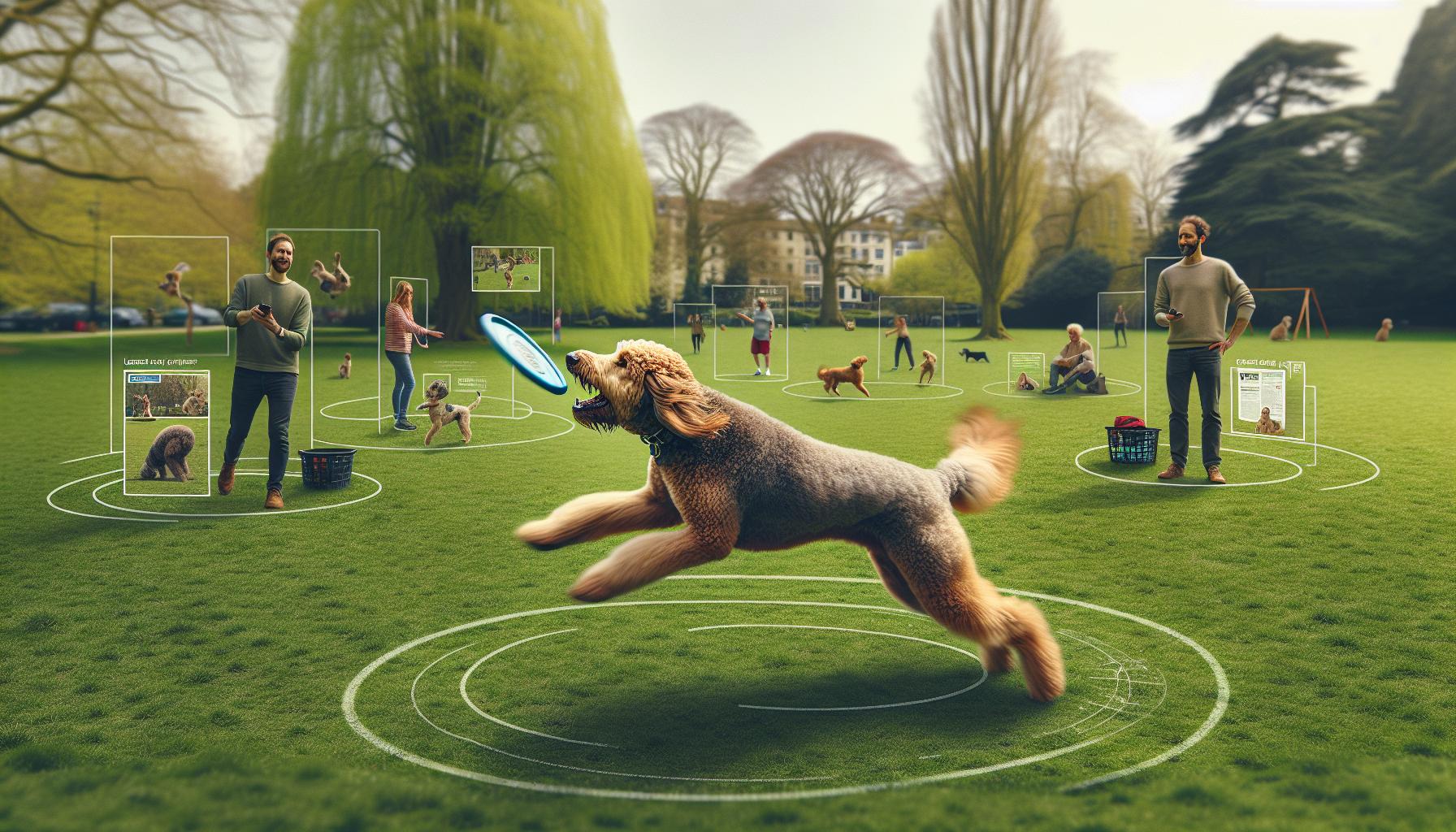
Labradoodles are renowned for their playful spirit and boundless enthusiasm, making it essential for owners to understand their daily activity needs clearly. These dogs thrive on physical exercise and mental stimulation, and ensuring they meet their activity requirements can lead to a well-balanced, happy pet. On average, a Labradoodle needs about 60 to 90 minutes of exercise every day, but this can vary based on their age, size, and individual personality.
To effectively meet your Labradoodle’s activity needs, consider incorporating different types of exercise into their routine. Here’s a practical breakdown to keep in mind:
- Physical Exercise: Regular walks, runs, and play sessions are vital. Aim for a mixture of moderate to vigorous activities like fetch, hiking, or swimming.
- Mental Stimulation: Engage their minds with puzzle toys, training sessions, or scent games that will keep them sharp and entertained.
- Social Interaction: Spend time with other dogs, whether through playdates or trips to the dog park, to build their social skills and confidence.
It’s also important to adjust the intensity and duration of their activity based on the dog’s age. Puppies and young Labradoodles may have higher energy levels and will benefit from more vigorous play, while older dogs might require gentler, shorter sessions to avoid fatigue. Keen observation of their behavior can help determine if they are receiving adequate exercise. If you notice signs of boredom, such as excessive barking or destructive behavior, it’s a clear indication that they need more physical and mental engagement.
Finally, consider keeping a log or a schedule of activities. This not only helps track their exercise but also allows you to vary the routine to keep your Labradoodle engaged. By fulfilling their activity requirements through a well-rounded mix of physical exercise, mental challenges, and social interactions, you can ensure that your Labradoodle remains not just energetic, but also a joyful and well-adjusted companion in your life.
Signs Your Labradoodle Needs More Activity
Recognizing when your Labradoodle needs more activity is crucial for maintaining their physical and mental well-being. These intelligent, energetic dogs thrive on interaction and movement, and failing to provide enough exercise can lead to behavioral issues. If you notice your furry companion exhibiting certain behaviors, it may be time to ramp up their activity levels.
- Destructive Behavior: If your Labradoodle starts chewing furniture, digging in the yard, or tearing up belongings, it could be a sign they have excess energy that needs to be channeled through active play.
- Excessive Barking: Frequent barking, especially when directed at nothing in particular, can indicate boredom or frustration due to a lack of physical stimulation.
- Restlessness: Constant pacing or an inability to settle down, particularly after walks, can signal that your dog isn’t getting enough exercise. They should be able to relax after a good play session.
- Hyperactivity: If your Labradoodle seems to bounce off the walls, engaging in frantic zoomies around the house or yard, it’s a clear indicator they need more physical activity to release pent-up energy.
Pay close attention to their habits. While every dog has individual quirks, these signs often indicate that your Labradoodle is looking for more ways to stay active. Consider varying their exercise routine by including different activities such as agility training, swimming, or even teaching them new tricks. Not only will these keep them engaged physically, but they’ll also provide much-needed mental stimulation.
Being proactive about your Labradoodle’s exercise needs will significantly enhance their quality of life and strengthen the bond you share. Regular walks, interactive playtime, and social engagement are essential elements that contribute to a happy, healthy Labradoodle. If you find that your dog consistently shows signs of needing more activity, think creatively about how to incorporate additional exercise into your daily routine.
Creative Ways to Keep Your Labradoodle Active
Keeping your Labradoodle active is not just about fulfilling their exercise needs; it’s a fantastic way to strengthen your bond and have loads of fun together! These intelligent and energetic dogs thrive on varied experiences, so getting creative with their activity can be a game changer. Here are some innovative ways to keep your Labradoodle engaged and happy.
Mix Up Playtime
Instead of the usual fetch and walk routine, spice things up with different activities. Consider introducing a game of hide-and-seek. Hide in your house and call your dog to find you; the excitement of the chase is sure to get them moving. You can also engage in tug-of-war using a sturdy rope toy. This not only provides exercise but also satisfies your pup’s instinctual need to tug and pull.
Incorporate Training and Mental Stimulation
Labradoodles are exceptionally intelligent and enjoy the challenge of learning new tricks. Set up an obstacle course in your backyard or at a local park using cones, tunnels, and jumps to promote agility training. Not only is this physically demanding, but it also mentally stimulates your dog, preventing boredom. Don’t forget to reward their efforts with treats and praise!
Socialization and Group Activities
Joining a doggy playgroup or enrolling in a training class can provide excellent social interaction for your Labradoodle. This type of environment allows them to expend energy through play with other dogs while recovering from the mental stimulation of learning basic commands or tricks. Also, consider arranging playdates with friends who own other dogs, creating a fun atmosphere where your dog can socialize and play.
Adventure Beyond the Neighborhood
Keep things exciting by planning outings to new environments. Take your Labradoodle on hikes where they can explore different terrains and scents. Visiting a nearby lake for some swimming can also be a fantastic way for them to exercise. Many Labradoodles love to splash around, which combines their love for water and physical activity wonderfully.
Implementing these creative strategies can help ensure your Labradoodle remains active and fulfilled, both physically and mentally. So grab that leash, a few toys, and let the adventures begin!
How Age Affects Activity Needs in Labradoodles
As Labradoodles age, their energy levels and activity needs can shift significantly, affecting their overall health and happiness. Puppies are bundles of energy, bursting with enthusiasm and a natural curiosity that drives them to explore their world. During this stage, they require ample playtime and interactive activities to channel their energy positively. Engaging in sessions of fetch, socialization with other dogs, and obedience training not only helps them burn off excess energy but also lays the foundation for good behavior as they grow.
As Labradoodles transition into adulthood, their energy levels may balance out, but they still maintain a high degree of playfulness and activity requirements. Adult Labradoodles typically thrive on about 60 to 90 minutes of exercise daily. This can include brisk walks, swimming, or fun games in the backyard. It’s during adulthood that owners may notice their dogs becoming increasingly capable of enjoying longer adventures, such as hikes or off-leash play at the park, where they can run freely and explore.
As Labradoodles move into their senior years, their exercise needs will change again, typically requiring less intense workouts. Senior Labradoodles may enjoy gentle walks and mental stimulation through puzzle toys rather than vigorous physical activity. It’s crucial to adjust their routine to prevent strain on their joints and bones while keeping them active enough to maintain their health. Regular vet check-ups can help monitor any signs of arthritis or other age-related issues, enabling tailored activity plans that suit their gradually transitioning energy levels.
To summarize, here’s a quick overview of how age influences the activity needs of Labradoodles:
| Age Stage | Typical Activity Needs | Suggested Activities |
|---|---|---|
| Puppy (0-1 year) | 1-2 hours of high-energy play | Fetch, socialization, short walks, training sessions |
| Adult (1-7 years) | 60-90 minutes of exercise | Brisk walks, hiking, swimming, agility training |
| Senior (7+ years) | 30-60 minutes of low-impact exercise | Gentle walks, mental stimulation games, navigation of familiar environments |
Observing your Labradoodle’s behavior will help you gauge whether their exercise needs are being met. An active dog will be well-adjusted and content, while one that is lethargic or bored may indicate the need for a change in routine. Adjusting activities and keeping a close eye on their individual needs will ensure that your Labradoodle remains a happy family member throughout their life stages.
Labradoodles vs. Other Breeds: Energy Comparison
Labradoodles are often celebrated for their energetic and playful nature, which can make them a delightful addition to active households. But just how do they stack up against other popular breeds when it comes to energy levels? Understanding these differences can help potential owners make informed decisions suited to their lifestyle.
To start, Labradoodles tend to share their energetic traits with several other breeds, particularly those known for intelligence and athleticism. For instance, Golden Retrievers and Border Collies are both renowned for their playful demeanor and high energy requirements. A Golden Retriever typically needs around 60 to 90 minutes of exercise daily, similar to Labradoodles. However, Border Collies might require even more, thriving on at least 90 minutes to 2 hours of activity, given their reputation for being one of the most energetic breeds.
In contrast, breeds like French Bulldogs or Bulldogs have significantly lower energy levels and exercise needs, often requiring only short walks and play sessions totaling about 30 minutes a day. This stark difference is essential for prospective dog owners to consider, especially in relation to their lifestyle and living conditions.
For a closer look, here’s a comparison of energy levels among these breeds:
| Breed | Daily Exercise Needs | Activity Suggestions |
|---|---|---|
| Labradoodle | 60-90 minutes | Brisk walks, fetch, swimming, agility training |
| Golden Retriever | 60-90 minutes | Hiking, fetching, swimming |
| Border Collie | 90-120 minutes | Agility sports, herding activities, long runs |
| French Bulldog | 30-60 minutes | Short walks, light play |
This table highlights that while Labradoodles are indeed energetic, they require significantly less exercise than breeds like the Border Collie. It’s important for potential Labradoodle owners to gauge their ability to meet these exercise needs. Ensuring your Labradoodle gets adequate physical and mental stimulation not only supports their health but helps channel their enthusiasm into healthy behaviors, creating a fulfilling environment for both the pet and the owner. Regular exercise can mitigate common behavioral issues like boredom or anxiety, contributing to a harmonious home.
The Role of Diet in Energy Management
The right diet is crucial for managing the energy levels of your Labradoodle, as it has a direct impact on their overall activity, health, and happiness. Labradoodles are known for their playful nature and high energy, which means they require a balanced diet rich in protein and healthy fats to fuel their active lifestyle. Feeding them high-quality, nutrient-dense food ensures they have enough energy to engage in daily activities like fetching, swimming, or agility training without becoming overweight or lethargic.
When choosing the appropriate diet, it’s essential to consider the age, size, and activity level of your Labradoodle. For instance, puppies typically need more calories to support their rapid growth, while older dogs may require a diet lower in calories and fat to maintain a healthy weight. A good rule of thumb is:
- Puppies: Look for high-protein formulas that support growth (around 22-32% protein).
- Adult dogs: Feed them a balanced diet with about 18-25% protein and 5-15% fat, adjusted based on their exercise level.
- Senior dogs: Opt for light formulas with lower calories to prevent obesity (approximately 15-20% protein).
Balancing Energy Intake and Output
Regular monitoring of your Labradoodle’s weight and energy levels can help ensure you’re meeting their dietary needs effectively. If you notice your dog seems restless or overly hyper, it might be time to reassess their diet and the caloric intake in relation to their exercise routine. A lack of energy could indicate too few calories, while being overweight might suggest overfeeding. Finding the right balance is key to keeping your Labradoodle in peak condition.
Hydration Matters
Don’t forget that hydration is equally important in energy management. Ensure your Labradoodle has access to fresh water throughout the day, especially after vigorous activities or play. Proper hydration helps to regulate their energy levels and supports metabolic functions, enhancing their overall well-being.
In summary, providing a high-quality diet tailored to your Labradoodle’s life stage and activity level is essential for effective energy management. By understanding their specific nutritional needs and monitoring their dietary intake, you can help harness their energy in a positive way, contributing to a happy and healthy companion.
Tips for Exercising Your Labradoodle Safely
One of the most gratifying moments in a Labradoodle owner’s life is watching their pup tear across the yard with boundless energy. However, keeping that enthusiasm in check is essential to ensure the safety and well-being of your furry friend. To exercise your Labradoodle safely, it’s vital to take a few precautions that allow them to enjoy their active lifestyle while minimizing the risk of injury.
Start by establishing a routine that incorporates various types of physical activities, ensuring they get a healthy mix of exercise to keep them mentally and physically stimulated. Activities like fetching, swimming, and agility training are fantastic for Labradoodles, but it’s important to gauge their fitness level first. Always warm up with light activities before diving into vigorous play to prep their muscles and joints. During play, take regular breaks and observe their body language; if your dog seems fatigued or overheated, it’s crucial to cool down and hydrate.
H3: Mind the Weather
Labradoodles are often eager to play regardless of the weather, but as an owner, you must be mindful of heat and cold extremes. In warm months, early morning or late evening walks are ideal to avoid heat stress. Keep water handy and encourage breaks in the shade. Conversely, during winter, consider the ground temperature-pavement can be particularly hard on their paws if it’s icy. Equip your Labradoodle with a warm coat for prolonged outdoor activities, and always check for signs of discomfort.
H3: Supervised Playdates
If socialization is part of your exercise plan, scheduling supervised playdates with other dogs is a brilliant way for your Labradoodle to expend energy. However, ensure that your Labradoodle is interacting with dogs of a similar size and temperament. Monitor their play style; exuberance is typical for Labradoodles, but roughhousing can lead to accidents if not managed. Know when to step in and redirect their energy towards more suitable activities if needed.
Incorporating a combination of structured exercise and fun activities, while keeping an eye on environmental conditions and peer interactions, makes for a safe and enjoyable exercise routine for your Labradoodle. Remember, the goal is to create an engaging yet safe atmosphere where your vibrant companion can thrive!
Common Misconceptions About Labradoodle Energies
Many people are drawn to Labradoodles for their friendly demeanor and adorable looks, but there’s often a misconception about their energy levels that can catch new owners off guard. While they’re undoubtedly playful and active, the idea that all Labradoodles are hyperactive is misleading. Each dog’s energy level can vary significantly based on a mix of genetics, upbringing, and individual personality. Understanding this can help you provide the right environment and exercise regimen for your furry friend.
One common belief is that Labradoodles require hours of intense exercise every day to burn off their energy. While they thrive on regular physical activity, a well-balanced routine that includes moderate exercise and mental stimulation is usually sufficient. Things like interactive puzzle toys or training sessions can tire them out just as effectively as a long run. It’s essential to recognize that over-exercising a Labradoodle can lead to exhaustion or injury, so focus on quality playtime rather than merely the quantity of hours spent being active.
Additionally, another myth is that Labradoodles are high-energy dogs that can’t adapt to a calmer lifestyle. In reality, these dogs can be quite adaptable, often fitting into both active and more relaxed households. Young Labradoodles might seem like a bundle of energy, but as they mature, many tend to settle down and enjoy longer periods of relaxation. This adaptability makes them suitable for various living situations, from busy families to quieter environments, as long as their need for engagement and exercise are met adequately.
It’s also crucial to challenge the notion that vigorous exercise alone defines their happiness. Labradoodles are social animals that thrive on interaction with their humans and other pets. A well-rounded approach, emphasizing socialization, training, and play, will contribute significantly to their overall well-being. So, when considering bringing a Labradoodle into your life, remember that energy comes in many forms, and the focus should be on fostering a healthy and enriching environment tailored to individual needs.
Building a Balanced Routine for Your Labradoodle
Creating a dynamic and balanced routine for your Labradoodle is essential for keeping them healthy, happy, and well-adjusted. Labradoodles are known for their friendly demeanor and playful nature, which means they thrive on regular activity and mental challenges. However, striking the right balance is key to ensuring your furry friend gets the exercise they need without overdoing it.
To start crafting a balanced routine, consider incorporating a mix of physical and mental exercises. Daily walks should be a staple-aim for at least 30 to 60 minutes of walking each day, supplemented with playtime in a secure area. Activities like fetch, frisbee, or tug-of-war can be exciting ways to burn energy. While these physical activities are crucial, don’t forget the importance of mental stimulation. Engage your Labradoodle with interactive toys that challenge their problem-solving skills, or enroll them in obedience classes to keep their minds active and sharp.
Sample Weekly Routine
To help visualize a balanced routine, here’s a simple weekly schedule:
| Day | Physical Activity | Mental Stimulation |
|---|---|---|
| Monday | Long walk (1 hour) | Puzzle toys (30 min) |
| Tuesday | Fetch at the park (45 min) | Training session (30 min) |
| Wednesday | Swimming session (1 hour) | Agility exercises (30 min) |
| Thursday | Hiking (1 hour) | Interactive games (30 min) |
| Friday | Playdate with another dog (1 hour) | Hide and seek (30 min) |
| Saturday | Long walk (1 hour) | Training and socialization (45 min) |
| Sunday | Rest day with short stroll (30 min) | Relaxation and bonding time (30 min) |
In addition to this routine, it’s important to grab opportunities for spontaneous play throughout your day. A short game of toss with a favorite toy during a break or a quick tug session while preparing dinner can help break up their routine and keep them engaged.
Finally, remember that every Labradoodle is unique. Individual energy levels and preferences may dictate adjustments to your routine. Observe your dog’s behavior and energy patterns, making sure to adapt activities to match their needs as they grow and change. With a little creativity and observation, you’ll not only provide the exercise they need but also build a stronger bond with your loyal companion.
Frequently asked questions
Q: How energetic are Labradoodles compared to other breeds?
A: Labradoodles are considered energetic dogs, often requiring more exercise than many other breeds. Their playful and friendly nature means they thrive on regular physical activity, making them suitable for active families or individuals who enjoy outdoor activities together.
Q: What are daily exercise requirements for a Labradoodle?
A: Labradoodles typically need at least 60 minutes of exercise daily, including walks, play, and mental stimulation. Engaging them in activities like fetch or agility training can help meet their physical and emotional needs effectively.
Q: What activities can help keep my Labradoodle active?
A: To keep your Labradoodle active, consider varied activities such as daily walks, dog parks, swimming, and puzzle toys. Interactive play not only exercises their body but also stimulates their mind, crucial for this intelligent breed.
Q: How does age affect a Labradoodle’s energy levels?
A: A Labradoodle’s energy levels will decrease as they age. Puppies and young adults require more exercise, while older dogs may need shorter, gentler walks. Adjust their routine to fit their age and activity tolerance to keep them healthy.
Q: What signs indicate that my Labradoodle needs more exercise?
A: Signs that your Labradoodle needs more exercise include excessive barking, destructive behavior, or restlessness at home. If they seem to have a lot of pent-up energy, it may be time to increase their daily activity levels.
Q: Can a Labradoodle be a good apartment dog with sufficient exercise?
A: Yes, Labradoodles can thrive in apartments if they receive enough exercise and mental stimulation. Daily walks and playtime can adequately meet their needs, provided they get regular outings to burn off energy.
Q: How important is mental stimulation for a Labradoodle’s activity requirements?
A: Mental stimulation is crucial for Labradoodles as they are highly intelligent. Activities like training sessions, puzzle toys, and interactive games help satisfy their mental needs and prevent boredom, which can lead to unwanted behaviors.
Q: What are common misconceptions about Labradoodle energy levels?
A: A common misconception is that all Labradoodles have the same energy level. In reality, energy can vary significantly based on factors like age, genetics, and individual personality. It’s essential to understand each dog’s unique needs for exercise and engagement.
To Conclude
Understanding the activity requirements of Labradoodles is crucial for ensuring your furry friend stays happy and healthy. These energetic dogs thrive on regular exercise and mental stimulation, so don’t hesitate to initiate a daily routine that includes walks, playtime, and engaging activities. If you’re ready to meet their needs, explore our more in-depth guides on Labradoodle training tips and ideal exercise routines.
Want to learn more about caring for your Labradoodle? Check out our articles on grooming essentials and nutrition tips tailored for this dynamic breed. Feel free to leave your thoughts in the comments below or share your own experiences-community support can make all the difference for new dog owners. Don’t forget to subscribe to our newsletter for expert advice directly to your inbox, keeping you informed and prepared for the joys of Labradoodle ownership. Every step you take today is a leap towards a fulfilling life for both you and your furry companion!