When considering a dog for protection, many new pet owners might wonder about the suitability of breeds like the Labradoodle. Known for their friendly disposition and intelligence, Labradoodles are often seen as ideal family pets. However, the question remains: Are they good guard dogs? Understanding their protective abilities is vital for ensuring your home and family feel safe. This exploration into the Labradoodle’s temperament, behavior, and training potential will help you assess whether this lovable breed can meet your protection needs without compromising their gentle nature. Join us as we dive deeper into the world of Labradoodles and uncover insights that can help you make an informed decision about your next furry companion!
What Are Labradoodles Known For?
Labradoodles have garnered immense popularity over the years, not only for their adorable looks but also for their charming personalities and versatility. Originally bred in Australia as service dogs for people with allergies, Labradoodles epitomize the perfect blend of a Labrador Retriever’s intelligence and the Poodle’s hypoallergenic coat. One of the standout traits of Labradoodles is their friendly and sociable nature, making them excellent companions and family pets. However, their attributes extend beyond just being loving family dogs; they are also highly intelligent and trainable, which makes them suitable for various roles, including therapy and assistance work.
With a keen understanding of human emotions, Labradoodles often form strong bonds with their families. This emotional intelligence can be a double-edged sword, especially when considering their ability as guard dogs. While they may not have the traditional intimidating presence of a German Shepherd or Rottweiler, their alertness and propensity to bark at unfamiliar noises or intruders can be advantageous. Besides their protective instincts, Labradoodles possess a playful and adaptable disposition, which can make them more approachable than conventional guard dogs, often surprising visitors with their friendly behavior rather than an aggressive stance.
When evaluating them as potential guard dogs, it’s important to note that Labradoodles thrive on companionship and recognition. Proper training and socialization from an early age can amplify their guarding instincts. By instilling confidence and building on their natural alertness, Labradoodles can effectively serve as watchful companions, alerting their owners of potential dangers while still exhibiting their innate friendliness. Balancing these characteristics means understanding that while they can protect, it’s their friendliness and sociability that often find them being welcomed as part of the family rather than the watchful guardian.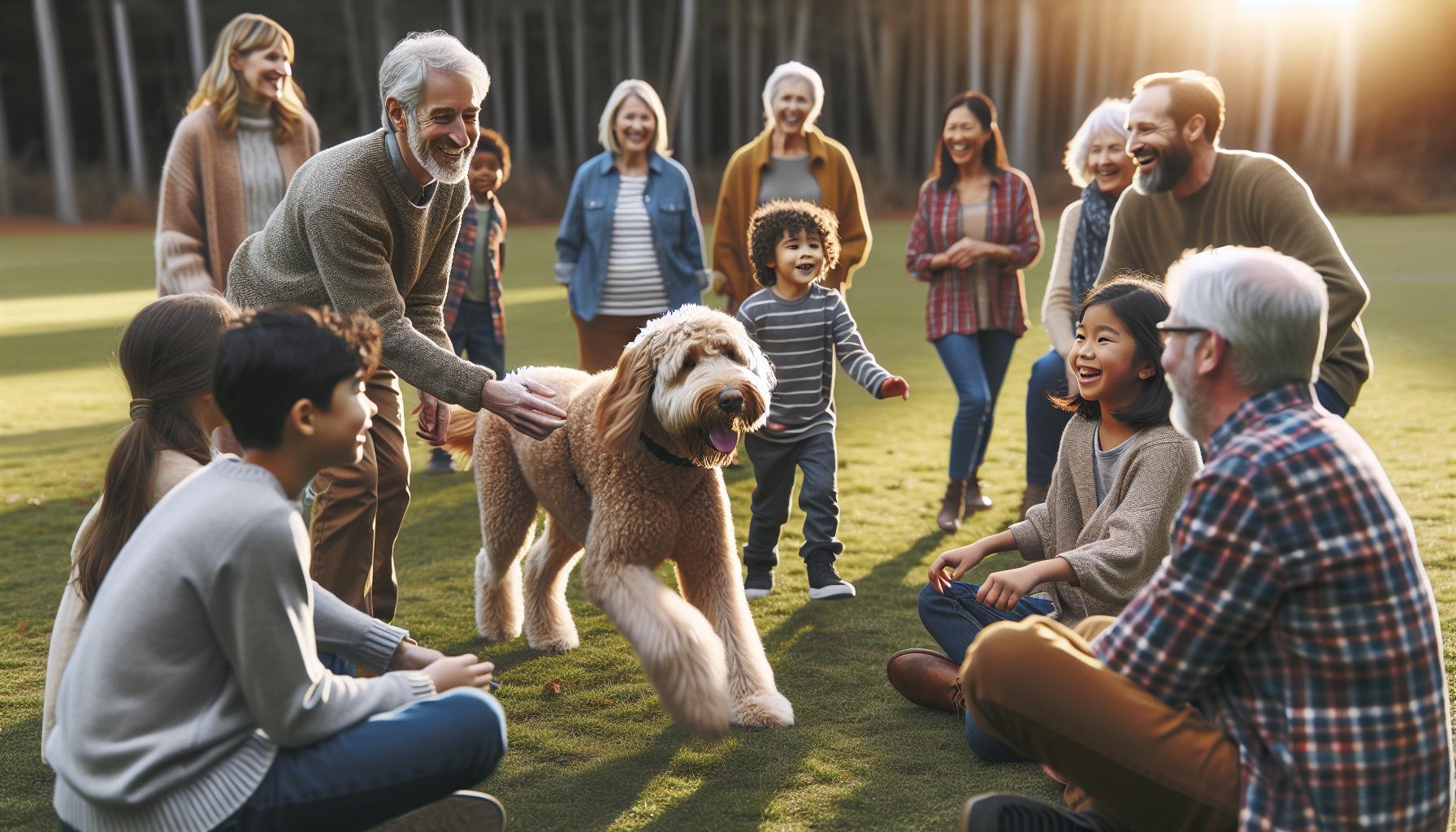
Understanding the Labradoodle’s Temperament
Labradoodles are known for their vibrant personalities and affectionate nature, making them delightful companions for families. This breed is not only intelligent and playful, but they also possess a unique emotional intelligence that can enhance their ability to bond with humans. Their temperament combines the friendly disposition of the Labrador Retriever with the Poodle’s cleverness, resulting in dogs that are eager to please, loyal, and very trainable. This blend makes them not just ideal family pets but also potential partners in various jobs, including therapy work and assistance roles.
Despite their friendly nature, Labradoodles also exhibit alertness and can be good watchdogs. While they might not strike fear into the hearts of intruders like some traditional guard dogs, their keen sense of awareness can serve them well in protective roles. They are naturally inclined to bark at unusual noises or when they detect unfamiliar faces, which can be an asset in alerting their owners to potential dangers. This alertness, combined with their sociable temperament, can provide a sense of security, especially in a family setting where they are valued as loving members.
To leverage a Labradoodle’s natural instincts for guarding, intentional training and socialization from a young age are essential. Creating a positive environment for them to engage with various people and situations enhances their confidence, allowing them to differentiate between normal activities and genuine threats. Encouraging them to express their vigilance without instilling unnecessary aggression fosters the ideal balance of protectiveness while retaining their innate friendliness. By exposing them to different environments, people, and situations, owners can shape their Labradoodles into alert yet sociable companions capable of offering a measure of protection while also being warm and welcoming to friends and family.
In summary, Labradoodles possess a temperament that is as versatile as it is lovable. By understanding and nurturing these qualities, owners can appreciate their Labradoodle’s potential to serve as a protective companion, balancing the roles of guard and best friend effectively.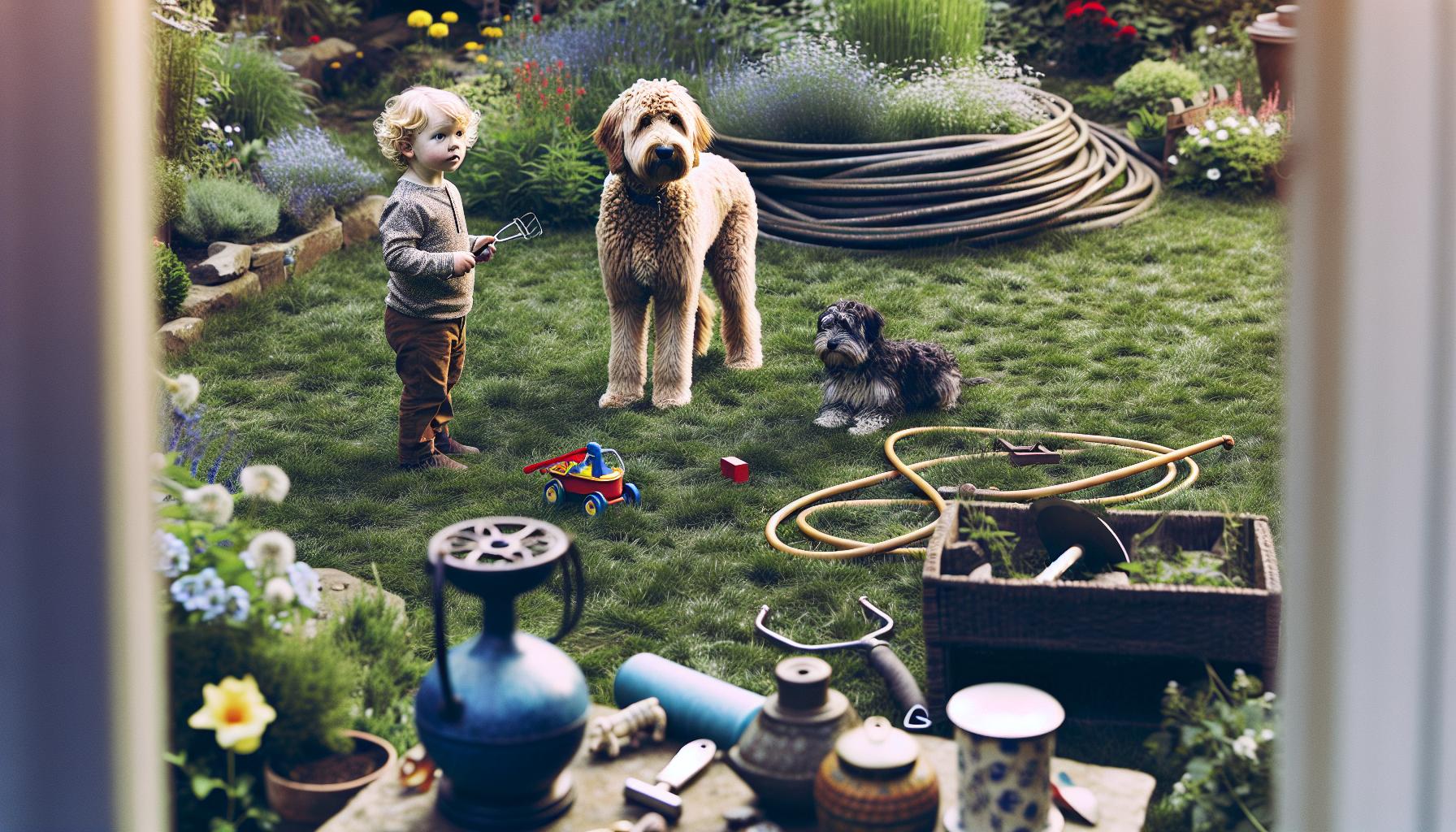
Are Labradoodles Protective by Nature?
Labradoodles, with their friendly disposition and intelligent nature, might not be the first breed that comes to mind when you think of traditional guard dogs. However, these lovable hybrids, a blend of Labrador Retrievers and Poodles, possess unique qualities that lend themselves well to guarding roles. What sets them apart is their alertness and keen sense of awareness; they naturally take notice of unusual noises and movements, which can play a crucial role in alerting their owners to potential threats. So while they might not have the intimidating presence of a Doberman or a Rottweiler, Labradoodles can indeed carry a watchful demeanor that provides a layer of security.
One of the remarkable traits that make Labradoodles somewhat protective is their strong bond with family members. They tend to become very attuned to the behavioral patterns of their owners and can sense changes in mood or routine. This sensitivity can enhance their protective instincts; they are more likely to react when they perceive something amiss, be it a stranger approaching the home or unusual sounds at night. Their natural inclination to bark can serve as an effective alarm system, notifying family members of any disturbances. This is particularly beneficial for families, as it brings an added level of comfort knowing that their pet is observant and vigilant.
For those considering Labradoodles as potential protectors, early socialization and training are imperative. Encouraging a balance between sociability and vigilance will shape their protective instincts in a way that aligns with the breed’s inherent friendly nature. Positive experiences with various people, environments, and situations from a young age will fortify a Labradoodle’s confidence and ability to discern between common interactions and genuine threats. With the right methods, these dogs can become not just loving companions, but also effective watchdogs.
In conclusion, while Labradoodles may not fit the conventional mold of guard dogs, their protective instincts can be harnessed through proper training and socialization. Their innate alertness, combined with their strong familial bonds, makes them capable of serving as loyal protectors of the home, ensuring that they not only provide love and companionship but also peace of mind for their owners.
Socialization and Training for Guarding Skills
The journey of transforming a Labradoodle into an effective protector begins with the critical foundation of socialization and training. Early exposure to various environments, people, and situations helps to cultivate a balanced temperament, ensuring that your Labradoodle develops the confidence necessary to distinguish between typical social interactions and genuine threats. This process is crucial because while Labradoodles are known for their friendly demeanor, they can be trained to exhibit protective behaviors when needed.
To kick off socialization, initiate your Labradoodle into a range of settings. This can include park visits, pet-friendly stores, and inviting friends over. Key objectives during these interactions should be to expose the dog to different sounds, sights, and smells, which will, in turn, sharpen their senses and responsiveness. A well-socialized Labradoodle develops a nuanced understanding of their surroundings, allowing them to notice when something feels “off”. Alongside exposure, practical training techniques such as obedience commands (sit, stay, come) reinforce their role as a family protector. Utilizing positive reinforcement-treats, praise, and play-during training fosters trust and willingness in your pet.
Incorporating structured training sessions can greatly enhance your Labradoodle’s guarding abilities. Teaching them how to respond to specific cues or commands when they sense something unusual is effective. For example, a command like “watch” can encourage your dog to focus attention on a stranger approaching the home. Conduct mock scenarios that mimic potential threats, such as a friend pretending to act suspiciously outside. This practice reinforces what behaviors are appropriate and educates the dog on how to react in real situations.
Tips for Effective Training
- Consistency is Key: Use the same commands and rewards to reinforce behaviors, ensuring clarity in what is expected.
- Gradual Exposure: Start with low-stress environments and gradually introduce your dog to more complex scenarios.
- Regular Practice: Schedule frequent training sessions to maintain skills and confidence.
- Engage with Professionals: Consider enrolling in obedience or protection classes to learn specialized techniques.
By thoughtfully engaging your Labradoodle through socialization and structured training programs, you cultivate not just a loyal companion but also a vigilant watchdog capable of safeguarding your family. With time, patience, and dedication, these lovable hybrids can adopt protective habits that align with their inherent good-natured disposition, making them not just pets but reliable family protectors.
Physical Traits That Influence Guarding Ability
The physical characteristics of a Labradoodle can play a significant role in their ability to serve as protectors, though it’s essential to remember that they are not traditional guard dogs. This crossbreed inherits traits from both the Labrador Retriever and the Poodle, combining elements that may aid in alertness and responsiveness to their environment. For instance, a Labradoodle’s size can vary depending on whether the Poodle parent was a standard or miniature, but they are generally sturdy dogs that are not overly intimidating, which may work in their favor when approaching strangers.
A Labradoodle typically has a keen sense of hearing and a good level of intelligence, traits that can be enhanced by their physical abilities. Their athletic build allows them to respond quickly to unusual situations, and a well-socialized Labradoodle is often quite observant, noticing changes in their surroundings. The combination of a thick, often wavy coat, which can provide some insulation against the elements, and their strong, confident stance makes them surprisingly effective at deterring unwanted visitors simply by their presence. When they bark, it can be a blend of alerting their owners and serving as a deterrent; a careful balance of playfulness and alertness fosters a sense of security.
Training can spotlight these traits further. Consistency in commands and rewards not only encourages your Labradoodle to adopt protective behaviors but also reinforces their physical capabilities. Engaging them in exercises that challenge both their mental and physical skills, such as agility drills or scent work, can enhance their attentiveness and responsiveness. Moreover, as a breed known for their sociable nature, they are often more approachable, allowing for effective interactions that can bewild the intruder while also maintaining a strong protective instinct.
In summary, while Labradoodles might not traditionally be viewed as guard dogs, their unique mix of physical traits-such as size, build, and responsiveness combined with sociability-coupled with proper training, can lead them to become surprisingly effective in safeguarding their families. Embracing their natural tendencies while fostering a strong connection through training can result in a puppy that balances being a beloved family member and a vigilant protector.
Comparing Labradoodles and Traditional Guard Dogs
When considering the protection abilities of Labradoodles, it’s essential to understand how they stack up against traditional guard dogs. Labradoodles, being a delightful mix of Labrador Retrievers and Poodles, often excel in companionship and friendliness, but their guarding instincts differ significantly from those breeds specifically trained for protective roles. Traditional guard dogs, such as German Shepherds or Rottweilers, are bred with strong guarding traits. They have a natural inclination to protect, often displaying assertiveness and a protective demeanor that is nurtured from a young age.
In terms of temperament, Labradoodles tend to be more sociable and friendly towards strangers, which can be both an advantage and a disadvantage in protective scenarios. Their gentle disposition may make them less likely to take an aggressive stance, whereas guard dogs are often trained to assess threats and respond with assertiveness. For instance, a Rottweiler’s broad build and deep bark may make it an imposing presence against intruders, while a Labradoodle, with its endearing personality, might appear non-threatening, potentially failing to deter wrongdoers.
Common Traits of Traditional Guard Dogs vs. Labradoodles
| Trait | Traditional Guard Dogs | Labradoodles |
|---|---|---|
| Protectiveness | High | Moderate |
| Size | Larger, more intimidating | Variable (depends on Poodle type) |
| Temperament | Assertive, loyal | Friendly, sociable |
| Training Focus | Protection, defense | Obedience, agility |
| Response to Threats | Defensive | Curious, playful |
Despite these differences, Labradoodles can still possess protective instincts, especially if appropriately trained. Their high intelligence makes them quick learners, and with consistent socialization and training focused on alertness, they can become effective watchdogs. For example, a well-trained Labradoodle can be taught to bark when someone approaches the home, effectively alerting the family of potential intruders. However, they are less likely to exhibit the intimidation factor that a traditional guard dog might.
Understanding these distinctions is vital for prospective owners contemplating a Labradoodle as a protector. While they may not be traditional guard dogs, with the right training and an emphasis on socialization, they can fulfill roles that provide security in a different light, offering companionship combined with vigilance. Embracing their loving nature and training them to recognize genuine threats can lead to a unique protective relationship that resonates with their positive disposition.
Real-Life Examples of Labradoodles as Guard Dogs
Labradoodles may not be the first breed that comes to mind when considering guard dogs, but they have proven themselves as capable guardians in numerous real-life situations. With their intelligence and sociable nature, many Labradoodles have surprised their owners by stepping up in protective scenarios. One heartwarming example comes from a family in a suburban neighborhood where their Labradoodle, Max, detected an unusual presence outside their home one evening. Instead of retreating to his cozy bed, Max barked incessantly, alerting his owners to an unfamiliar car parked near their driveway. His vigilant behavior led the family to check outside, where they discovered trespassers attempting to break into a neighbor’s garage. Max’s proactive barking not only scared them off but also helped the neighbors avoid a theft.
Another remarkable instance involved a therapy Labradoodle named Bella, who had been trained to support individuals with anxiety. While visiting a local park, Bella noticed a child who had wandered away from their parents. Sensing something was wrong, Bella began to bark and run toward the lost child, drawing the attention of nearby adults. Her actions ensured the child was safely returned, showcasing how a Labradoodle’s protective instincts can manifest even in less conventional ways.
Labradoodles also tend to bond closely with their families, which can amplify their protective tendencies. For example, a couple discovered their Labradoodle, Charlie, had an innate knack for sensing disturbances. One night, during a thunderstorm, when a sudden loud noise startled the couple, Charlie instinctively rushed to their side, standing guard until they felt reassured. His comforting presence was not only a source of security but also underscored the loyalty commonly found in this breed.
To maximize their guarding potential, Labradoodles can benefit from consistent training and socialization. Encouraging them to bark at unfamiliar sounds can help them become more alert watchdogs. In addition to fostering protective instincts, owners should remember that each dog is unique; some may excel in alerting to dangers while retaining their friendly demeanor. Regardless of their traditional guarding abilities, Labradoodles offer a blend of companionship and vigilance, providing safety through awareness and love.
Tips for Training a Labradoodle to Protect
Training a Labradoodle to protect is both a rewarding and engaging process, as these dogs naturally possess intelligence and a strong desire to please their owners. With the right approach, you can instill a keen sense of alertness and reinforce protective behaviors in your furry friend. Consistency, positive reinforcement, and a structured training routine are essential elements for developing your Labradoodle’s guarding instincts.
One effective method is to engage your Labradoodle in regular obedience training. Implement basic commands like “sit,” “stay,” and “leave it,” which form the foundation for more complex training exercises. When your dog responds correctly, reward them immediately with treats or praise to reinforce the desired behavior. Gradually introduce specific commands related to protecting, such as “alert” or “watch,” and encourage your dog to respond with a bark when prompted. This not only teaches your Labradoodle to alert you to potential threats but also stimulates their natural instincts to protect their family.
Socialization also plays a crucial role in training. Take your Labradoodle out to various environments, introducing them to different people, and animals. This exposure helps them distinguish between normal and unusual circumstances. Encourage your dog to vocalize in response to unfamiliar sounds or sights during walks. For instance, if a passerby makes a loud noise, reward your dog for barking or showing interest. Over time, this will enhance their alertness and make them more comfortable in discerning real threats from benign situations, reducing anxiety and unwanted barking.
Lastly, spend time simulating different scenarios at home. Use props or enlist friends to create mild disruptions, allowing your Labradoodle to practice their alert responses in a controlled environment. Celebrating their achievements, whether big or small, will foster a sense of confidence and encourage a protective demeanor. Remember, each Labradoodle is unique, so tailoring your training approach to fit your dog’s personality can make all the difference. Enjoy this bonding experience, understanding that patience and persistence will yield the best results in cultivating a loyal and protective companion.
Common Misconceptions About Labradoodles
Labradoodles, often adored for their playful demeanor and friendly nature, are sometimes underestimated when it comes to guarding abilities. One significant misconception is that these dogs are solely companion animals and lack the protective instincts of traditional guard dogs. However, it’s essential to recognize that while Labradoodles may not have the same aggressive tendencies as breeds like Rottweilers or German Shepherds, they can still exhibit protective behaviors when properly trained and socialized.
Another common myth is that Labradoodles are not capable of alerting their owners to intruders or unusual activities. In reality, their keen intelligence and natural curiosity make them excellent watchdogs. With the right training, they can learn to bark or alert you when something seems off. It’s important to note that their alertness is often influenced by their socialization experiences. A well-socialized Labradoodle exposed to various sights, sounds, and people will be more equipped to discern between everyday happenings and genuine threats.
Additionally, many people believe that Labradoodles require excessive exercise or grooming, which can deter potential owners. While it’s true that they benefit from regular physical activity and maintenance, their energy levels and grooming needs can be managed effectively. In fact, dedicated owners can enjoy a fulfilling relationship without the demands associated with higher-maintenance breeds.
For anyone considering a Labradoodle as a guard dog, it’s crucial to understand that much of their protective capability lies in hands-on training and consistent reinforcement. With patience and the right techniques, Labradoodles can surprise you with their ability to protect your home and family, proving that every dog, regardless of breed, has the potential to develop guarding skills with the right guidance.
Signs Your Labradoodle May Be a Good Watchdog
Labradoodles may not be the first breed that comes to mind when considering a watchdog, but several key signs indicate they could excel in this role. One of their standout traits is their alertness; Labradoodles are often very aware of their environment. If your Labradoodle frequently perks up at the slightest noise or shows interest in new people approaching, it’s a positive sign that they have the potential to be a watchful companion. Their keen instincts can serve as an early warning system, alerting you to potential intruders or unusual activity around your home.
Another important factor to consider is their socialization. A well-socialized Labradoodle is generally more discerning when it comes to assessing situations and people. If your dog shows curiosity rather than fear towards unfamiliar individuals or environments, this balanced temperament can indicate a good watchdog nature. For example, if your Labradoodle remains calm yet attentive when visitors arrive, rather than showing anxiety or aggression, it’s a promising indicator of their potential as a protective companion.
In addition, Labradoodles possess a unique mix of intelligence and trainability that can further enhance their guarding instincts. If your dog responds well to commands and exhibits problem-solving skills, these qualities can be harnessed for protective behaviors. Training sessions that include specific commands for alerting you to strangers can capitalize on this intelligence. For instance, teaching your Labradoodle to bark on command when someone knocks can help instill a sense of protection while also reinforcing their natural instincts.
Lastly, observe your Labradoodle’s attachment to you and your family. A strong bond often means they will be protective of their loved ones. Dogs that display loyalty and affection toward their family members may instinctively want to guard them from perceived threats. To gauge this, pay attention to their behaviors, such as how they react when your family is together in a vulnerable situation or how they behave in new settings. If they remain close to you, watching over your movements, that may point to the inherent guarding abilities within your Labradoodle.
When Labroodles May Not Be the Best Choice
While Labradoodles carry an endearing reputation for their friendly and sociable nature, several characteristics might make them less suitable as guard dogs in certain scenarios. It’s essential to recognize these limitations, especially for potential owners who might have security concerns. The charming demeanor of Labradoodles often translates into a disposition geared more towards companionship than guarding, which can be a critical factor when assessing their appropriateness for protection roles.
One significant aspect to consider is their inclination toward socialization. Labradoodles typically thrive on human interaction and are known for their welcoming attitude toward strangers. Although this trait can be delightful, it poses a challenge in terms of protecting property or family. If a dog is overly friendly, it may not respond as needed in scenarios where it’s essential to act more aggressively or defensively. For instance, rather than barking at an intruder, a Labradoodle might greet them with wagging tails, which is not ideal for a watchdog.
Additionally, the breed’s energy levels and need for mental stimulation must be taken into account. Labradoodles are highly intelligent and require significant physical activity and engagement to remain happy. A bored or under-exercised Labradoodle may exhibit anxiety or destructive behavior, further detracting from its guarding capabilities. Thus, if the owner cannot commit to regular exercise and mental challenges, the dog’s overall behavior could jeopardize any training aimed at enhancing protection instincts.
Moreover, comparing Labradoodles to traditional guard dogs-such as German Shepherds or Rottweilers-highlights stark differences in temperament and instinct. Traditional guard dogs are bred specifically for protection, boasting a natural inclination to defend their territory and family. In contrast, Labradoodles might not possess the same inherent guarding instincts, which can lead to inconsistencies in performance as guard dogs. It’s crucial for owners seeking a protective canine to align their needs with the Labradoodle’s characteristics.
In conclusion, while Labradoodles can perform admirable protective roles under the right circumstances, they are generally not the best choice for everyone. Their social nature, high exercise requirements, and training needs mean that they excel as companions rather than dedicated guard dogs. Understanding these traits can help owners make informed decisions about whether a Labradoodle aligns with their expectations for security and companionship. If your priority is a dog that is primarily a protector, it may be wise to consider other breeds renowned for their guarding abilities.
How to Enhance Your Labradoodle’s Guarding Instincts
To cultivate your Labradoodle’s guarding instincts, tapping into their intelligence and social nature can yield surprisingly effective results. Unlike breeds with built-in protective instincts, Labradoodles can be trained to recognize subtle changes in their environment and react appropriately. The key is consistent training that focuses both on obedience and awareness, steering their natural friendliness into a more alert and watchful demeanor.
Training Strategies for Enhancing Guarding Abilities
Begin with basic obedience training to ensure your Labradoodle understands key commands like “sit,” “stay,” and “leave it.” Once these commands are solidified, gradually introduce scenarios where your dog must exhibit protective behaviors. For instance, invite friends over and reward your Labradoodle for alerting you when they arrive. This helps them learn to recognize familiar faces versus unfamiliar ones in a controlled setting. Over time, this can build a sense of territory, making them more inclined to be watchful over what they consider their space.
Additionally, socialization plays a pivotal role in developing a discerning nature. Expose your Labradoodle to different environments, people, and pets. Controlled encounters with strange dogs or elevated noise levels can help your dog understand acceptable versus threatening behaviors. Notably, keeping a training journal detailing these interactions can clarify patterns in your dog’s responses, allowing you to tailor your training approach effectively.
Utilizing Positive Reinforcement
Employing positive reinforcement is essential when training your Labradoodle for guarding instincts. Whenever your dog displays alertness or a protective behavior, reward them with treats, praise, or playtime. This fosters a positive association with those behaviors, encouraging them to repeat these actions in the future.
Moreover, consider engaging in activities like agility training or tracking exercises that help develop your Labradoodle’s confidence and problem-solving skills. These activities stimulate their minds and bodies, promoting overall well-being and contributing to sharper protective instincts. Over time, the combination of physical activity and mental engagement can create a more balanced and observant dog, ready to act when necessary.
By carefully nurturing their innate qualities while instilling protective behaviors through consistent training and positive reinforcement, your Labradoodle can become a surprisingly effective and loyal companion when it comes to guarding your home and loved ones.
Frequently Asked Questions
Q: Are Labradoodles effective watchdogs?
A: Yes, Labradoodles can be effective watchdogs due to their alertness and intelligence. They are vocal and will typically bark to alert their owners of unusual activity, making them good at alerting you to potential threats without being overly aggressive [2].
Q: How can I train my Labradoodle to be more protective?
A: To enhance your Labradoodle’s protective instincts, consistent training and socialization are key. Begin with basic obedience commands and gradually introduce scenarios where they can assess situations. Positive reinforcement will encourage alert behavior without fearfulness [3].
Q: Do Labradoodles have strong guarding instincts?
A: Labradoodles do not have strong guarding instincts inherently, as they are bred more for companionship. However, with proper training and socialization, they can display protective behaviors, making them decent watchdogs [1].
Q: What traits affect a Labradoodle’s ability to guard?
A: A Labradoodle’s temperament, socialization experiences, and training techniques significantly impact its guarding ability. Characteristics like loyalty, alertness, and sociability are beneficial, while excessive friendliness may hinder its guarding effectiveness [2].
Q: Can a Labradoodle be a good personal protection dog?
A: While Labradoodles are not traditional personal protection dogs, they can be trained to provide a level of protection. Their friendly nature may not intimidate intruders, but they can be taught to alert you and act defensively if trained correctly [3].
Q: What are the limitations of Labradoodles as guard dogs?
A: Labradoodles may be less effective as guard dogs compared to breeds specifically developed for protection. Their friendly disposition can lead to a lack of aggressiveness. This means they might not respond aggressively to threats, which limits their guarding capabilities [1].
Q: How important is early socialization for Labradoodles being good guards?
A: Early socialization is crucial for Labradoodles to develop sensitivity and alertness to their environments. Proper exposure to various settings and people helps them distinguish between normal and suspicious activities, enhancing their potential as watchdogs [3].
Q: Are there any breeds better suited for guarding than Labradoodles?
A: Yes, breeds like German Shepherds, Rottweilers, and Doberman Pinschers are traditionally better suited for guarding due to their breeding history and natural protective instincts. Labradoodles are more family-oriented and may not carry the same guarding aptitude [2].
In Summary
In conclusion, while Labradoodles may not be the most traditional choice for guard dogs, their protective instincts can still shine through in the right environment. By understanding their temperament and training methods, you can cultivate their ability to alert you to potential threats while offering them the love and socialization they need. If you have concerns about their guarding capabilities, consider diving deeper into training strategies or exploring our articles on dog security, like “Top 5 Guard Dog Breeds” and “Effective Dog Training Techniques.”
Now is the perfect time to take action! Join our community by signing up for our newsletter to receive more expert tips and resources tailored for dog owners just like you. Share your thoughts or questions in the comments below-let’s keep this conversation going as you embark on your journey with your Labradoodle. Remember, every dog has unique potential, and together we can unlock yours!