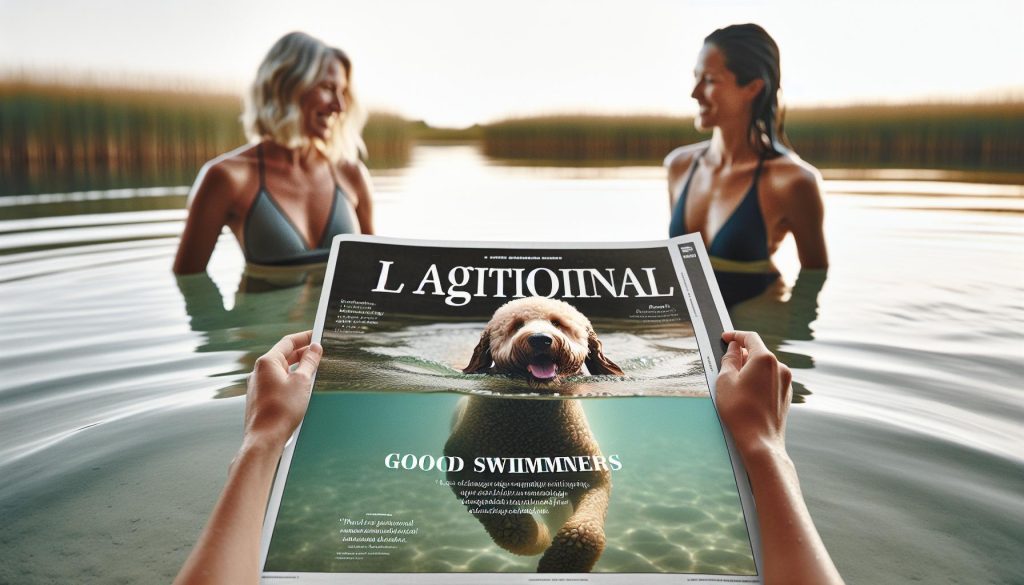
Did you know that Labradoodles often inherit water-loving traits from their Poodle lineage? This delightful mix is not only known for its friendly demeanor but also for its potential swimming abilities. If you’re a proud Labradoodle owner or considering adding one to your family, understanding their swimming skills can enhance your dog’s recreational activities and overall well-being. Many Labradoodles enjoy splashing around, making them fantastic companions for pool days and beach outings. However, not all dogs are natural swimmers, and some may need time to acclimate to water. In this article, we’ll explore whether Labradoodles are good swimmers, share valuable insights on their water skills, and offer tips to ensure your pup is both safe and confident in the water. Dive in to discover how your Labradoodle can enjoy water fun to the fullest!
Understanding Labradoodles: Water and Swimming Basics
Labradoodles, known for their friendly nature and intelligence, often exhibit a natural affinity for water. This breed, which is a cross between a Labrador Retriever and a Poodle, inherits traits from both parents that can contribute to their swimming abilities. Many Labradoodles are drawn to water and may take to swimming with ease, enjoying the cool refreshment on hot days. Their strong, athletic builds, plush coats, and webbed feet make them well-equipped for both play and agility in the water.
When assessing a Labradoodle’s swimming skills, it’s important to recognize that not all dogs are created equal. Individual temperament, exposure to water, and previous experiences can significantly affect a dog’s comfort and confidence in water. While many Labradoodles enjoy splashing around, not all may have instinctual swimming abilities, especially if they weren’t introduced to water in their early training stages. Understanding your dog’s personality is key; some may dive right in, while others might cautiously approach or prefer to stay on dry land.
Training your Labradoodle to swim can be a rewarding experience for both you and your pup. Start by introducing them to shallow water gradually, allowing them to splash and play while building confidence. Positive reinforcement, such as treats and praise, can encourage them to explore deeper waters. Always supervise your dog during water activities and consider using a doggy life jacket for added safety, particularly if they are inexperienced swimmers. With patience and consistent encouragement, your Labradoodle can learn to swim safely and enjoyably.
Incorporating fun water-based activities can enhance your Labradoodle’s experience. Activities like fetching floating toys or playing in a kiddie pool can help them develop their swimming style while boosting their confidence. Always monitor your dog for signs of fatigue or stress, and remember that each dog has its own threshold for water play. By creating enjoyable and positive water experiences, you can foster a love for swimming while ensuring your Labradoodle stays safe and happy in the water.
Do Labradoodles Naturally Enjoy Water?
Many Labradoodles have a natural attraction to water, an inherent affinity largely rooted in their lineage. As a hybrid breed descended from the Labrador Retriever-renowned for its love of swimming-and the Poodle, Labradoodles often inherit a playful spirit and a curiosity that draws them toward aquatic environments. This combination of genetics not only makes them versatile athletes but also enthusiastic participants in water-based fun. You might find your Labradoodle joyfully splashing around in a kiddie pool or diving into the lake to retrieve a stick with unbridled joy.
While it’s common for Labradoodles to enjoy water activities, individual preferences can vary significantly. Some dogs may take to water like a fish, while others might approach it with caution. It’s crucial to consider your dog’s prior experiences with water, their personality, and even their early socialization. For example, a Labradoodle exposed to water early on is likely to exhibit a playful, confident demeanor when faced with a swimming opportunity. Conversely, those who haven’t had this exposure might be hesitant or uncertain. Understanding your Labradoodle’s unique temperament can guide you in fostering a love for water activities.
Positive experiences are key to nurturing this affinity for water. Introducing your Labradoodle to water gradually, starting with shallow, calm environments, can help build their comfort and confidence. Encouraging play through fetching toys or simply splashing together can transform any water session into a delightful bonding experience. Always be patient, and allow your dog to explore at their own pace, rewarding them with treats or praise when they show curiosity or excitement about the water. This not only reinforces positive behavior but also sets the stage for a lifetime of enjoyable swimming experiences.
In summary, while many Labradoodles are naturally inclined to enjoy water, individual preferences and experiences play a significant role. Fostering this enjoyment through gradual exposure, playful interactions, and positive reinforcement can lead to a successful and fulfilling relationship with water activities that both you and your Labradoodle will cherish.
Assessing a Labradoodle’s Swimming Ability
When it comes to evaluating a Labradoodle’s swimming ability, it’s essential to recognize that they’re not all born with the same proclivity for water, despite their Labrador lineage. Many Labradoodles share the Labrador Retriever’s love for swimming, benefiting from their natural athleticism and strong, muscular builds. However, their swimming prowess can vary based on factors like individual temperament, early exposure to water, and even coat type. Assessing these aspects can give you a clearer picture of your Labradoodle’s likely abilities in the water.
Key Factors to Consider
One crucial factor is the dog’s coat type. Labradoodles can have varying degrees of curliness and density in their fur, influenced by whether they take after the Poodle or the Labrador side of the family. A wavy or curly coat may help repel water and keep them buoyant, whereas a straighter coat might absorb water, making swimming more challenging for some. Here’s a quick overview of how coat types can affect swimming:
| Coat Type | Effect on Swimming Ability |
|---|---|
| Curly | Water-resistant, provides buoyancy. |
| Wavy | Some water resistance, moderate ease in swimming. |
| Straight | Absorbs water, may hinder swimming efficiency. |
In addition to coat type, your Labradoodle’s prior experiences with water play a significant role in their confidence and ability. If they’ve enjoyed positive experiences, such as playful splashes in shallow water or retrieving toys, they’re more likely to adopt a fearless attitude toward swimming. Conversely, a cautious or fearful temperament and a lack of exposure to water can lead to hesitance. You might notice they prefer to observe water from the shore rather than diving right in.
Conducting a Swimming Assessment
To evaluate your Labradoodle’s swimming capabilities, consider organizing a simple assessment that includes these steps:
- Familiarization: Introduce them to shallow water gradually. Let your dog explore at their own pace, providing encouragement and praise.
- Observe Behavior: Watch how they respond when they first encounter water. Are they excited or apprehensive? This can help you gauge their comfort level.
- Basic Swimming Trials: Once comfortable, gently encourage them to enter deeper water. Use a favorite toy to prompt retrieval, ensuring the environment is safe and calm.
- Build Confidence: Reward their efforts, regardless of whether they swim well or just wade around. Positive reinforcement is key.
In summary, understanding and involves not just recognizing obvious physical traits but also considering their temperament and previous experiences with water. With the right introduction and encouragement, most Labradoodles can become confident swimmers, ready to dive into the fun!
Training Your Labradoodle to Swim Safely
When introducing your Labradoodle to water, safety should always be your first priority. Labradoodles can be enthusiastic swimmers-many inherit the love for water from their Labrador lineage-but proper training ensures they navigate water safely and confidently. It’s essential to approach their swimming education with patience and a positive attitude, as each dog’s comfort level and abilities can greatly vary.
To begin , start in a controlled environment. Choose shallow water, such as a kiddie pool or a calm beach shoreline, where they can comfortably wade in. Allow your pup to explore at their own pace, offering plenty of praise and treats to create a positive association with the water. Once they seem comfortable, you can encourage them to move a bit deeper, but always keep a close eye on their body language-any signs of fear or anxiety mean it’s time to back off and let them acclimate at their own speed.
Step-by-Step Approach to Water Training
Here’s a simple guide to help you navigate the training process:
- Introduce Water Gradually: Start with small amounts of water, allowing your Labradoodle to get their paws wet before fully entering.
- Use Positive Reinforcement: Bring toys or treats to inspire them to engage with the water. Praise their bravery and enthusiasm!
- Practice Swimming Techniques: Once they’re comfortable, encourage them to make short swims towards you. Use a secure leash initially if necessary to maintain safety.
- Recognize Signs of Fatigue: Watch for any signs of exhaustion, such as heavy panting or slowing down, and allow breaks as needed.
Safety devices like life vests can be beneficial, especially in deeper waters, as they provide added buoyancy and support for your Labradoodle. Even as they grow more confident, always supervise water play to prevent any hazardous situations.
Cultivating a love for water can enhance your Labradoodle’s happiness and health. Just like any new skill, swimming takes time to perfect. With attentive training and your positive enthusiasm, your Labradoodle will soon be gleefully paddling around and enjoying the refreshing fun of water play!
Safety Tips for Swimming with Labradoodles
When it comes to swimming, ensuring your Labradoodle’s safety is paramount, as water play can be both joyful and hazardous if not approached correctly. Labradoodles often have a natural affinity for water, thanks to their Labrador heritage, but this doesn’t mean they are immune to the risks that come with swimming. To help maximize their enjoyment while minimizing danger, consider the following vital safety tips.
First and foremost, always supervise your Labradoodle while they’re in or near the water. Even the strongest swimmers can encounter unexpected challenges, and having a watchful eye can prevent accidents. If you’re at a lake or beach, familiarize yourself with the water’s conditions, noting currents, waves, and hidden hazards like rocks or underwater obstacles. Additionally, ensure your dog is comfortable with the water environment before letting them venture in deeply.
Investing in a dog life jacket can be a lifesaver, particularly for those outings at the beach or on a boat. These jackets boost visibility, provide buoyancy, and can be a great reassurance for both you and your pup. Always use a well-fitted life vest to ensure it doesn’t impede their swimming and check for adjustability as your Labradoodle grows or fluctuates in weight.
Another key safety aspect is to remain vigilant about temperature and hydration. Labradoodles can easily become overheated during hot, sunny days, particularly when they engage in physical activities like swimming. Make sure to provide access to fresh water and plenty of shade. After water play, keep an eye out for signs of exhaustion or distress in your dog, like excessive panting or reluctance to continue swimming. Don’t hesitate to take breaks and allow them to rest.
To enhance the swimming experience, help your Labradoodle develop comfort in the water by using fun toys and engaging in games that encourage interaction without overwhelming them. Remember, safety first means checking that your home loader is clean and free of any toxic substances and that any water sources are safe and uncontaminated. By keeping these tips in mind, you can help your Labradoodle enjoy their time in the water while ensuring they stay safe and healthy.
Comparison: Labradoodles vs. Other Dog Breeds in Water
When it comes to swimming, Labradoodles tend to shine among dog breeds, largely due to their Labrador ancestry, which showcases a love for water. This breed’s playful energy and friendly demeanor make them more inclined to jump in and enjoy aquatic adventures compared to many other breeds. However, not all dogs share this enthusiasm for water, and their swimming skills can vary widely depending on their genetics, training, and exposure.
To paint a clearer picture, let’s compare Labradoodles with a few other popular dog breeds known for their relationship with water: Golden Retrievers, Bulldogs, and Dachshunds.
Swimming Skills Comparison Table
| Breed | Natural Swimming Ability | Water Enthusiasm | Common Swimming Risks |
|---|---|---|---|
| Labradoodle | Excellent | High | Overexertion, Temperature Sensitivity |
| Golden Retriever | Excellent | Very High | Overexertion, Ear Infections |
| Bulldog | Poor | Low | Drowning Risk, Overheating |
| Dachshund | Fair | Moderate | Body Shape, Back Injury |
Labradoodles and Golden Retrievers are similar in their affinity for water and have outstanding swimming abilities. Both breeds boast a strong build and a natural instinct for retrieving in water, making them ideal companions for beach days or lake outings. In contrast, Bulldogs often struggle due to their stocky build and short snouts, which can hinder swimming and increase drowning risks. Meanwhile, Dachshunds can swim, but their elongated bodies and short legs can lead to back strain when navigating through water, limiting their swimming enjoyment.
Practical Considerations for Water Activities
Regardless of breed, there are important considerations for introducing dogs to water. Training is essential; while some breeds may take to swimming naturally, others may require encouragement or gradual acclimatization. For instance, providing a safe environment with shallow water can help ease dogs into swimming. Additionally, safety measures, such as life jackets and supervision, are critical, especially for breeds that may not be instinctively good swimmers.
Encouraging water play with fun toys or engaging in playful activities can also foster a positive association with water. By understanding the unique swimming ability of Labradoodles compared to other breeds, owners can better prepare for water activities, ensuring their furry friends enjoy the experience safely and happily.
The Impact of Coat Type on Swimming Skills
When we think about how a dog’s coat can affect swimming ability, Labradoodles offer a fascinating case study. Their unique coat type, which is typically a blend of Labrador Retriever’s short, water-resistant fur and the Poodle’s curly or wavy fur, influences not just their swimming skills but also their comfort in the water. The varying coat textures found in Labradoodles-ranging from a straight, flat coat that is slick and easy to dry to a dense, curly coat that can hold water-can impact their buoyancy and water friction.
Dogs with shorter, denser coats like their Labrador ancestors may find it easier to swim efficiently. The natural oils in these types of fur provide a degree of water resistance, helping them glide more easily through the water. In contrast, Labradoodles with a curlier coat may experience more drag, which could make swimming slightly more challenging. However, the buoyancy provided by the curly hair can also help them stay afloat more effortlessly, as it tends to trap air, making them less likely to tire quickly.
To support your Labradoodle’s swimming journey, consider grooming as an essential part of their water readiness. Regular brushing not only prevents matting, which can weigh down their coat and hinder swimming, but it also helps maintain the natural oils that keep their fur water-resistant. After swimming, always rinse and dry your Labradoodle to remove chlorine or saltwater buildup that can affect their coat and skin.
In summary, understanding your Labradoodle’s coat type can help you gauge their swimming capability. Whether your pup has a tighter, sleeker coat or a fluffy, curly one, keeping their coat well-maintained will enhance their swimming experience. Observing their behavior in water can also offer insights; you may notice that some Labradoodles with different coat types will naturally gravitate towards water play with varying enthusiasm, which is always a wonderful aspect to celebrate!
Recognizing Swimming Risks for Labradoodles
While Labradoodles are generally known for their love of water, it’s essential to be aware of the potential risks associated with swimming. Just like any other breed, Labradoodles can face hazards that impact their safety and enjoyment in the water. One primary concern is the varying water conditions, as currents, tides, and temperature can affect their swimming experience. For example, swift currents can easily overwhelm even the most enthusiastic swimmers, and cold water can lead to hypothermia, especially if the dog isn’t accustomed to swimming in chilly conditions.
Another risk to look out for is water quality. Pools, lakes, and oceans can harbor unhealthy bacteria or toxins that can harm your furry friend. Always ensure that the water is clean and free of harmful substances before allowing your Labradoodle to take a dip. After swimming, it’s crucial to rinse your dog thoroughly to remove chlorine, salt, or any other irritants that could cause skin issues.
In addition to environmental factors, physical health is a vital aspect to consider. Labradoodles, particularly those with thicker or curlier coats, may struggle to manage their buoyancy or could become fatigued faster than expected. Some Labradoodles may also have underlying health issues such as hip dysplasia, which could affect their swimming ability. A gradual introduction to water and careful observation can help identify whether your dog enjoys swimming or should remain on dry land.
Lastly, it’s important to monitor your Labradoodle for signs of stress or fatigue while swimming. If they start to exhibit unusual behavior, such as excessive barking, splashing, or attempting to climb out of the water, this may indicate discomfort or inability to cope, prompting immediate intervention. With proper precautions and awareness of these risks, you can help ensure that swimming remains a fun and safe activity for your lovable Labradoodle.
How to Encourage Water Play in Your Labradoodle
Encouraging your Labradoodle to enjoy water play can be a joyous experience, as these dogs are often natural water lovers, inheriting traits from both their Labrador Retriever and Poodle parentage. To foster this love for water, it’s essential to create positive associations from the very start. When introducing your Labradoodle to water, consider starting with shallow areas where they can wade in and out comfortably. Ensure that the environment is calm, as chatter and splashes from larger bodies of water can be intimidating initially. Engage in play by tossing their favorite toys into the shallows so they can retrieve them; this helps them associate water with fun and positive moments.
Positive Reinforcement is Key
When you encourage your Labradoodle to explore water, be sure to use positive reinforcement. Offering treats or enthusiastic praise when they venture near or into the water reinforces their bravery. For example, if your dog cautiously approaches the water but stops short, give them lots of praise and perhaps a treat. With consistent encouragement, they will learn that exploration leads to good things. As they gain confidence, gradually introduce them to deeper water while ensuring you remain close to offer support and cheer them on.
Water Games and Activities
Games that incorporate water can significantly enhance your Labradoodle’s enthusiasm for swimming. Try setting up a kiddie pool in your backyard filled with shallow water. This makes for an excellent introduction without the intensity of larger bodies of water. You can even hide toys in the pool for your dog to find. Another engaging game is splashing water with your feet or using a hose to create little sprays for your Labradoodle to chase. Coupled with a game of fetch with floating toys, these activities not only keep them entertained but also improve their swimming skills.
Each dog is unique and may take varying amounts of time to warm up to water play, so be patient. Always prioritize safety by keeping a close eye on your dog and ensuring they can easily exit the water. Remember, the goal is to have fun and build a rapport with your Labradoodle around water activities, creating lifetime memories filled with joyful splashes and tail-wagging swims.
Common Misconceptions About Labradoodles and Swimming
It’s a common belief that all Labradoodles are natural swimmers, owing to their Labrador and Poodle lineage. However, this isn’t necessarily the case for every individual dog. One misconception is that every Labradoodle will instinctively love and excel in water activities. While many do possess a natural affinity for water and may show enthusiasm when splashing around, factors like early exposure, previous experiences, and personal temperament greatly influence their comfort and ability in watery environments.
Another prevalent myth is that coat type has no impact on swimming performance. In reality, Labradoodles can have varying coat textures-some might have more of the Poodle’s curly fur, while others may resemble the Labrador’s smoother coat. A curly or dense coat can become waterlogged and heavy, potentially making swimming more challenging for some dogs. Thus, it’s essential to recognize that a Labradoodle’s coat can influence both their buoyancy and comfort level when swimming.
Additionally, many new owners assume that all Labradoodles are great at swimming as soon as they jump into the water. Just like humans, dogs have varying skill levels. Some may take to it instantly, while others might need encouragement and proper training to build their confidence in the water. Recognizing that each dog is unique allows for personalized training strategies that focus on their specific needs and abilities.
Lastly, there is a myth that swimming is a completely safe activity for Labradoodles without risks. While it’s true that the majority of Labradoodles love water, safety should always remain a priority. Drownings can occur, particularly in unfamiliar settings or deep water. Therefore, it is crucial for owners to supervise their Labradoodles closely, especially during the initial introductions to swimming. Providing a safe and controlled environment will ensure that water-related activities remain a fun and enjoyable experience for your furry friend.
Expert Insights: Veterinarian Advice on Water Activities
When it comes to enjoying water activities, Labradoodles often bring a mix of enthusiasm and caution to the experience. As experts in veterinary care often highlight, understanding your Labradoodle’s individual temperament and experience with water is critical to ensuring a positive swimming experience. While many Labradoodles may inherit a natural affinity for water from their Labrador ancestry, not every dog will embrace swimming right away.
Veterinarians suggest starting with gradual exposure. For instance, introducing your Labradoodle to shallow water where they can comfortably stand and play helps build their confidence. You might consider playing fetch with a floating toy to combine fun and training. Always prioritize your dog’s safety by wearing a buoyancy aid if you’re in deeper water and ensuring you have a clear escape route should they feel overwhelmed.
Health Considerations
It’s also important to be aware of health factors that can affect swimming capability. Labradoodles, due to their mixed breed heritage, can suffer from specific health issues such as hip dysplasia or ear infections, particularly if they have floppy ears. Regular veterinary check-ups can help identify any potential concerns that may impact their swimming. Additionally, always rinse your dog off after swimming to prevent skin irritations or infections caused by bacteria or chemicals commonly found in pools or lakes.
Training Techniques
When it comes to training your Labradoodle to swim, positive reinforcement is a key technique endorsed by professionals. Rewarding your dog with treats and praise each time they enter the water can create a strong, positive association. If your dog shows reluctance, model the behavior by getting into the water yourself or using treats to coax them closer. Remember, patience is essential, as each dog learns at their own pace.
Encouraging your dog to engage with water not only promotes exercise but can also enhance their socialization skills and boost their confidence. In considering all these factors, you’re not just teaching a skill but also offering your Labradoodle a pathway to enjoying the joys of water play safely and happily.
Frequently asked questions
Q: Are Labradoodles prone to drowning?
A: Labradoodles are generally good swimmers, but like all dogs, they can drown if not supervised. It’s important to monitor them near water and teach them safe swimming habits. If your Labradoodle is not accustomed to water, start with shallow areas and gradually introduce deeper water. For more details, see the section on “Safety Tips for Swimming with Labradoodles.”
Q: How can I tell if my Labradoodle likes water?
A: Watch for signs of excitement like jumping or running towards water, splashing, or paddling with their paws. If they willingly enter the water and play, it’s a good indication they enjoy it. For tips on how to encourage water play, refer to the section on “How to Encourage Water Play in Your Labradoodle.”
Q: What are the best breeds for swimming compared to Labradoodles?
A: While Labradoodles are strong swimmers, breeds like Labrador Retrievers and Portuguese Water Dogs are particularly known for their exceptional swimming skills. The “Comparison: Labradoodles vs. Other Dog Breeds in Water” section offers insights into how Labradoodles measure up against these breeds.
Q: How often should I let my Labradoodle swim?
A: Regular swimming can benefit your Labradoodle’s physical health, but it’s important not to overdo it-20-30 minutes of swimming 2-3 times a week is generally sufficient. Always observe your dog for signs of fatigue, as outlined in the “Recognizing Swimming Risks for Labradoodles” section.
Q: What if my Labradoodle shows fear of water?
A: It’s not uncommon for some Labradoodles to be hesitant around water. Gradual exposure is essential-start with shallow areas and use toys to make it fun. For specific guidance, check the “Training Your Labradoodle to Swim Safely” section for effective techniques to help ease their fears.
Q: Can Labradoodles swim in cold water?
A: While Labradoodles can swim in cool water, extremely cold temperatures can be harmful. Monitor their comfort level and avoid prolonged exposure to icy conditions. To learn more, see the “The Impact of Coat Type on Swimming Skills” section for how their coat affects temperature tolerance.
Q: Do Labradoodles need flotation devices?
A: Labradoodles typically do not need flotation devices, as they are strong swimmers. However, if you’re in deep water or your dog is a novice swimmer, a life vest can provide extra safety. For recommendations, refer to the “Training Your Labradoodle to Swim Safely” section.
Q: Are there specific swimming exercises for Labradoodles?
A: Yes! Incorporate playful activities such as fetching water toys or teaching them to navigate through obstacles in shallow water. These exercises enhance their swimming skills while keeping them engaged. For more structured training tips, check out “Training Your Labradoodle to Swim Safely.”
By addressing these common queries, readers can gain a better understanding of their Labradoodle’s swimming abilities and needs. Don’t hesitate to explore our main article for deeper insights and practical advice!
In Conclusion
Now that you know Labradoodles often excel when it comes to swimming, consider making a splash this summer with your furry friend! Whether you’re preparing for beach adventures or just some backyard fun, these water-loving dogs are sure to make a joyful addition to your family’s outdoor activities. If you have questions about how to safely introduce your Labradoodle to water, check out our guide on “Swimming Safety Tips for Dogs,” or learn more about their unique care needs in our comprehensive “Labradoodle Care Checklist.”
Don’t forget to share your swimming stories and photos with us in the comments below! For more insights into the wonderful traits of Labradoodles, explore related articles on training tips and socialization strategies. Join our newsletter for expert advice and the latest updates tailored to your beloved pet. Dive in and discover everything you need to ensure your Labradoodle makes waves in the water this season!